





Will It Stand? is an indie casual simulation game for PC that puts players in the role of a structural engineer testing designs against real-world physics. The core premise revolves around creating buildings and frameworks with constrained resources, then subjecting them to destructive forces to see what holds up. Building serves as the starting point, but the emphasis lies on observation, analysis, and refinement as structures face earthquakes, heavy loads, and sudden impacts.
Gameplay
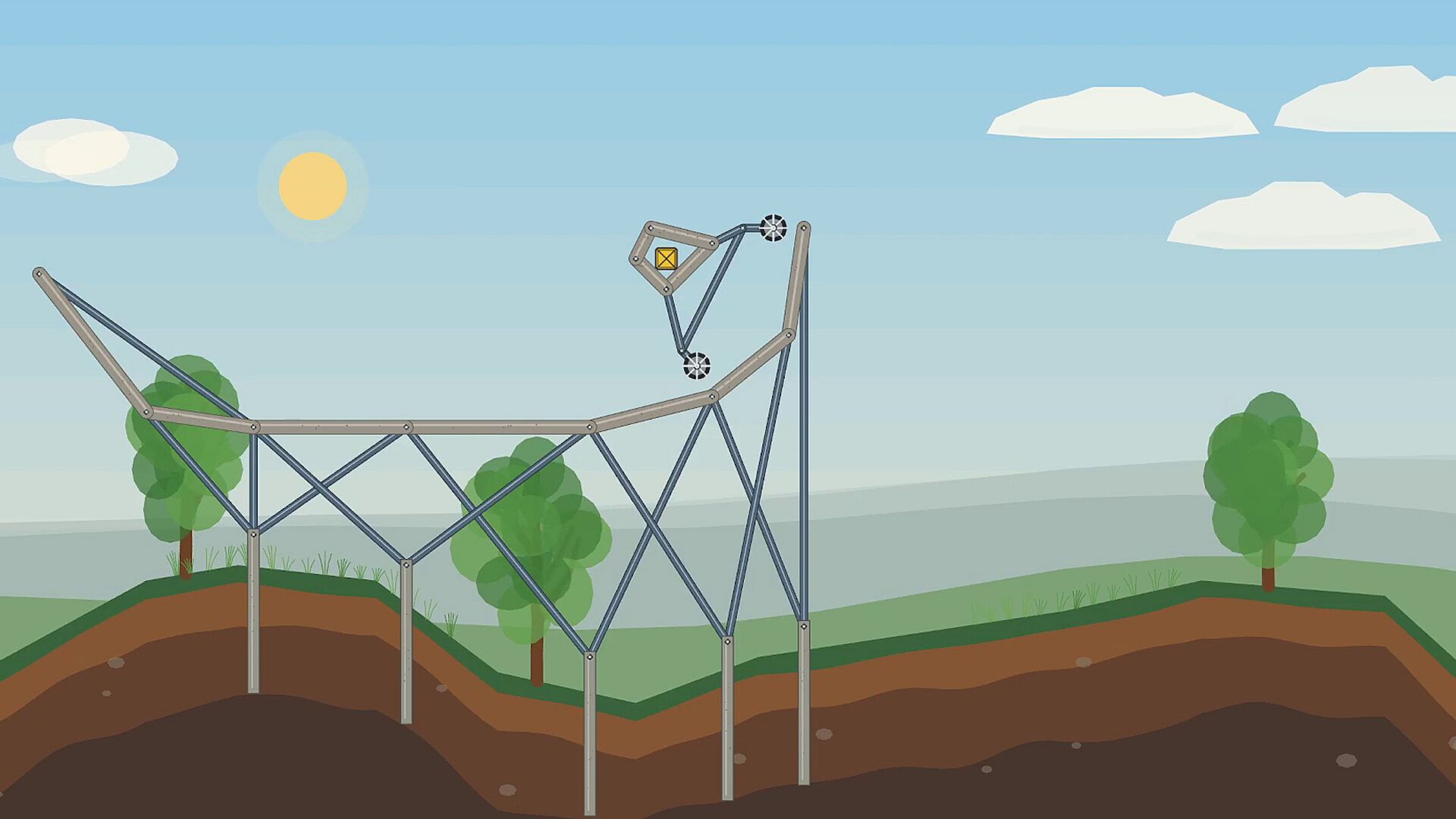
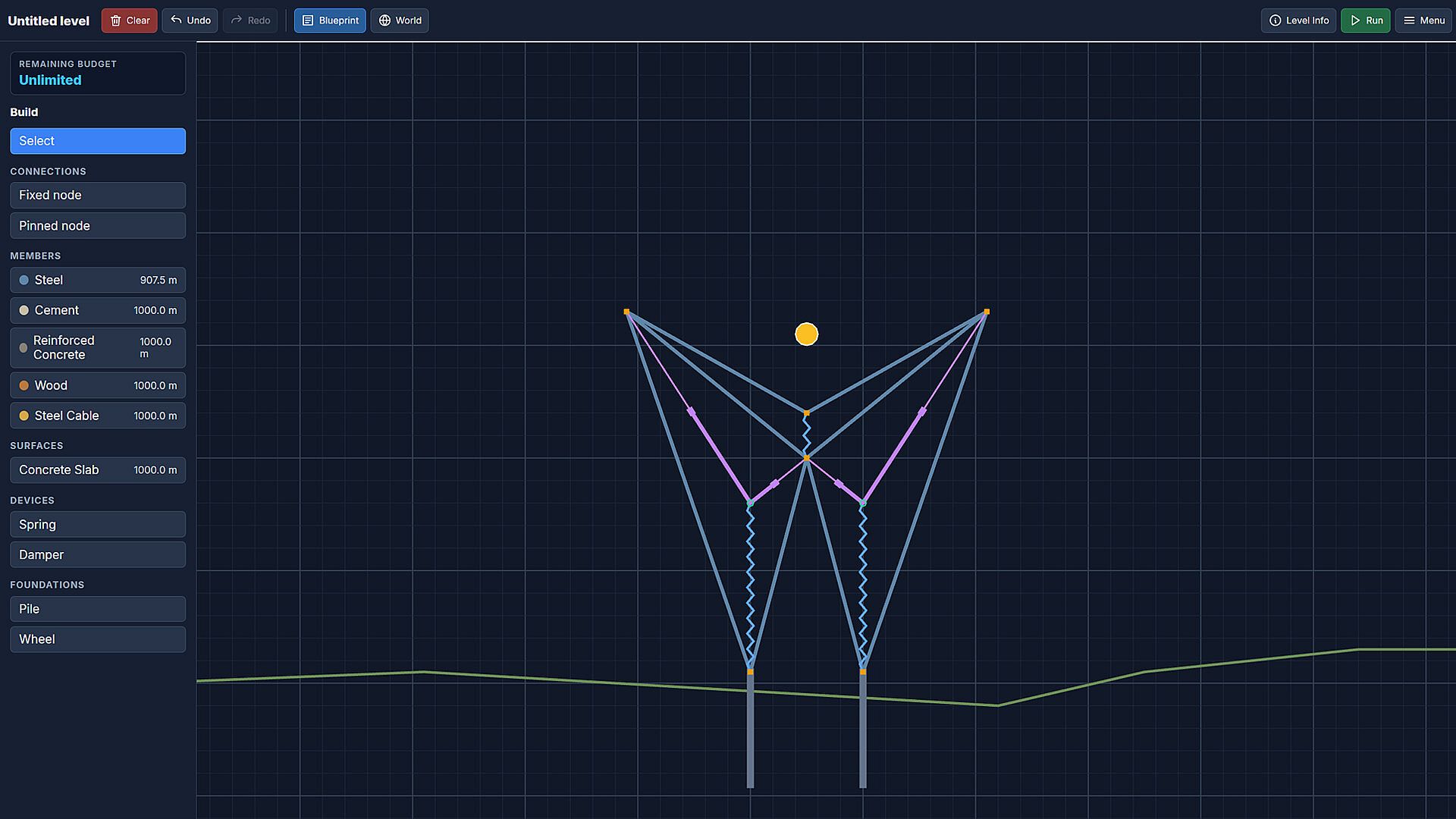
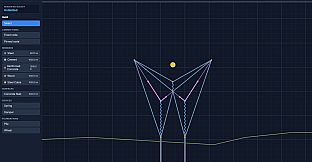
The gameplay centers on a blueprint-to-simulation workflow. Players plan layouts on a blueprint, select materials, and define connections between beams, joints, and supports. Once complete, the simulation activates and applies realistic physics, revealing how forces propagate through the design. Weak points become evident as elements bend, snap, or cause cascading failures.
Every decision carries weight. Adding material strengthens one area but can overload another, while removing a single element might reduce costs or trigger collapse. The system rewards careful consideration of strength, weight, cost, and layout rather than simply maximizing resources. Failures provide direct feedback on force paths, allowing targeted redesigns that improve stability without excess.
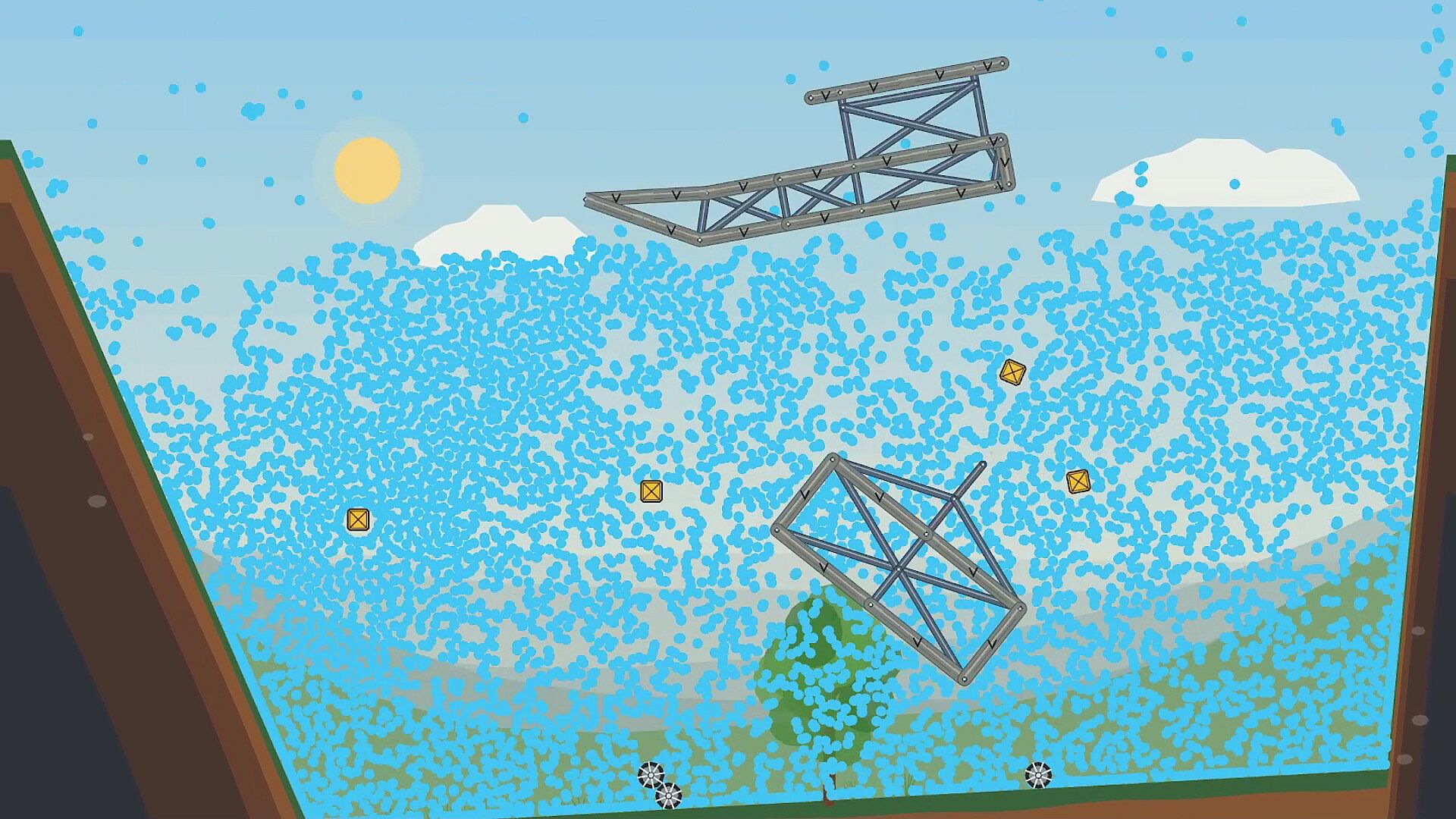
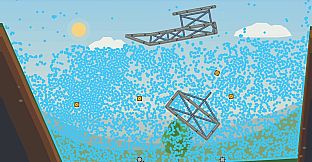
Visual feedback highlights the process in action. Structures deform under stress, joints separate, and debris scatters, giving clear insight into what went wrong. This loop of plan, test, observe, and iterate forms the heart of the experience, turning each attempt into a lesson in practical engineering.
Game Modes
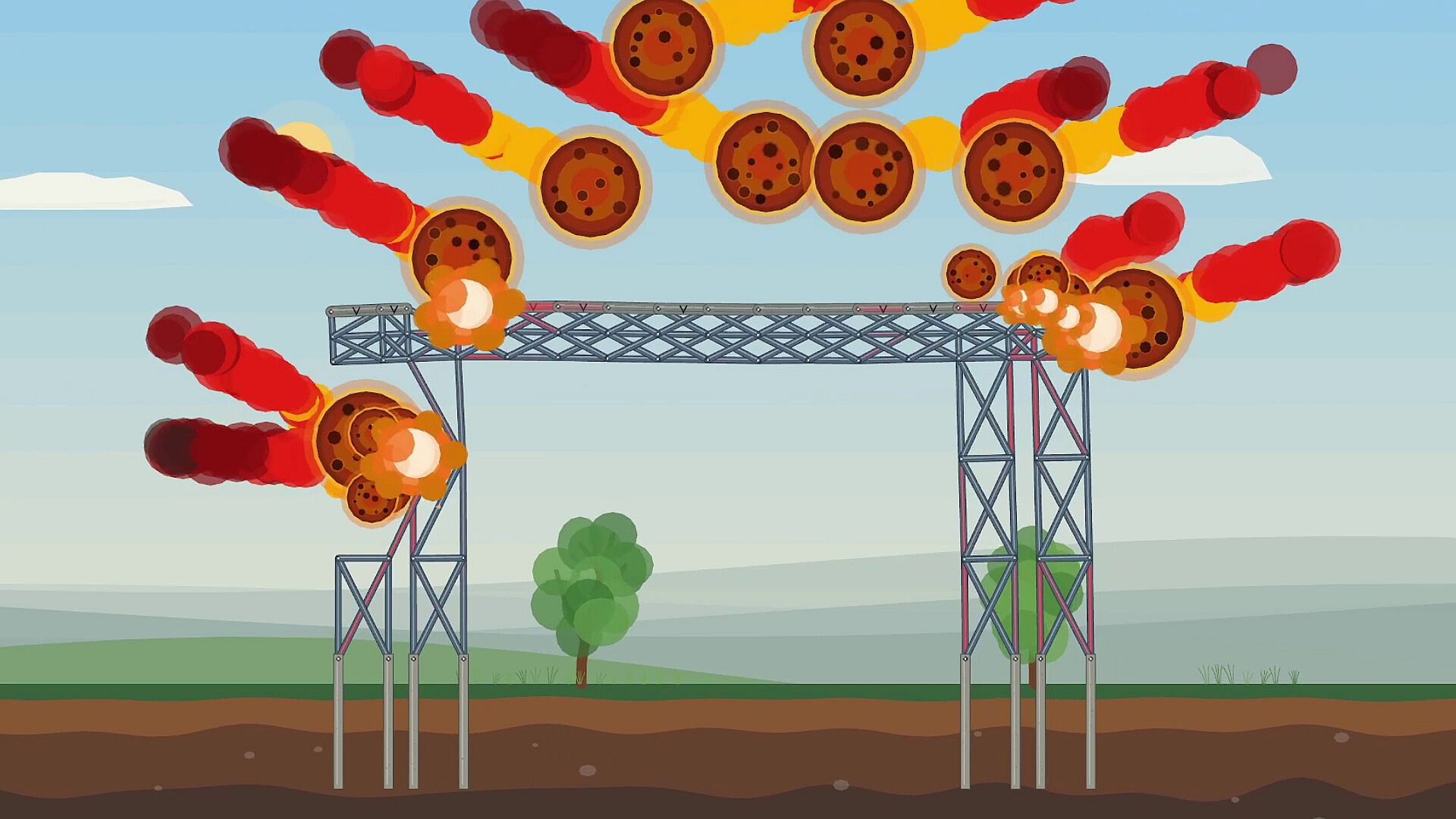
Will It Stand? presents its content through a series of escalating challenges rather than traditional named modes. Players tackle scenarios that increase in difficulty, beginning with moderate earthquakes and progressing to more intense seismic events. Other challenges require supporting progressively heavier loads while maintaining structural integrity.
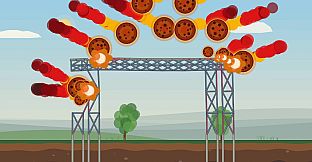
Additional objectives include protecting fragile or critical points within the build and enduring impacts, falls, or sudden destructive forces. Missions often impose strict limits on materials and budgets, forcing creative solutions that balance performance against constraints. Multiple approaches succeed, whether prioritizing minimal cost, elegant minimalism, or unconventional shapes that defy expectations yet remain stable.
The absence of a single correct answer encourages experimentation. Some designs focus on efficiency and clean lines, while others embrace odd configurations that survive through clever force distribution. This flexibility keeps the challenges engaging across repeated attempts.
Physics and Design Principles
Physics simulation drives every test. Real forces travel through the structure, exposing overlooked weaknesses that visual inspection misses. A seemingly sturdy arrangement can fail due to one poorly placed connection, while an asymmetric or unusual form might endure through smart engineering choices.
Material selection and connection types matter as much as overall shape. Heavier or thicker options do not guarantee success. The game highlights trade-offs where extra reinforcement in one section shifts stress elsewhere, and budget-conscious choices can eliminate unnecessary elements without compromising safety. Reliable outcomes emerge from thoughtful planning instead of sheer volume of resources.
Is It Worth Playing?
Will It Stand? suits players who enjoy methodical simulation experiences and iterative problem-solving. The focus on physics-driven feedback and redesign cycles appeals to those interested in engineering concepts without requiring prior expertise. Failure serves as a constructive part of the process, teaching better practices through direct observation of collapse mechanics.
The game emphasizes single-player experimentation on PC, with no multiplayer elements confirmed. Its casual tone combined with simulation depth makes it accessible for short sessions while offering depth for extended play. Those drawn to physics puzzles, structural challenges, and the satisfaction of refining a design until it withstands extreme conditions will find the core loop rewarding. The emphasis on limited resources and multiple viable solutions adds replay value for anyone who likes testing creative ideas against realistic constraints.