



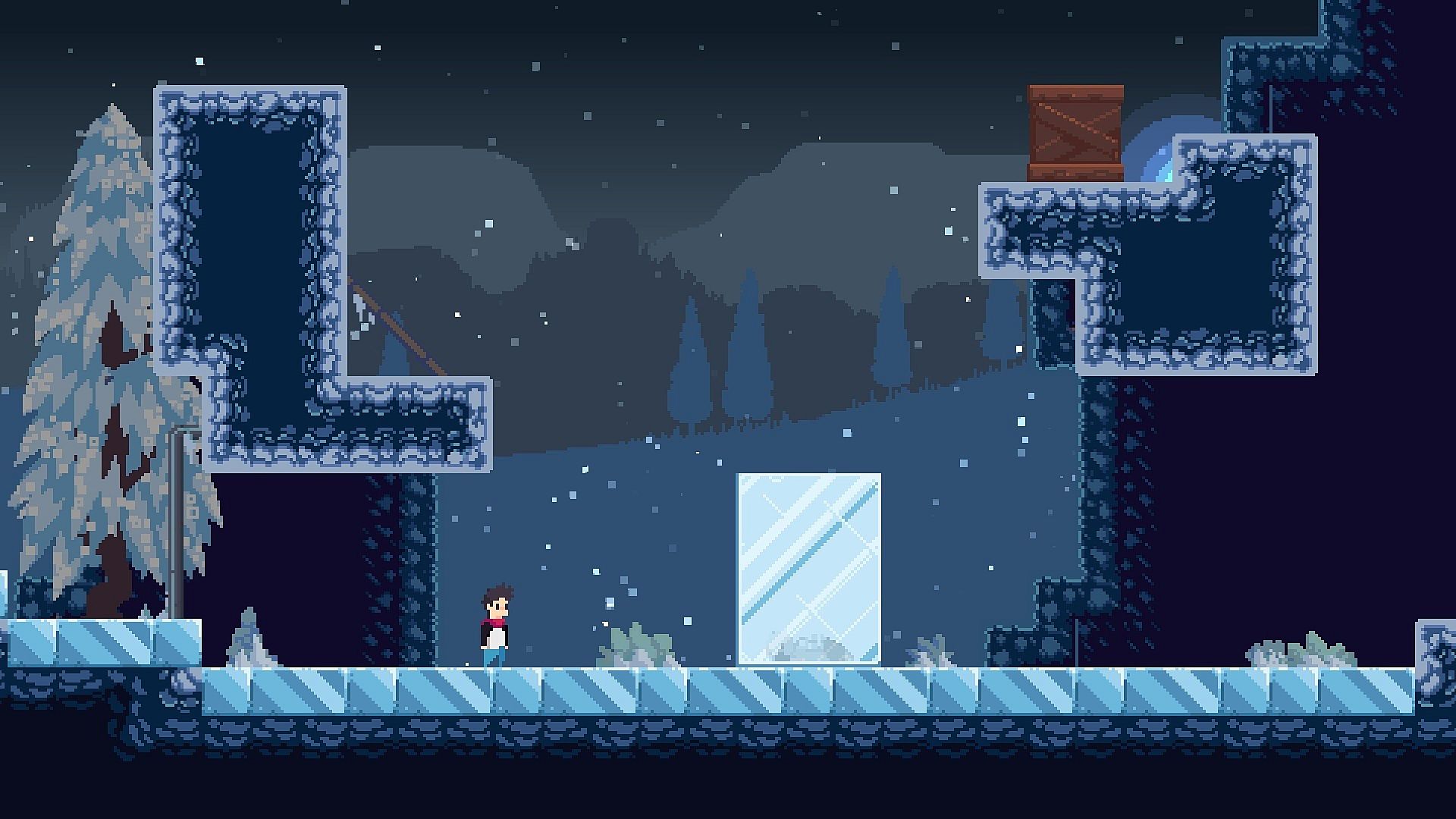
What Lies in the Multiverse is a story-driven puzzle platformer that centers on switching between parallel realities to solve environmental challenges and advance through a narrative filled with humor and unexpected turns. Developed as an indie title for PC, the game places players in control of a protagonist who teams up with the enigmatic Everett to navigate a series of interconnected worlds where simple actions like jumping or pushing objects gain new layers through dimension shifts.
Gameplay
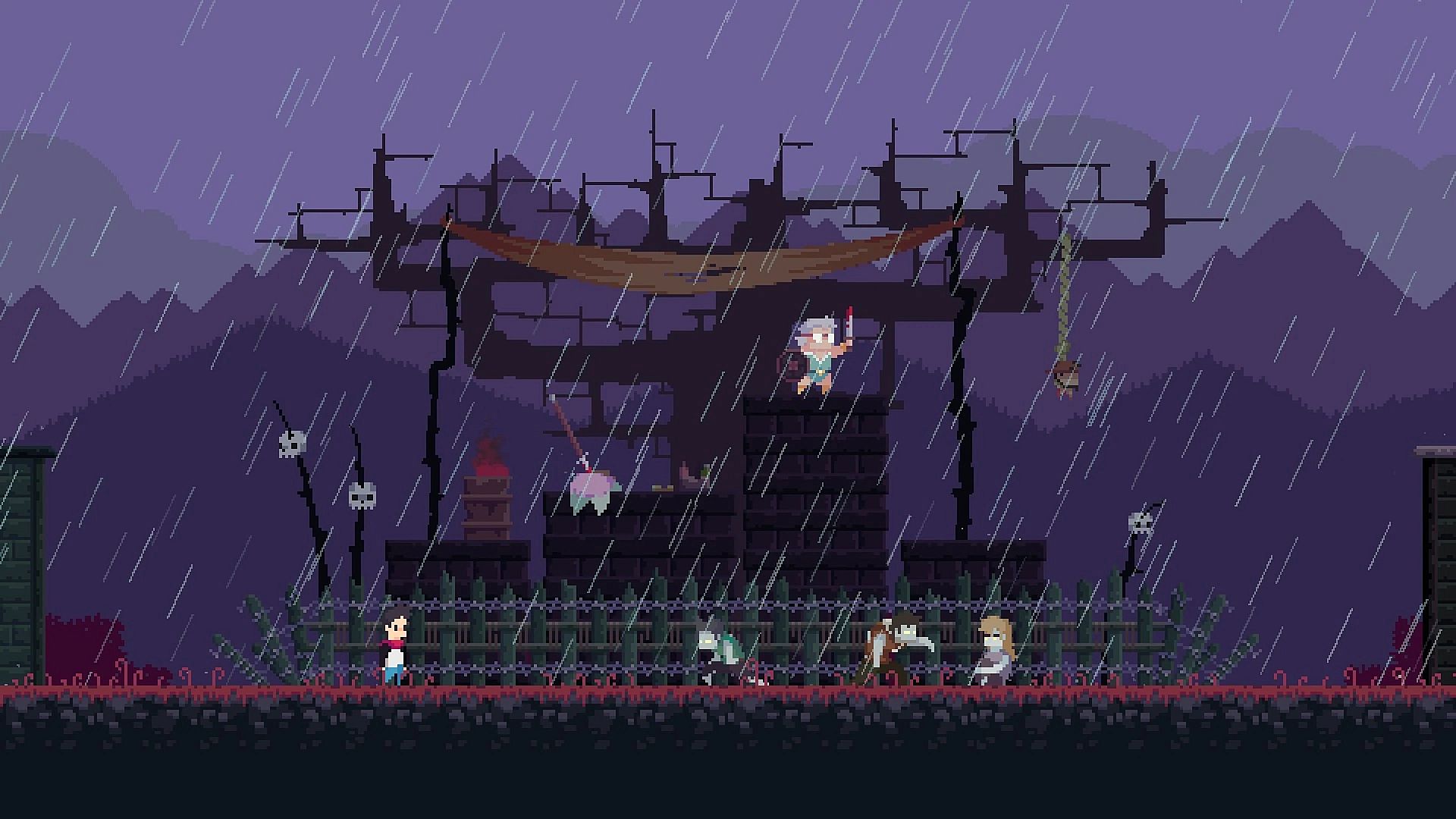
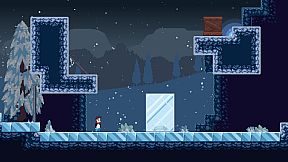
The central system revolves around seamless world transitions that occur instantly, even while in mid-air. A pitfall in one reality might become a solid bridge in another, while a solid wall could open into a tunnel or turn hostile enemies into allies. Gravity manipulation adds another layer, requiring careful timing to avoid disorienting flips or unintended falls during these switches. Puzzles build around these transformations, combining platforming precision with logical rearrangement of the environment across multiple parallel versions of the same location.
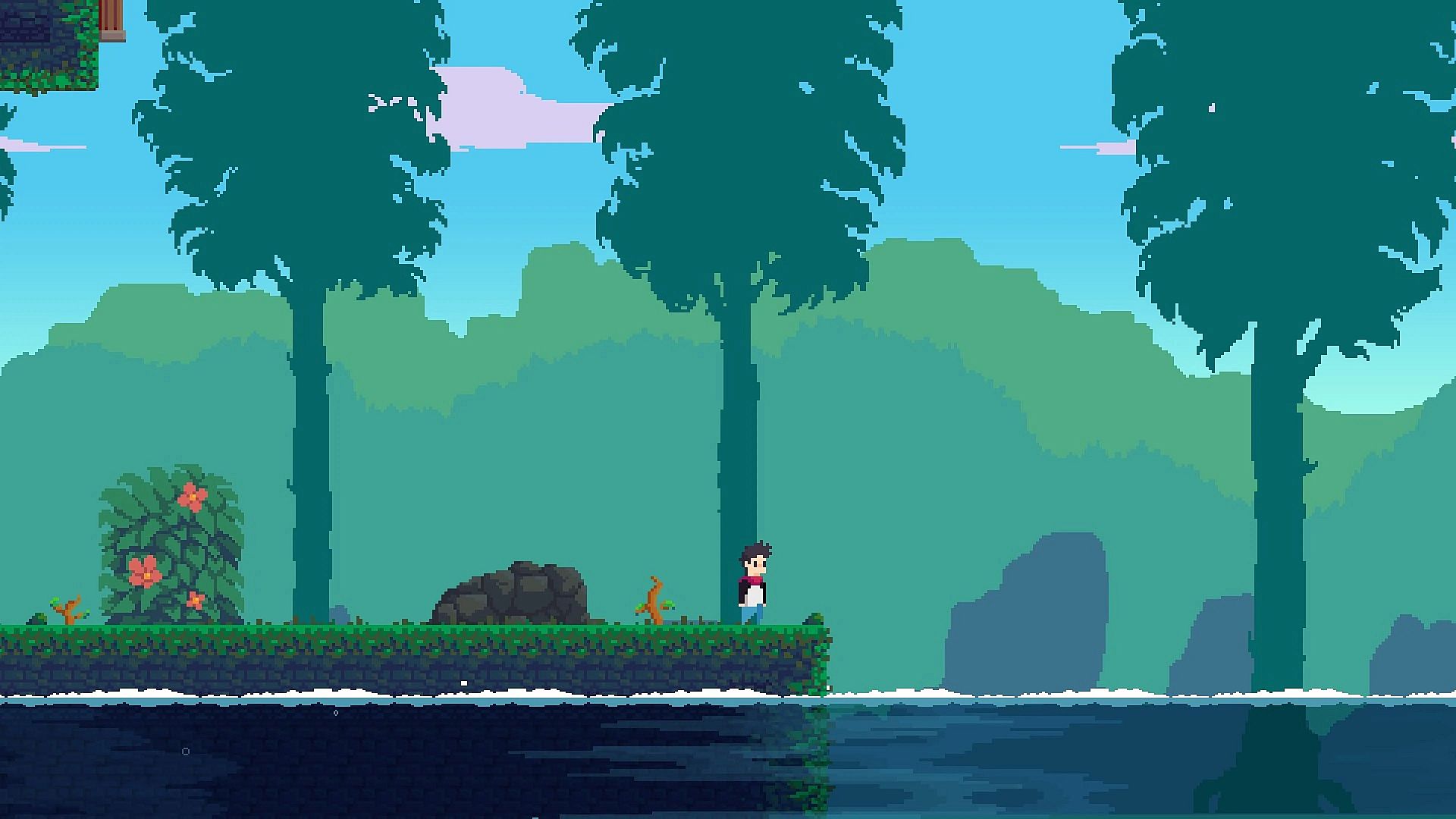
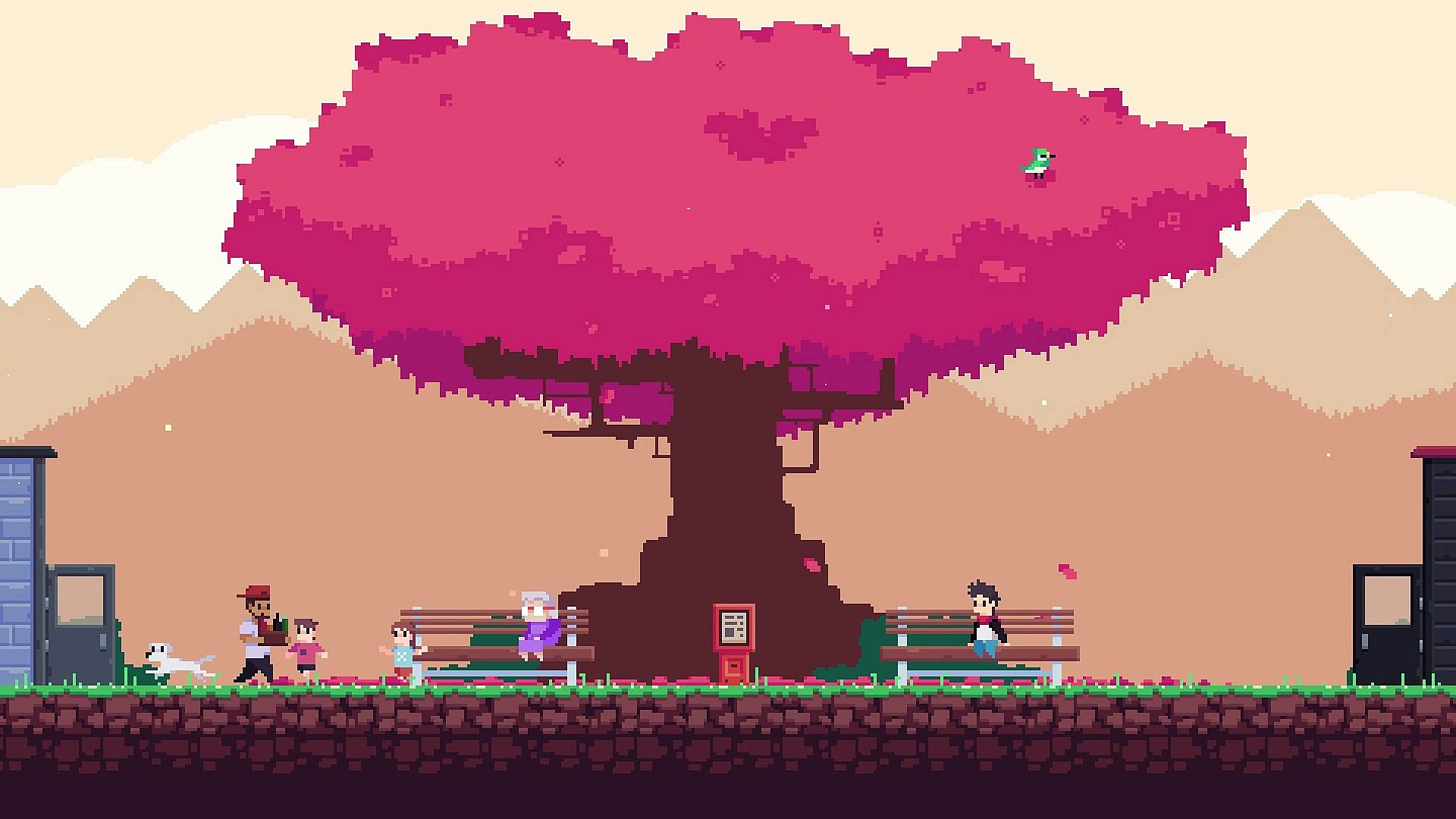
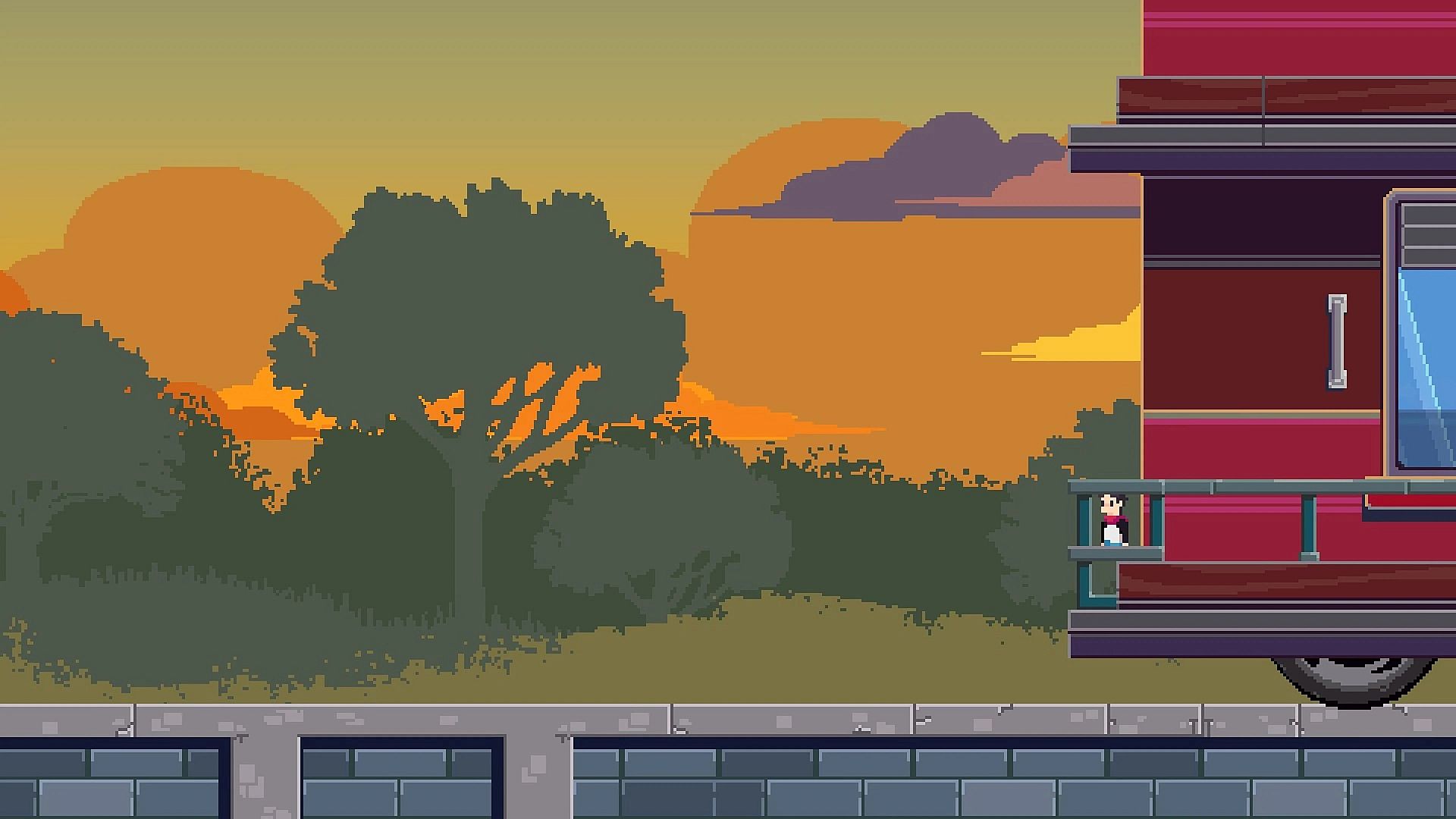
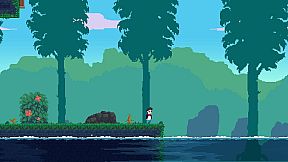
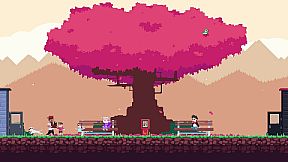
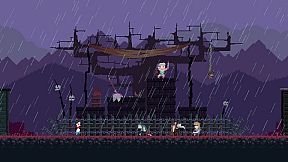
Exploration spans distinct pixel-art settings such as temples, towns, harbors, and wilderness areas, each offering its own set of parallel realities to toggle between. Players progress by experimenting with switches to reach new paths, collect items, or bypass obstacles that would otherwise block progress. The mechanics encourage repeated visits to areas as new abilities or story revelations unlock additional uses for the dimension shift. Side interactions with the environment often reveal small changes in how characters or objects behave differently across realities.
Game Modes
The experience consists entirely of a single-player campaign structured around sequential levels and story chapters. There are no separate multiplayer modes, competitive elements, or alternate play styles such as time trials or endless modes. Progression follows the main narrative thread, with puzzles serving as the primary activity alongside character conversations and exploration. The structure remains linear in its overall flow while allowing some freedom in how players approach individual challenges through creative use of world switches.
Story and Characters
A cast of quirky figures populates the multiverse, including mad scientists, secret agents, sweet old ladies, and enlightened monks. These characters often appear in altered forms depending on the current reality, adding variety to interactions. Everett stands out as the central companion, a charismatic reality-hopping figure whose claims and motives carry an undercurrent of unreliability that ties into the plot's themes. The narrative balances comedic hijinks with more serious examinations of human flaws, presenting a tone that shifts between light-hearted banter and emotionally weighted moments without relying on heavy exposition.
Dialogue and discoveries gradually reveal layers about the multiverse's instability and the personal stakes involved for the characters. Players uncover details through environmental storytelling and conversations that change based on the active world, reinforcing the core theme of reality's fluidity.
Is It Worth Playing?
Player feedback on the PC version highlights strong approval for the puzzle design and narrative execution, with the title holding a Very Positive rating from hundreds of reviews. Those who enjoy thoughtful platformers with inventive mechanics and a mix of comedy and darker undertones will find the experience engaging from start to finish. The game launched complete in 2022 with no ongoing seasonal content or major post-release updates required, making it a self-contained option for anyone seeking a focused single-player adventure. Its emphasis on creative problem-solving over combat or resource management suits players who prefer puzzle-focused indie titles rather than action-heavy experiences.