



















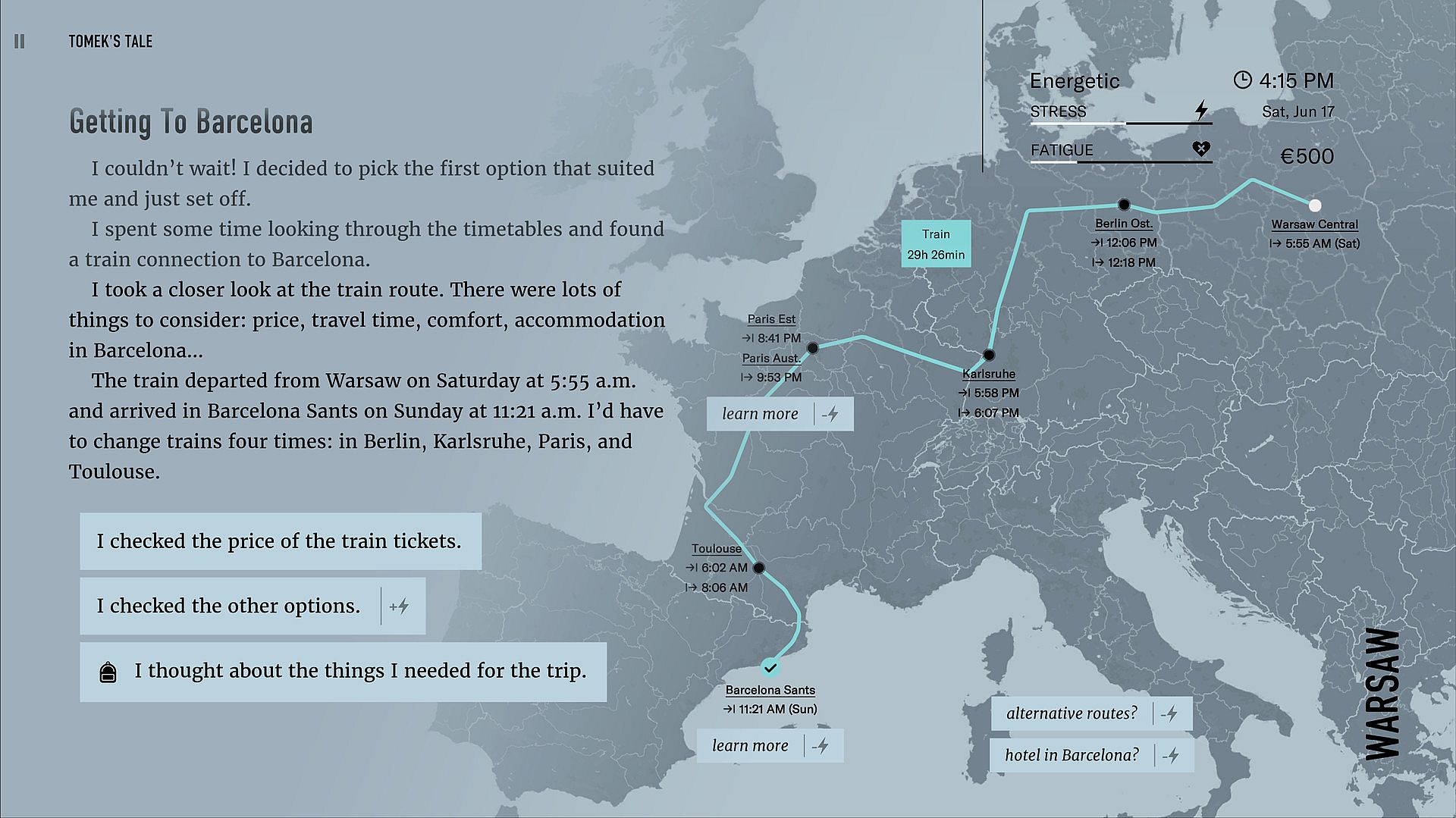
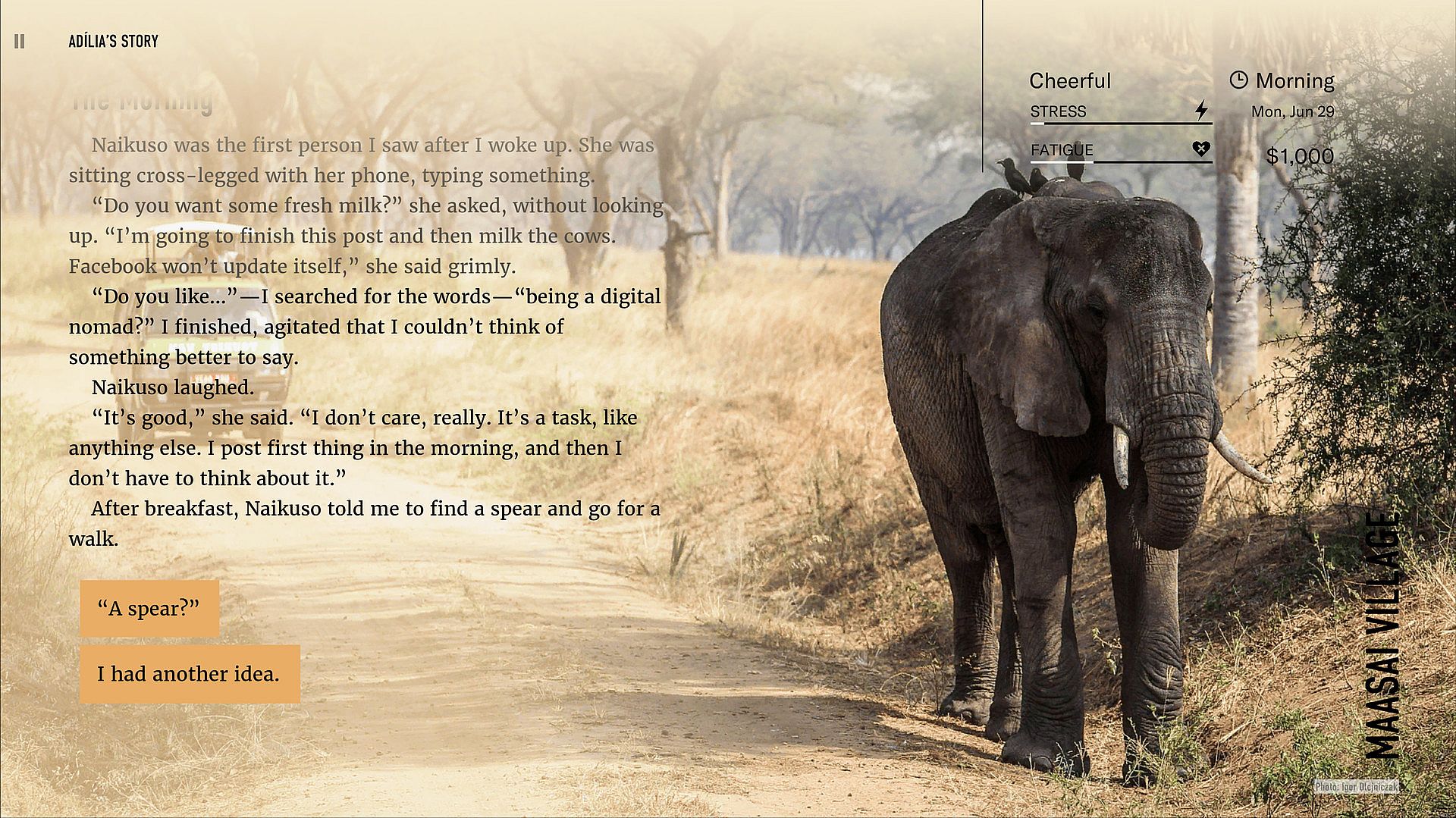
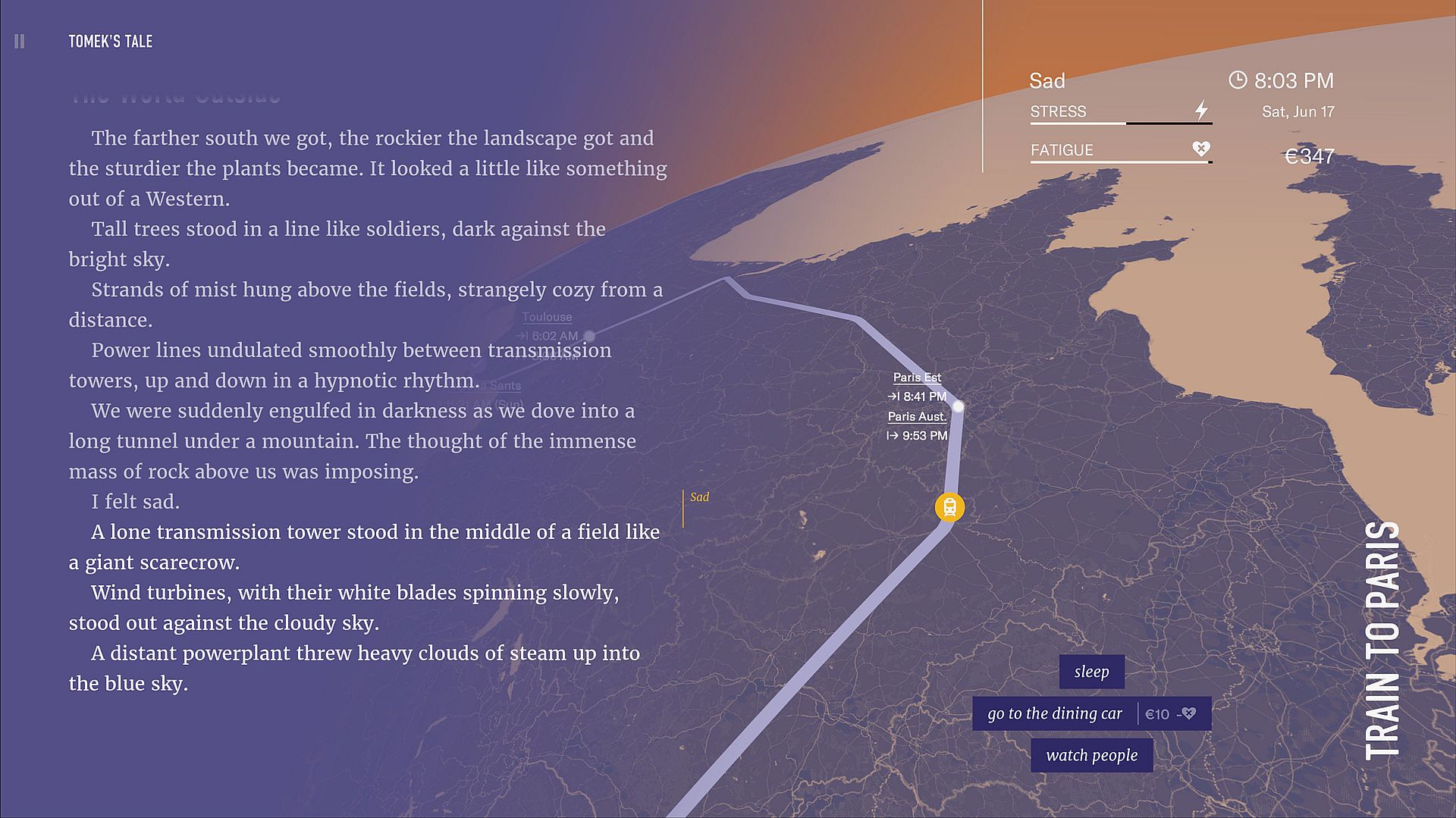
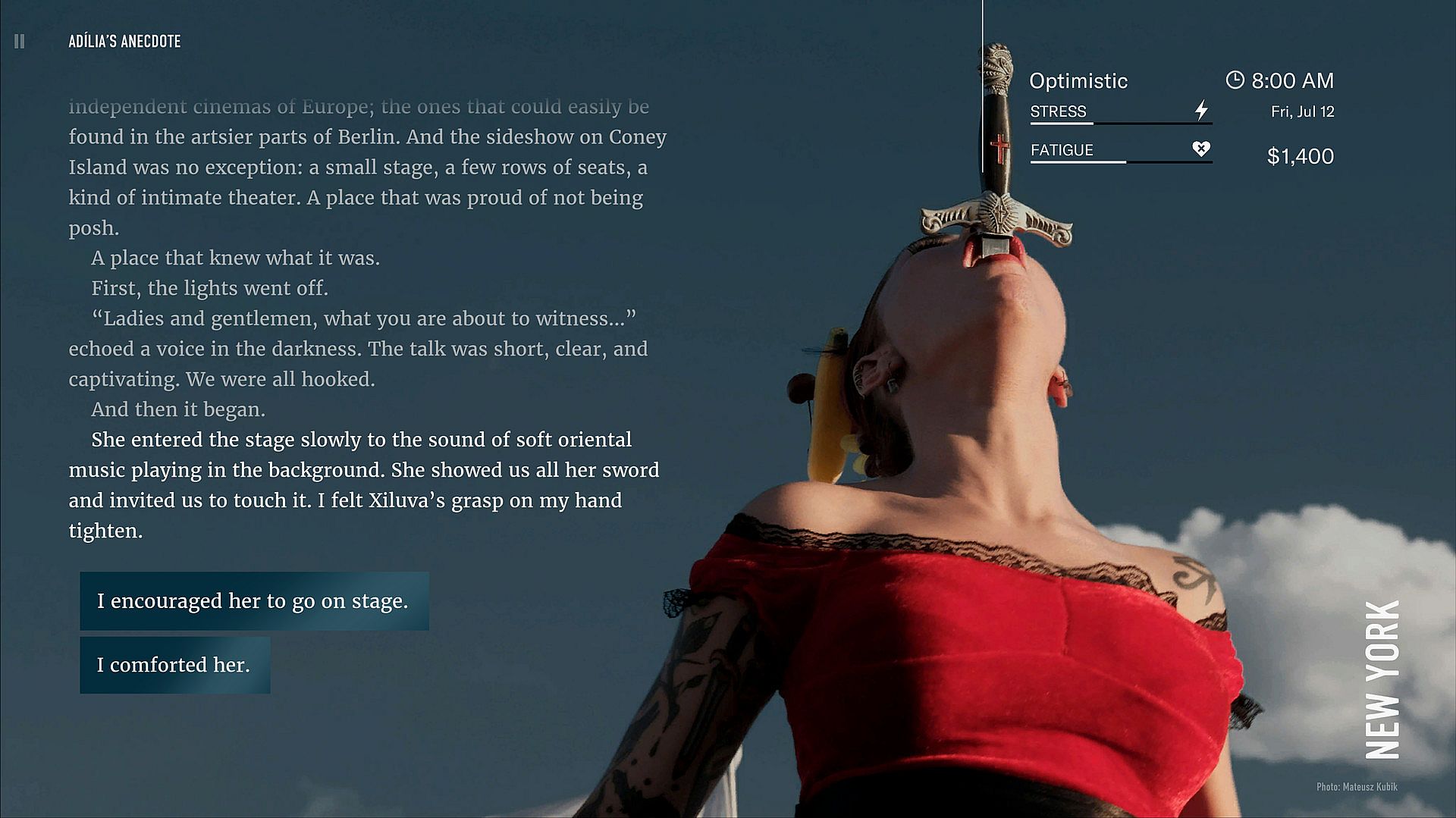



Wanderlust: Travel Stories is an indie adventure game built around text-driven narratives and player choices. Released in 2019 for PC, it places you in the role of various travelers whose personal accounts unfold through branching decisions. The experience centers on reflection rather than action, drawing from real-world locations and events to create grounded journeys that emphasize mood, perspective, and personal growth.
Gameplay
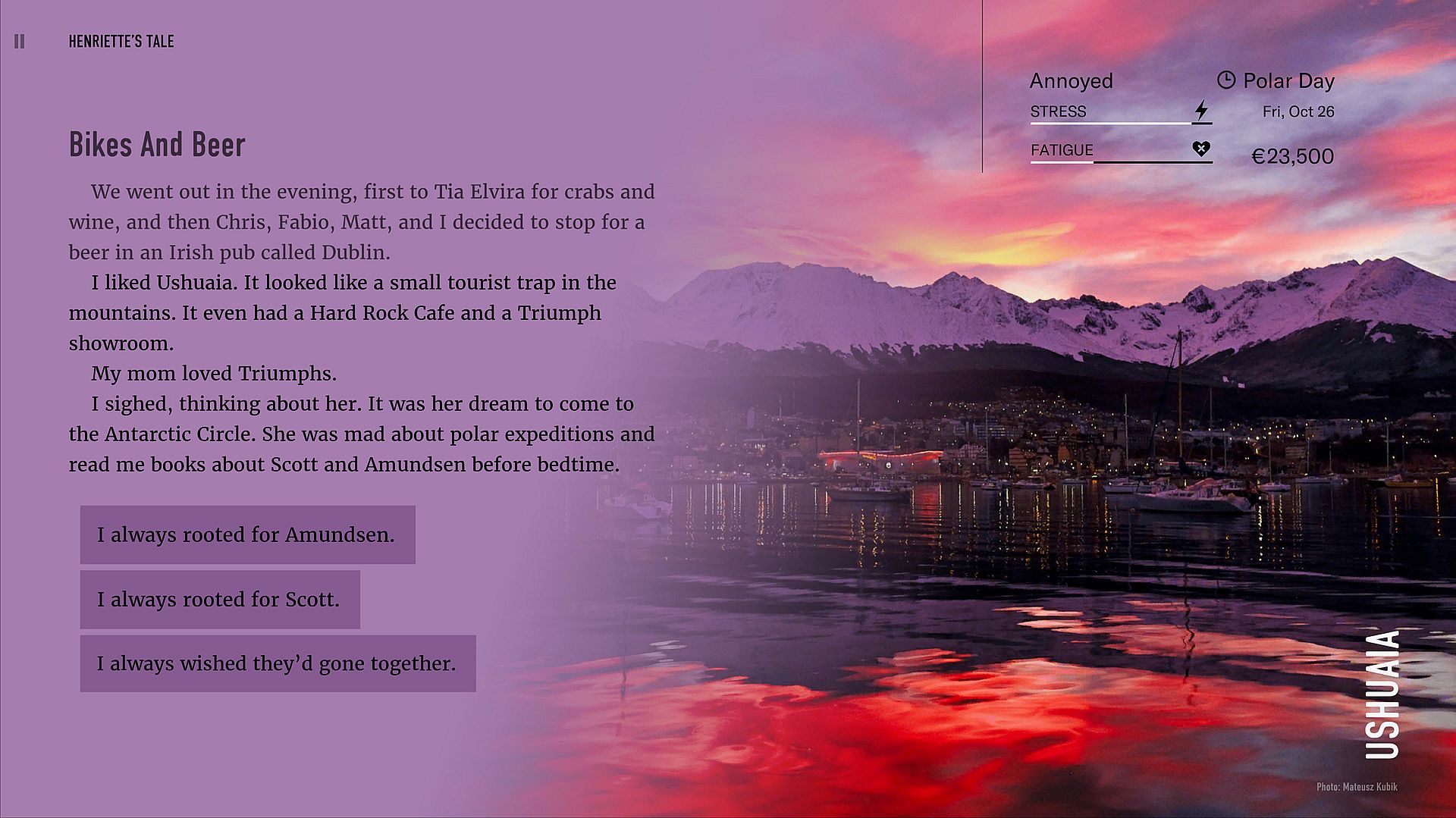
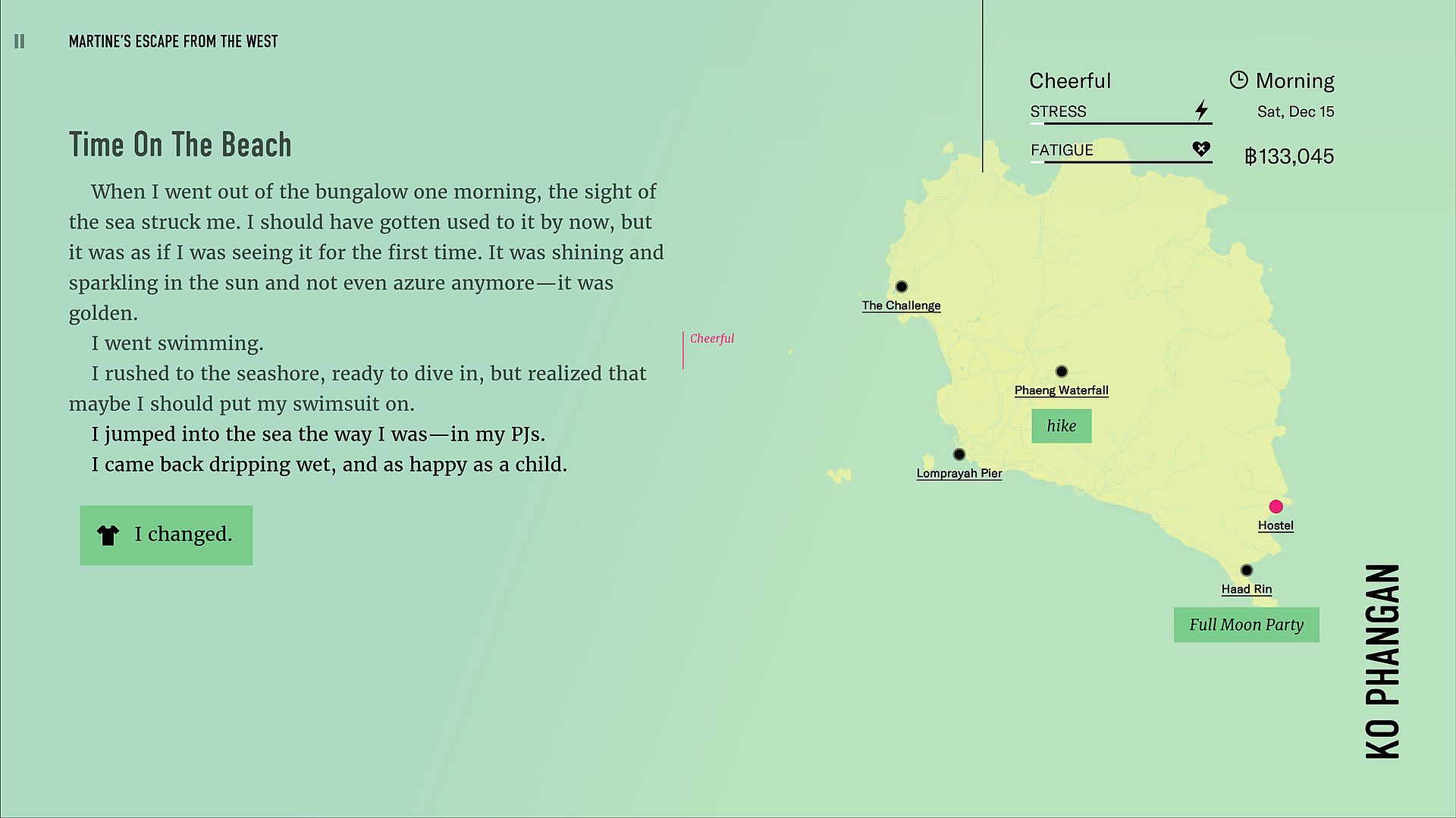
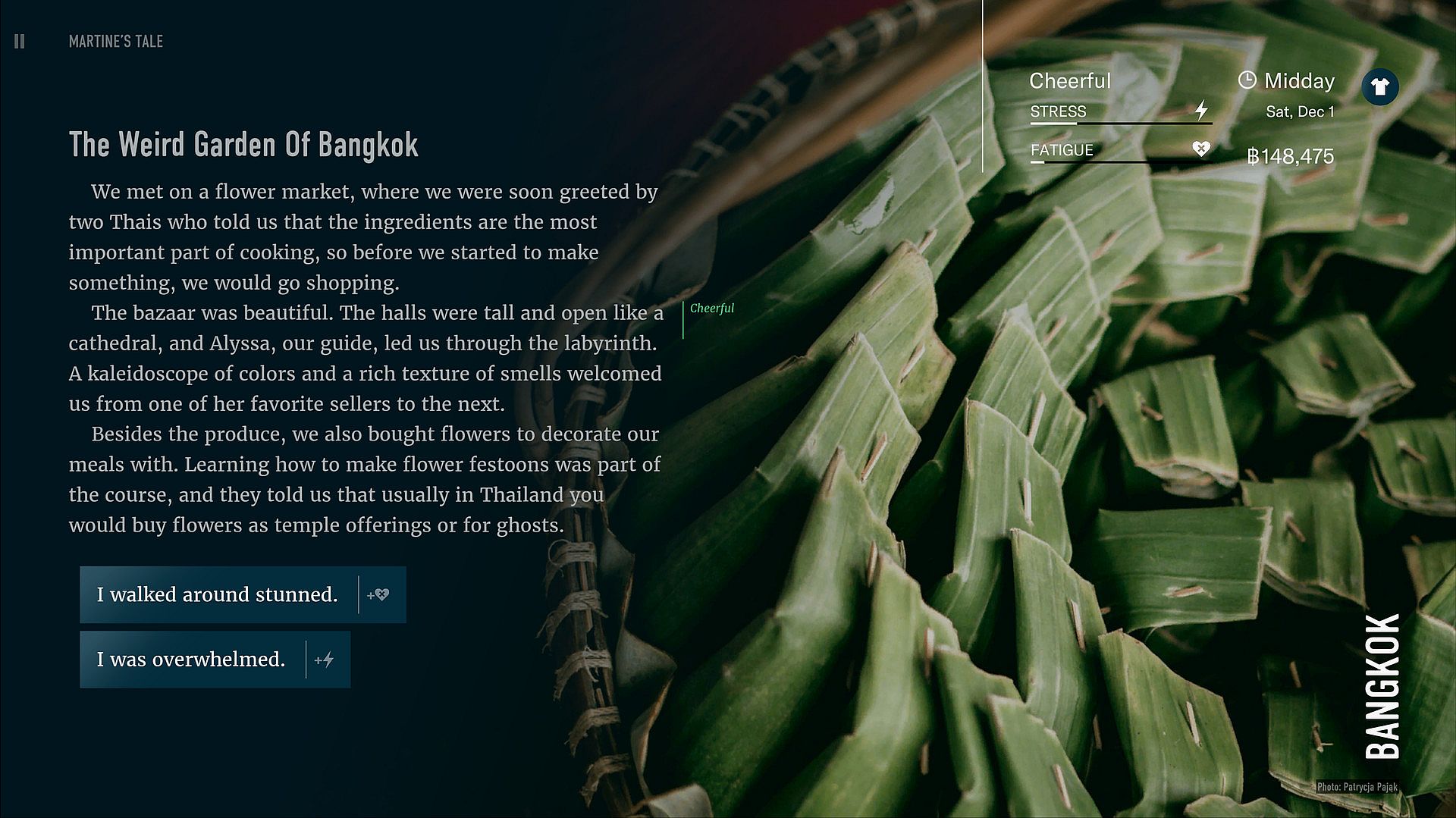
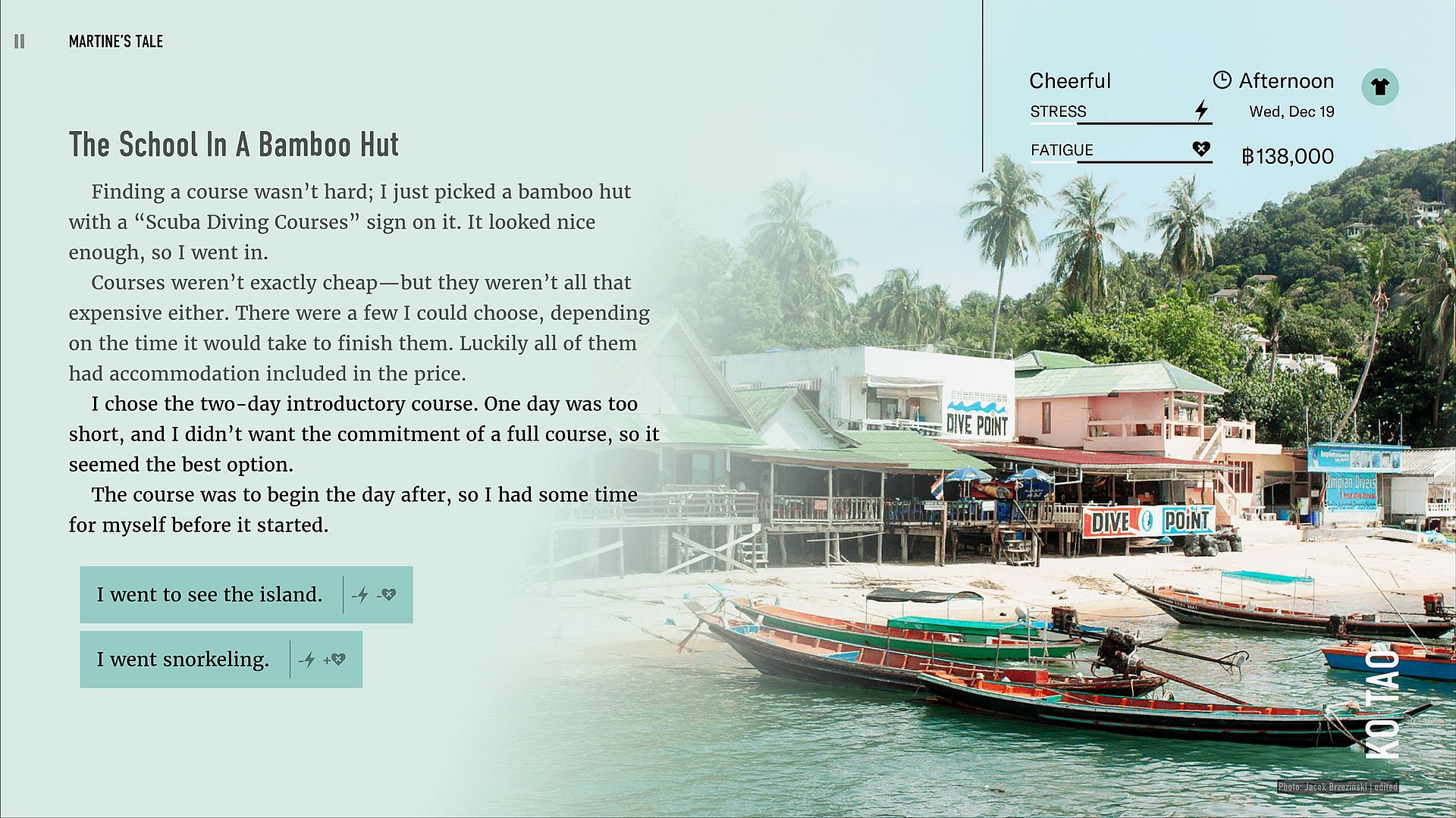
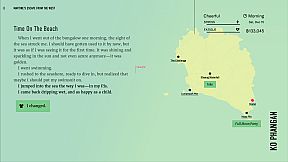
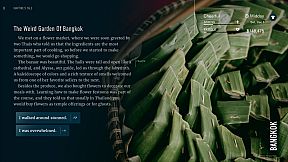
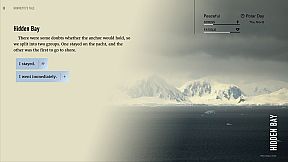
Core play revolves around reading passages and selecting options that steer the direction of each traveler's tale. Choices influence the character's emotional state, which then alters how subsequent events and descriptions are presented. Happiness might highlight vibrant details in a bustling market, while fatigue could cast the same scene in a more subdued light. This system encourages multiple readings of the same story to explore different emotional lenses without requiring combat, timers, or resource management.
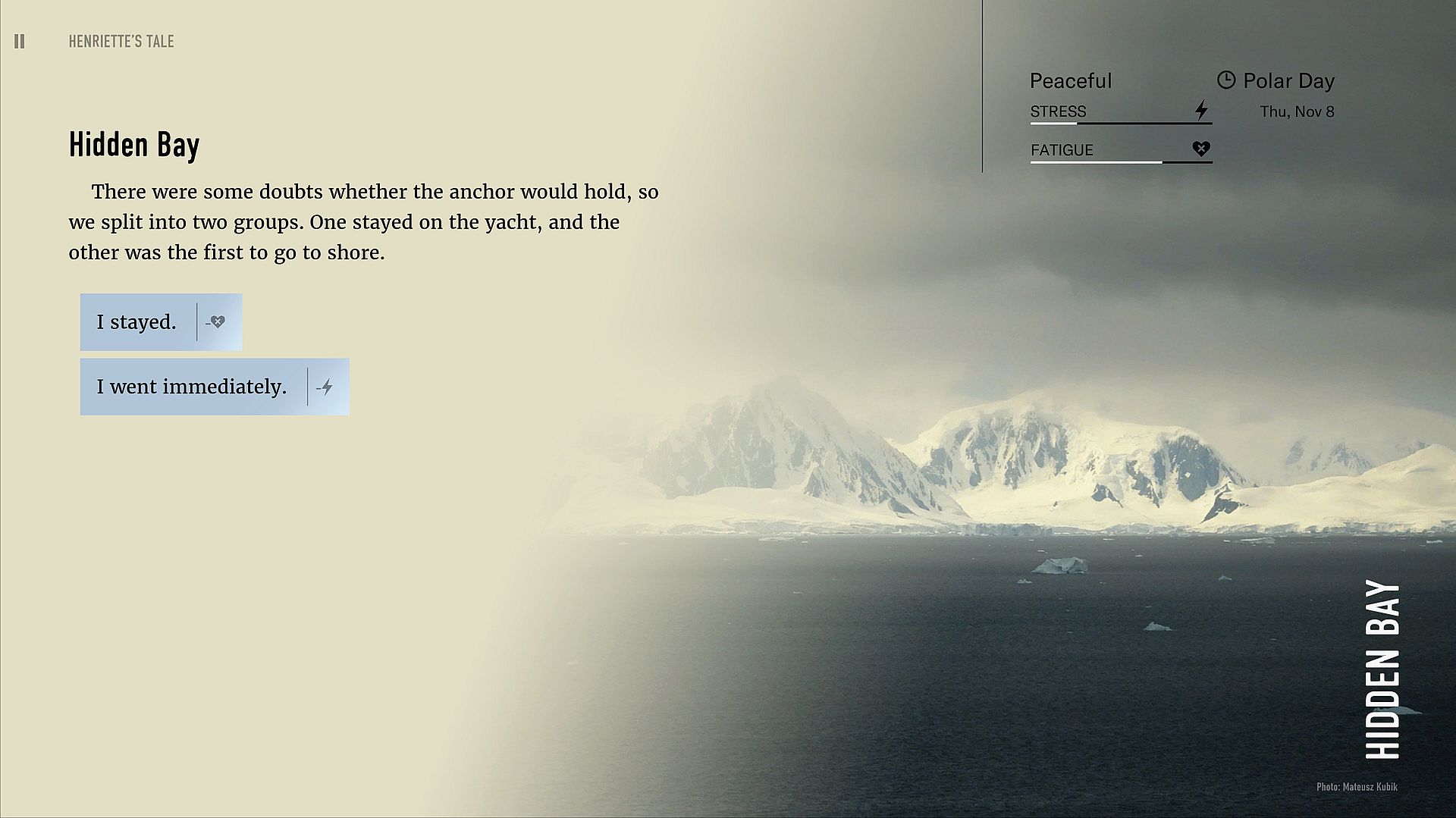
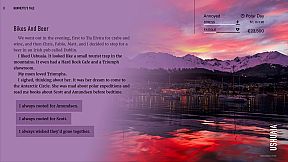
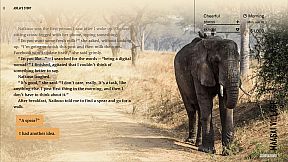
The presentation stays deliberately restrained. Bespoke photography and ambient soundscapes provide atmosphere without overwhelming the text. Players advance at their own speed, pausing to consider implications or simply absorbing the setting. Locations include the statues of Rapa Nui, the streets of Bangkok, the ice of Antarctica, and the plains of the Serengeti, all rendered through authentic details gathered from actual travel accounts.
Game Modes
The game structures its content as an anthology rather than traditional levels or campaigns. Four extended narratives form the main body, each written by a separate team and featuring its own protagonist with distinct motivations and decision styles. Five shorter pieces supplement these, offering quicker, self-contained explorations that vary in tone and focus.
Each story operates independently, so there are no shared progression systems or crossovers between tales. The variety comes from the different viewpoints: one follows an idealistic student, another a seasoned but cynical reporter, and others include travelers whose poor planning creates unexpected complications. This format supports replay through new emotional paths rather than competitive or cooperative structures.
Themes and Presentation
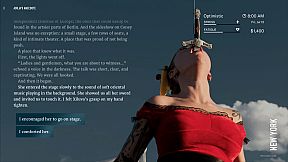
Travel serves as the central lens for examining human responses to unfamiliar environments. Stories highlight how external circumstances interact with internal states, showing both the wonder and the weariness that accompany long journeys. The minimalist approach extends to interface design, keeping focus on the written word and occasional images that evoke real places without stylization.
Sound design reinforces the meditative quality. Subtle audio cues match the mood shifts driven by choices, creating an immersive backdrop that feels more like a quiet reading session than a typical game session. The overall tone remains reflective, inviting players to connect the fictional accounts with their own experiences or aspirations.
Is It Worth Playing?
Reception on Steam stands at very positive based on user reviews, with players noting the game's ability to evoke genuine travel sensations through its choice mechanics and authentic settings. The text-heavy format appeals to those who enjoy literary visual novels or interactive fiction, while the emotional layering adds replay value without demanding extended time commitments.
It suits readers seeking a slow, contemplative single-player experience free of pressure or failure states. Those who prefer fast action, complex systems, or multiplayer elements will find little here to engage them. The complete anthology remains available without ongoing seasonal content or major updates, preserving the original vision as a finished collection of travel-inspired stories.