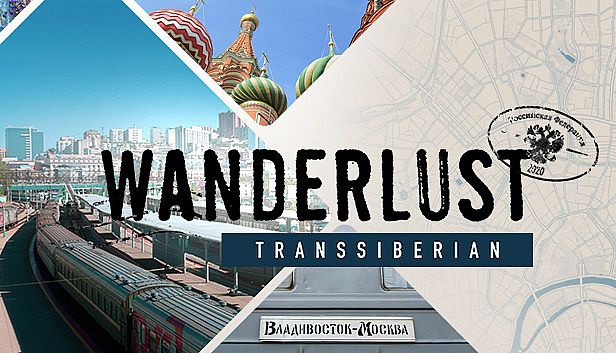
















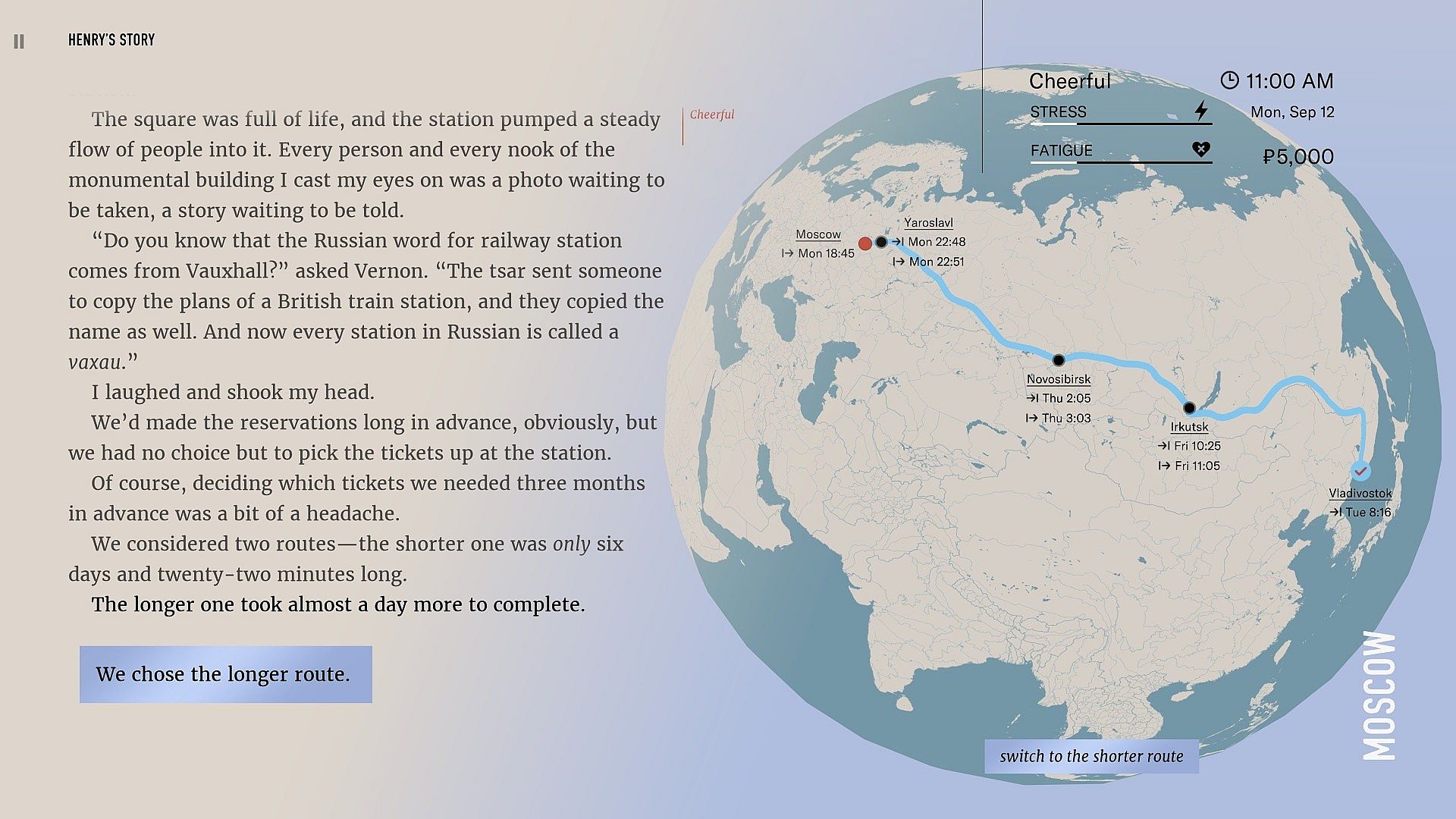
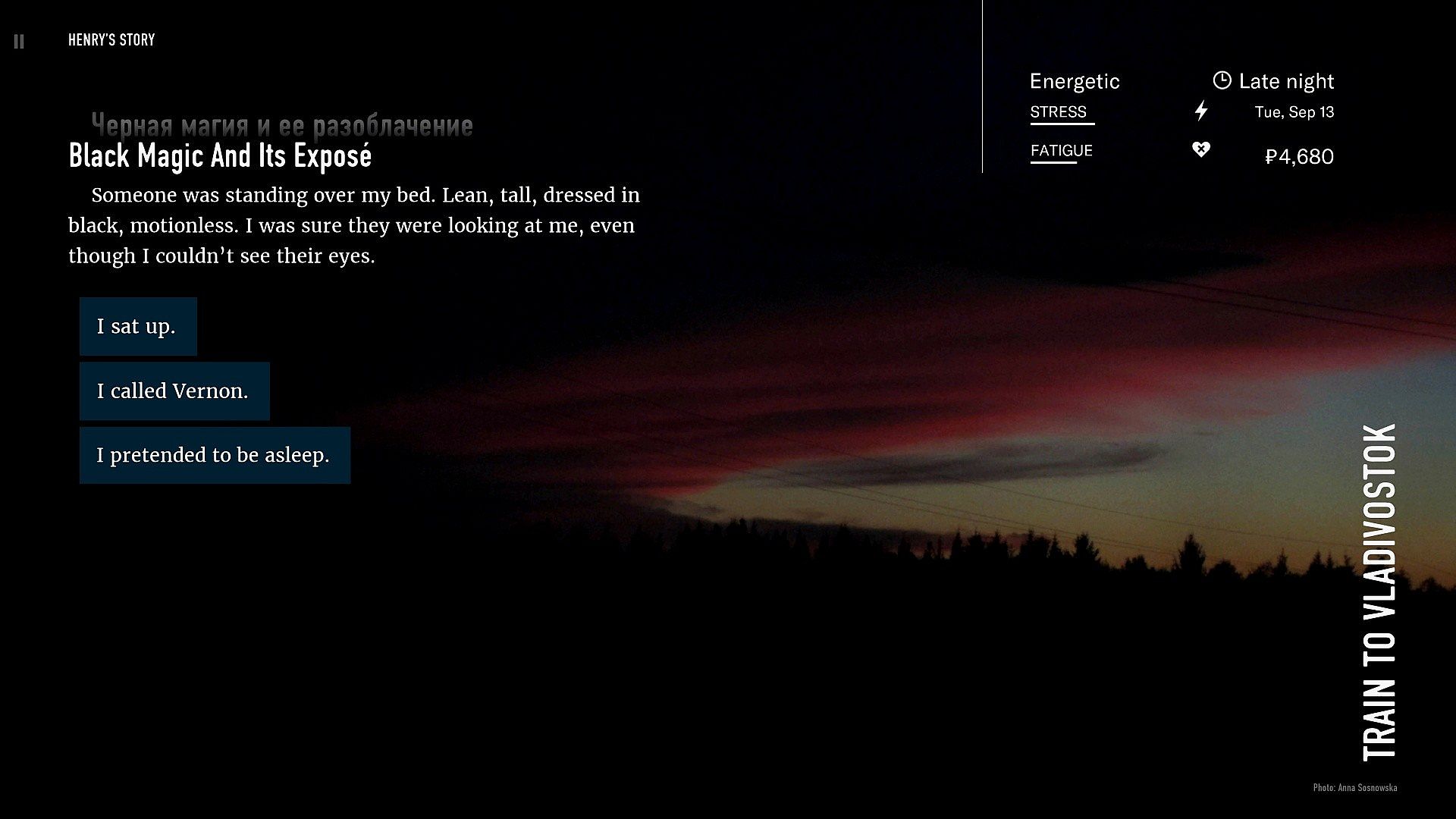
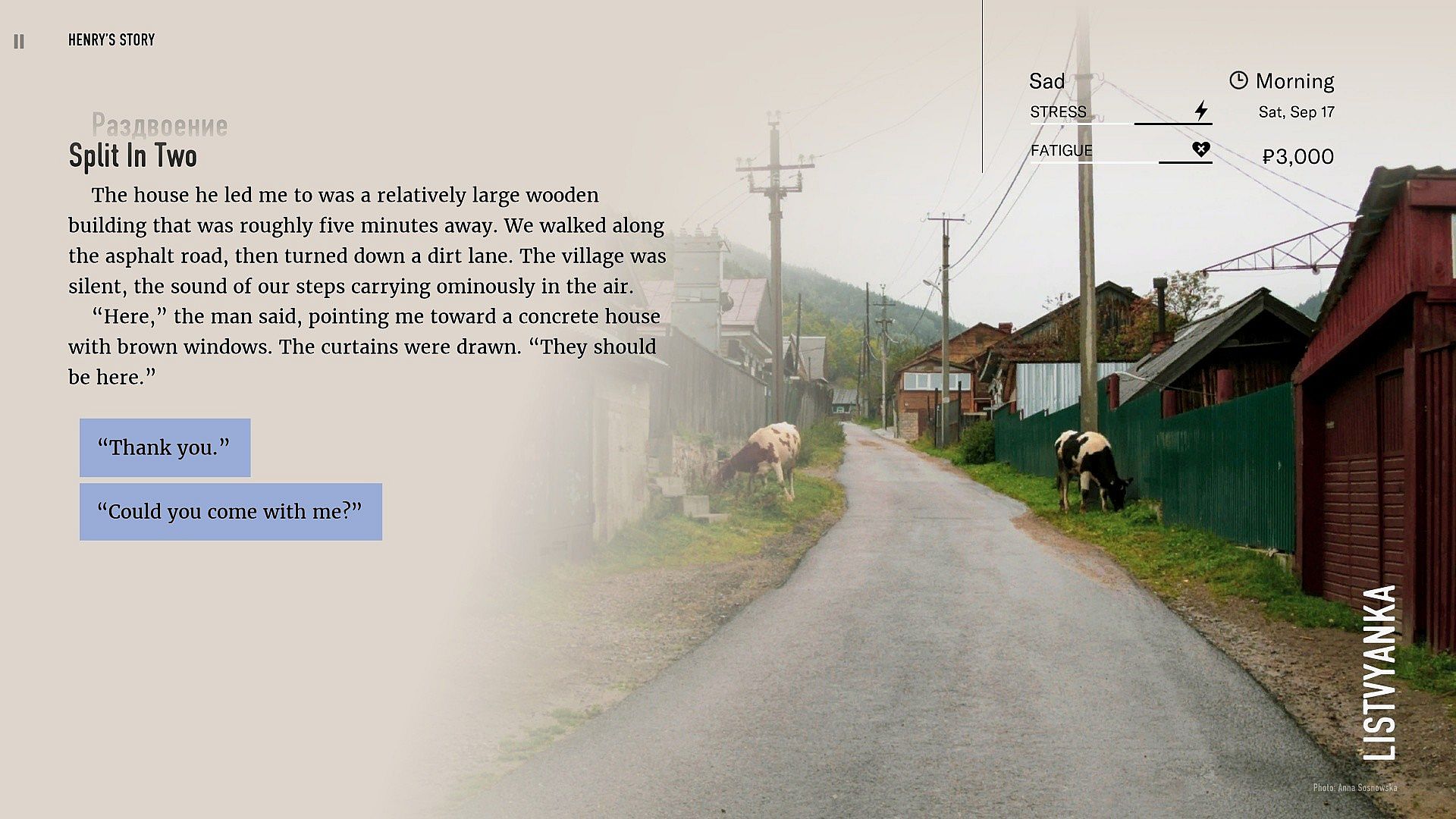
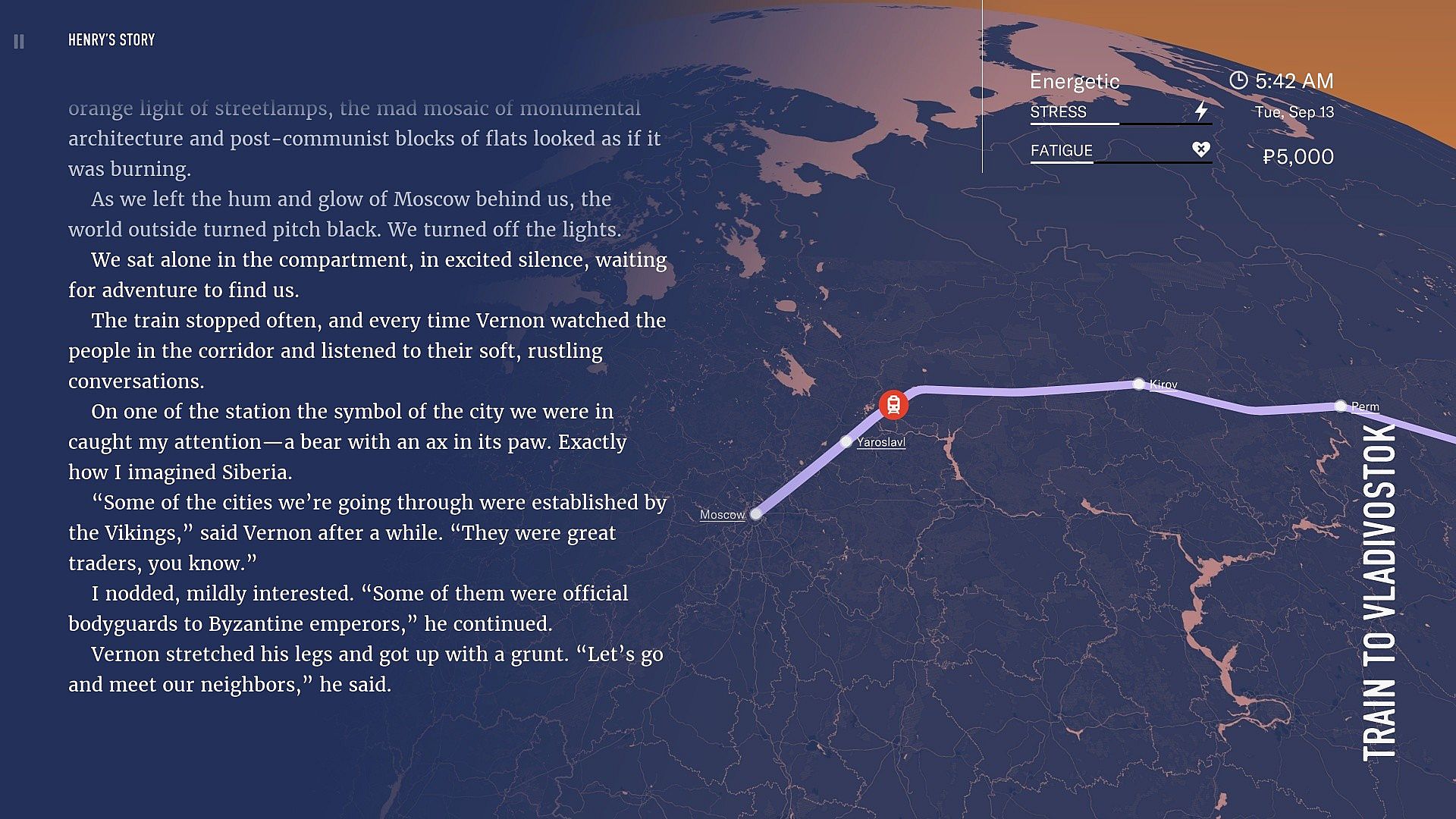
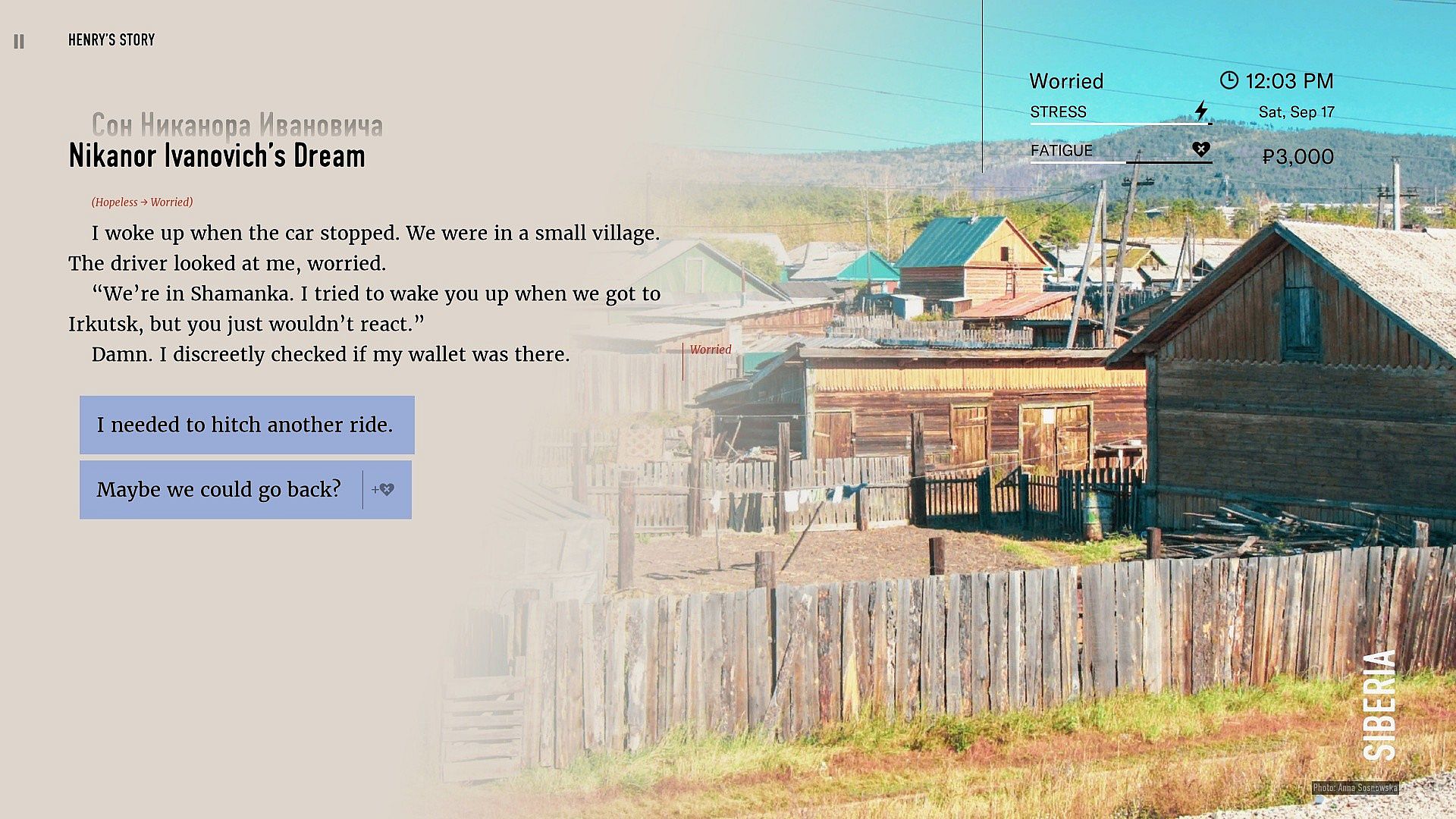

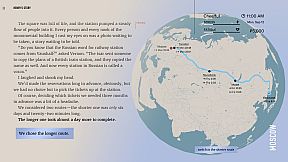
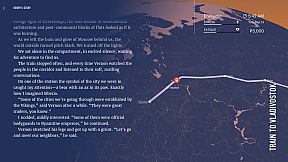
Wanderlust: Transsiberian is an indie casual adventure game centered on a single-player narrative journey across Russia. Players follow two contrasting characters as they board the Trans-Siberian railway for a 9,289-kilometer trip from Moscow to Vladivostok. The experience blends real-world photography with descriptive text to depict the changing landscapes and encounters along the route.
Gameplay
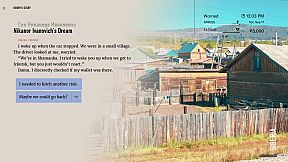
The core loop revolves around progressing through the train journey while making decisions at key moments. These choices determine how the protagonists interact with fellow passengers and locals. Options range from engaging openly with strangers to maintaining distance in unfamiliar settings. Each decision influences subsequent events and the overall tone of the trip without altering the fundamental path of the railway itself.
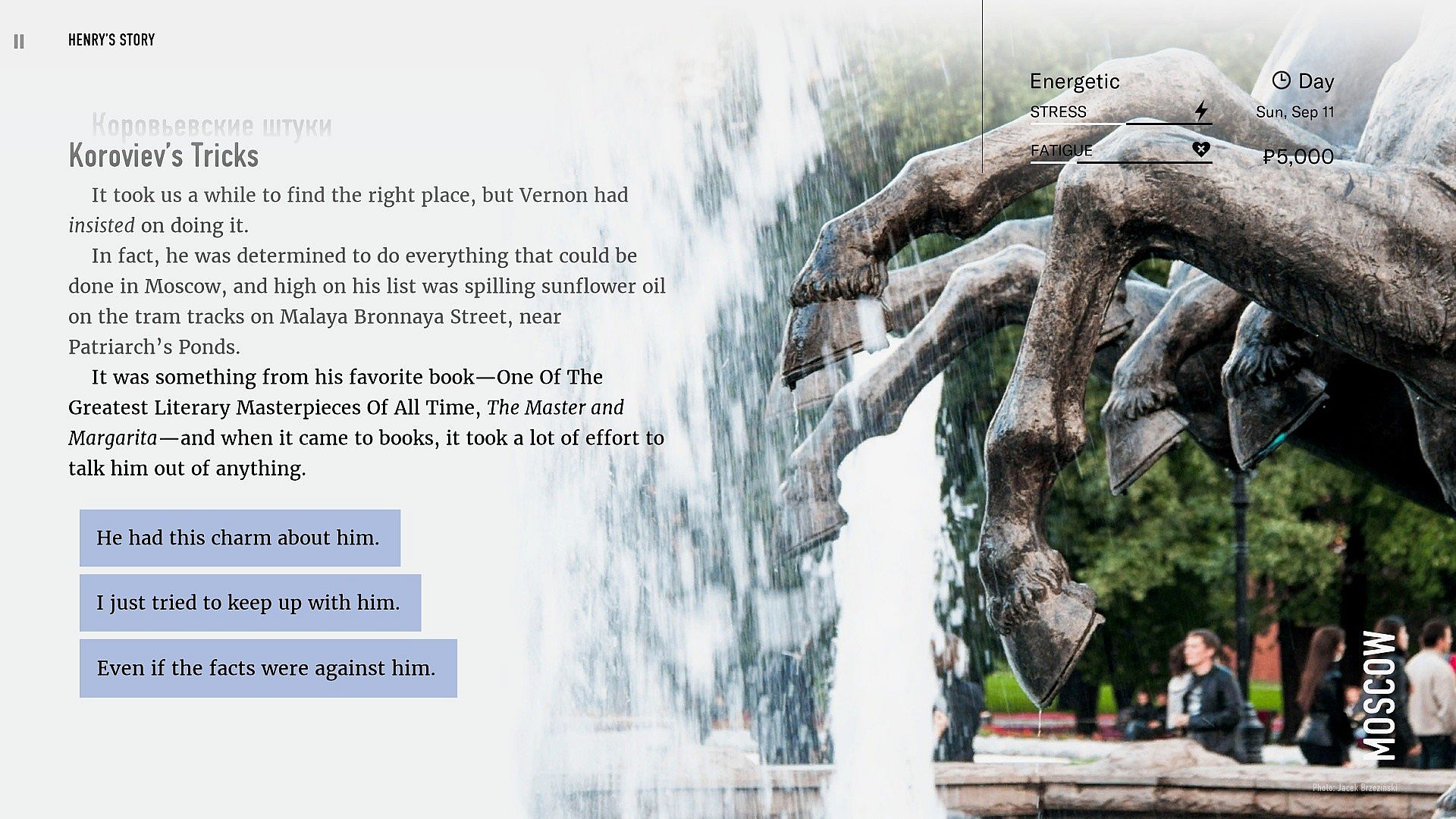
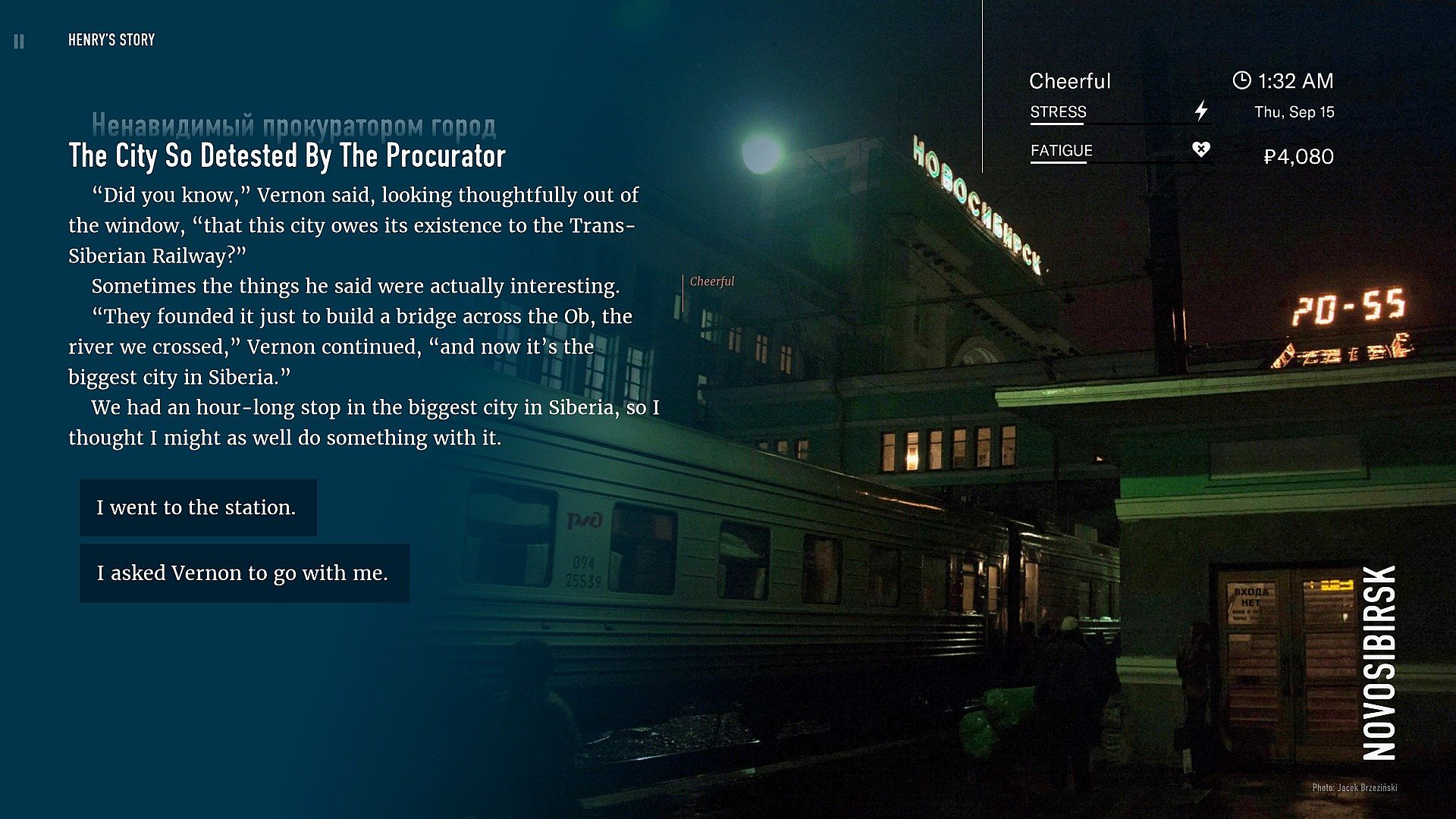
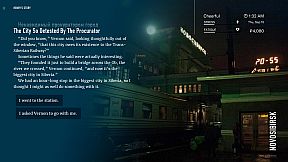
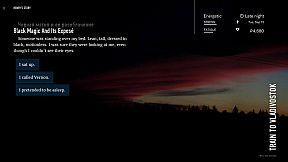
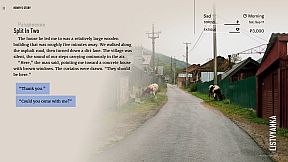
Visuals rely on custom photographs that capture stations, forests, and remote Siberian scenery. Text passages expand on these images with detailed observations of the environment and the characters' perspectives. The two protagonists offer distinct viewpoints: one views the expedition as a long-awaited adventure, while the other treats it more as an obligation. This duality shapes how situations unfold based on prior selections.
Progression feels deliberate and reflective rather than action-oriented. Players spend time absorbing the atmosphere of each segment, from urban Moscow departures to endless stretches of birch woods and isolated Siberian stretches. The game emphasizes personal reactions to cultural differences and unexpected encounters over any form of combat or resource management.
Game Modes
Wanderlust: Transsiberian presents its content as a single continuous journey with branching outcomes driven by player choices. There are no separate modes or difficulty settings to select. The experience remains consistent in length and structure across playthroughs, though different decision paths lead to varied social interactions and narrative tones.
Replay value stems from experimenting with contrasting approaches to the same locations and people. One run might focus on building connections, while another emphasizes caution and solitude. These variations affect dialogue and minor events but keep the overall railway route and duration intact.
Setting and Atmosphere
The game transports players through Russia's vast interior without requiring travel. Scenes move from the grand architecture of Moscow through dense forests and into the remote expanses of Siberia. Descriptions highlight the contrast between bustling stations and quiet wilderness stretches, incorporating elements of local culture that arise during stops or onboard conversations.
Photography grounds the visuals in recognizable locations along the actual Trans-Siberian line. Literary passages add emotional depth, conveying the cold beauty of the landscape and the personal reflections of the two travelers. This combination creates a contemplative tone suited to short sessions rather than extended play.
Is It Worth Playing?
Player reception stands at mixed levels, with 64 percent positive ratings from a modest number of reviews. The title suits those seeking a concise, story-focused adventure that explores themes of travel, cultural exchange, and personal outlook through meaningful choices. Its hour-long duration makes it accessible as an introduction to the broader Wanderlust series or as a standalone experience for fans of narrative-driven indie games.
Those who appreciate reflective pacing and decision-based storytelling will find the most value here. The game offers no ongoing updates or additional content beyond the original release, so expectations should align with a complete, self-contained package. It appeals particularly to players interested in real-world inspired settings presented through photography and text rather than high-action mechanics or multiplayer elements.