






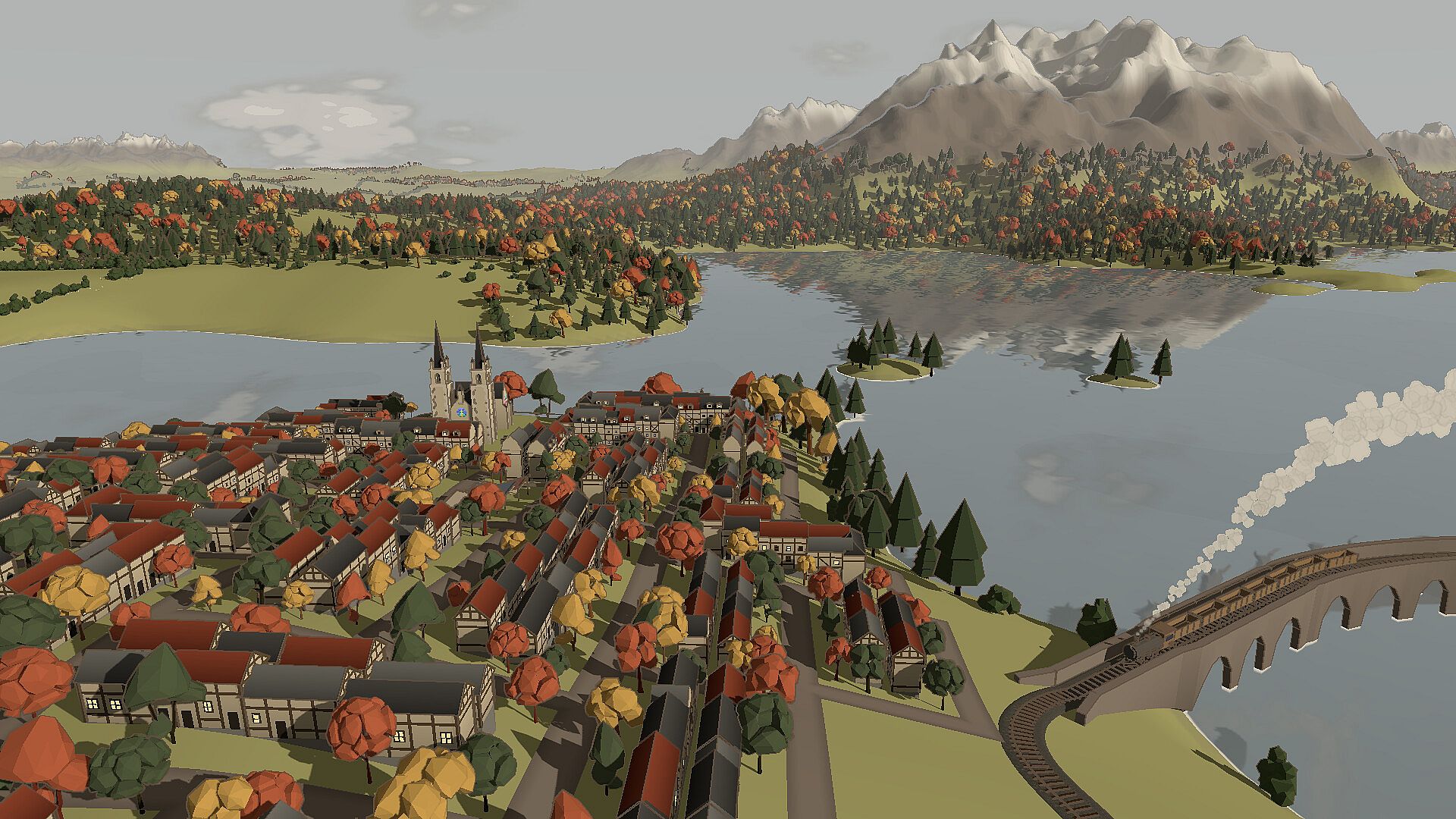
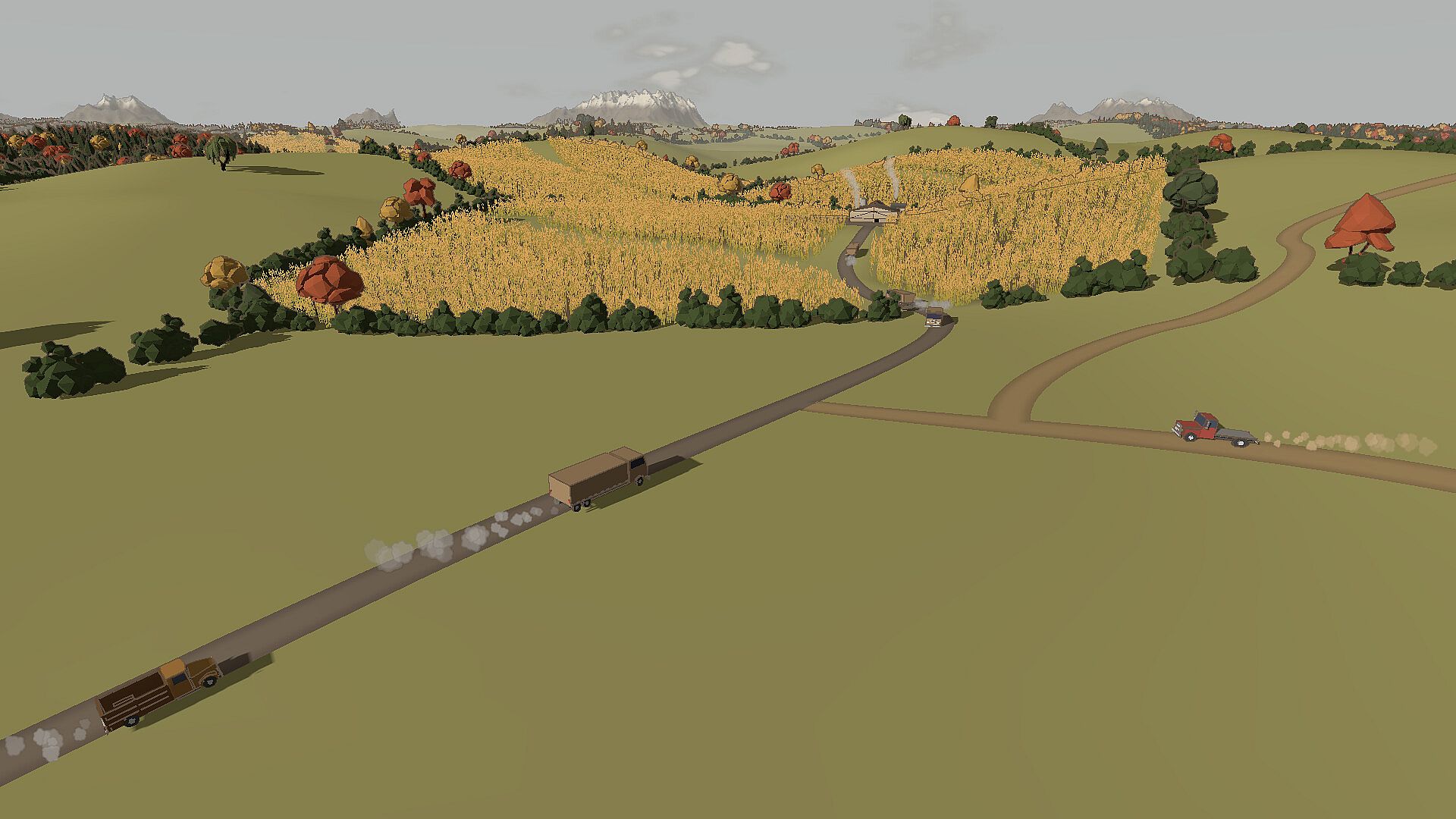
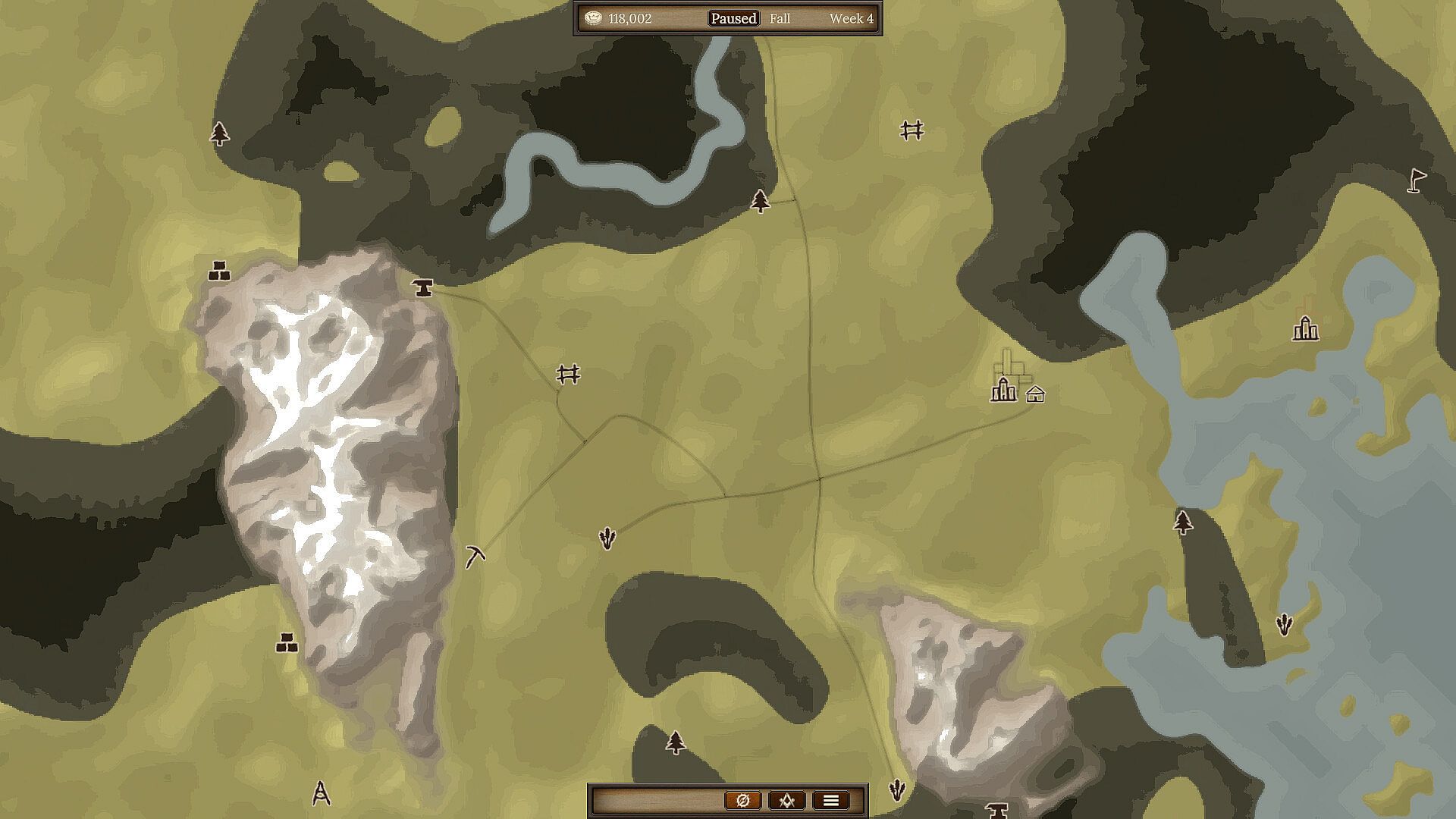
Tunwick is an indie simulation game focused on transport and economic development. Players take on the role of building infrastructure to connect isolated settlements and foster growth across a region on PC.
Gameplay
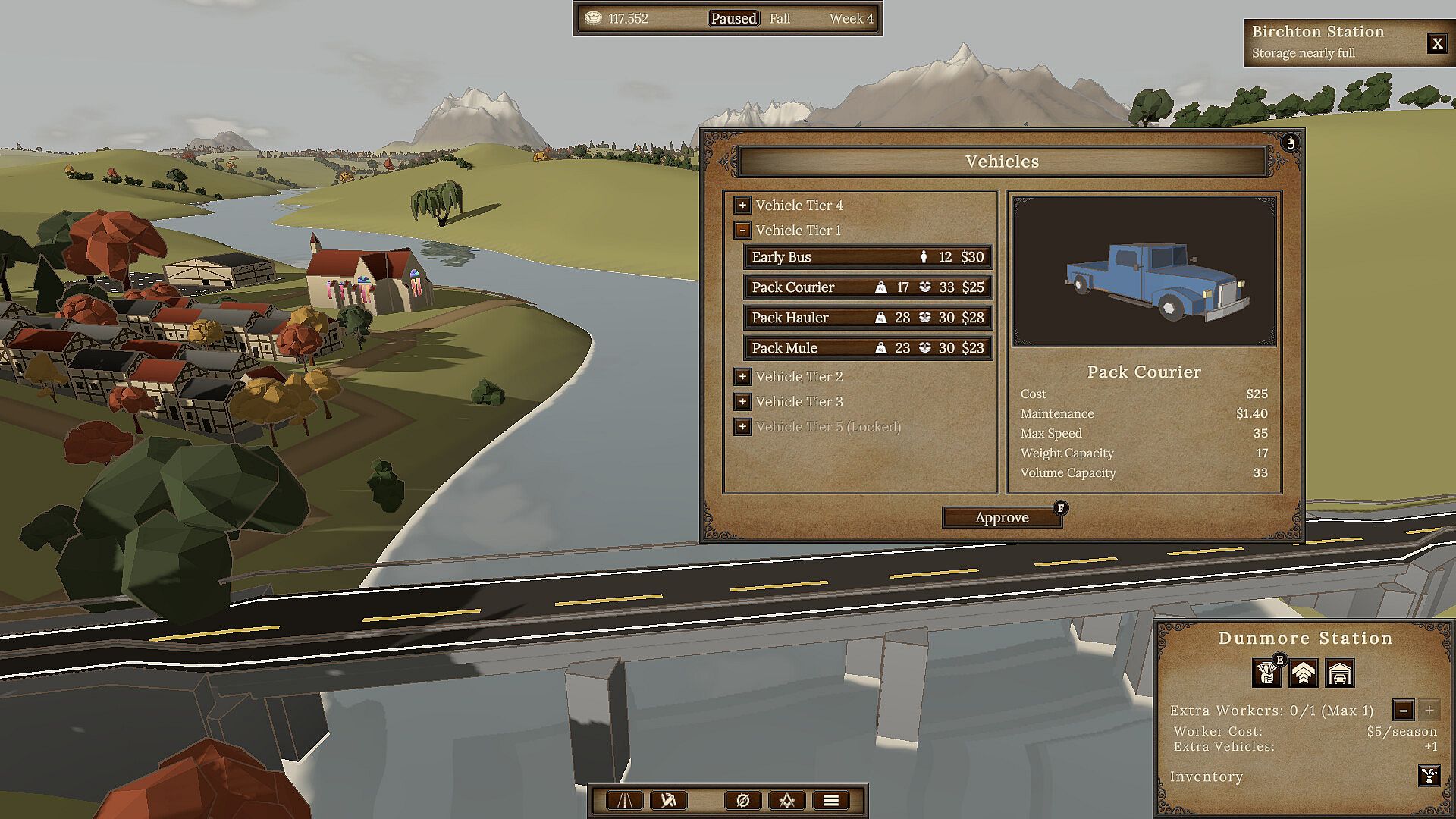
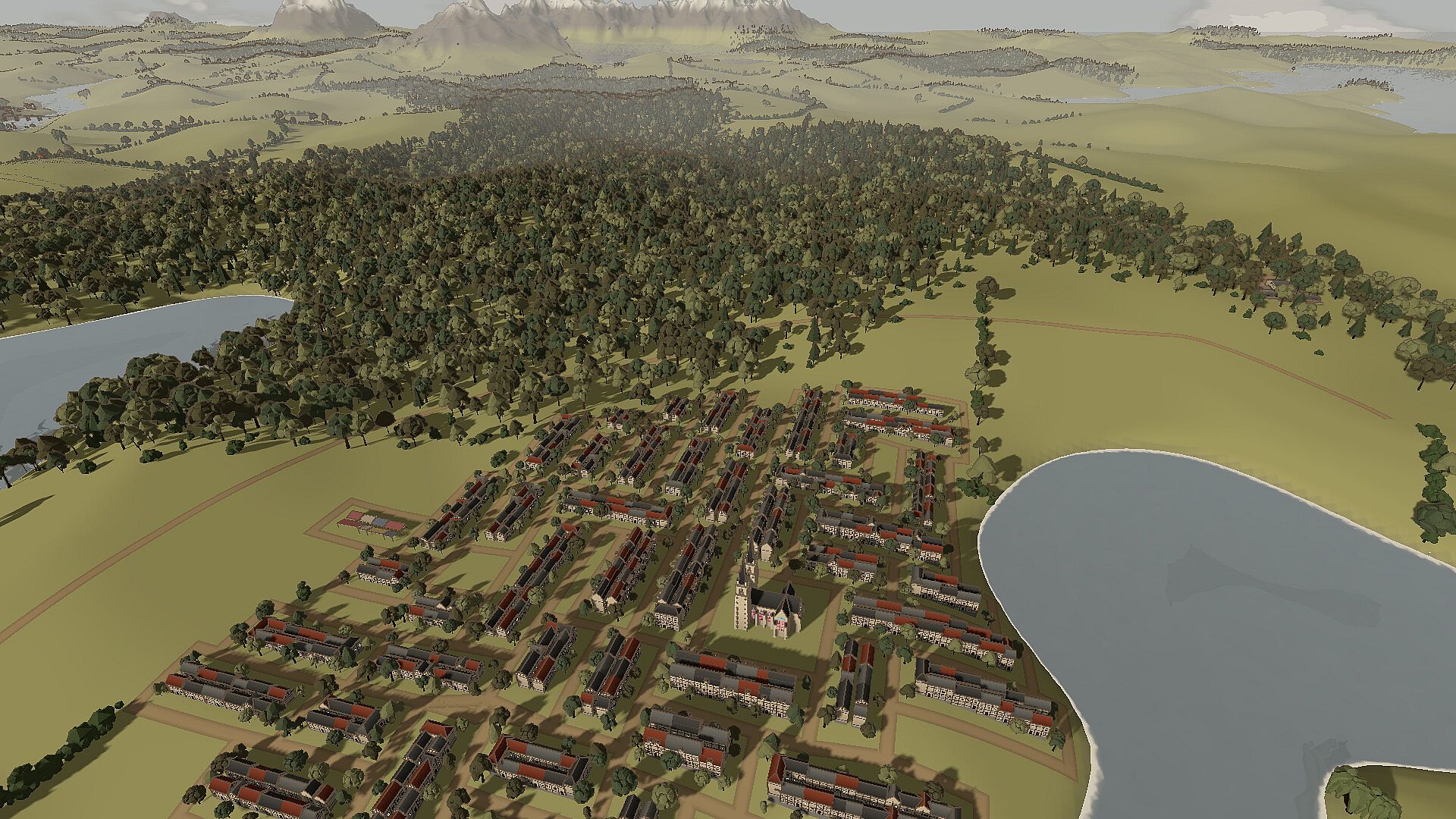
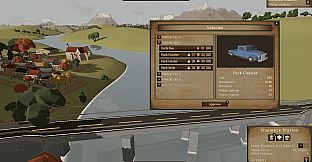
The core loop centers on planning and managing transportation networks. Players lay roads, operate vehicle fleets, and handle both freight deliveries and passenger routes. Deliveries influence how settlements expand, with populations increasing and new industries appearing based on consistent supply. Choices in routing and upgrades determine the direction of city development, as mature areas demand deeper supply chains rather than simpler ones.
People form the foundation of the economy rather than serving as abstract cargo. Each settlement operates within a budget that expands only through worker productivity. Routes must support commuters reaching jobs efficiently, since wages from employment directly contribute to the local budget. Freight lines that supply industries complement these commuter services, creating interconnected systems where neglecting one aspect can stall overall progress.
Industries add layers of value by processing raw materials into higher-value goods. Transporting workers to farms or mines boosts output and feeds back into city growth. Agreements with industries can scale production further, rewarding players who maintain reliable service across expanding networks.
Game Modes
Tunwick operates as a single-player experience centered on regional development. The gameplay emphasizes long-term planning and iterative route optimization rather than separate competitive or cooperative formats. Players progress by expanding connections between settlements, responding to evolving demands from growing populations and industries.
Mechanics revolve around balancing freight and passenger needs within budget constraints. Successful play involves adapting networks as towns mature into cities, unlocking new industries and higher-volume transport requirements through sustained delivery performance.
Building Sustainable Networks
Success depends on viewing transport as a catalyst for broader economic activity. Initial roads link scattered settlements, but ongoing upgrades and fleet management allow industries to multiply output. Worker mobility directly supports budget growth, which in turn funds further expansion. This creates a feedback loop where reliable service leads to larger, more complex cities that require sophisticated supply chains.
Players must monitor how different route types interact. Freight supports industrial scaling, while commuter lines sustain the workforce that drives both production and consumption. Overlooking either element limits the pace of regional transformation.
Is It Worth Playing?
Tunwick suits players who enjoy methodical simulation games centered on logistics and incremental economic growth. The single-player focus allows uninterrupted attention to network design and long-term planning without external competition. Since the game remains in development with a coming soon release date and no user reviews available yet, those interested in transport simulations can follow updates from the developer to assess final features upon launch.
The emphasis on people-driven economies and interconnected industries offers depth for fans of management titles that reward careful observation of cause and effect across expanding systems. It provides a clear alternative to faster-paced games by prioritizing sustainable infrastructure over immediate rewards.











