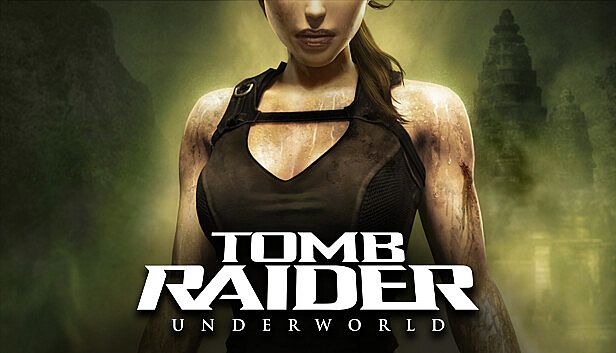






















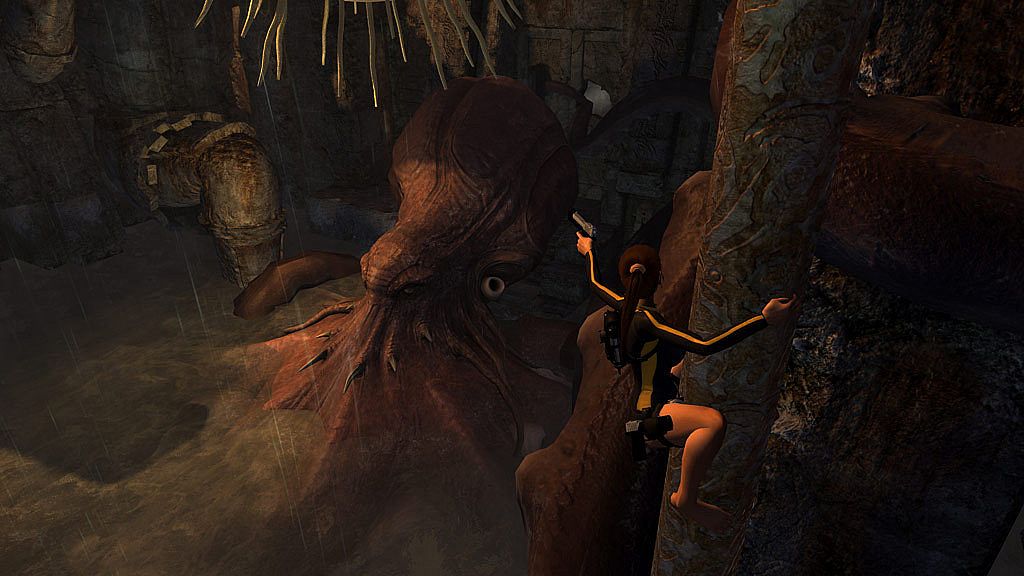
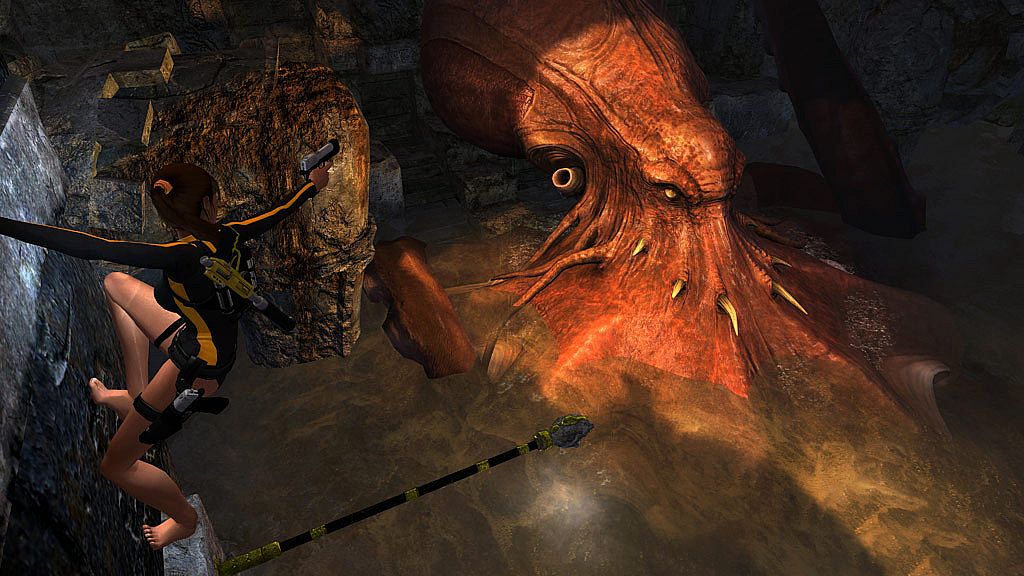

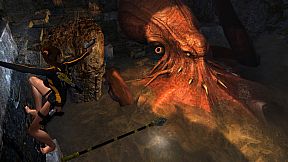
Tomb Raider: Underworld is an action-adventure game centered on exploration, platforming, and puzzle-solving as players control Lara Croft through detailed environments.
Gameplay
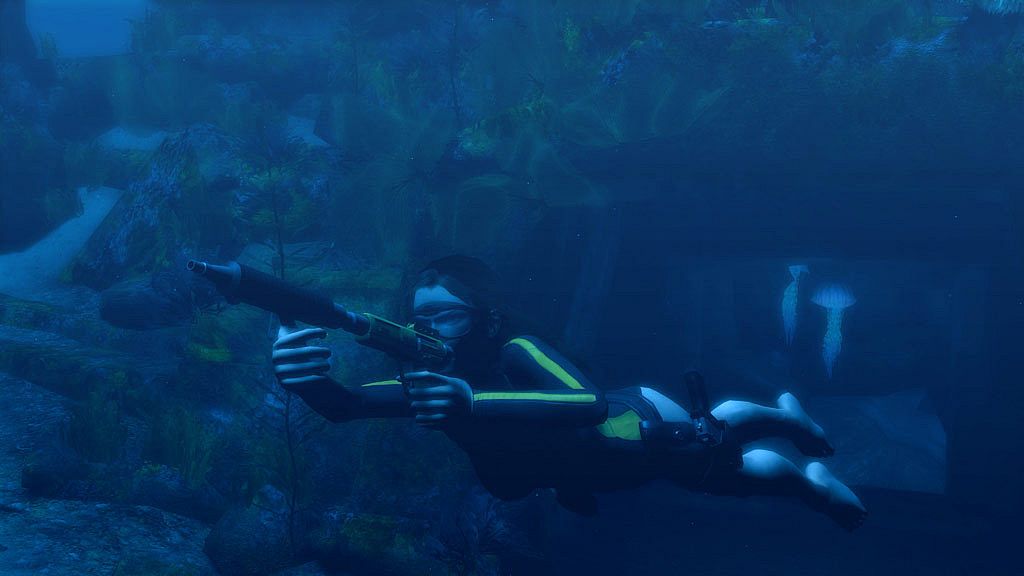
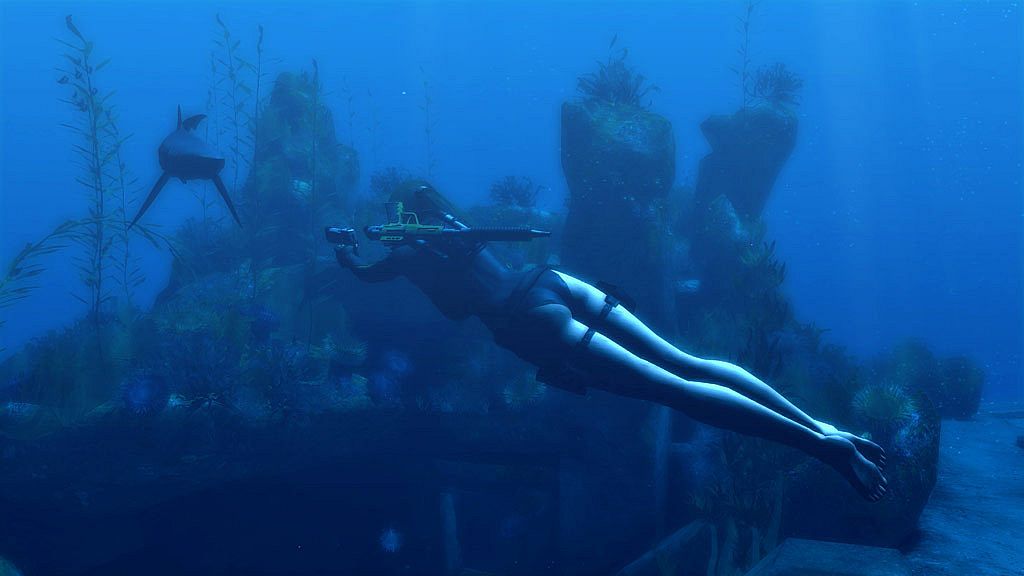
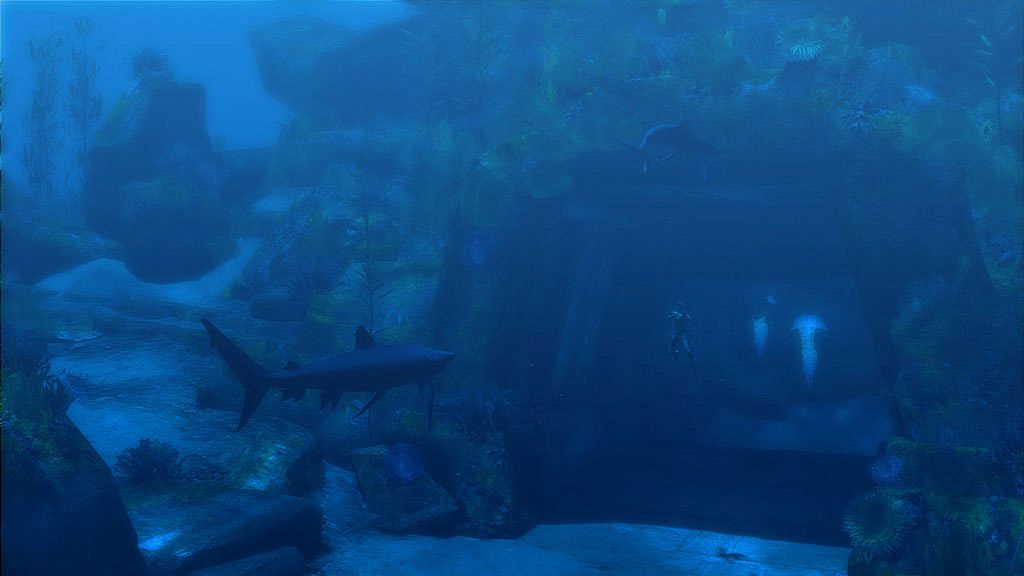
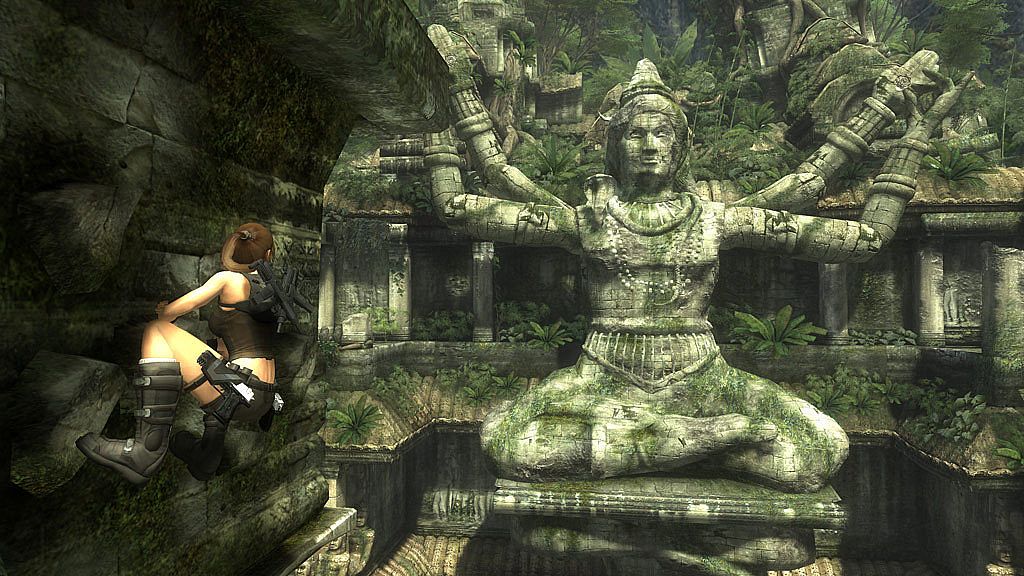
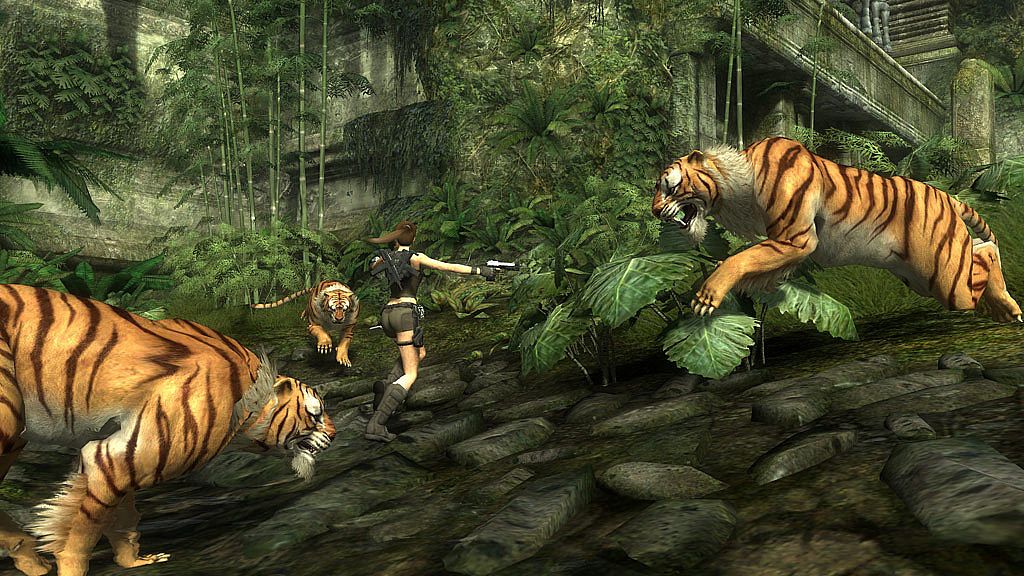
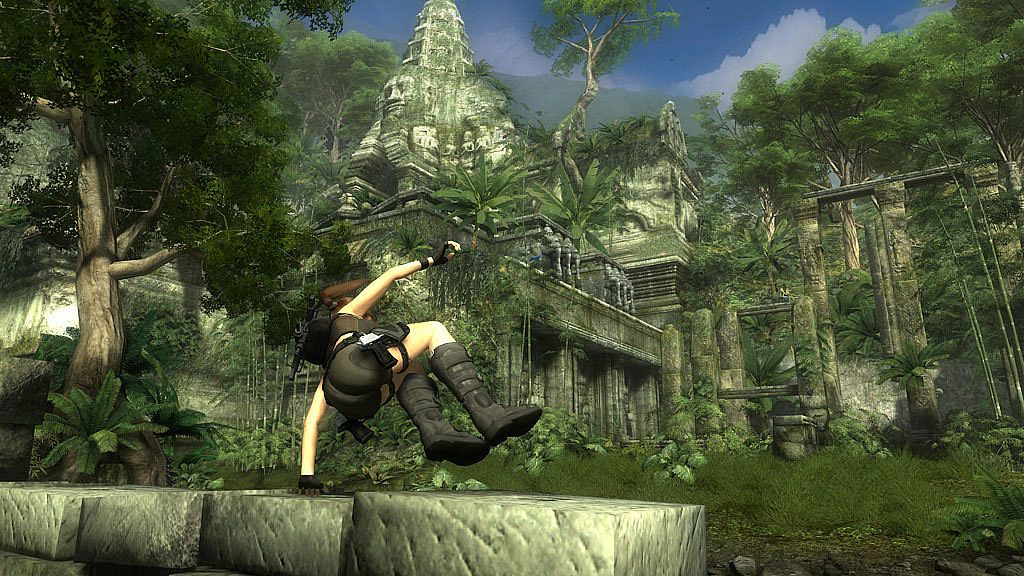
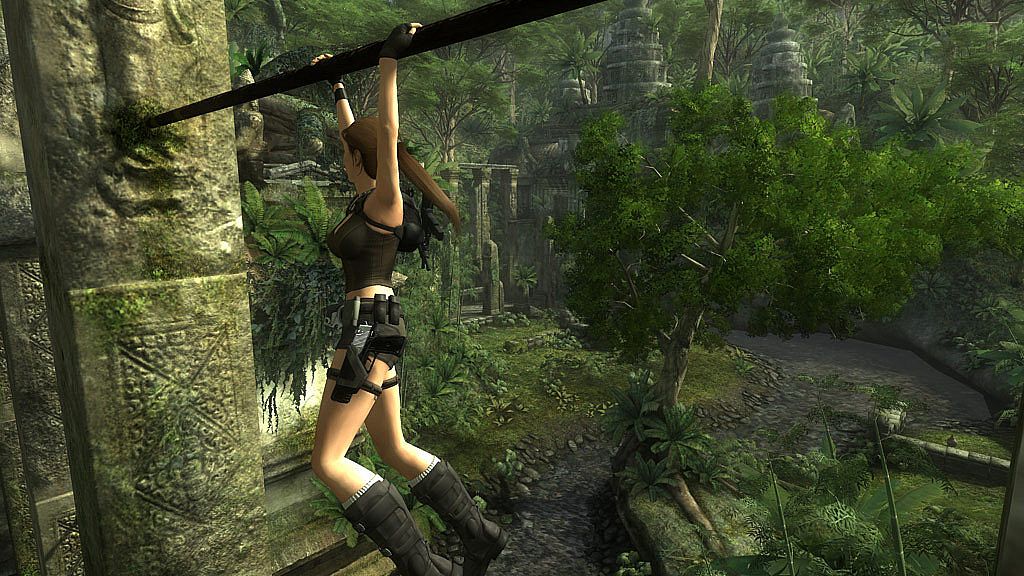
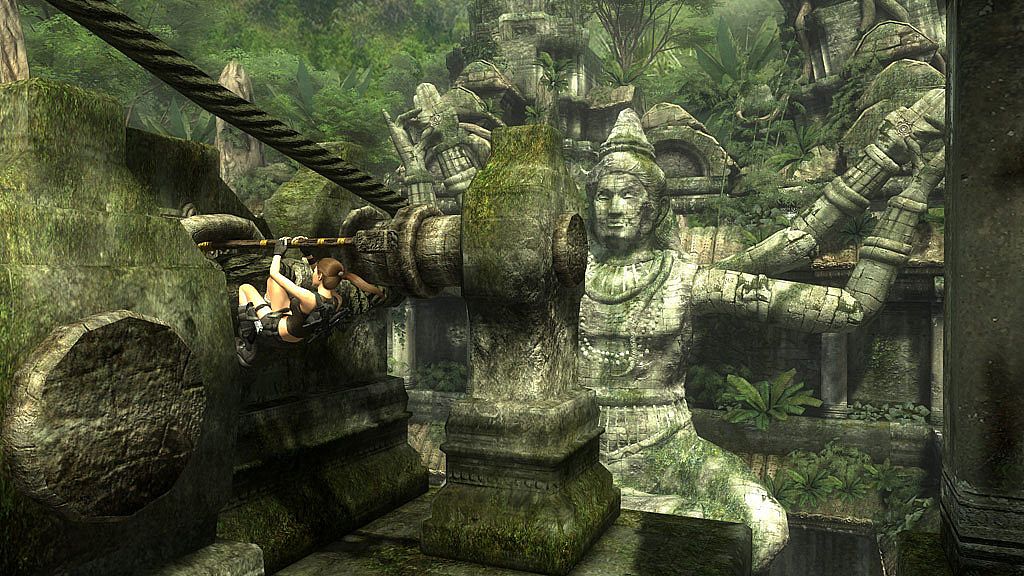
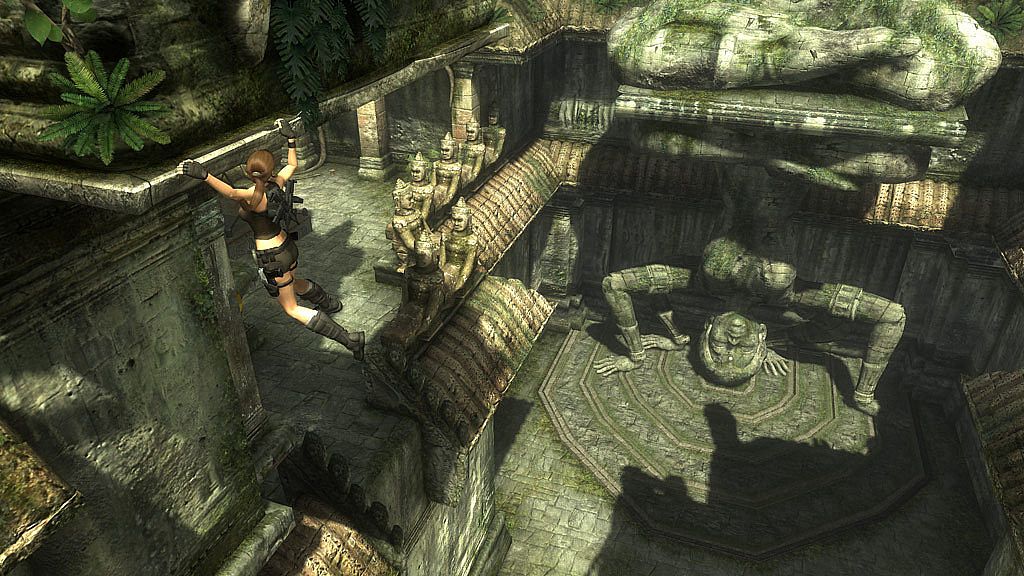
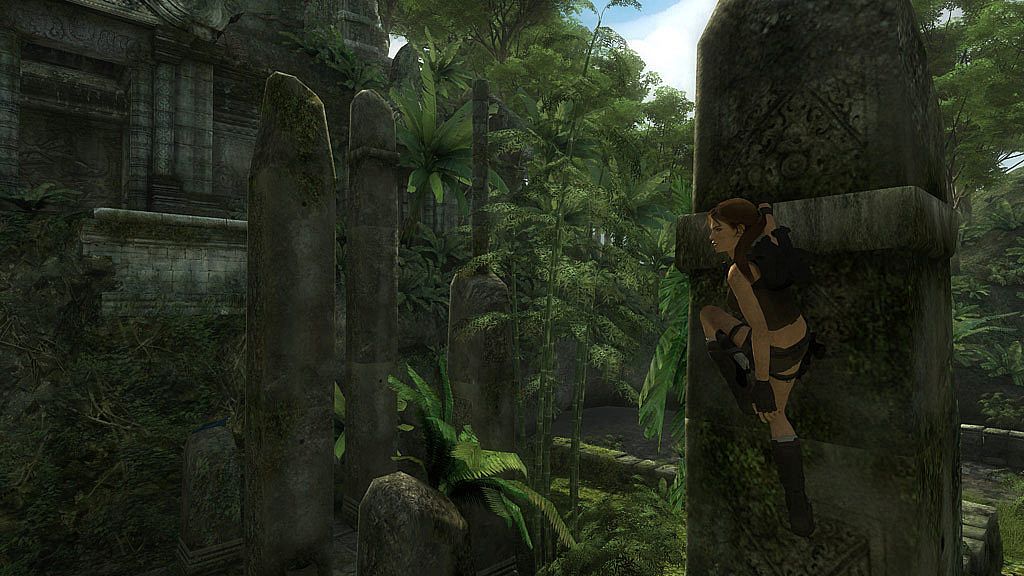
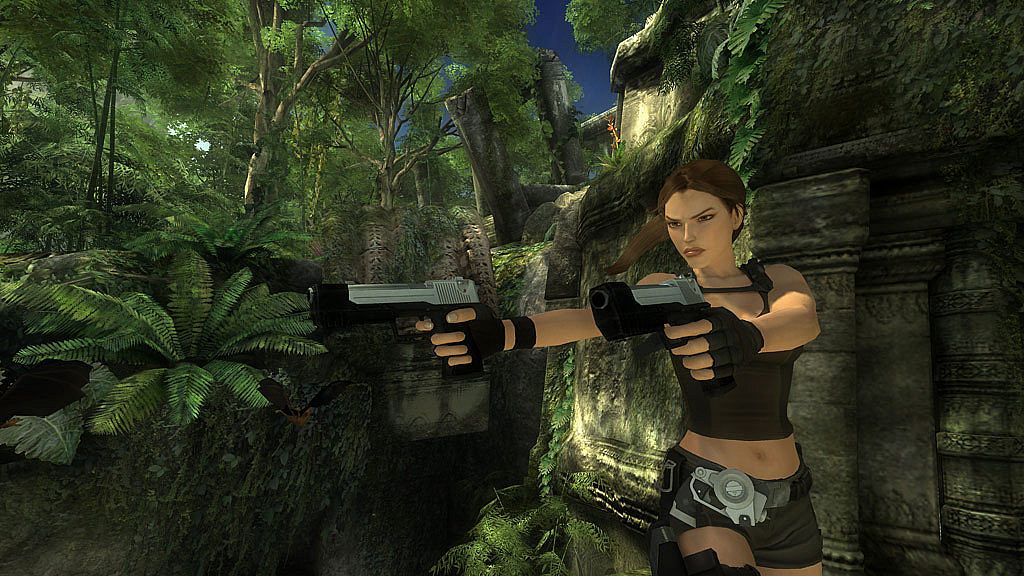
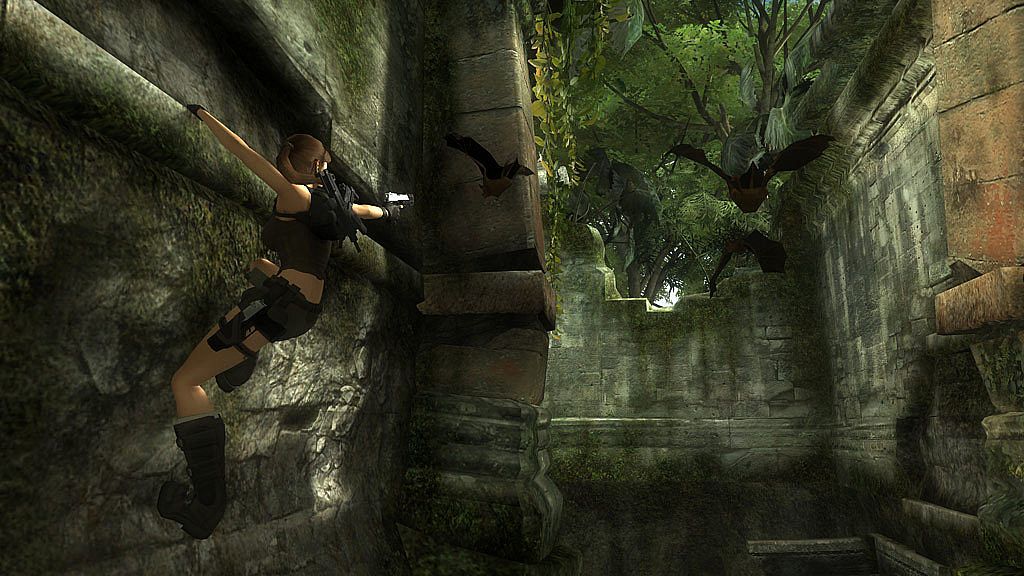
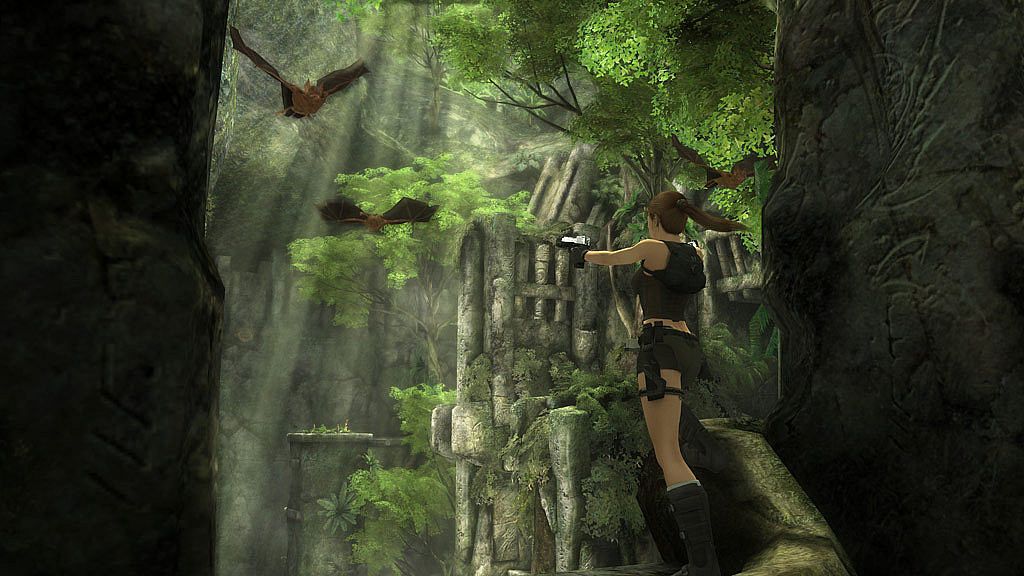
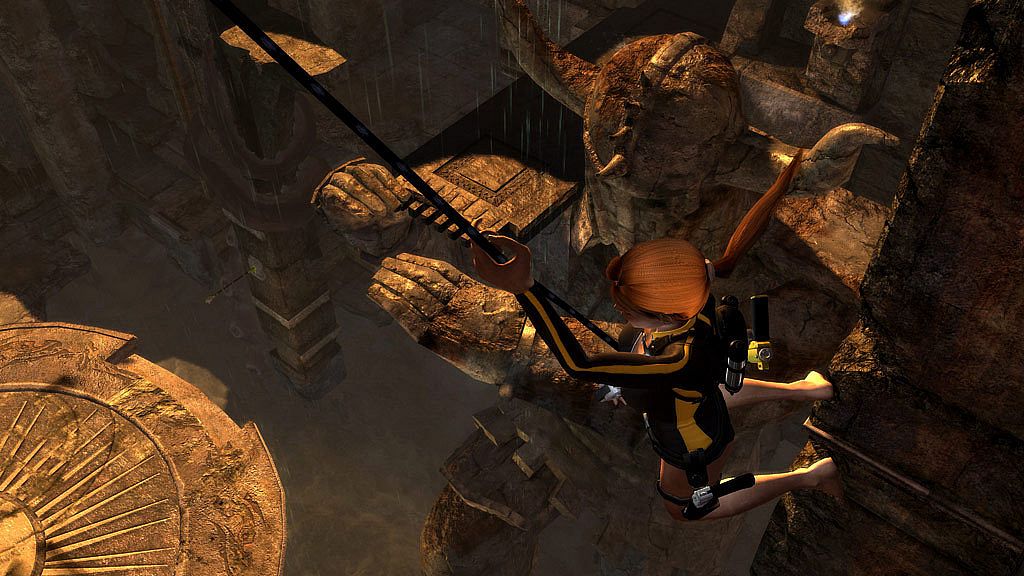
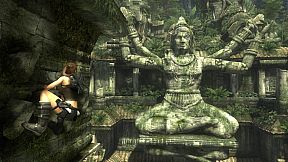
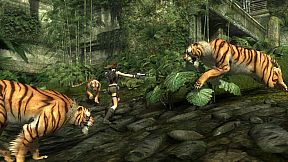
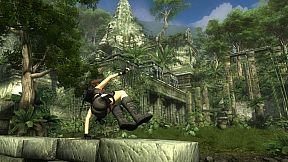
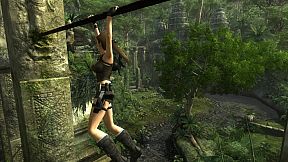
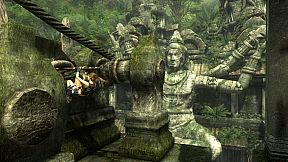
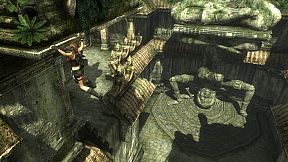
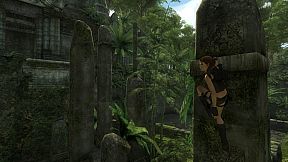
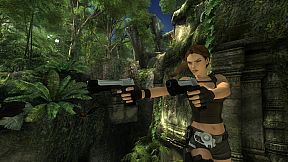
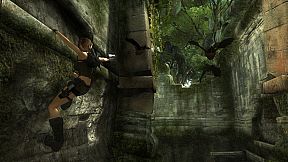
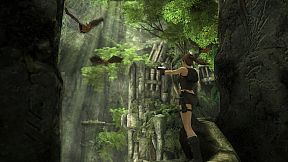
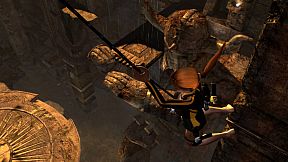
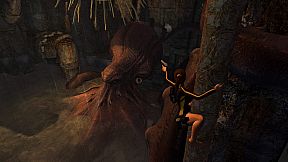
The core loop revolves around navigating intricate levels filled with environmental challenges and hidden paths. Lara gains access to an expanded set of acrobatic moves that allow climbing, swinging, and interacting with objects in creative ways to progress. Puzzles often span multiple stages and encourage experimentation with the surroundings rather than following a single solution. Combat integrates into these sequences, with options to engage enemies using dual-targeting for simultaneous shots or firing while hanging from ledges and ropes. The upgraded inventory includes an active sonar device that reveals nearby structures and items in three dimensions, a versatile grapple tool for traversal and object manipulation, and a hybrid motorbike suited for varied terrain including mud, snow, and ice. Locations span coastal Thailand, Arctic islands, Mexican jungles, and additional sites, each built with layered detail that supports multiple routes and discovery.
Game Modes
Tomb Raider: Underworld delivers its experience through a single-player campaign structured around sequential levels. There are no separate multiplayer components or alternative modes such as competitive or cooperative play. Progression follows the main narrative thread, with each area presenting a mix of traversal, combat encounters, and puzzle resolution that builds on previous skills. Players advance by mastering the environment and gear rather than through branching campaigns or replayable challenges beyond the primary story path.
Exploration and Challenges
Levels function as interconnected playgrounds where attention to detail in architecture and physics creates believable spaces. The sonar map assists in locating concealed elements, while the grapple and motorbike expand movement options across vertical and horizontal distances. Challenges arise from unstable platforms, enemy placements, and timed sequences that require precise timing and creative use of tools. This setup rewards careful observation and repeated attempts to uncover efficient solutions without relying on linear checkpoints alone.
Is It Worth Playing?
Player reception has been generally favorable, with critic scores reflecting solid execution of exploration and puzzle elements alongside some noted technical limitations from its era. The game suits individuals interested in methodical single-player adventures that emphasize platforming and environmental interaction over fast-paced action or online features. Availability on PC keeps it accessible for those seeking a focused campaign experience without ongoing seasonal content or updates. Those who appreciate detailed worlds and gear-based problem solving will find consistent engagement across its levels.