














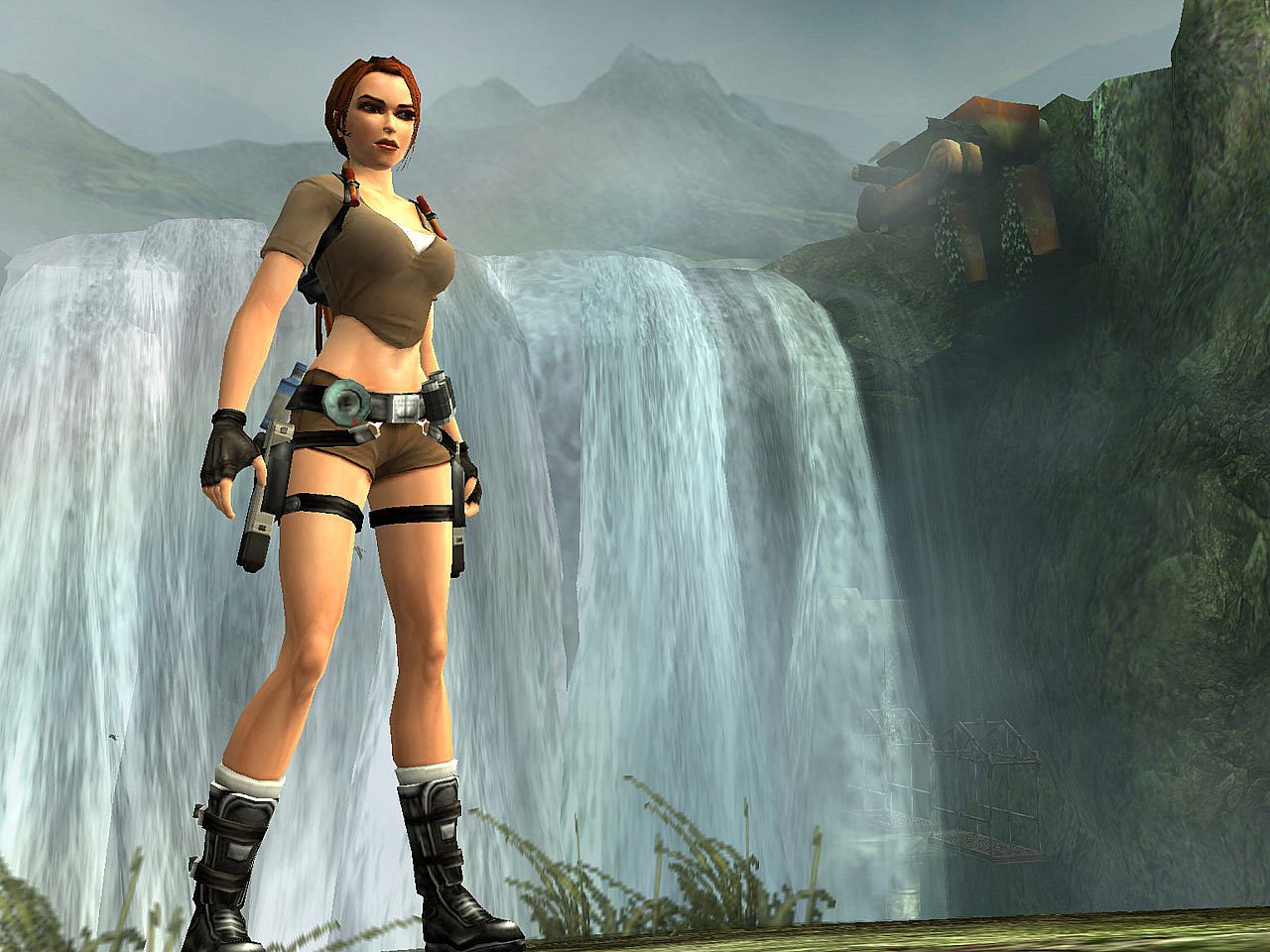
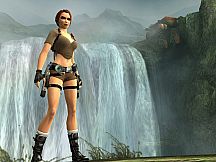
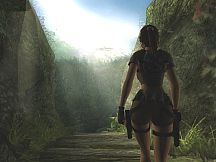
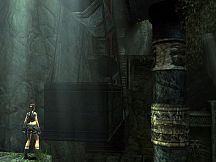
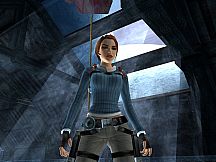
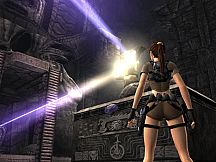
Tomb Raider: Legend is a single-player action-adventure game that places players in control of Lara Croft as she searches for a powerful artifact across multiple continents. The title emphasizes exploration of ancient ruins, precise platforming, and light combat encounters set against backdrops that range from dense jungles to icy peaks and crumbling temples. Core progression revolves around navigating linear levels filled with environmental hazards, interactive objects, and puzzle elements that require observation and timing rather than trial-and-error repetition.
Gameplay
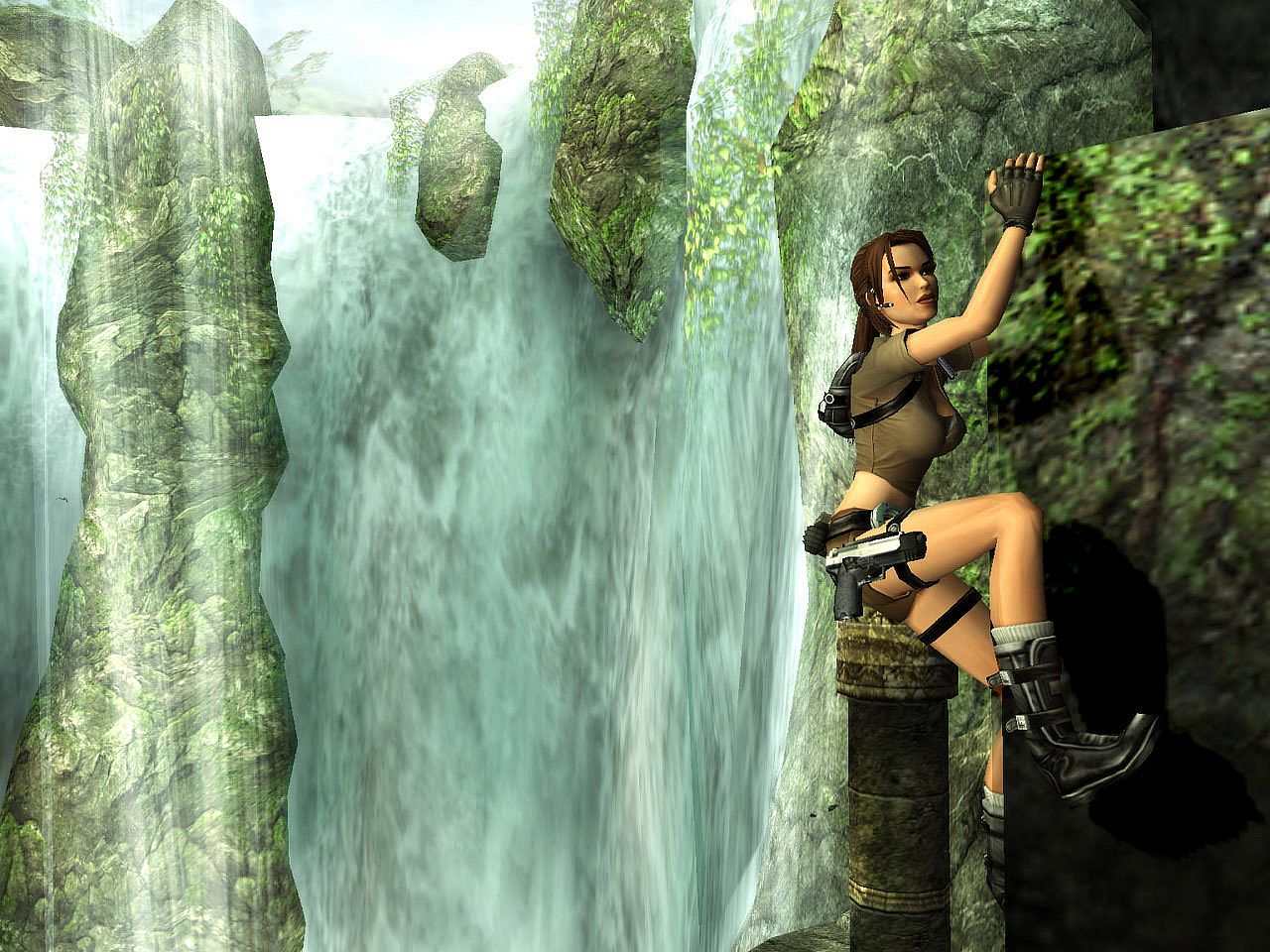
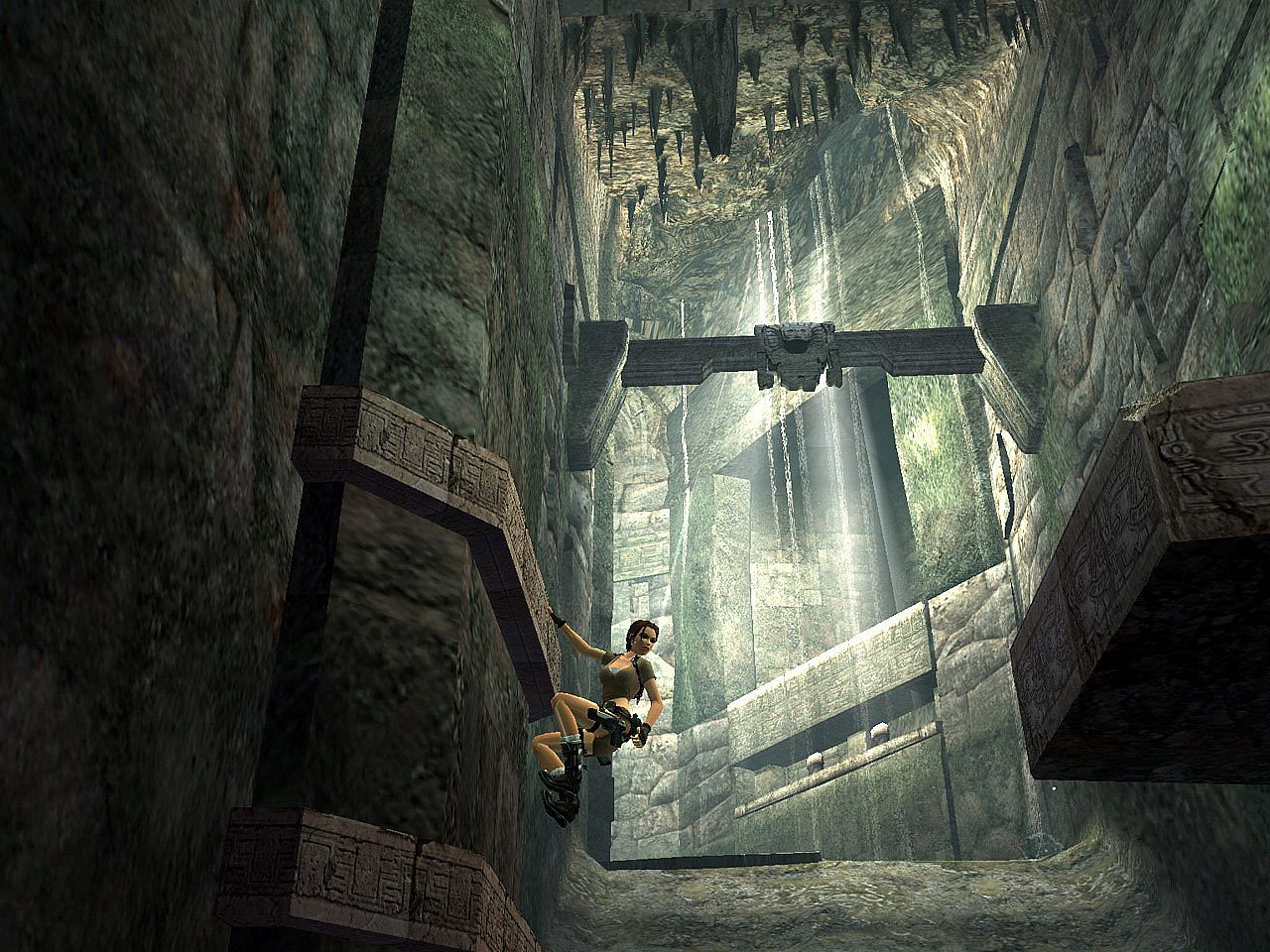
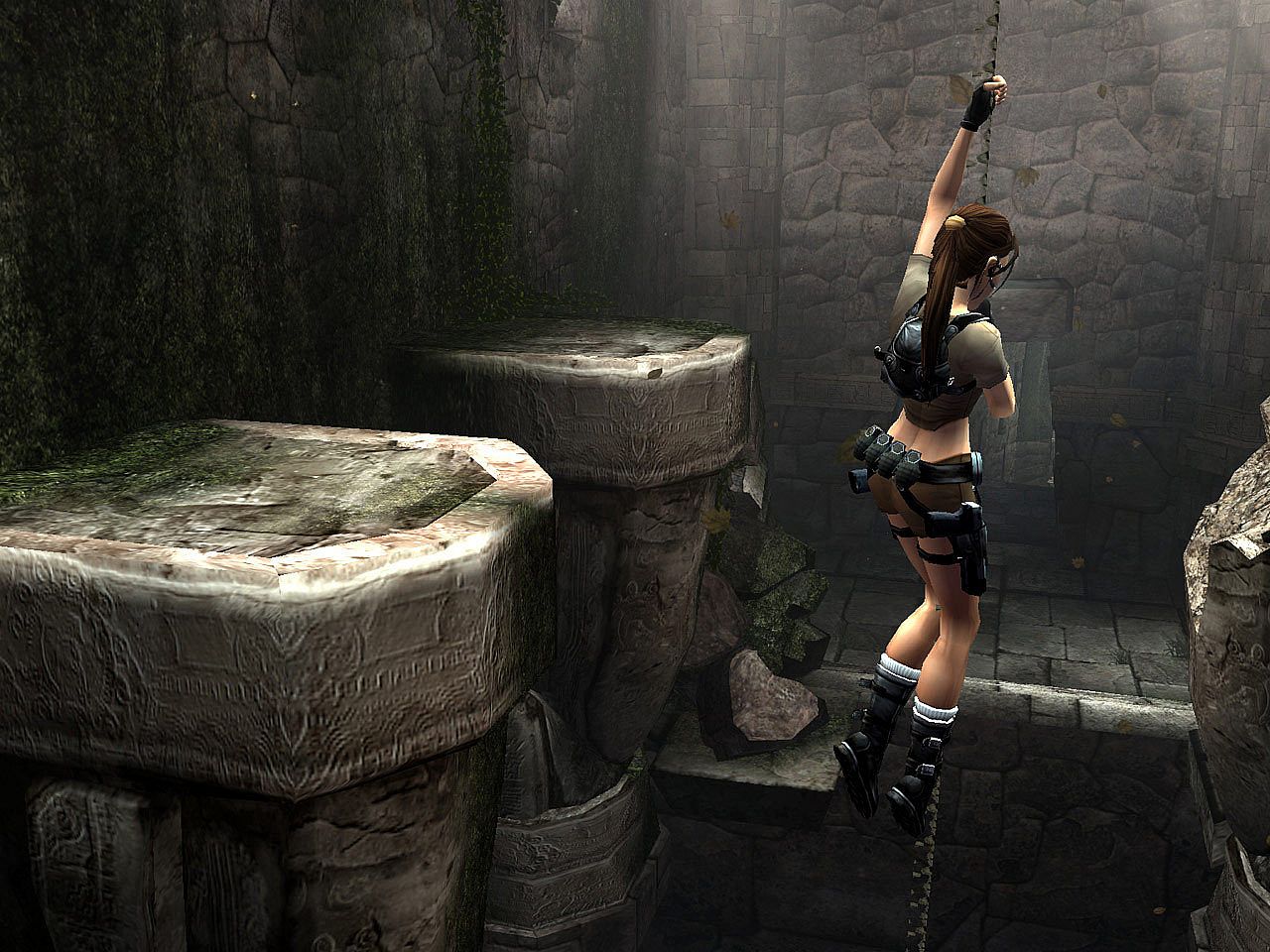
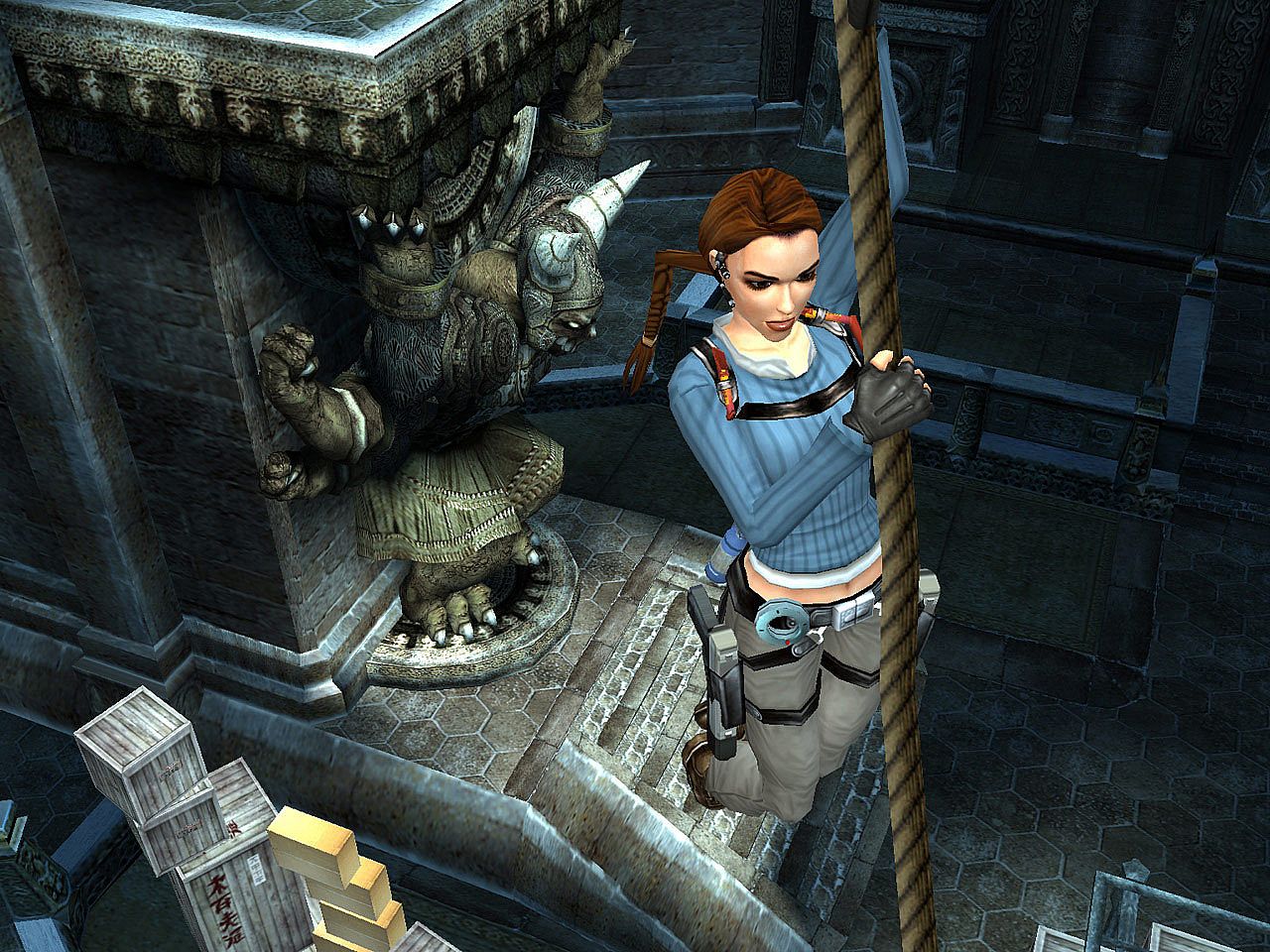
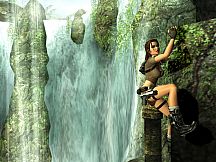
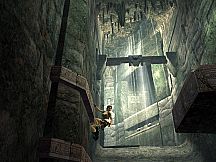
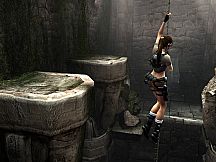
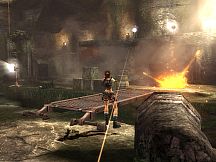
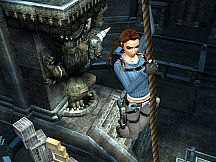
Players guide Lara through third-person sequences that combine acrobatic movement with tool use. She can run, jump, climb ledges, shimmy along walls, swing on poles, and perform flips or somersaults to reach new areas. A grappling line serves as a central mechanic for crossing gaps, pulling distant objects, or swinging between points. Environmental systems for physics, water, and fire create dynamic obstacles, such as shifting platforms or spreading flames that demand quick adaptation.
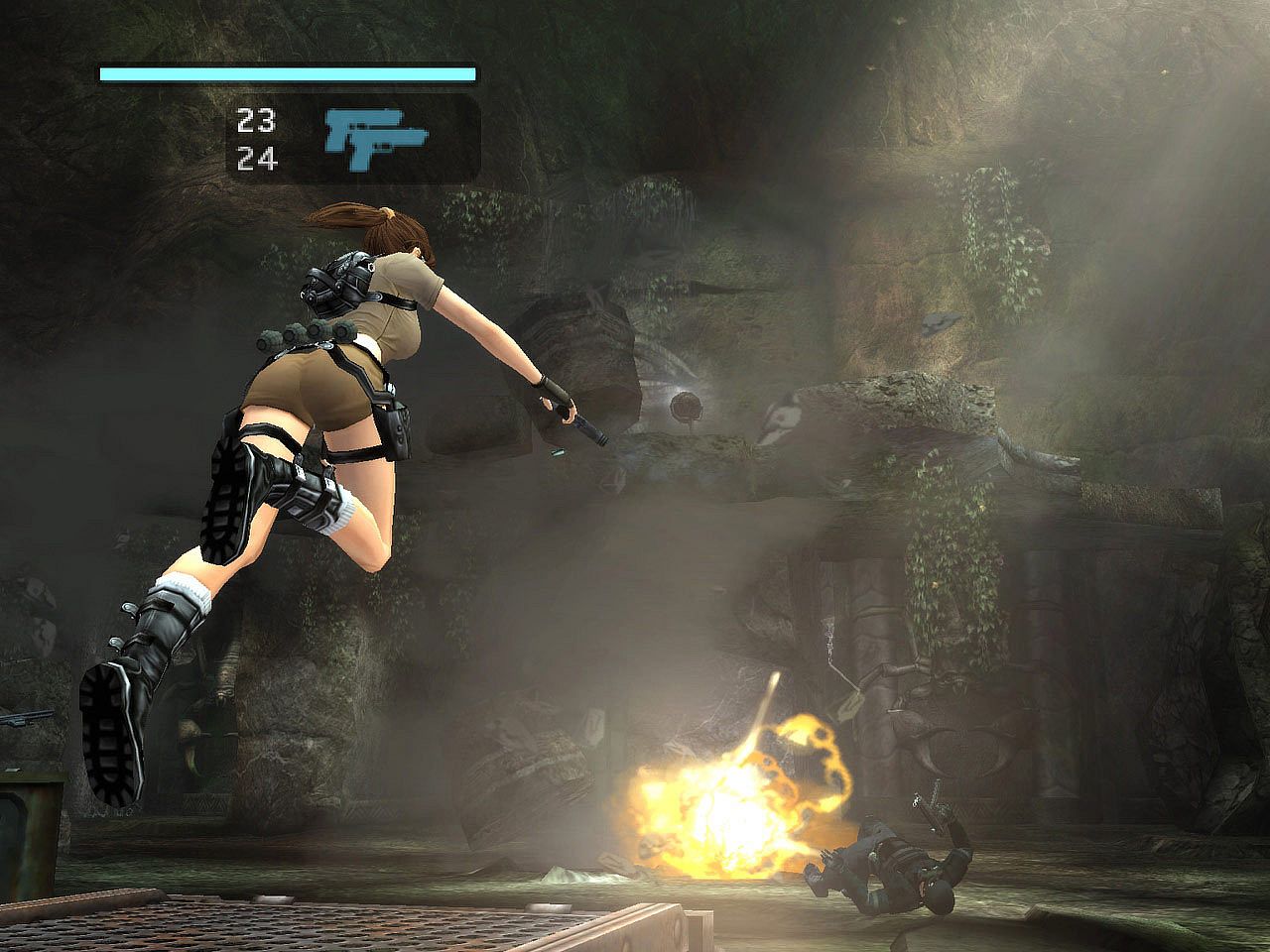
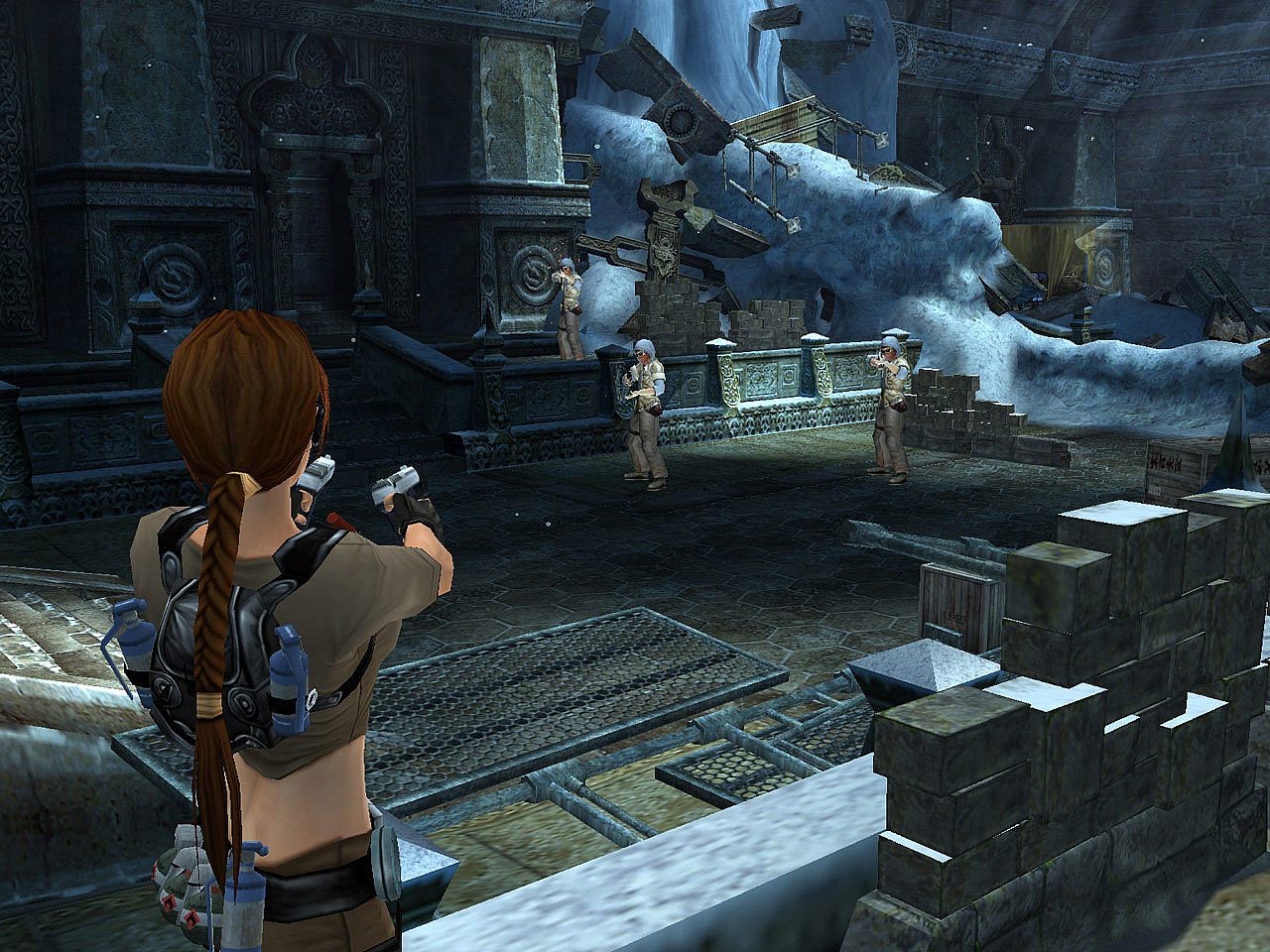
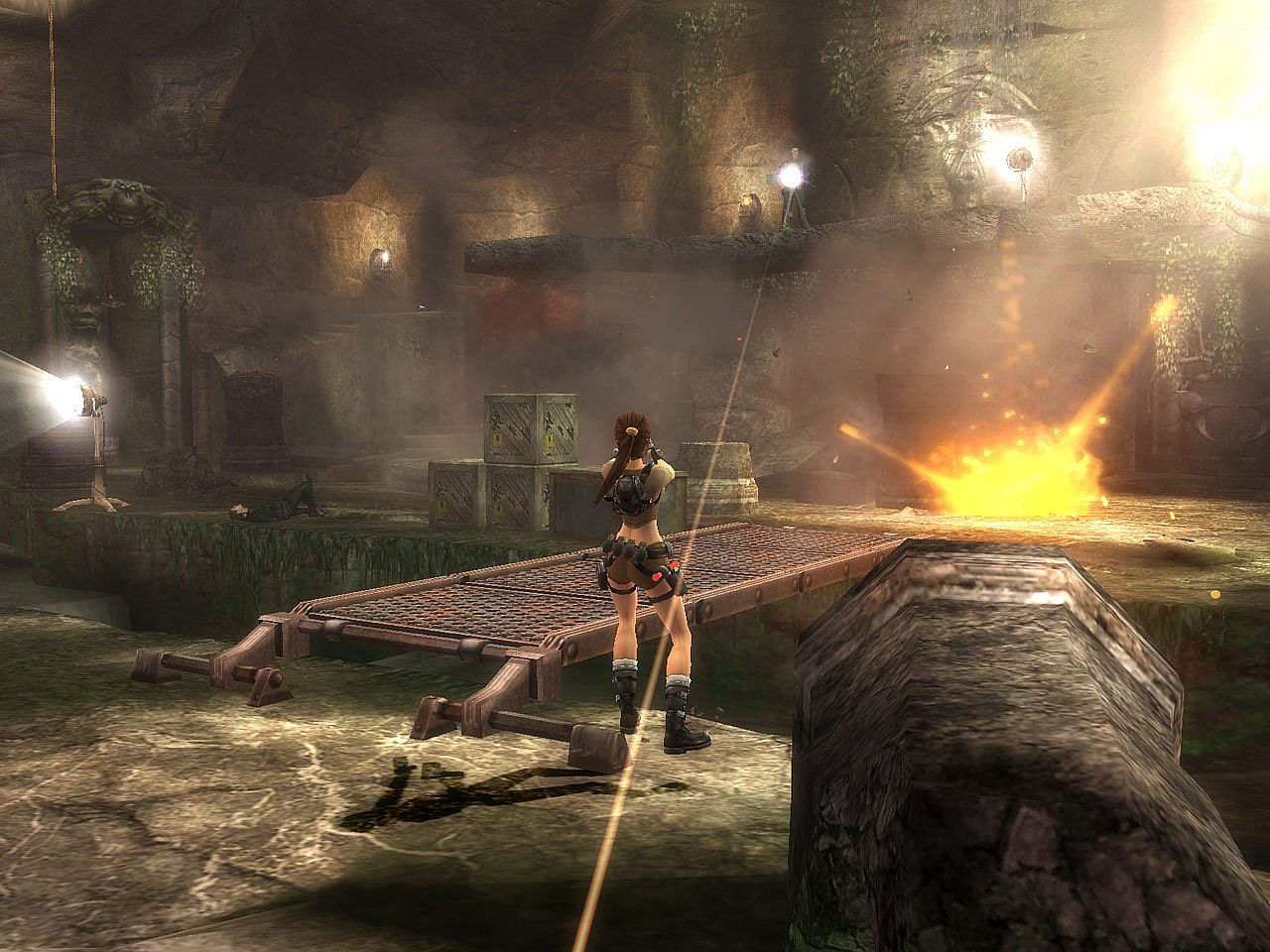
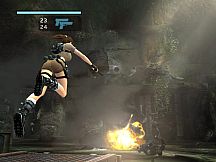
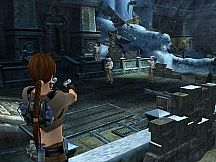
Combat integrates dual pistols with close-range options like slide tackles and kicks that trigger brief slow-motion moments for targeting. Quick-time events appear during certain set pieces, requiring timed button presses to escape dangers. Lara carries a limited number of health packs and can use a personal light source to reveal hidden details in dark spaces. Binoculars equipped with remote analysis mode help identify interactive elements from afar. Collectible artifacts scattered throughout each level unlock additional outfits and viewing options once gathered.
Motorbike segments appear in select areas, allowing players to race forward while managing shooting and item collection on the move. The control scheme supports fluid transitions between running, jumping, and interacting with surfaces, reducing the need for pixel-perfect positioning in platforming sections.
Game Modes
The primary experience consists of a linear single-player campaign divided into distinct levels set in varied global locations. Each level combines traversal, combat, and puzzle-solving to advance the narrative. Time Trials function as an additional challenge mode, tasking players with completing any level under a strict time limit to test efficiency and route knowledge.
No separate multiplayer or competitive modes exist in the PC version. Progression remains focused on story completion and optional collectible hunting within the campaign structure.
Exploration and Setting
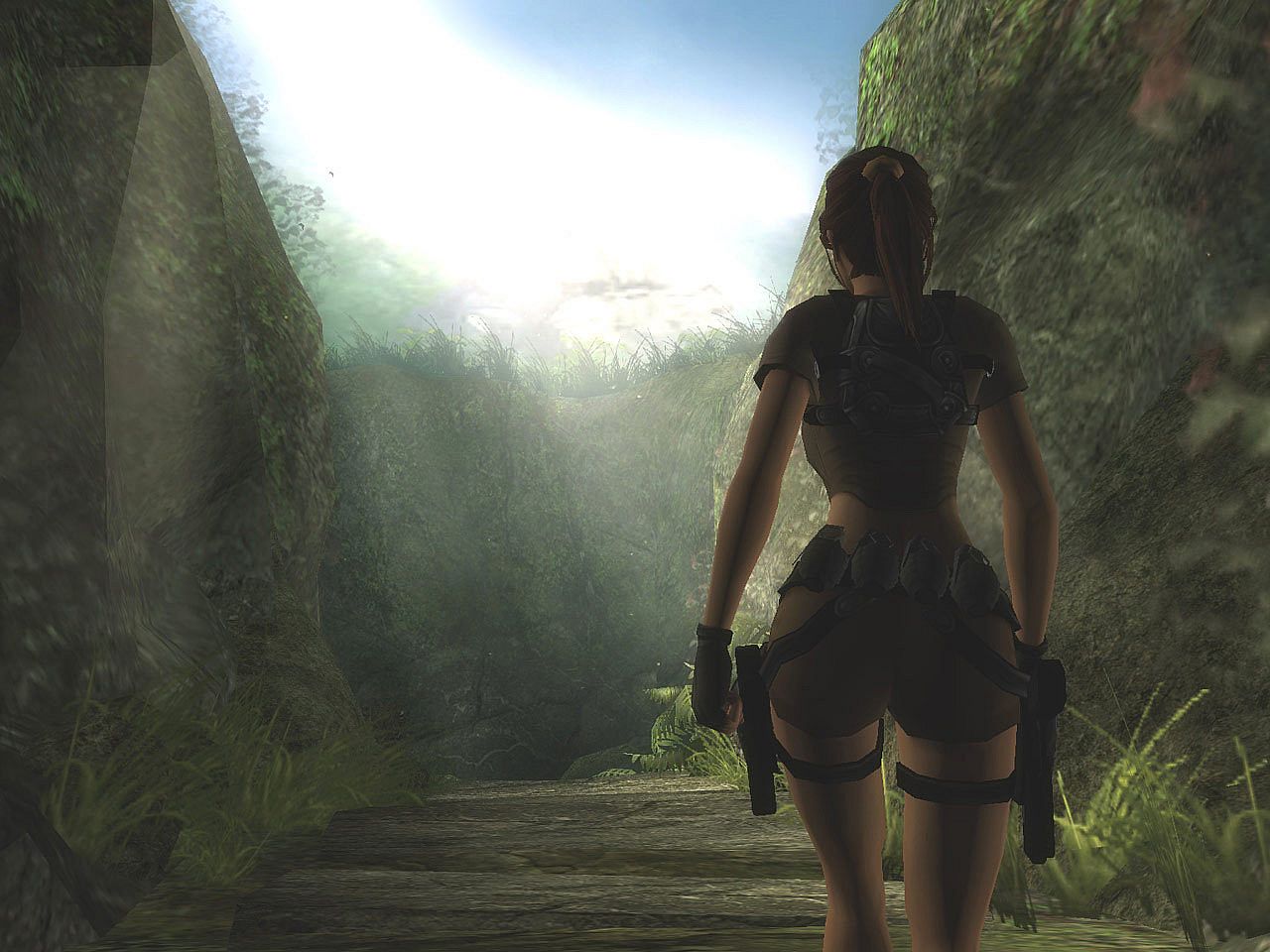
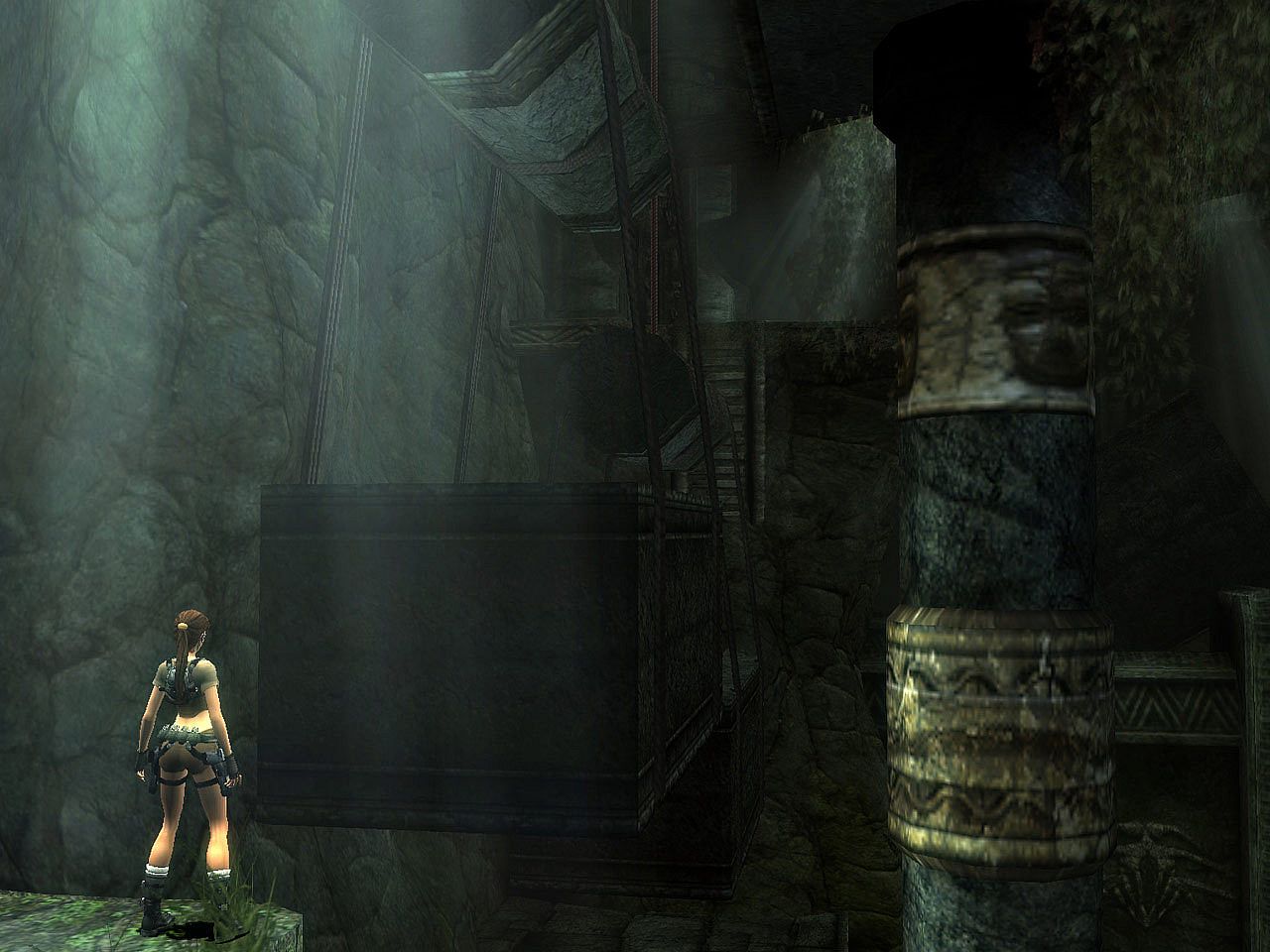
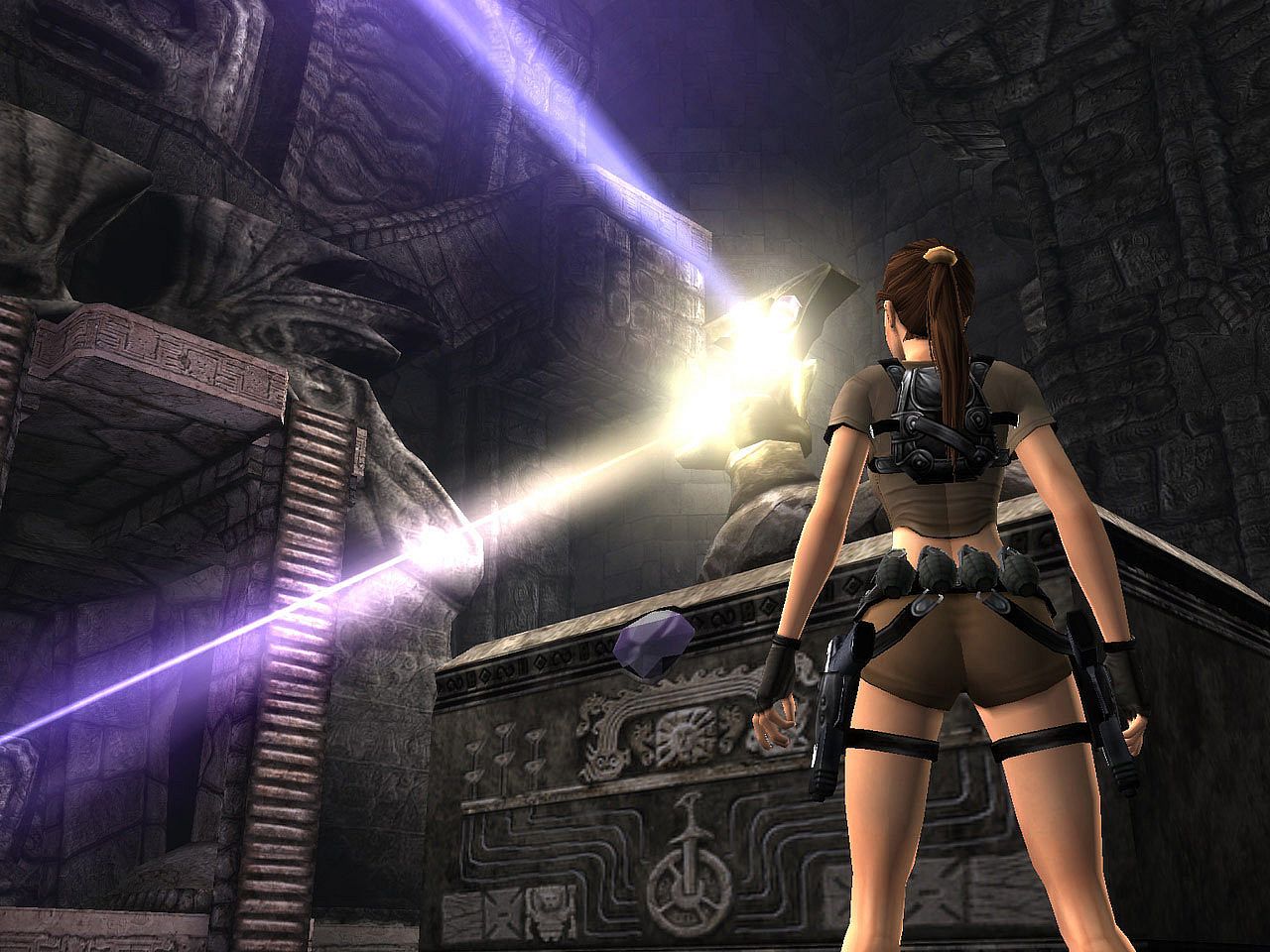
Lara travels between remote sites that include ancient tombs, overgrown jungles, snowy mountain ranges, and other exotic environments. These locations contain hidden passages, trap mechanisms, and interactive switches that block or enable forward movement. Puzzle solutions often involve moving heavy objects, activating sequences of levers, or manipulating water and fire elements to create safe paths.
The game incorporates elements from Lara's backstory through environmental storytelling and encounters with figures tied to her past. Exploration rewards careful searching with artifacts that expand post-completion options without altering core gameplay.
Is It Worth Playing?
Tomb Raider: Legend suits players who enjoy methodical single-player action-adventure titles centered on platforming and puzzle resolution. The campaign offers a contained experience that can be completed in a focused play session, with optional time trials providing replay value for those seeking faster completions or mastery challenges.
Community patches address older technical issues on modern hardware, and texture modification options exist for visual improvements. Availability on PC platforms keeps the title accessible for newcomers to the series or returning fans interested in this specific entry. Those drawn to fluid movement systems, globe-trotting exploration, and light combat will find the mechanics align with those preferences, while players expecting extensive multiplayer features or ongoing seasonal content may prefer other options.