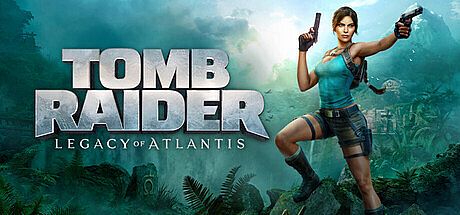










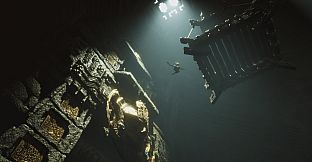
Tomb Raider: Legacy of Atlantis is a single-player action-adventure game that reimagines the original 1996 Tomb Raider title. Players take control of Lara Croft in a story centered on the search for the scattered pieces of the Scion, a powerful artifact tied to the lost civilization of Atlantis. The experience unfolds across exotic locations including the jungles of Peru, ancient ruins in Greece, deserts of Egypt, and a mysterious Mediterranean island. Developed by Crystal Dynamics and Flying Wild Hog with publishing from Amazon Game Studios, the title arrives on PC via Steam along with other platforms and uses Unreal Engine 5 for its visuals.
Gameplay
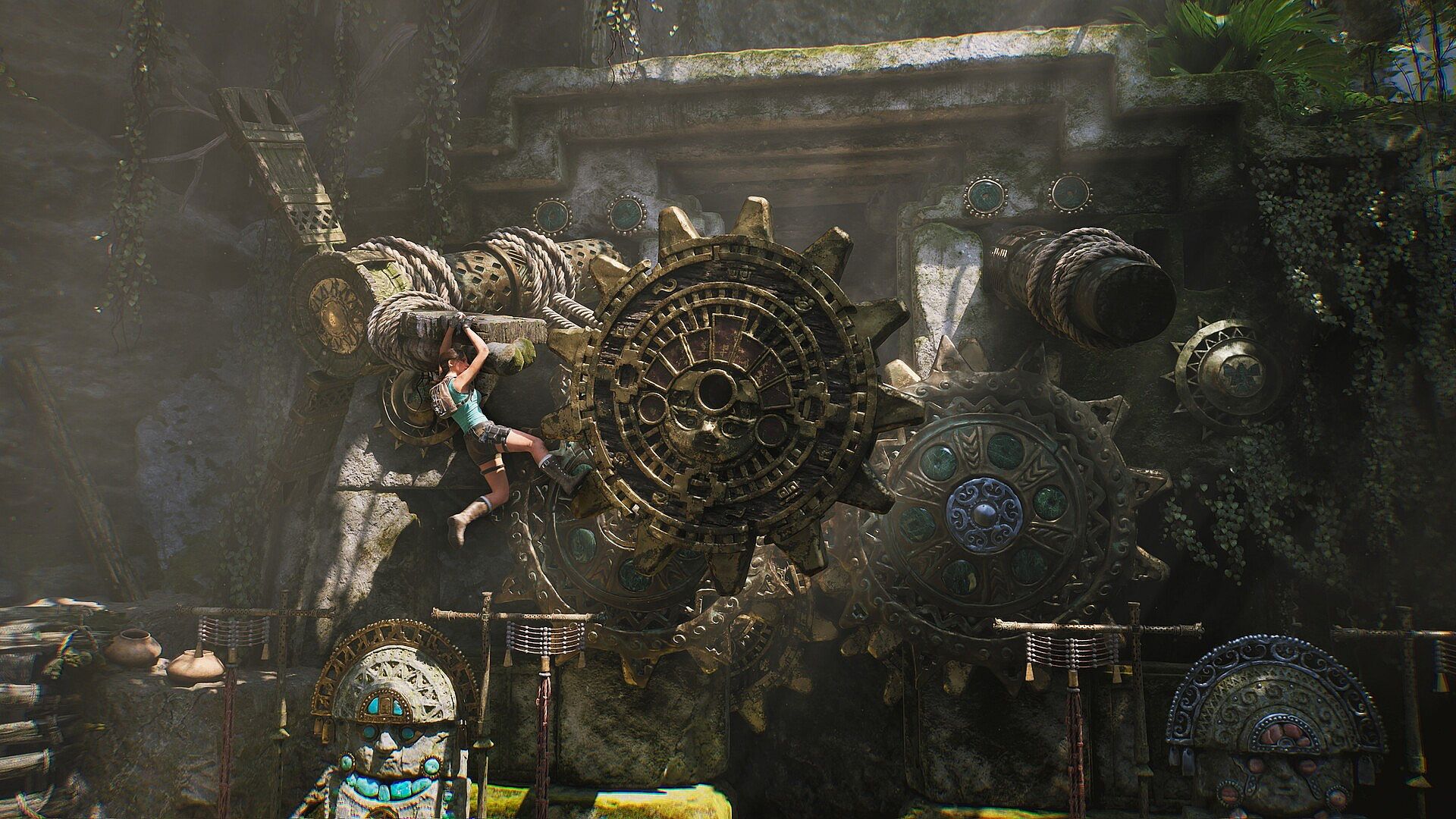
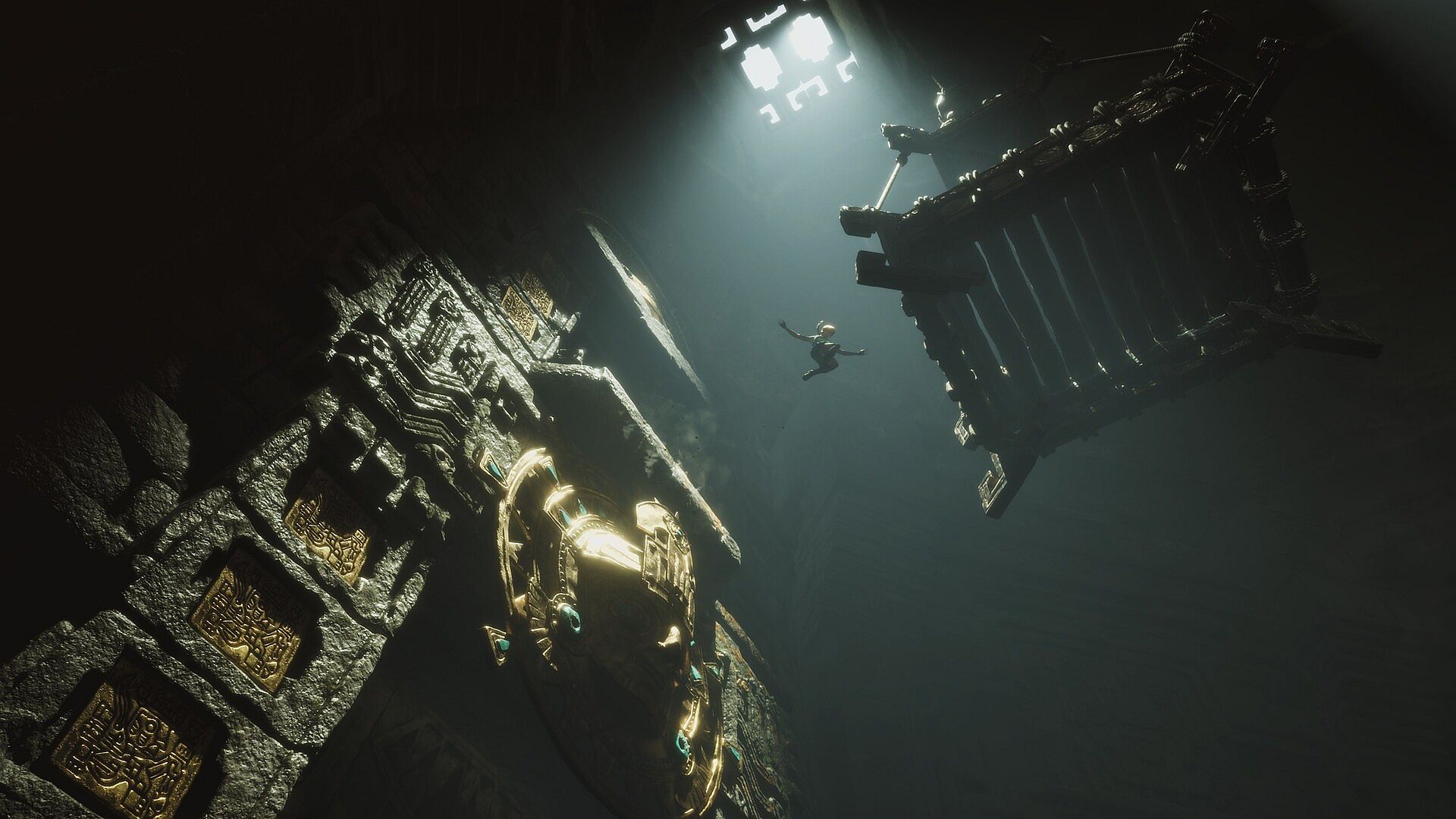
The core loop revolves around exploration, puzzle-solving, and combat encounters. Lara navigates treacherous terrain using her athletic abilities along with a grappling hook for climbing, leaping, and swinging across gaps and ledges. Puzzle elements require interaction with environmental features such as redirecting water flow, aligning light beams, activating pressure plates, and interpreting symbols to open paths and reveal hidden areas. Combat involves dual pistols as the primary weapons, supplemented by other unlockable firearms, while acrobatic maneuvers allow players to engage enemies effectively. Opponents range from savage wildlife and armed mercenaries to mythological creatures, demanding precise timing and positioning during fights.
Progression ties directly to the hunt for Scion fragments, with each location presenting layered challenges that combine traversal, deduction, and survival. The design emphasizes Lara's wits and physical prowess, encouraging players to observe surroundings carefully before acting. Expanded narrative elements connect this debut adventure to later events in her story, adding depth without altering the fundamental focus on solitary discovery and problem resolution.
Game Modes
The game operates exclusively in single-player mode. There are no multiplayer components or additional modes listed in official materials. The entire experience centers on a linear yet explorative campaign that guides players through the story and environments at their own pace, with opportunities to revisit areas for missed secrets or alternate solutions to puzzles.
Visuals and Technical Features
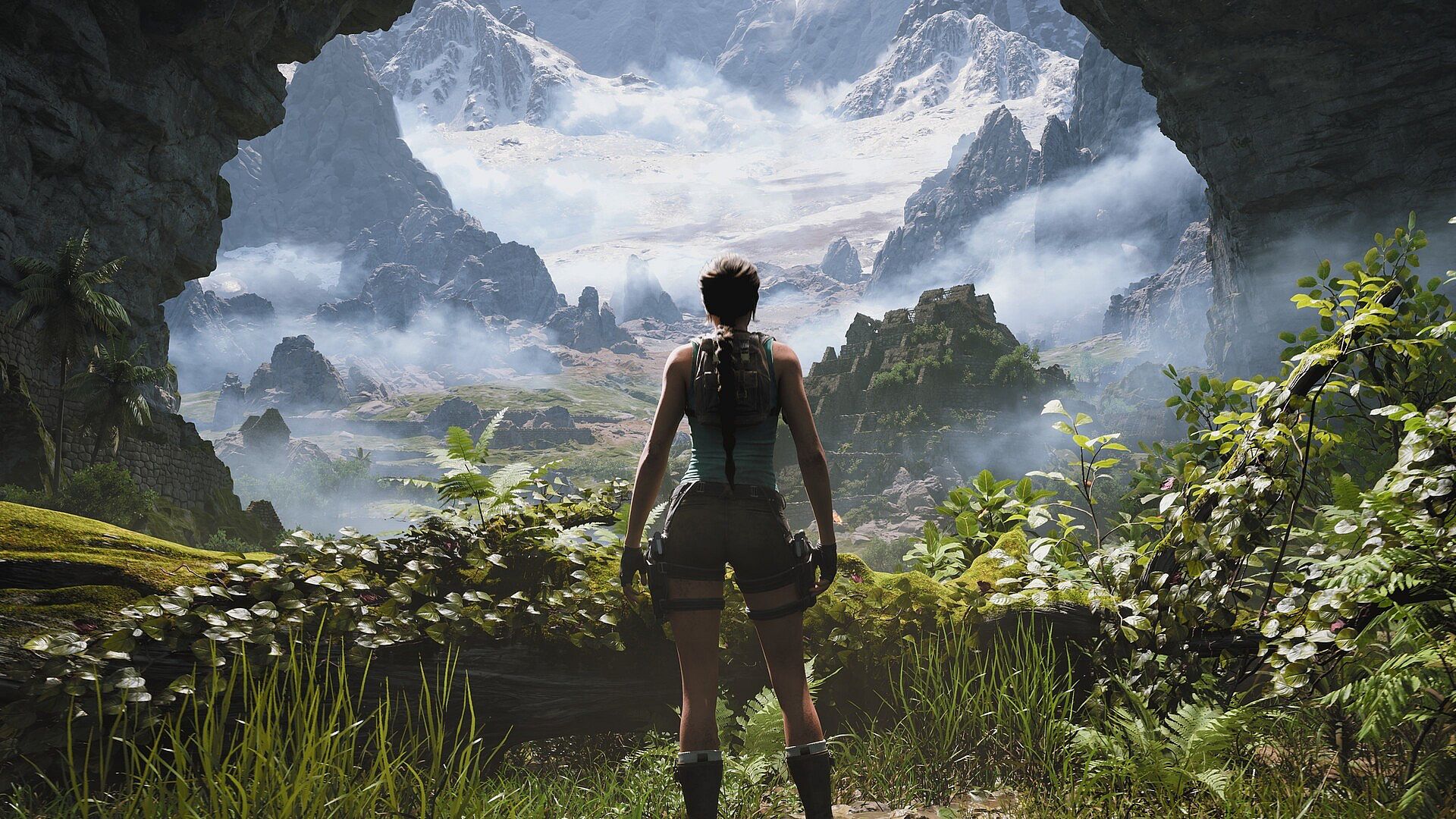
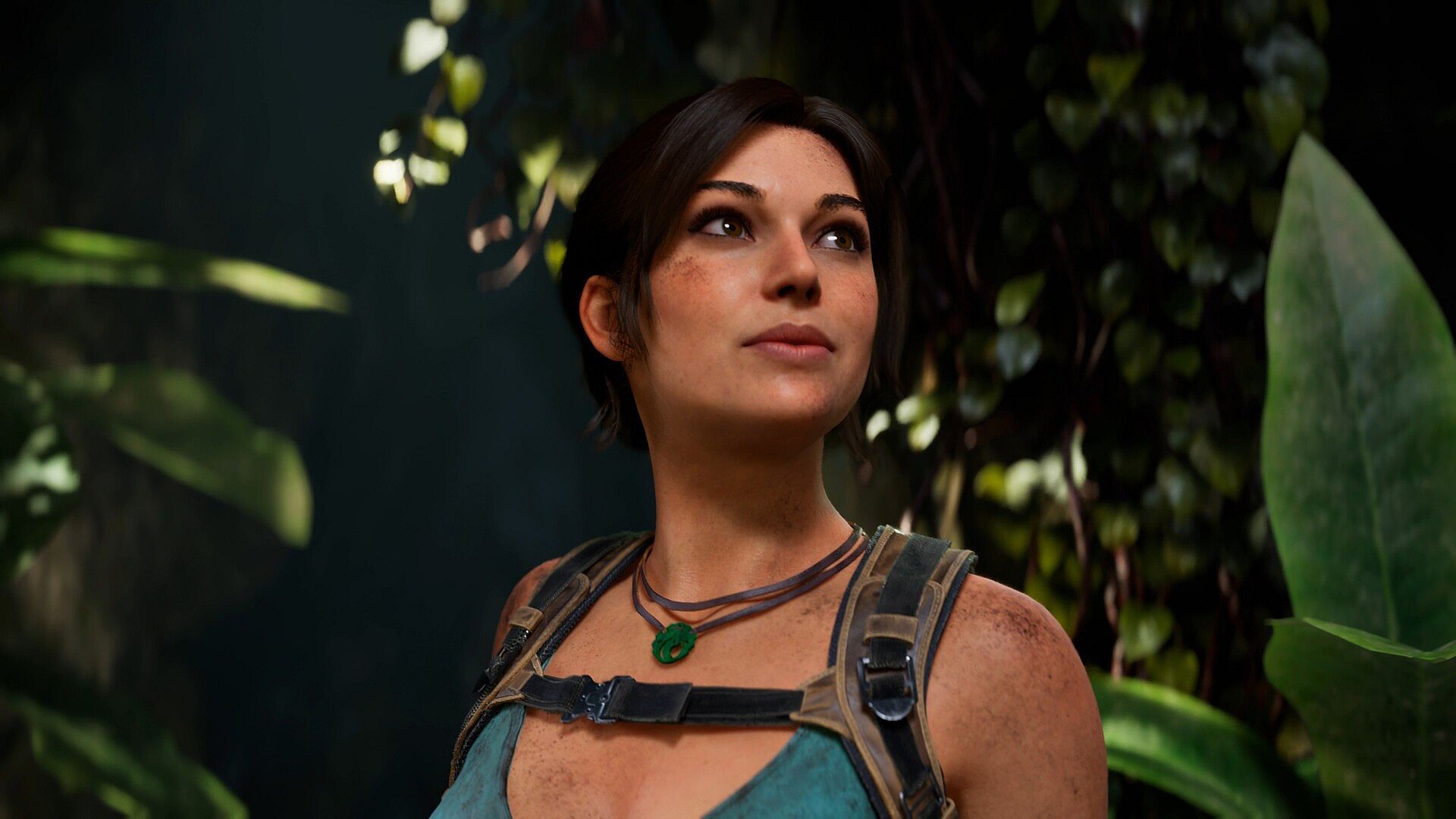
Unreal Engine 5 powers the presentation, delivering detailed environments that capture the atmosphere of the 1996 original while incorporating modern lighting, textures, and scale. Locations feel distinct and hazardous, from dense jungle canopies to sun-baked ruins and submerged ruins on the mythic island. The technical foundation supports fluid movement animations and dynamic interactions with the world, such as shifting water levels or collapsing structures during traversal sequences.
Sound design and voice work support the solitary adventure, with Lara's reactions and environmental audio reinforcing tension during exploration and combat. System requirements indicate a focus on mid-to-high-end hardware for optimal performance, with minimum specifications centered around stable frame rates and recommended setups for higher resolutions and effects.
Is It Worth Playing?
This title targets players who enjoy methodical single-player action-adventure experiences built around exploration and puzzle resolution. Those familiar with the original Tomb Raider or similar games that prioritize careful navigation and environmental interaction will find a familiar structure updated with contemporary controls and visuals. The absence of multiplayer keeps the focus narrow and consistent throughout the campaign.
Since the game has not yet released, direct player feedback remains unavailable. Pre-order options exist on PC, and the confirmed single-player format aligns with expectations for a story-driven remake. Individuals seeking a self-contained adventure without live-service elements or competitive modes may find it a suitable addition to their library once it launches on February 12, 2027.