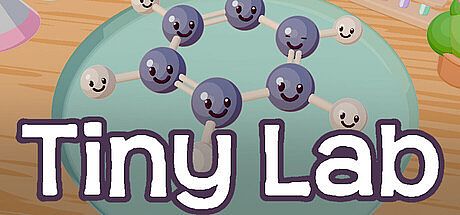


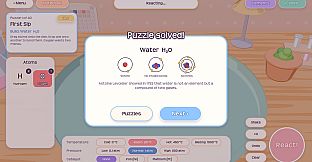
Tiny Lab is an indie casual simulation game on PC that puts players in charge of a virtual chemistry laboratory. The core experience revolves around building molecules from atoms, testing reactions, and gradually expanding the available tools through successful experiments. It blends hands-on molecular construction with structured challenges that teach bonding rules and reaction conditions without requiring prior chemistry expertise.
Gameplay
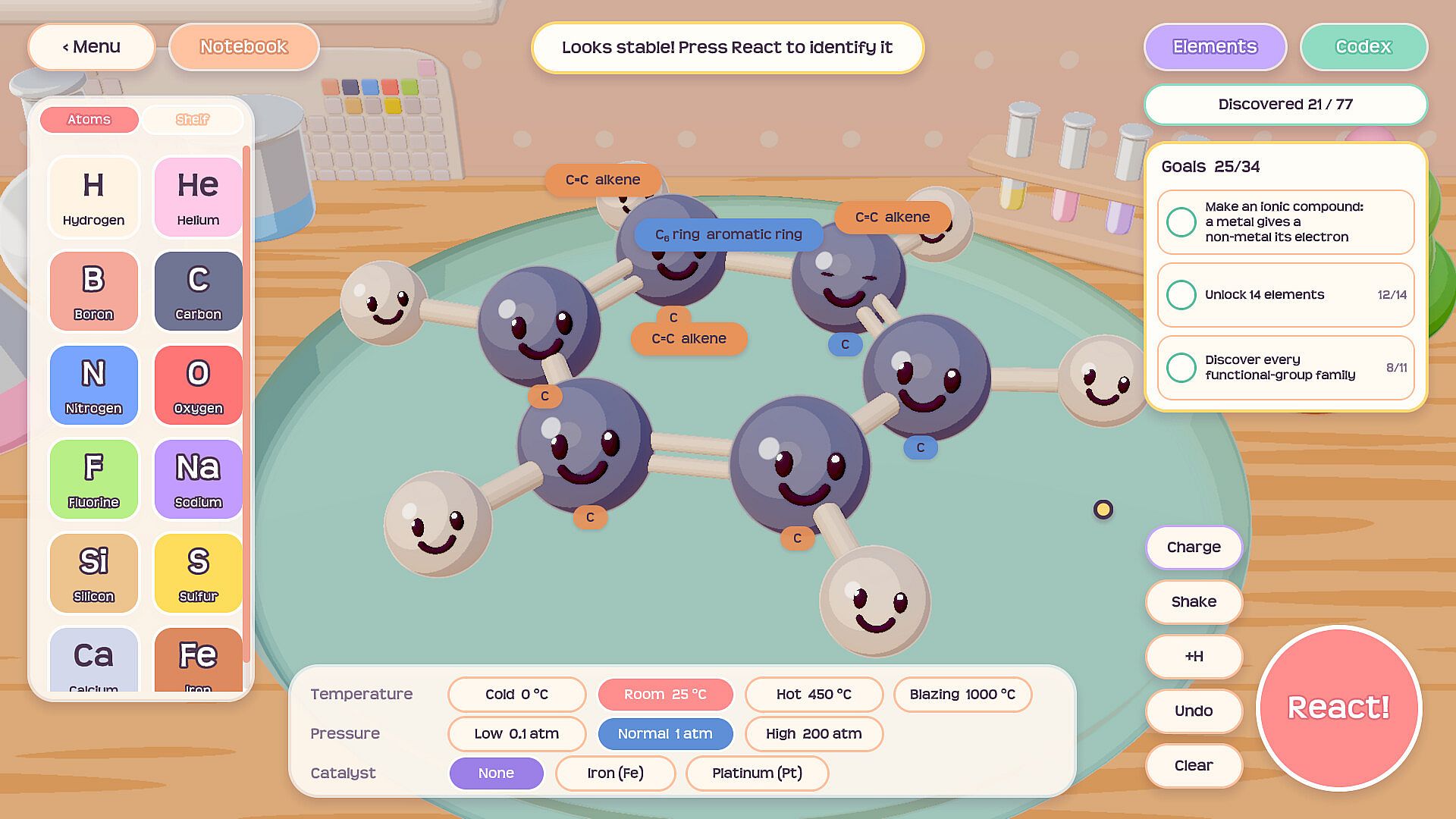
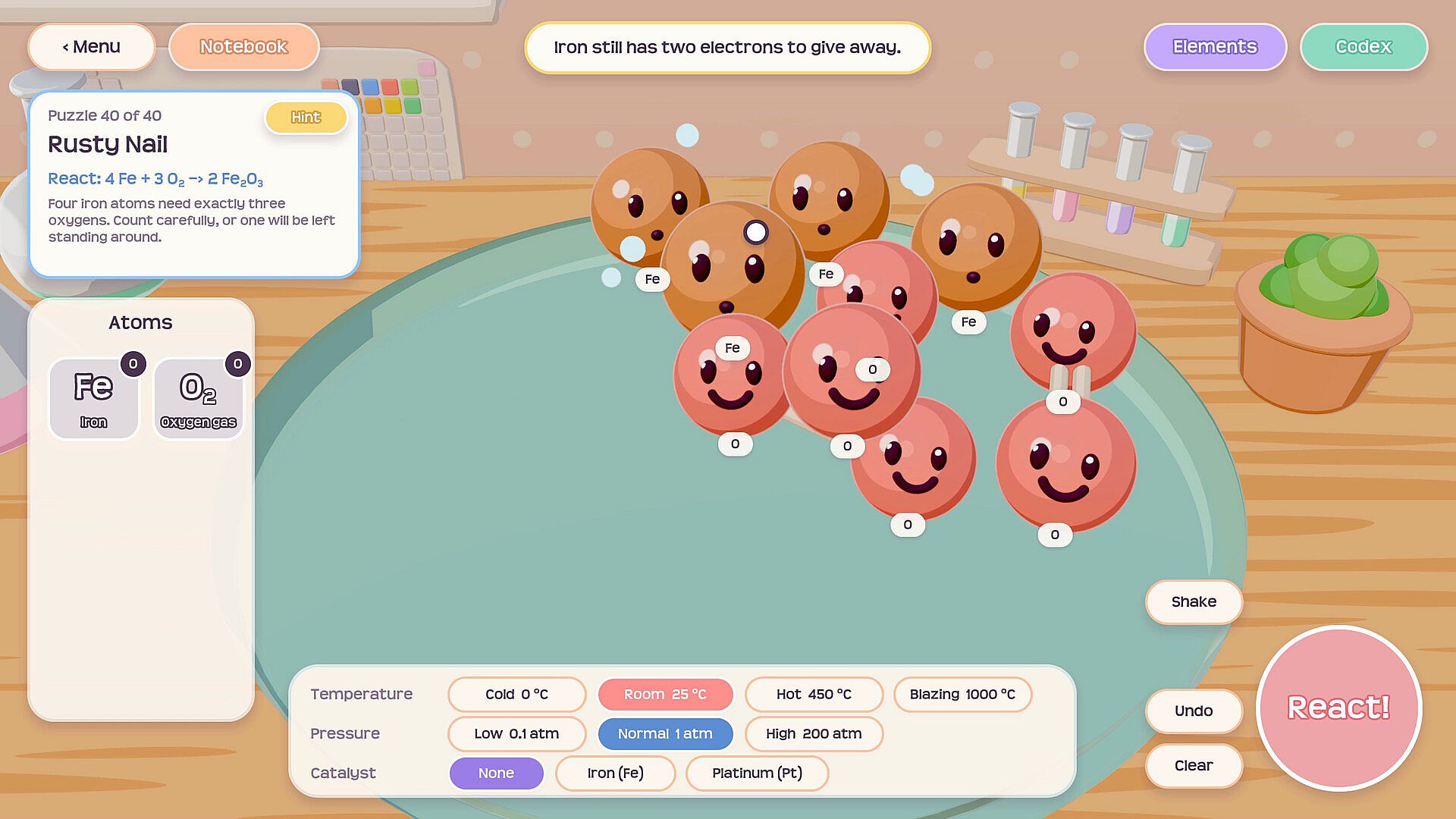
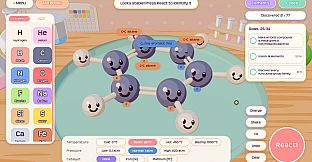
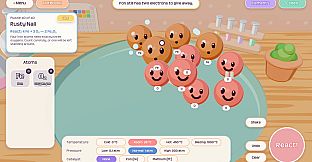
Players begin with a limited set of atoms, primarily hydrogen, carbon, and oxygen. The main interaction involves dragging these atoms onto a workbench to form connections. Single, double, and triple bonds can be created by positioning atoms appropriately, allowing for different molecular structures. Once a candidate molecule is assembled, the React function triggers the outcome, revealing whether the combination produces a stable compound or something unexpected.
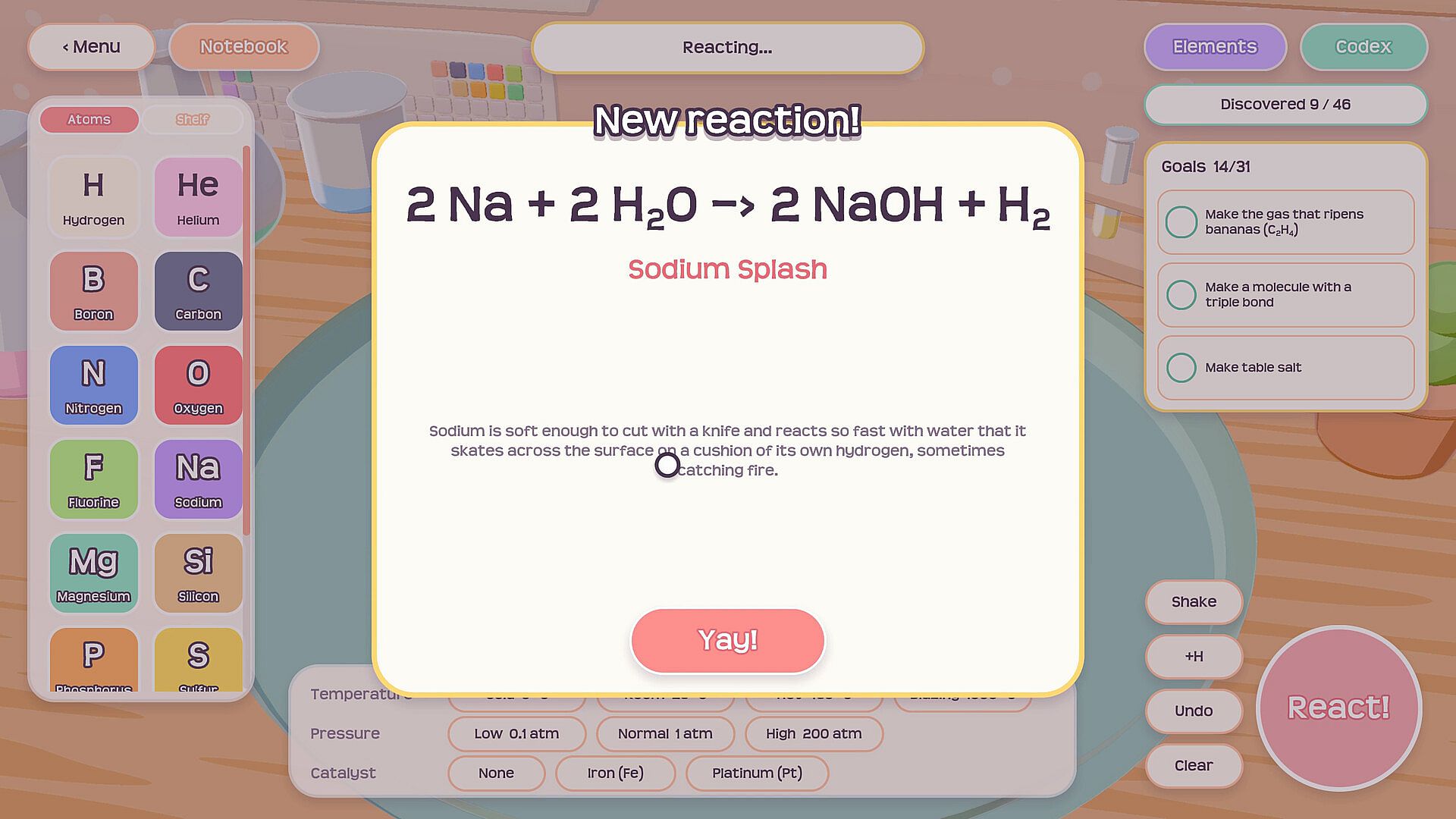
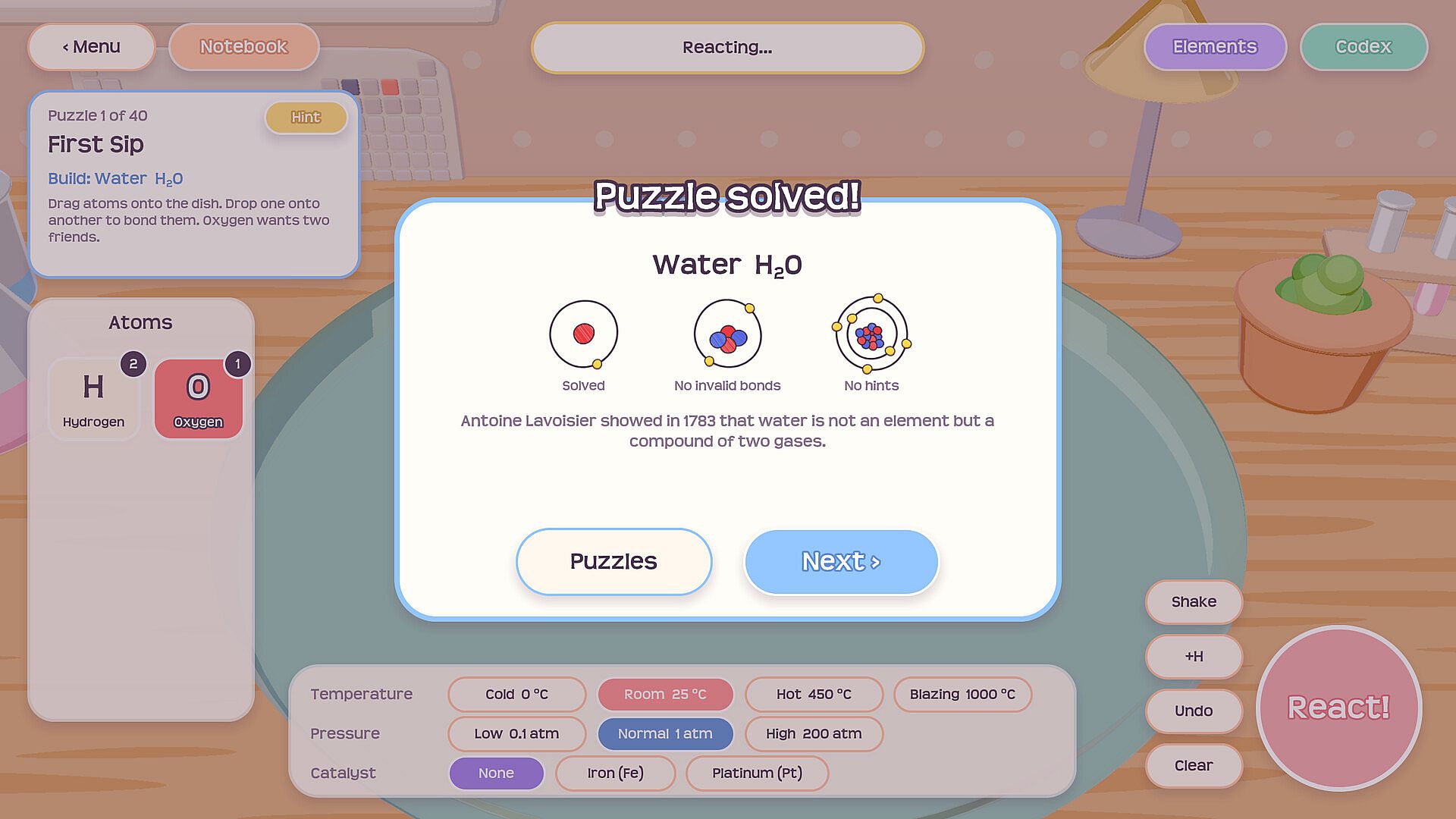
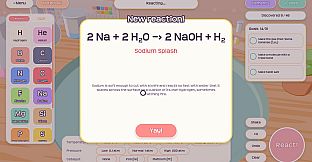
Experimentation drives progression. Successful creations unlock new elements for the workbench. For example, forming water opens access to sodium, while carbon dioxide reactions can introduce nitrogen. This discovery system steadily increases complexity, moving from basic structures to those requiring precise conditions such as temperature, pressure, or catalysts. The interface supports free-form building alongside guided tasks, encouraging repeated trials to explore variations.
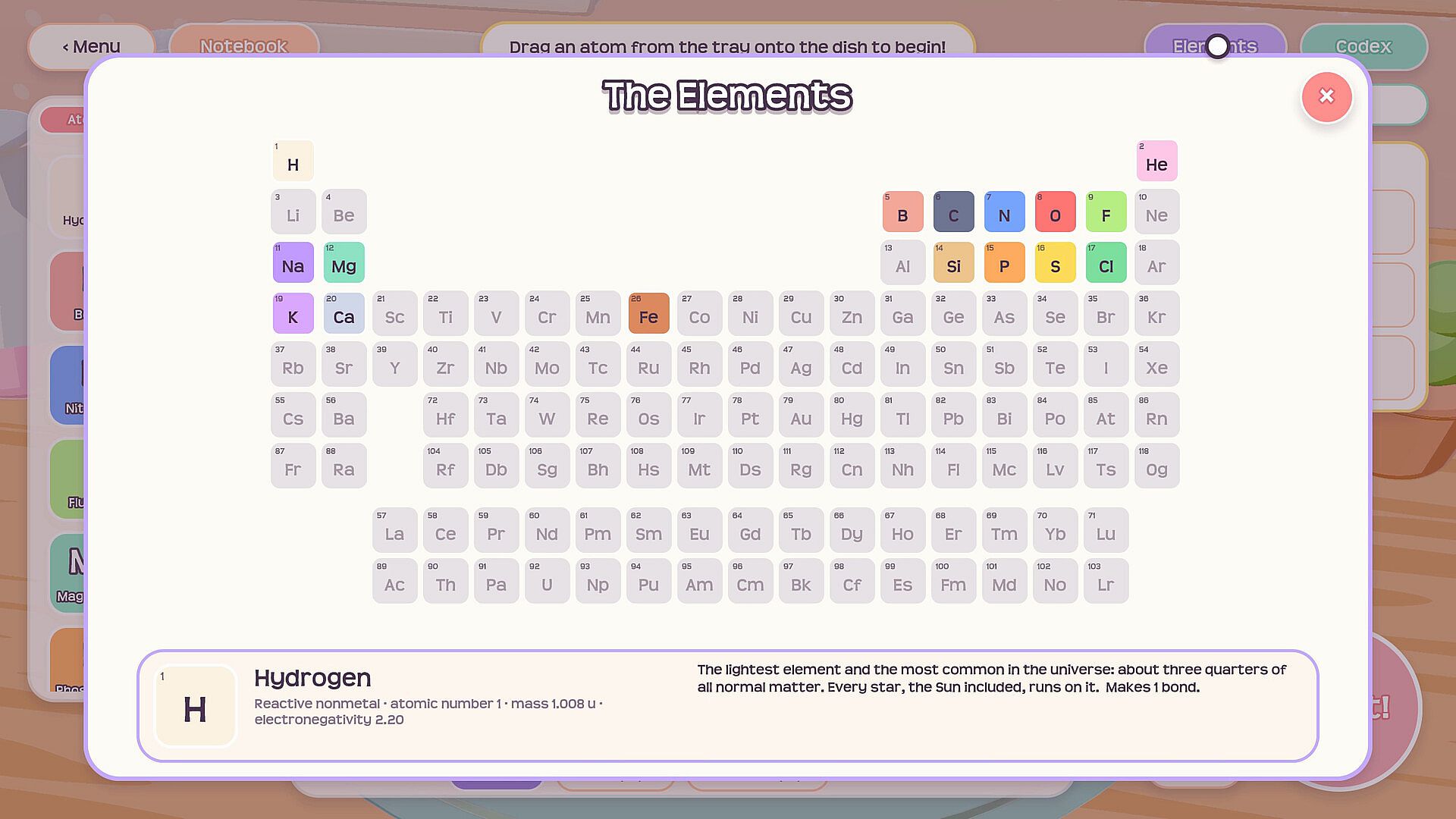
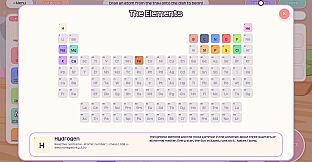
Functional groups and mystery compounds add layers to the process. Players identify unknown substances, select appropriate reagents, and adjust environmental factors to achieve desired results. The periodic table serves as a reference point, with hints available for incomplete entries. All discovered molecules are logged automatically, creating a personal record that grows with continued play.
Game Modes
The game structures its content around 44 chemistry puzzles spread across 11 chapters. Early chapters focus on assembling simple molecular structures using the starting elements. Later stages introduce requirements for specific reaction conditions, including temperature control, pressure adjustments, and the use of catalysts. These puzzles emphasize building target molecules, identifying mystery compounds, and recognizing functional groups.
Beyond the chapter-based puzzles, free experimentation serves as the primary open-ended mode. Players can combine atoms without puzzle constraints to test new ideas, fill gaps in their collection, or pursue creative structures. This sandbox approach complements the structured puzzles by allowing unrestricted exploration of bonding possibilities and reaction outcomes.
Discovery and Progression
Progression ties directly to molecule discovery. Each new compound added to the collection expands the laboratory with additional elements, enabling more intricate experiments. The system rewards careful observation of reaction results, as certain combinations reveal pathways to previously inaccessible atoms. Over time, the workbench supports increasingly complex chemistry involving multiple bond types and conditional reactions.
The Codex functions as a central hub for tracking progress. It records every molecule encountered, provides visual references, and offers hints for undiscovered entries. Filling the Codex encourages systematic exploration of the periodic table elements available in the game. Players return to earlier discoveries to refine structures or test variations under different conditions.
Is It Worth Playing?
Tiny Lab suits players who enjoy methodical puzzle-solving combined with creative building in a relaxed simulation setting. The 44 puzzles across 11 chapters provide a clear path from basic bonding concepts to advanced reaction management, while the free experimentation option supports repeated sessions without pressure. Those interested in chemistry themes or casual indie simulations will find the atom-dragging mechanics and discovery loop engaging for short to medium play sessions.
The game runs on PC and focuses entirely on single-player content with no multiplayer elements. Its strength lies in the direct connection between player actions and visible molecular results, making it accessible for casual experimentation. For anyone seeking a focused chemistry-themed simulation without overwhelming complexity, the structured chapters and expanding Codex deliver consistent, self-contained challenges.