


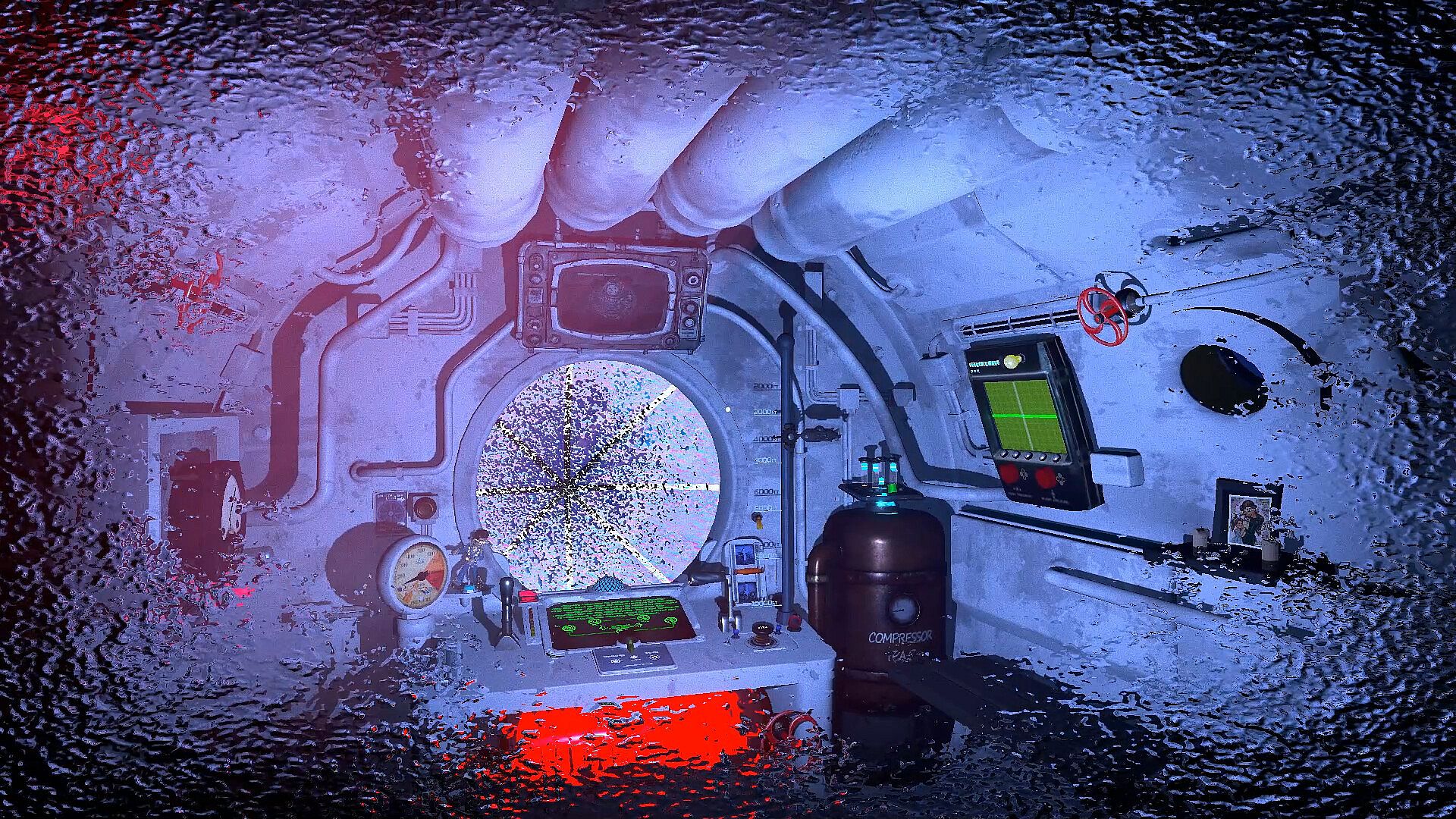
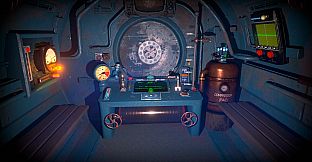

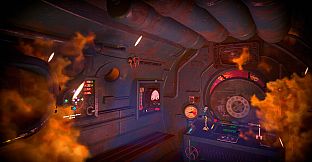
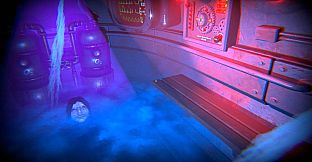

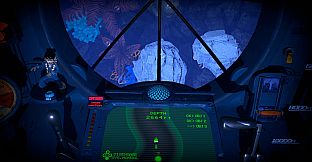
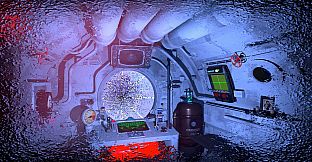
The Abyss's Last Breath is an indie simulation adventure game set aboard a cramped 1930s-era mini-submarine. Players take on the role of John, the sole volunteer for a classified 1938 expedition that aims for the deepest manned descent on record. The core experience centers on resource management and puzzle solving in a hostile underwater environment while dealing with psychological strain.
Gameplay
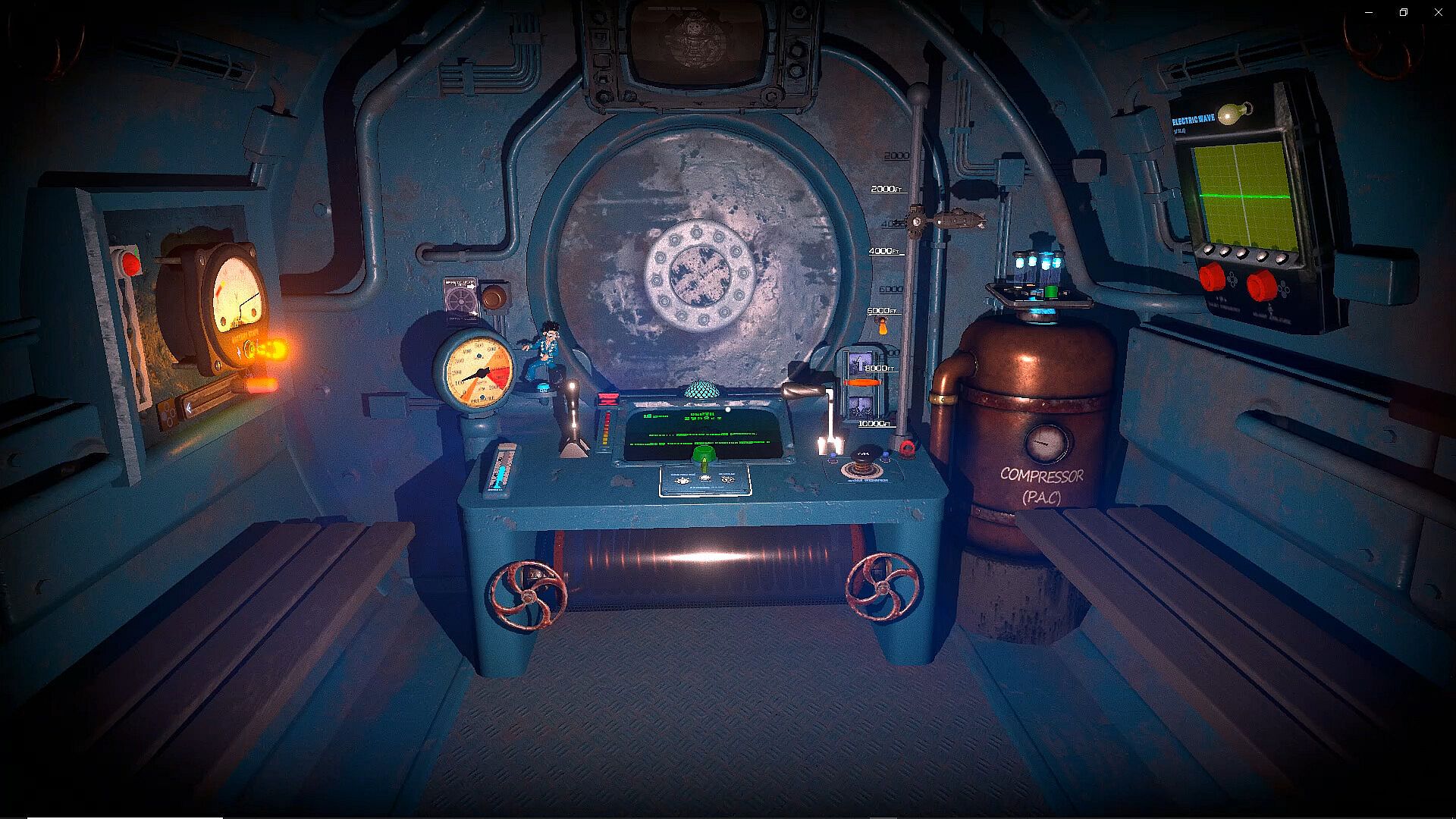
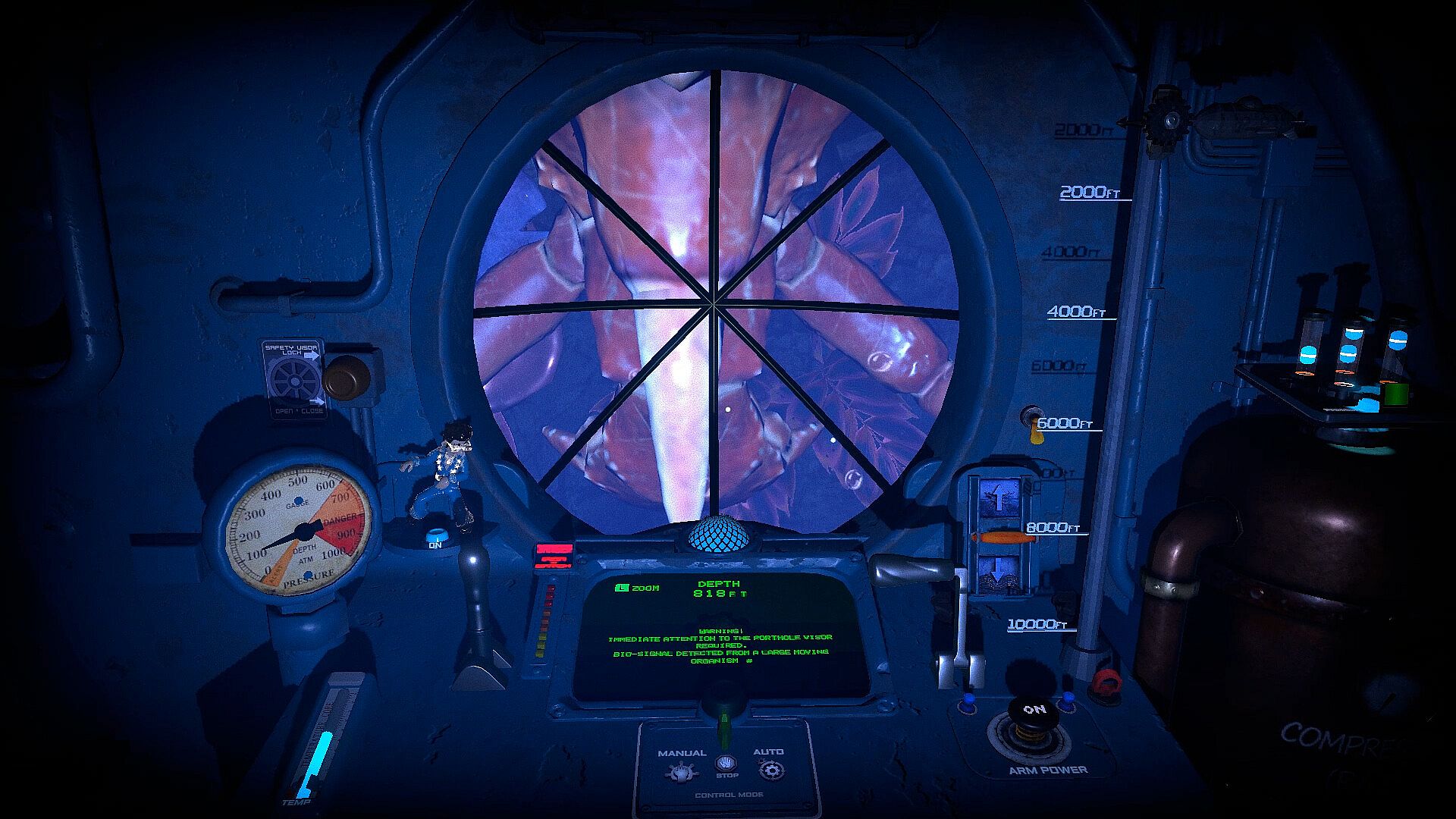
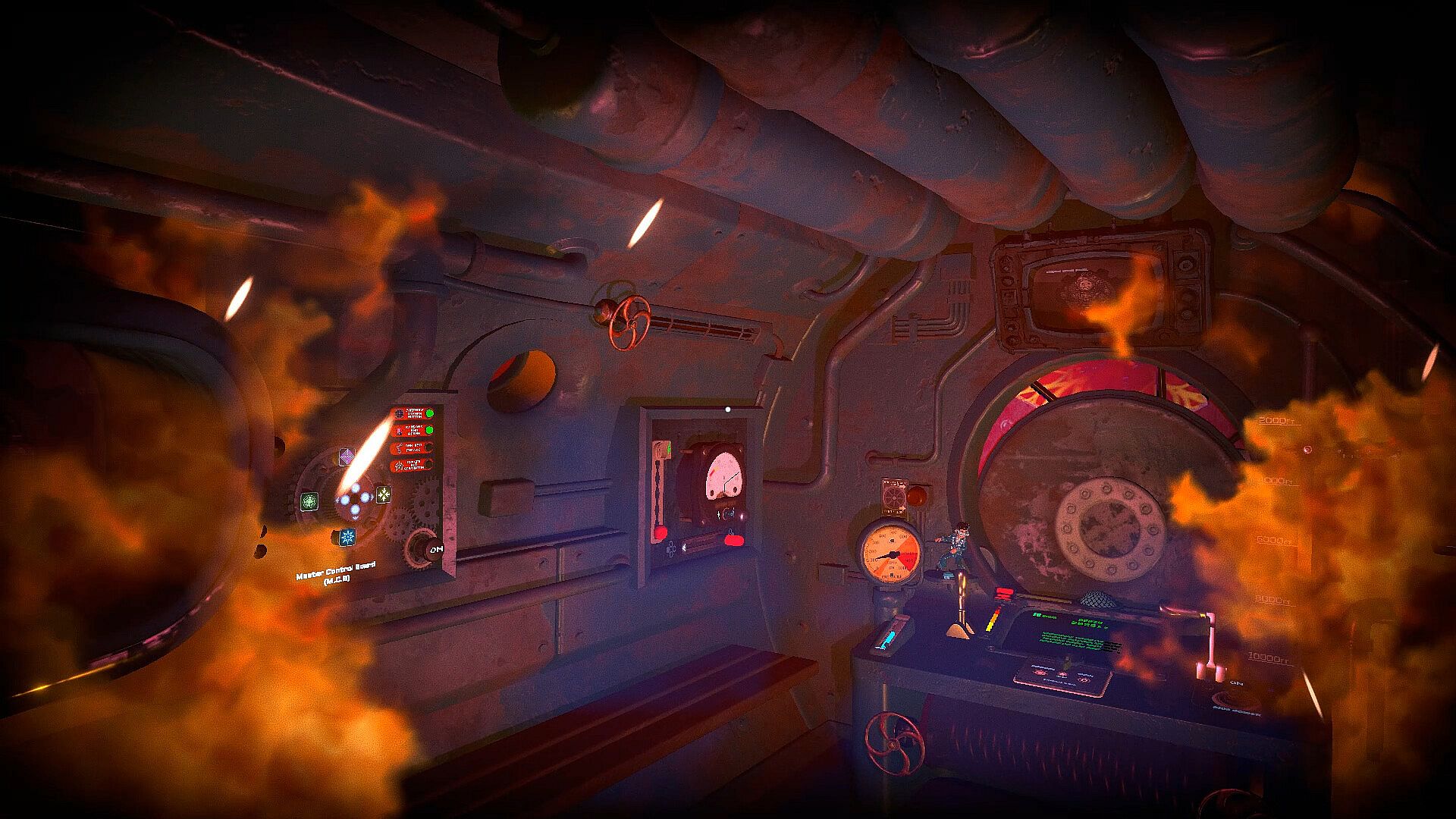
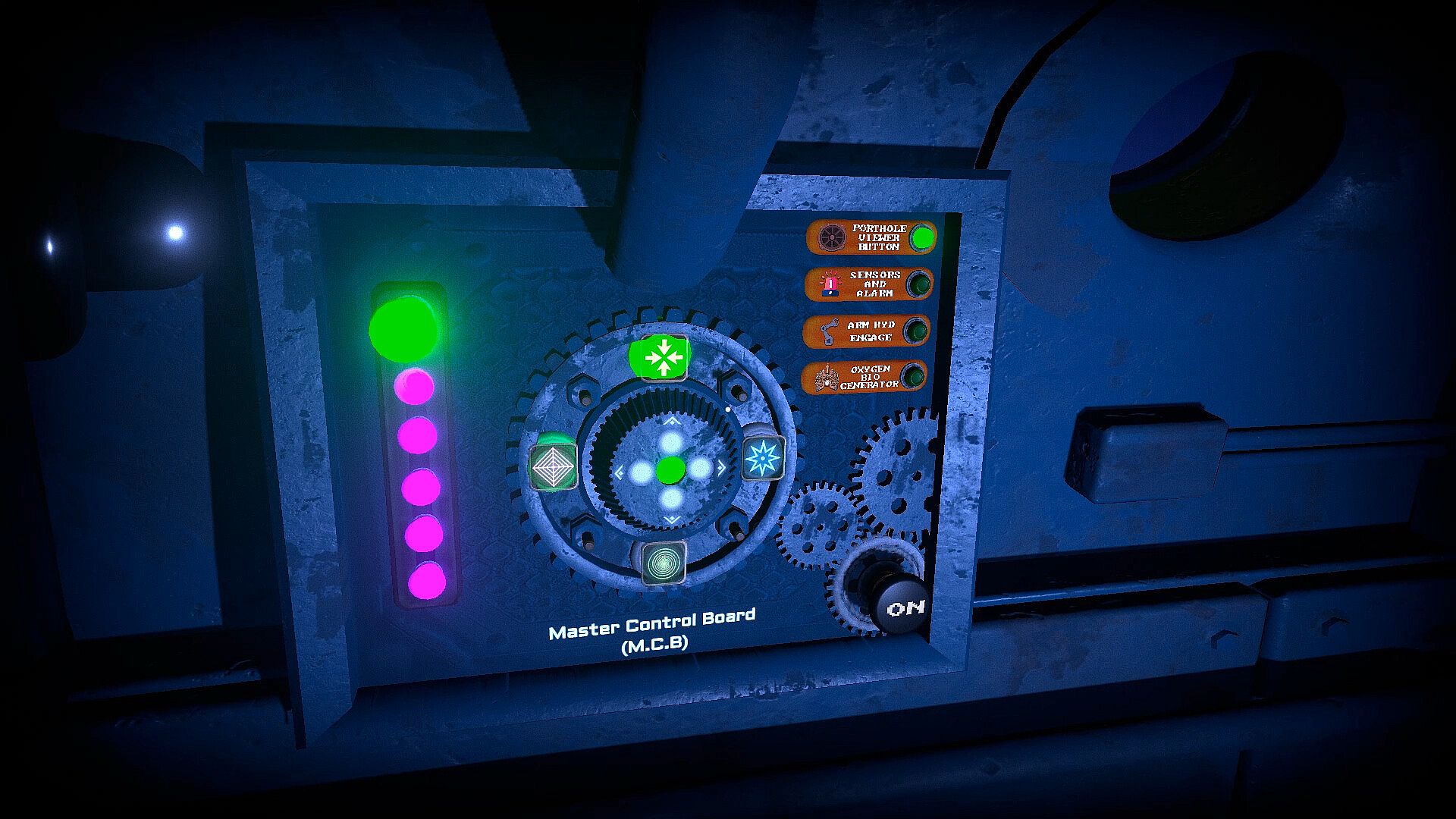
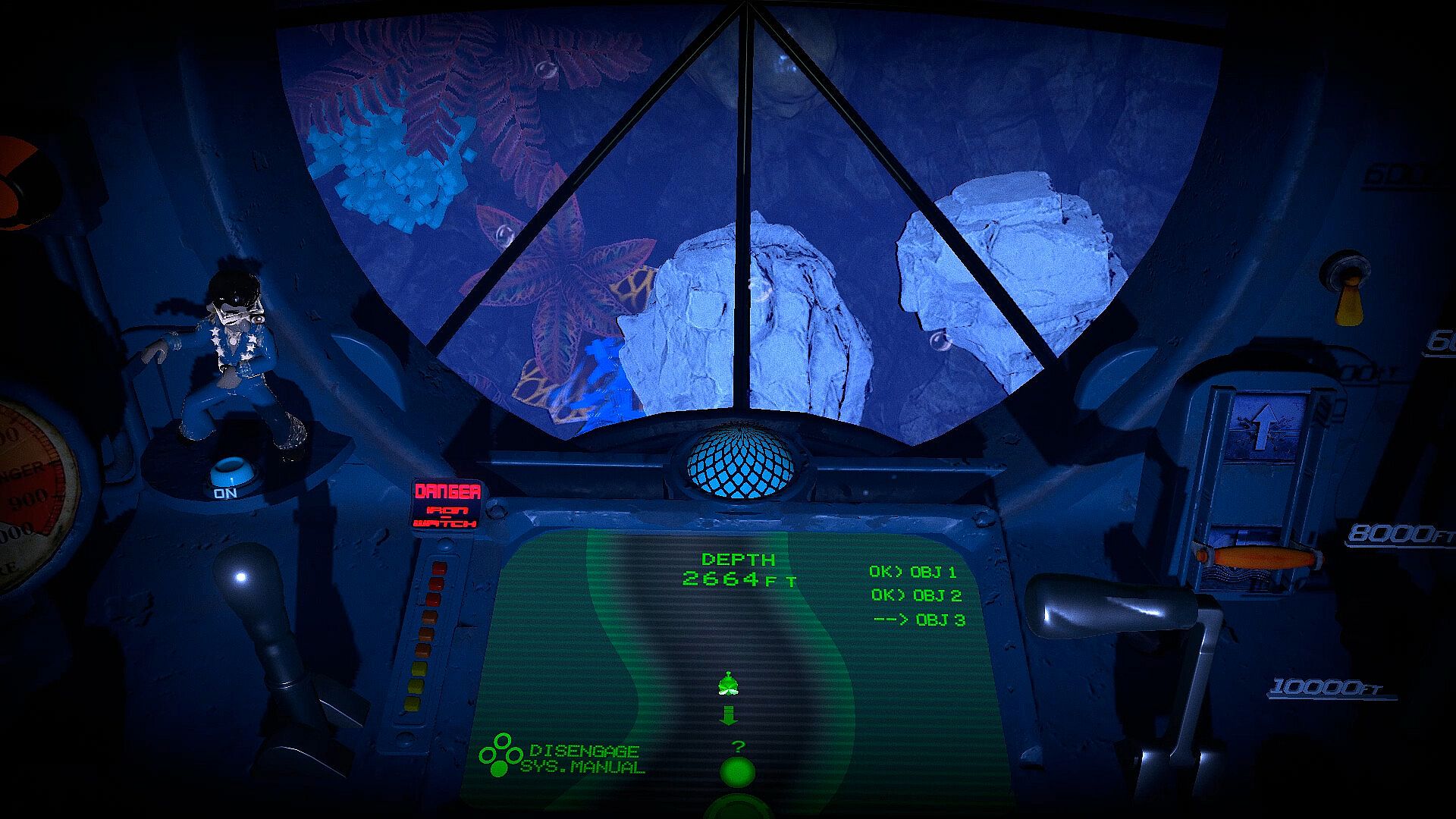
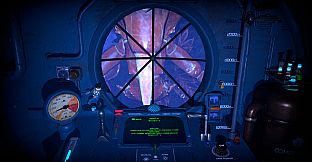
Players operate a scientific mini-submarine measuring roughly three by two meters, relying on outdated mechanical systems to navigate extreme depths. Key systems require constant attention, including pressure regulation, battery levels, oxygen supply, and internal temperature control to prevent catastrophic failures. The primary goal involves using a mechanical arm to extract a sample of a powerful energy source from the ocean core at around 10,000 feet.
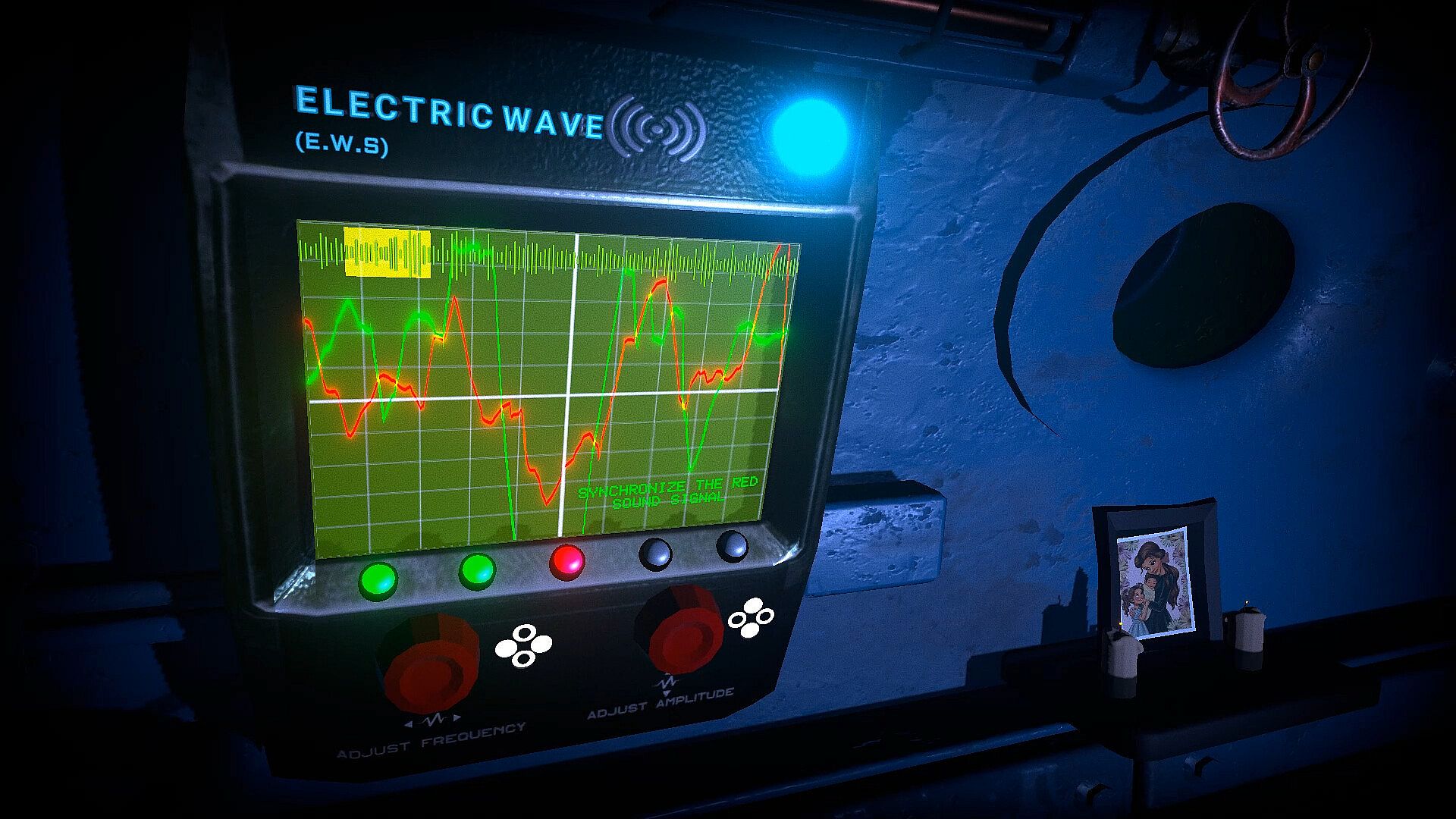
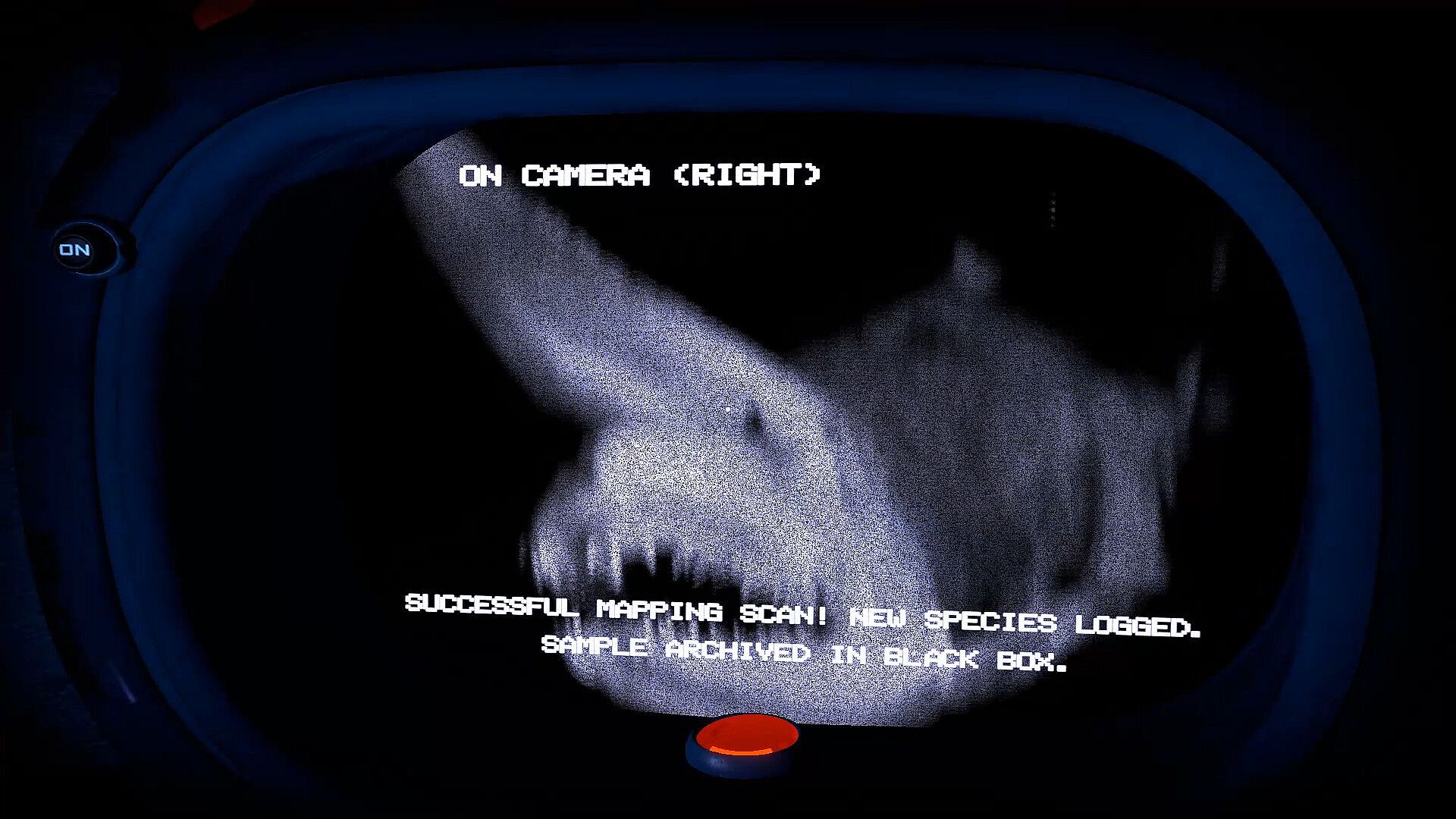
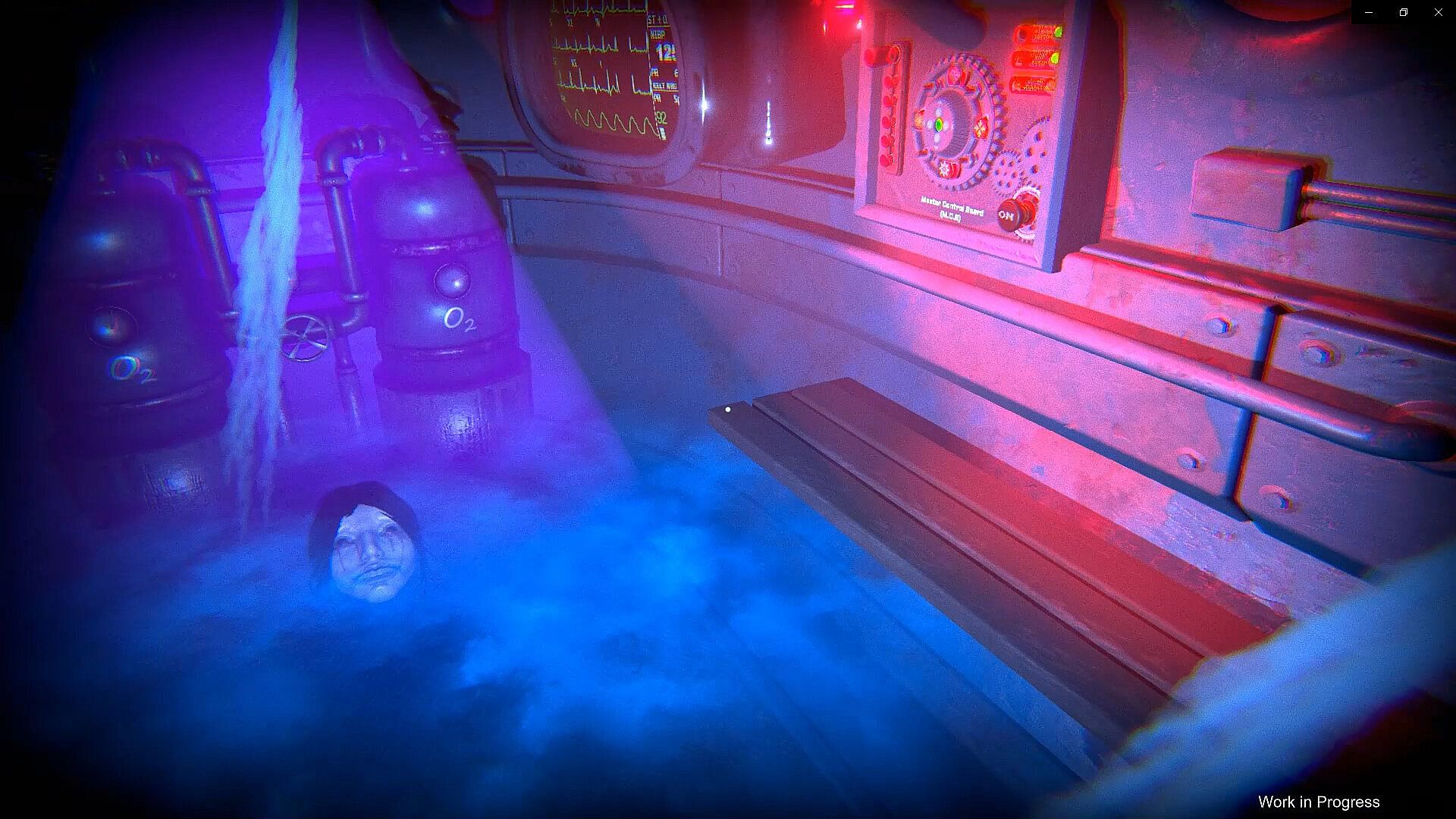
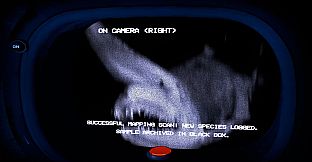
Secondary objectives encourage scanning and documenting unknown abyssal life forms to build a scientific record. Escape-room-style puzzles appear throughout the descent, demanding careful interaction with the sub's limited controls and instruments. Abyssal anomalies introduce distortions that affect perception, reality, and even personal memories, adding layers of tension to navigation and decision-making.
The narrative unfolds through John's perspective as guilt from a past accident shapes his motivations. Visions of his lost family surface and become warped by the environment, creating moments of emotional intensity amid the physical challenges of pressure, heat, and isolation. This single-player title emphasizes deliberate pacing, where every adjustment to the sub's systems carries weight and risk.
Game Modes
The experience remains strictly single-player with no multiplayer components or separate modes. The full campaign follows the expedition's descent as one continuous journey, blending survival simulation with puzzle elements and story progression. Players progress through the classified mission by balancing immediate survival needs against exploration and the central objective of sample extraction.
Secondary scanning activities integrate into the main path without branching into distinct modes. The structure keeps focus on the claustrophobic submarine interior and the psychological effects of the abyss, delivering a unified narrative arc rather than replayable variants or competitive elements.
Story and Atmosphere
Set in 1938, the expedition codenamed Last Breath pushes the boundaries of manned exploration into crushing depths comparable to stellar conditions. John participates not for scientific glory but as a form of personal penance following a life-altering accident. The environment itself acts as an antagonist, combining realistic physical pressures with anomalies that manipulate memory and senses.
Atmosphere builds through the confined space of the sub, the archaic technology, and the gradual emotional unraveling. Exploration of abyssal life provides brief respites and scientific context while reinforcing the sense of venturing into the unknown. The blend of historical fiction and psychological horror creates a focused tale of survival and redemption under extreme conditions.
Is It Worth Playing?
This title suits players who appreciate deliberate single-player simulation experiences with strong emphasis on resource management, puzzle solving, and atmospheric tension. Its niche appeal lies in the claustrophobic setting and the integration of psychological elements into core mechanics. Early feedback highlights rewarding execution of the survival and narrative components for those drawn to immersive, story-driven adventures.
Availability on PC positions it as an accessible option for simulation and adventure enthusiasts seeking a self-contained experience without additional modes or ongoing seasonal content. Those who enjoy managing complex systems under pressure and uncovering a personal story amid hostile surroundings will find the most value here. The game stands as a specialized entry in the indie space, best approached by fans of psychological horror and detailed environmental interaction.