





















Supermarket Simulator is a casual simulation game that puts players in charge of building and operating a retail store from the ground up. The experience centers on first-person management of daily operations, from initial setup through steady expansion into a larger operation.
Gameplay
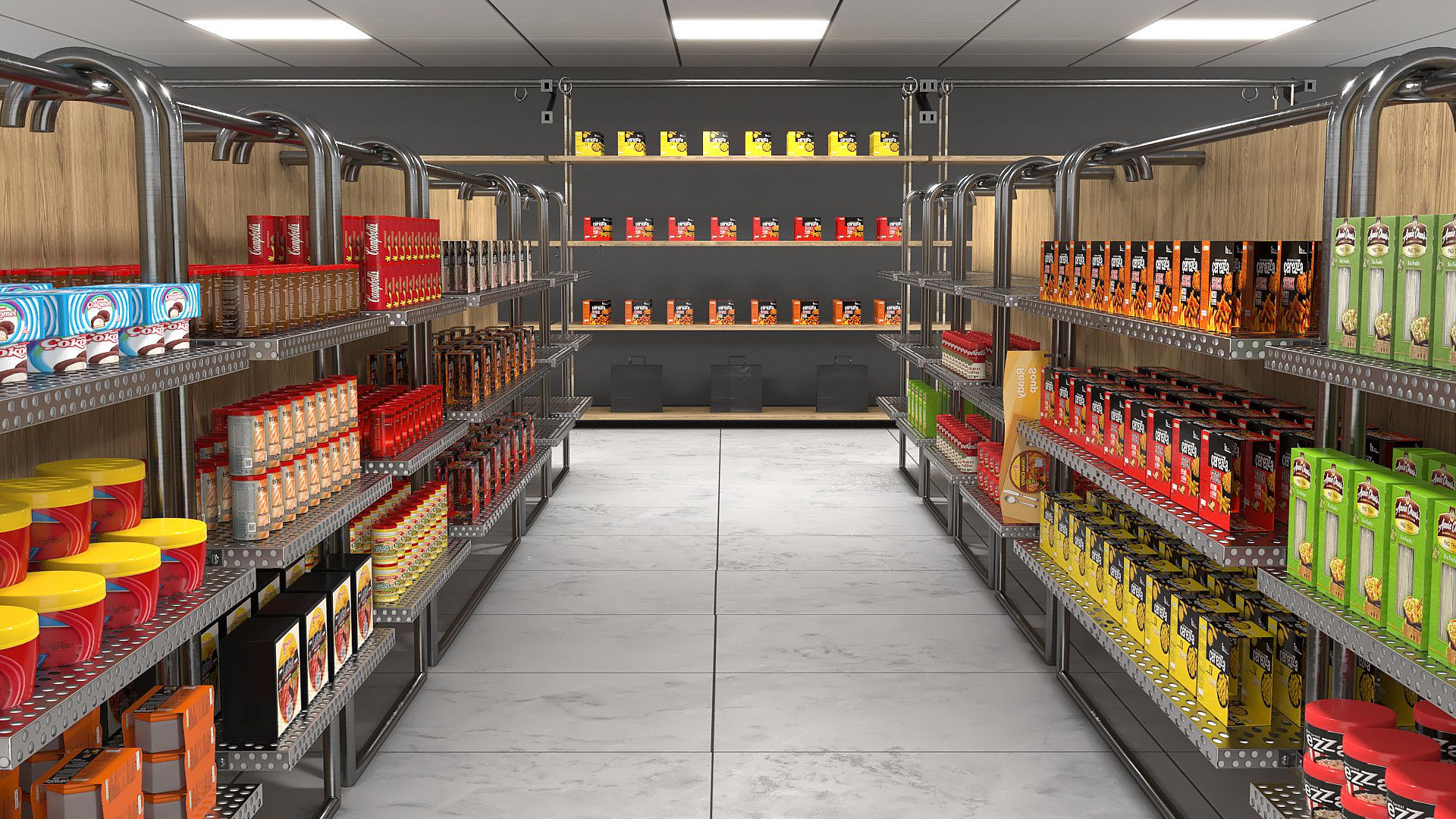
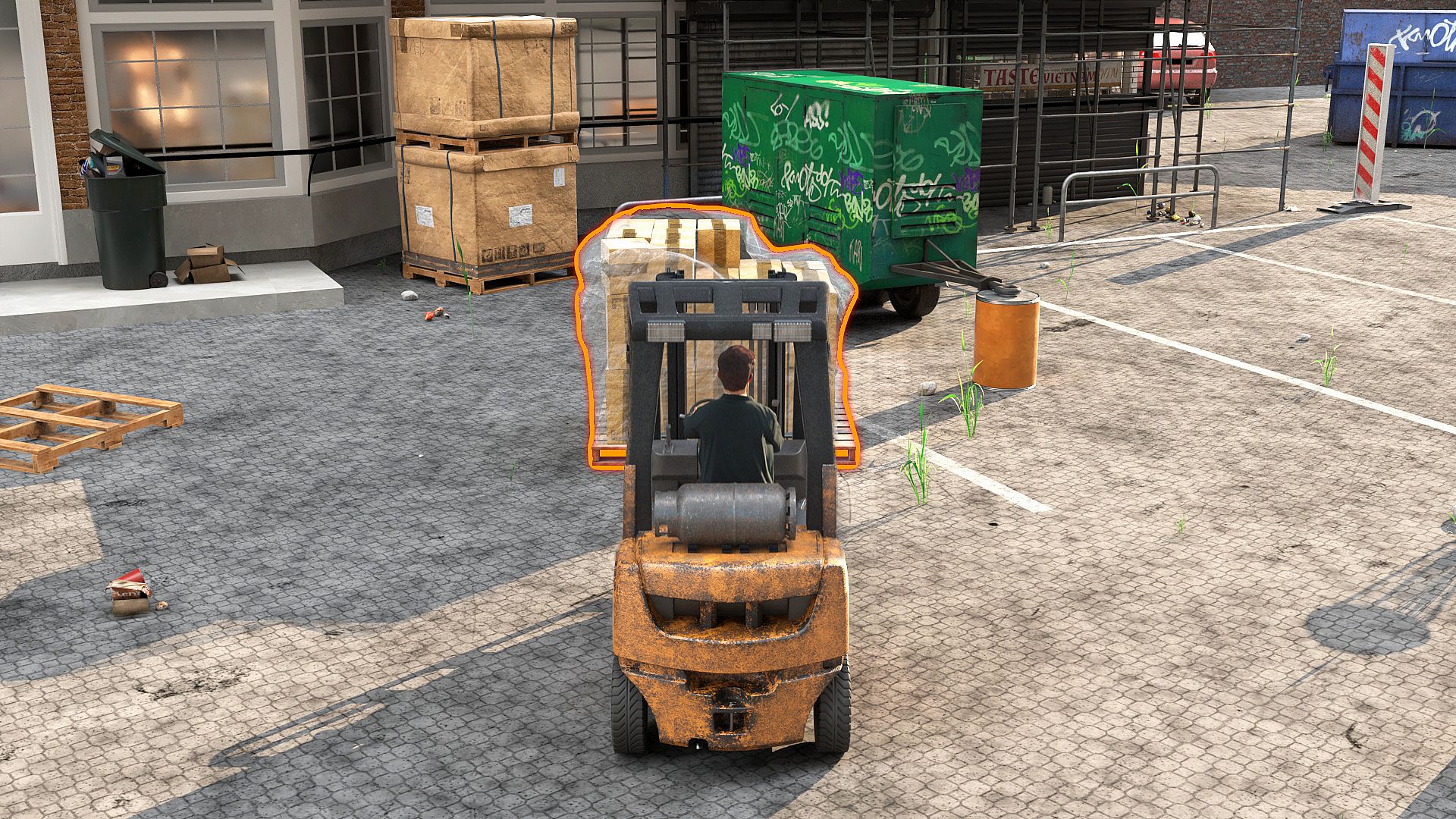
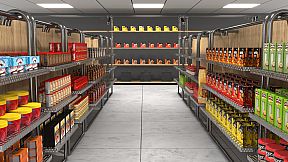
The core loop revolves around ordering inventory through an in-game computer, receiving deliveries, unpacking boxes in storage, and arranging products across shelves, refrigerators, and freezers. Players set prices based on costs and market conditions, then handle checkout duties by scanning items and processing cash or card payments. Time advances through structured days that run from opening to closing, requiring attention to customer flow and satisfaction while balancing finances.
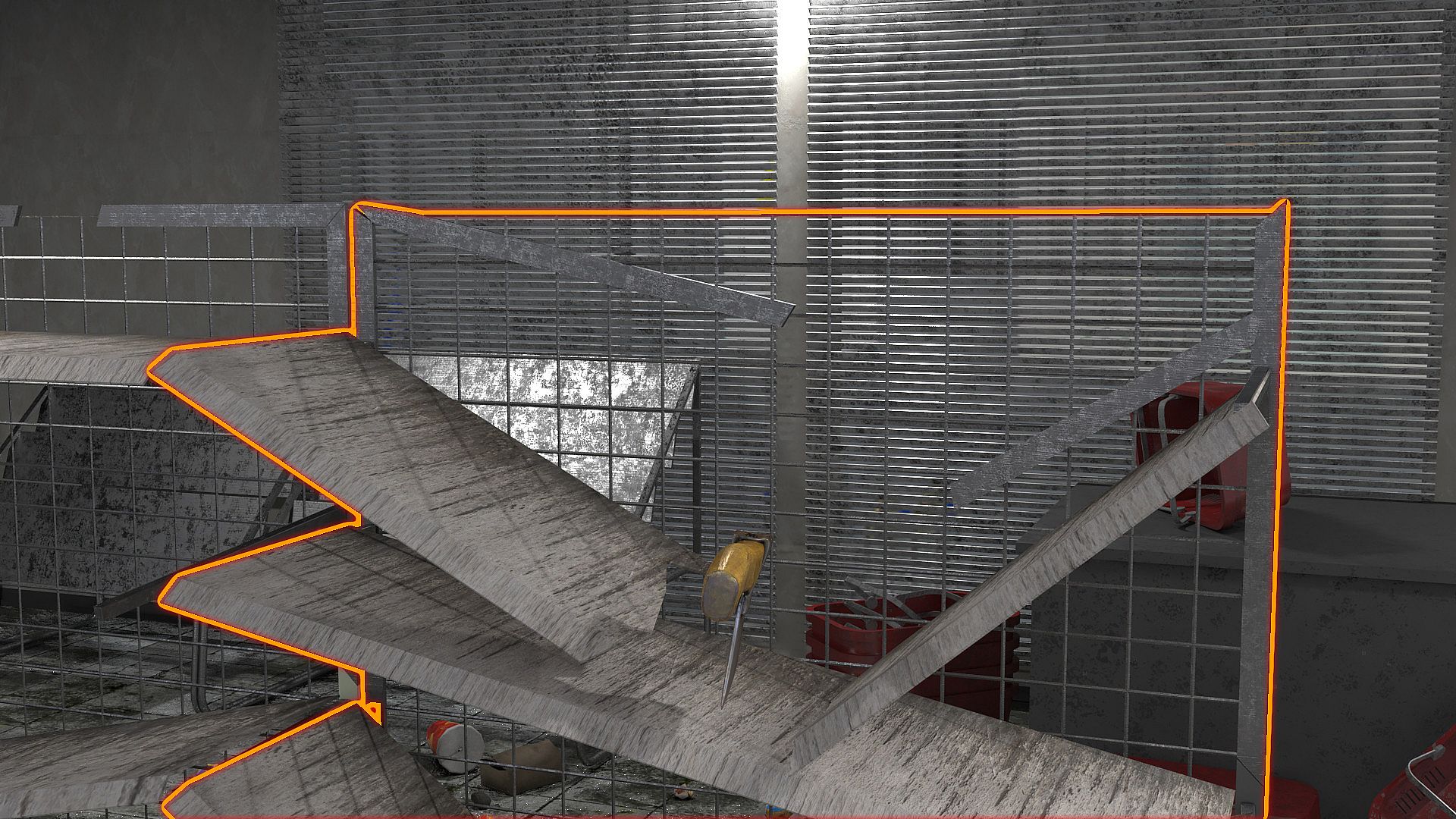
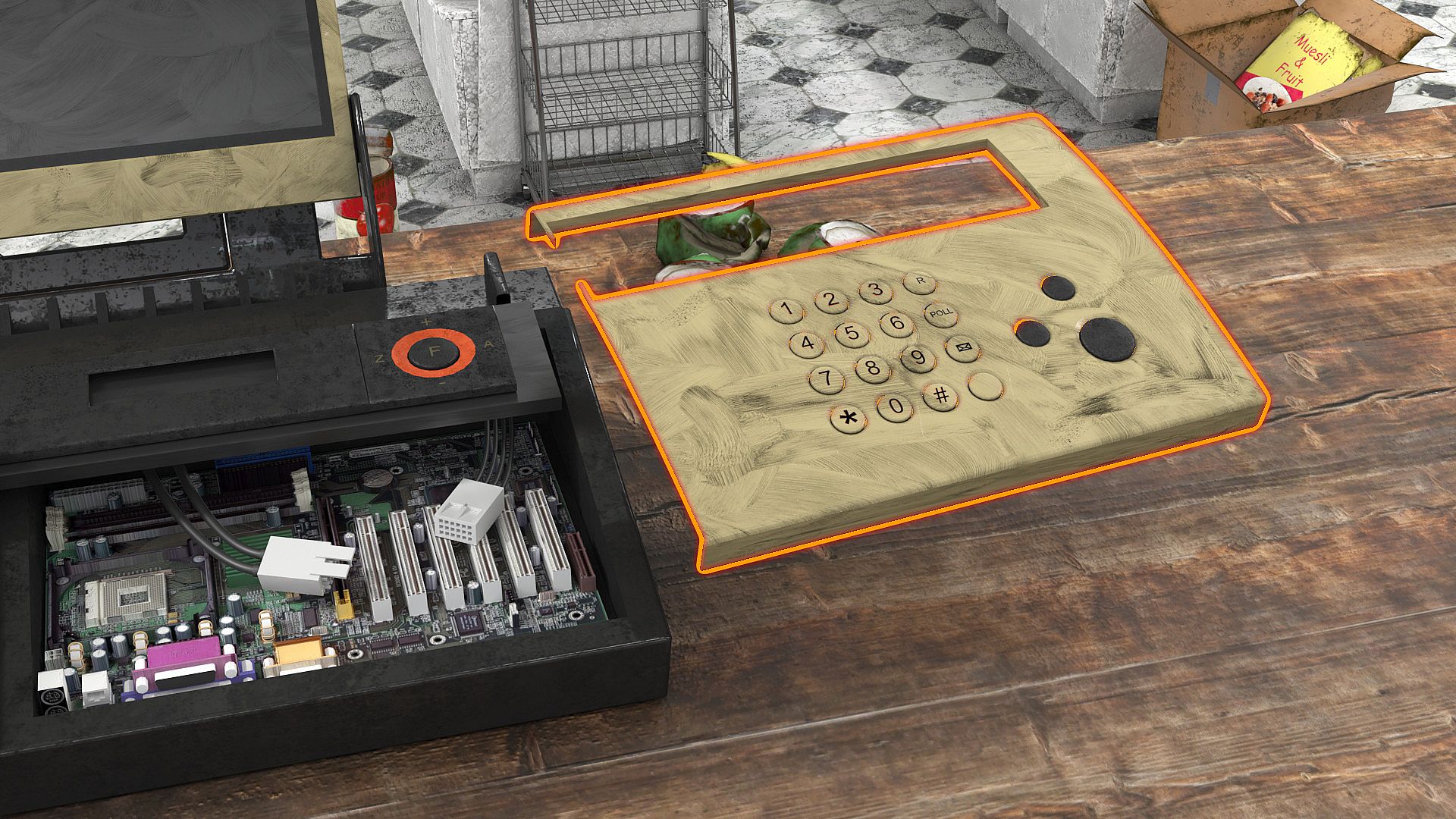
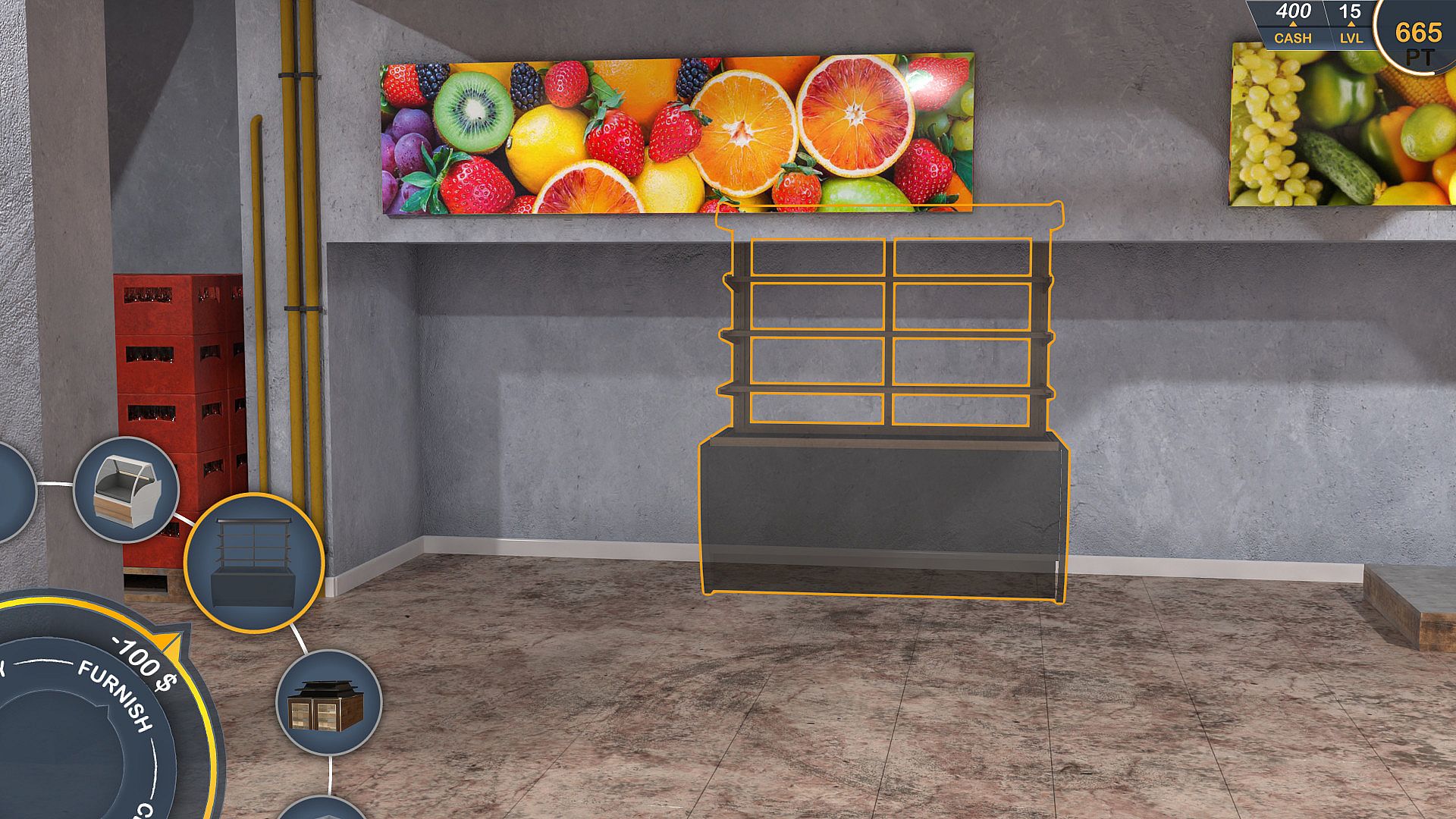
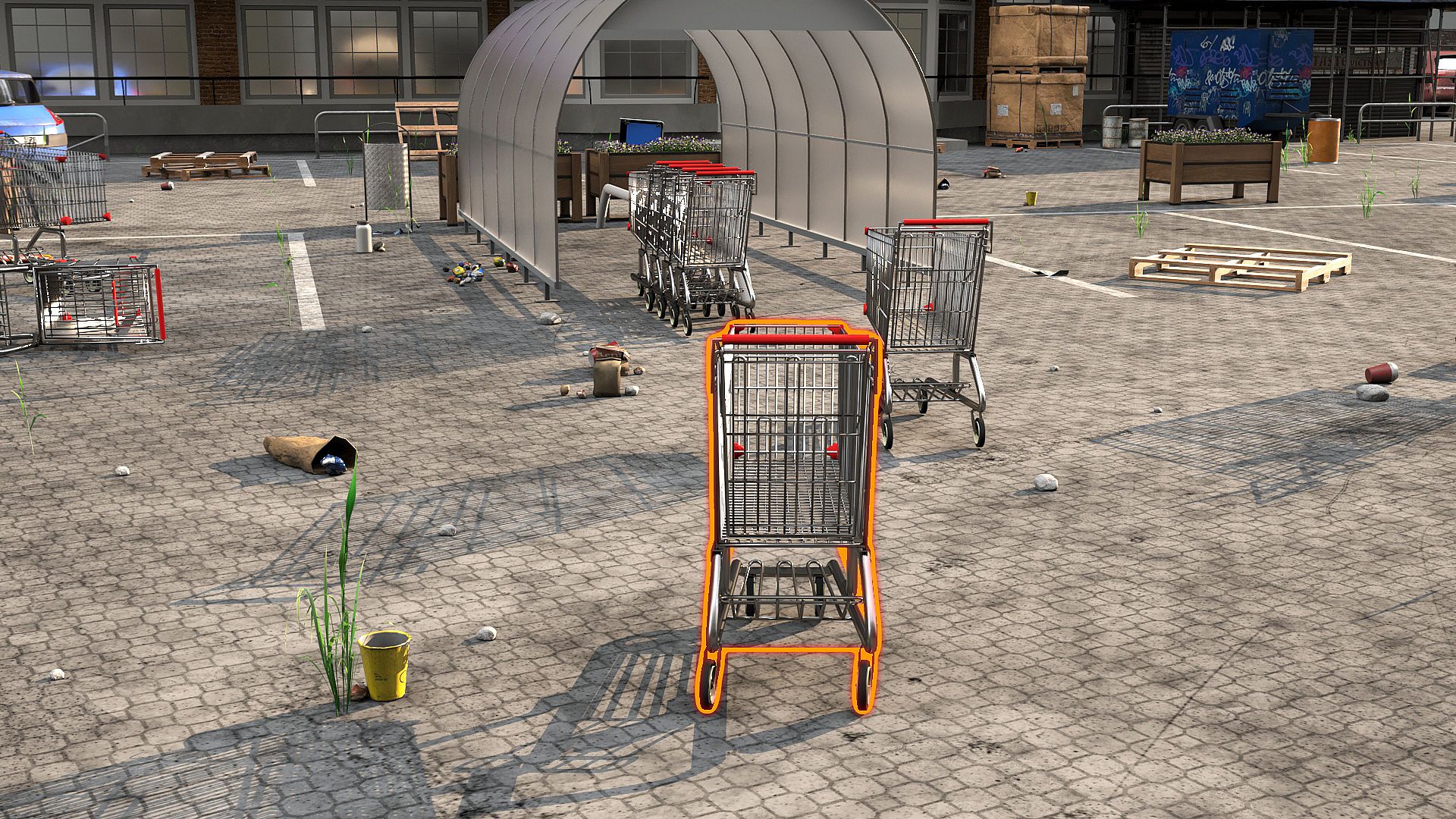
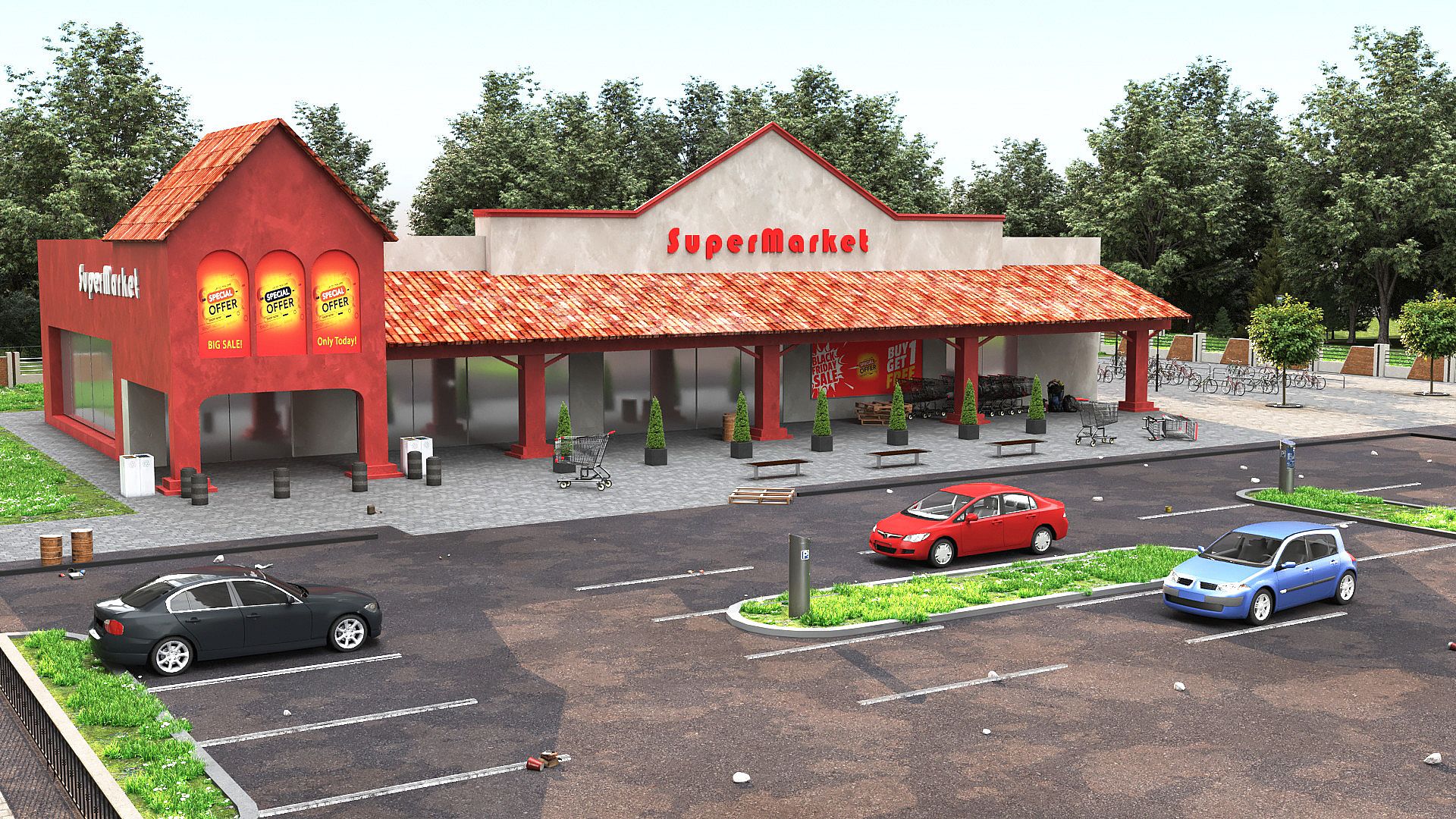
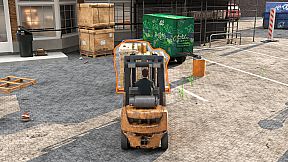
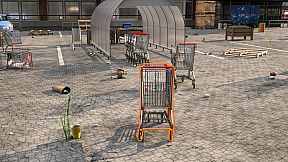
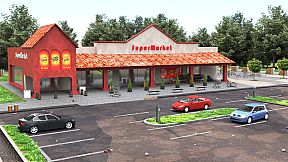
Store design forms a major part of progression. Players decide shelf placements for different categories such as bread or electronics, optimize aisle layouts for efficiency, and handle exterior elements including parking lot maintenance, line painting, trash cans, and shopping cart collection. Renovation tasks involve identifying worn elements for replacement or repair, followed by a full redesign that brings fresh stock and renewed customer interest. Additional responsibilities include hiring staff to assist with tasks, managing online orders that require personal fulfillment and delivery, and addressing shoplifters to protect profits.
Expansion comes through earnings that unlock new products, larger floor space, and upgrades. The process rewards careful planning, as layout choices directly influence how smoothly customers navigate and complete purchases.
Game Modes
Supermarket Simulator supports singleplayer sessions where one person handles all aspects of store management independently. It also includes cooperative play that allows up to four players to work together in real time on the same store. In co-op, participants divide responsibilities such as stocking, checkout, deliveries, and cleaning to keep operations running efficiently as customer demand increases.
No separate competitive or versus modes exist. The focus remains on collaborative or solo progression through the same management systems, with teamwork simply scaling the pace and complexity of daily tasks.
Store Design and Progression
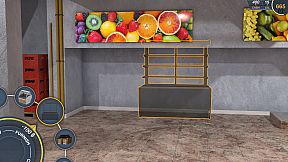
Interior customization lets players freely position shelves and product displays according to personal preference, creating unique store flows that affect customer movement and sales. Exterior preparation includes clearing space, adding practical items like trash receptacles, and readying the entrance for the first wave of shoppers. Each successful day contributes to further growth, with earnings funding additional licenses, staff hires, and physical expansions that transform a basic shop into a more substantial retail space.
Recent updates have introduced quality-of-life improvements such as a snap and grid system for easier placement of fixtures, along with key binding options that streamline controls during busy periods.
Is It Worth Playing?
Supermarket Simulator appeals most to players who enjoy management simulations with a steady sense of progression and tangible results from their decisions. The combination of hands-on tasks like stocking and checkout with longer-term planning around layout and expansion creates an engaging loop that many find satisfying over extended sessions. Co-op support adds replay value for groups looking to share the workload and experiment with different role divisions.
The game runs on PC and has seen consistent patches that address community feedback and add requested features. Those drawn to retail or economy-focused sims will likely appreciate the depth available here, while players seeking fast-paced action or narrative-driven experiences may find the pace more deliberate. Availability through standard purchase or subscription services like Game Pass on supported platforms makes it accessible for trying the management style without a large upfront commitment.