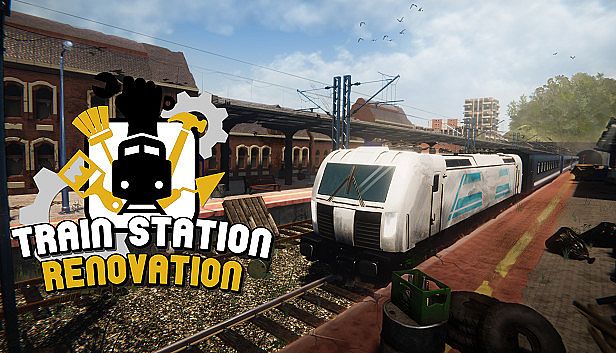
























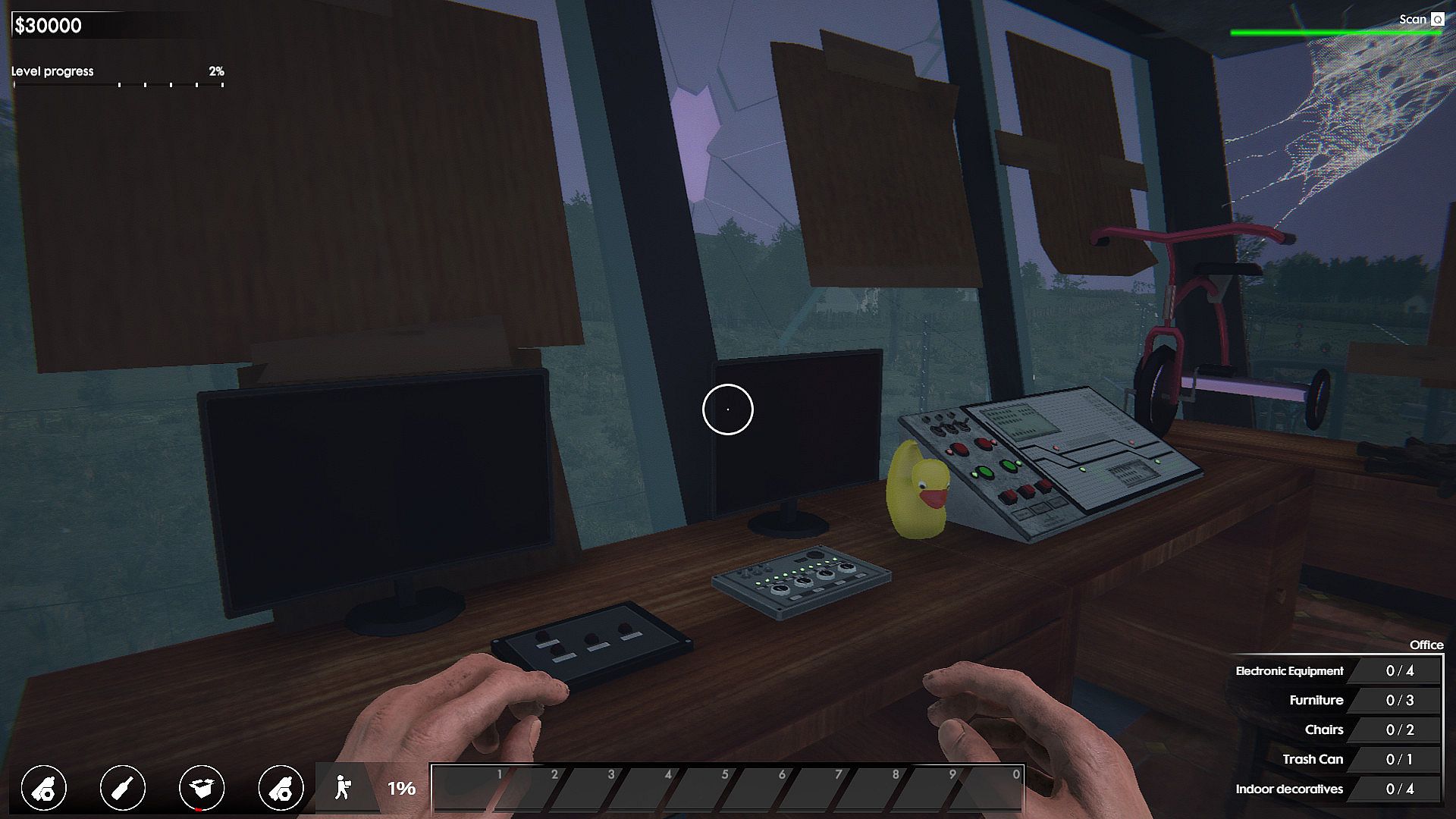
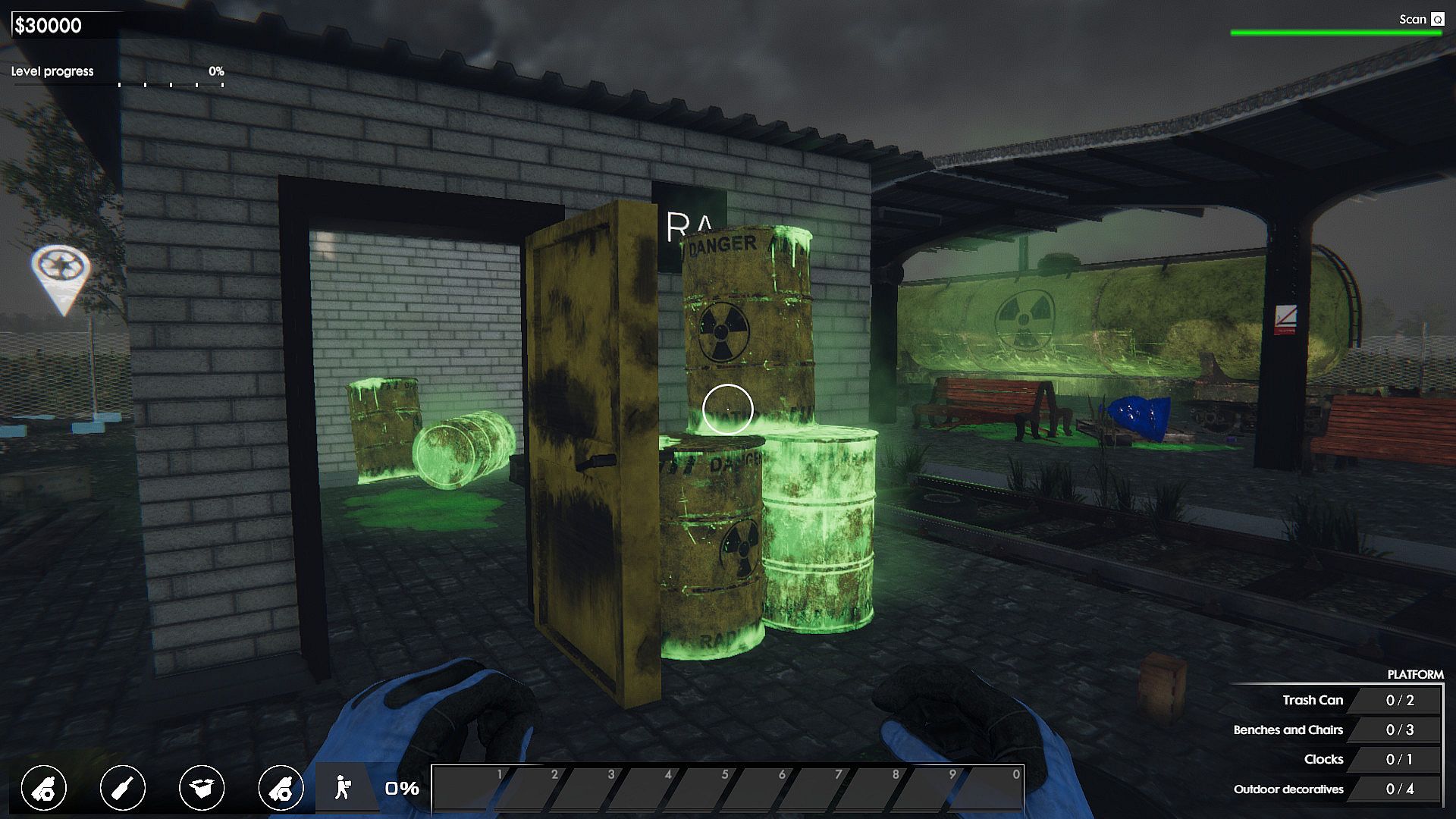
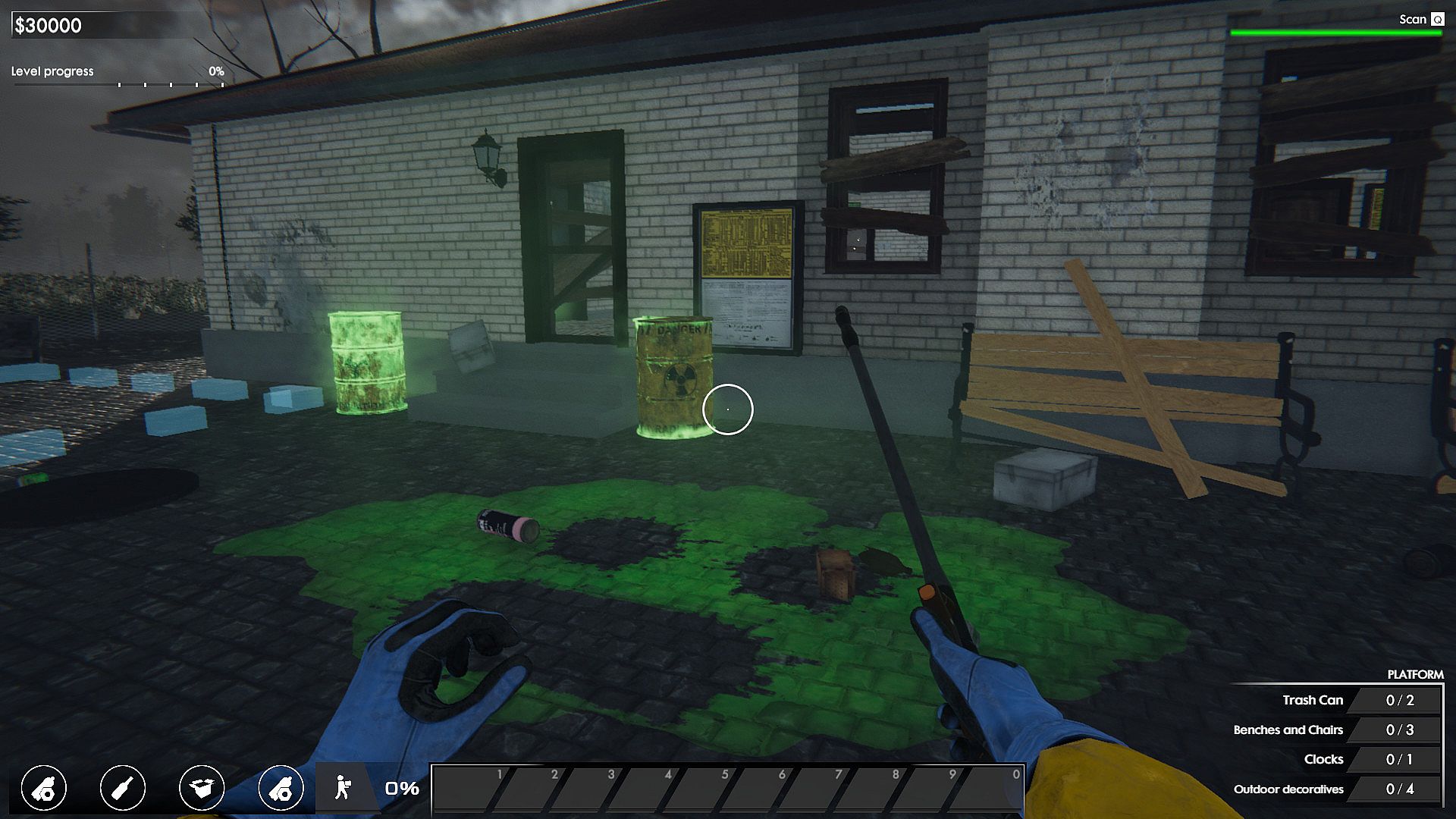
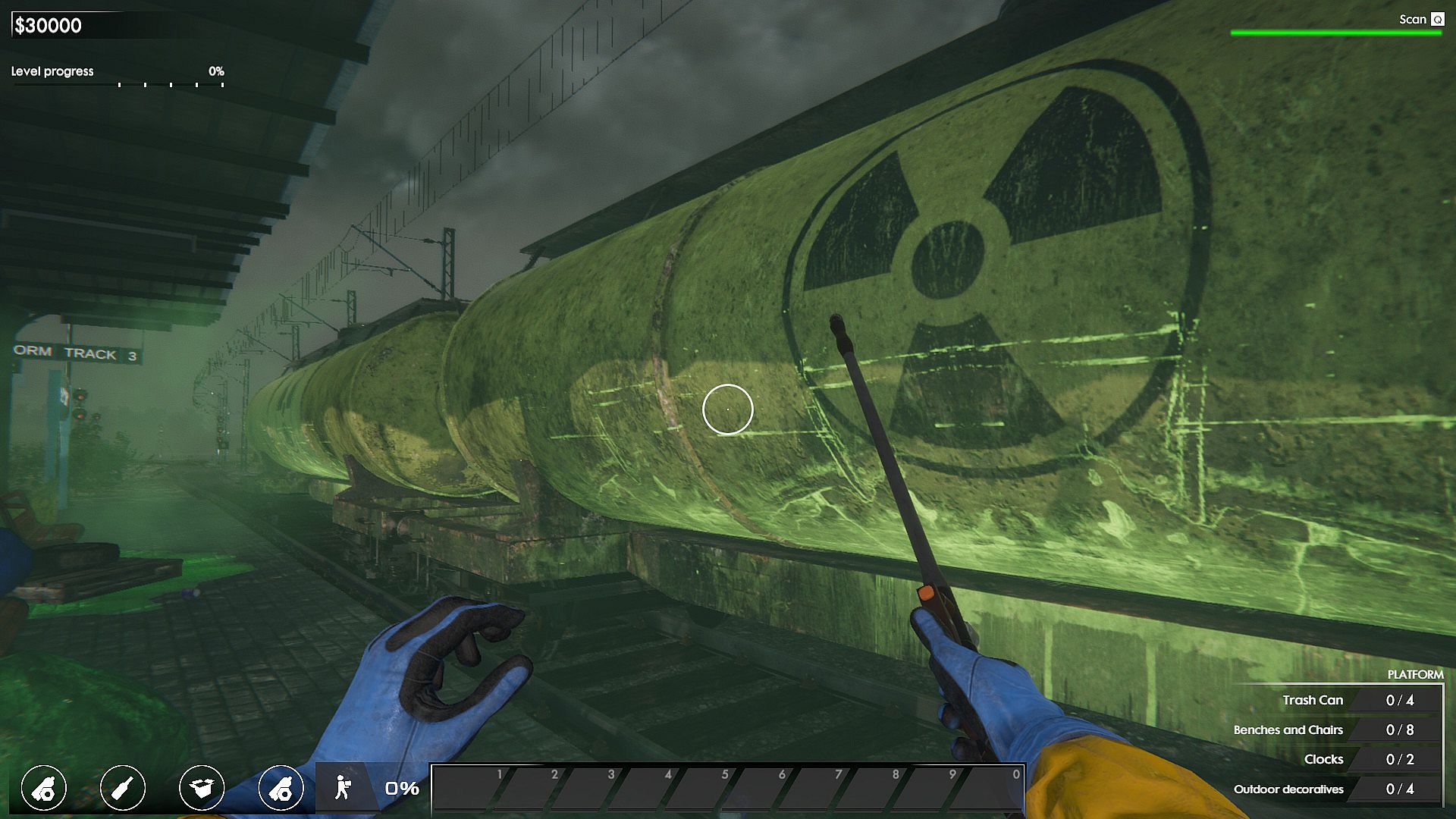
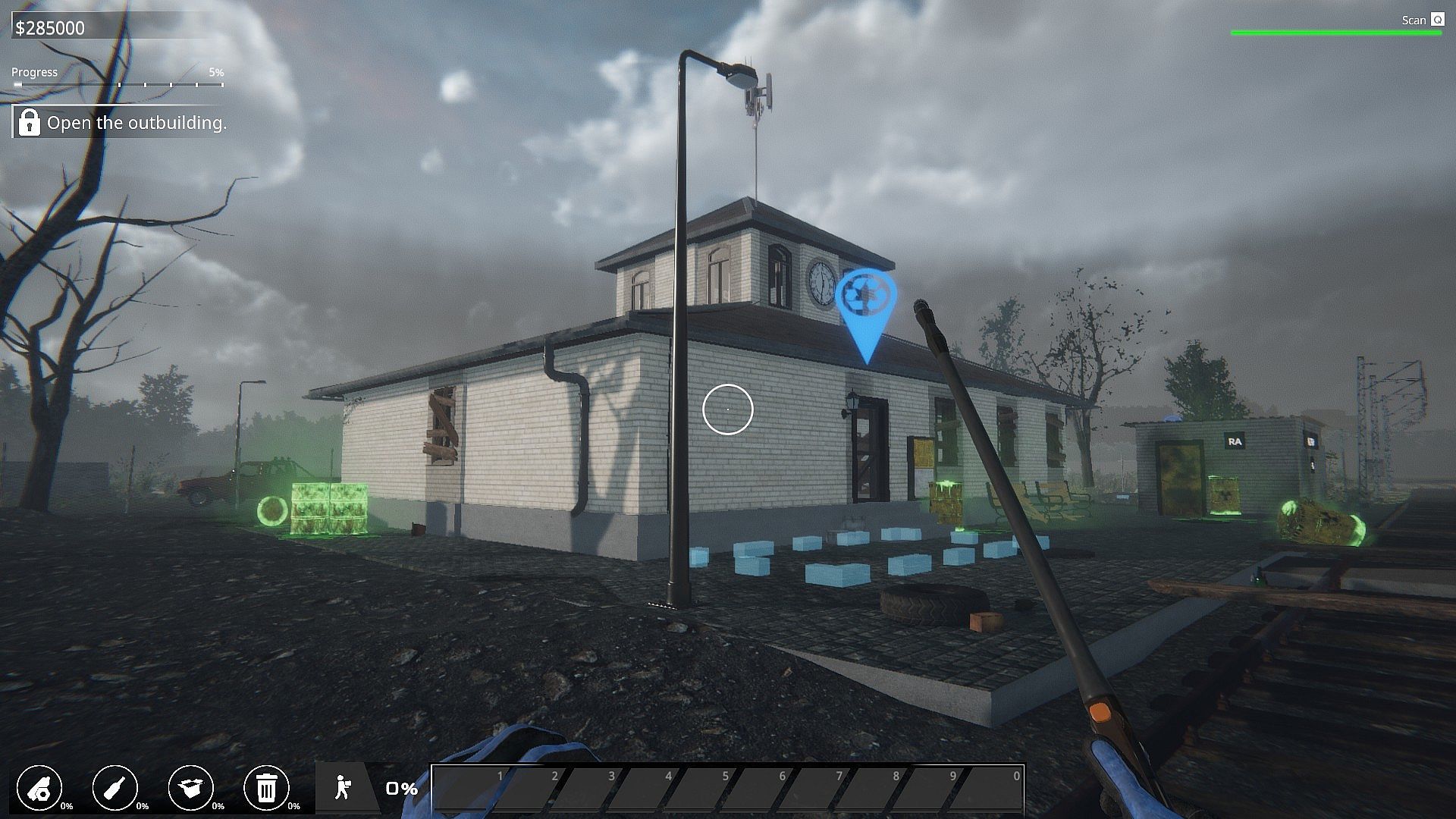
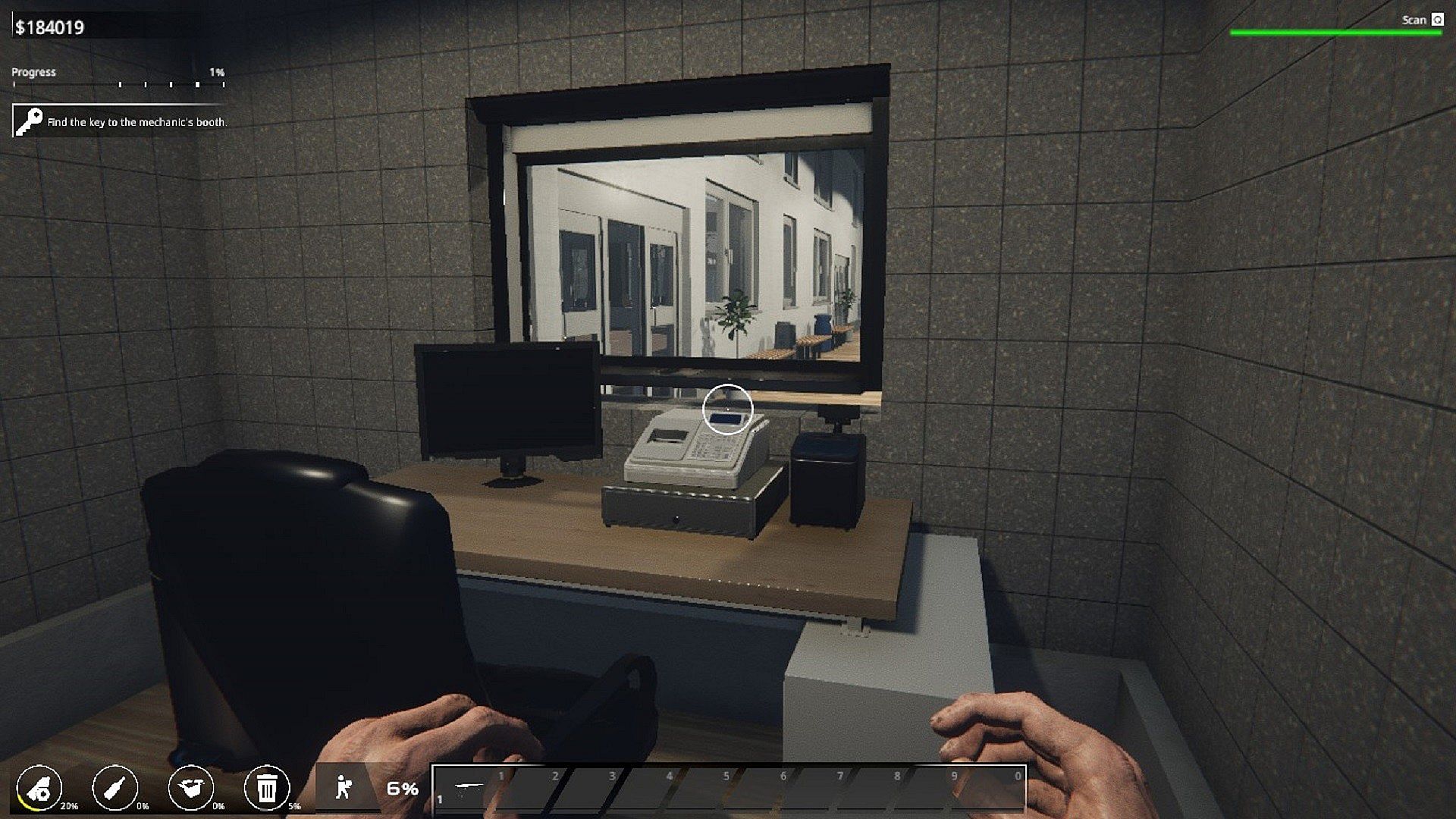
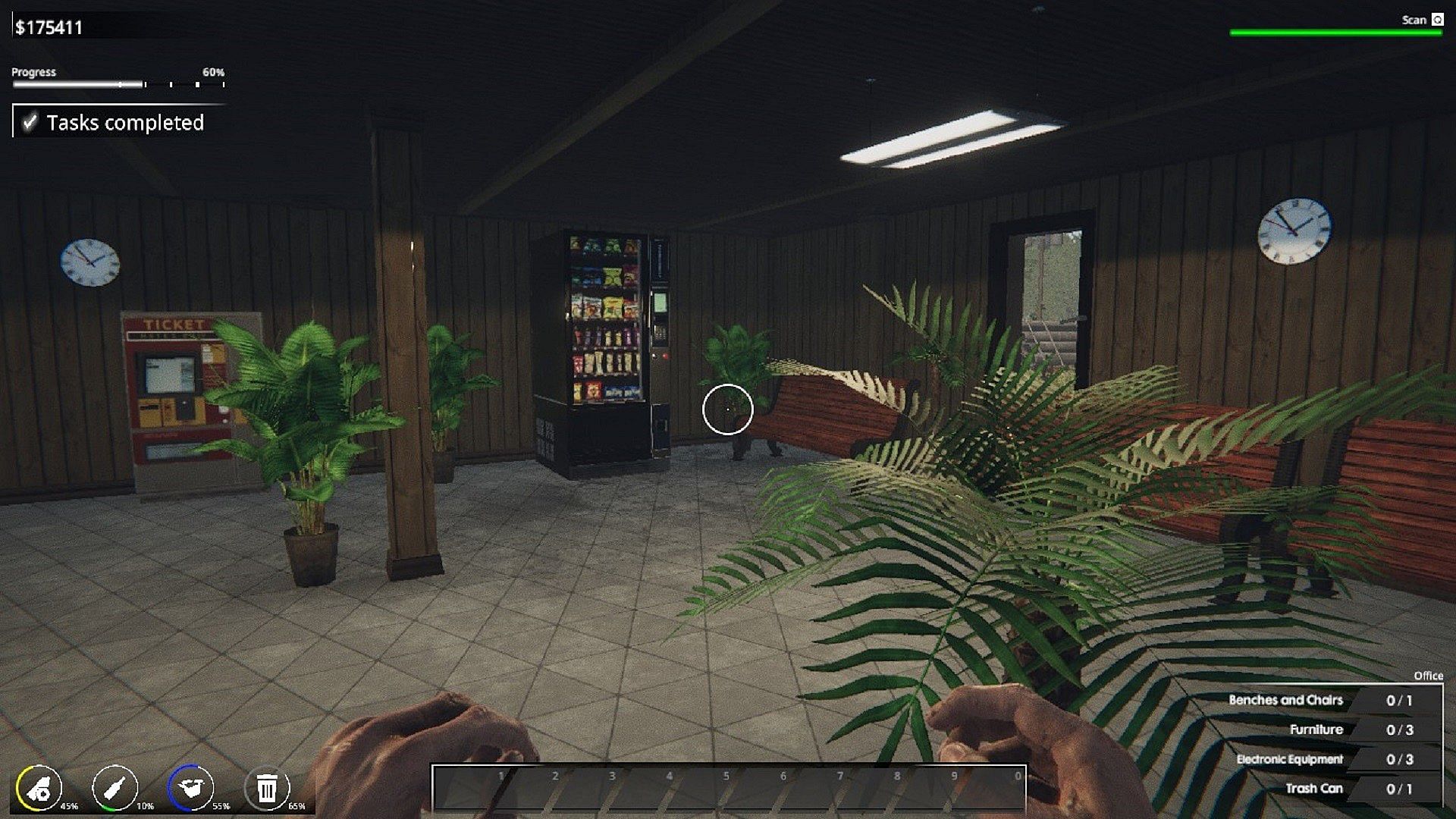
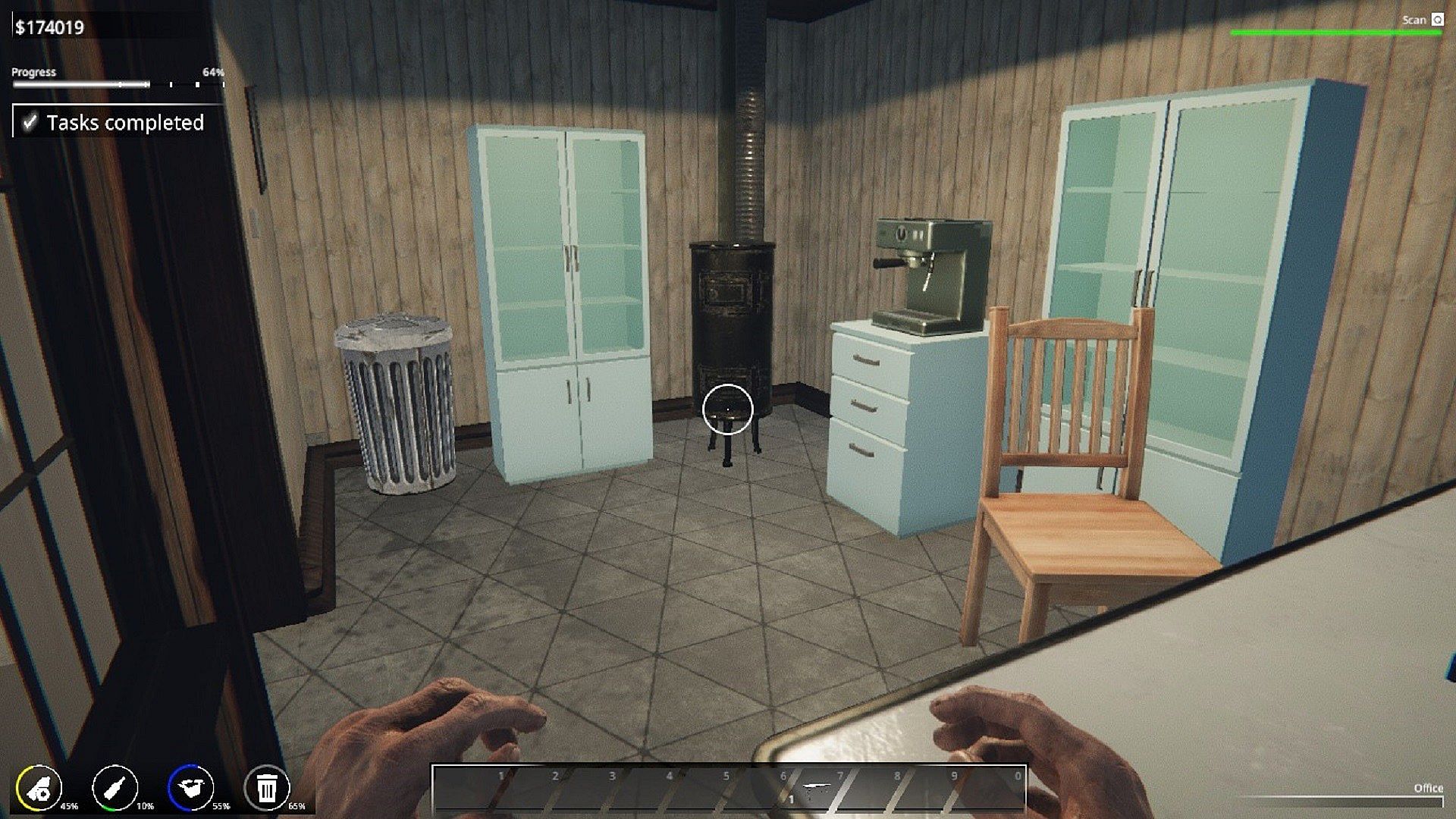
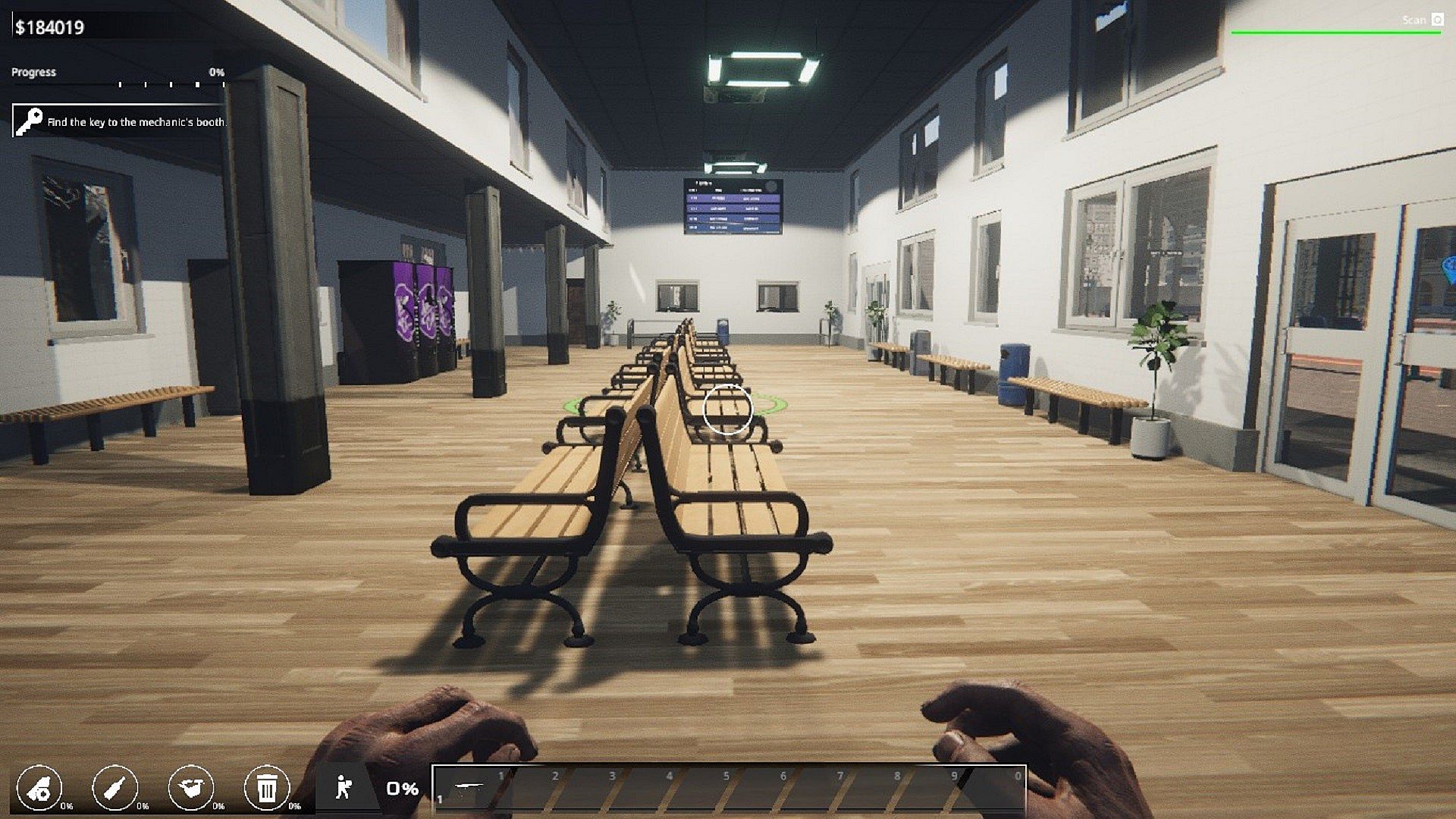
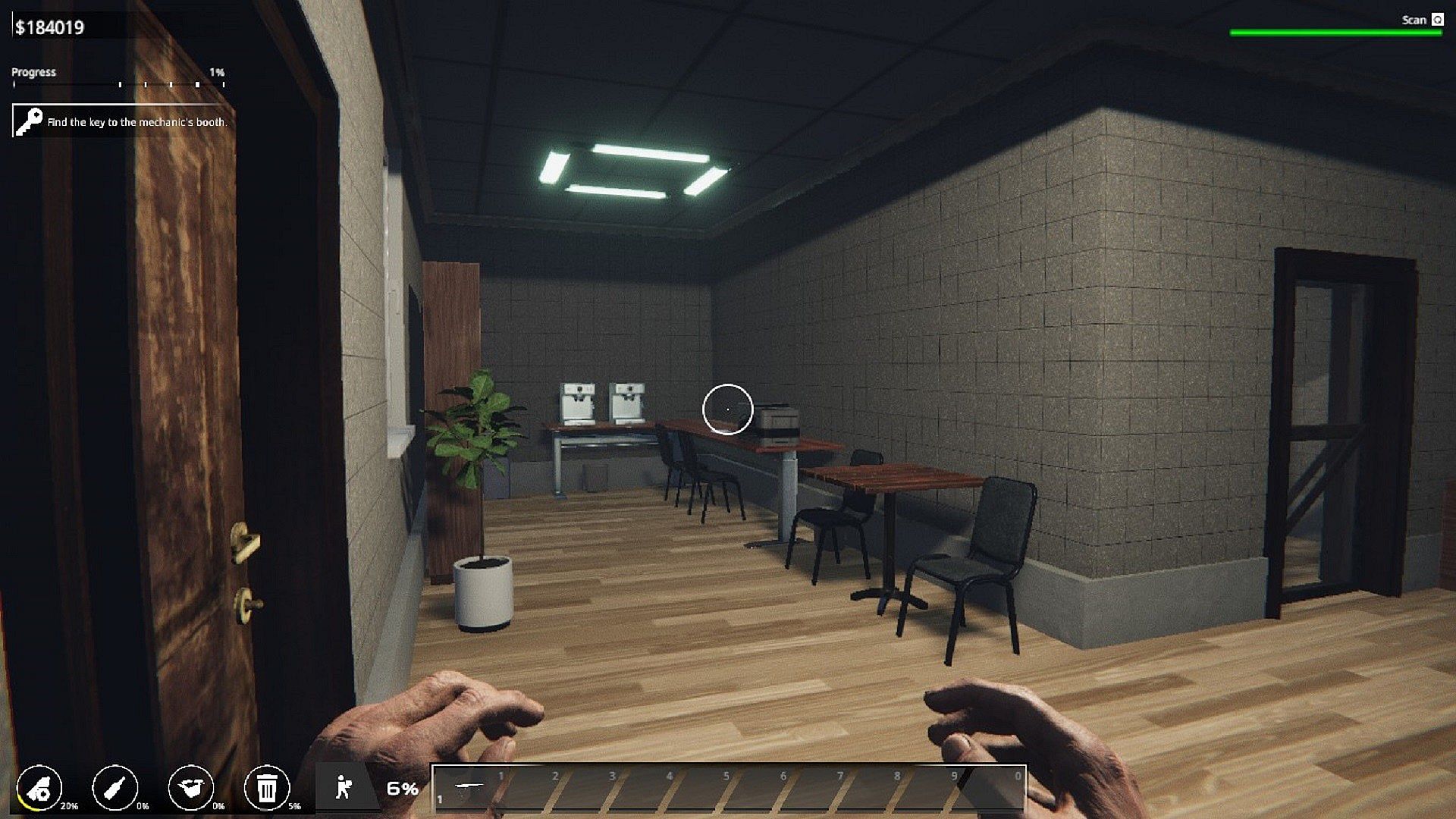
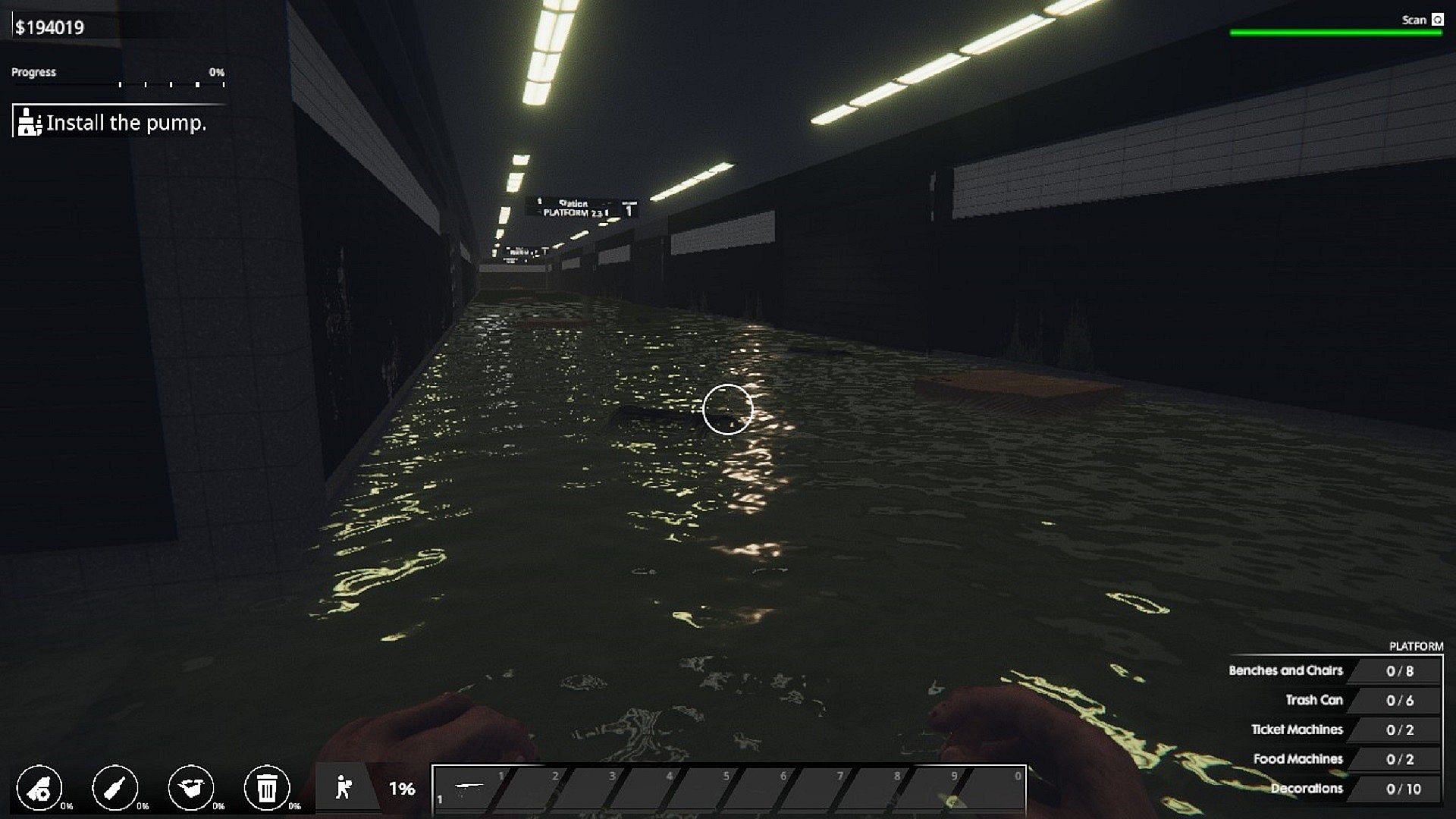
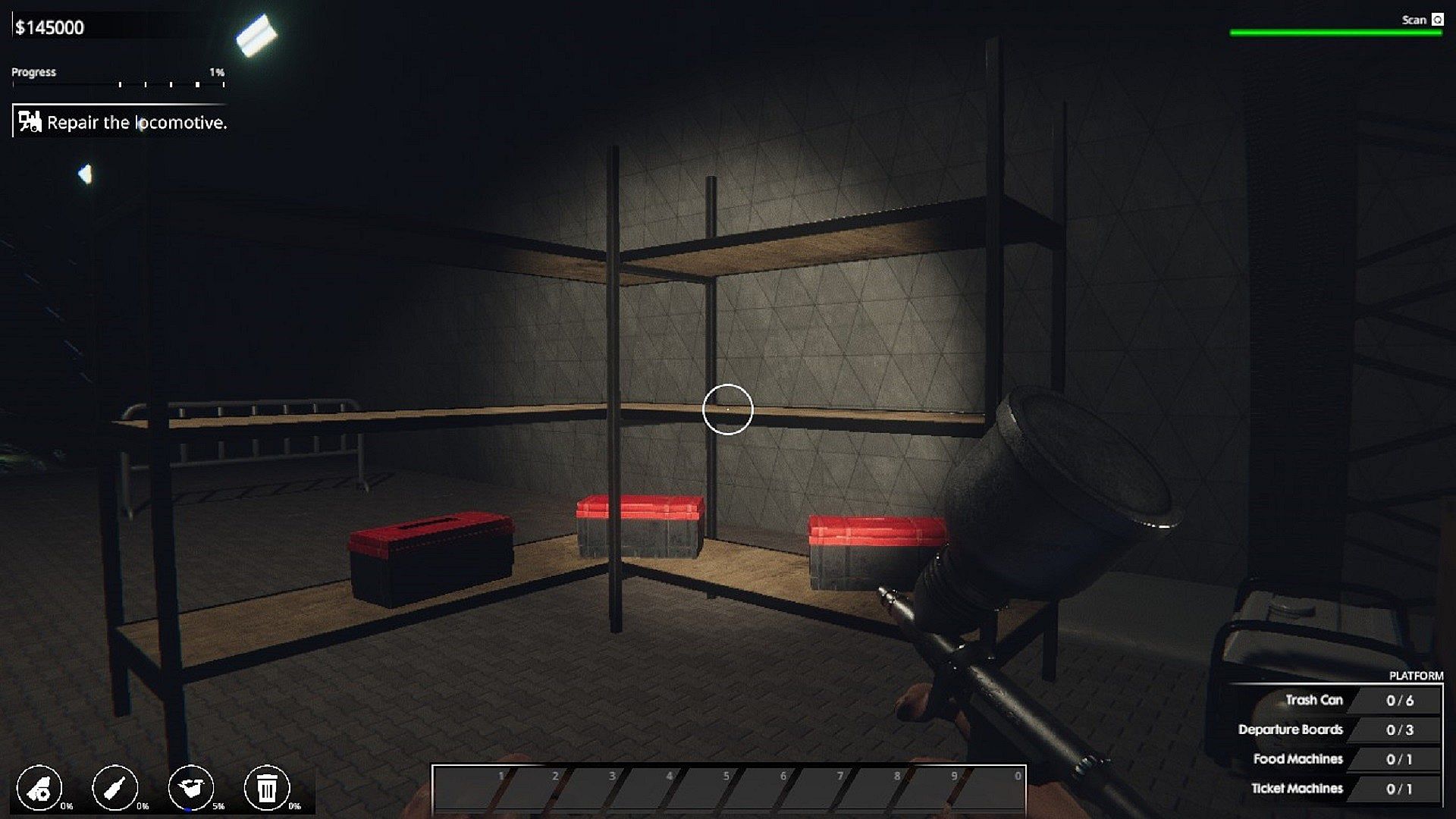
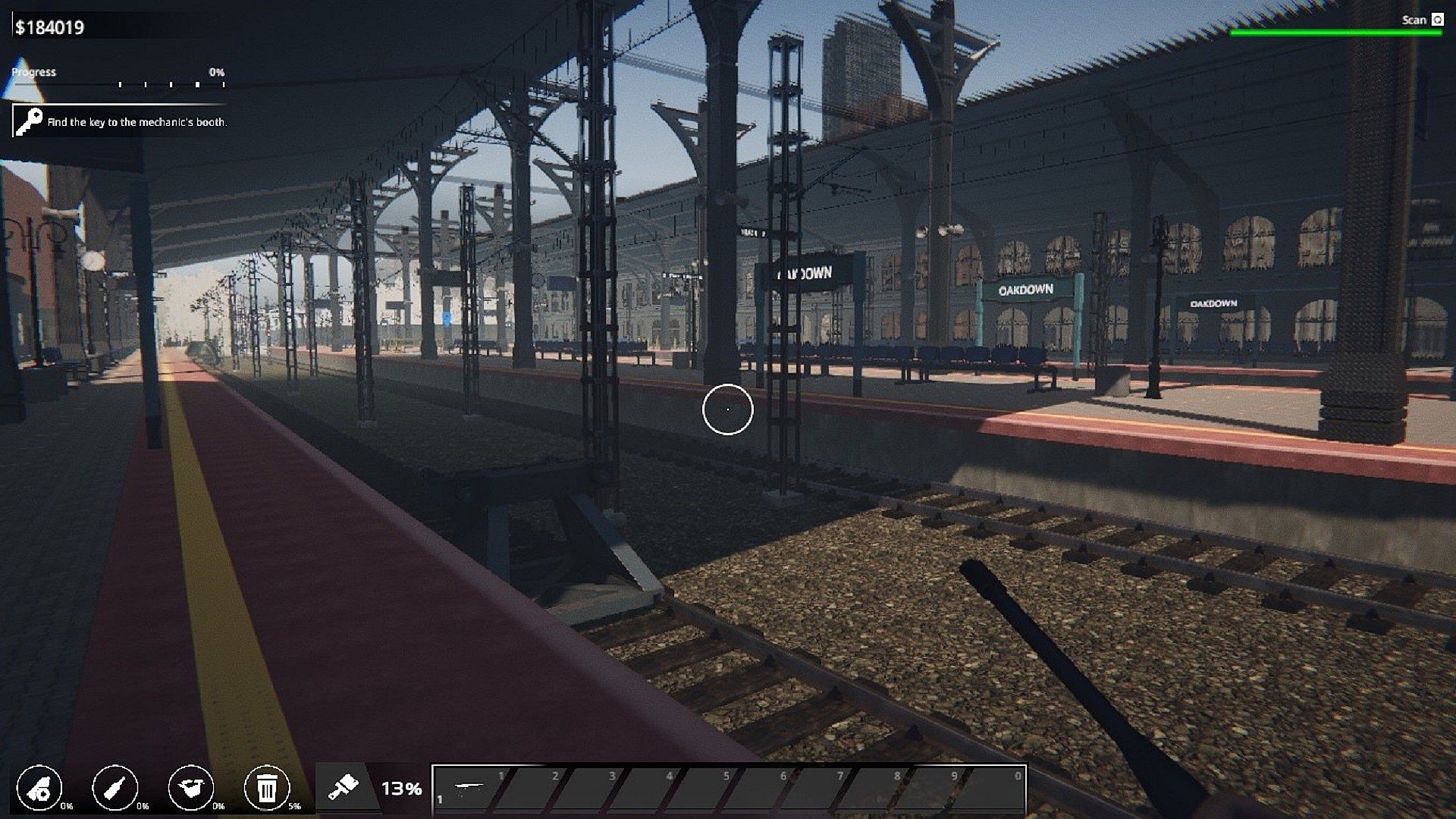
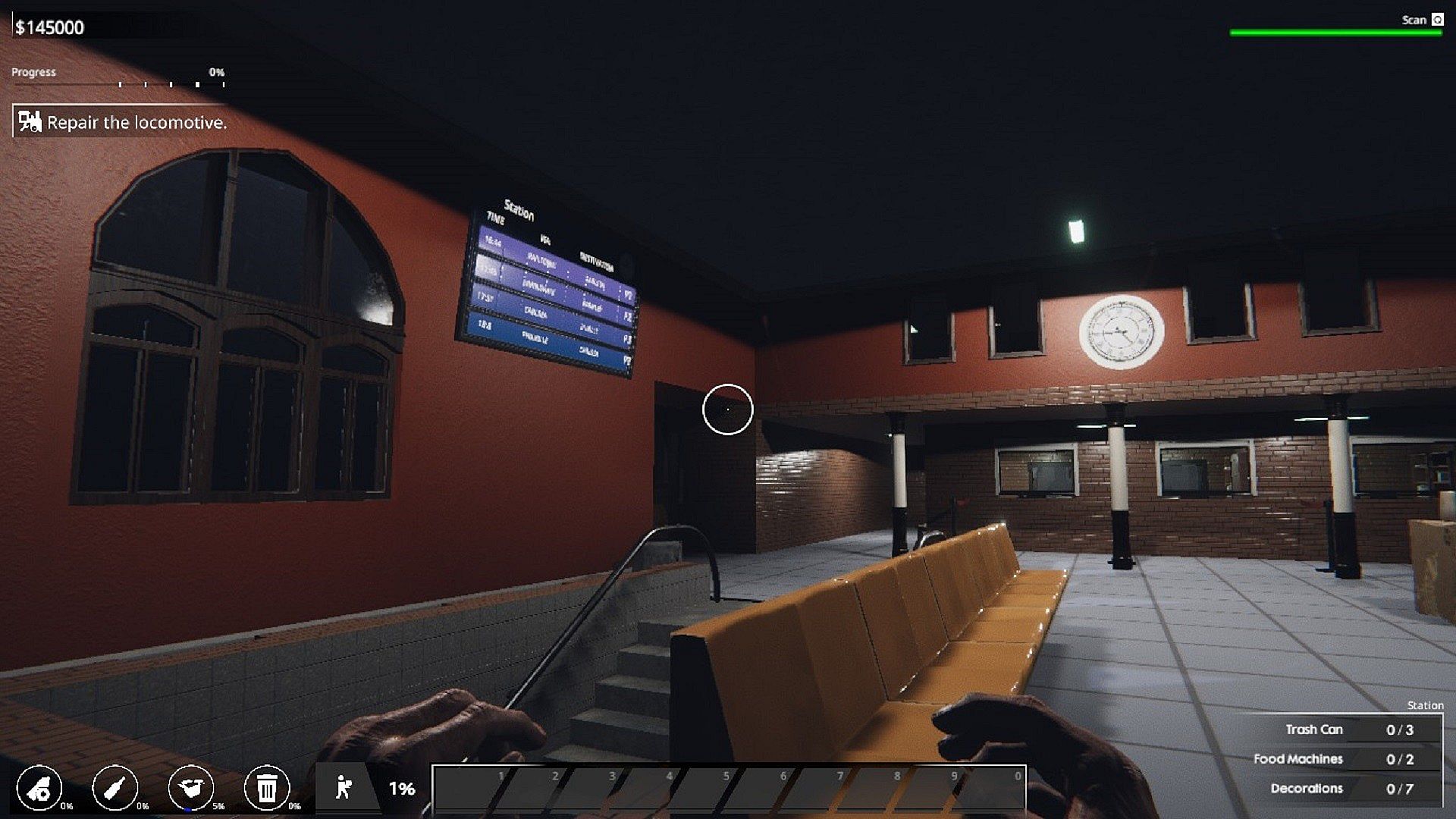
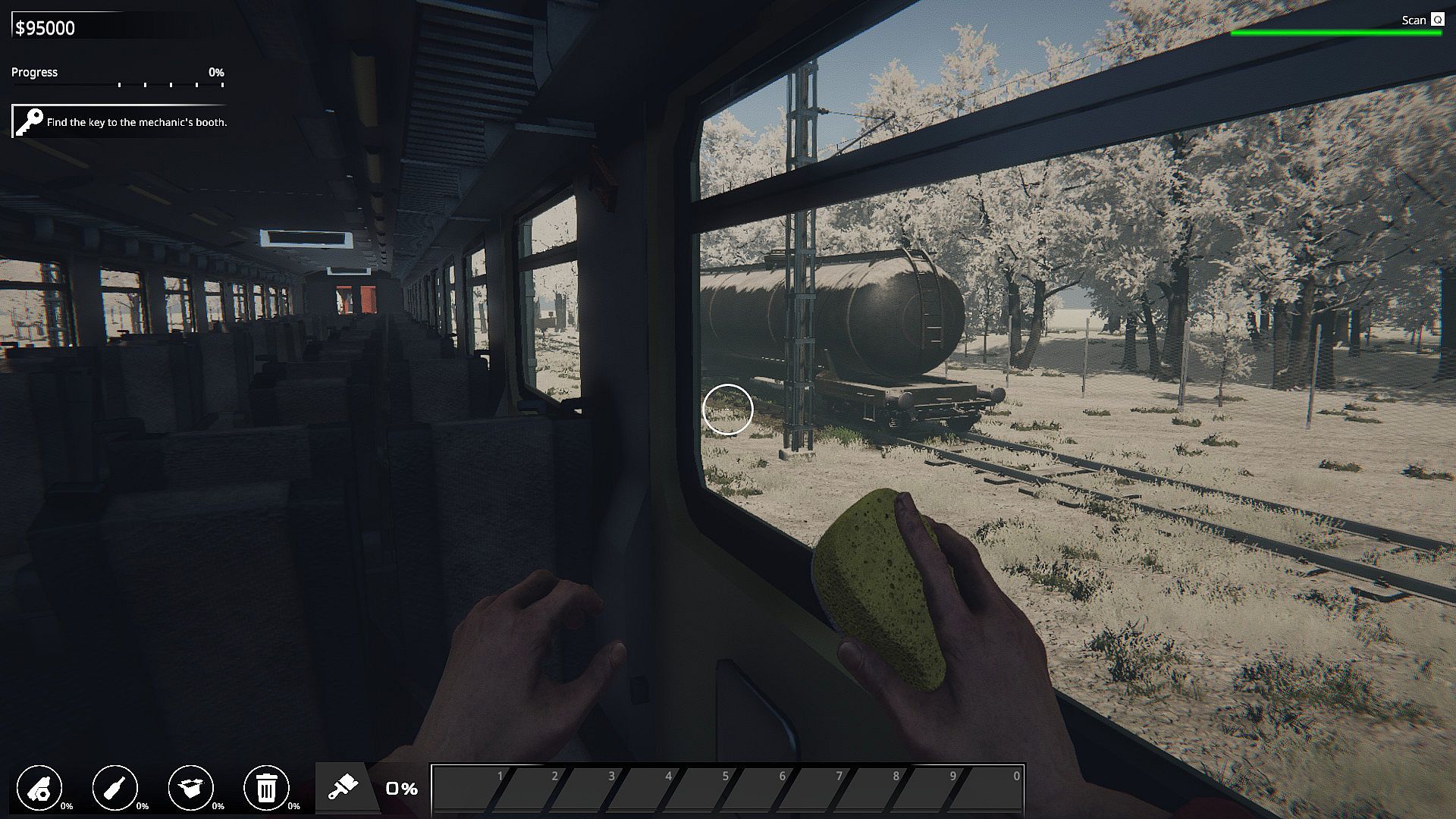
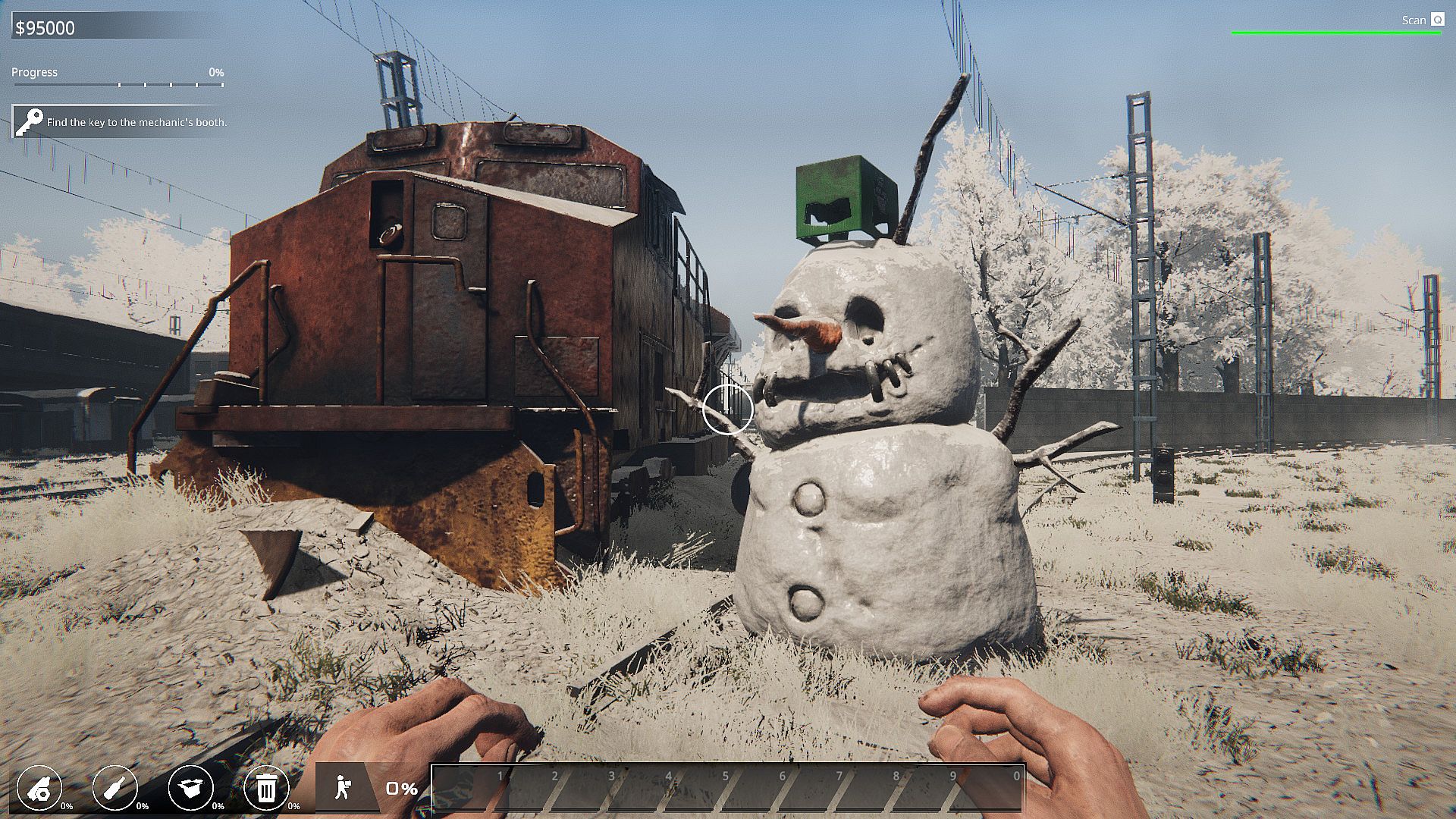
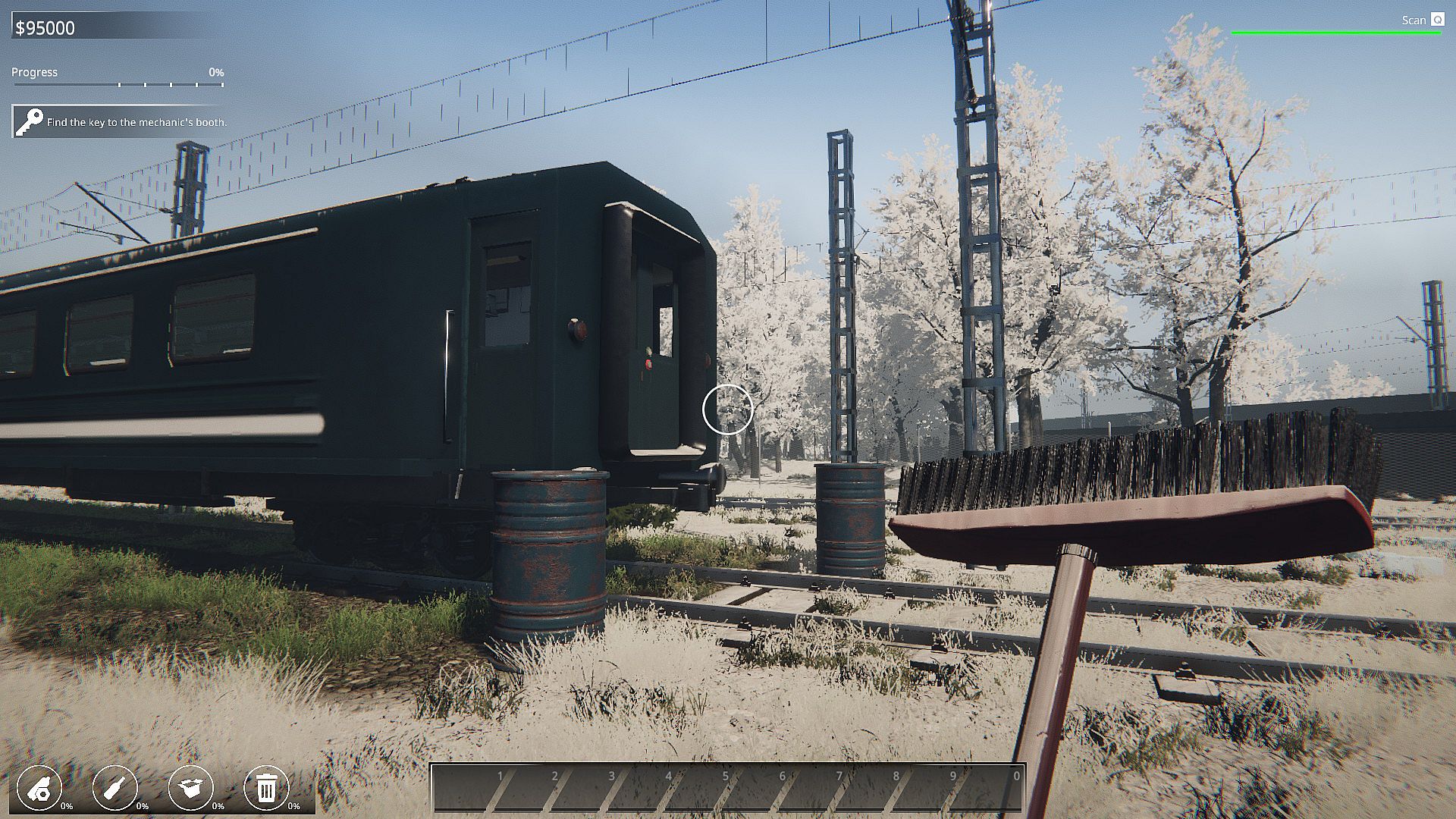
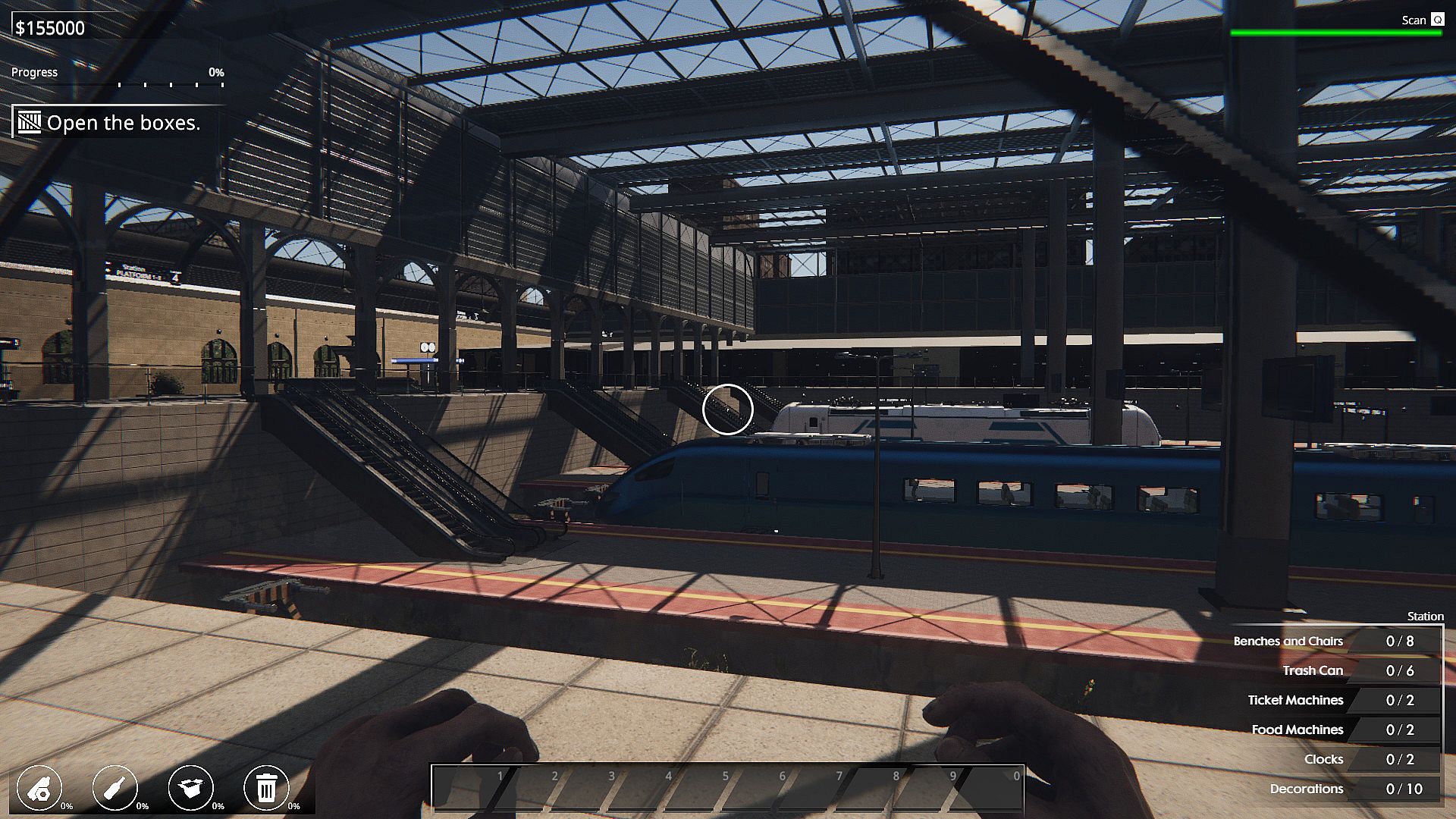
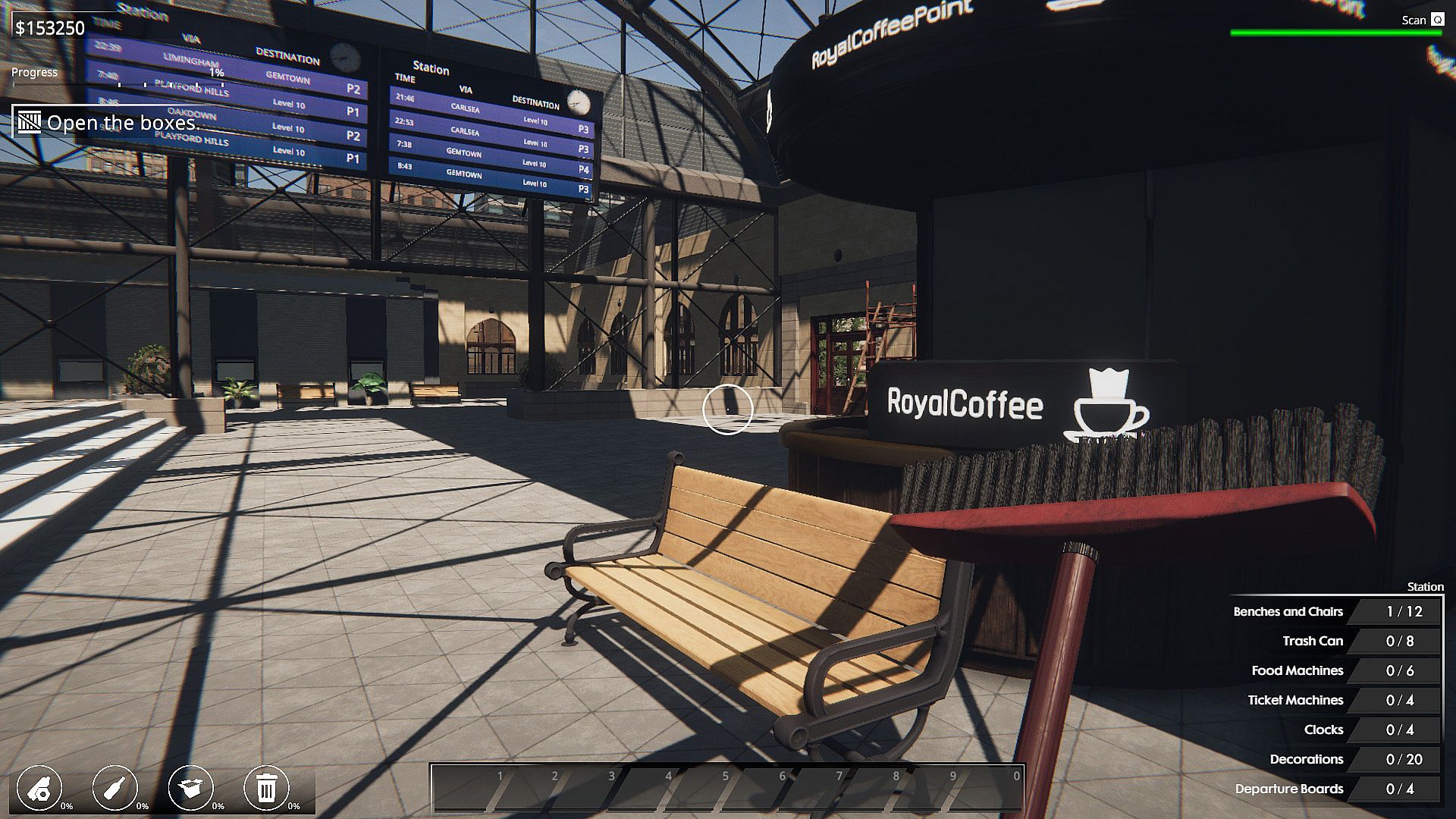
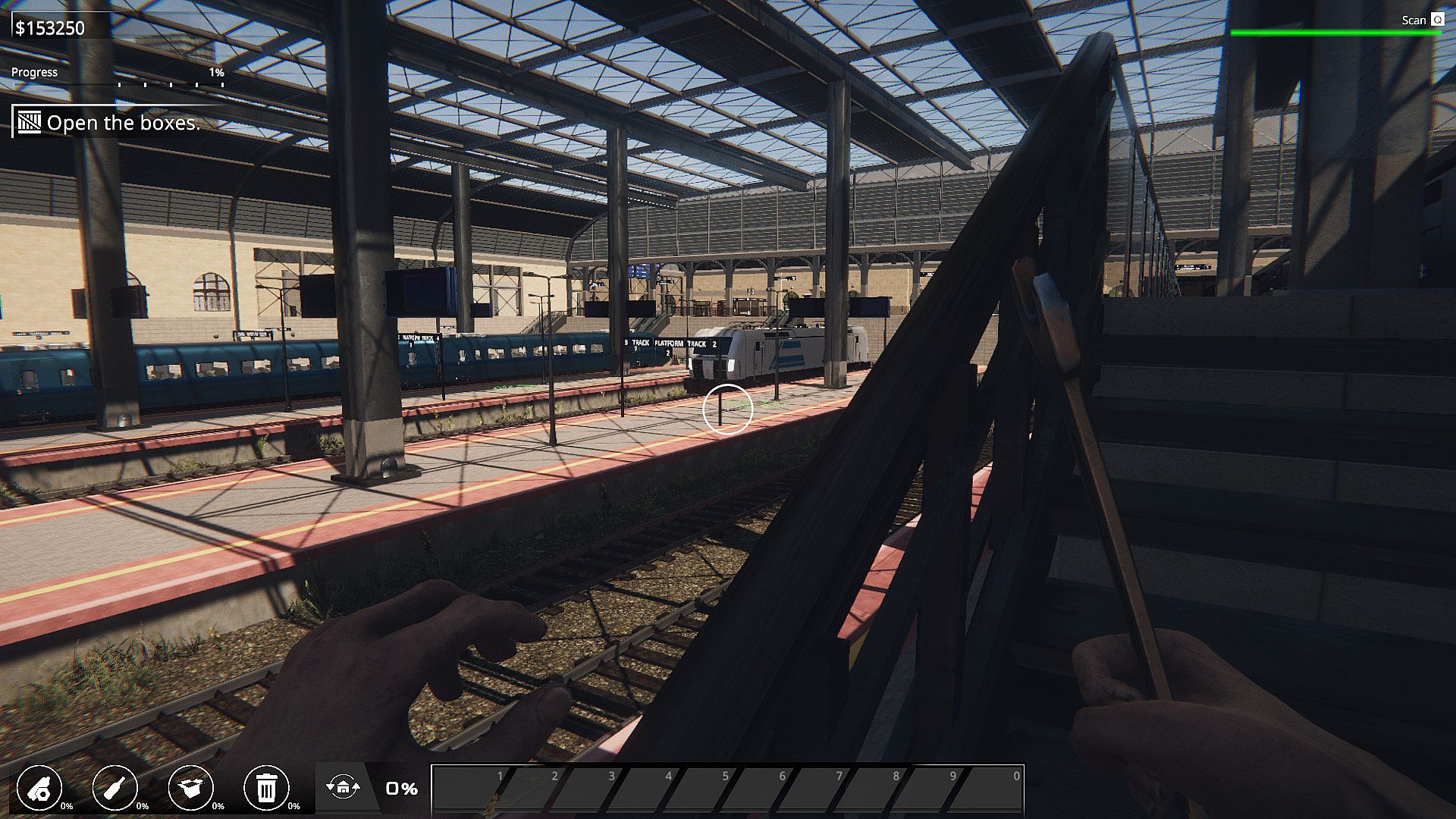
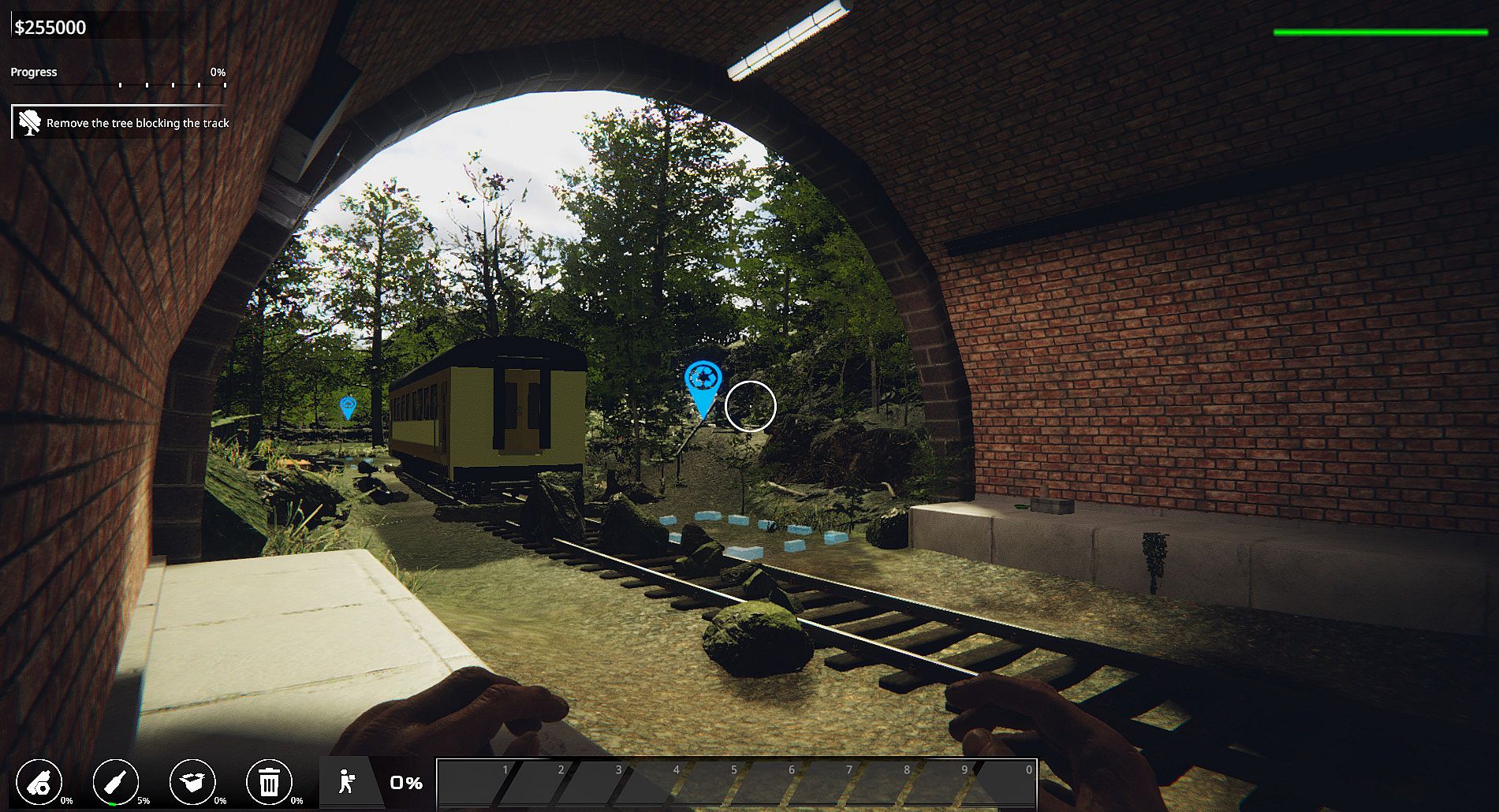
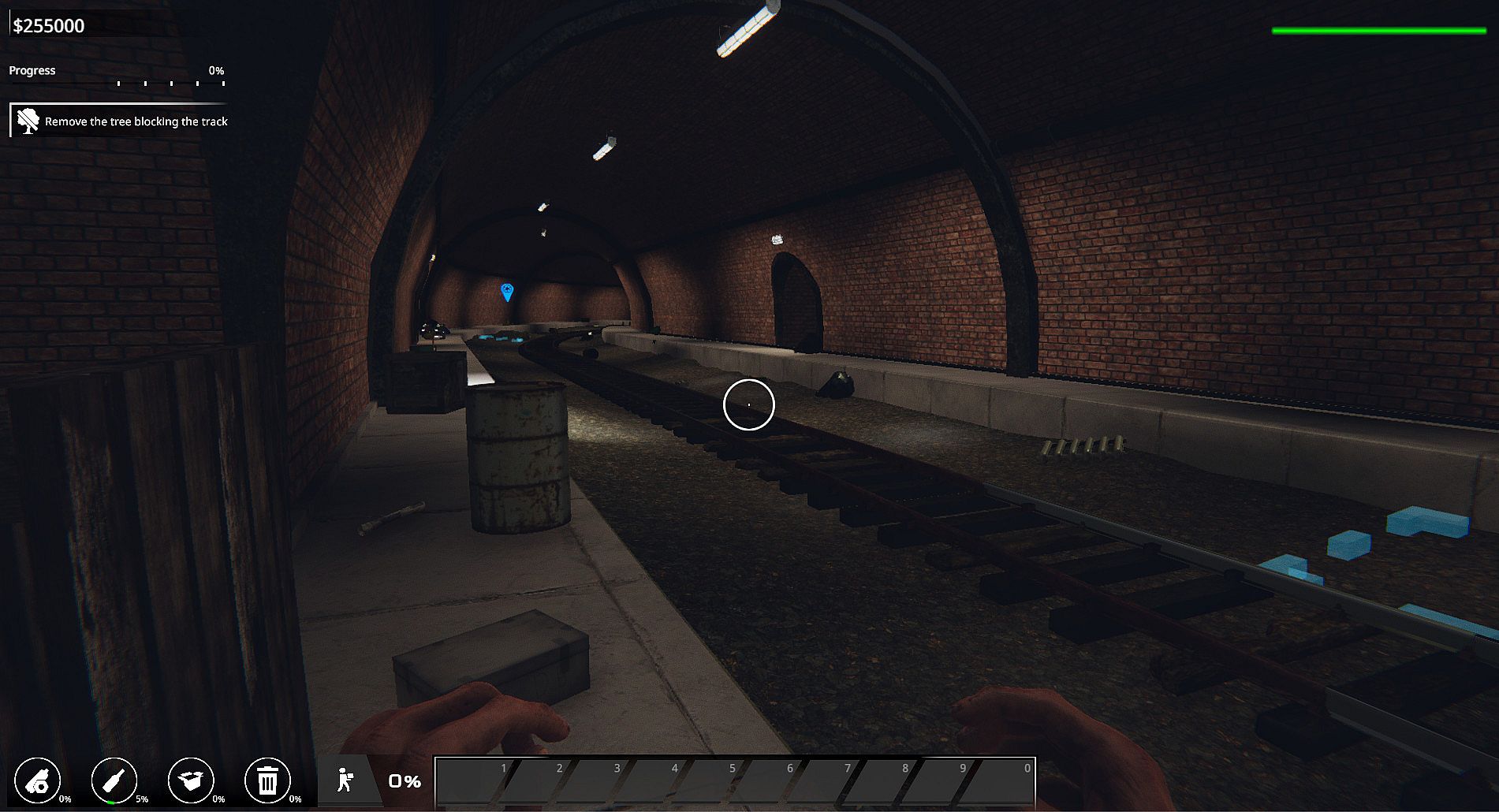
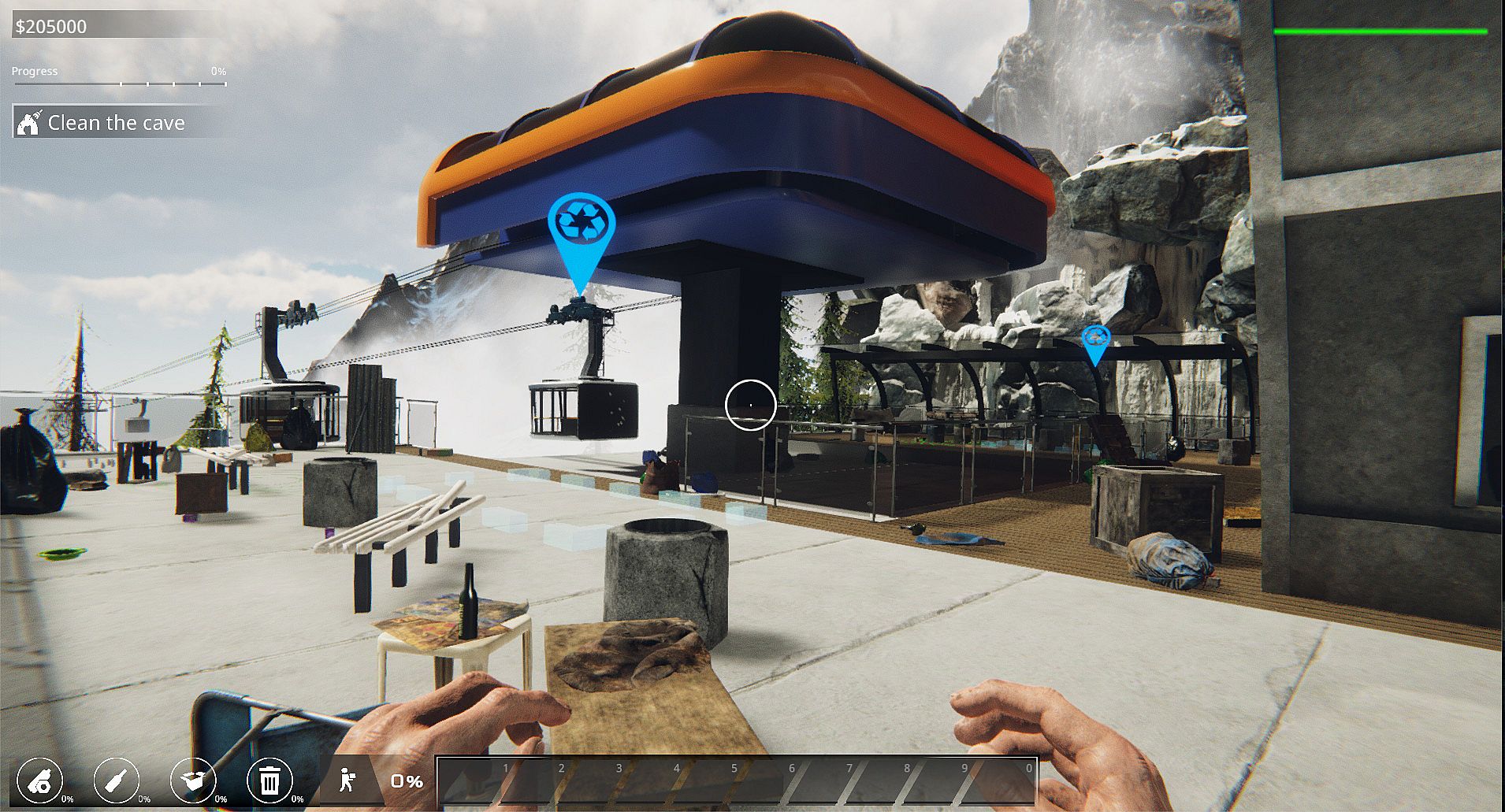
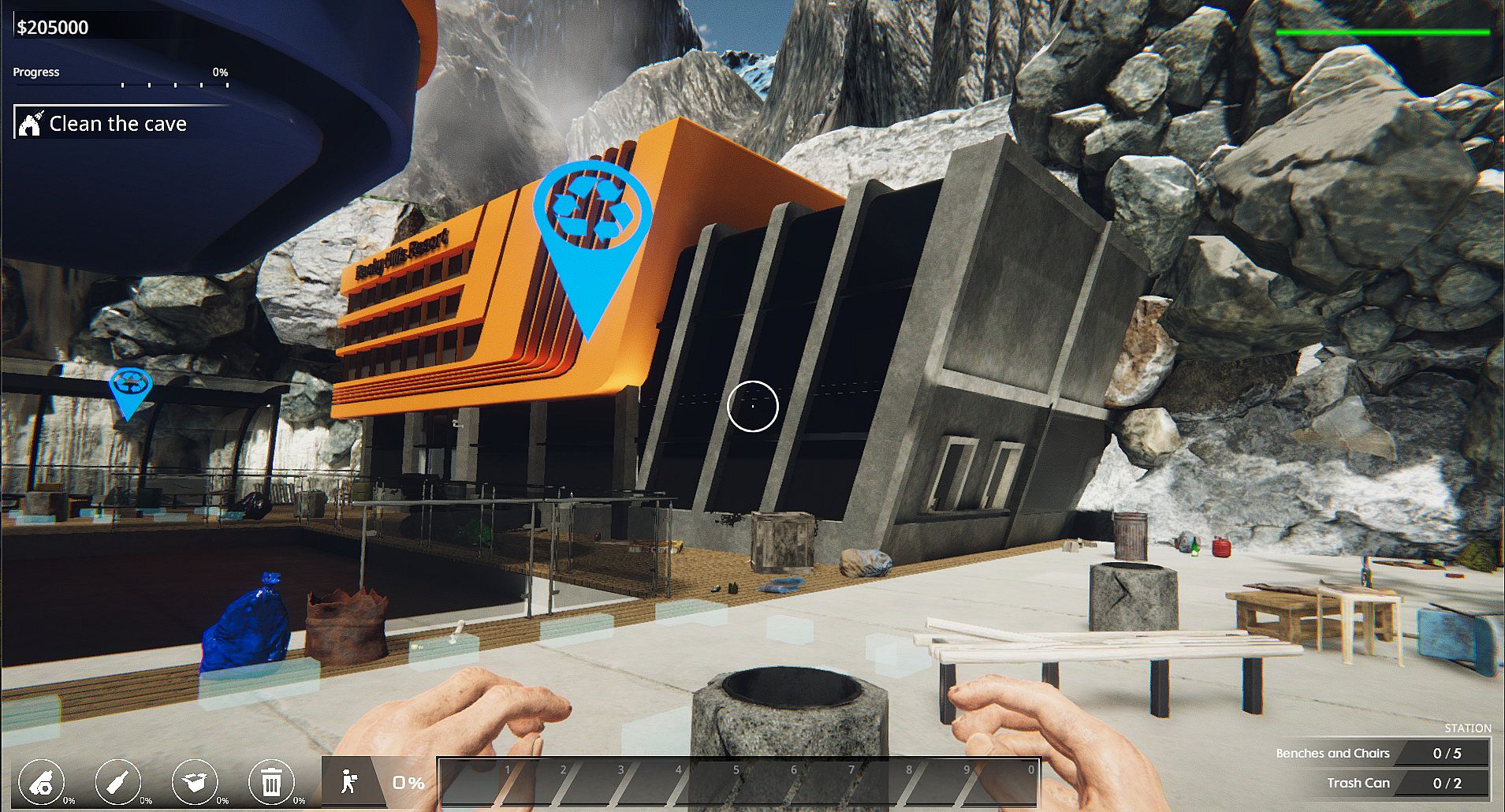
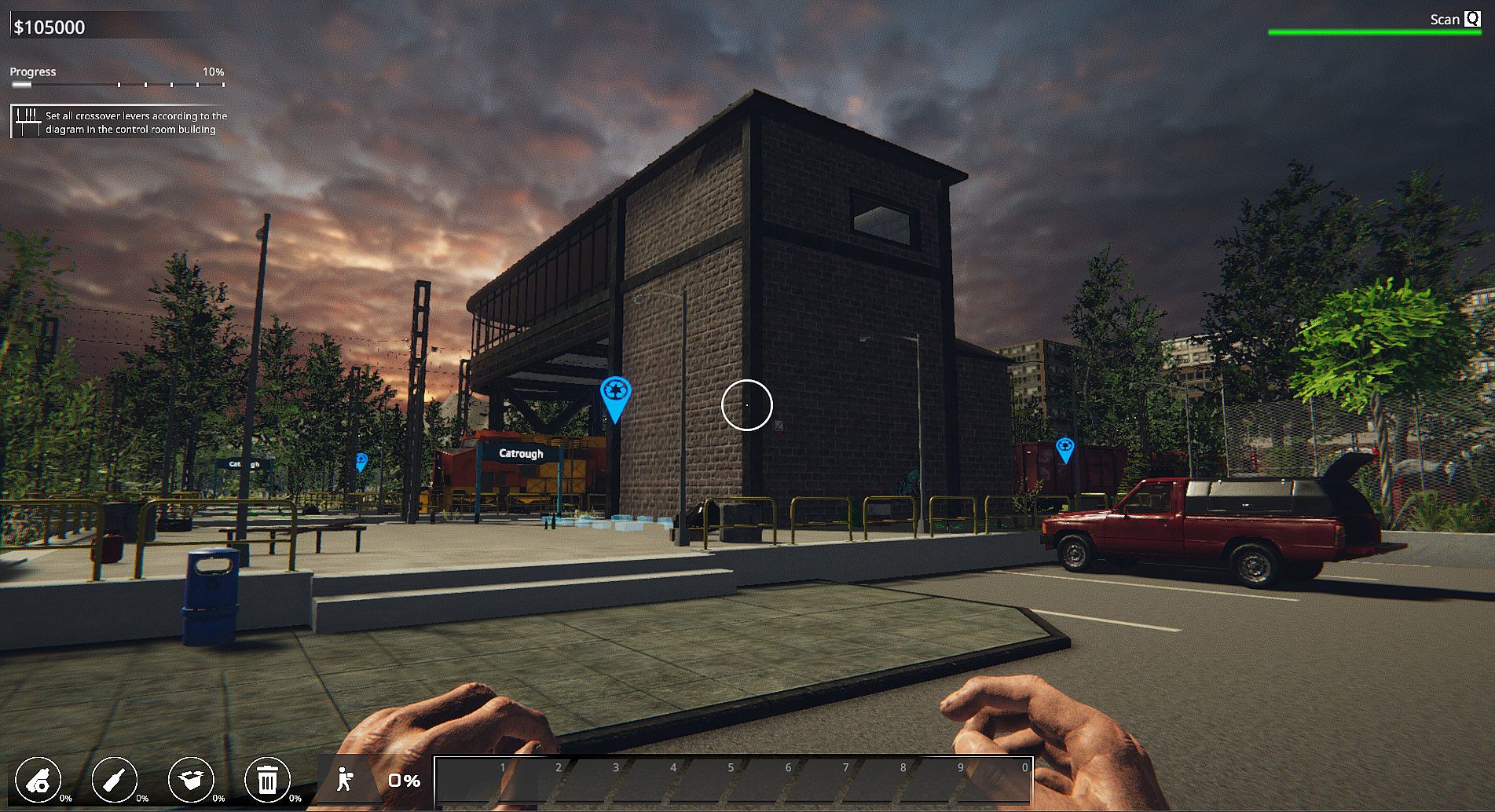
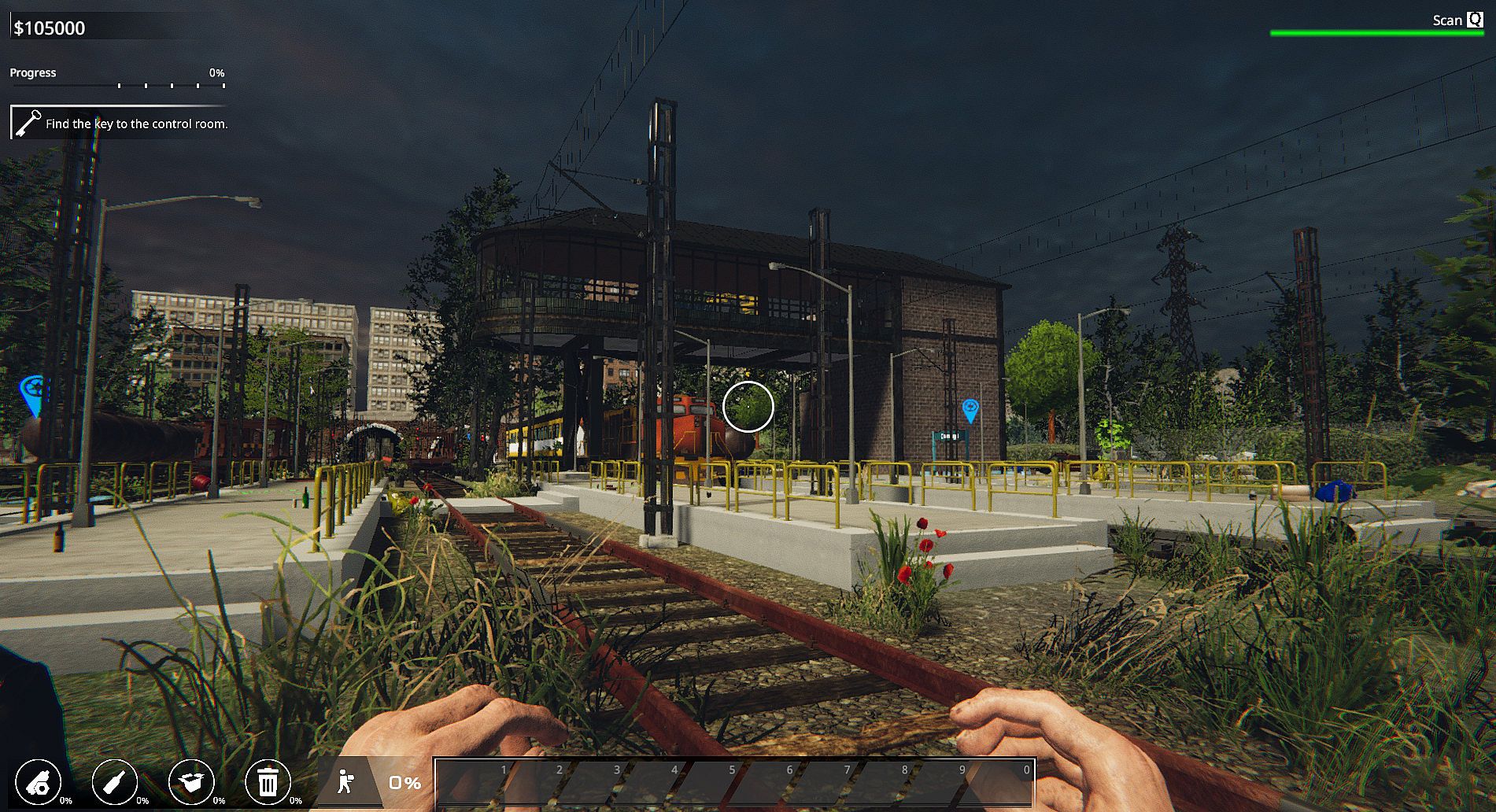
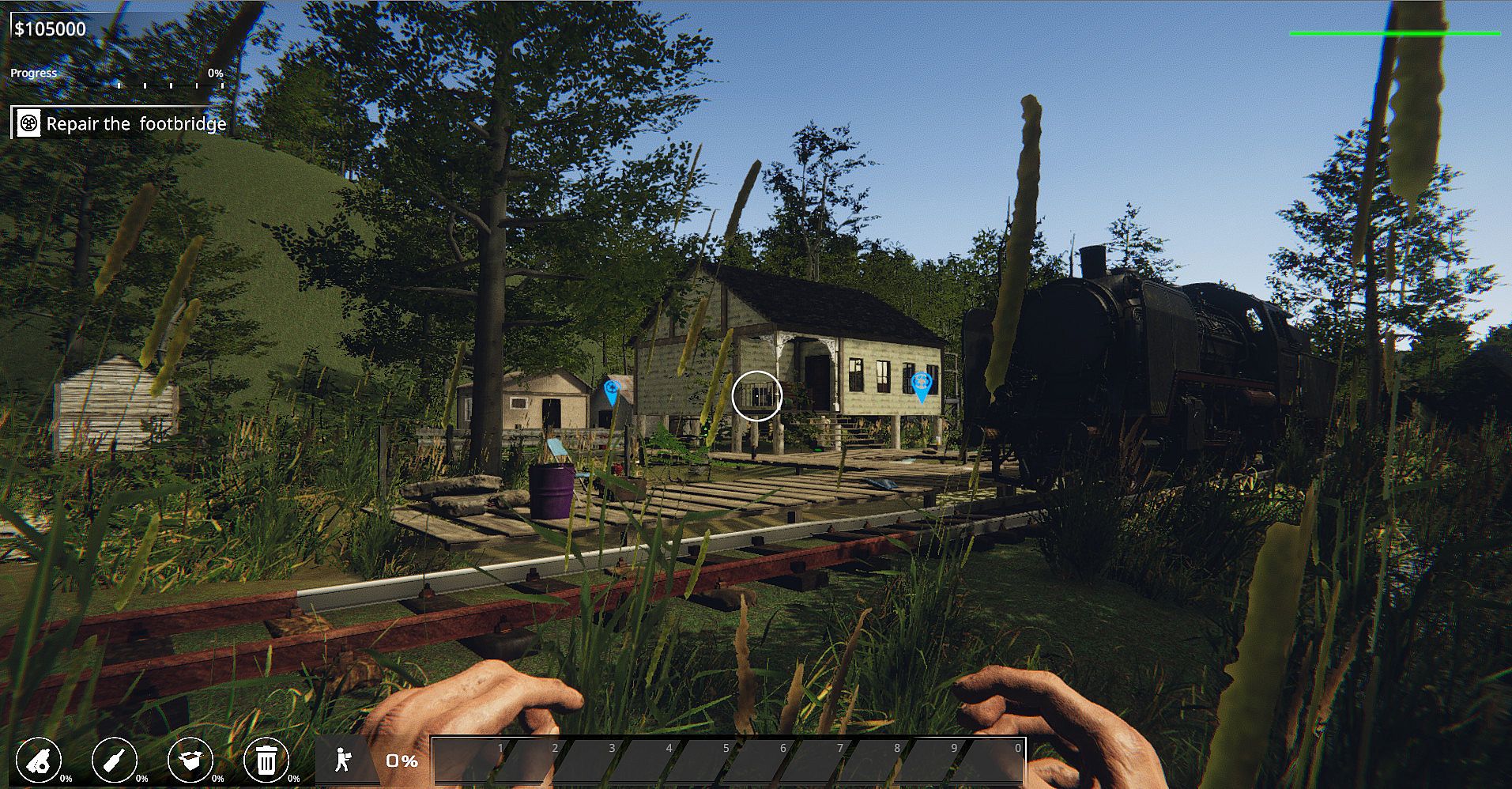
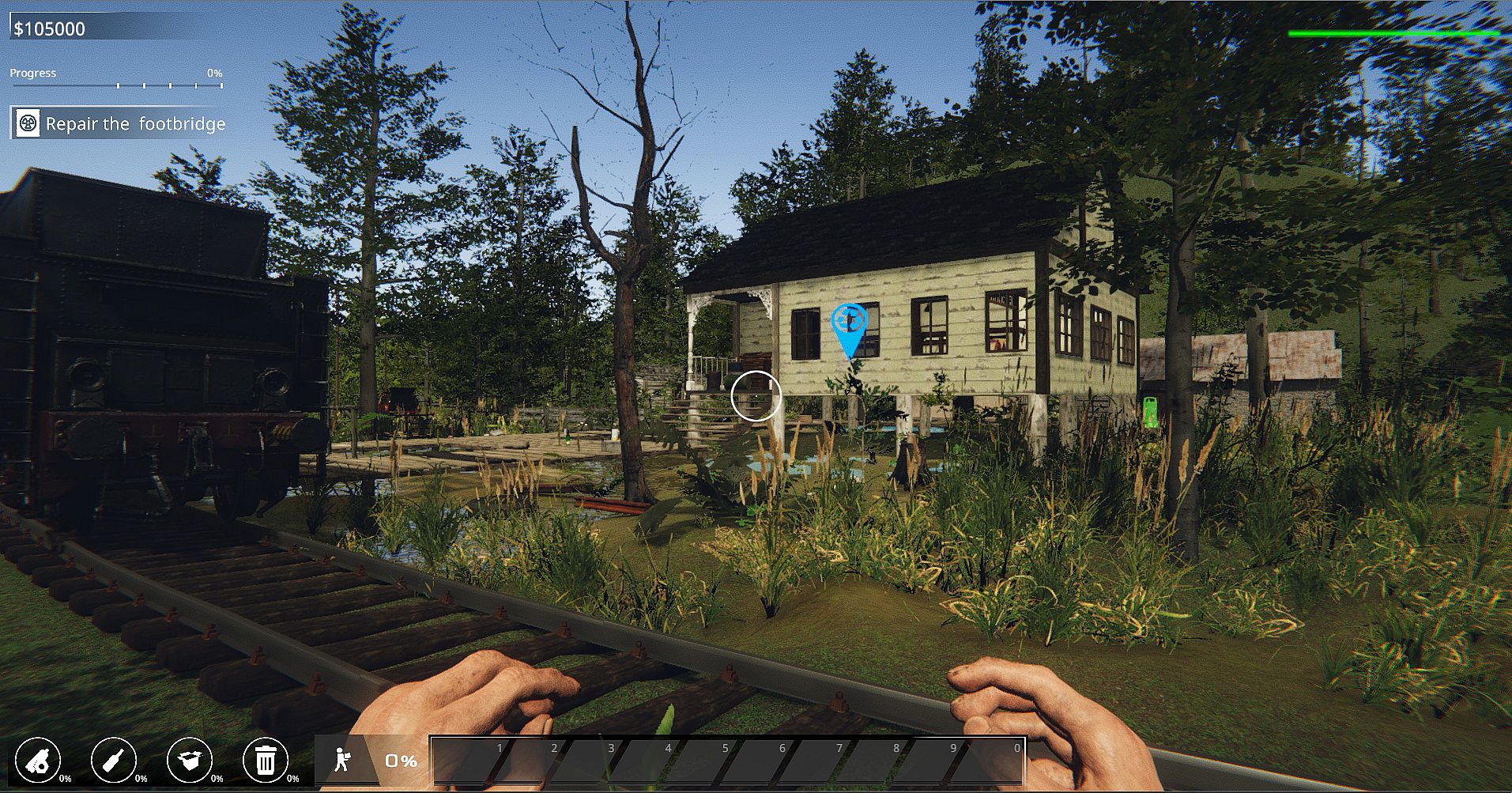
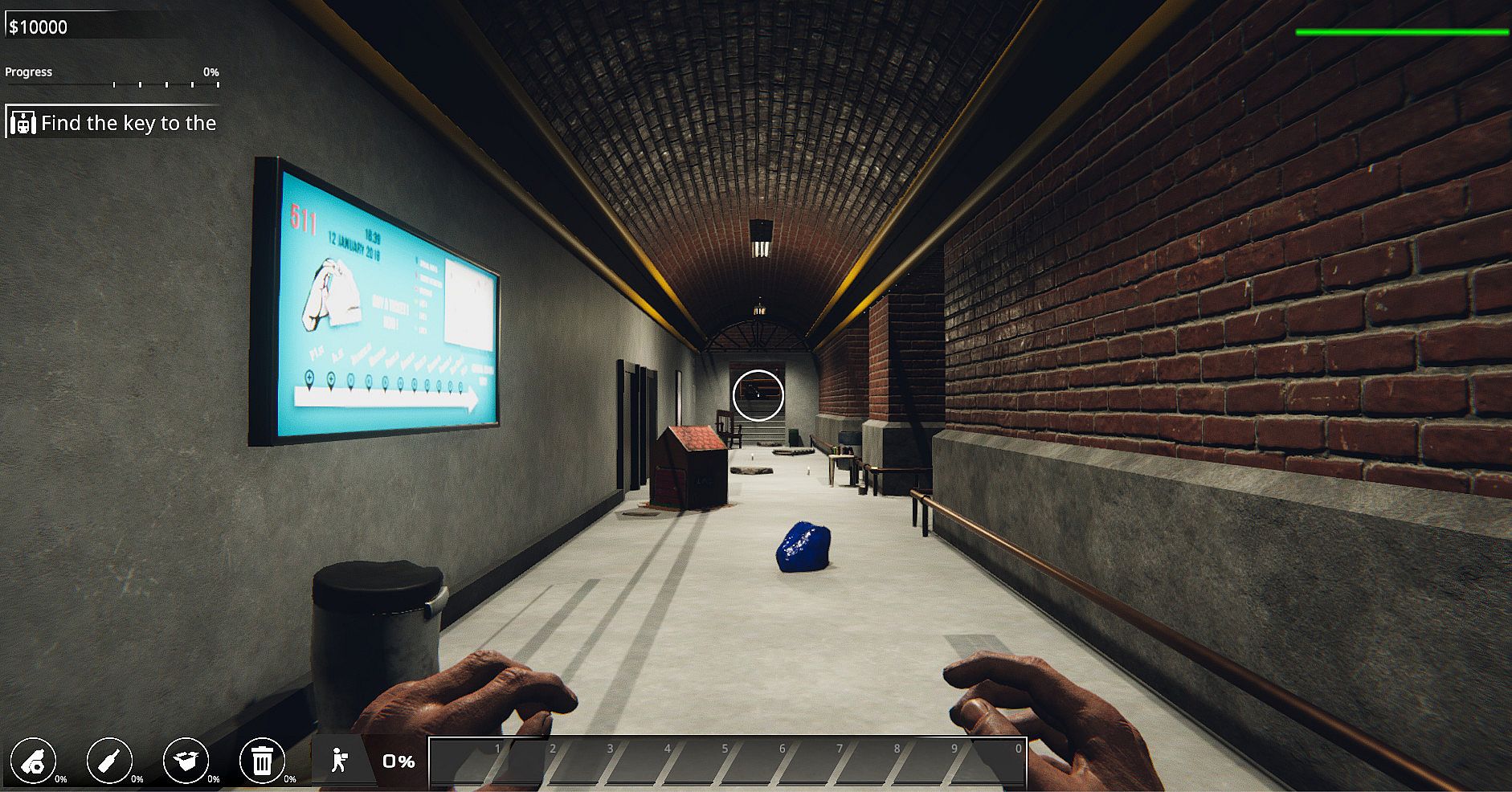
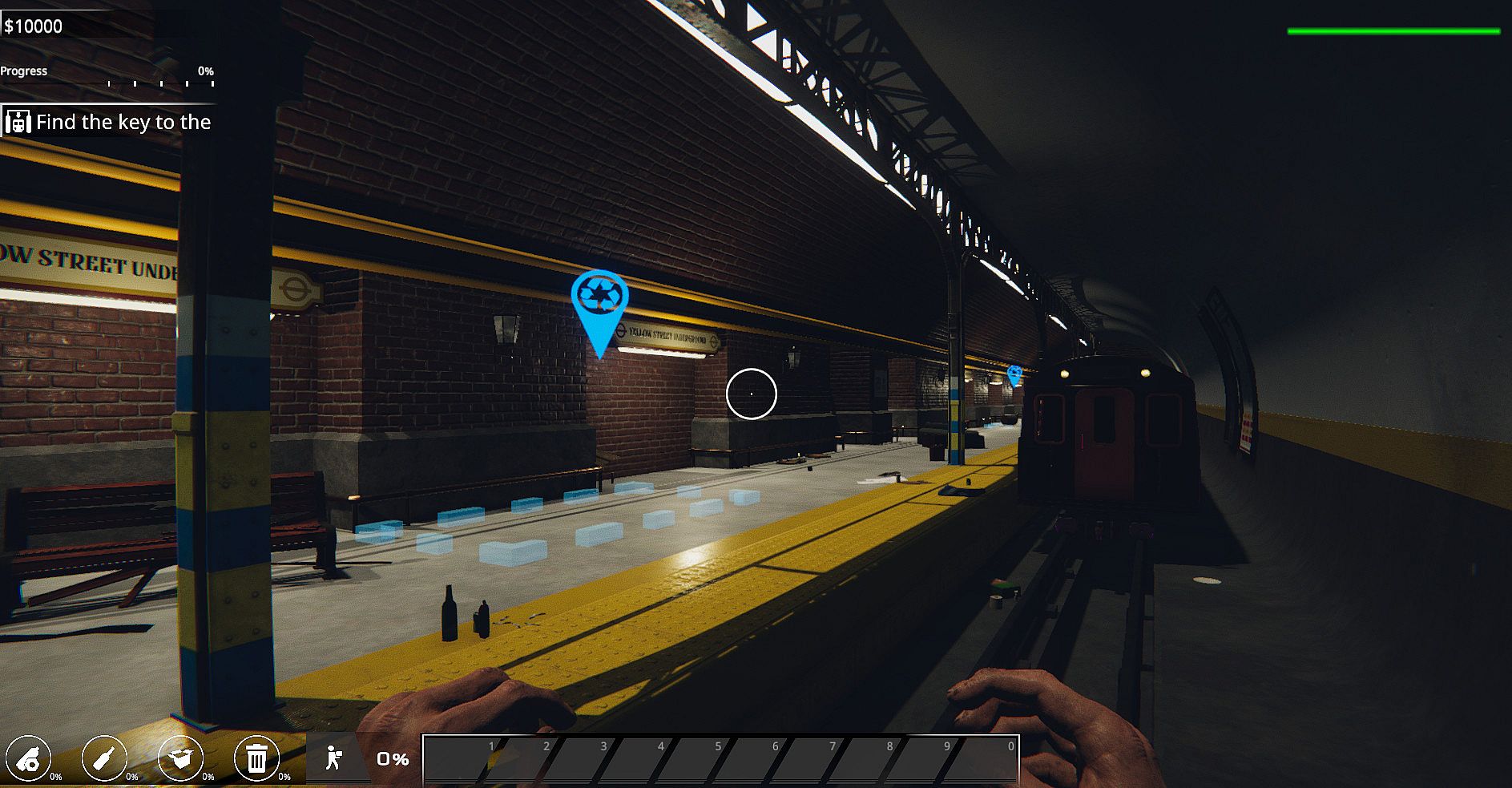
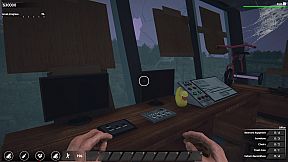
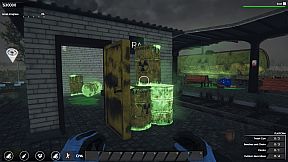
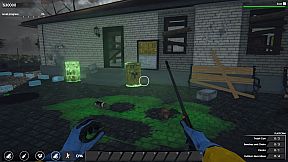
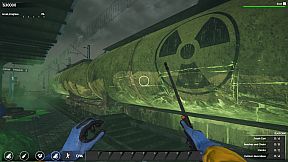
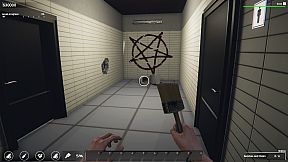
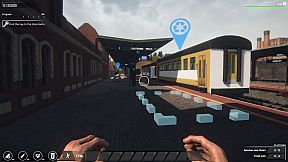
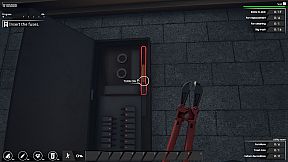
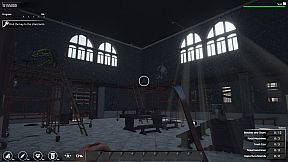
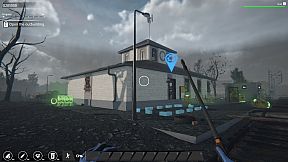
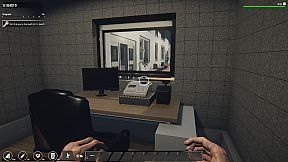
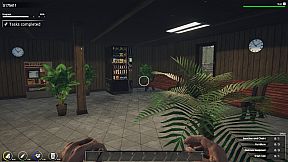
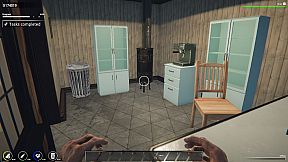
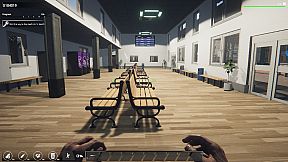
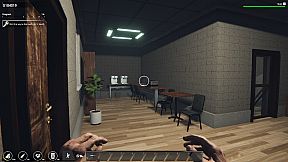
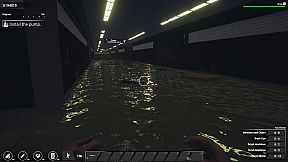
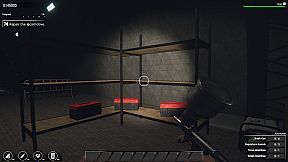
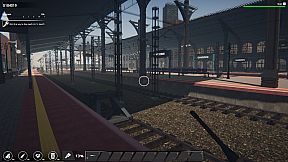
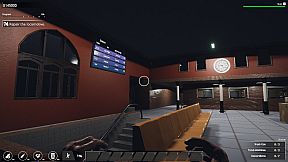
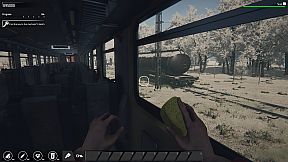
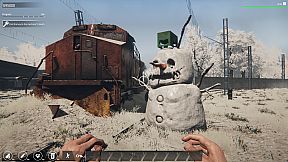
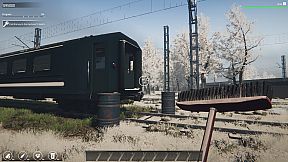
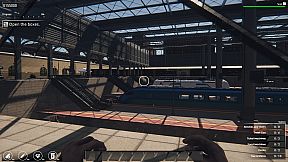
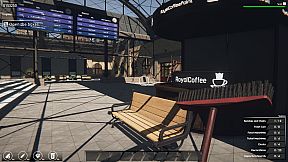
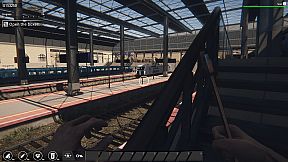
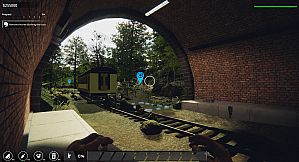
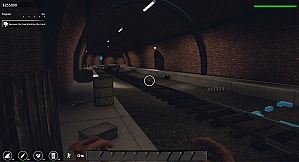
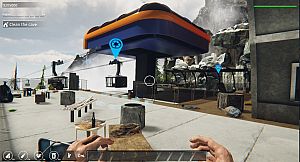
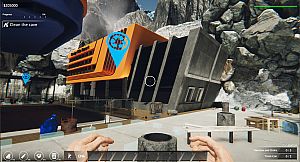
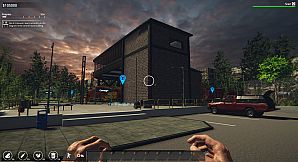
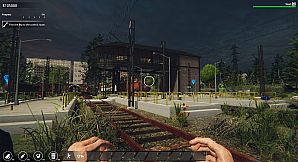
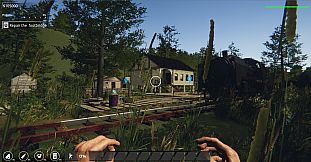
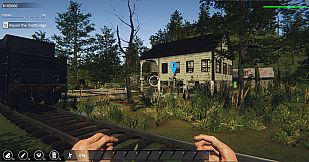
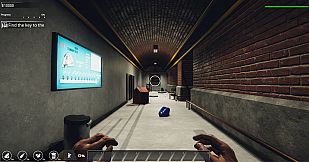
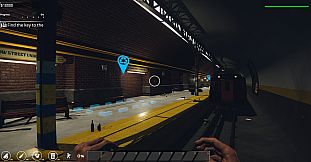
Train Station Renovation is a casual simulation game focused on restoring abandoned and damaged railway stations. Players take on the role of a renovation company that starts with modest rural stops and progresses to larger metropolitan hubs. The experience centers on hands-on work with tools, materials, and customization options across fifteen distinct stations that introduce mechanics step by step.
Gameplay
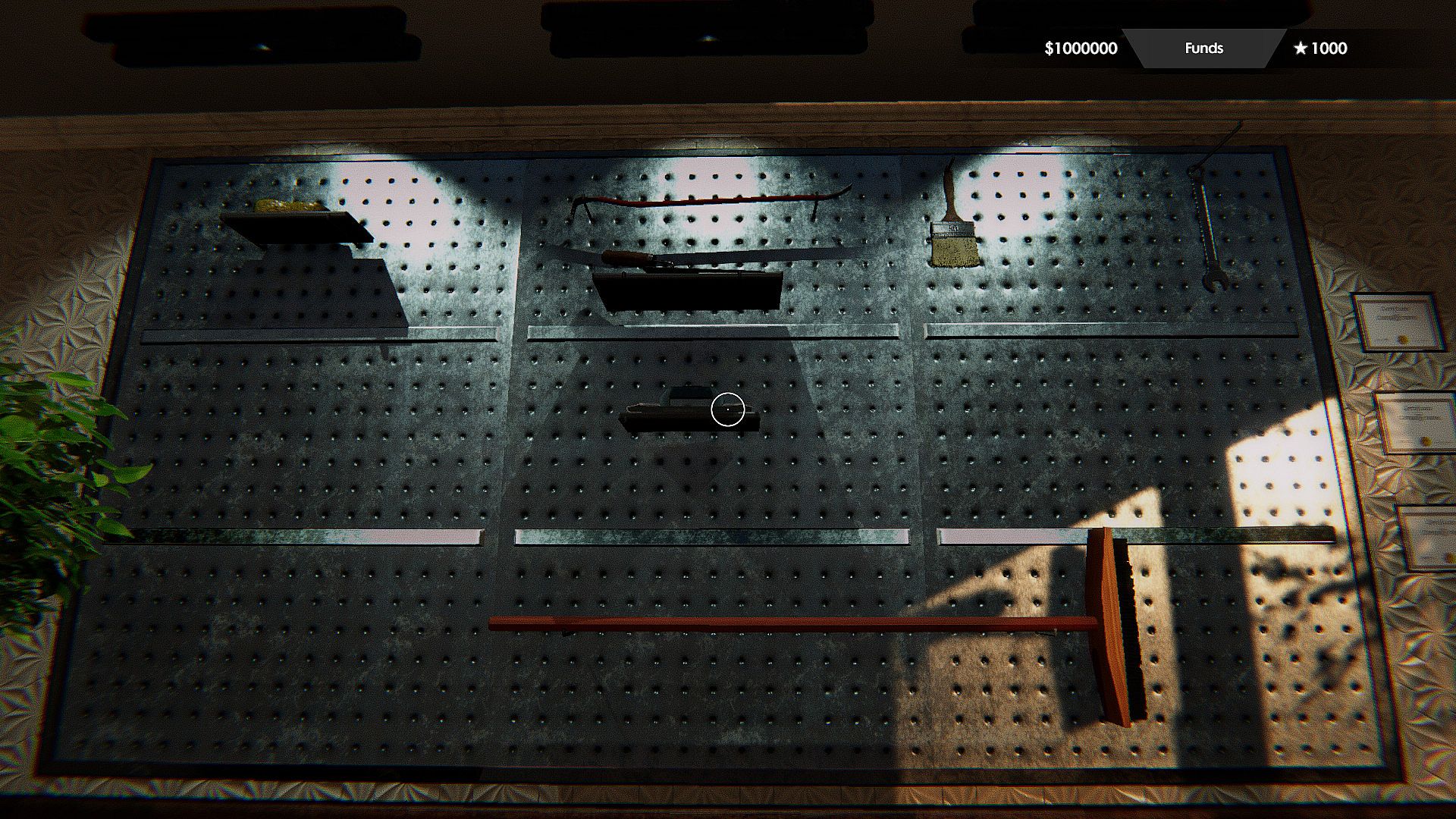
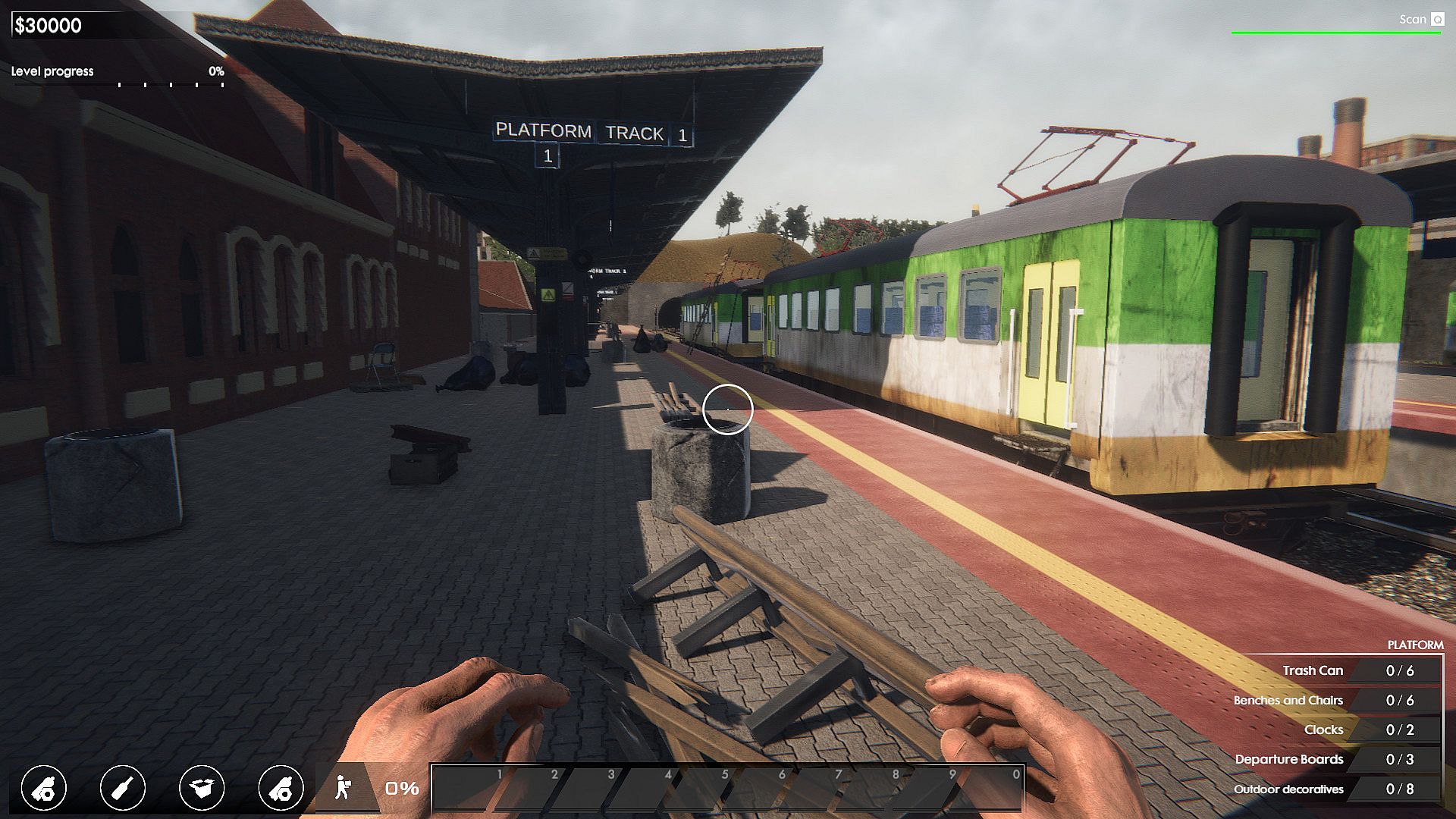
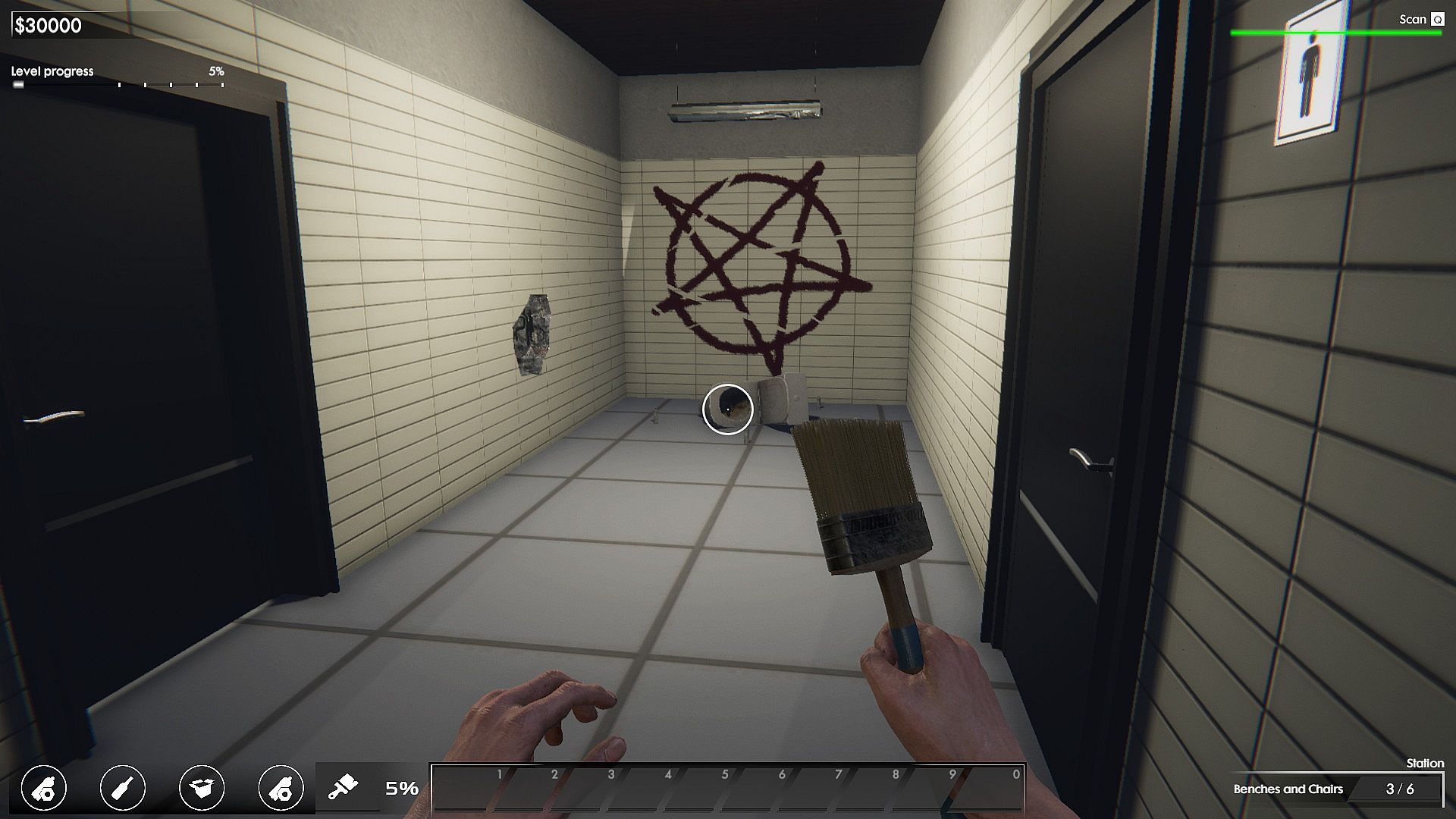
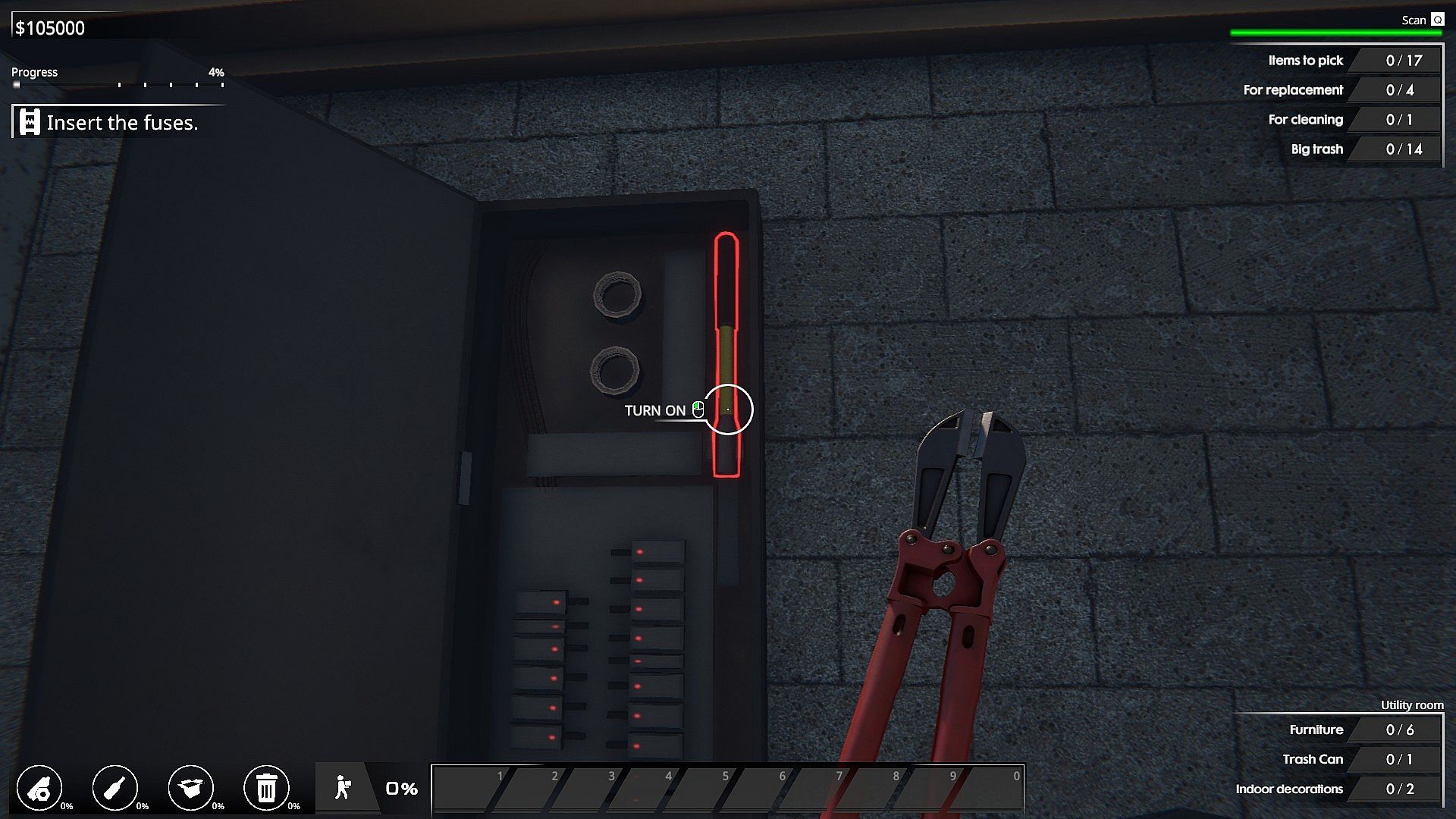
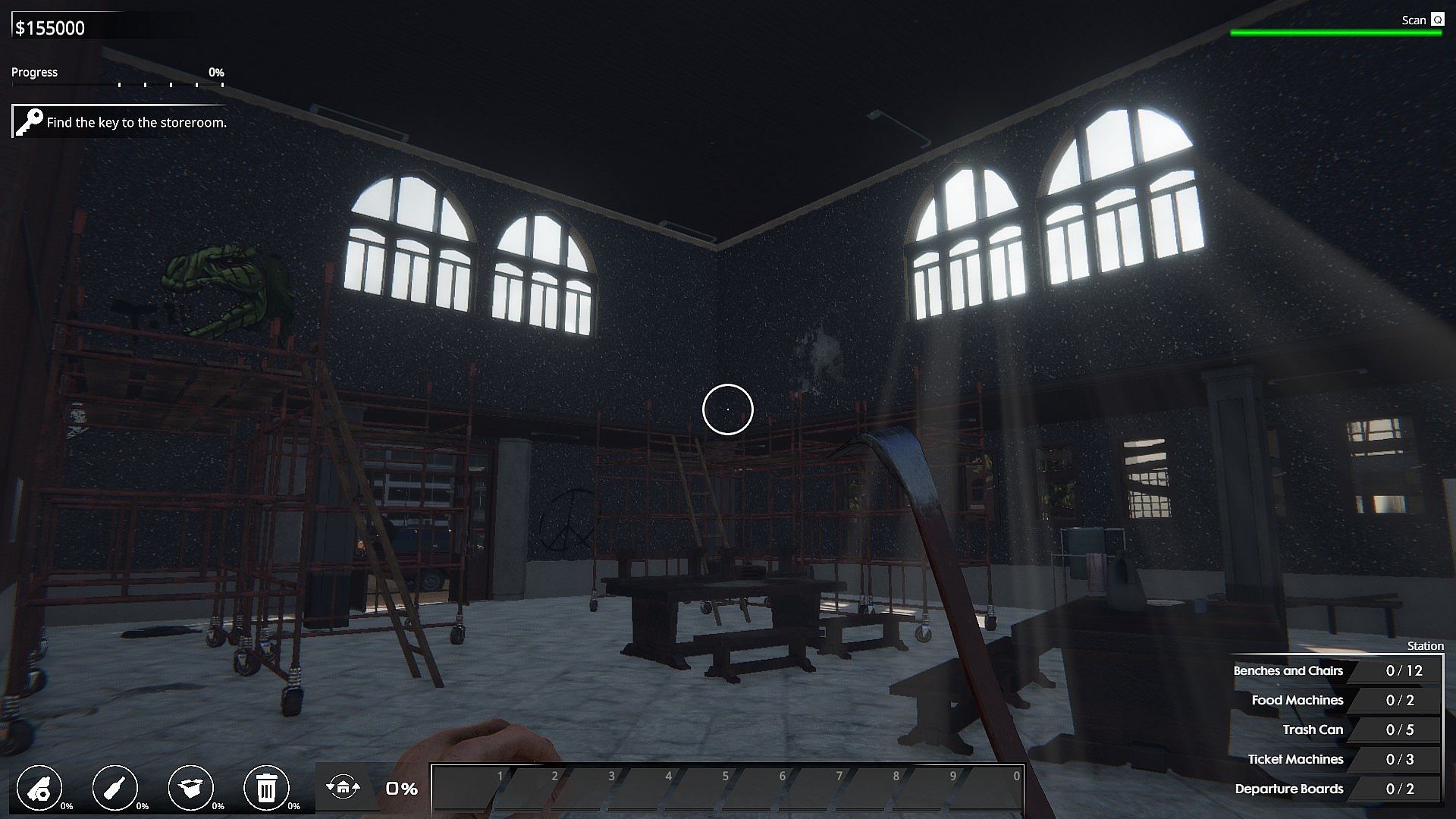
The core loop involves cleaning debris, repairing structural elements, and applying fresh finishes to bring each location back into working order. Detailed 3D models of stations and trains allow precise interaction with surfaces, fixtures, and mechanical parts. Basic tools such as paint rollers, spray cans, crowbars, and wrenches handle everyday tasks, while an in-game tablet lets players order additional supplies and equipment as needed. Certain stations include opportunities to service and restore old trains directly, adding variety to the workflow.
An economy system ties into the renovation process. Players earn funds through core tasks and can gain extra resources by sorting waste or finishing optional objectives. These earnings cover purchases of new items and materials required for further progress. A specialization tree lets players invest in upgrades that reduce work times, unlock additional tools, or open new customization choices. Focus can shift toward preferred activities, such as painting or mechanical repairs, to tailor the experience over multiple stations.
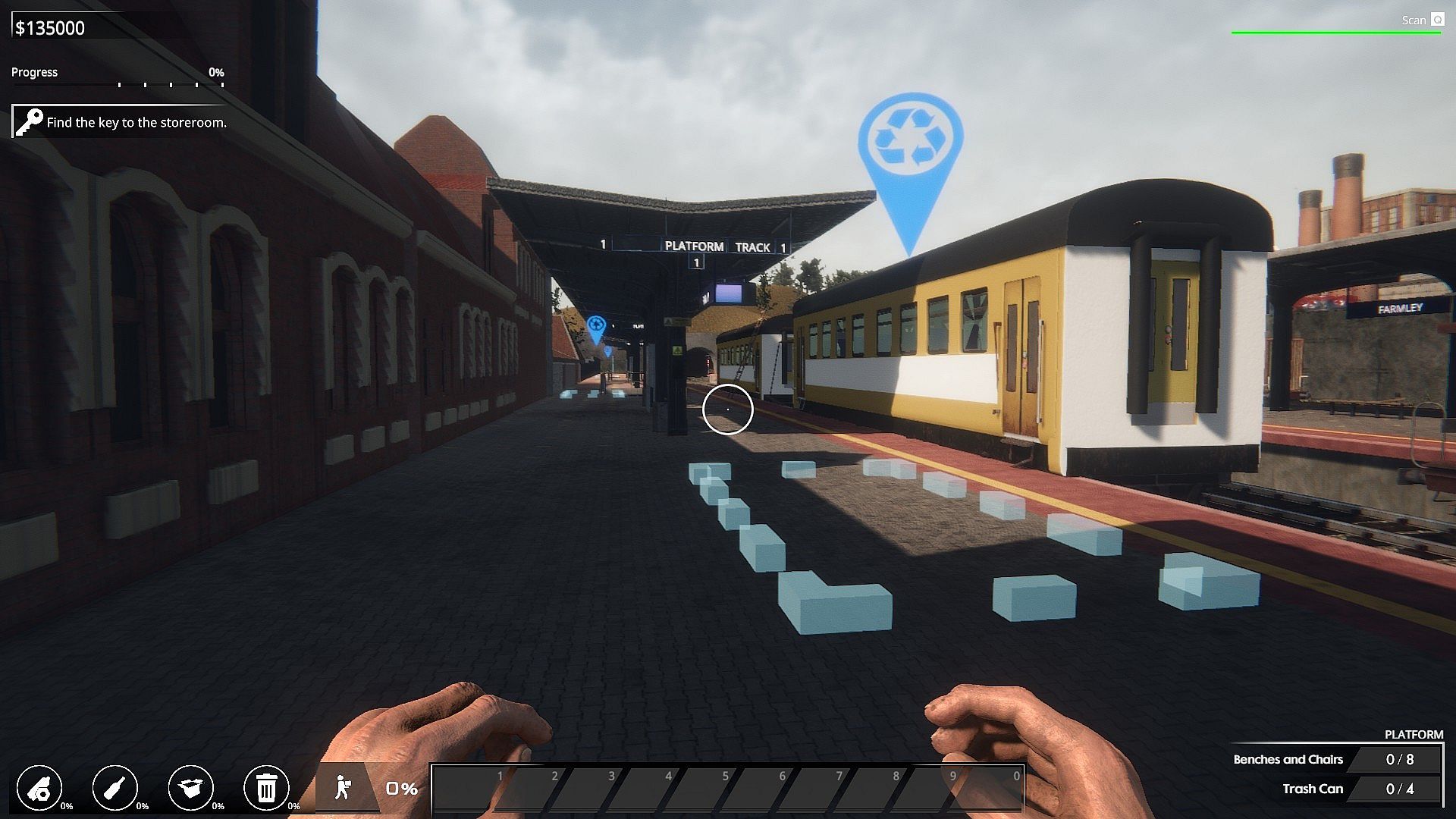
Decoration forms a major part of the loop. Players place benches, vending machines, kiosks, and other functional pieces in chosen locations to shape both interior and exterior spaces. This system turns rundown areas into functional, attractive facilities ready for use. The progression through stations gradually layers in these elements, teaching players how to manage increasing scale and complexity without overwhelming early stages.
Game Modes
The game offers flexibility through adjustable commitment levels rather than separate named modes. Completing every objective in a station demands thorough attention to detail and suits players who enjoy exhaustive work. Advancing after finishing only half the planned tasks provides a lighter path that still covers the full sequence of fifteen stations. This choice affects pacing and challenge without altering the underlying renovation activities.
Station progression itself structures the experience. Early maps emphasize basic cleaning and repairs in smaller rural settings. Later maps introduce larger layouts, train renovation elements, and more demanding decoration requirements in urban environments. The gradual introduction of tools, ordering systems, and skill upgrades keeps the focus on steady improvement across the campaign.
Customization and Progression
Skill development encourages repeated play or focused runs on favorite activities. Upgrades improve efficiency on specific tasks and grant access to new options during renovation. Combined with the free placement of decorative and functional items, this system supports personal expression in how each station looks and operates once restored.
Post-launch support includes patches and community-driven content. The game remains open to user-submitted modifications that can expand available tools, items, or station designs over time.
Is It Worth Playing?
Train Station Renovation appeals to players who enjoy methodical simulation tasks and creative decoration in a single-player setting. The adjustable difficulty makes it accessible for relaxed sessions or more demanding completions. Overall reviews stand at very positive, reflecting steady appreciation for the renovation loop and visual results. Recent player feedback shows mixed results in the short term, yet the established base of positive long-term responses highlights its value for those seeking a focused, low-pressure renovation experience on PC. The combination of tool-based work, economic management, and station-building elements delivers consistent engagement across the fifteen maps for fans of the genre.