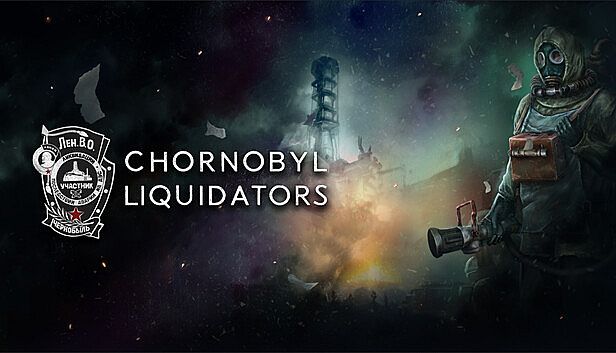



























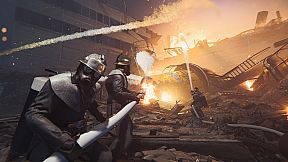
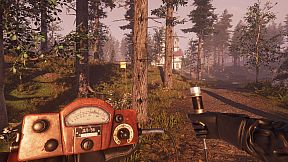
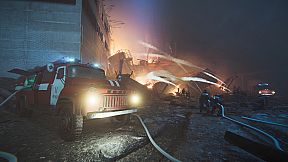
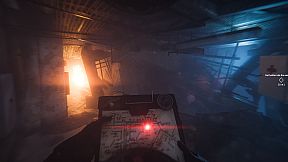
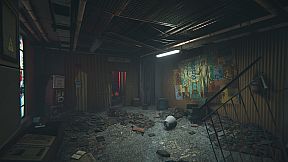
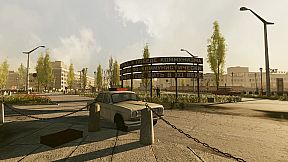
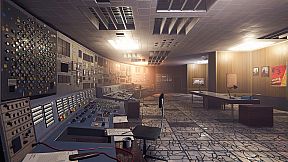
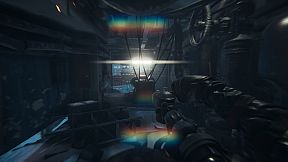
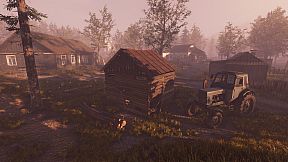
Chornobyl Liquidators is a first-person single-player action simulation adventure game that places players in the role of liquidators responding to the 1986 Chernobyl nuclear disaster. The experience blends simulation mechanics with role-playing elements and narrative choices, focusing on radiation management, equipment use, and moral decisions amid the historical events at the Chernobyl Nuclear Power Plant and surrounding areas.
Gameplay
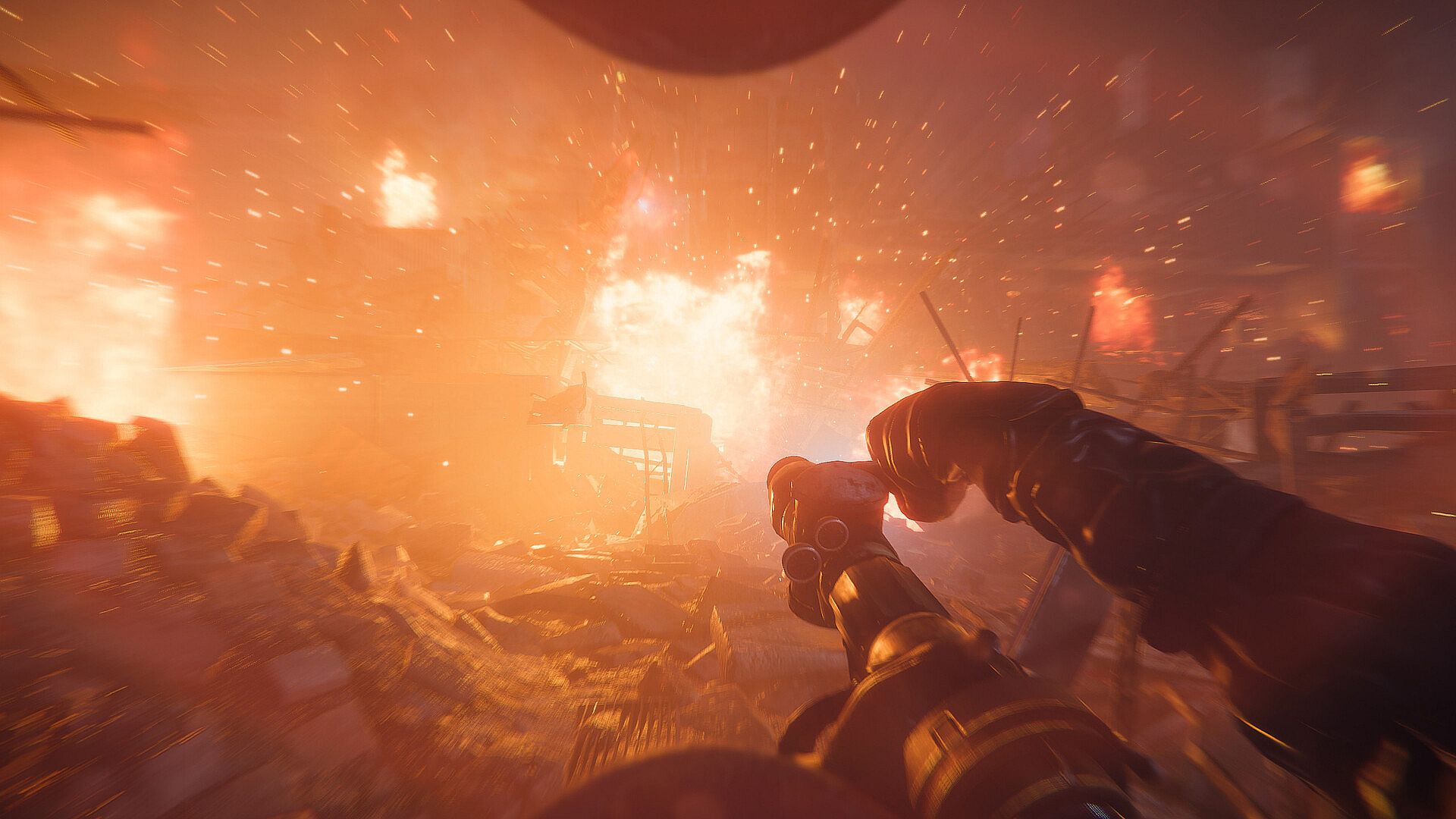
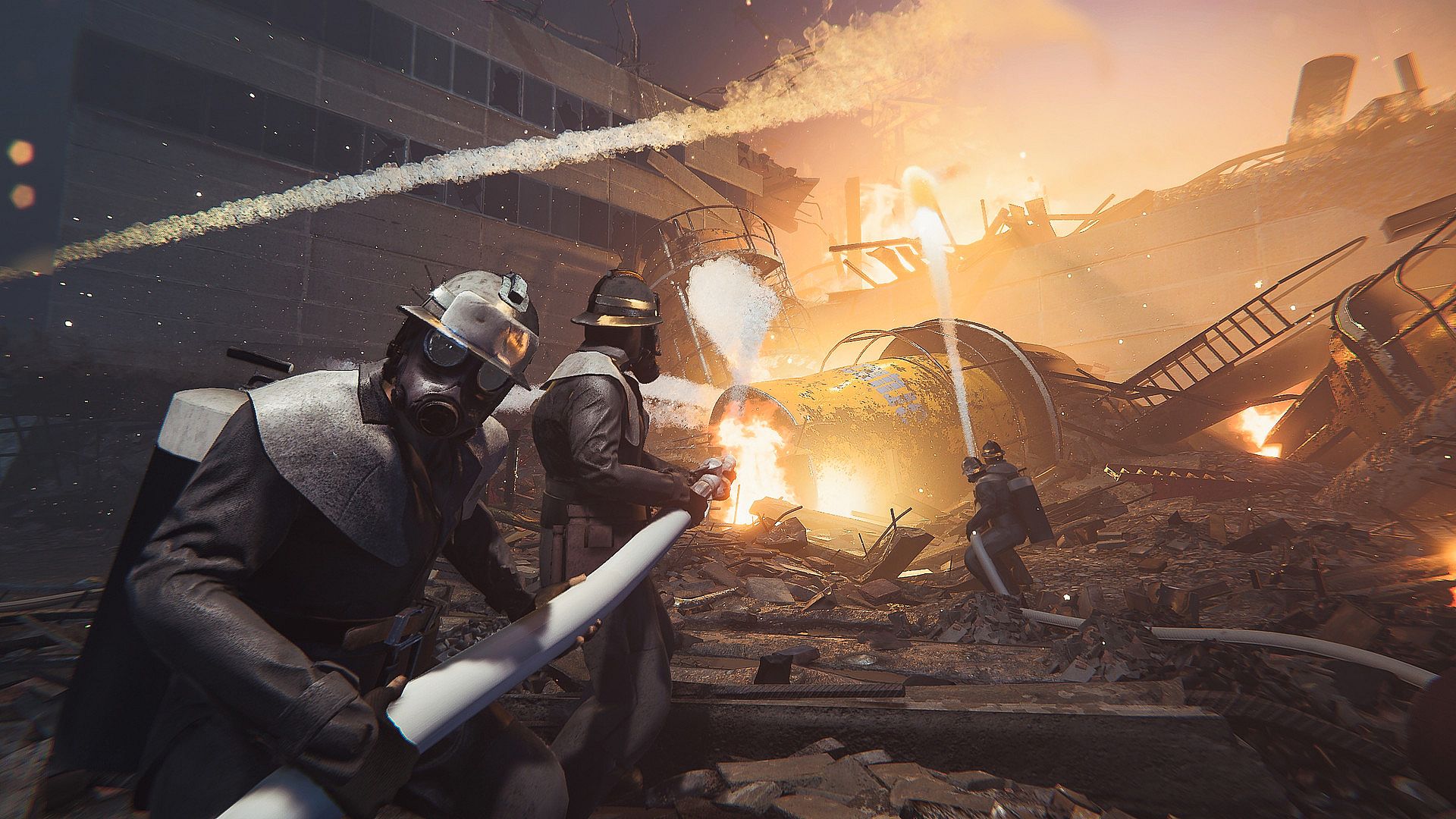
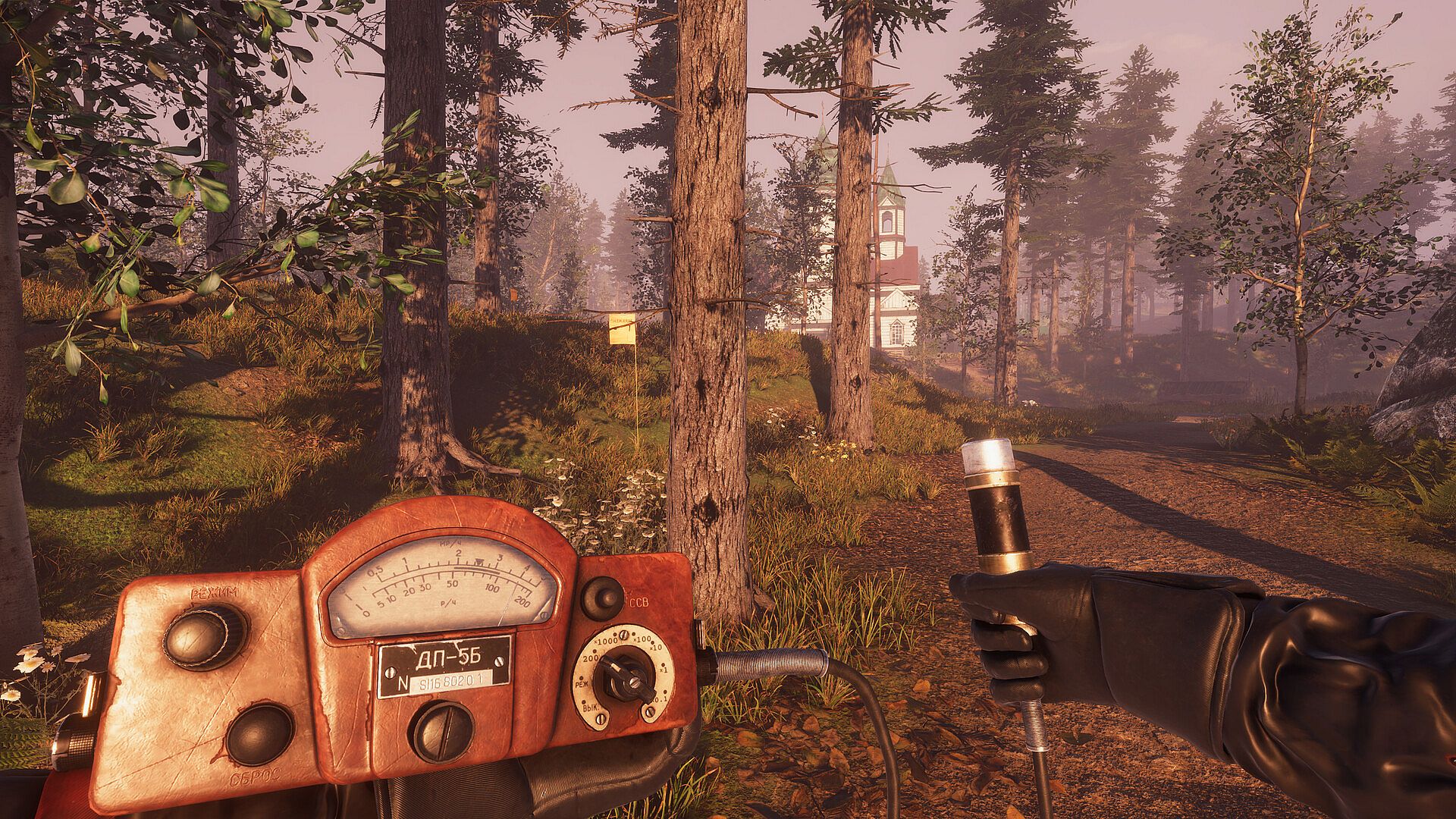
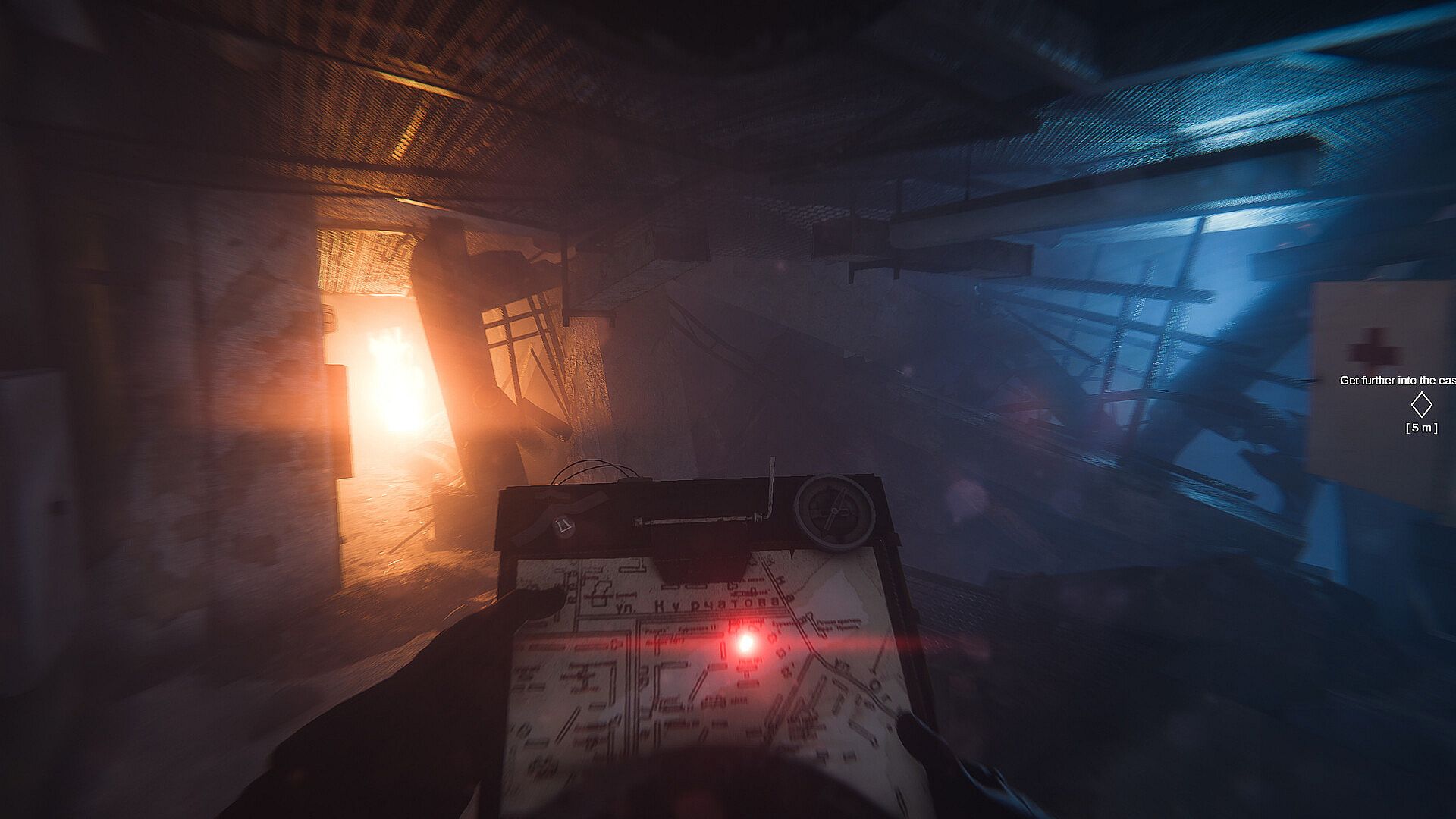
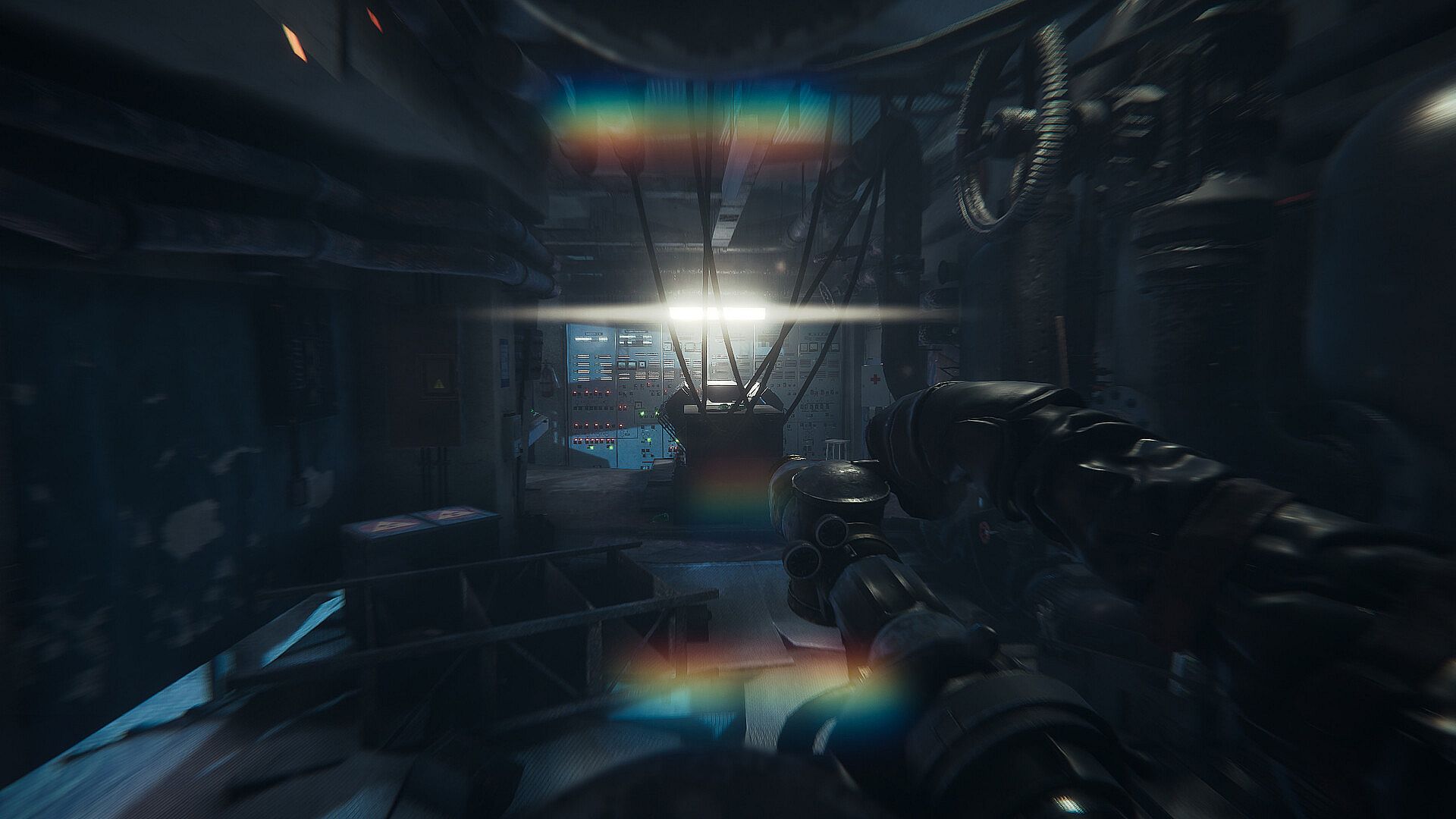
The core loop centers on first-person tasks that simulate the real efforts of liquidators. Players switch between roles such as firefighter, dosimetrist, and commanding officer while using specialized firefighting tools and chemical protection gear. Radiation serves as a constant threat that must be countered through decontamination sprays, floor scrubbing, graphite removal with shovels, and careful navigation in protective suits.
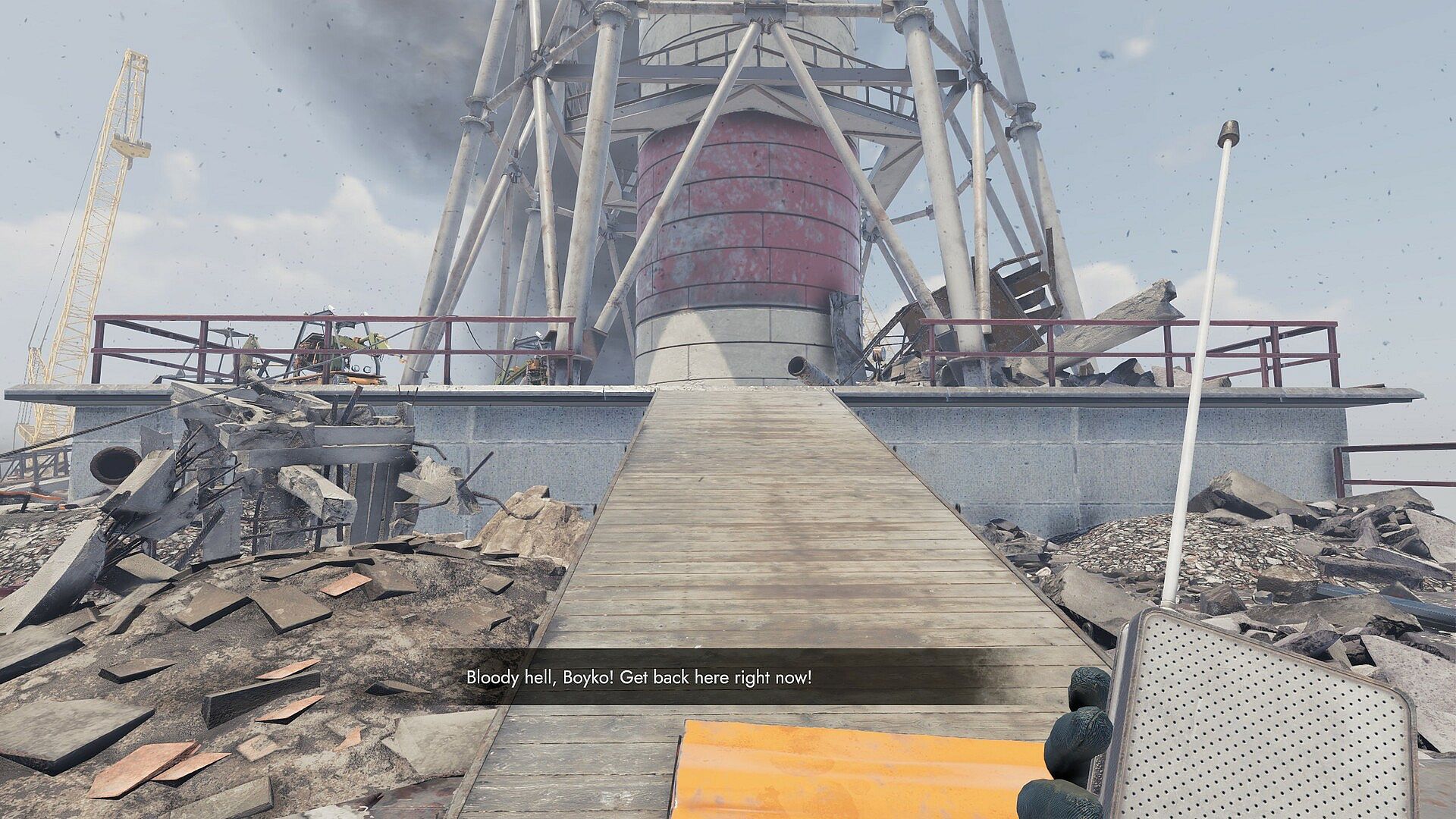
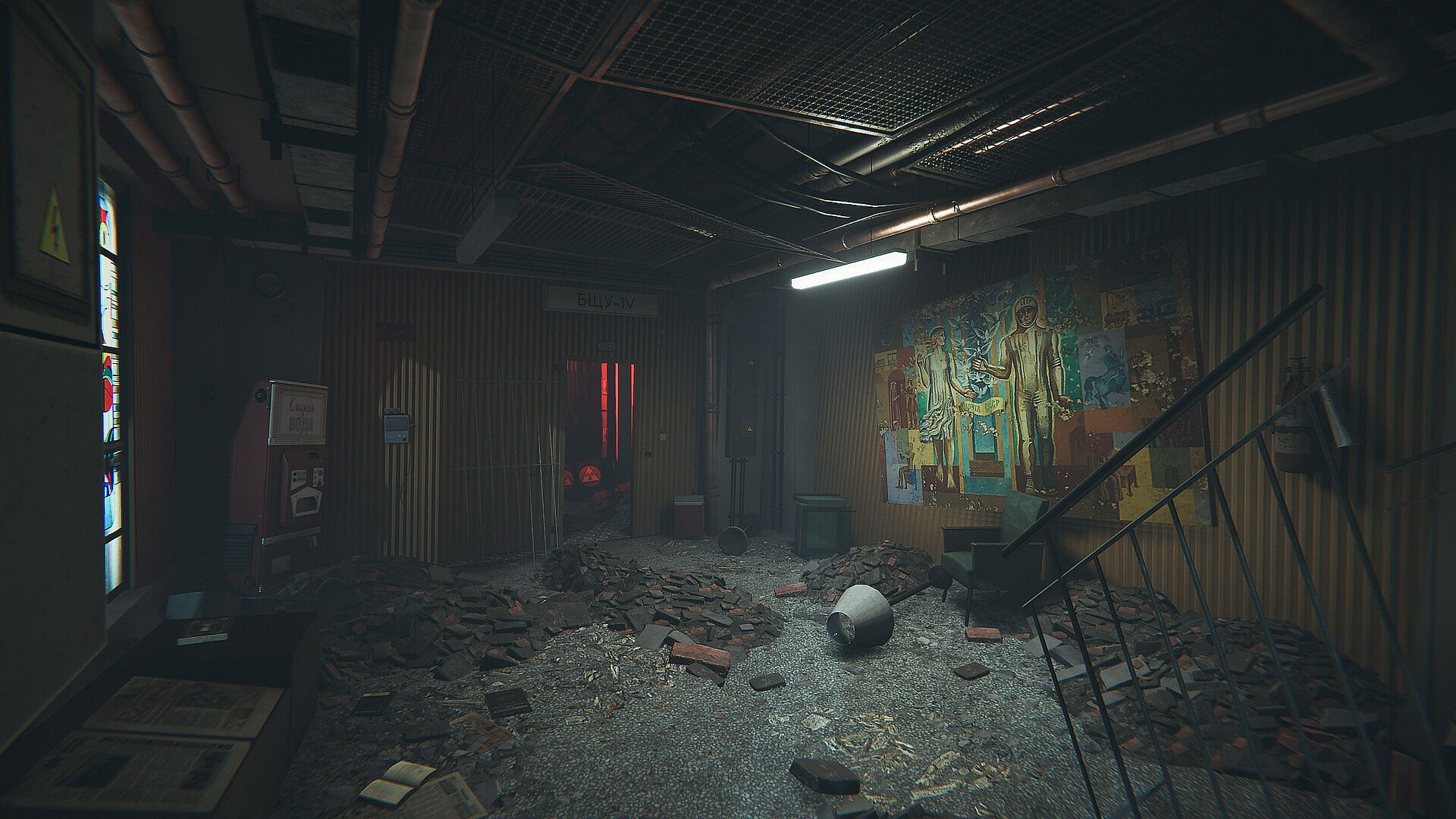
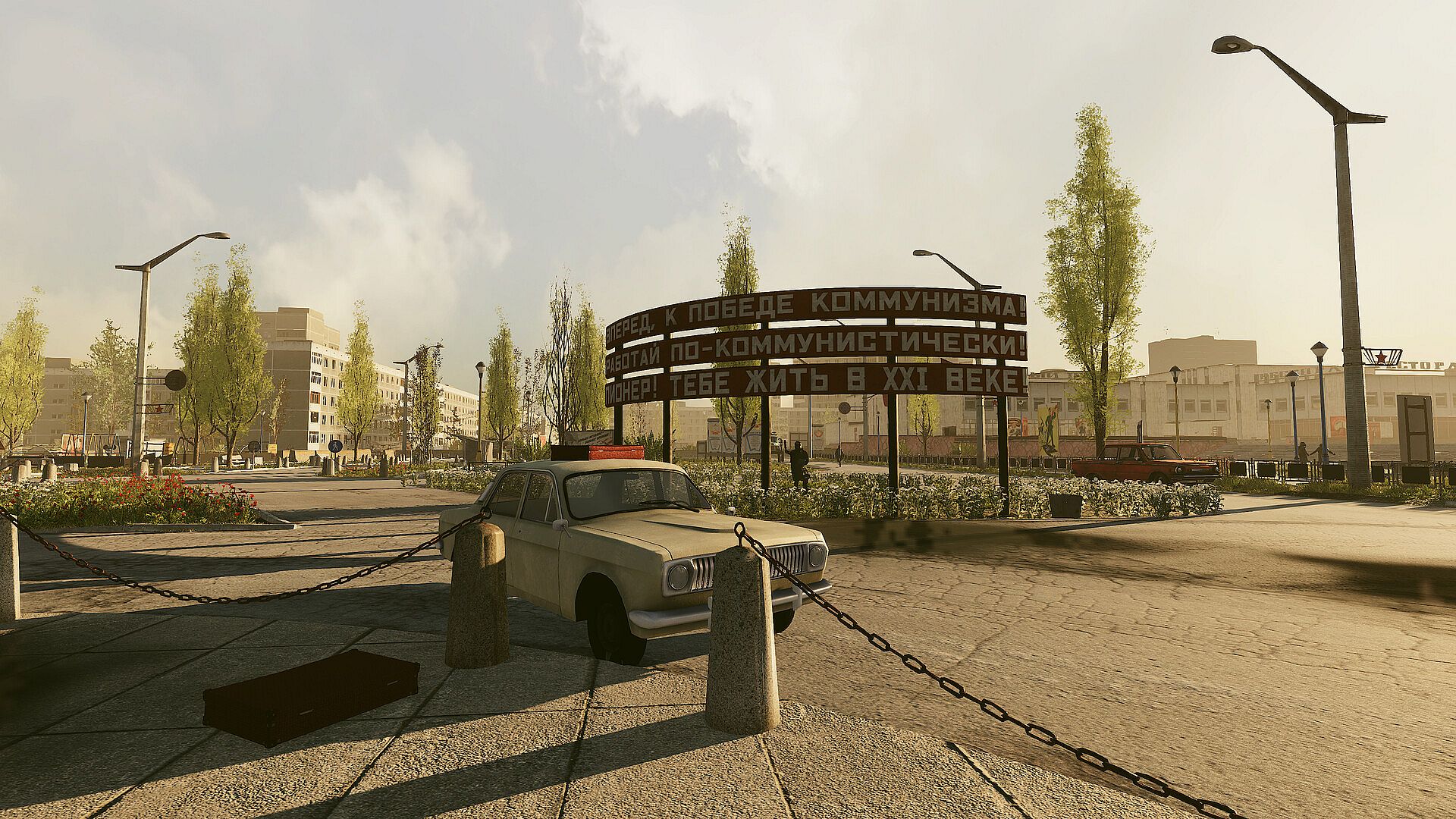
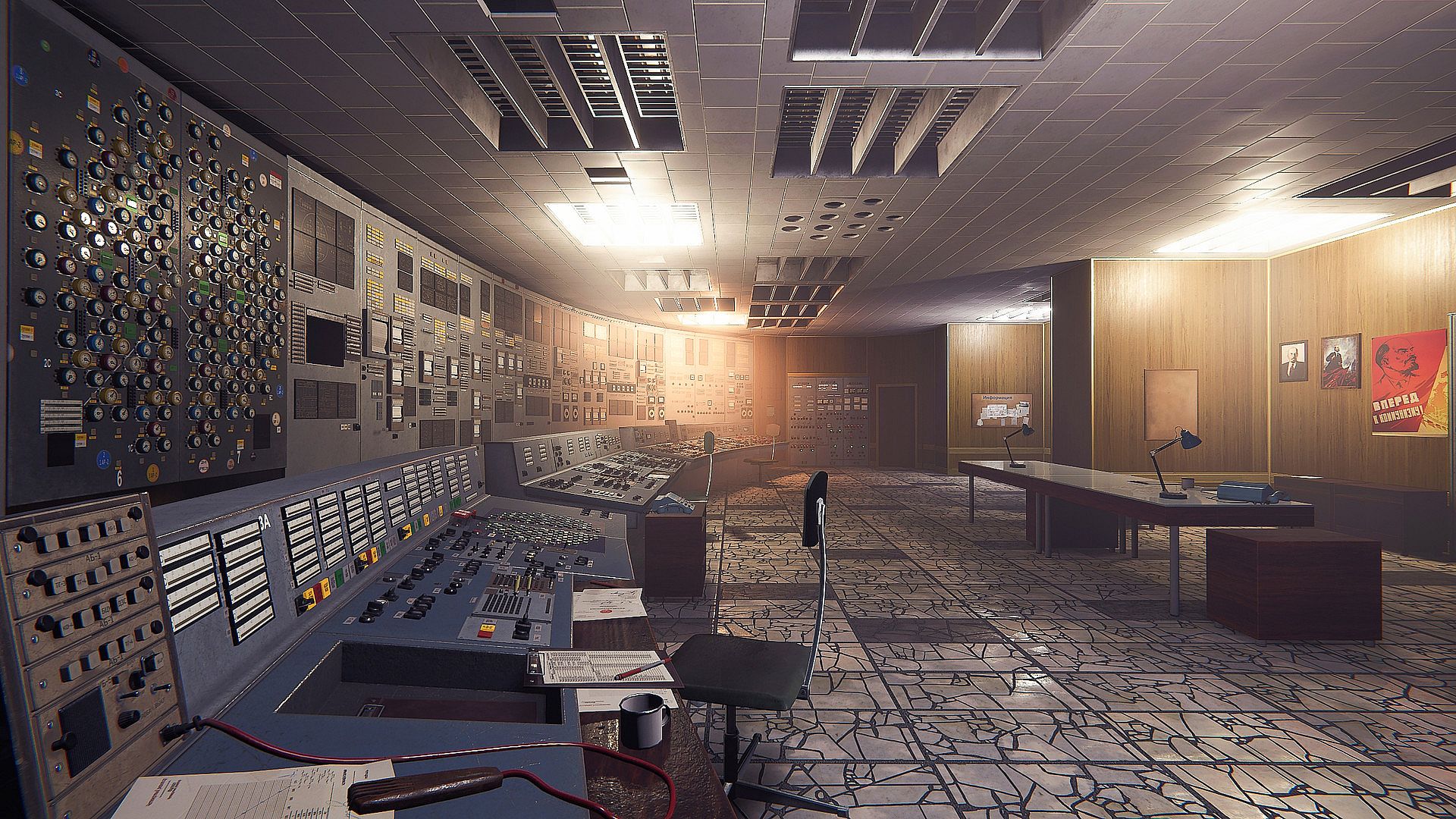
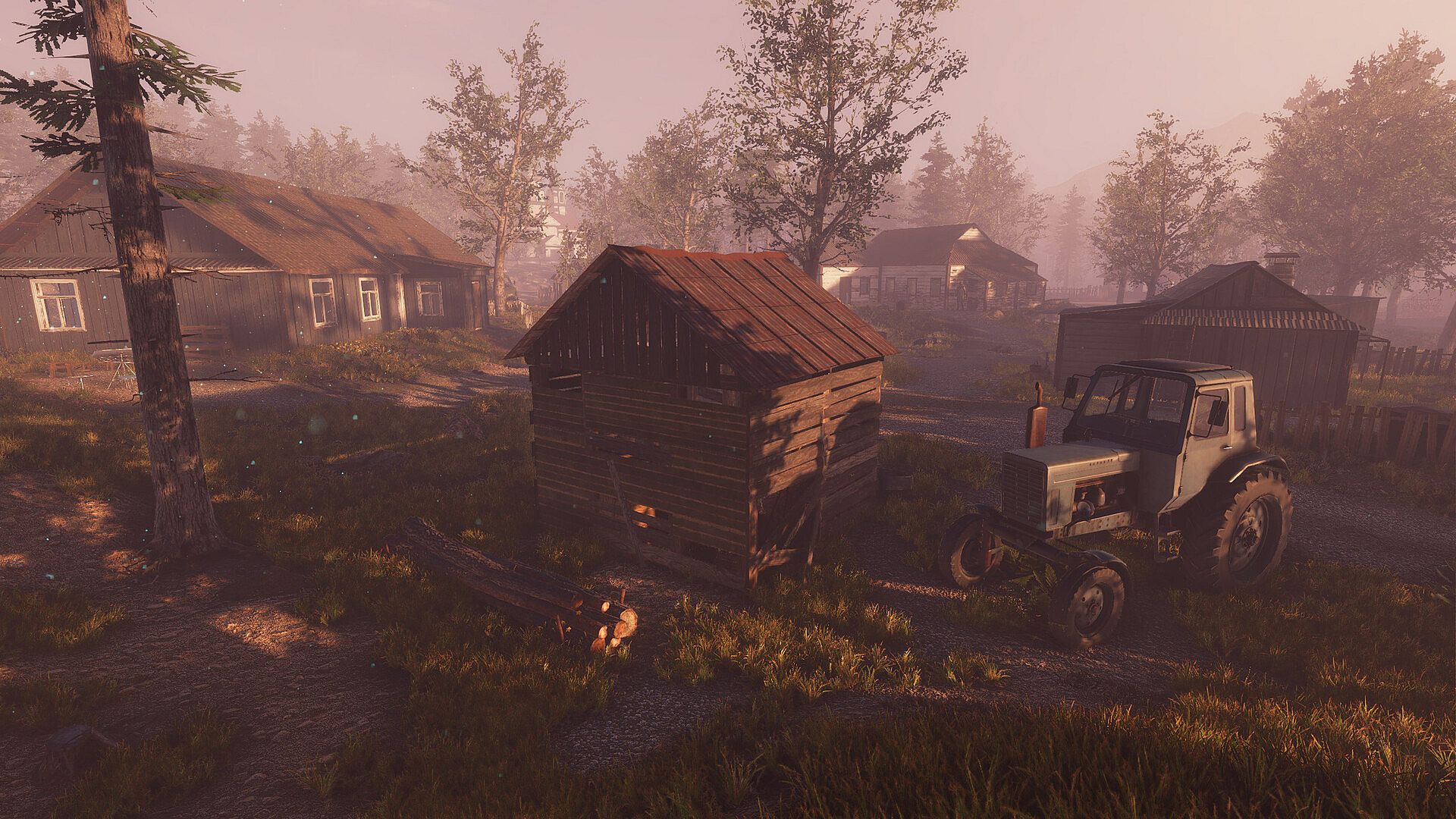
Exploration takes players through the power plant ruins, tunnels beneath reactors, the abandoned city of Pripyat, and specific sites like the roof of Unit 3's turbine hall. Inventory management and a radial menu handle equipment and consumables, while conversations with characters and collection of documents advance the understanding of events. Moral choices appear during interactions with Soviet authorities, including KGB figures, and these decisions influence personal outcomes as well as broader story branches involving family safety versus revealing information.
Alcohol and drugs function as interactive elements that can alter character statistics in line with the historical setting. The gameplay remains linear, with missions progressing through sequential objectives that emphasize survival against invisible hazards rather than open-world freedom.
Game Modes
The game operates entirely in a single-player format with one continuous campaign. Players progress through a sequence of missions that follow the timeline of the disaster response, incorporating role shifts and accumulating narrative consequences from choices made along the way. No separate multiplayer, competitive, or cooperative modes exist. The structure emphasizes story progression and repeated exposure to radiation hazards across iconic locations, building toward multiple possible endings based on decisions regarding truth and compliance.
Setting and Narrative
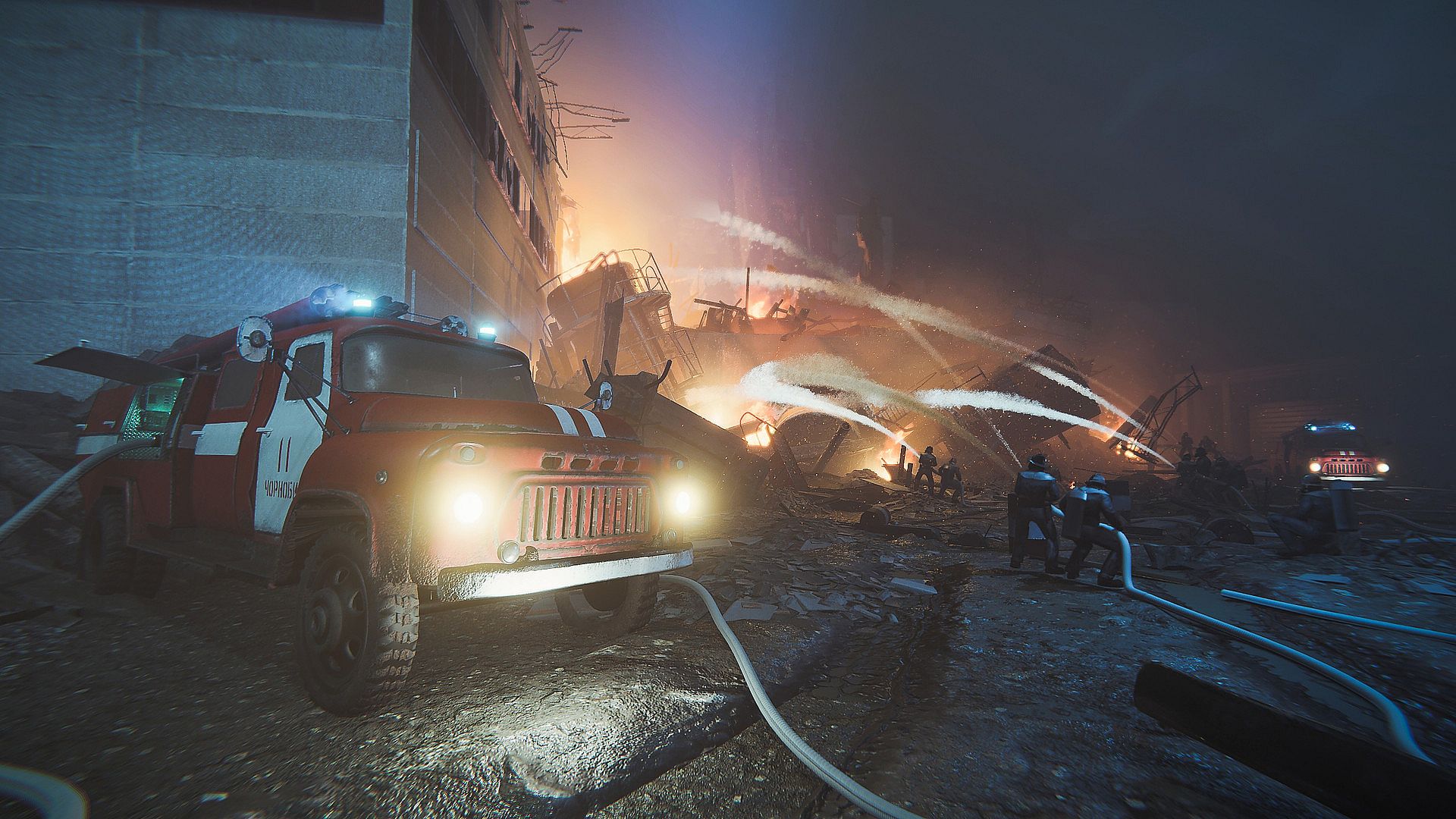
The game recreates the immediate aftermath of the reactor explosion on April 26, 1986, focusing on the human cost rather than fantastical elements. Players confront the realities of radioactive contamination while navigating the constraints of the Soviet system. Documents and dialogues reveal layers of information about the incident, and the nameless protagonist's actions tie personal stakes to larger historical outcomes. The atmosphere relies on environmental details of contaminated zones and the tension of operating under repression.
Is It Worth Playing?
This title suits players interested in historical simulation combined with branching narrative choices and radiation survival mechanics. The single-player campaign delivers a focused experience centered on equipment handling, decontamination tasks, and difficult decisions that affect multiple story paths. Reviews show mixed reception, with approximately 50 percent positive ratings reflecting both appreciation for the premise and concerns over technical issues. Those drawn to grounded depictions of real events and role-specific tasks may find value in the campaign, while players seeking polished mechanics or varied modes should consider the current state of development and support.