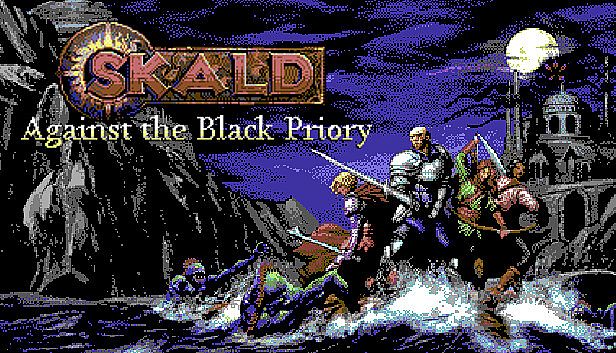


























SKALD: Against the Black Priory stands as a single-player indie RPG that blends turn-based tactics with exploration in a dark fantasy setting marked by cosmic horror and moral choices.
Gameplay
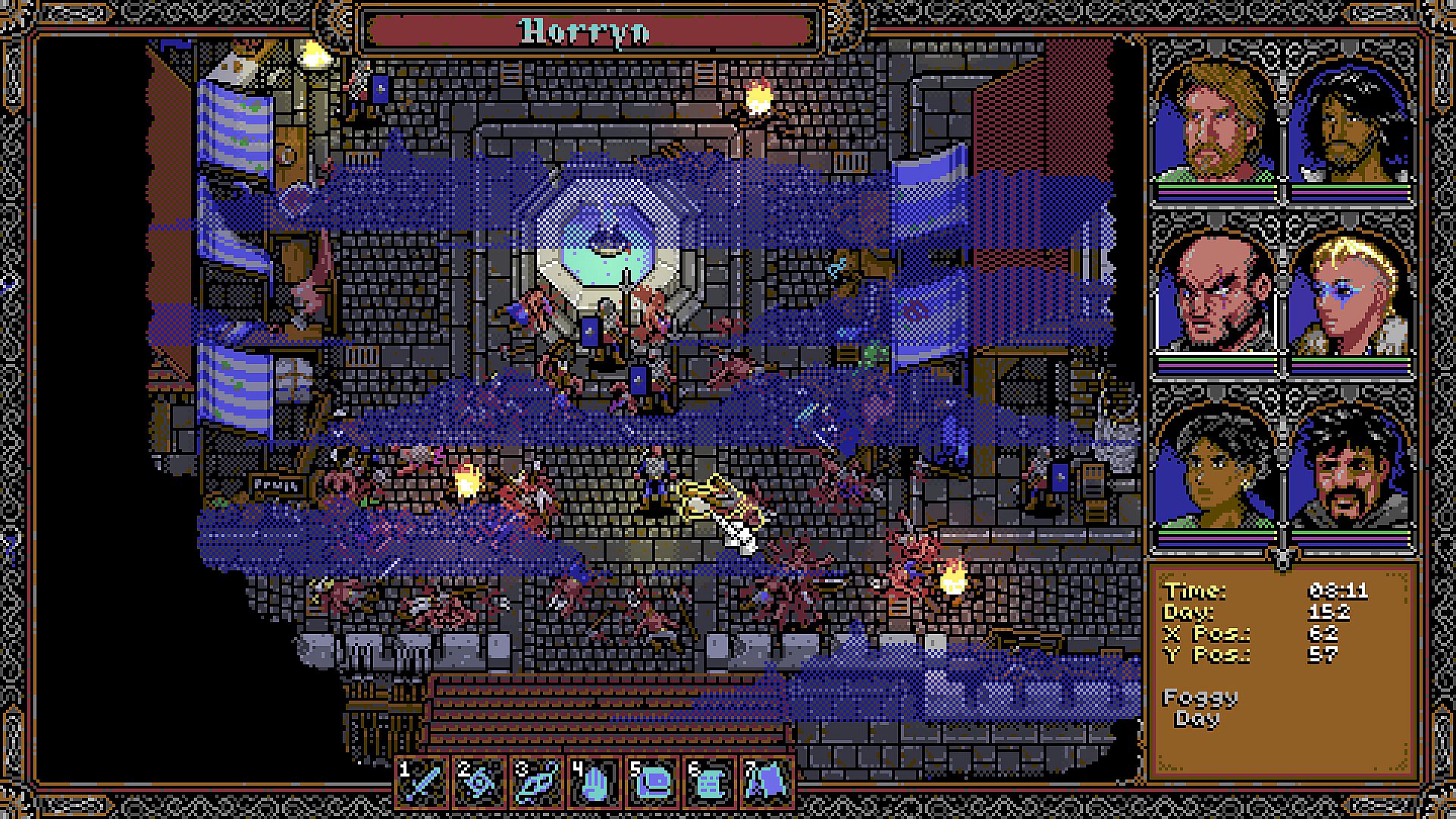
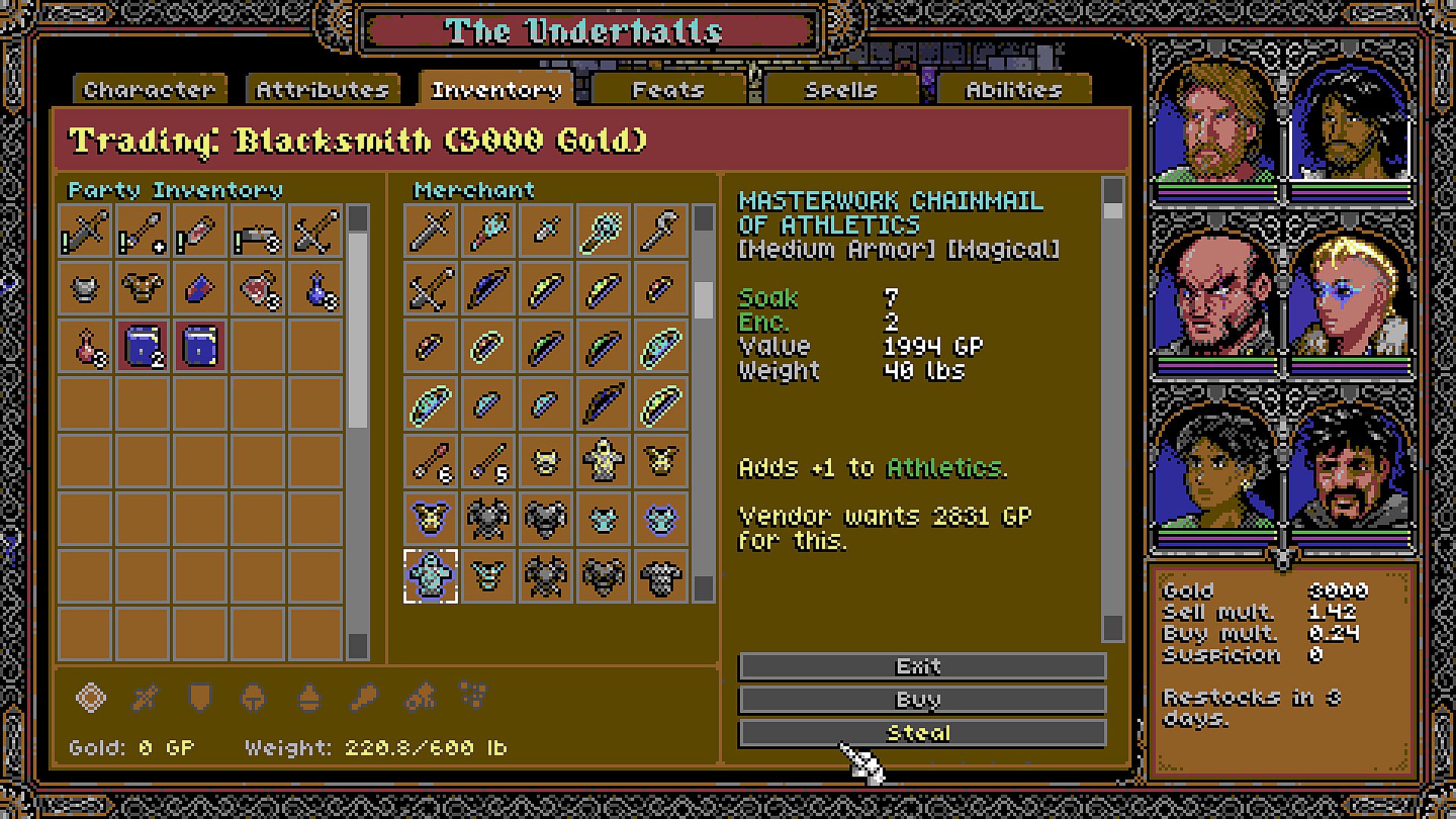
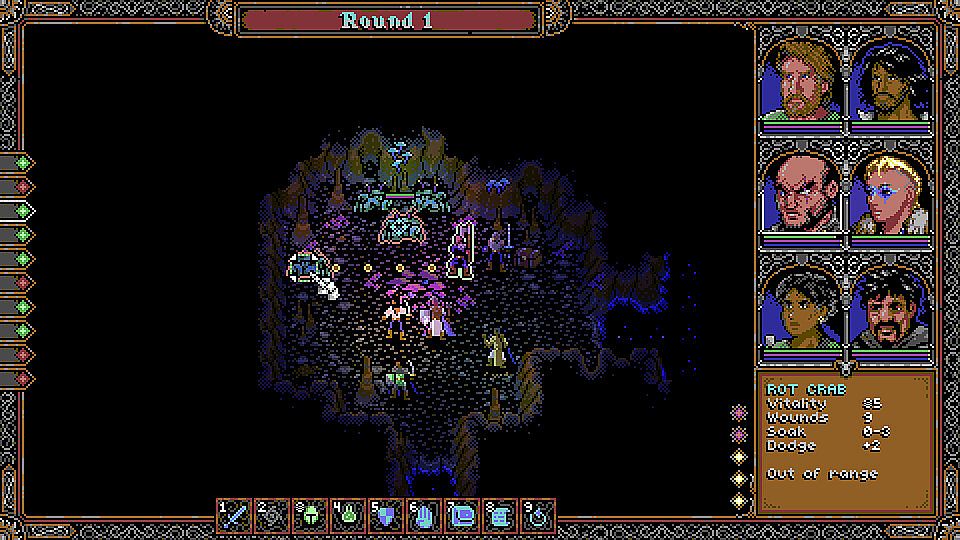
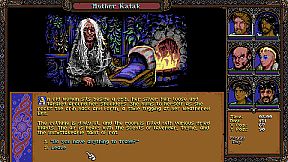
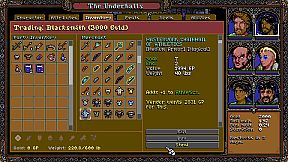
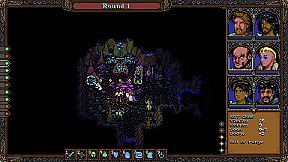
Players begin by creating a custom character and assembling a party of up to several allies drawn from varied backgrounds and personalities. Each hero levels up to a maximum of 20, with choices across a dozen classes that shape skills, spells, and equipment. Combat unfolds in tactical, turn-based encounters where positioning, abilities, and party composition determine outcomes against diverse enemies. Options include direct control for cleaving, blasting, or stealth approaches, or an auto-resolve feature to skip fights when desired. Outside battle, the game emphasizes resource management through crafting and cooking systems that draw from multiple recipes to prepare for longer journeys. Quest logs track objectives while journals reveal layered secrets, and an inventory system handles gear swaps efficiently. Dialogue branches based on player decisions, often incorporating dice rolls that introduce risk to negotiations or survival checks. The core loop cycles between overland travel, investigation of hidden locations, and preparation for the next challenge in an unforgiving environment.
Game Modes
The experience centers on a single-player campaign that follows a mercenary's path through the tainted shores of Idra toward the Black Priory and further into the broader world of Freymark and the Outer Isles. No competitive or cooperative multiplayer options exist. Instead, the structure supports extended play through optional modded content created with the dedicated SKaDE editing tool, which grants access to the full asset library for custom adventures. This tool operates via mod.io integration and remains available exclusively on PC, allowing players to generate and share new scenarios without additional purchase. The base game delivers one cohesive narrative arc focused on unraveling eldritch mysteries tied to the Gallian Empire, with replay value stemming from different party builds, background selections, and dialogue paths rather than separate modes.
Story and Exploration
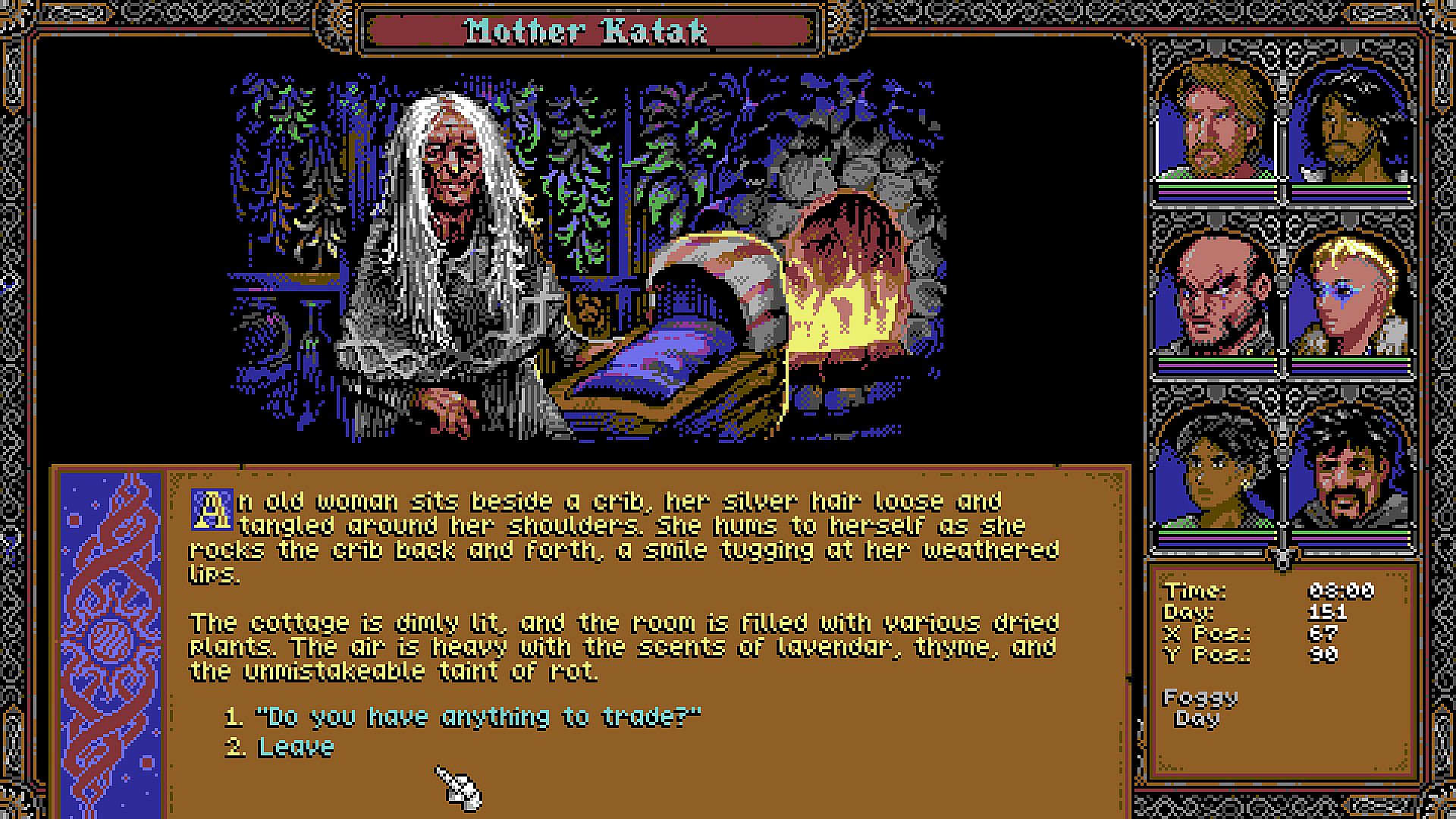
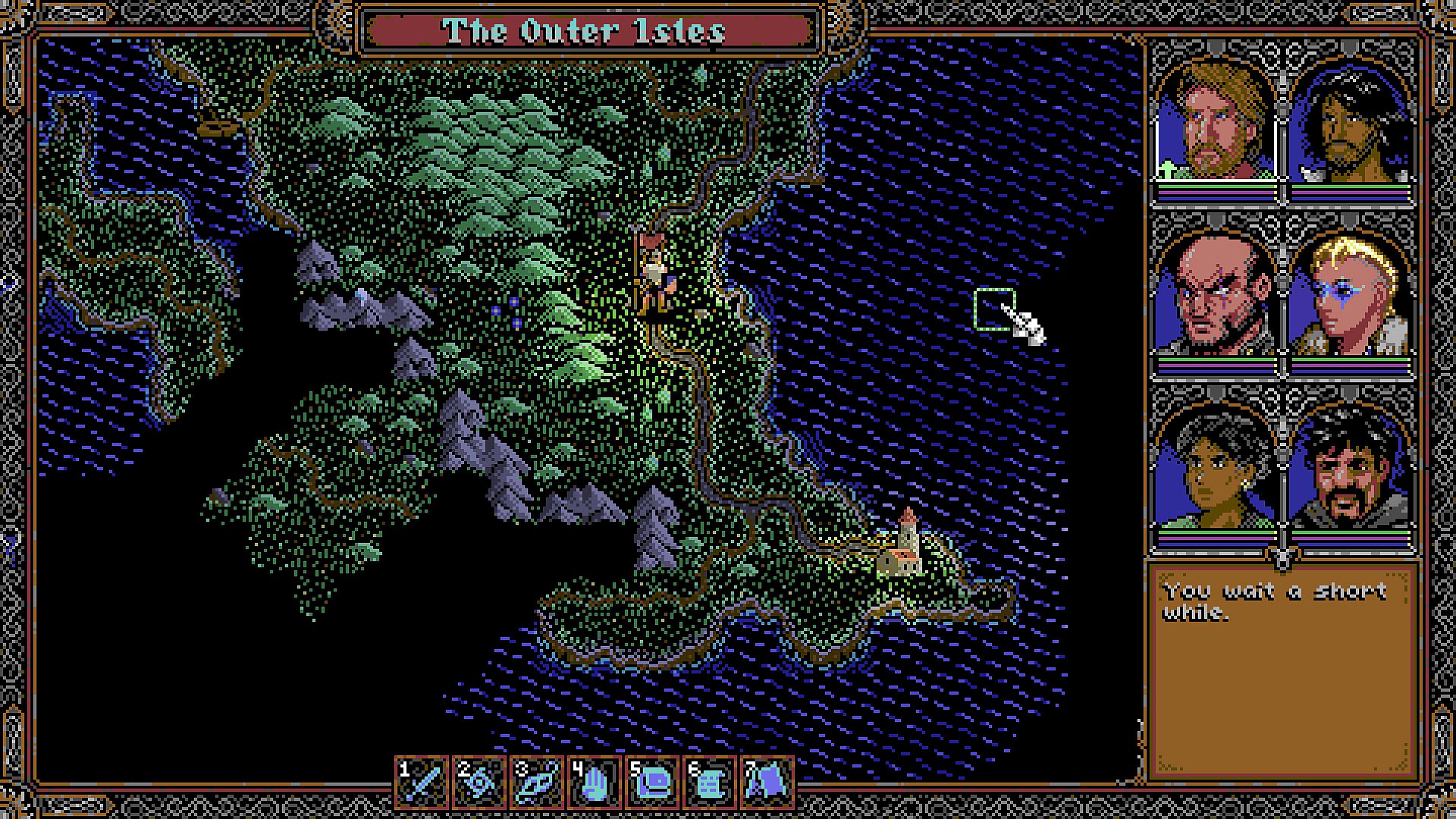
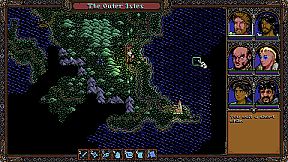
The narrative places players in the role of a survivor washed ashore on Idra, tasked with leading broken heroes through regions steeped in tragedy and otherworldly threats. Choice-driven conversations steer alliances and outcomes, while journals and environmental details uncover the empire's hidden schemes. Exploration rewards careful mapping of craggy shorelines, dense interiors, and island expanses, often leading to encounters with deadly creatures that test party readiness. Levelling and customization allow tailoring spells and gear to preferred playstyles, encouraging multiple runs to experience alternate resolutions to key events.
Visuals and Atmosphere
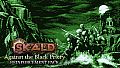
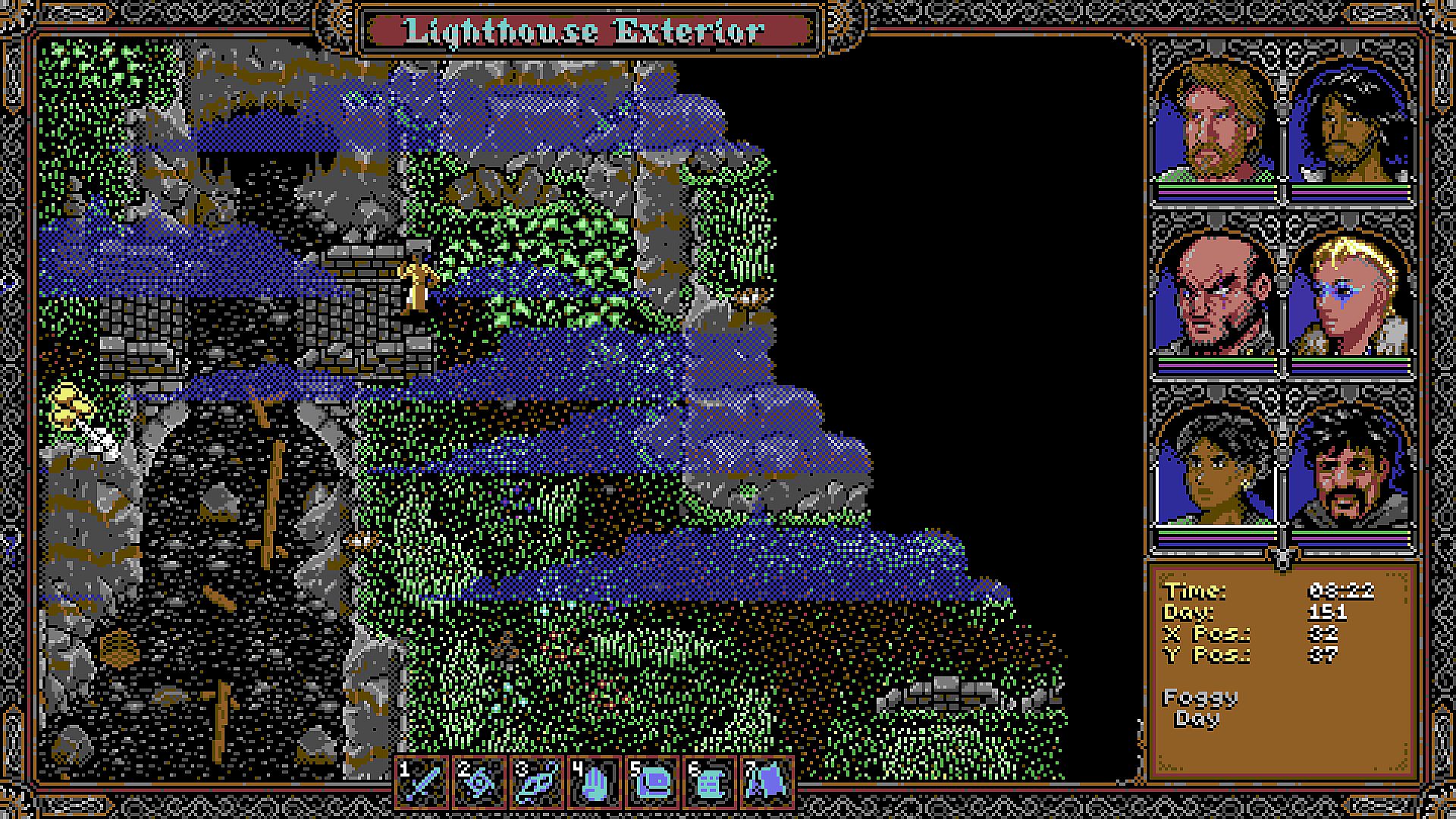
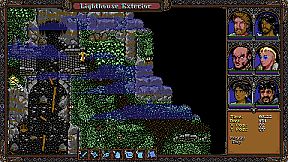
Authentic 8-bit pixel art constructed from thousands of hand-drawn tiles defines the presentation, using a color palette drawn from classic Commodore 64 aesthetics. An optional CRT filter enhances the retro presentation for those seeking that specific visual fidelity. The world conveys isolation and dread through detailed environments that contrast natural elements like crying gulls and seaweed with encroaching horrors, supporting the game's emphasis on tension and discovery without modern graphical flourishes.
Is It Worth Playing?
This title suits players who enjoy methodical party management, tactical combat, and narrative depth in a compact single-player package that typically requires around twenty hours for a complete run. Its retro-inspired systems and modding support extend longevity for those interested in creating or experiencing additional content. Reception has been strongly favorable, with consistent praise for the combat depth, writing quality, and faithful recreation of older CRPG mechanics in a modern framework. Those drawn to Lovecraftian themes, character-driven stories, and deliberate pacing will find the most satisfaction, while players seeking fast action or multiplayer elements may prefer alternatives. The addition of the SKaDE tool further supports ongoing engagement through community creations.