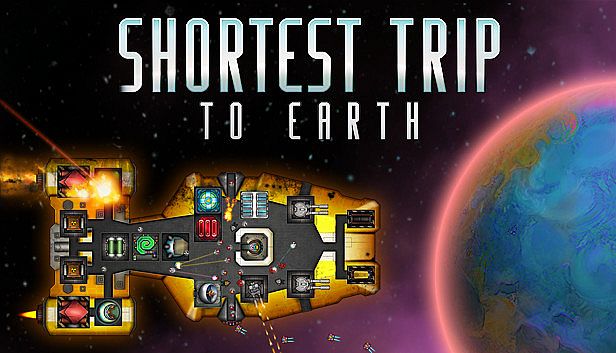

















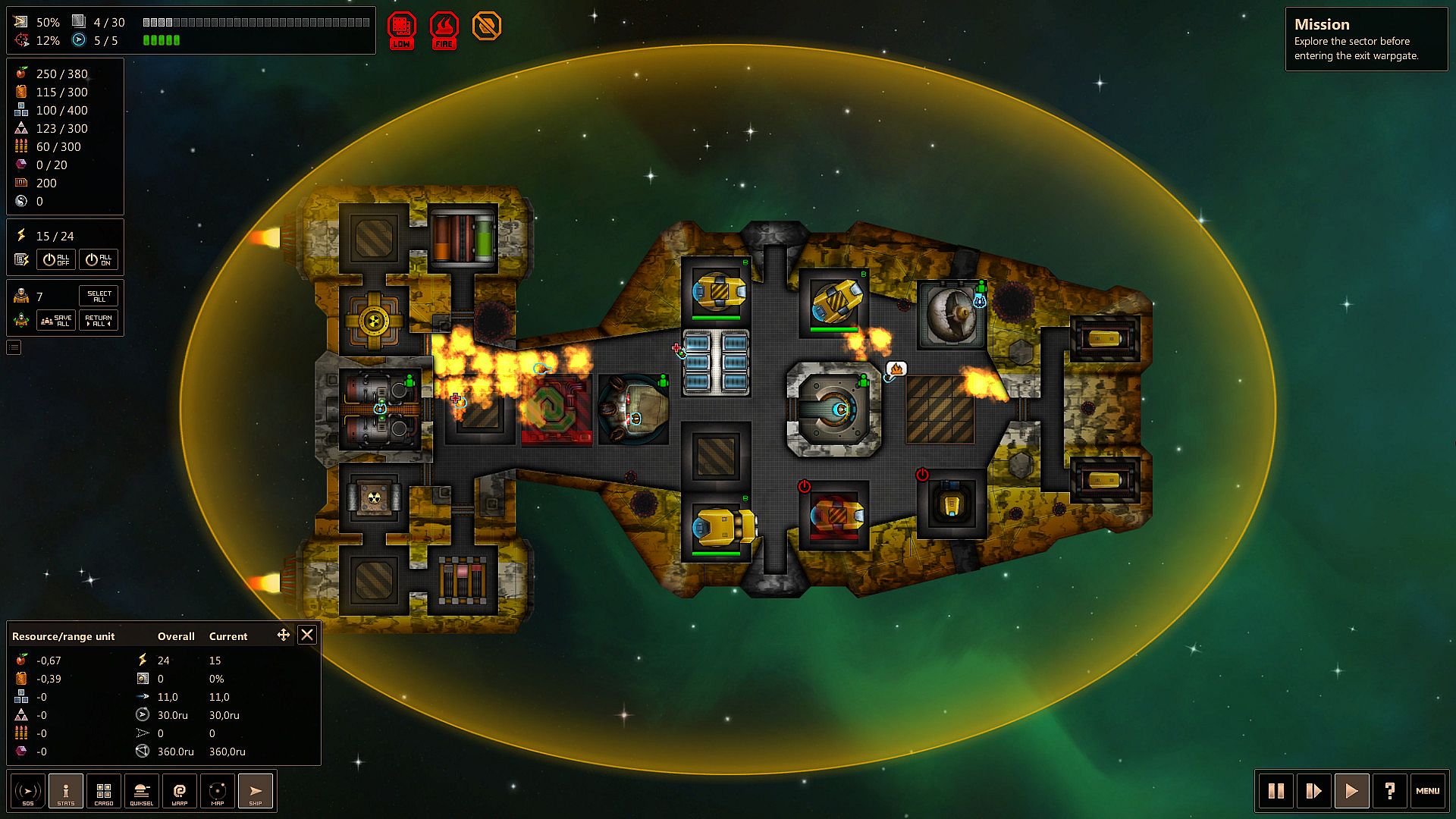
Shortest Trip to Earth is a single-player roguelike spaceship simulator available on PC. Developed as a follow-up project by the writer behind Teleglitch: Die More Edition, it combines procedural exploration of space sectors with detailed ship management and real-time tactical combat. Players take control of customizable vessels crewed by a mix of personnel, drones, and pets while navigating a dangerous universe filled with hostile ships, boarding threats, and unusual lifeforms.
Gameplay
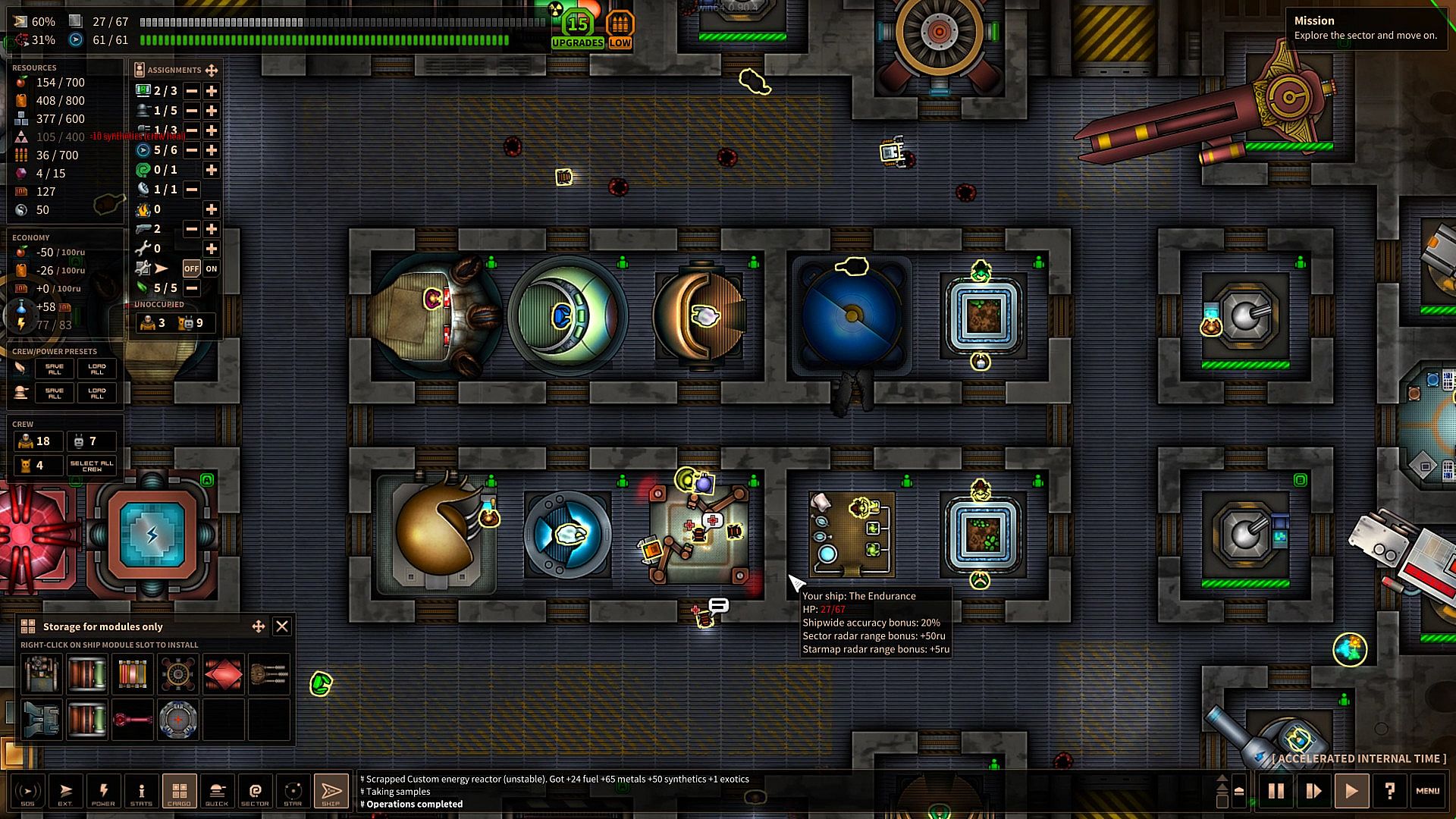
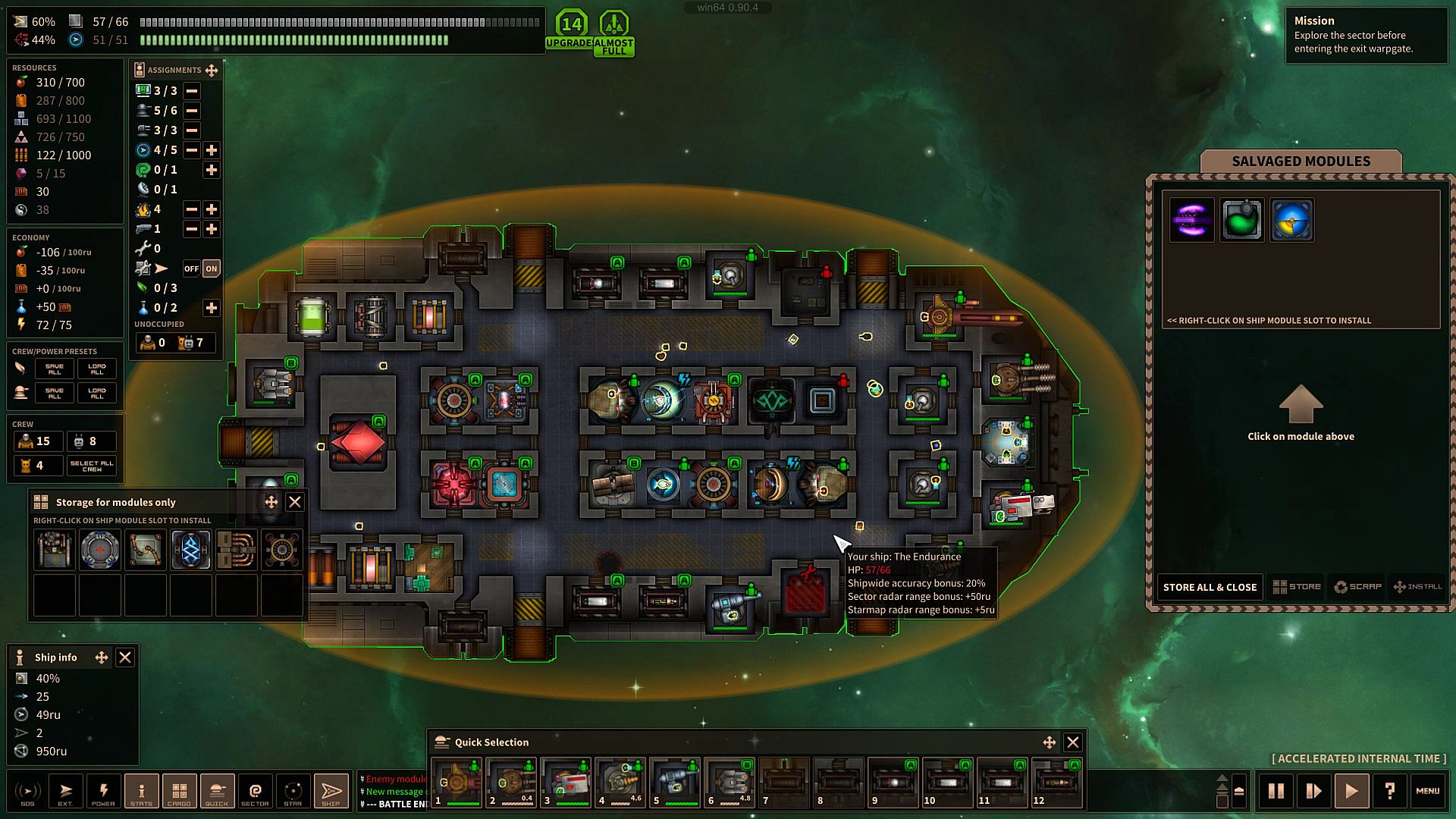
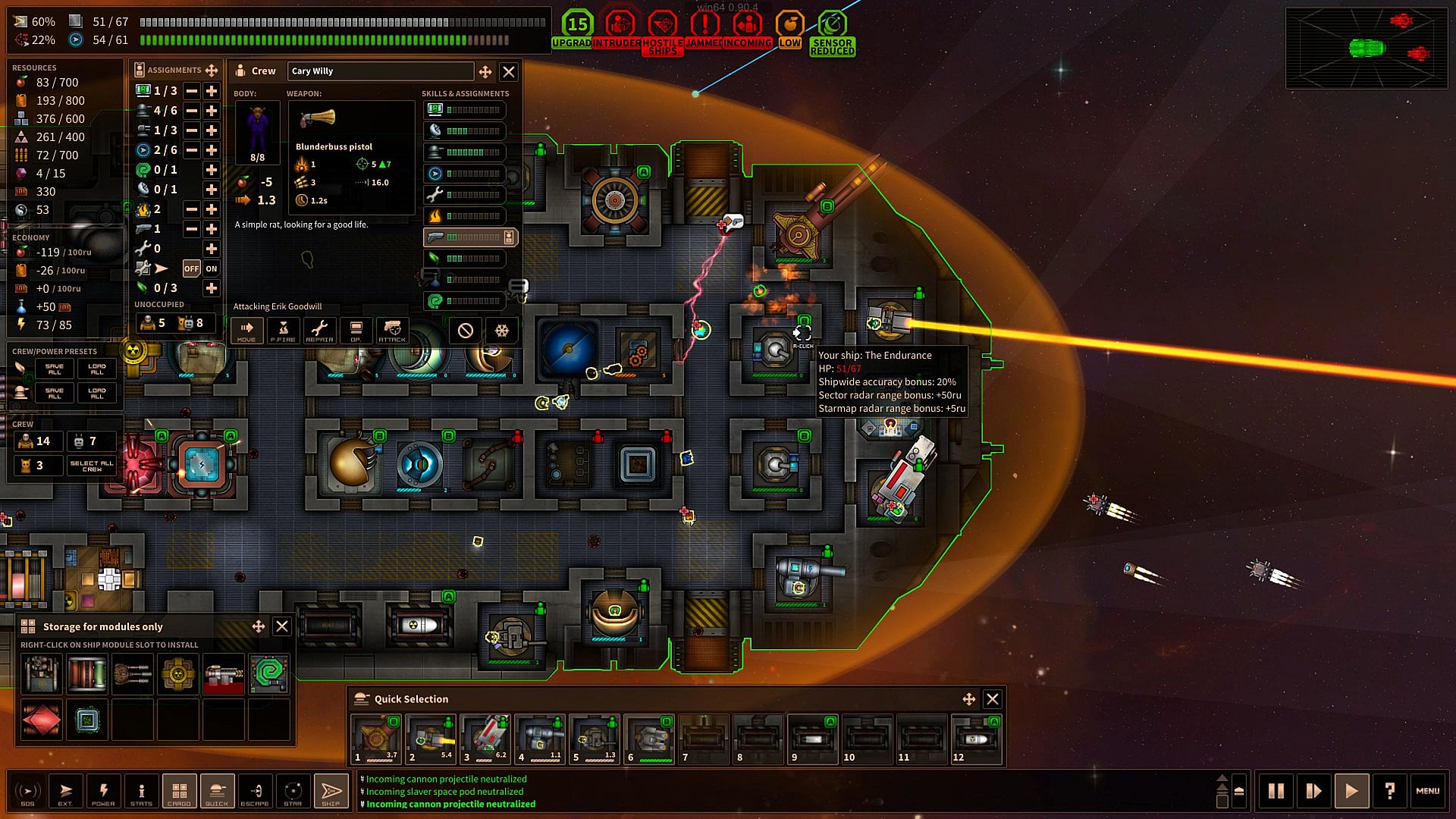
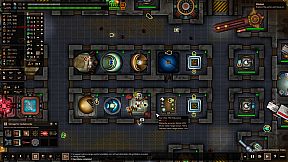
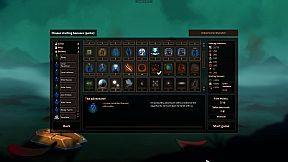
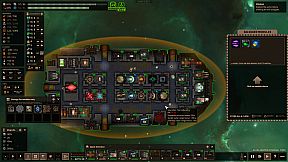
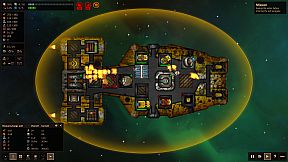
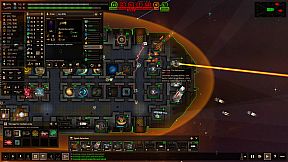
The core loop revolves around surviving runs through procedurally generated space. Each journey begins with selecting one of several available ships, each carrying distinct strengths and weaknesses in speed, durability, and capacity. Resources gathered during travel support crafting and installing modular components that alter weapons, defenses, and utility systems. Hundreds of ship modules allow extensive customization, while onboard life requires attention to crew assignments, pet behaviors, and drone operations.
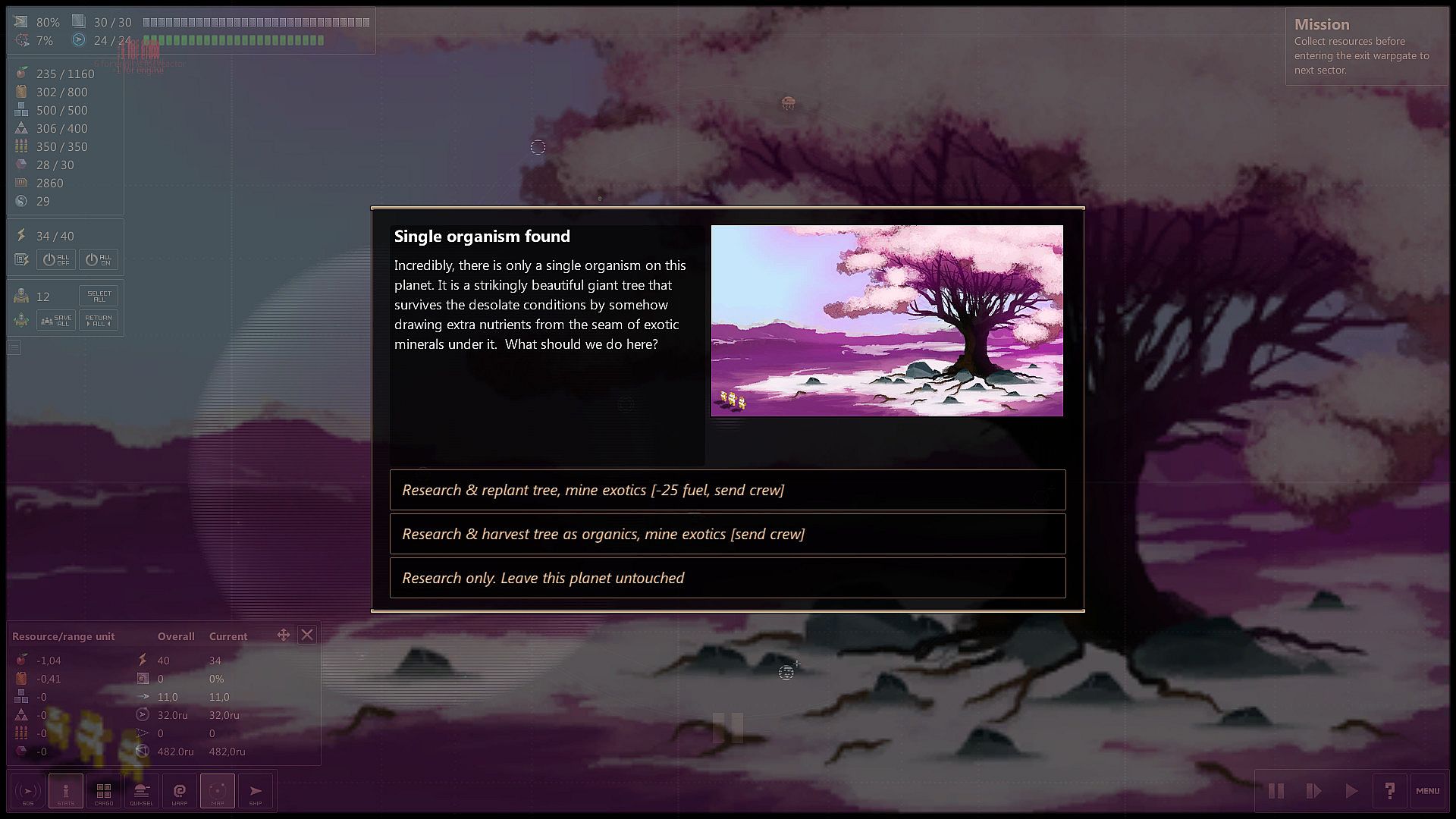
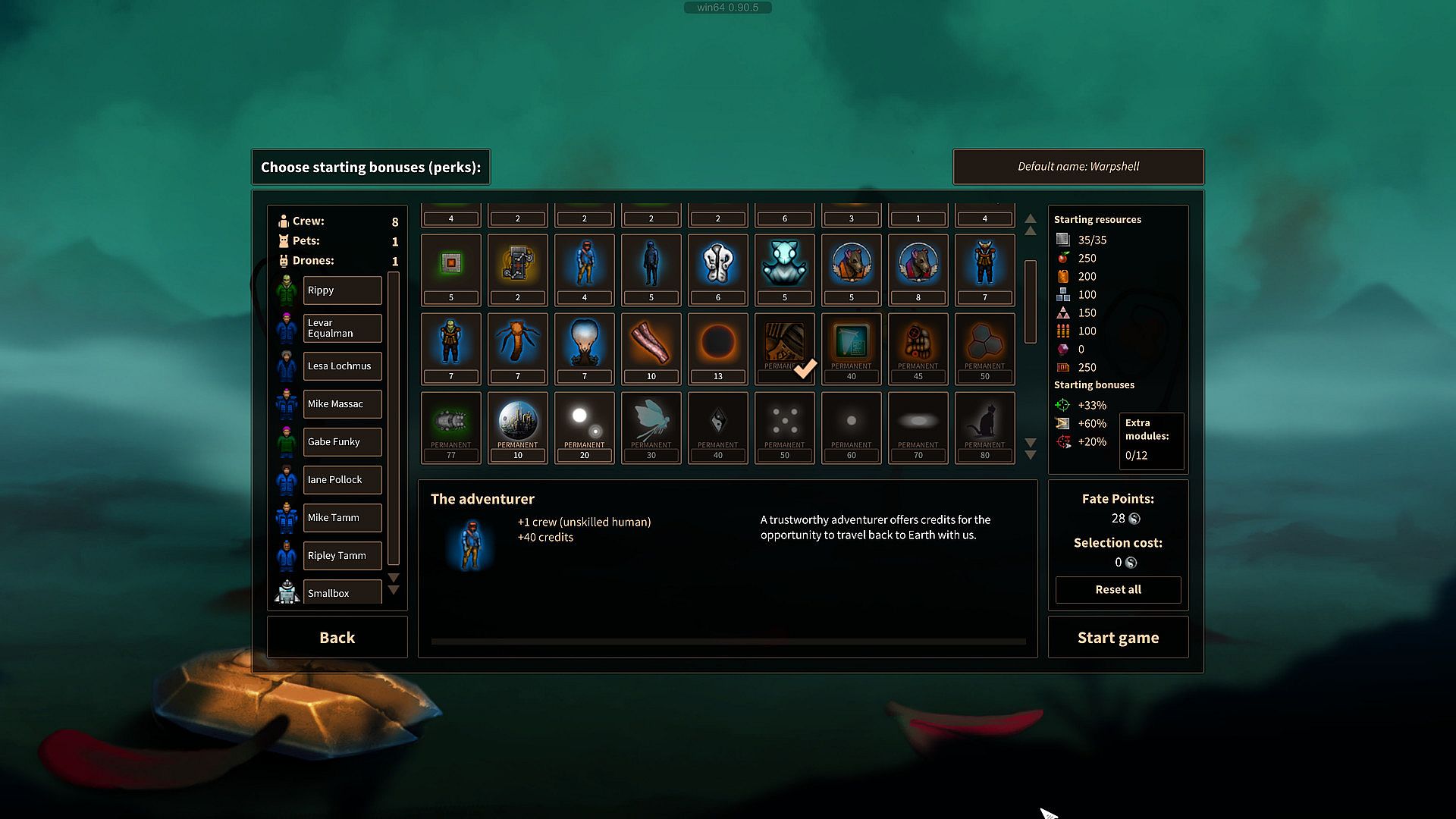
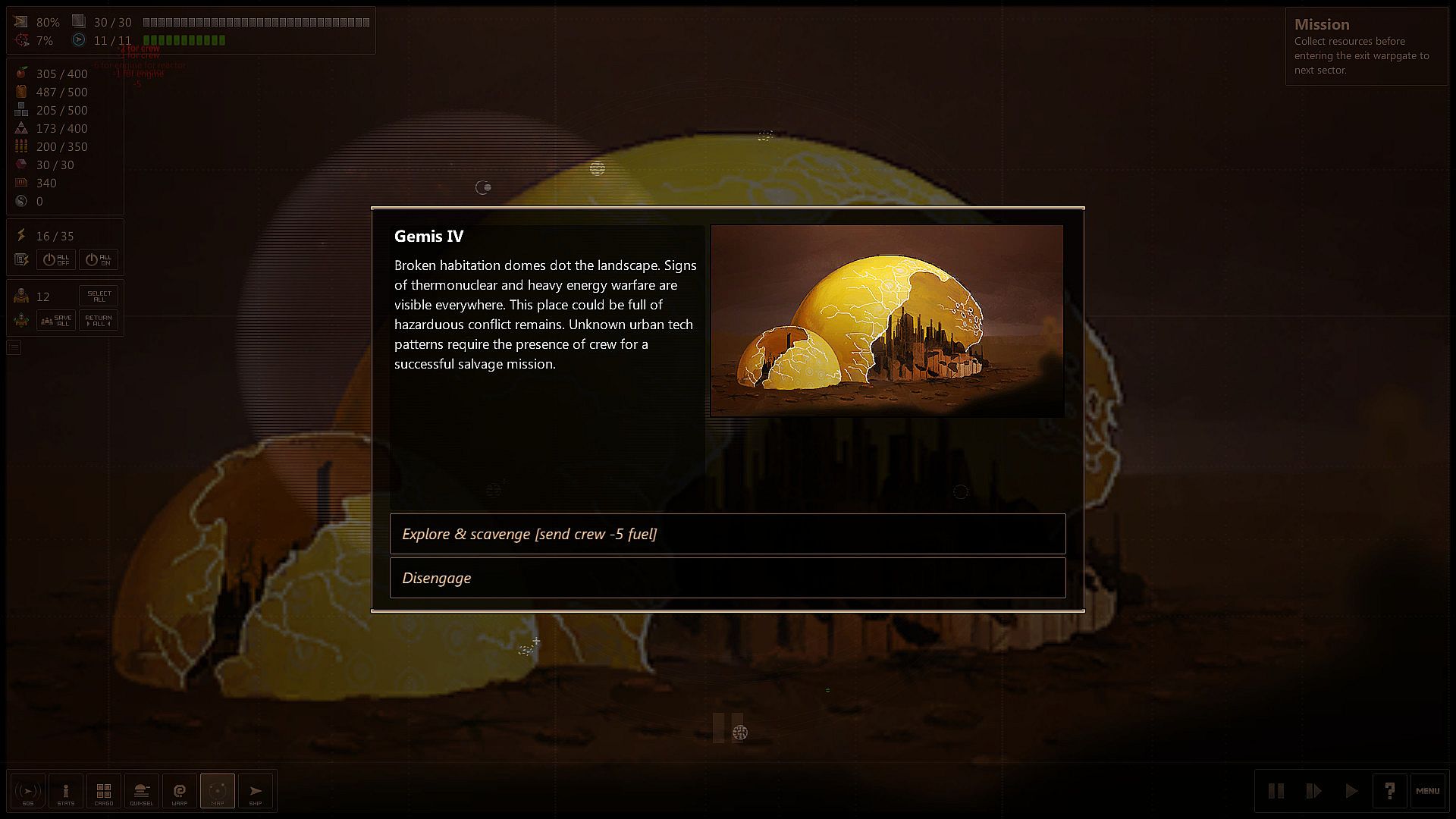
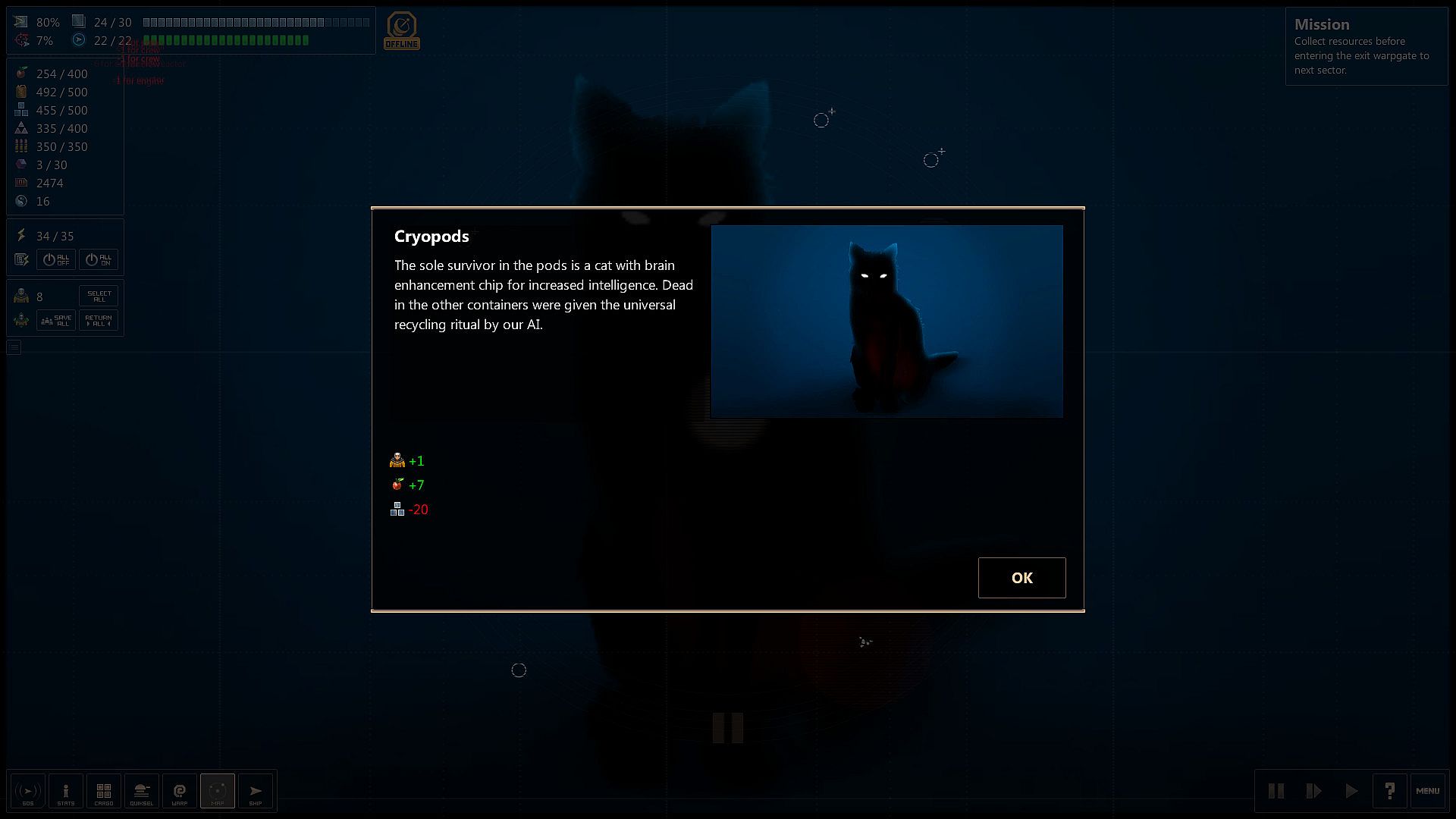
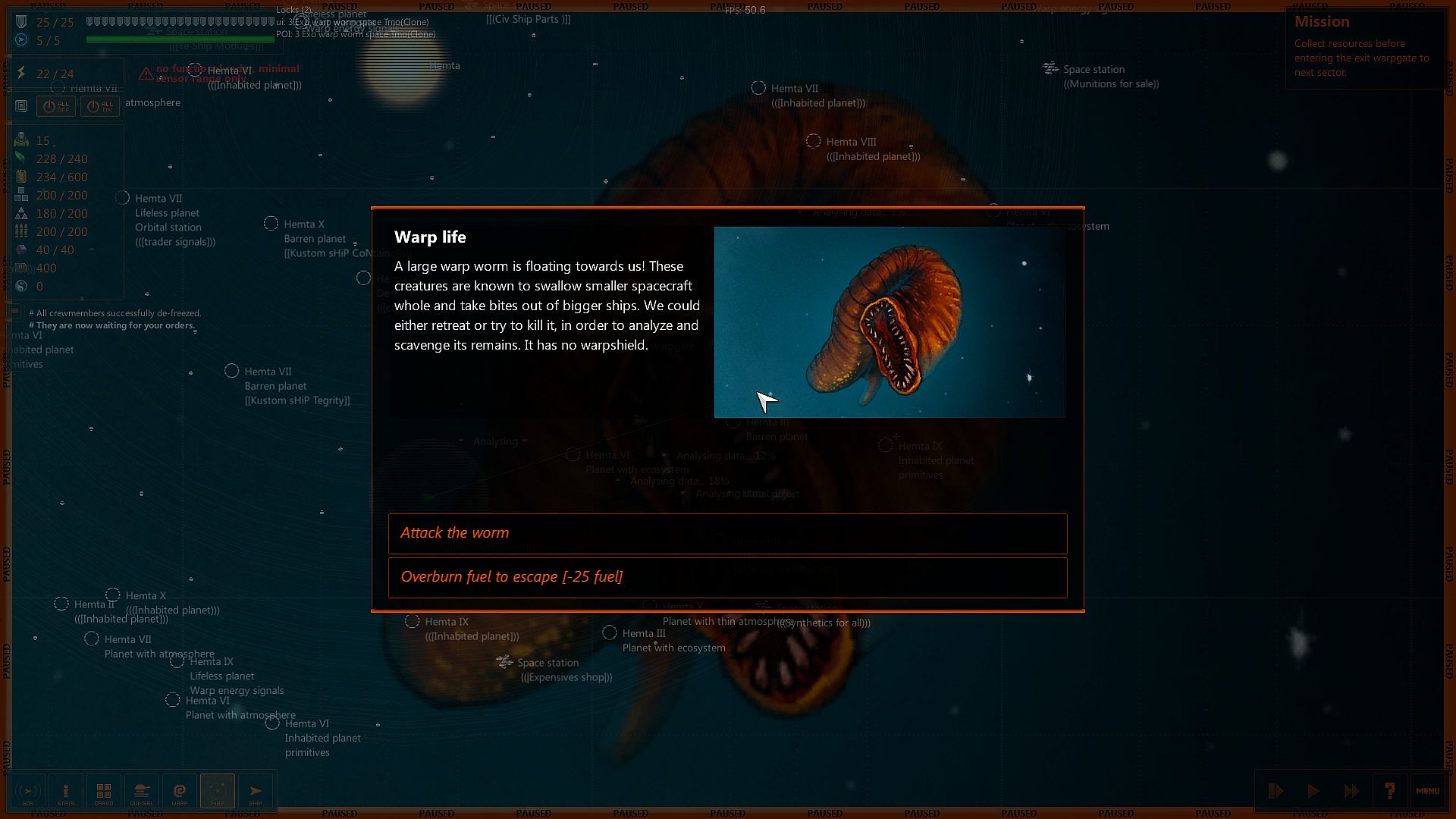
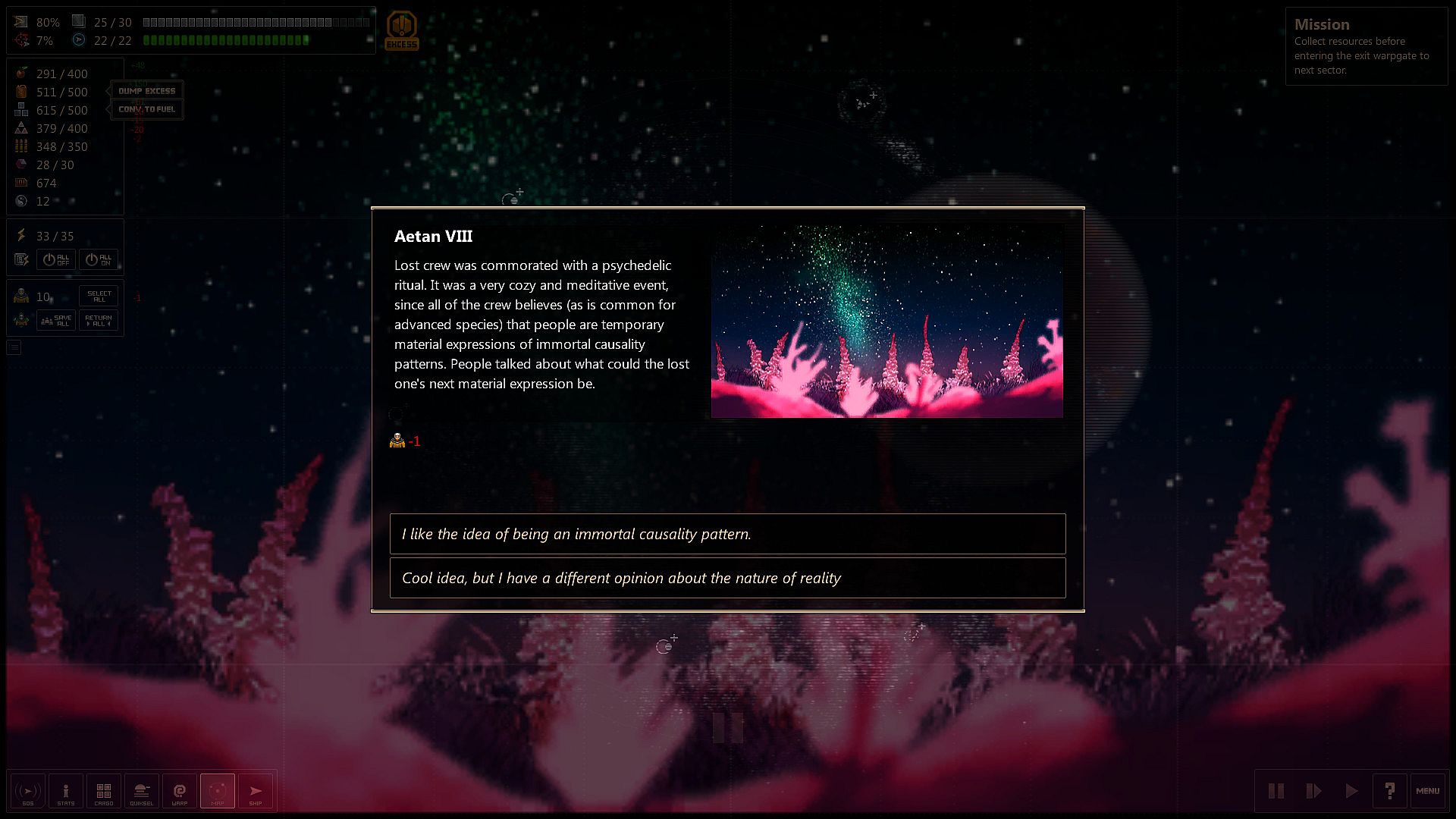
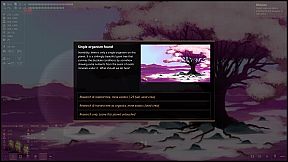
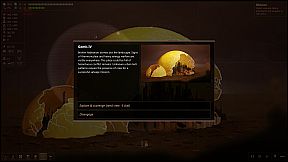
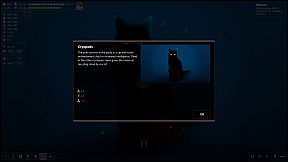
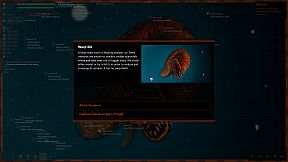
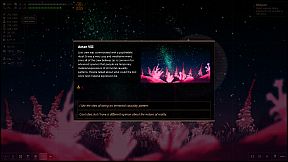
Decision-making events appear frequently, presented with hand-drawn illustrations that lead to varied outcomes affecting crew morale, ship condition, or available resources. These choices influence the run without forcing linear progression. Permadeath ends each attempt upon ship destruction, yet persistent unlocks provide new starting perks for subsequent attempts, gradually improving survival chances across multiple playthroughs.
Game Modes
Shortest Trip to Earth operates as a single-player roguelike experience centered on repeated runs through the same core systems. There are no separate multiplayer or cooperative modes. Every session follows the same structure of departure, exploration, management, and combat until failure or successful navigation toward the destination. The emphasis remains on learning from each loss and refining ship loadouts or crew compositions for the next attempt.
Procedural generation ensures no two runs feel identical, with random events, enemy placements, and sector layouts creating fresh challenges. The absence of traditional campaign checkpoints or save states reinforces the roguelike nature, where progress comes through accumulated knowledge and unlocked advantages rather than persistent character advancement.
Exploration and Management
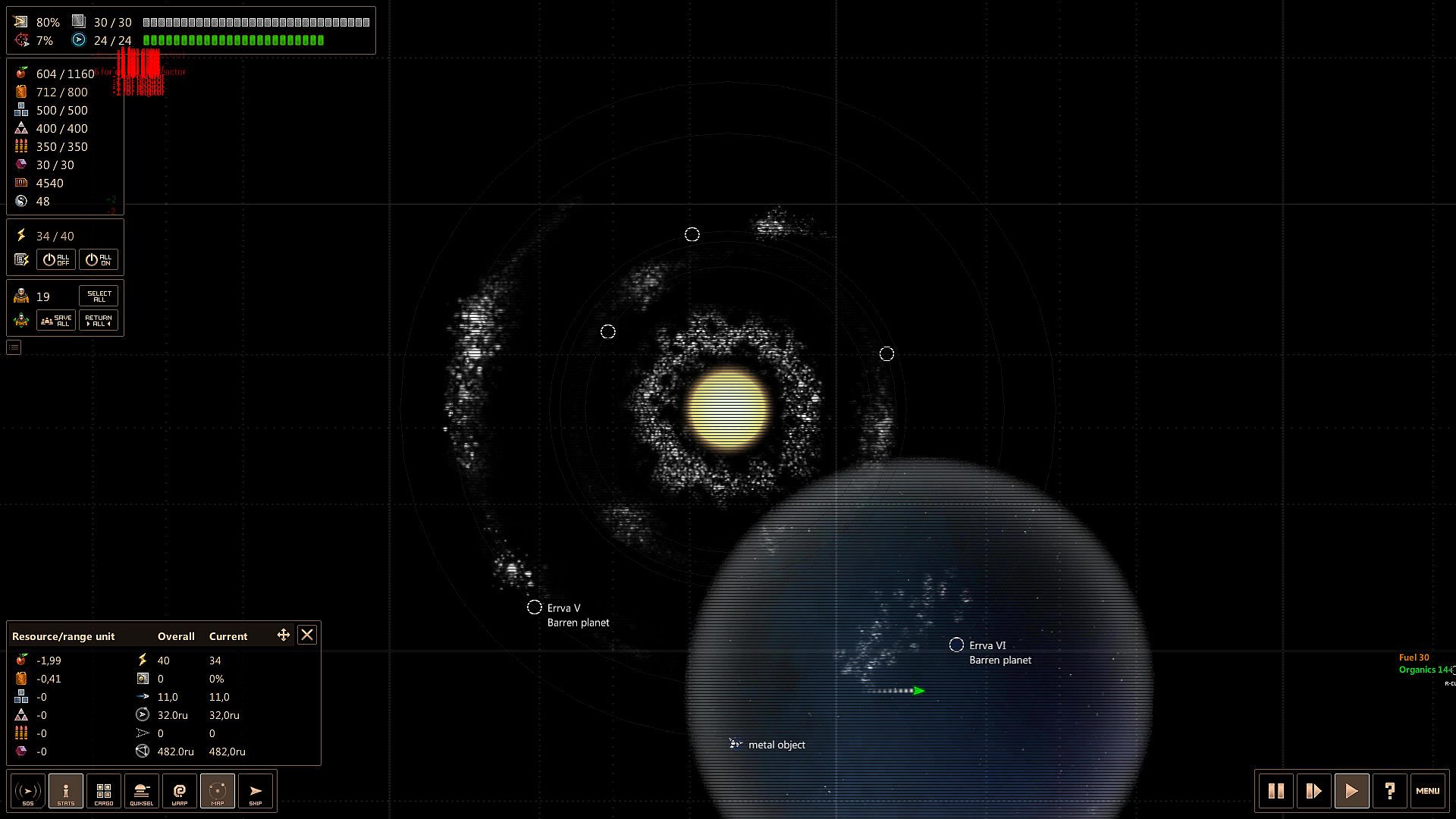
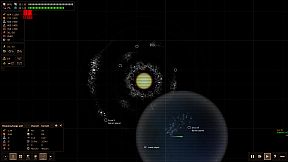
Travel takes players across massive sectors populated by exotic lifeforms and threats. Collection of resources fuels upgrades, while careful allocation of space inside the vessel determines how many crew members, combat pets, or support drones can operate effectively. Each ship starts with a cat as a consistent onboard presence, adding a small but reliable element to daily operations.
Management extends to balancing offensive and defensive capabilities. Over 500 modules, multiple weapon types including nukes, and 30 unique crew weapons provide options for tailoring vessels to preferred playstyles. Fifty or more crew types, drones, and combat pets further expand tactical possibilities during both space engagements and close-quarters incidents.
Combat Systems
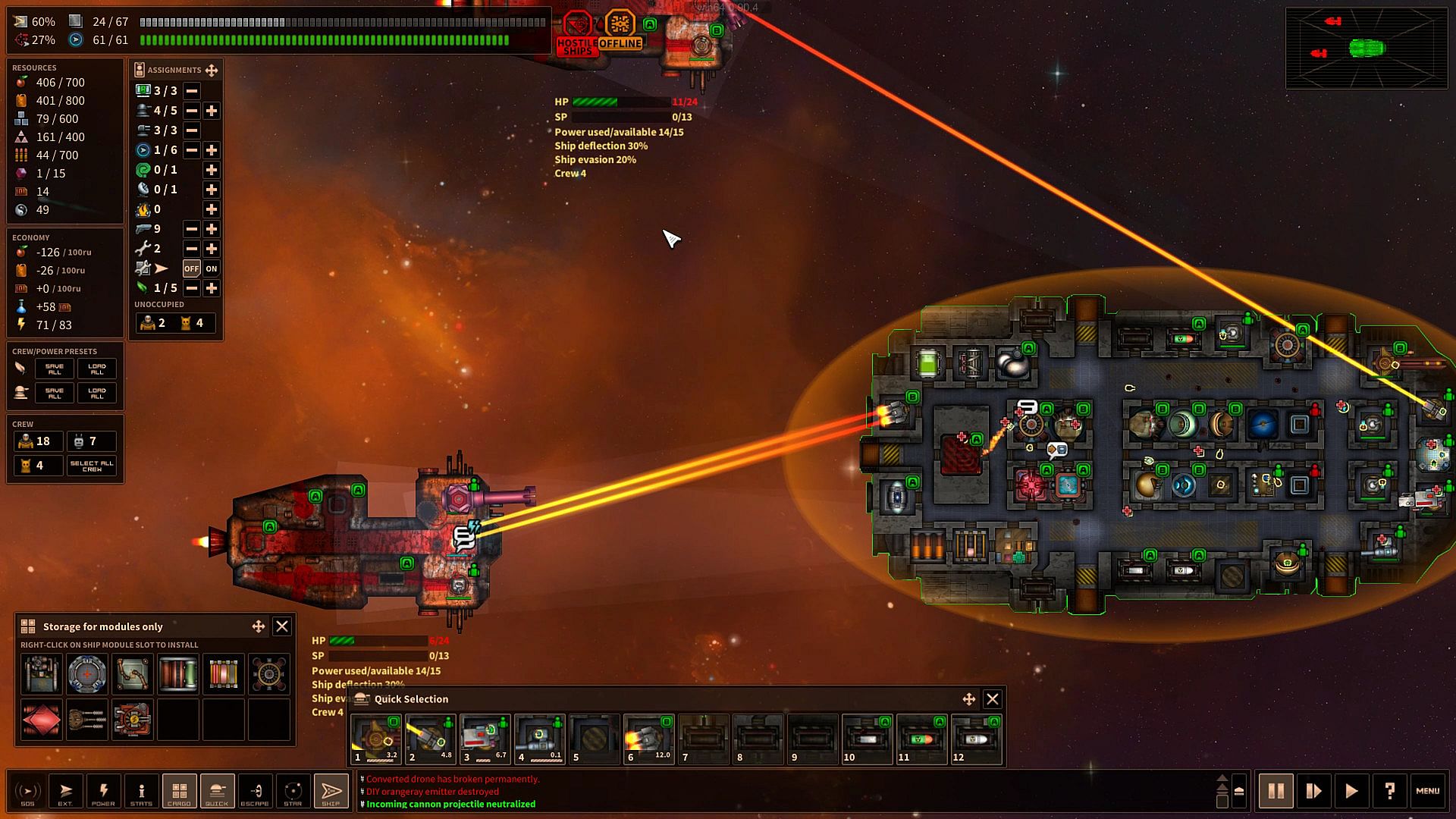
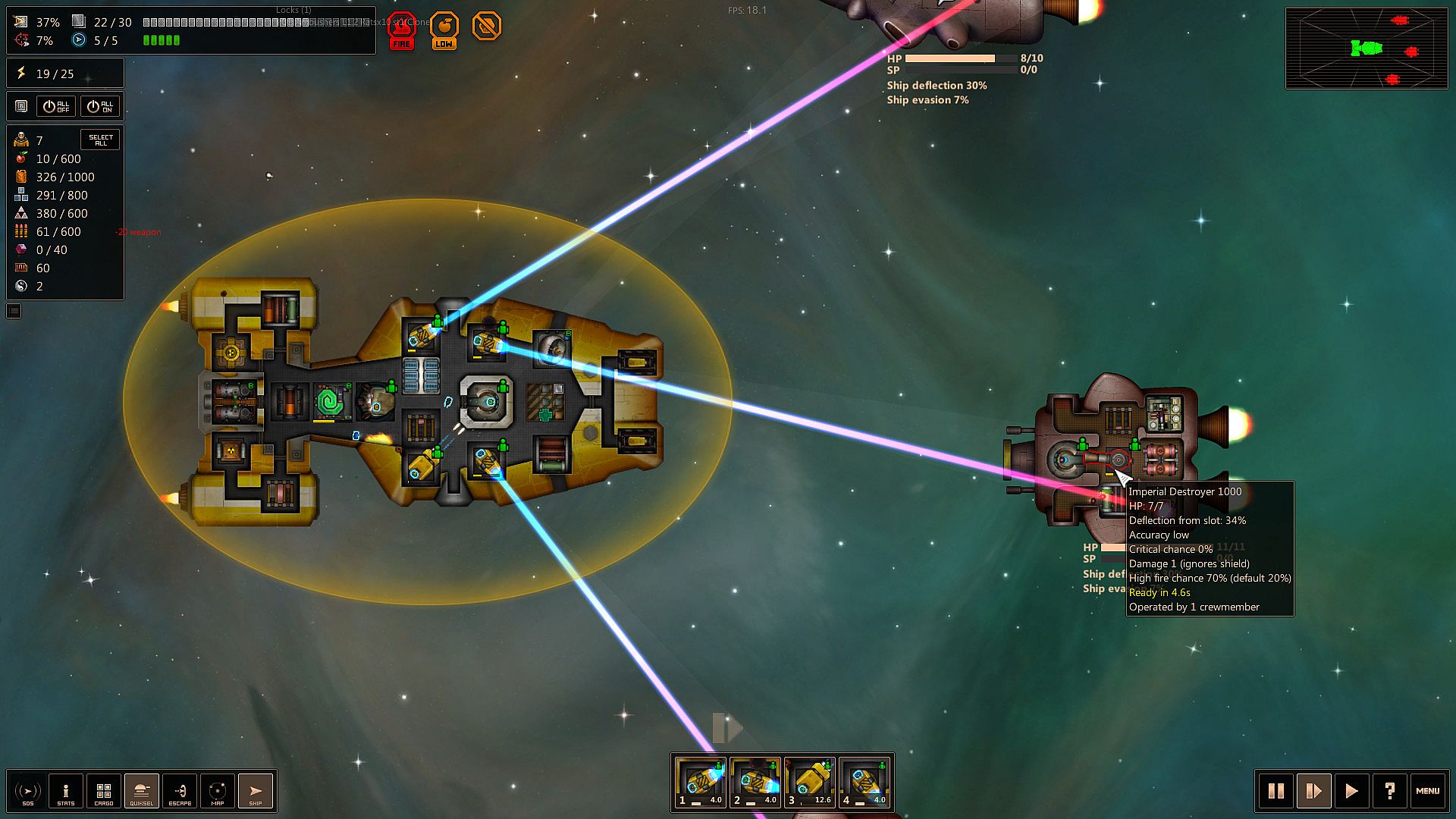
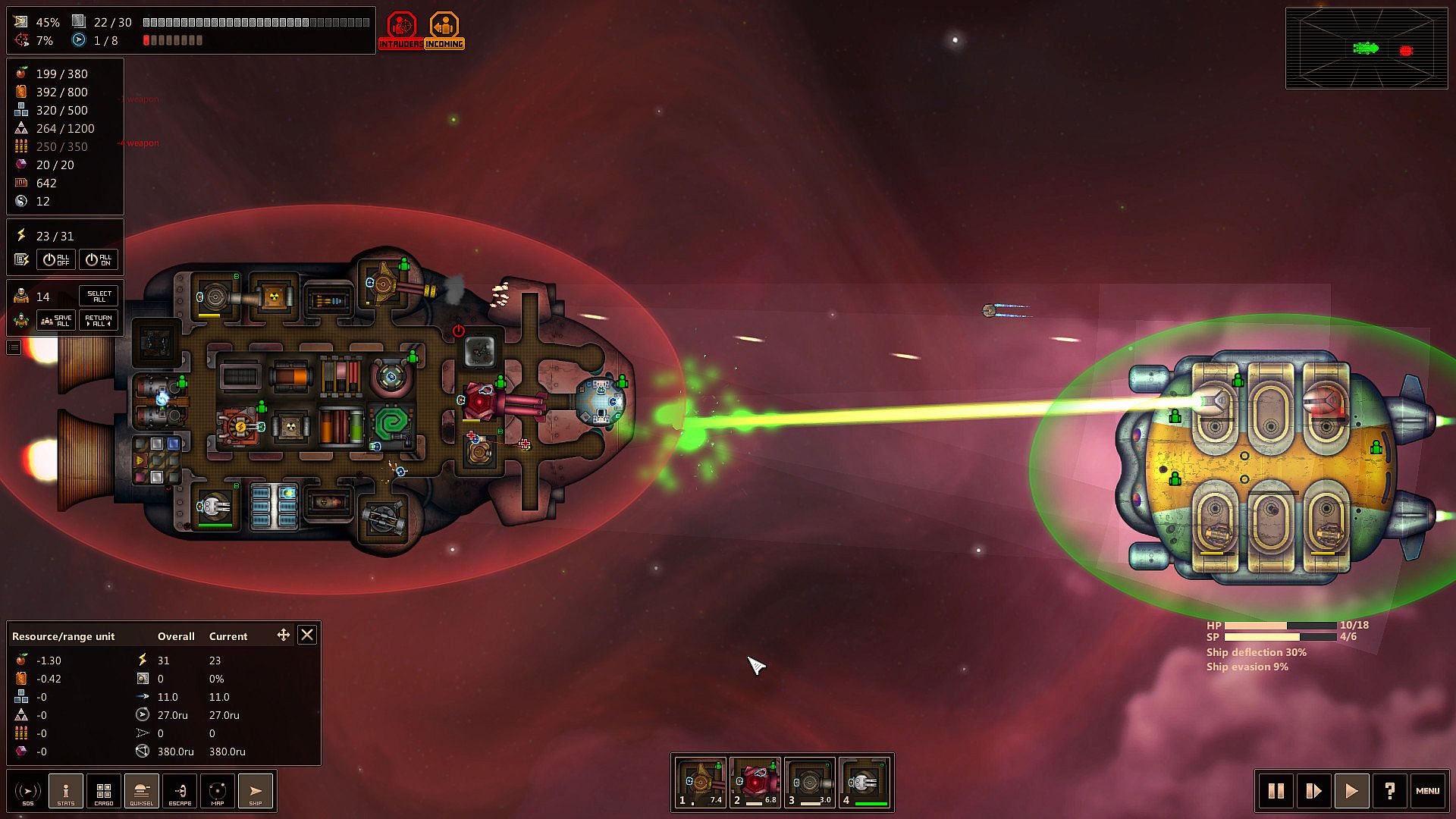
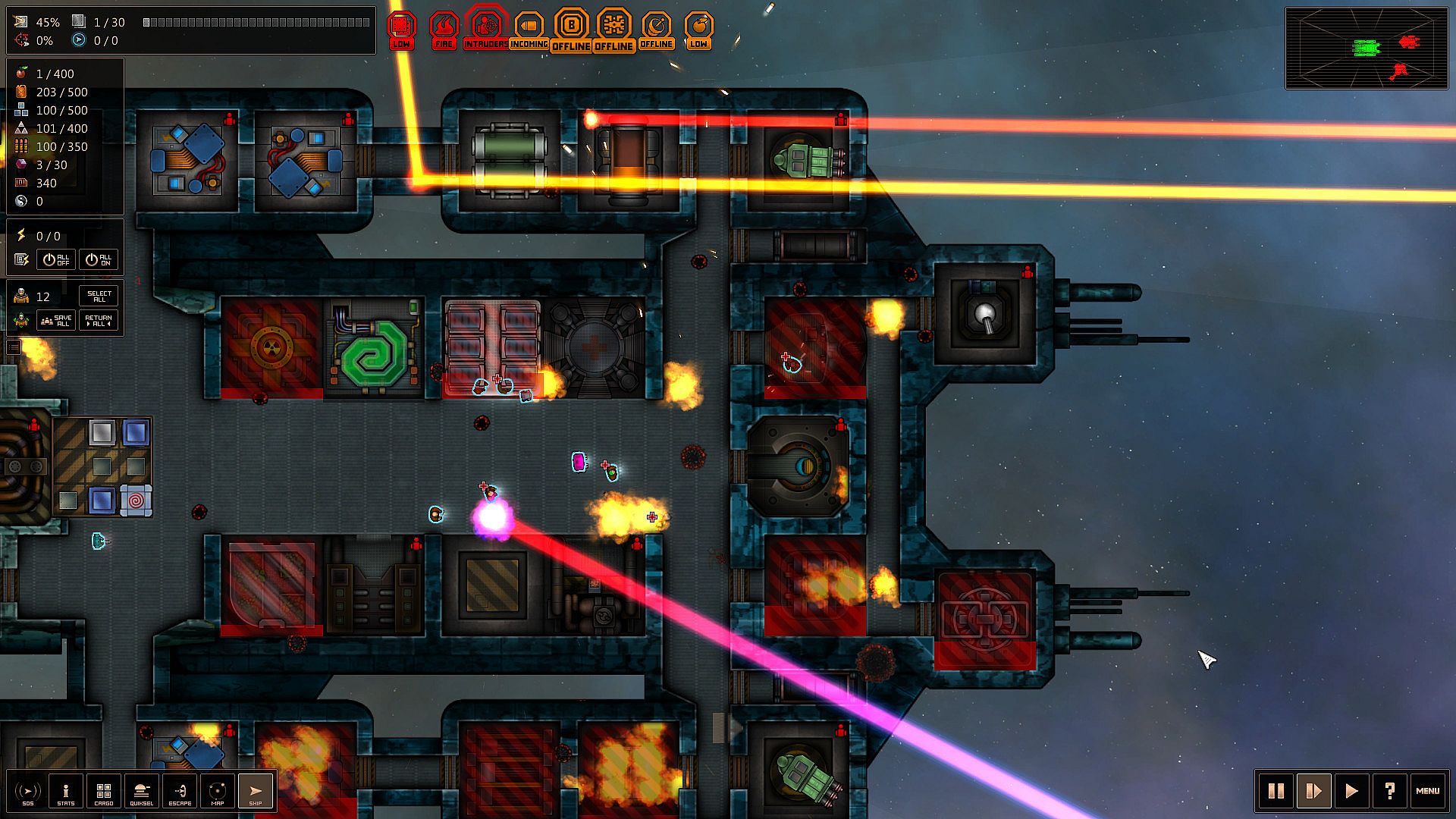
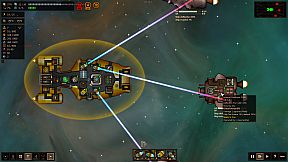
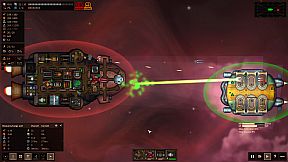
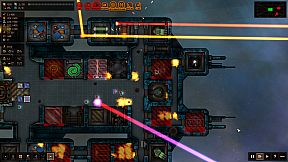
Real-time tactical battles occur in two layers. Ship-to-ship fights require positioning, targeting, and module activation to overcome hostile vessels. When enemies board, control shifts to onboard defense using crew weapons, drones, and trained pets to repel intruders in messy, confined fights. Success depends on prior preparation of loadouts and quick reactions during active combat.
The systems reward experimentation with different ship configurations. Weaknesses in one area can be offset by strengths in another, encouraging players to adapt strategies based on encountered threats rather than relying on a single optimal setup.
Is It Worth Playing?
Shortest Trip to Earth received mostly positive reviews from over 1,200 Steam users, reflecting steady appreciation for its depth in ship customization and roguelike tension. The game suits players who enjoy managing complex systems under pressure and learning from repeated failures in a single-player setting. Those seeking quick sessions or multiplayer interaction may find the steep initial learning curve and permadeath less appealing.
Its procedural structure and extensive module options deliver high replayability for fans of spaceship simulators with tactical combat. The title remains available on PC with no reported major ongoing seasonal content, focusing instead on the complete experience delivered at launch. Players comfortable with roguelike mechanics and detailed management will likely find satisfying long-term engagement here.