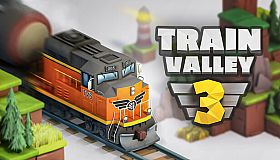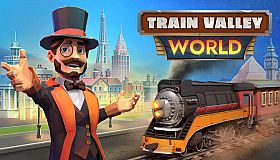



























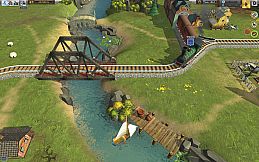
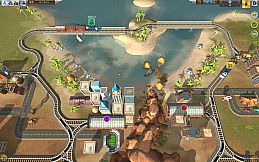
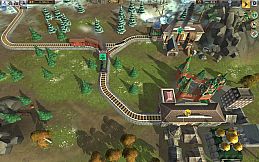
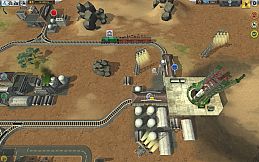
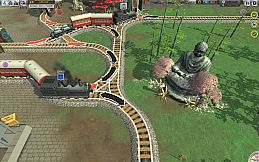
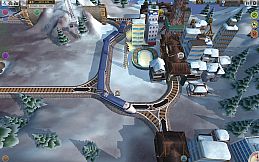
Train Valley is a strategy and simulation game focused on railroad construction and traffic management. Players build and operate rail networks across different historical periods while balancing costs, efficiency, and safety. The core experience combines planning, real-time control, and resource management in a single-player format that emphasizes careful decision-making over fast reflexes.
Gameplay
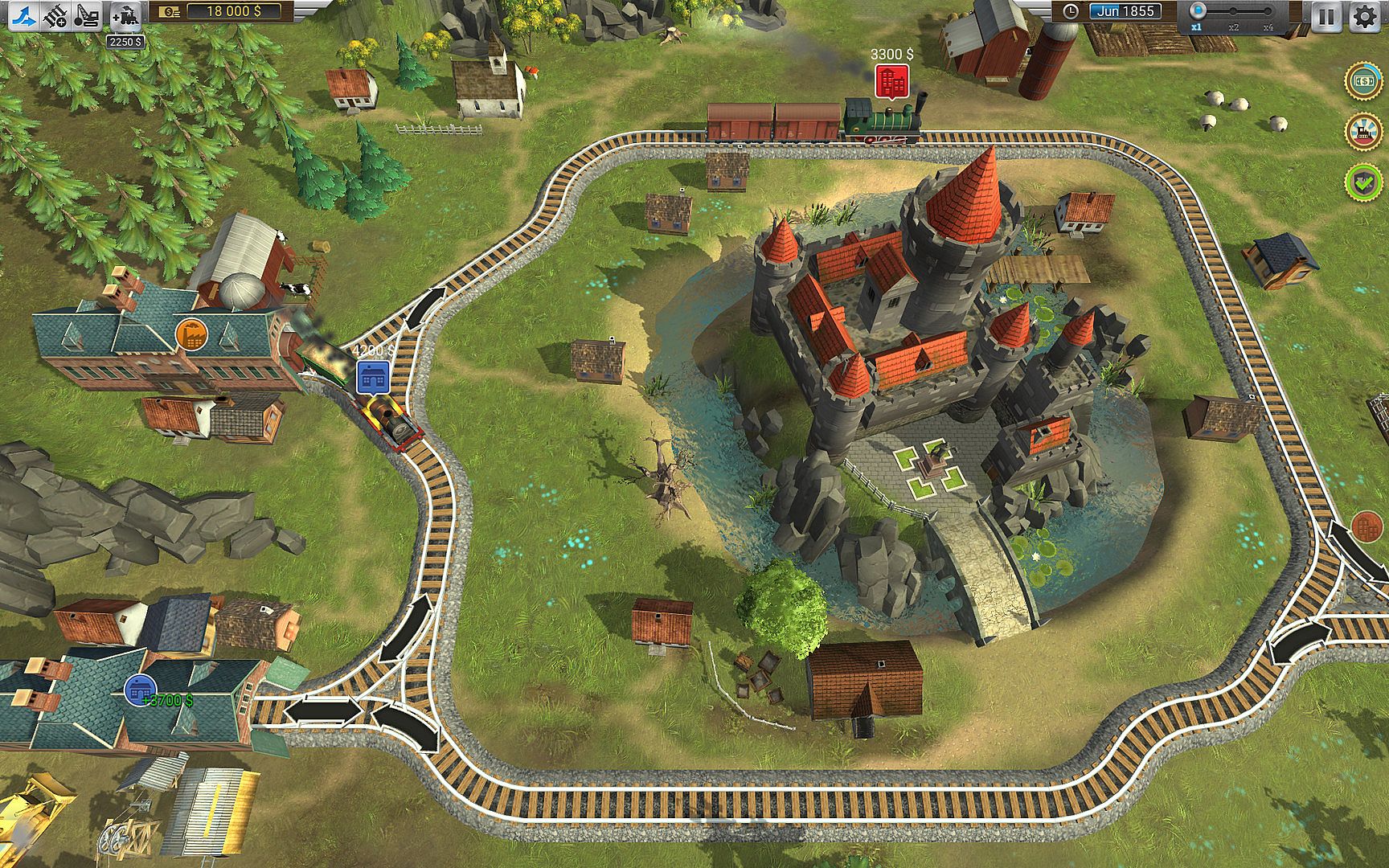
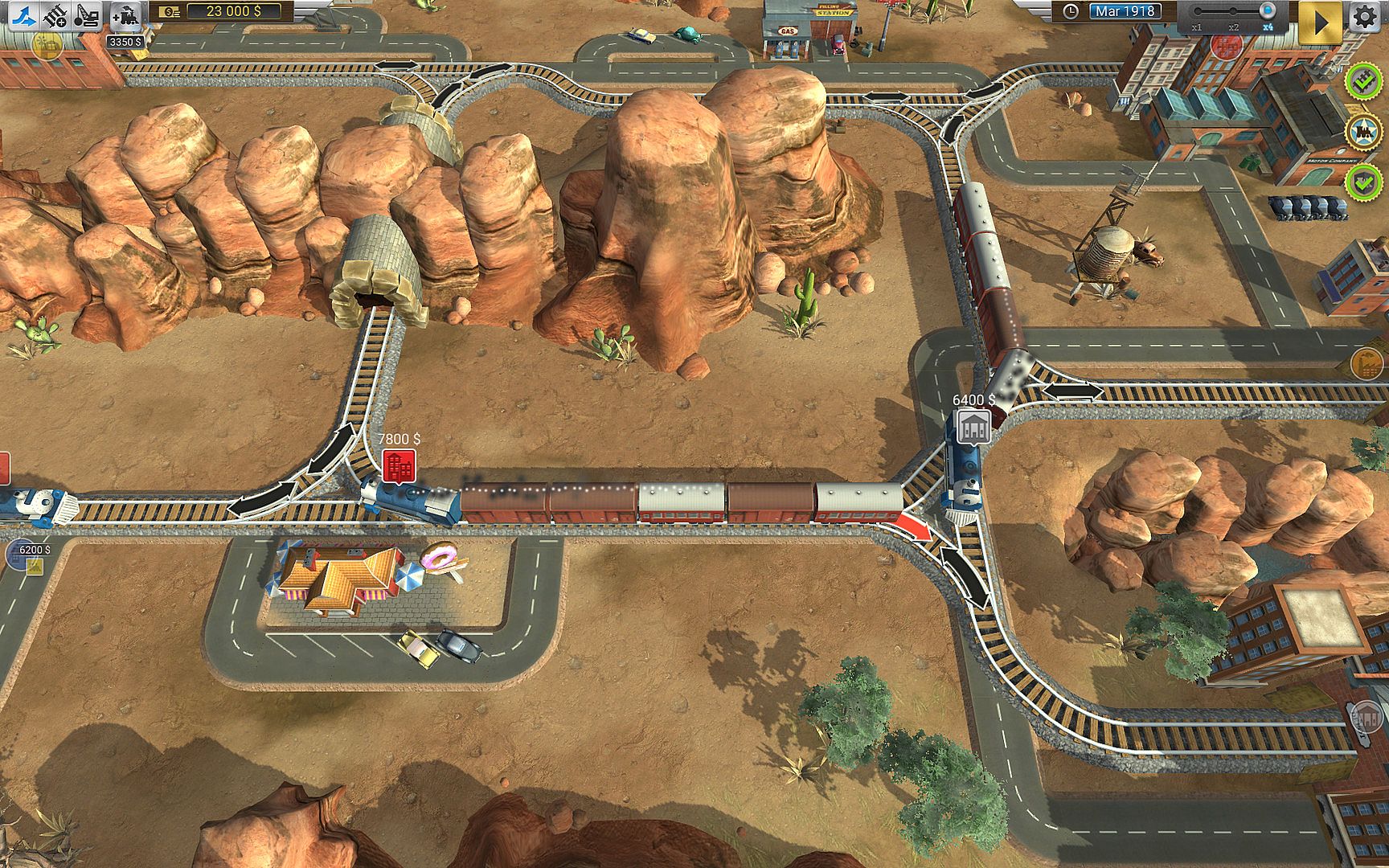
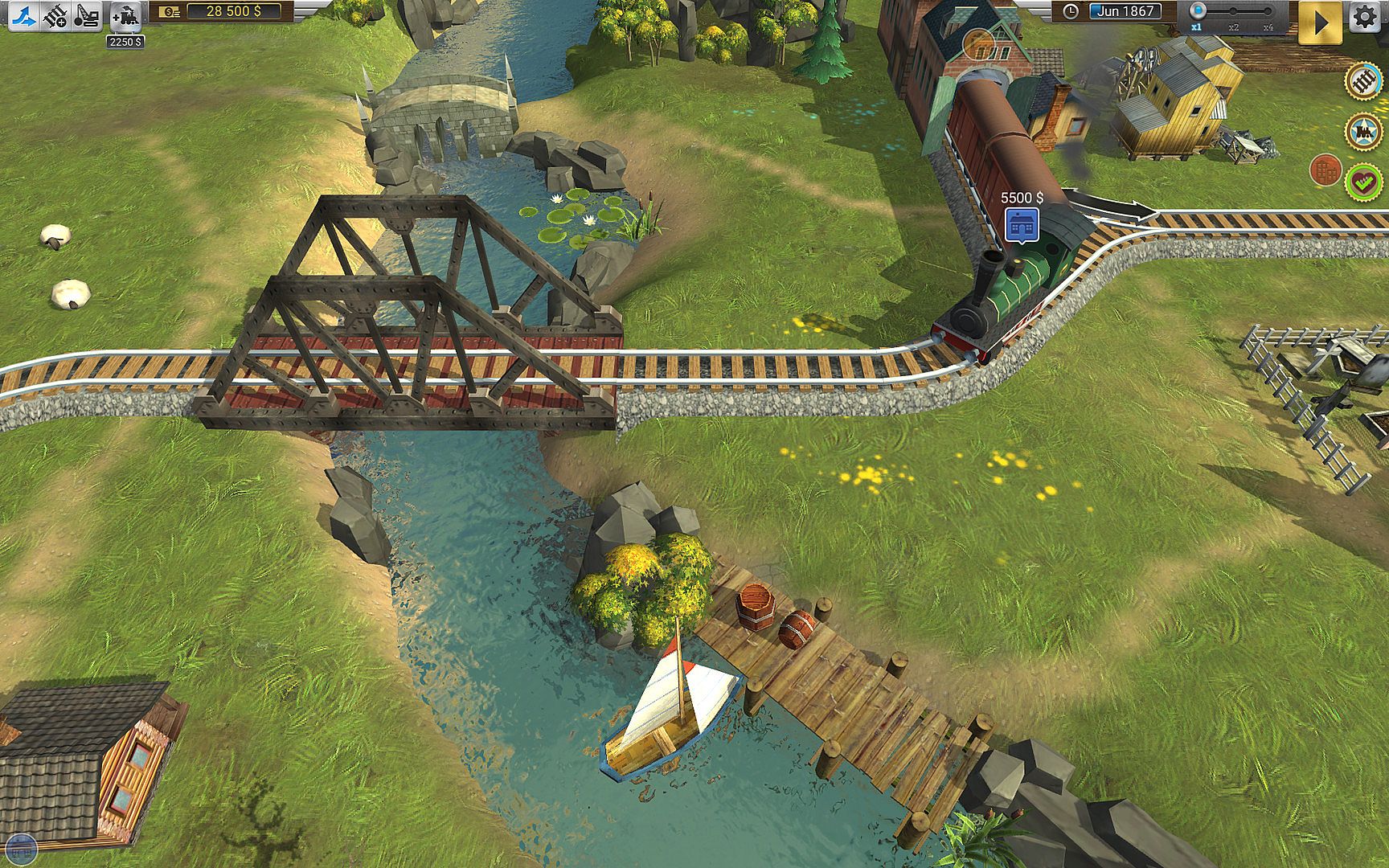
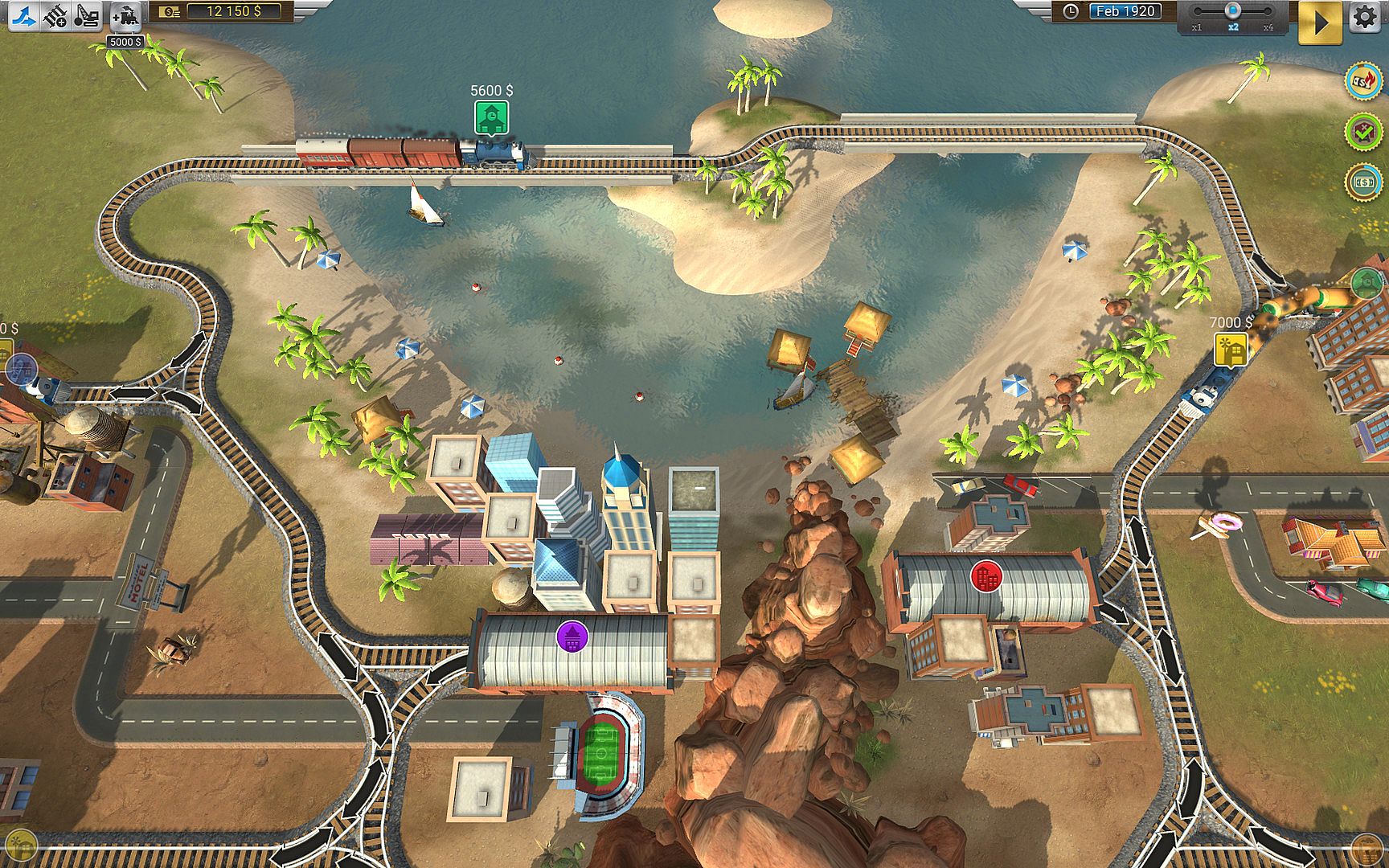
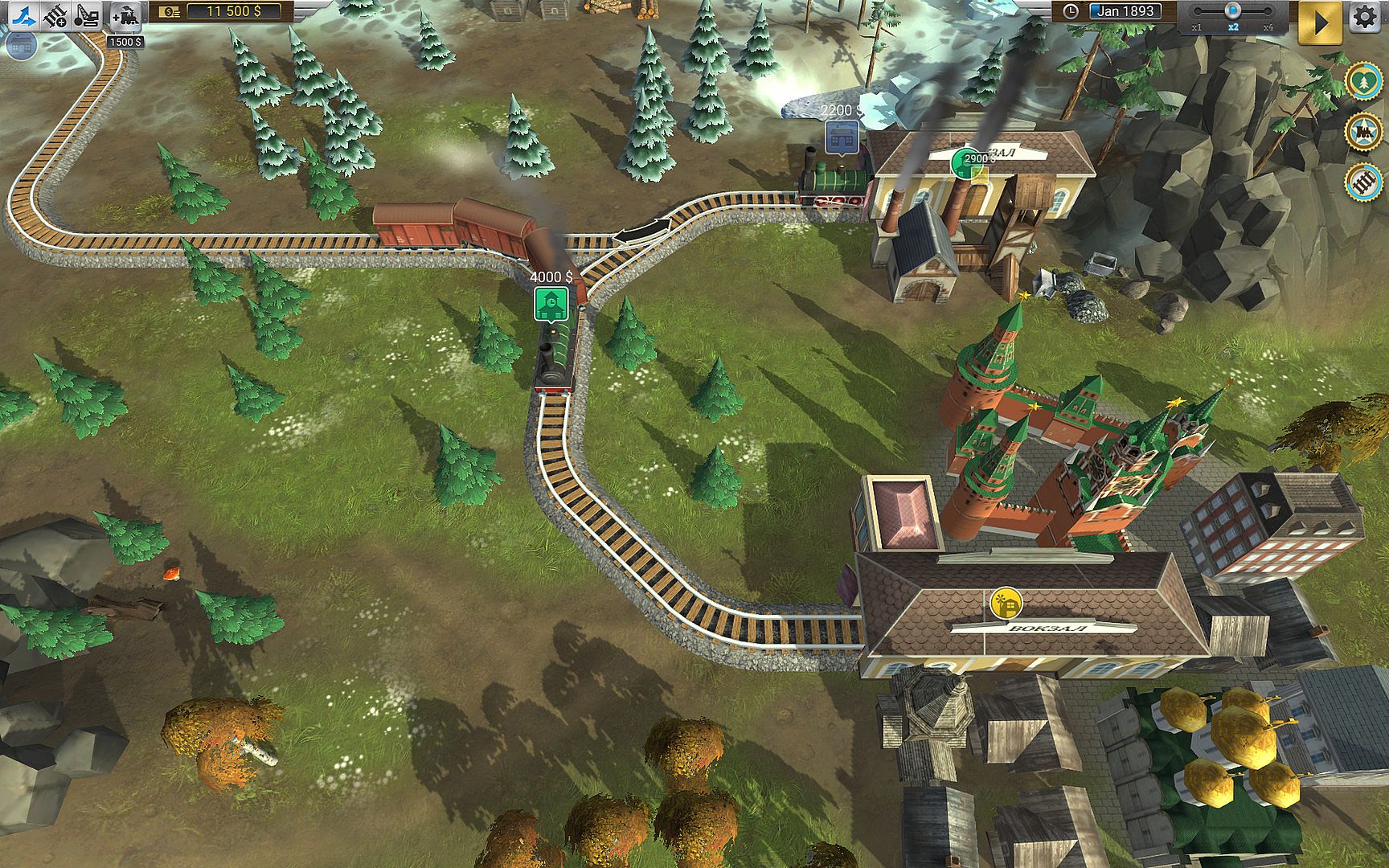
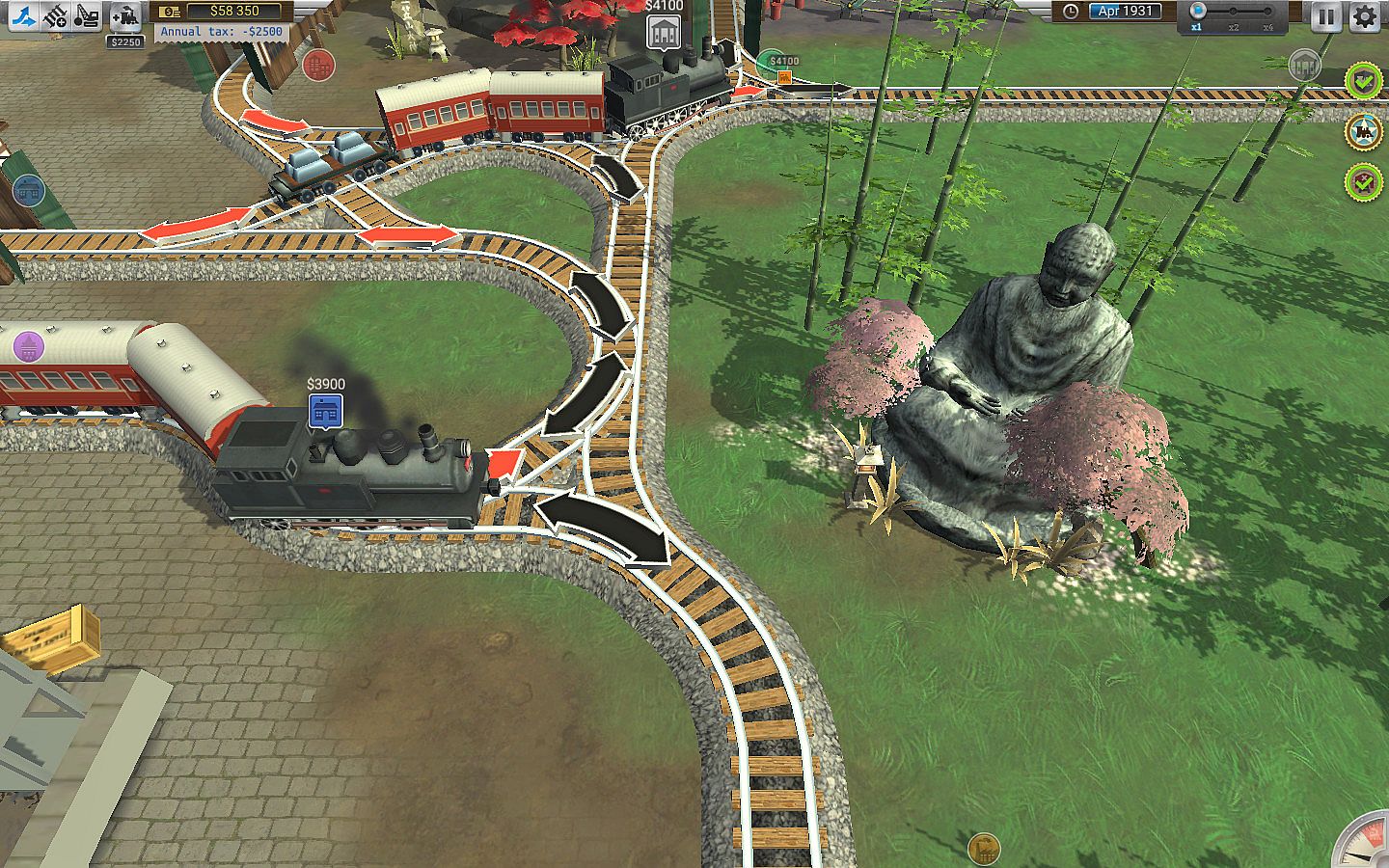
The central loop involves laying tracks to link cities, factories, and other points of interest. Construction costs rise sharply when routes cut through forests, villages, or existing buildings, encouraging players to find efficient paths across open terrain. As traffic grows, additional switches, sidings, and spurs become necessary to keep multiple trains moving without collisions or delays.
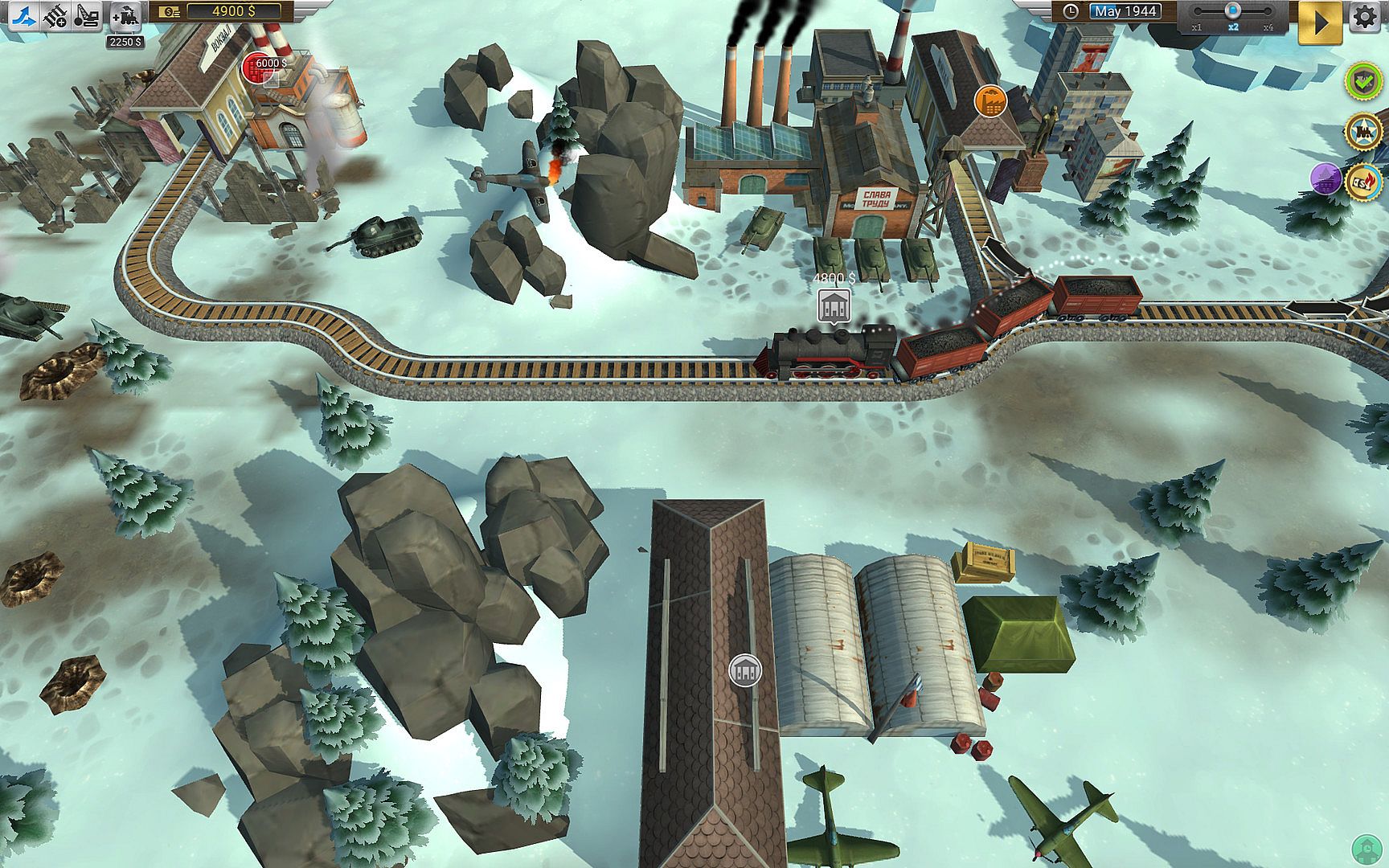
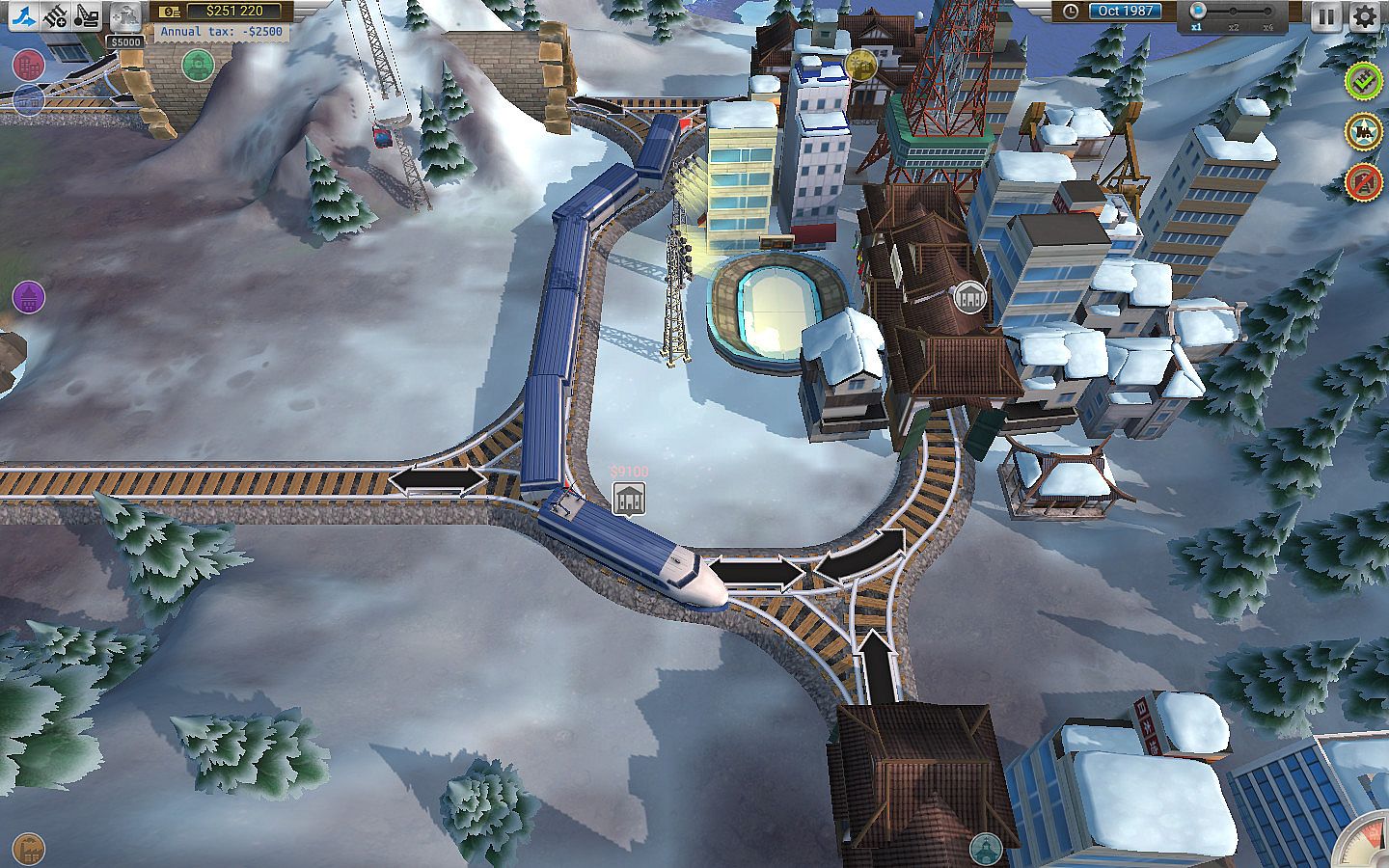
Train control requires precise timing during busy periods. The pause function allows players to lay new tracks or adjust schedules without pressure, which proves essential for handling complex intersections. Fifteen distinct locomotive types appear over time, ranging from early steam engines to high-speed models, each paired with up to eighteen varieties of cars that include passenger coaches, freight hoppers, cisterns, and military platforms.
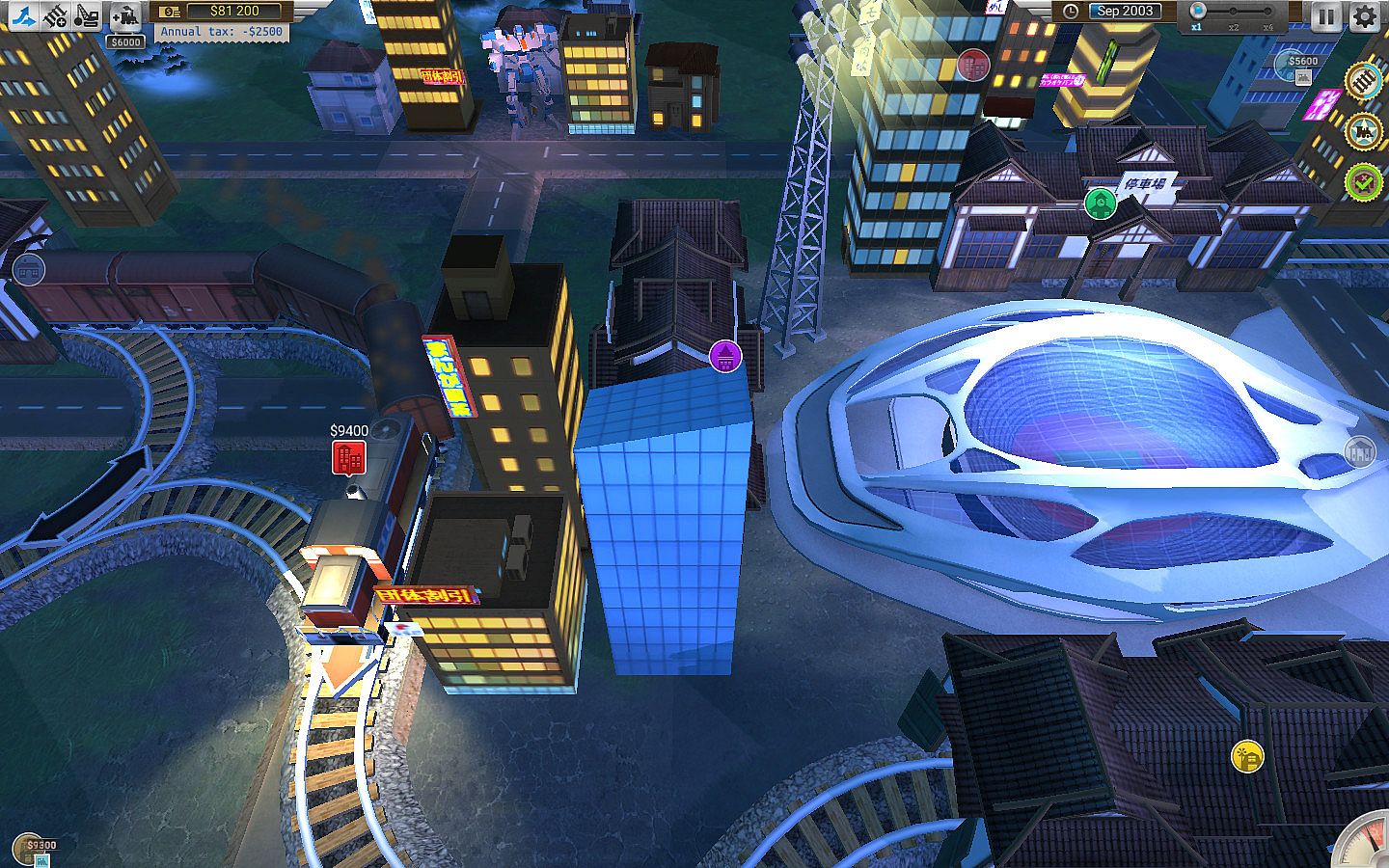
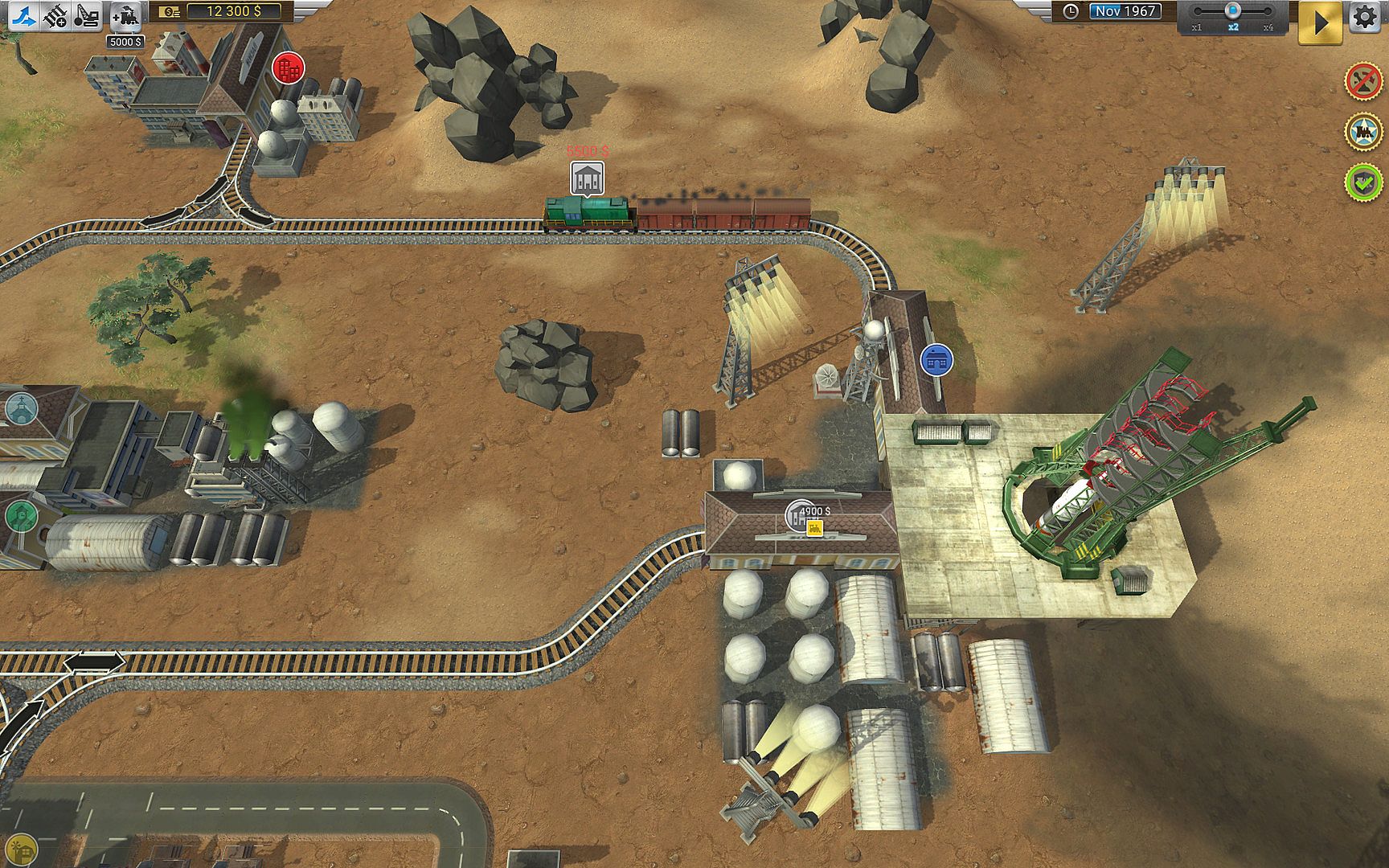
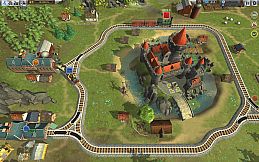
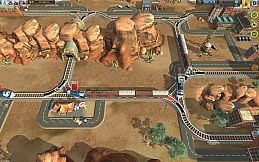
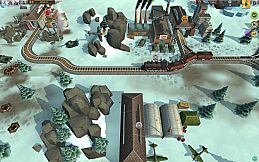
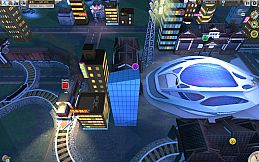
Four regional campaigns span distinct eras and geographies. Europe covers 1830 to 1980, America runs from 1840 to 1960, the USSR stretches from 1880 to 1980, and Japan extends from 1900 to 2020. Levels incorporate historical milestones such as the 1849 Gold Rush, the building of the Florida Overseas Railroad, World War II logistics, Cold War tensions, and the Vostok 1 spaceflight launch.
Game Modes
Story mode presents a structured campaign with short sessions lasting five to ten minutes per level. Each scenario follows a narrative thread tied to real events and gradually introduces new train types and challenges.
Random mode generates fresh layouts on every launch, with sessions typically running fifteen to twenty minutes. The map appearance and development change each time, providing variety without altering the core rules.
A sandbox option can be enabled in either story or random play. It removes time limits and budget constraints, allowing unrestricted track building and experimentation. This mode supports relaxed exploration of mechanics or testing of complex routing ideas.
Progression and Challenges
Levels increase in complexity as more trains enter service and passenger or cargo demands rise. Players must expand networks while preventing accidents through careful signaling and timing. Demolition expenses and terrain costs force ongoing trade-offs between direct routes and longer but cheaper alternatives.
The game rewards foresight in station placement and siding design. Multiple trains sharing tracks require coordinated departures and arrivals, turning each session into a puzzle of capacity and flow. Historical settings add visual variety through changing architecture and scenery without altering the underlying systems.
Is It Worth Playing?
Train Valley maintains a Very Positive rating on its primary distribution platform, with 87 percent approval from over 1,200 reviews. The combination of short story levels and repeatable random maps suits players who enjoy management simulations and puzzle-style optimization.
Those seeking relaxed building without pressure can use the sandbox toggle, while others appreciate the strict timing and accident avoidance in the default modes. The game remains available with a demo for testing, and its focused scope delivers consistent depth for fans of rail and logistics themes. It appeals most to players comfortable with deliberate pacing and iterative route refinement rather than action or narrative-driven experiences.