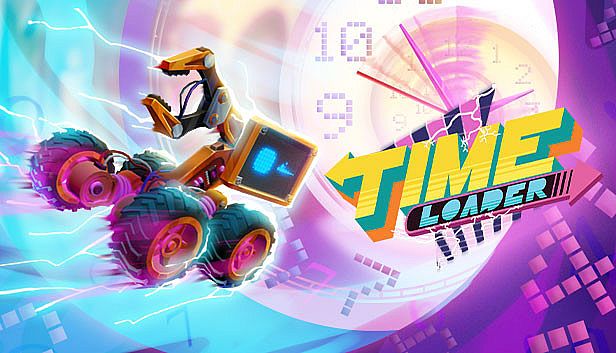


























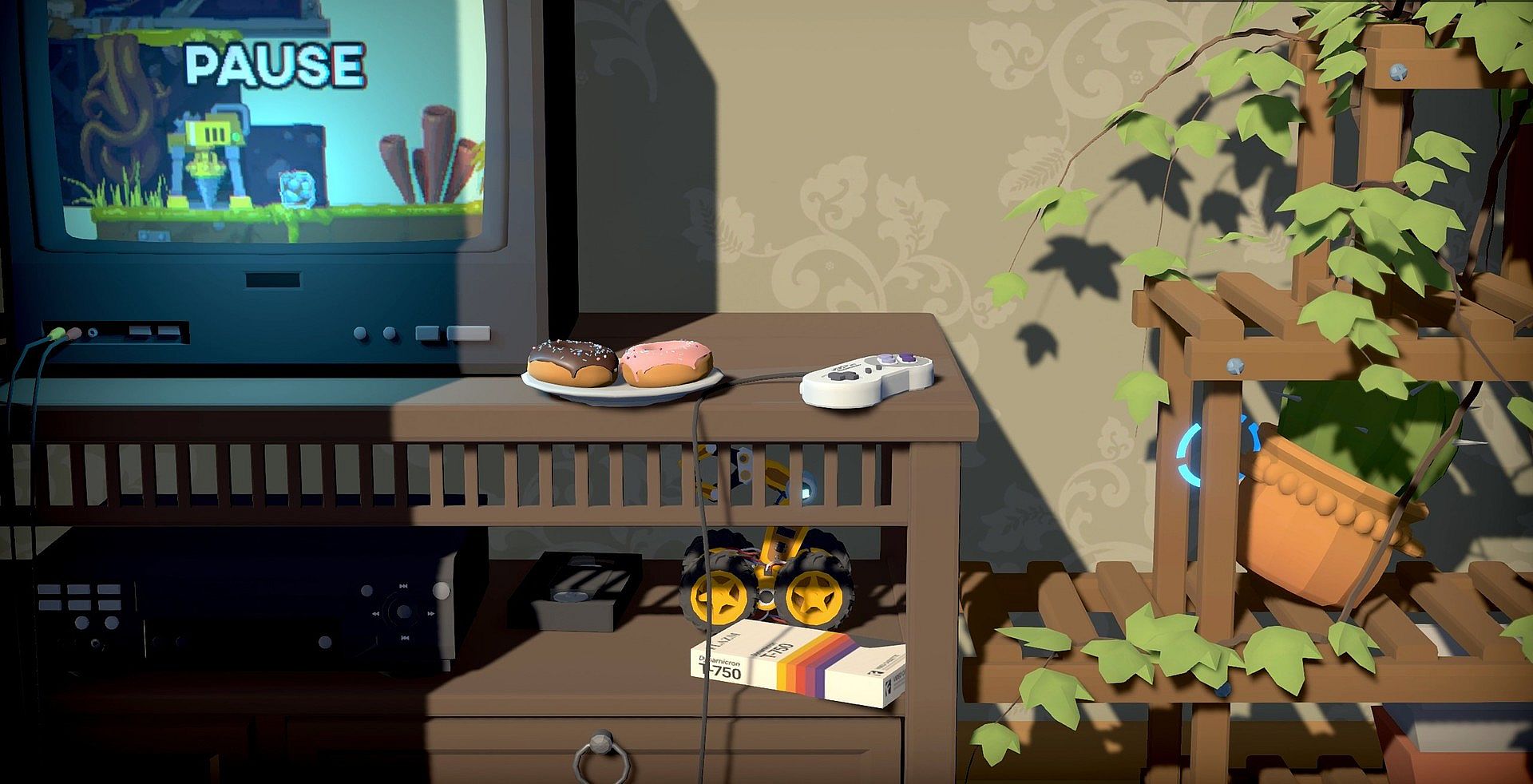
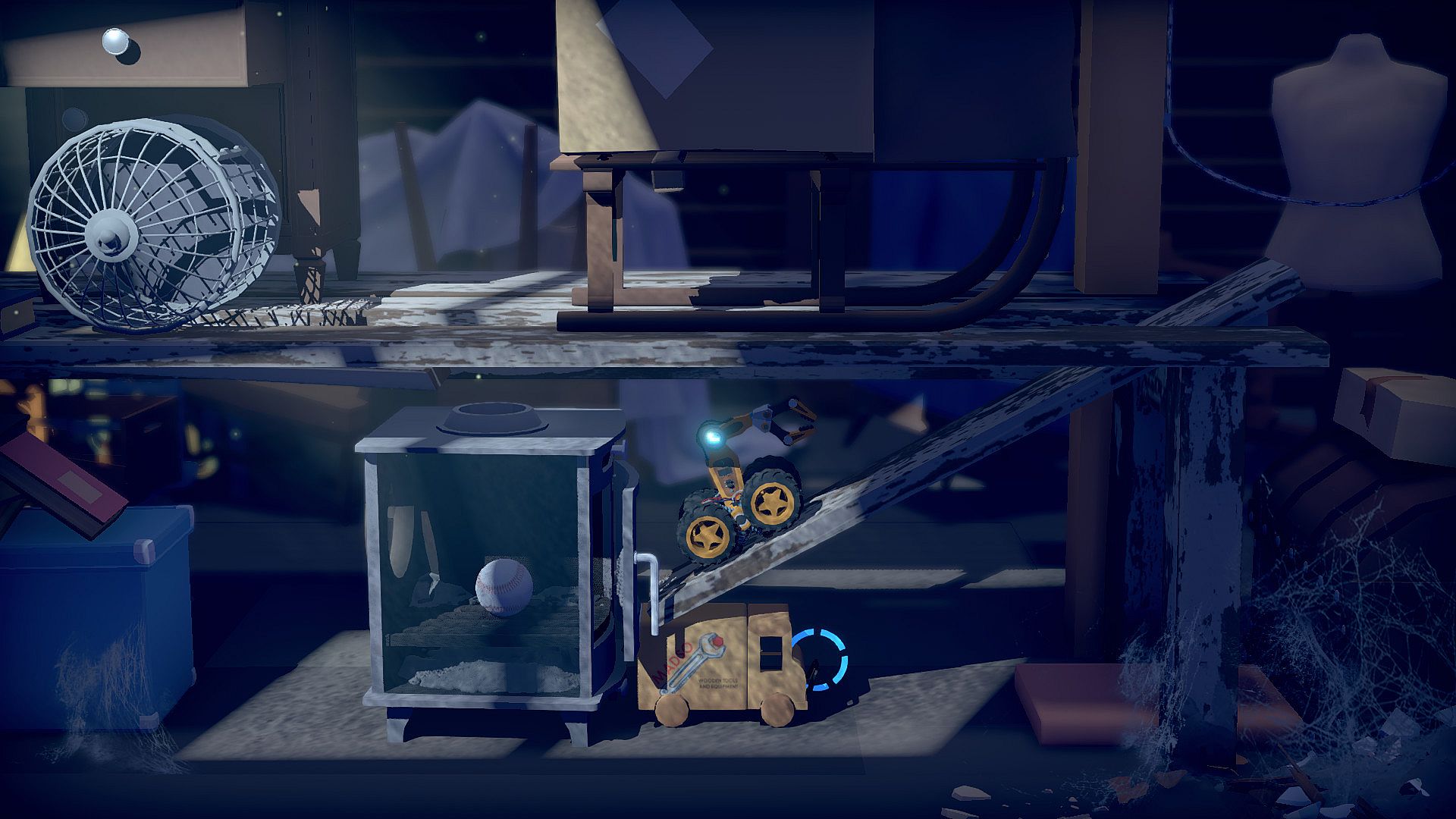
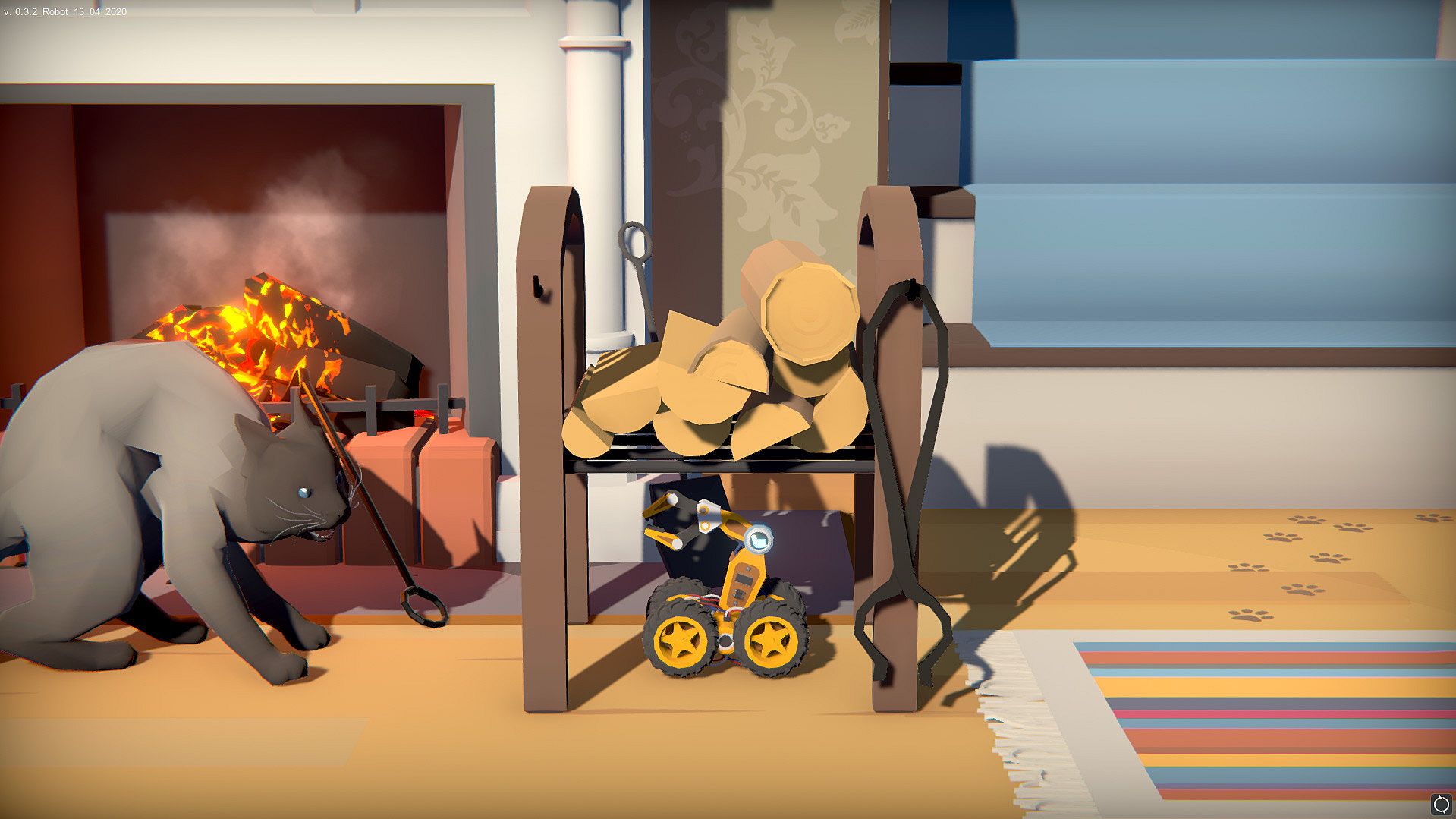
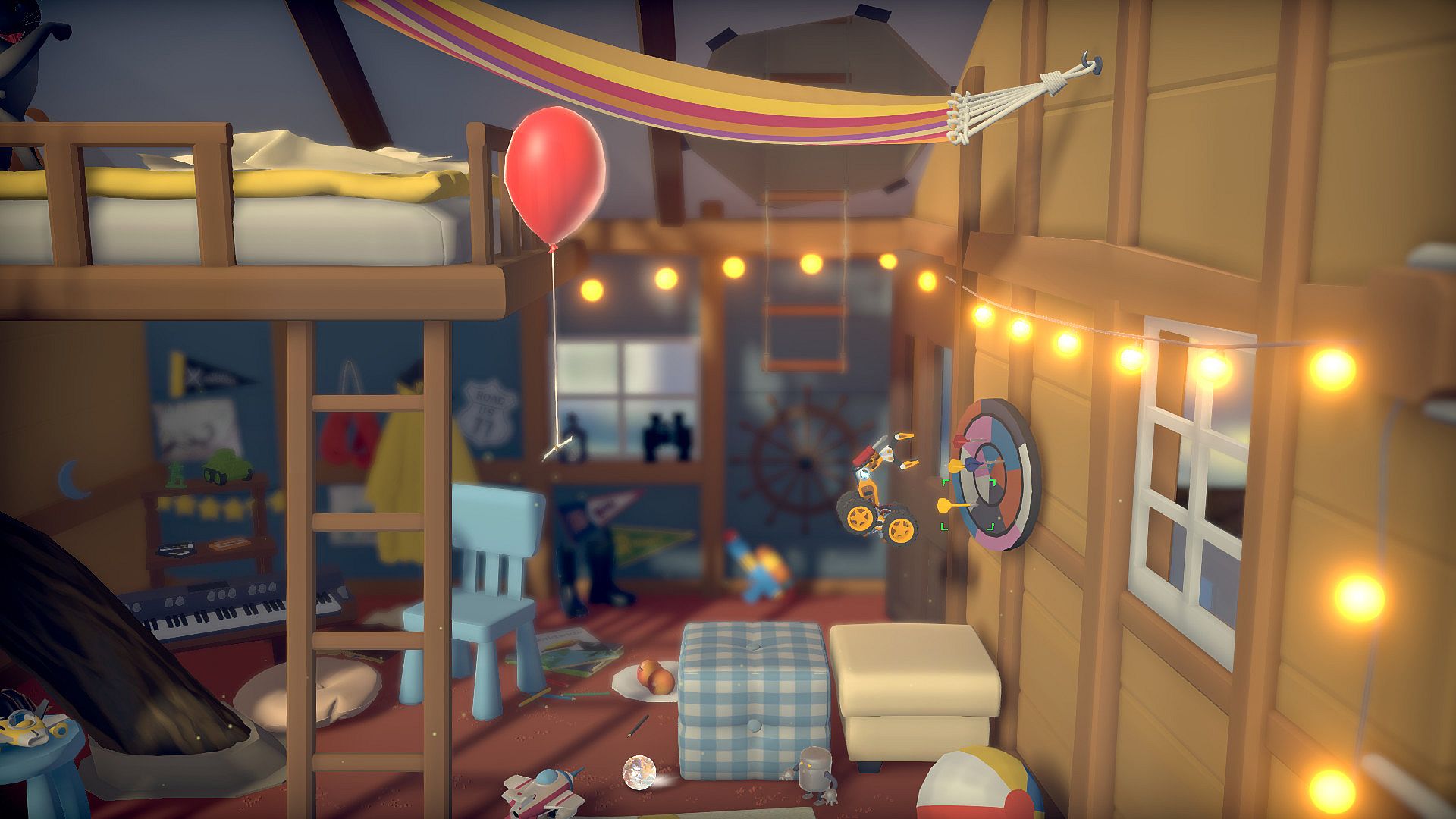
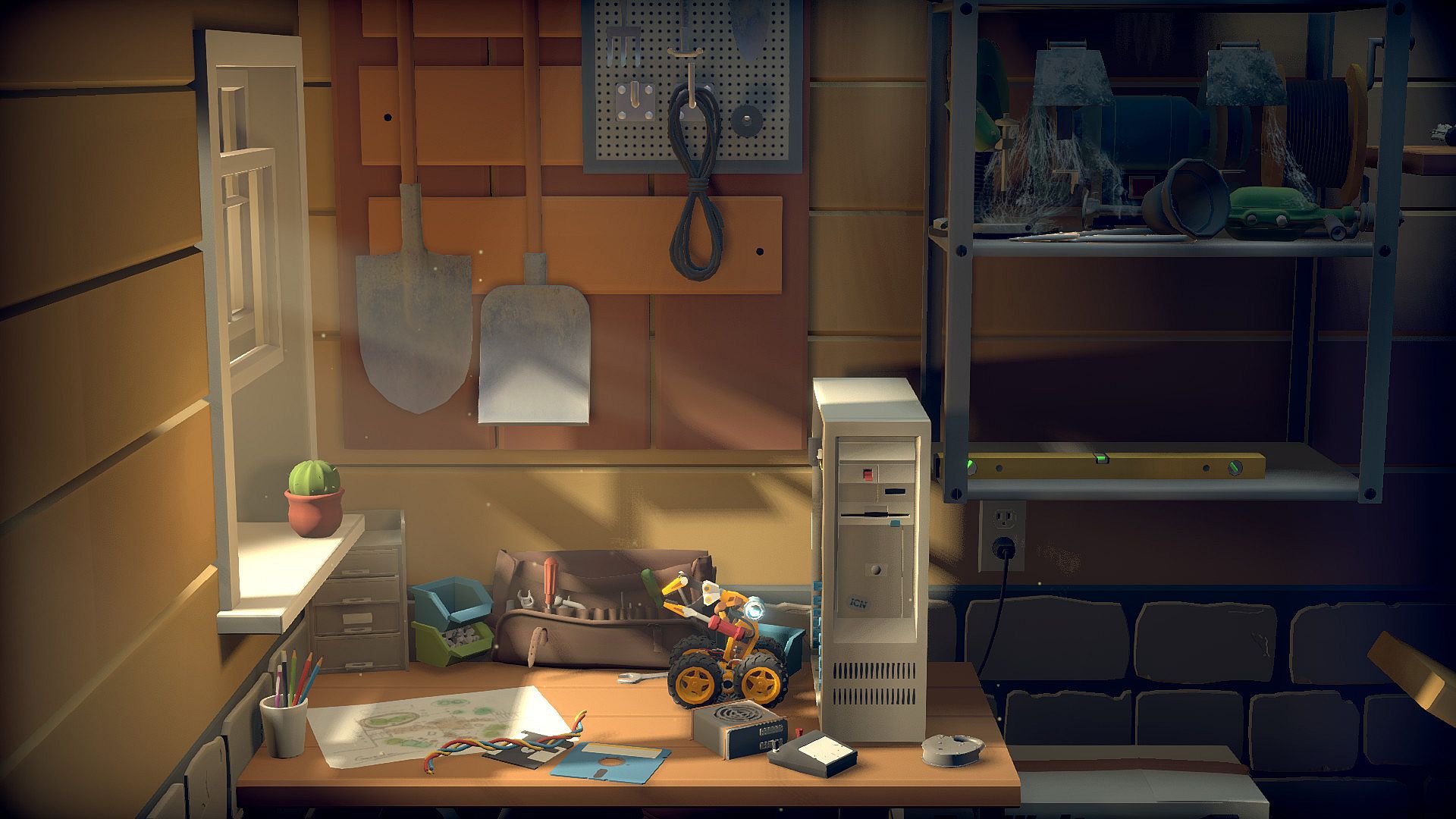
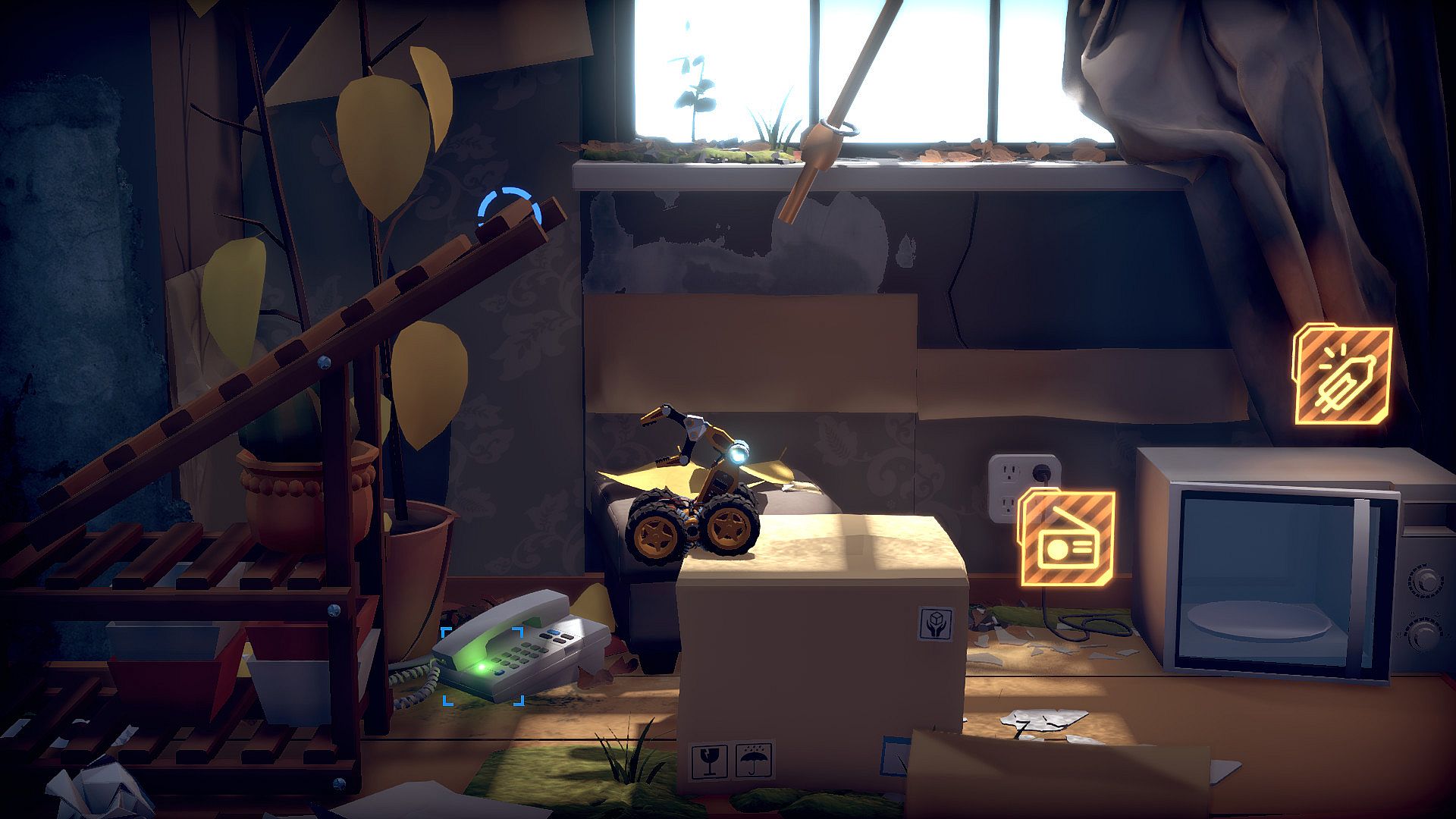
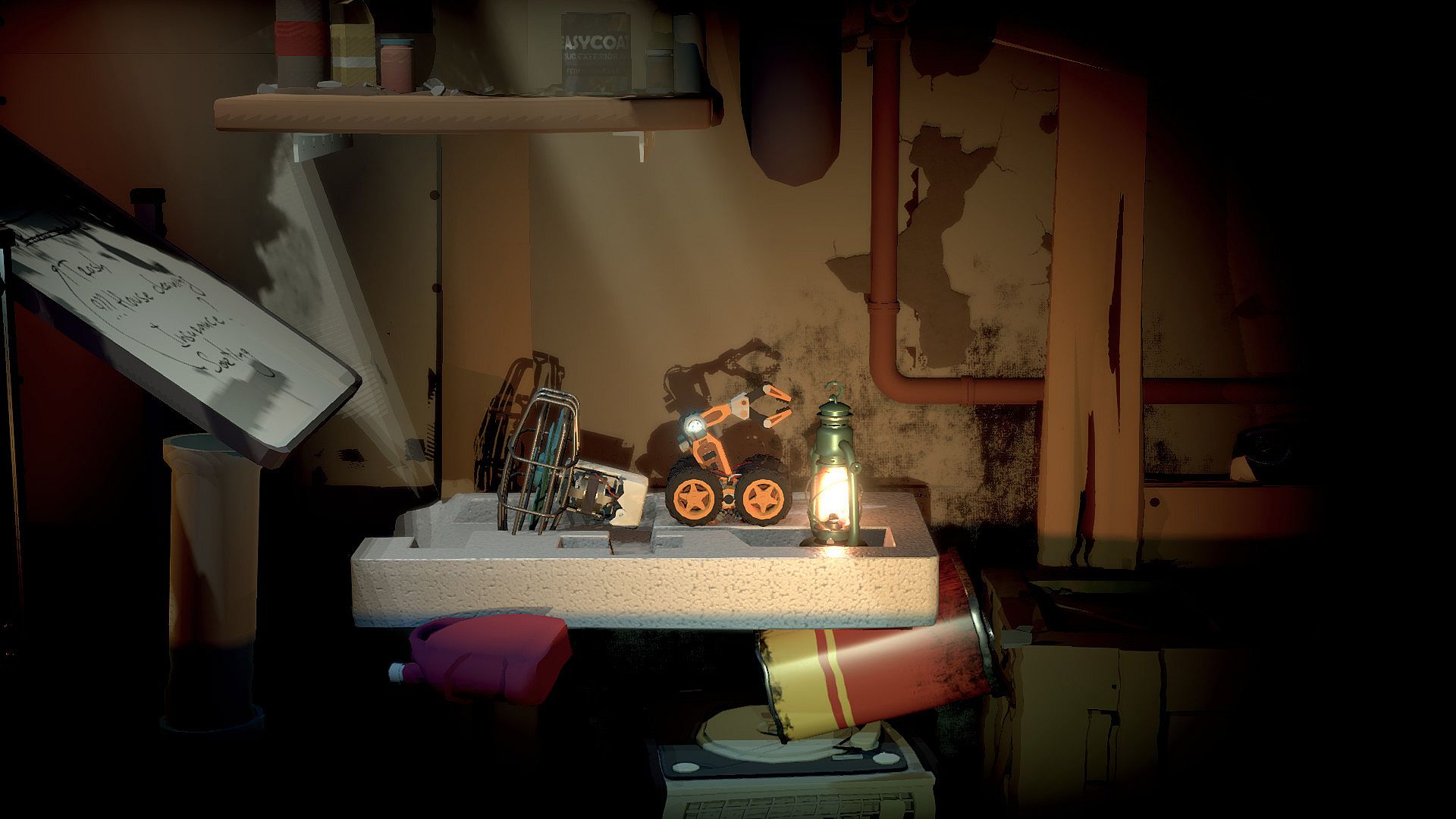
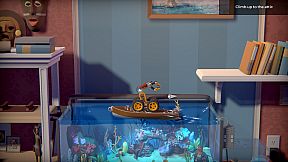
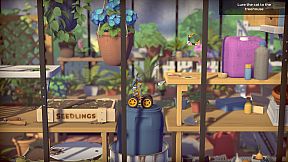
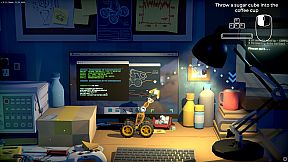
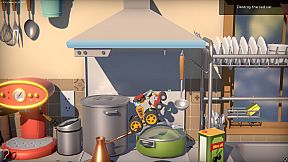
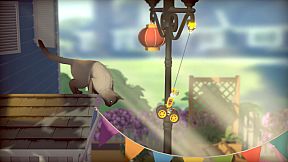
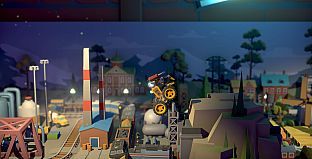
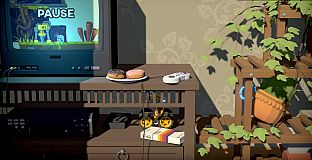
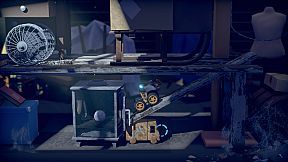
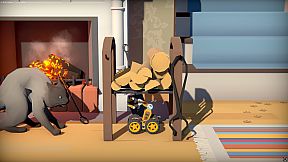
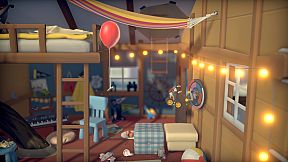
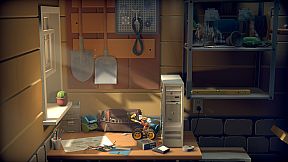
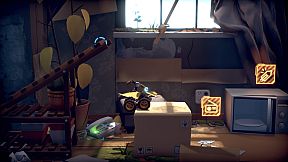
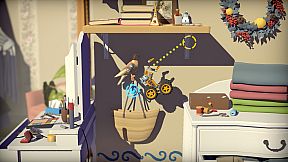
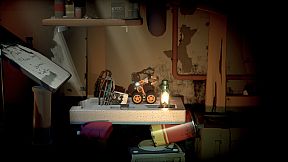
Time Loader is a puzzle platformer that puts players in control of a small robot sent back in time to the 1990s. The game combines physics-based environmental challenges with a narrative focused on altering a tragic event in the past. Players navigate a house filled with everyday objects viewed from a miniature perspective, solving puzzles that require careful manipulation of the environment while dealing with the ripple effects of time travel.
Gameplay
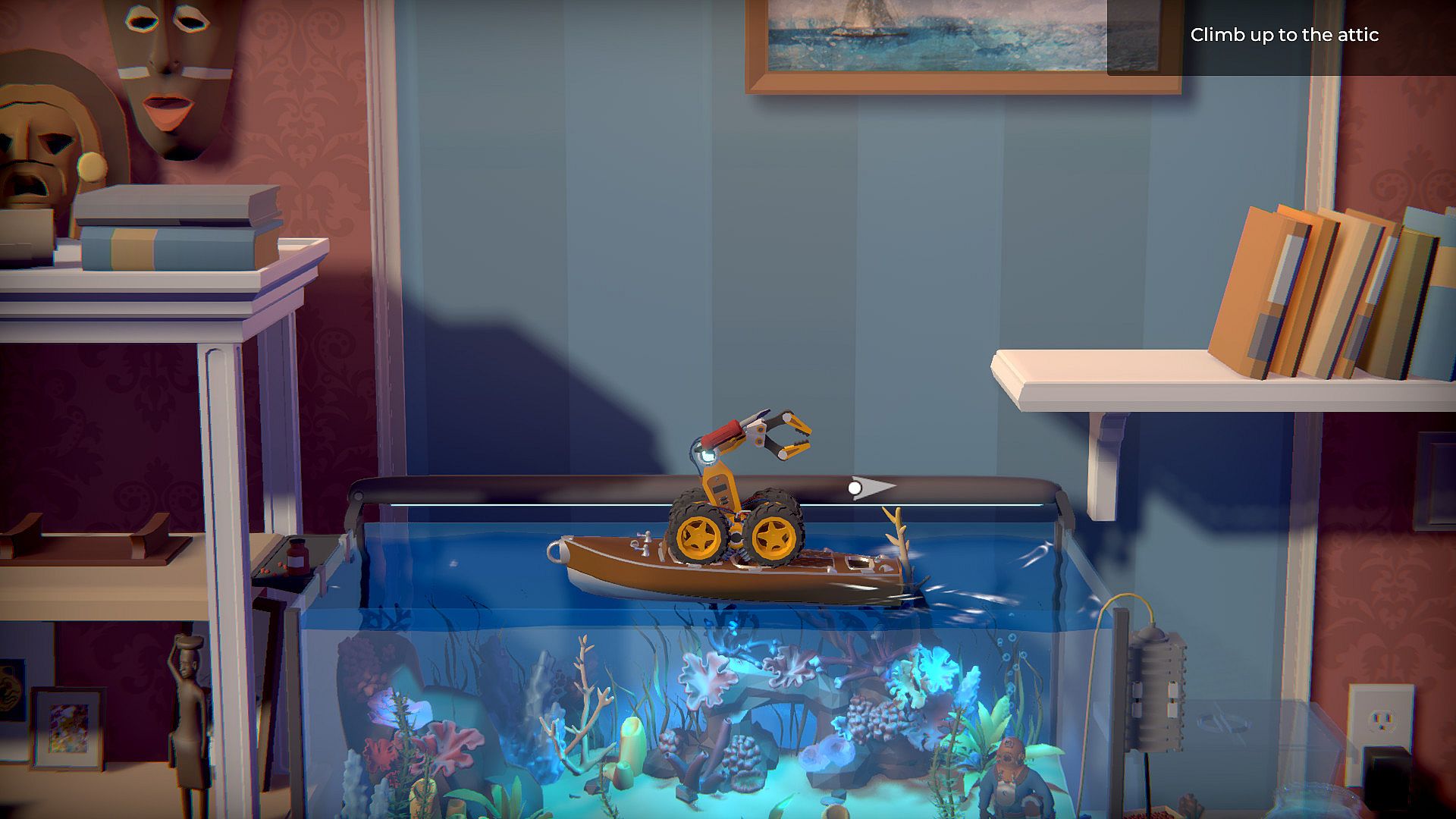
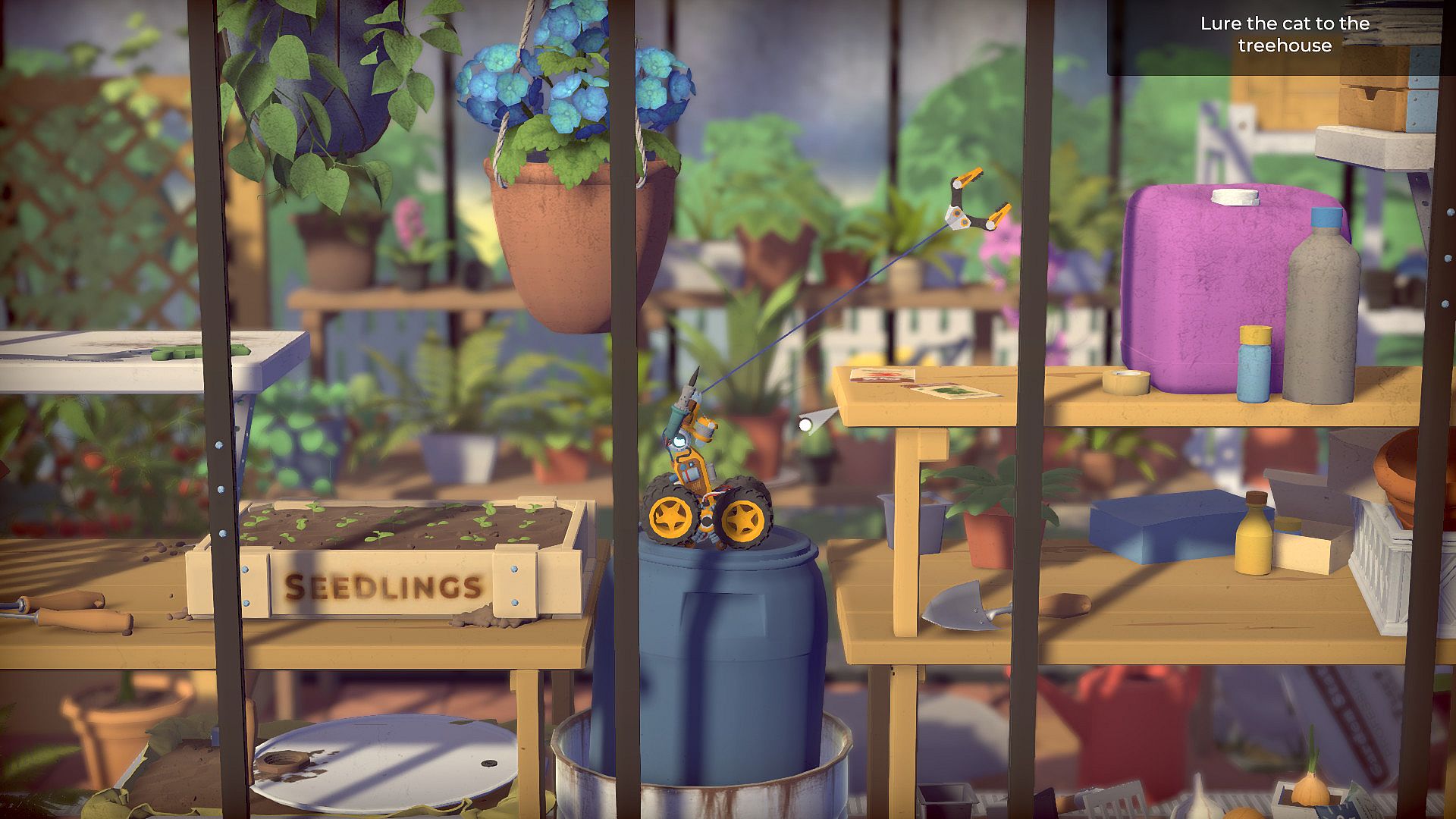
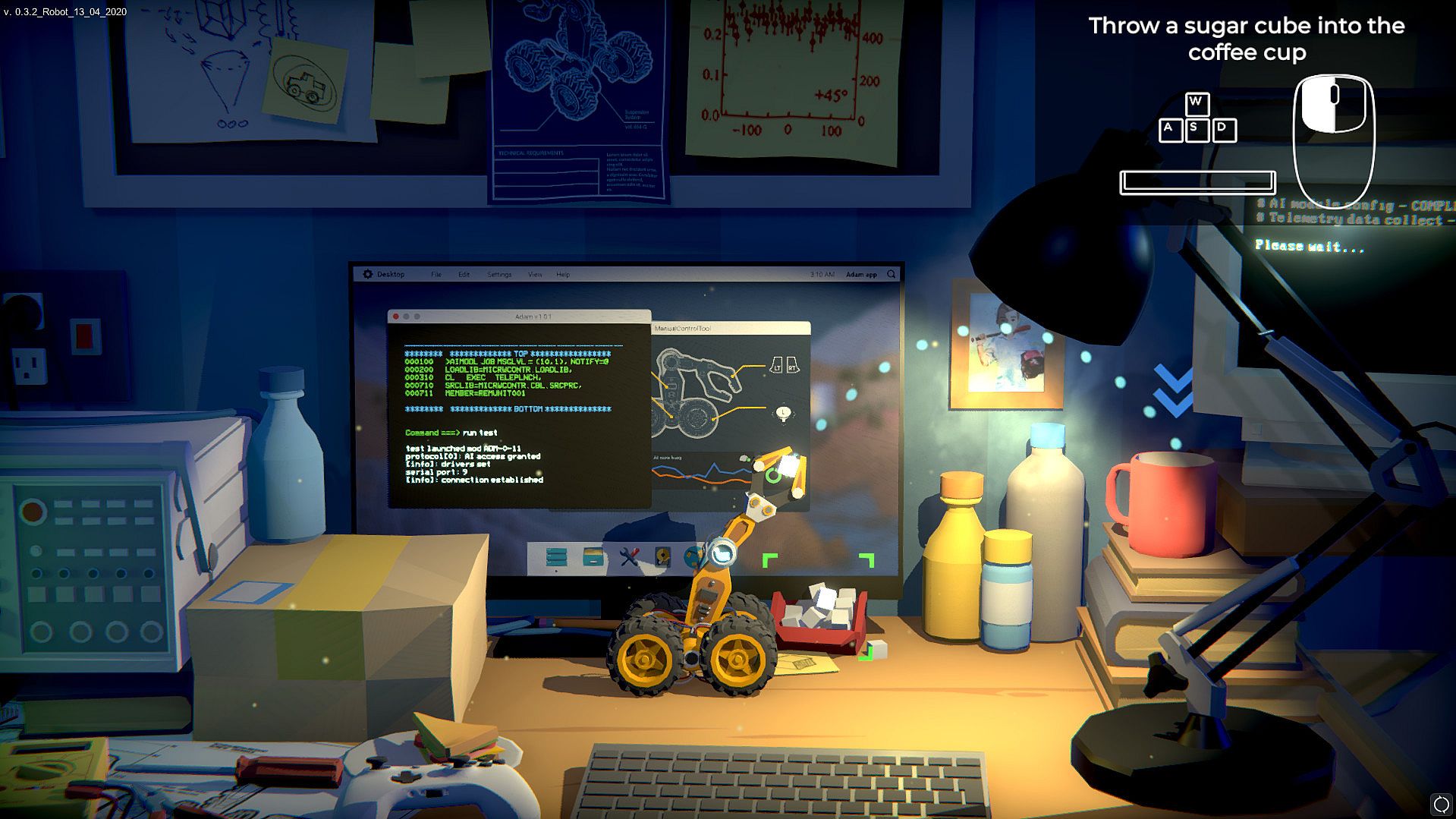
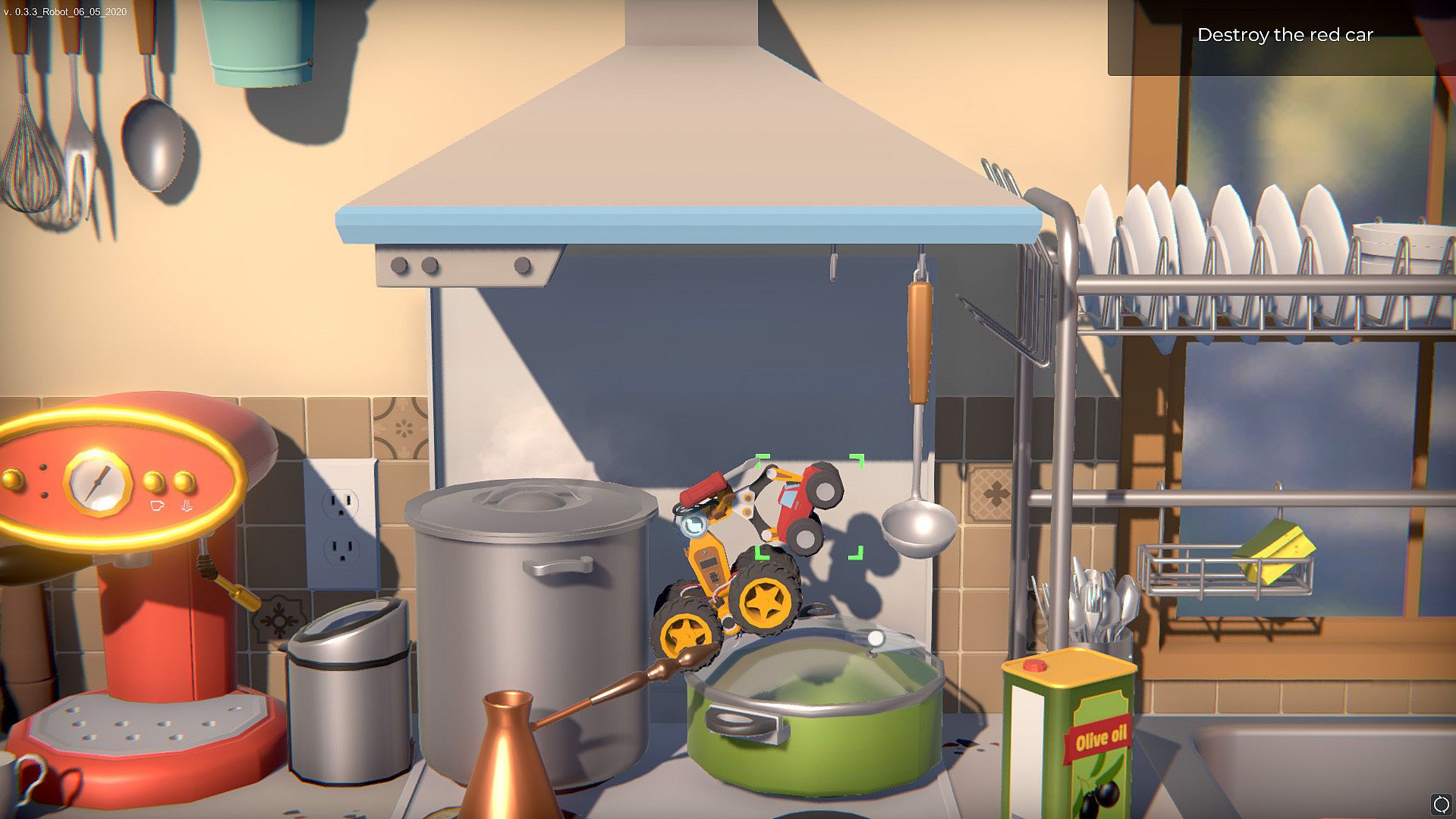
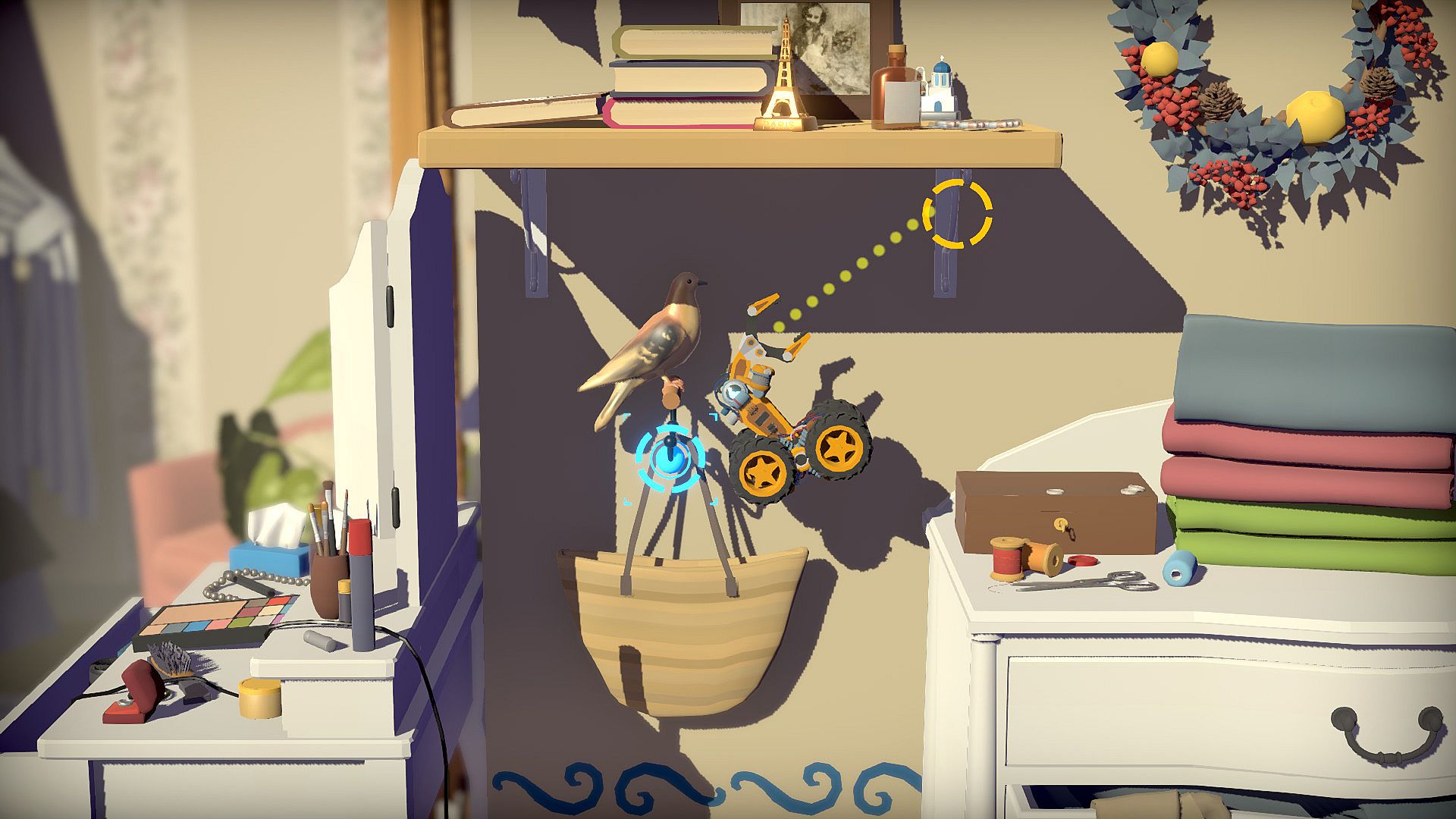
The core loop revolves around exploration and puzzle solving as the tiny robot moves through rooms and interacts with household items scaled to its size. Objects like furniture, appliances, and tools become obstacles or tools depending on how the player approaches them. Physics play a central role, with momentum, weight, and interactions determining success in each section. The robot starts with basic movement and interaction abilities, then gains upgrades that expand options for traversal and problem solving.
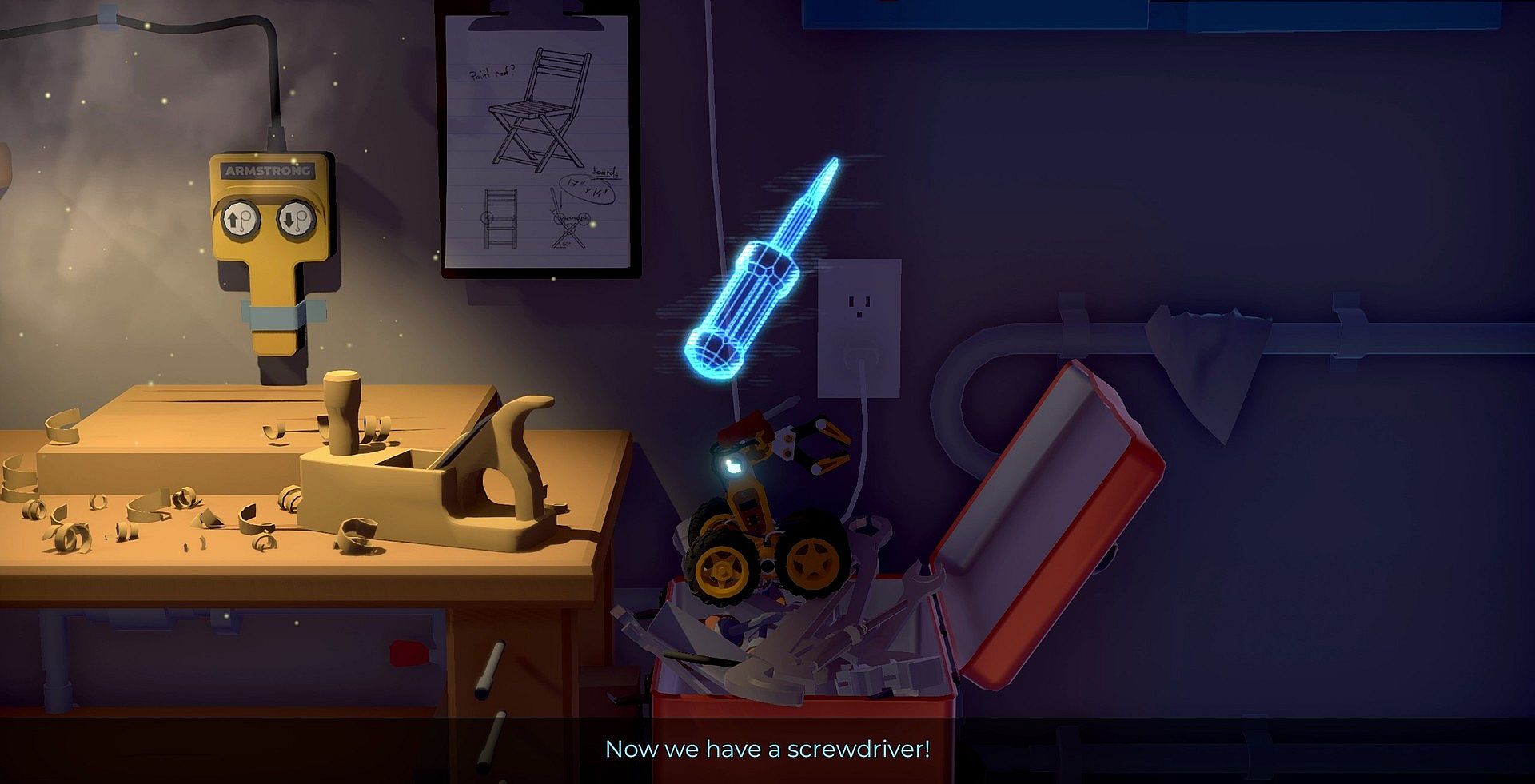
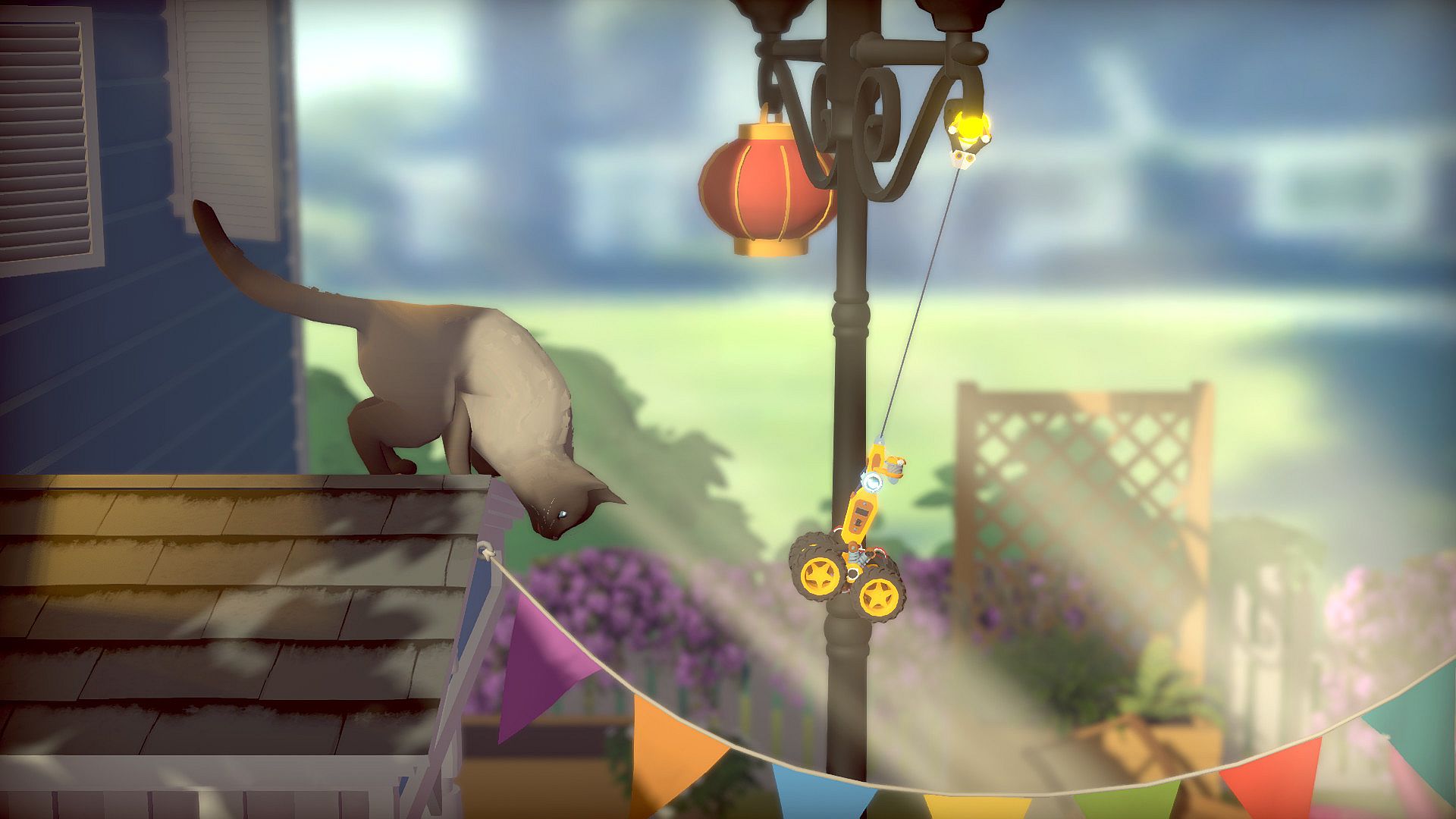
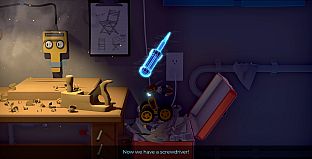
Upgrades include boosters for enhanced movement, a harpoon for pulling or anchoring, a screwdriver for mechanical interactions, and the ability to conduct electricity through circuits. These tools allow multiple approaches to the same puzzle, encouraging experimentation. The side-scrolling perspective emphasizes verticality and hidden paths, as the robot can climb, jump, or reroute power in creative ways. Time travel mechanics add another layer, where actions in the past can shift the layout or available items upon returning to altered timelines.
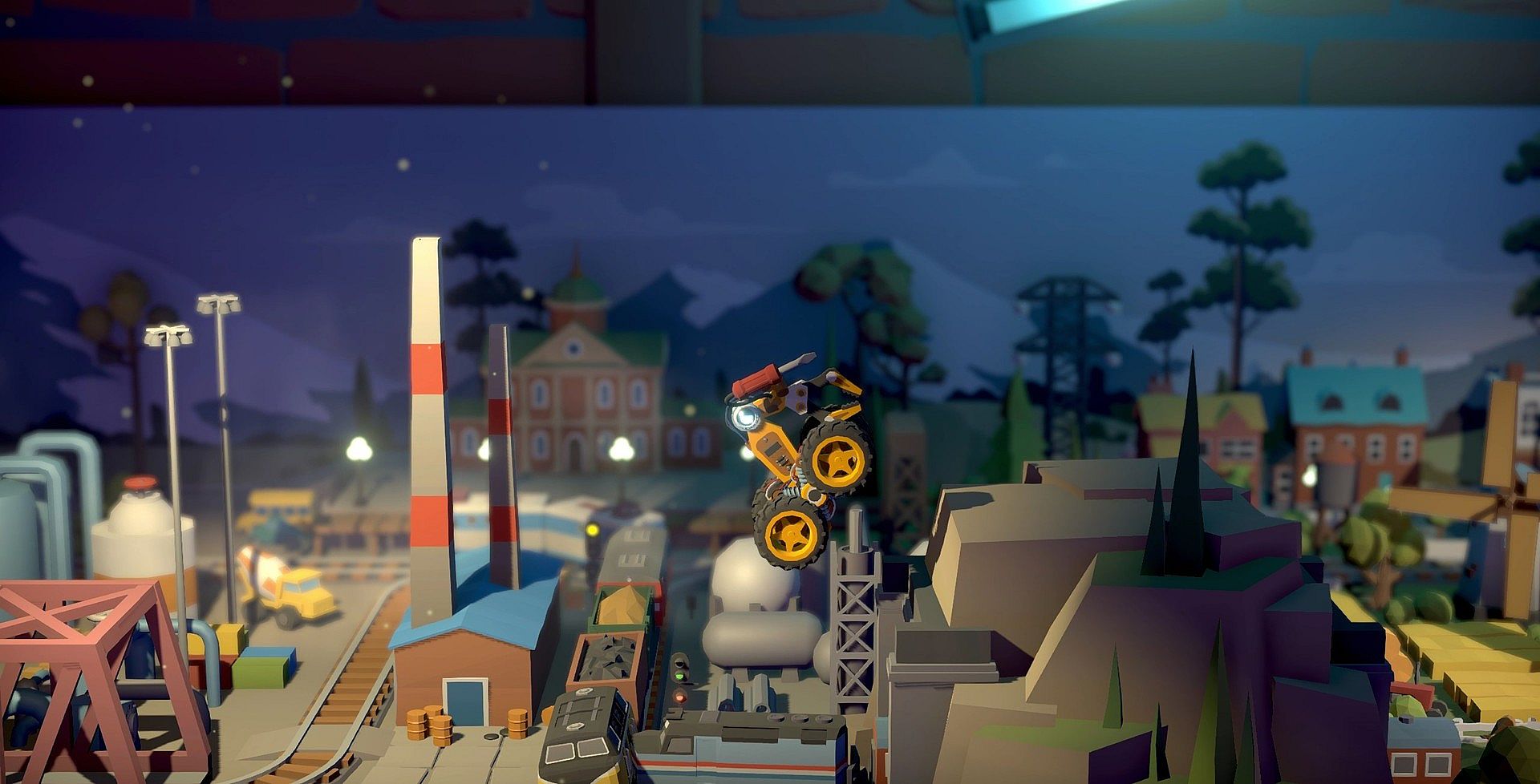
Progression feels deliberate, with each area introducing new mechanics that build on previous ones. The cute visual style contrasts with the serious consequences of meddling with history, creating tension between lighthearted exploration and heavier story beats.
Game Modes
Time Loader operates as a single-player experience centered on its main story campaign. There are no separate competitive or cooperative modes. The focus remains on progressing through the narrative while completing environmental puzzles in sequence. Branching paths emerge from player choices, leading to different story outcomes without requiring replay of entire sections.
Within the campaign, players encounter sections that reward careful planning and others that allow faster, riskier solutions. The structure supports multiple playthroughs to explore alternate results, but the core loop stays consistent across runs. No additional modes such as time trials or challenge arenas appear in the game.
Narrative and Atmosphere
The story follows the robot's mission to prevent an accident that affects its creator. Choices made during puzzle solving influence later events, creating a sense of responsibility for the timeline. References to 1990s culture, music, and technology appear throughout the house setting, adding nostalgic details without overwhelming the central plot.
Atmosphere blends relaxing childhood memories with the weight of potential unintended changes. Household items take on new roles when viewed at toy-car scale, turning familiar spaces into intricate puzzle environments. The narrative emphasizes cause and effect, showing how small interventions can lead to larger shifts in the future.
Is It Worth Playing?
Time Loader suits players who enjoy puzzle platformers with strong emphasis on physics and story consequences. Its single-player campaign delivers a focused experience that rewards observation and creative problem solving. Reception on Steam stands at around 70 percent positive based on more than 200 reviews, indicating solid appreciation for the mechanics and narrative twists among those who completed it.
The game remains available on PC with no major post-launch seasons or expansions altering the original content. Those drawn to time-travel themes and miniature-scale exploration will find the length and pacing appropriate for a complete playthrough. It offers a self-contained adventure without ongoing live-service elements, making it a straightforward choice for fans of the genre.