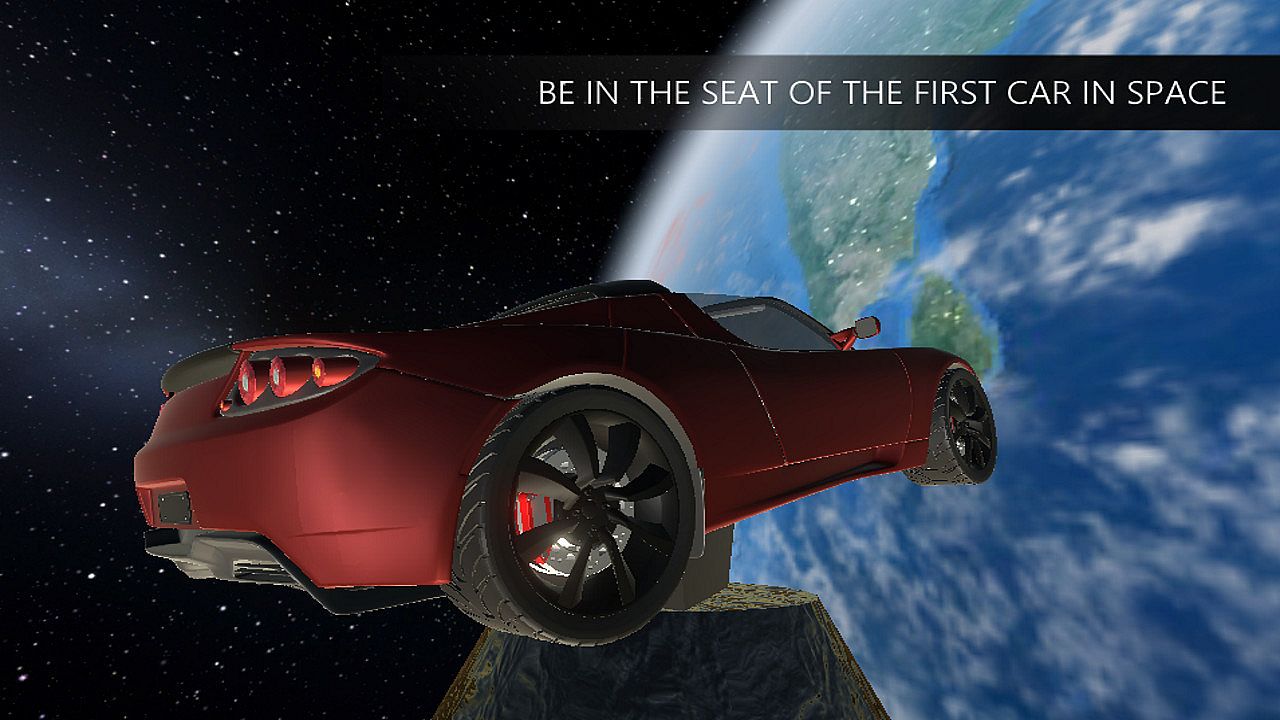
Planetarium 2 - Zen Odyssey stands out as an indie casual simulation game on PC, letting players tinker with the cosmos in a relaxed, open-ended format. Released back in 2018, this title turns space exploration into a hands-on playground where you build, destroy, and observe astronomical wonders without strict goals or pressures.
Gameplay
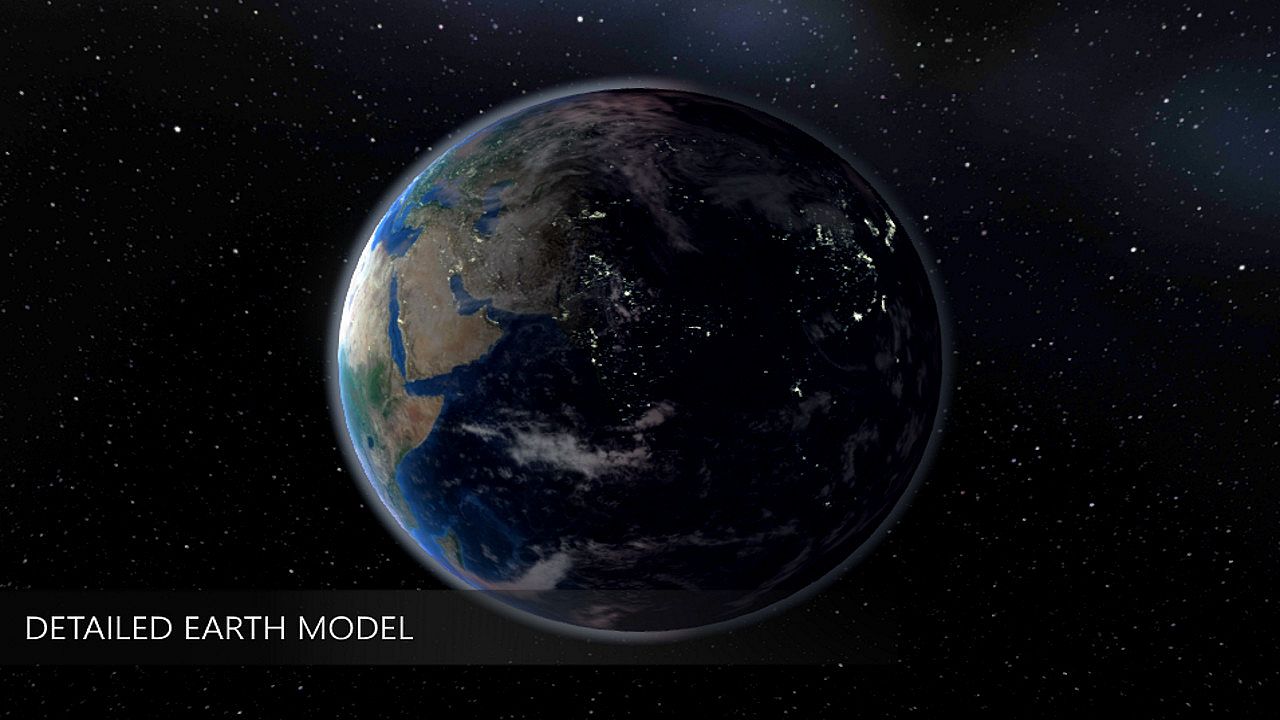
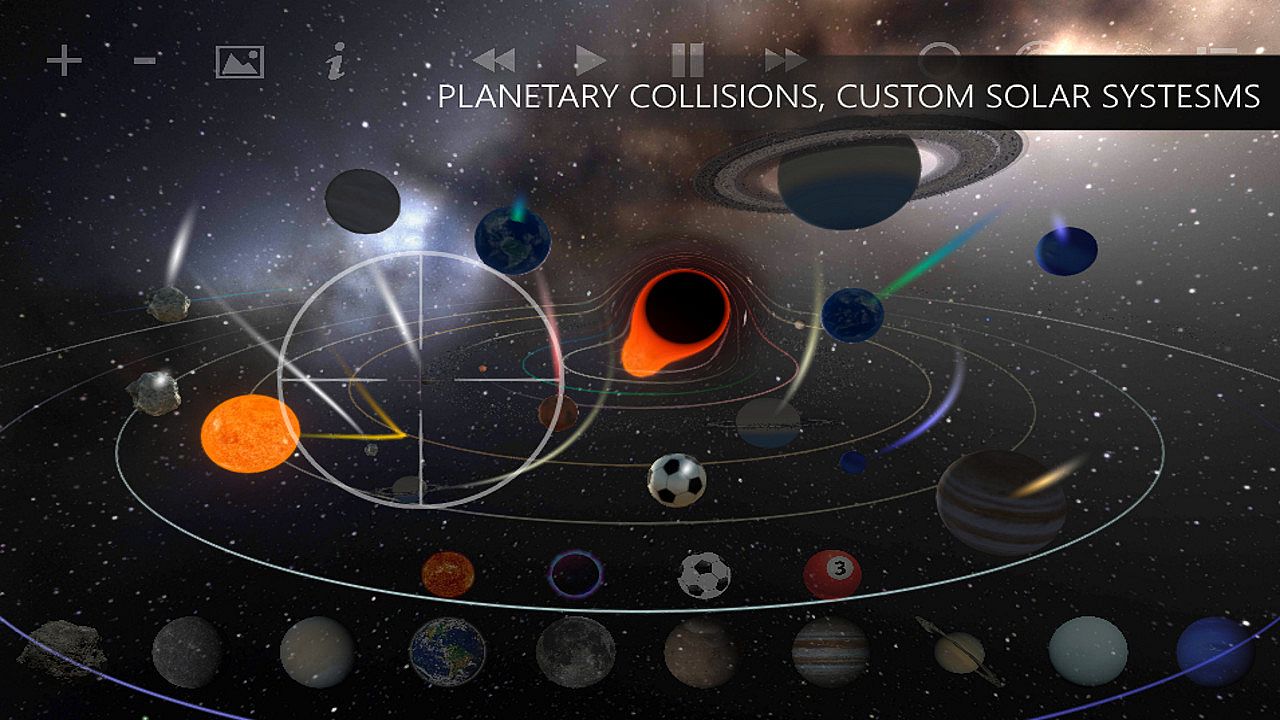
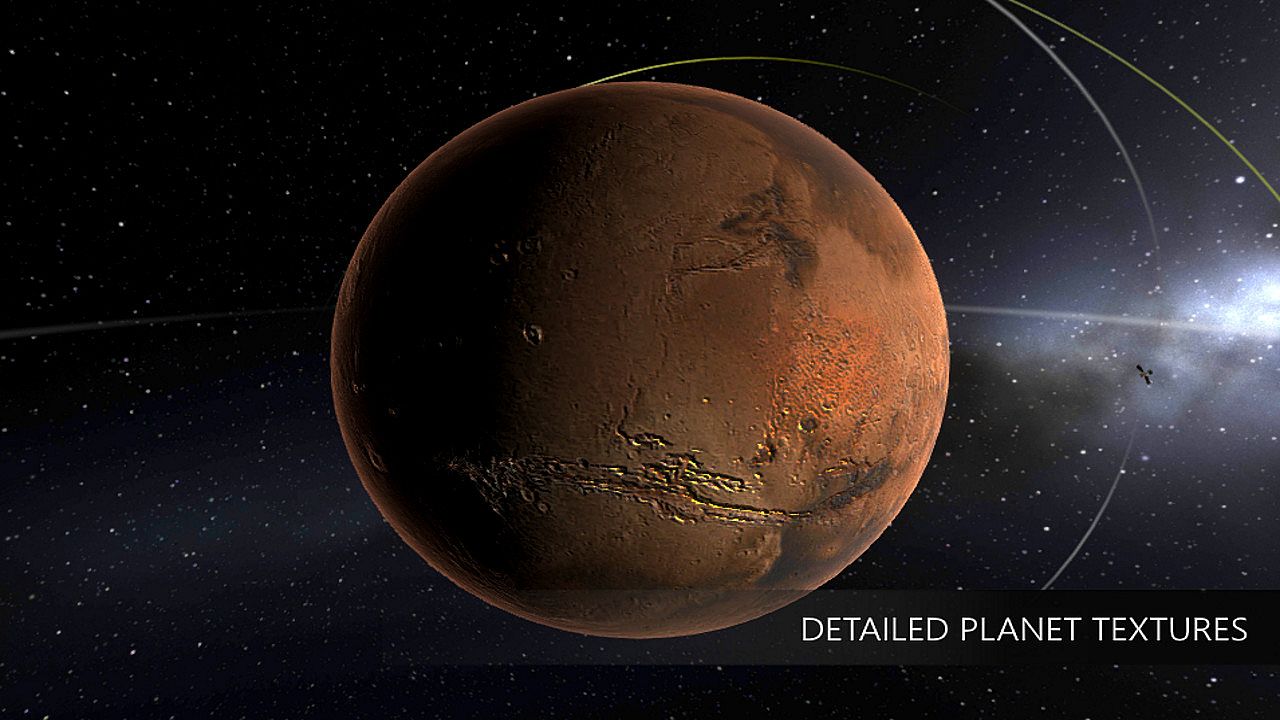
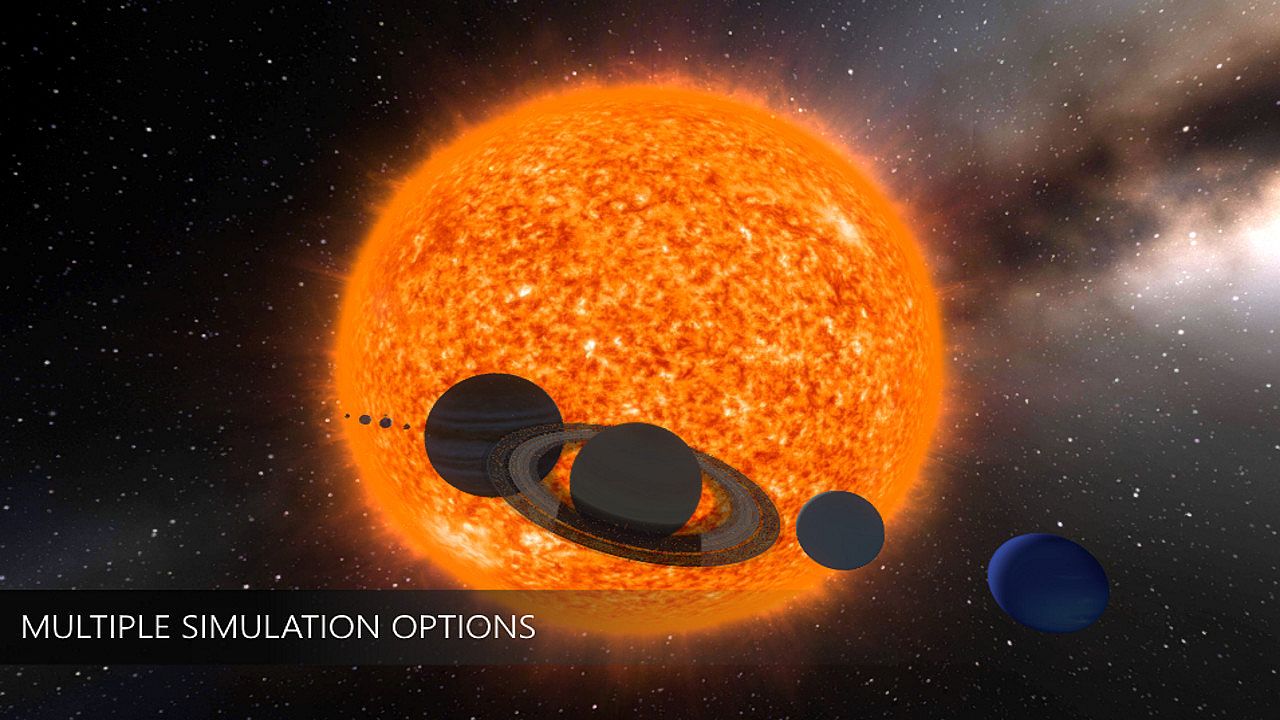
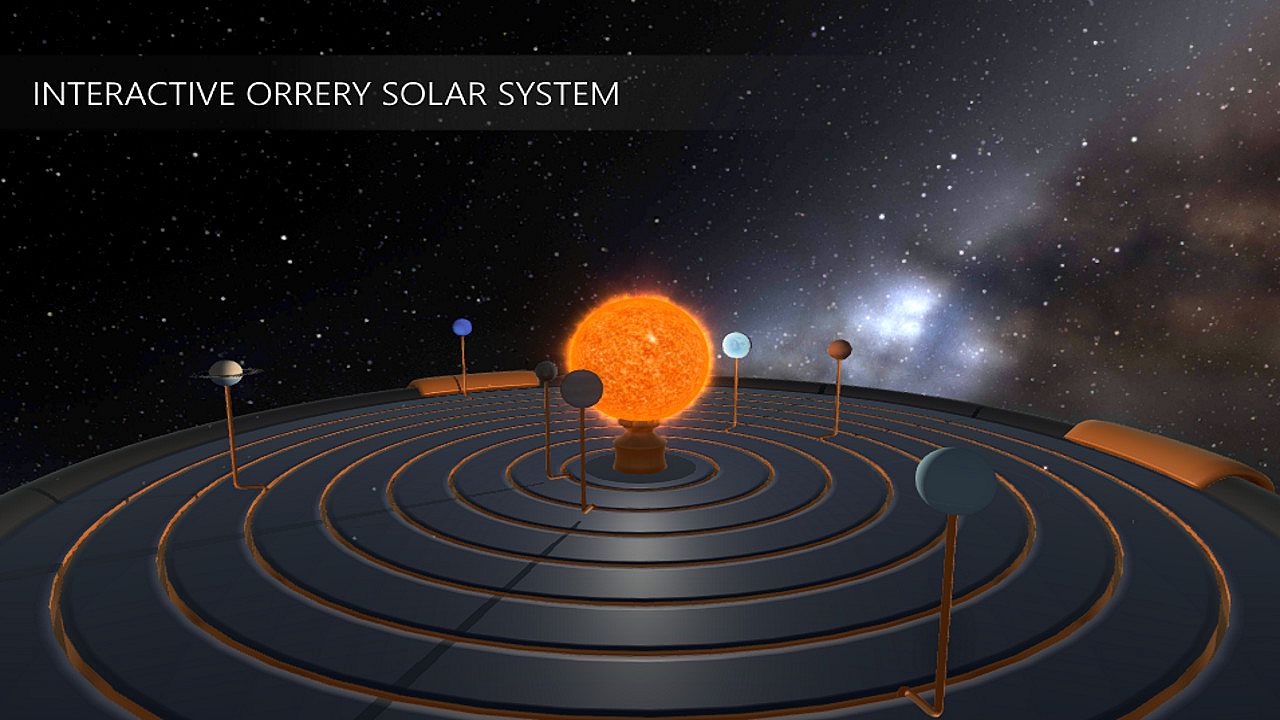
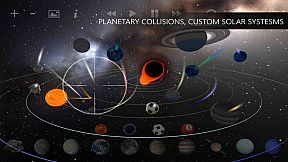
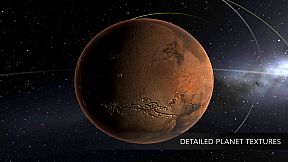
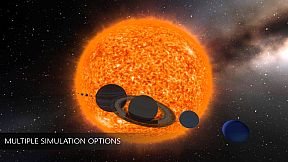
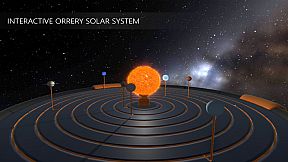
In Planetarium 2 - Zen Odyssey, the core loop revolves around a physics-based sandbox where you interact with celestial bodies. You start by exploring the solar system, viewing planets, moons, and dwarf planets up close. The game lets you create custom solar systems by adding or removing planets, tweaking their orbits, speeds, and sizes. For instance, scaling a planet larger than the sun is possible, leading to wild gravitational effects.
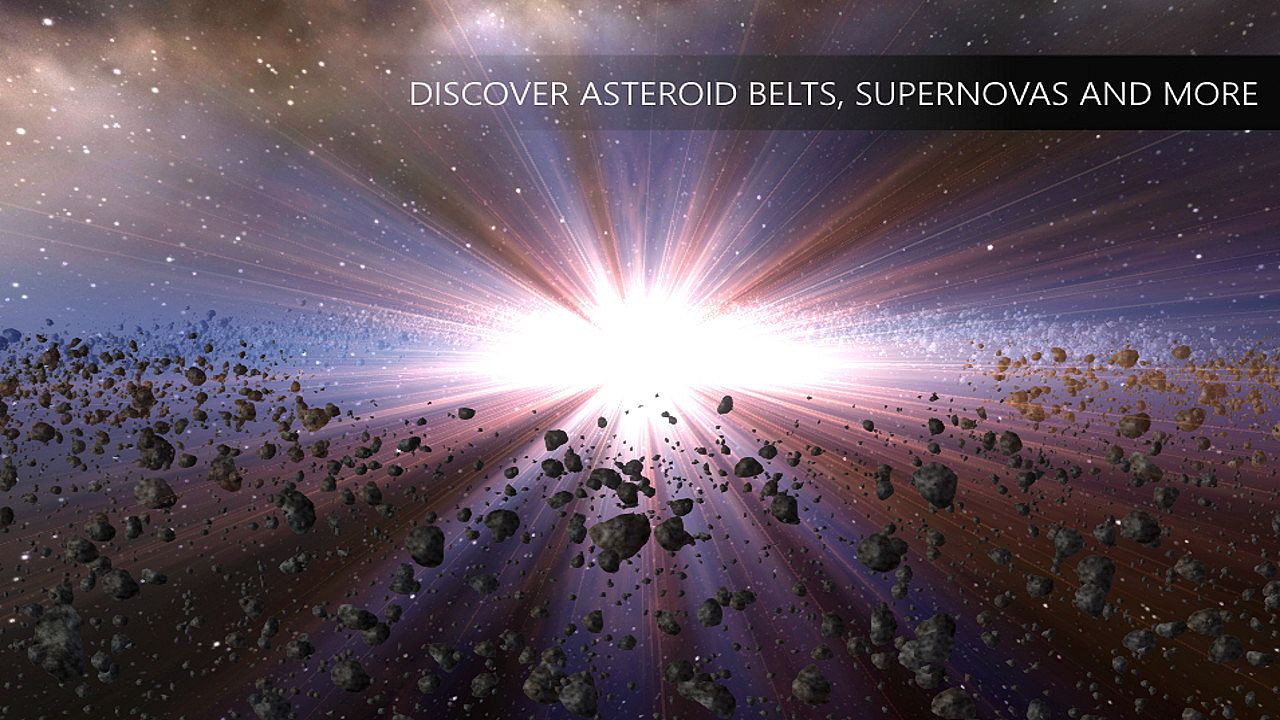
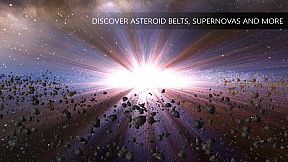
Terraforming adds another layer, as you adjust temperatures to melt ice caps or freeze surfaces, then layer on vegetation, clouds, water, and even rings with asteroid belts. Procedural generation creates infinite planet variations, including mysterious ringed worlds. Collision mechanics allow hurling asteroids or planets to witness massive impacts and physics in action.
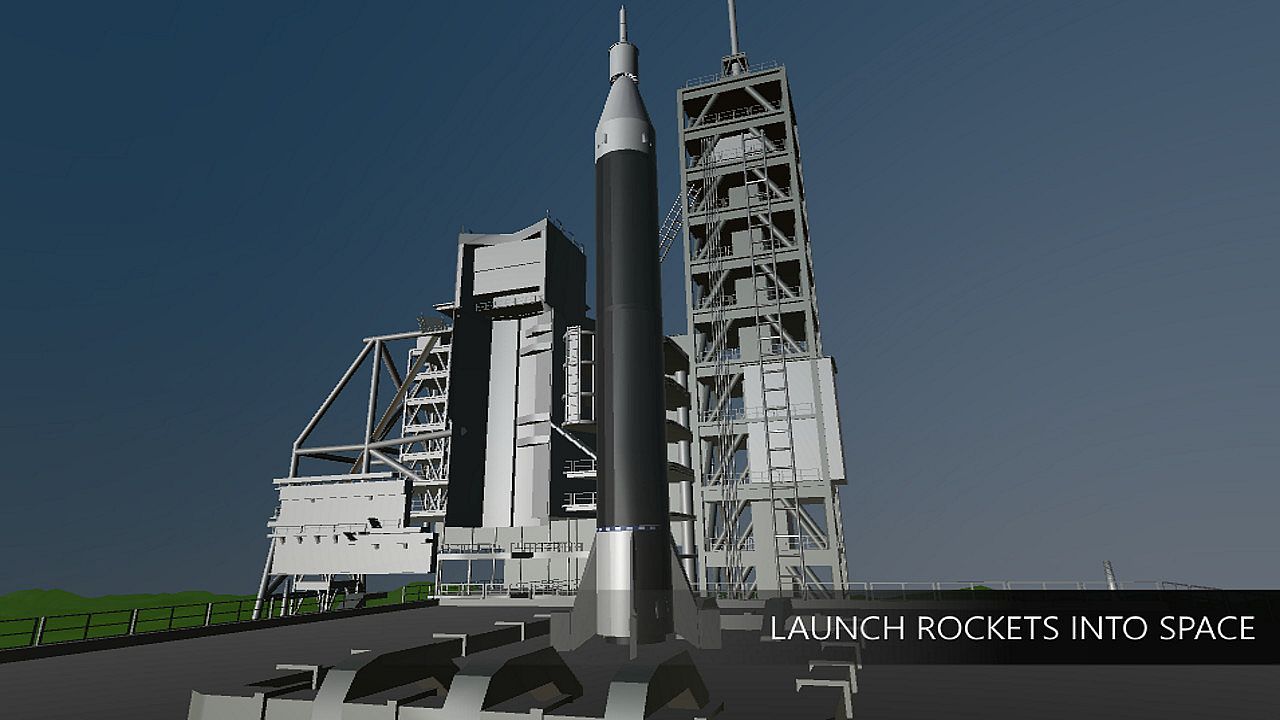
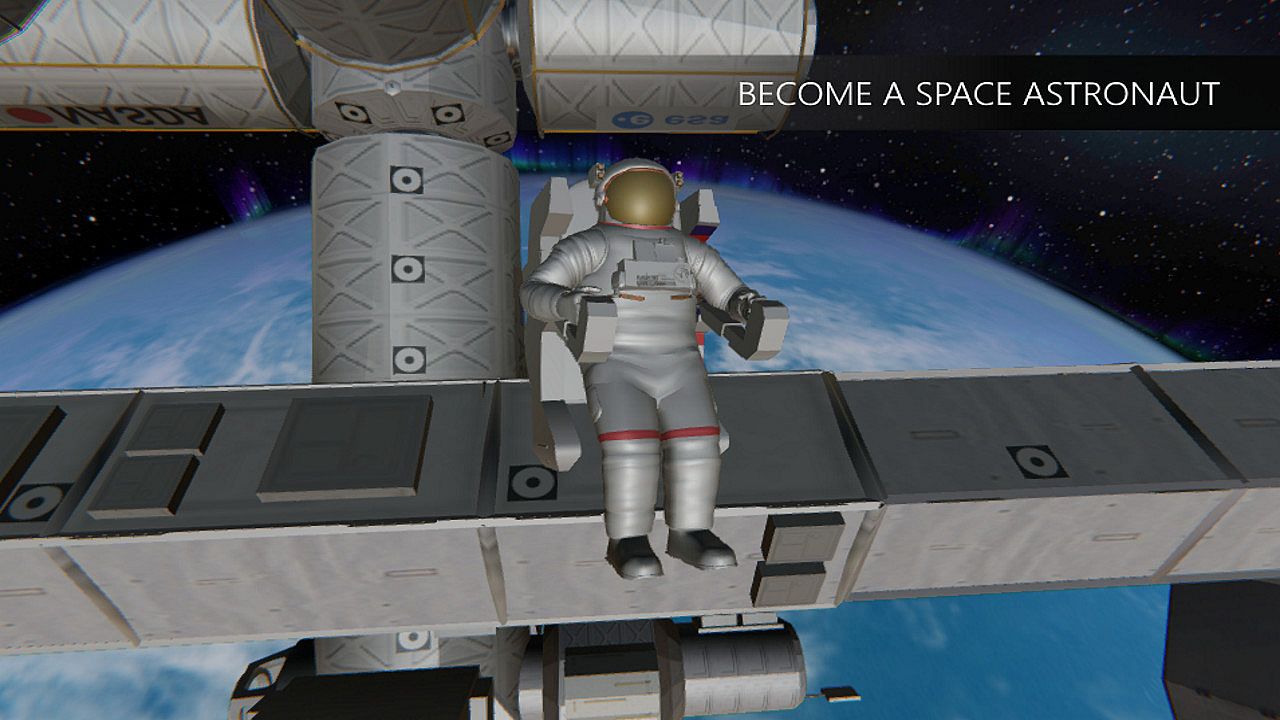
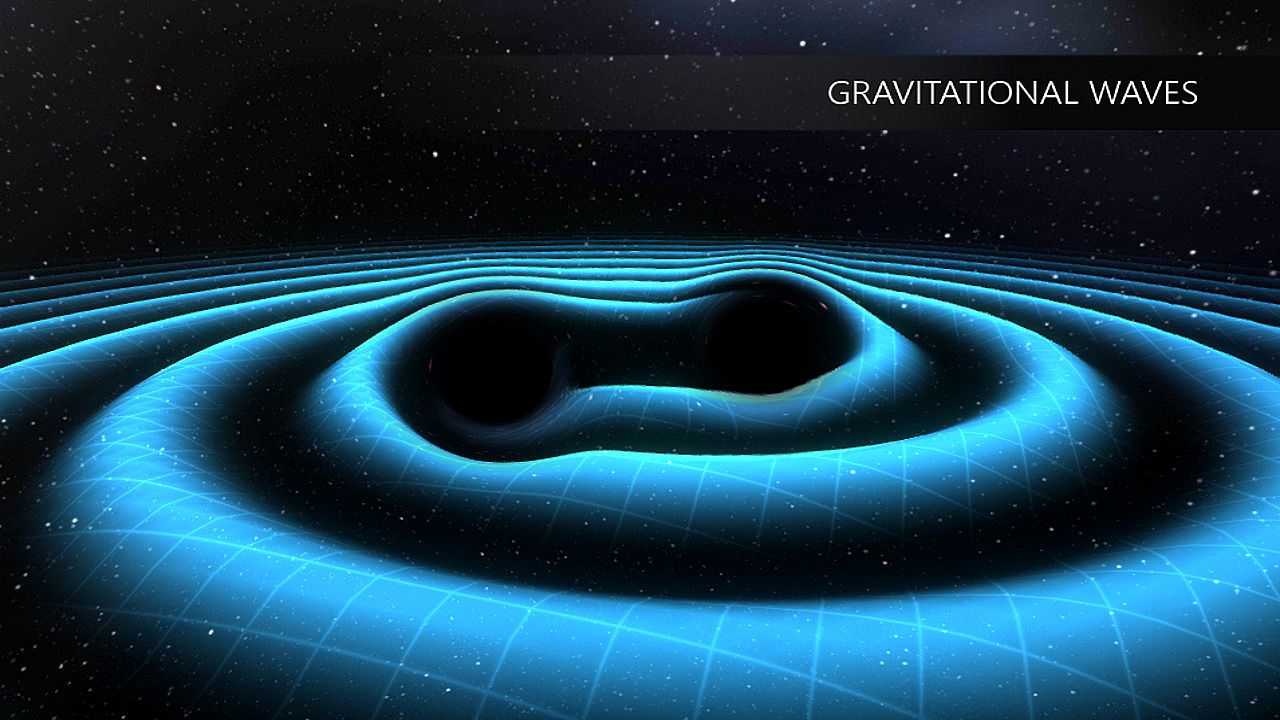
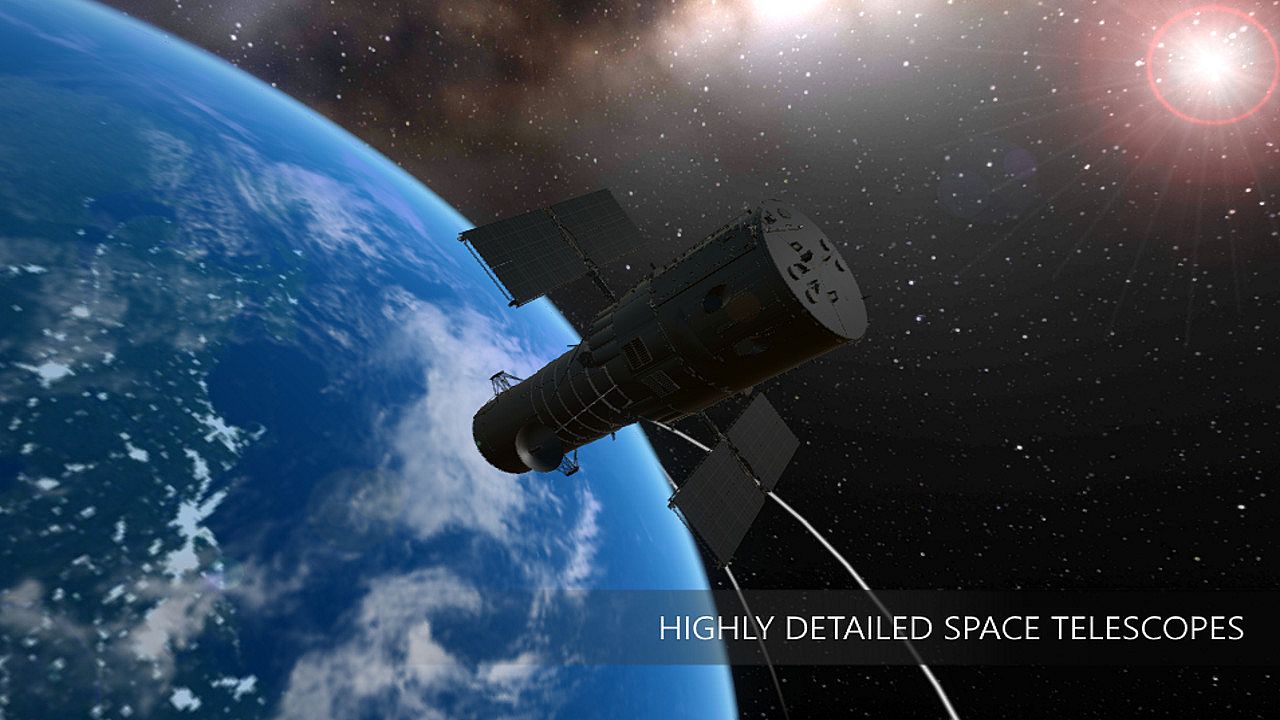
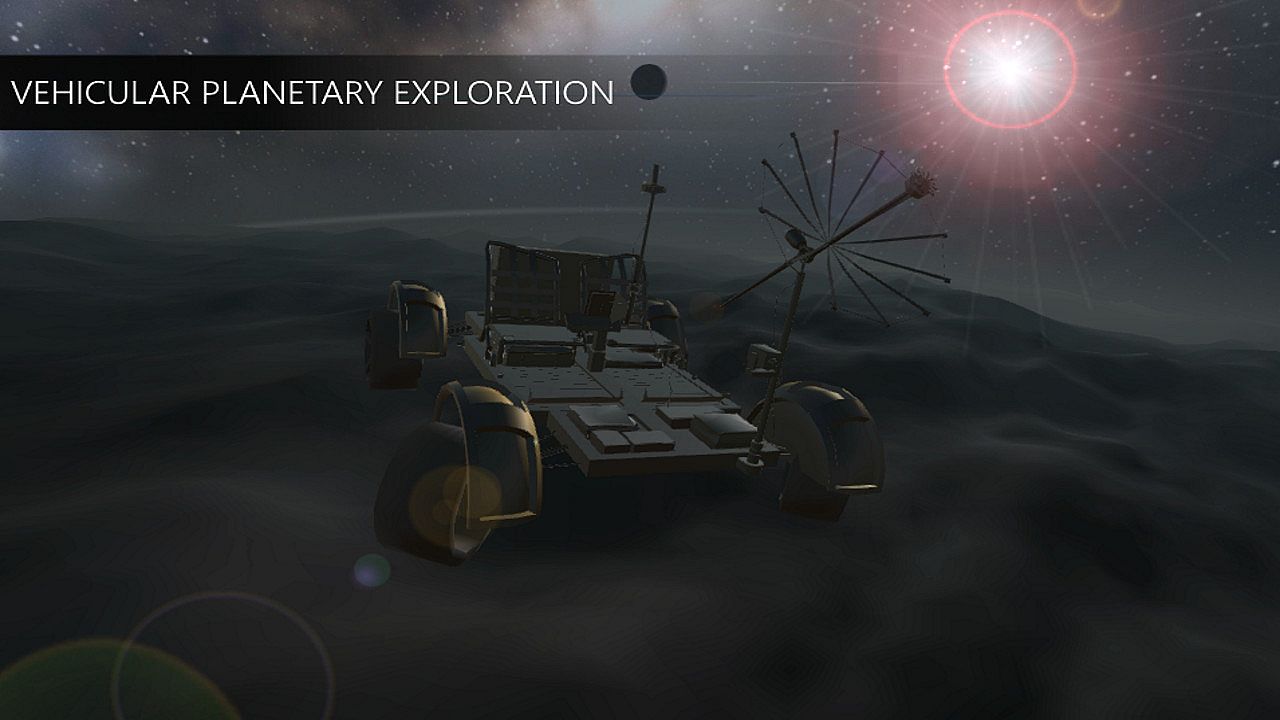
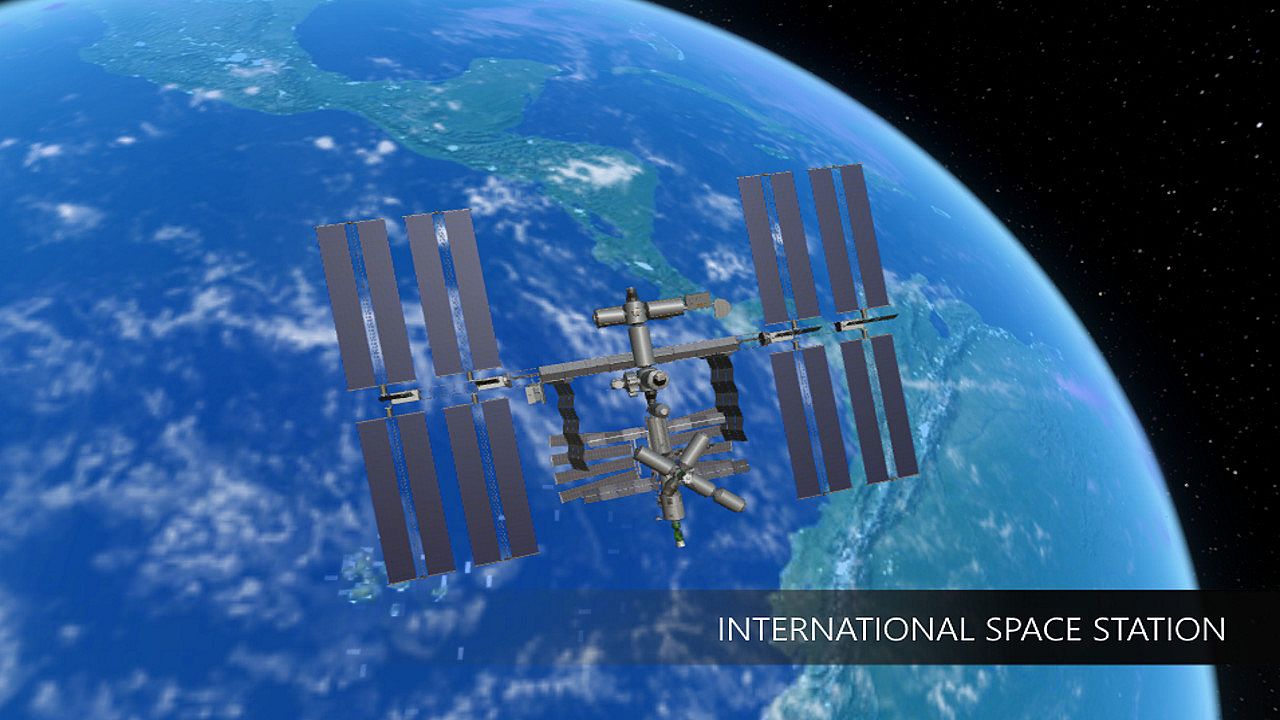
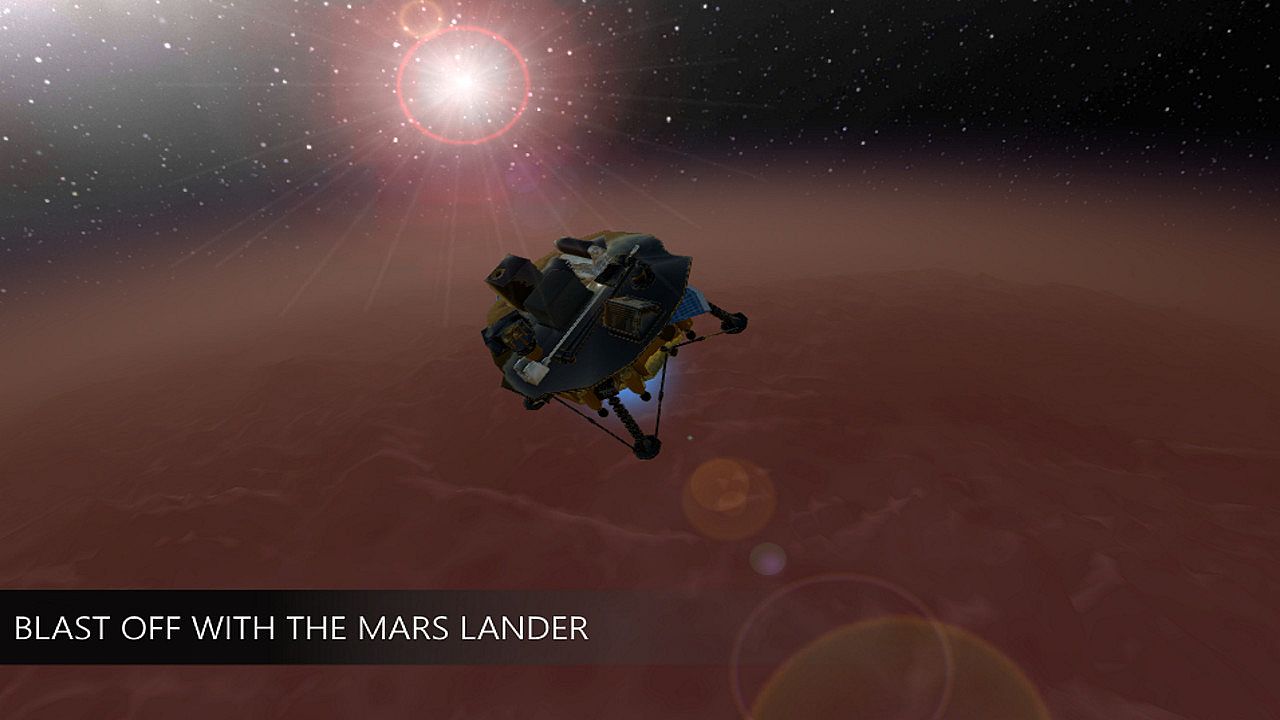
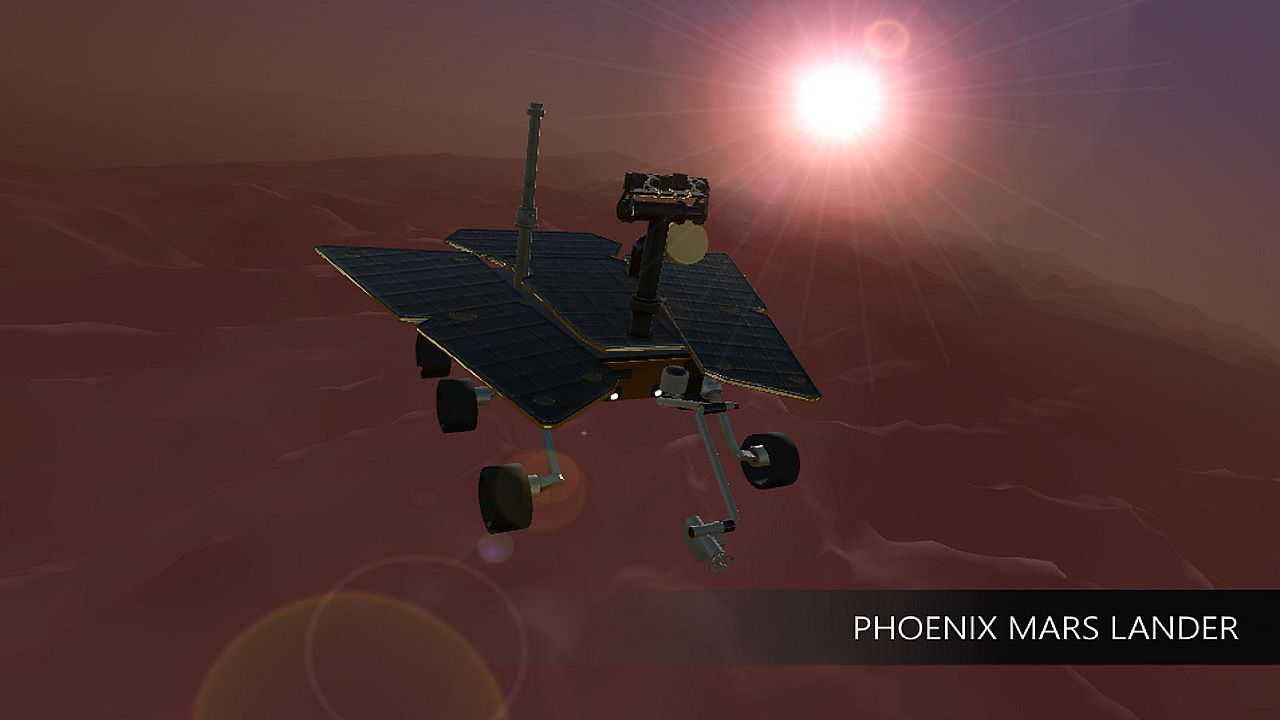
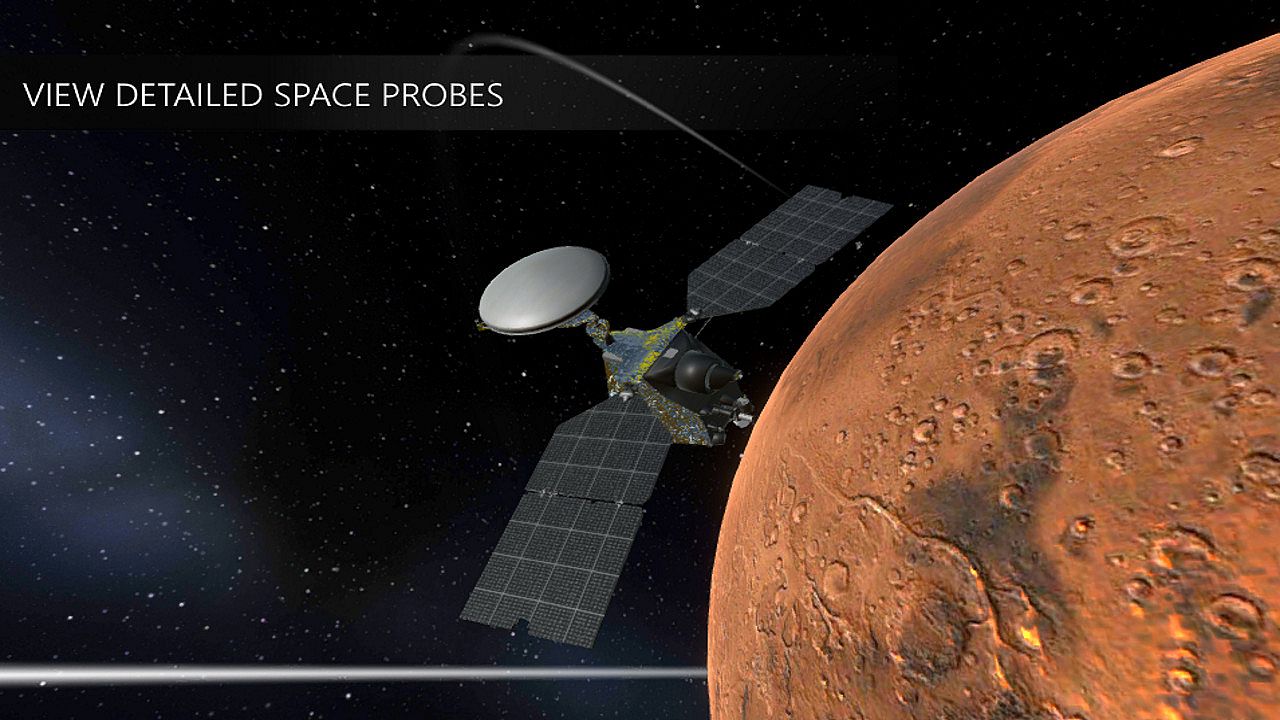
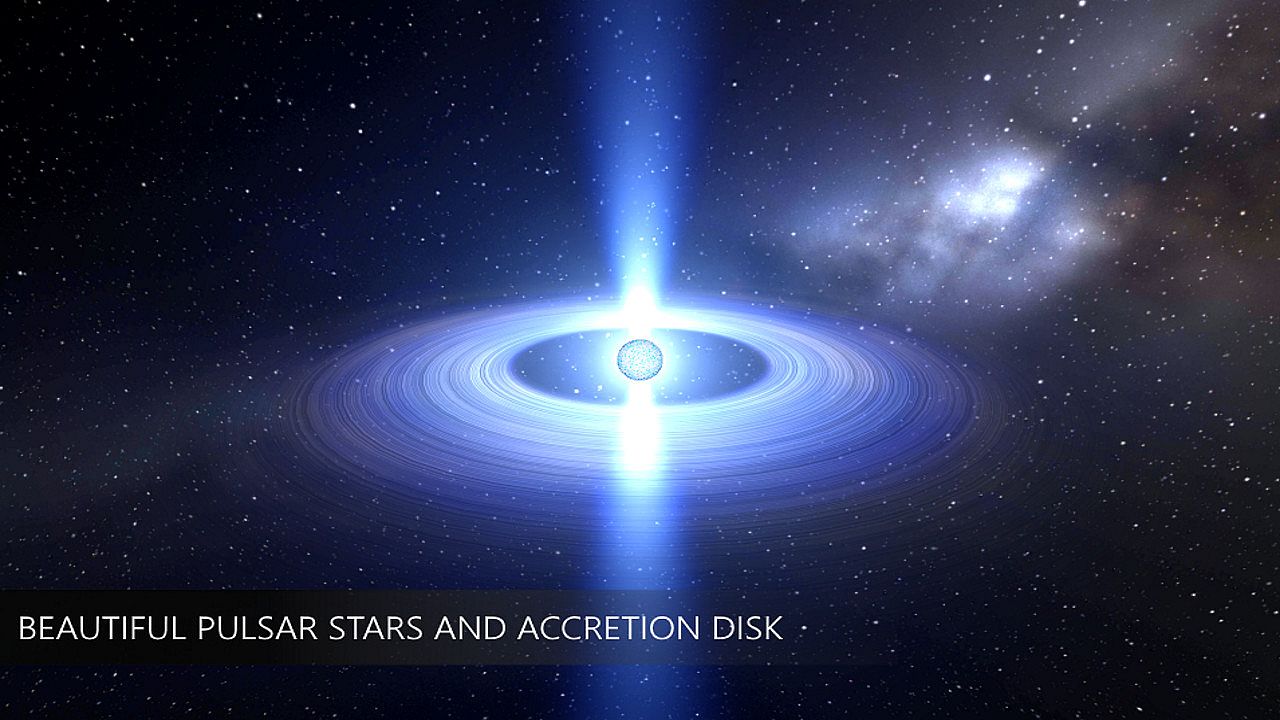
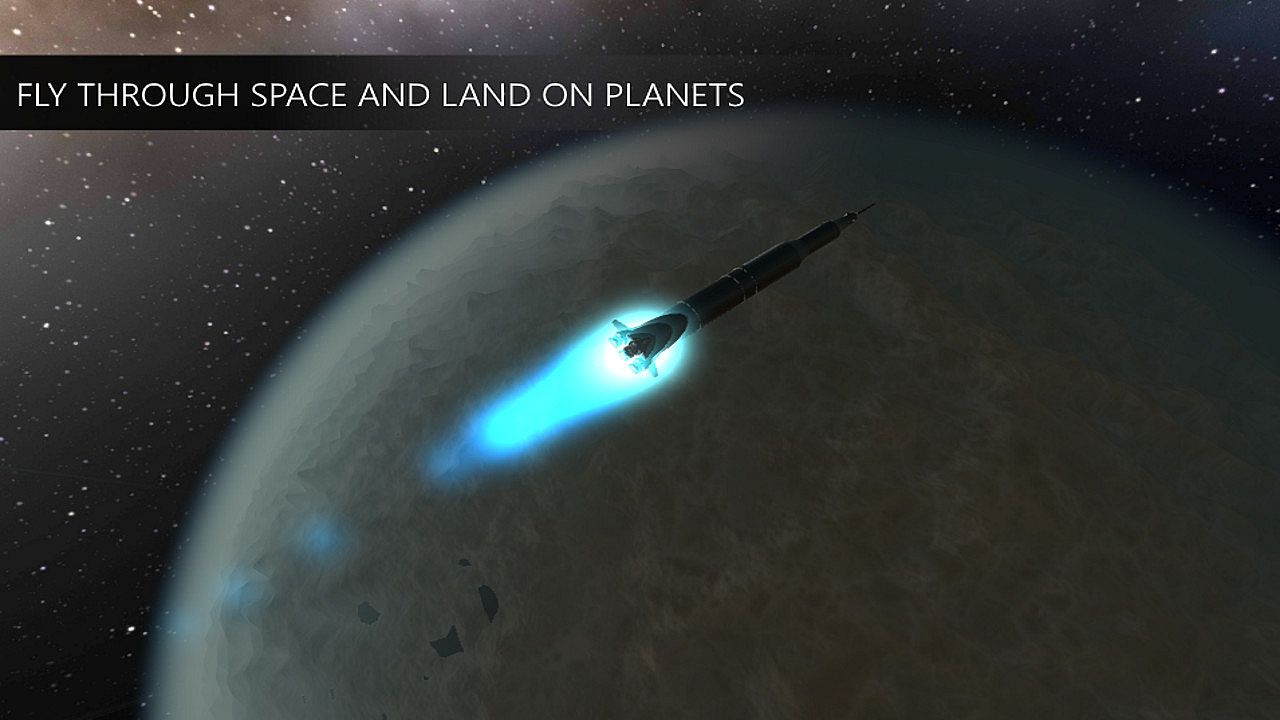
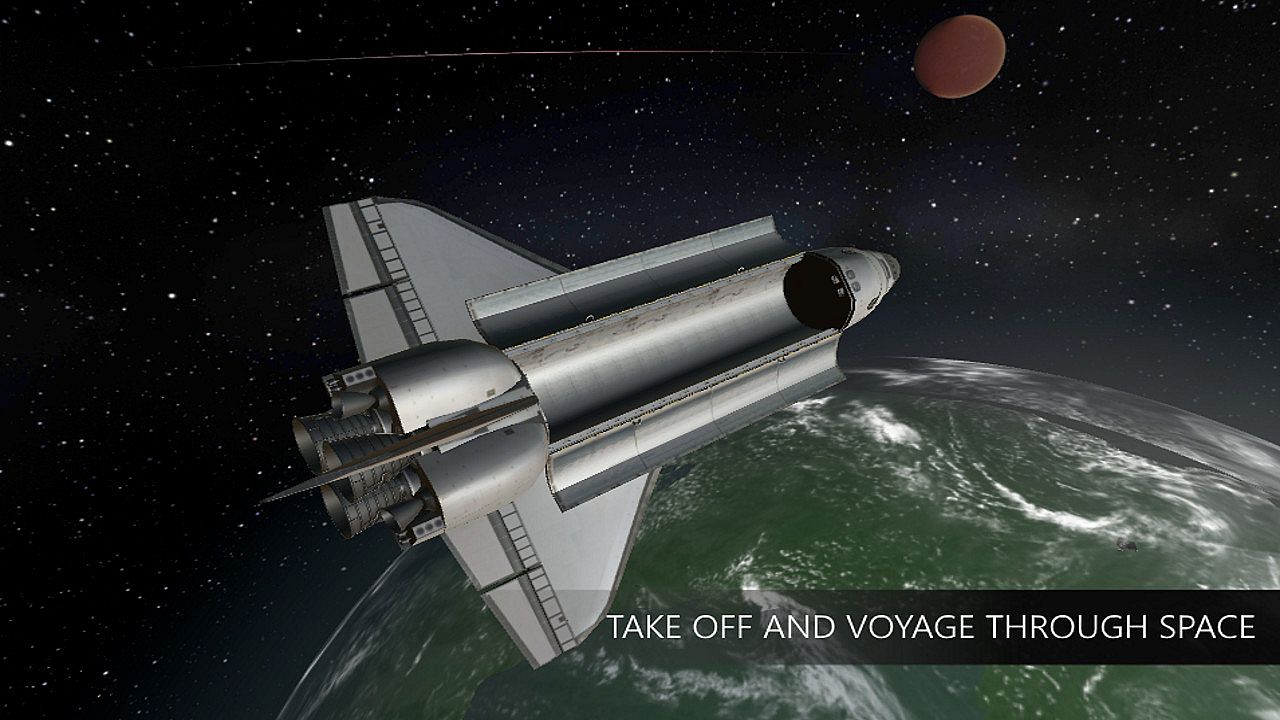
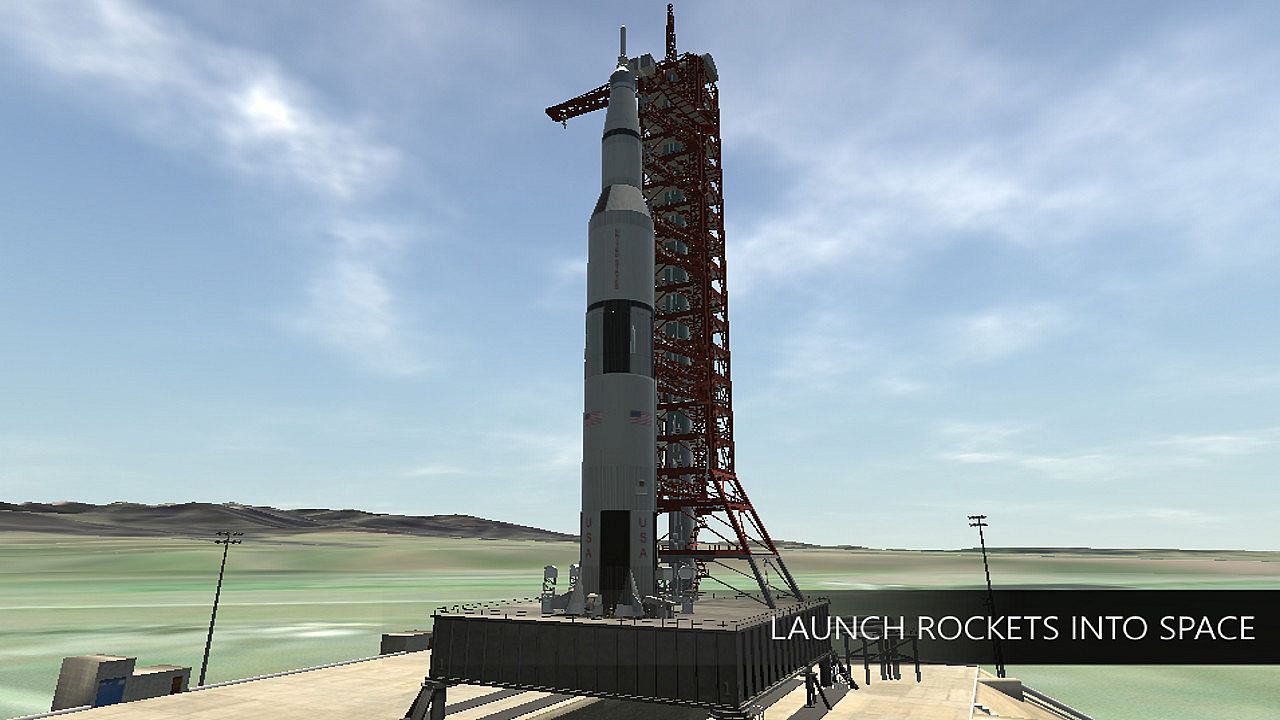
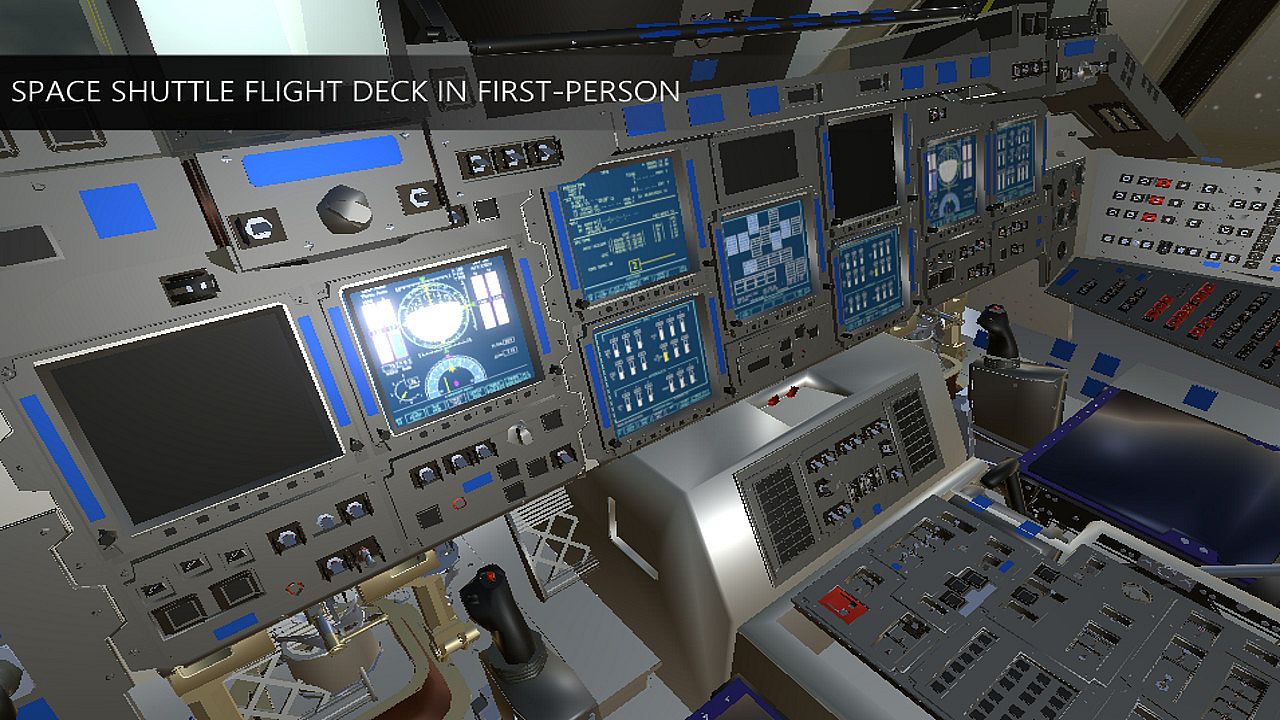
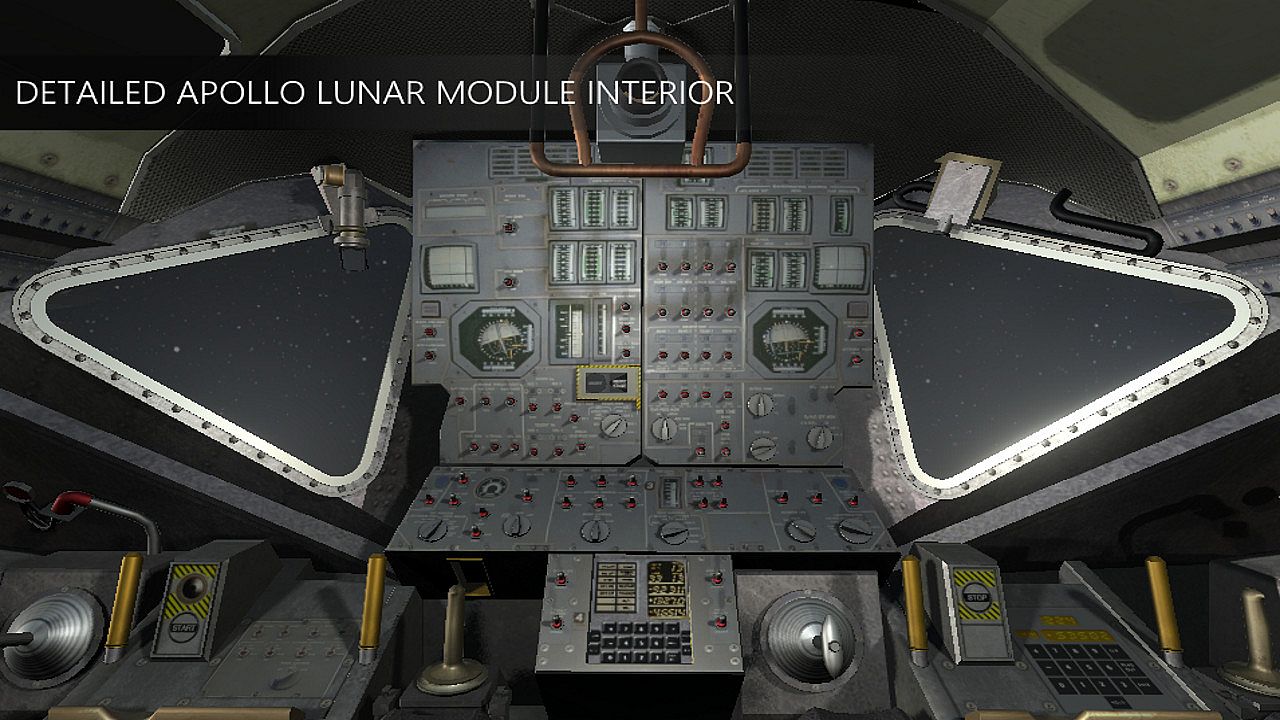
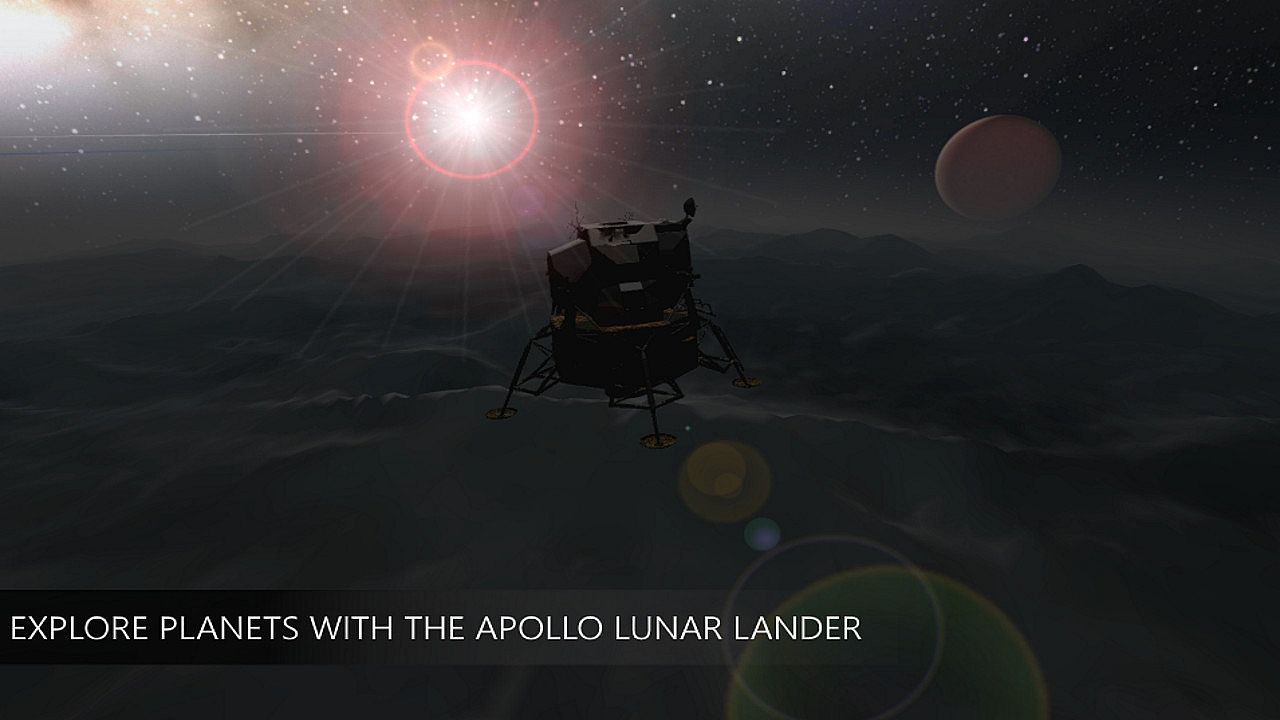
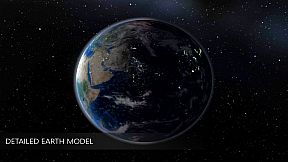
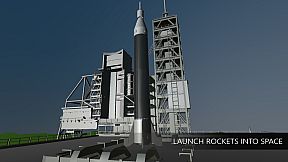
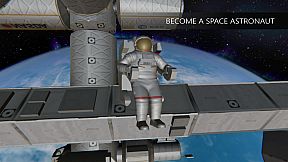
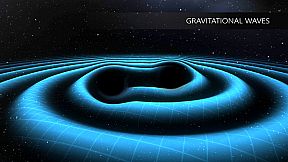
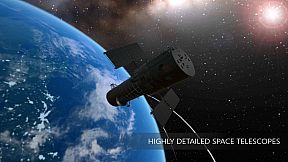
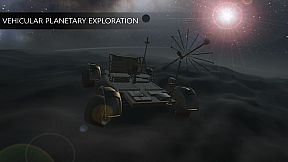
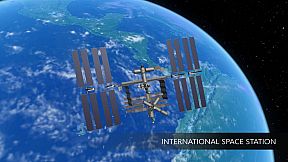
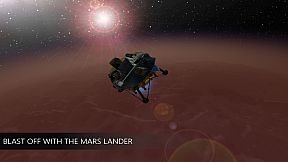
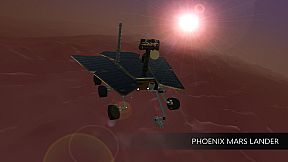
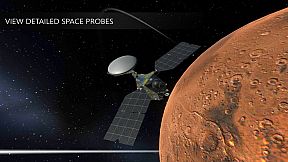
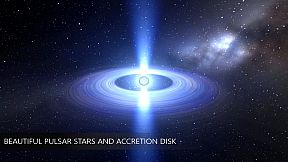
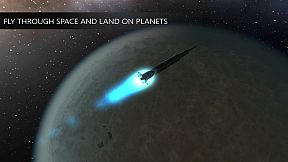
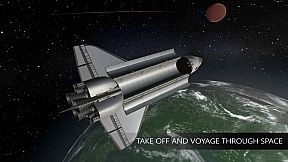
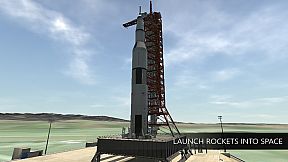
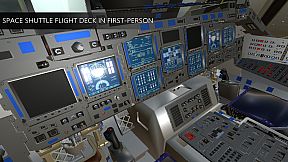
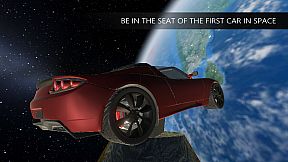
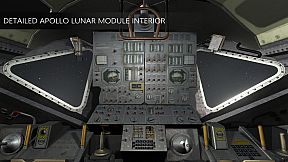
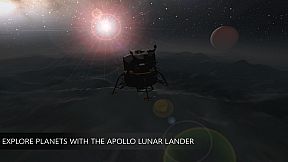
Exploration feels seamless, with tools like space rockets, probes, and rovers for traversing planetary surfaces or drifting in space. Detailed models of real probes, such as Voyager, Hubble, and the International Space Station, enhance realism. You can launch from modules like the Apollo Lunar Launch Module or drive the Curiosity Mars Rover, all while observing phenomena like solar flares, black holes, pulsars, and gravitational waves.
Game Modes
Planetarium 2 - Zen Odyssey focuses on a single, expansive sandbox mode without distinct game modes. This setup emphasizes free-form play, where you choose activities like building solar systems, terraforming planets, or exploring space at your own pace. The lack of structured modes suits its casual simulation style, appealing to those who prefer open experimentation over guided challenges.
Key Features and Mechanics
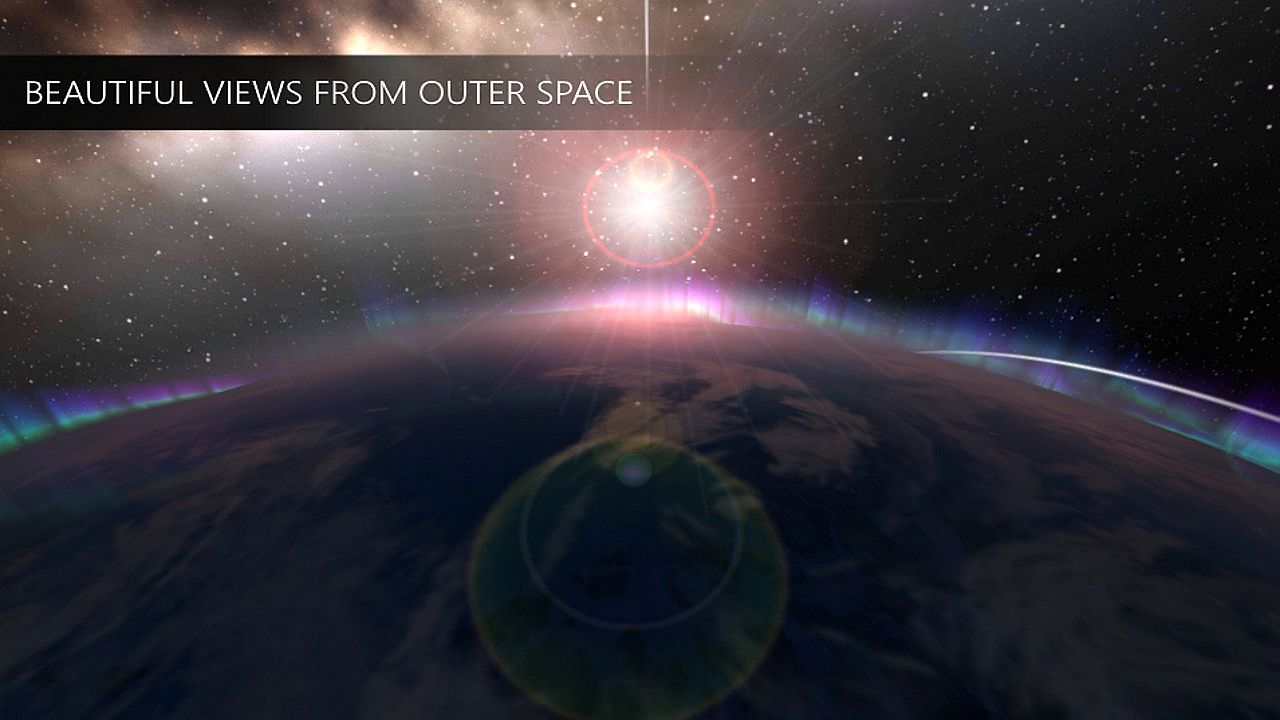
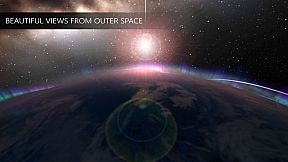
Beyond basic exploration, the game includes viewing exoplanets in systems like TRAPPIST-1 and galaxies such as Andromeda. Black holes like Sagittarius A* distort space realistically, and you can check habitable zones or watch scenic events like auroras and solar eclipses. Procedural elements generate stars and galaxies endlessly, keeping the universe fresh.
Mechanics extend to launching satellites and probes for detailed observations, with seamless transitions from surface to space. Player freedom shines in editing object properties or simulating collisions, all grounded in gravitational physics. This makes it accessible for various ages, from young kids to space enthusiasts.
Is It Worth Playing?
For anyone drawn to casual space simulations, Planetarium 2 - Zen Odyssey offers a unique sandbox to experiment with astronomy concepts. Its strengths lie in creative freedom and educational value, like terraforming or viewing real probes, which can engage teachers, scientists, or hobbyists. However, with only 8 user reviews and no overall rating available, plus no updates since its 2018 release, the game remains in a static state without ongoing support or new content.
If you seek a low-key way to play with space physics and don't mind the absence of multiplayer or evolving features, it's a solid pick for solo sessions. Those wanting active development or competitive elements might look elsewhere, but its indie charm holds up for relaxed, exploratory play.