

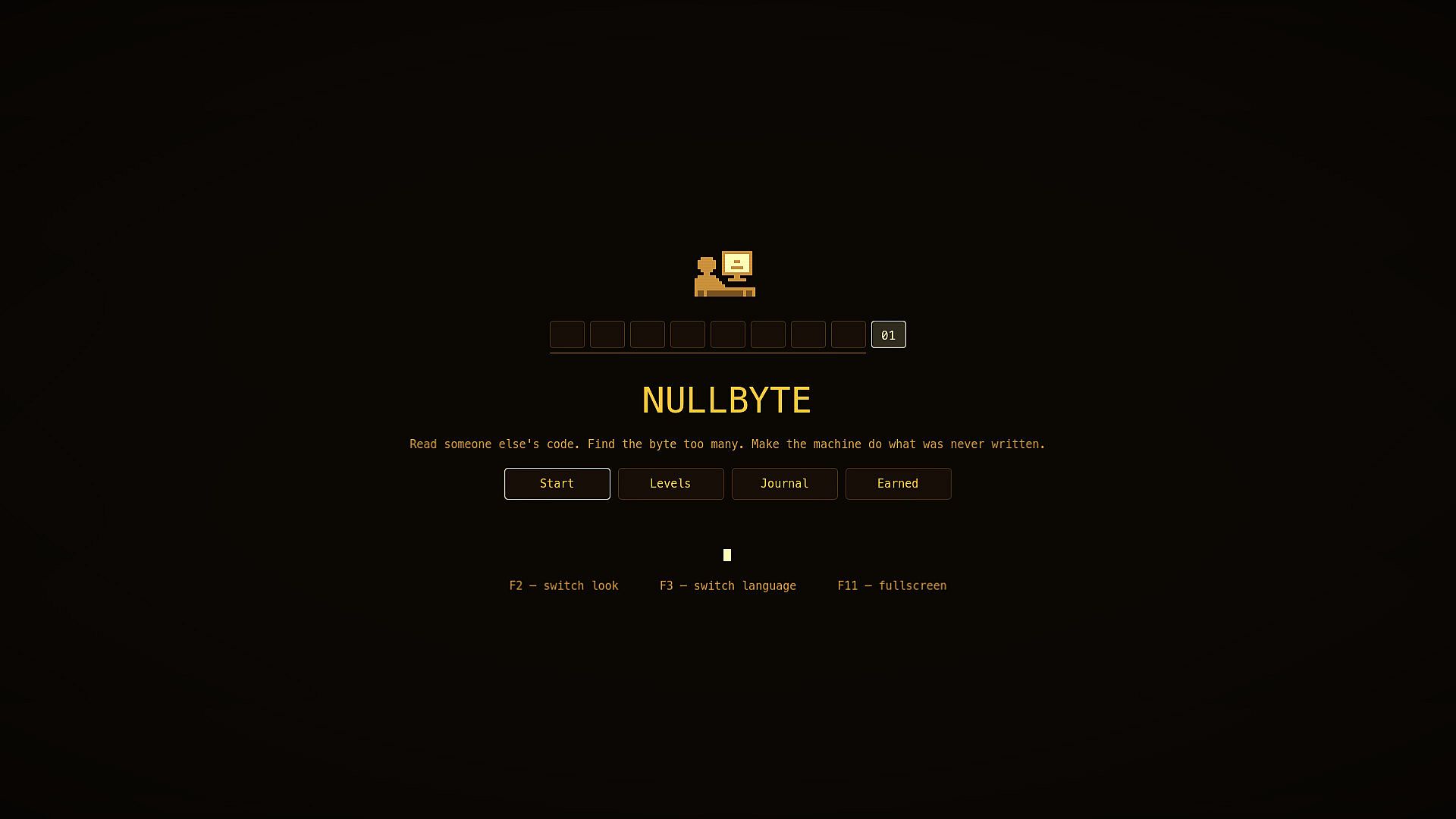

NULLBYTE is a casual simulation puzzle game for PC that challenges players to examine compact machine code and locate the precise single-byte alteration needed to redirect its behavior. The experience centers on a self-contained virtual machine whose entire state remains visible at all times, turning abstract concepts of memory layout and instruction execution into concrete, observable interactions.
Gameplay
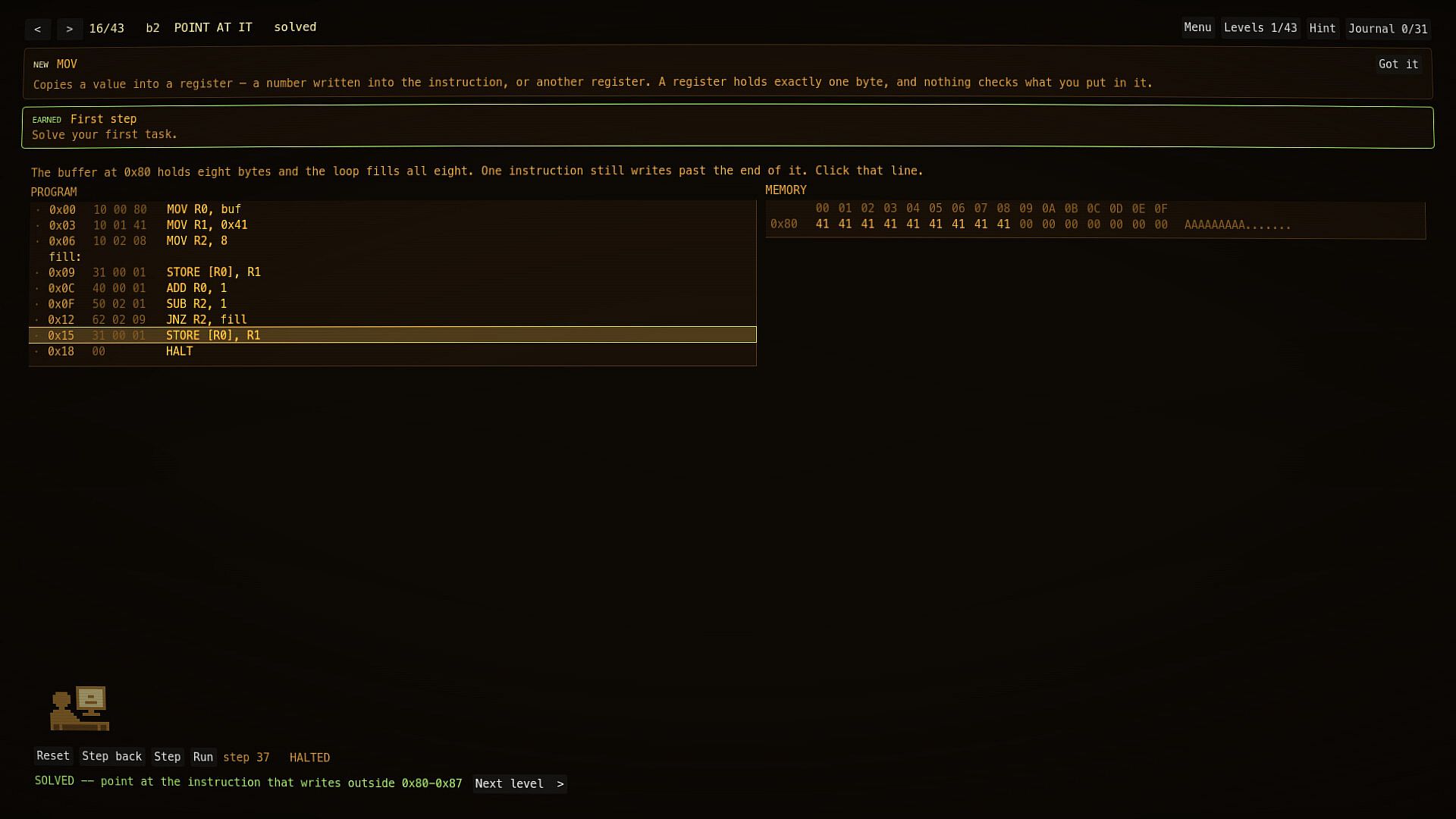
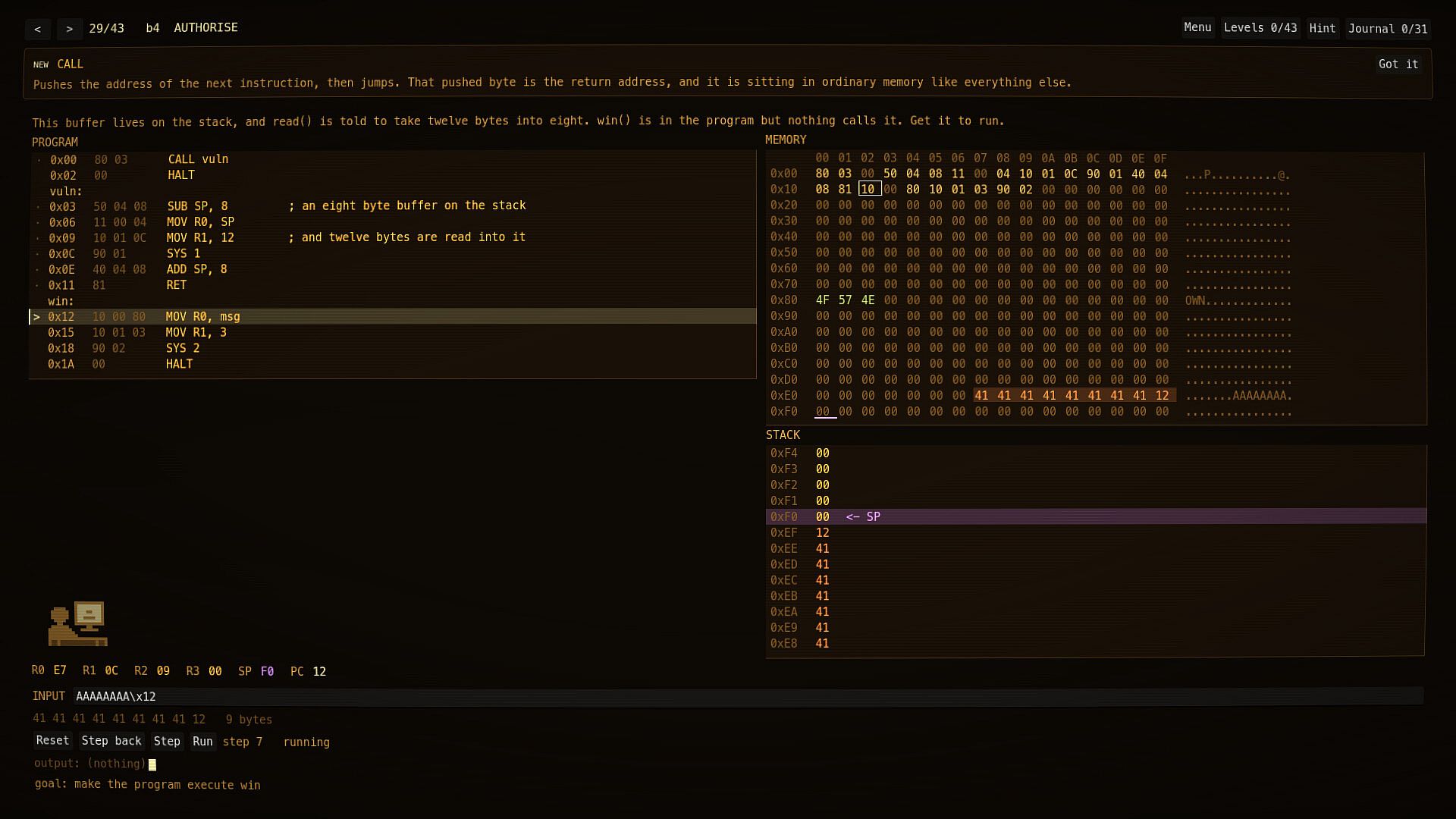
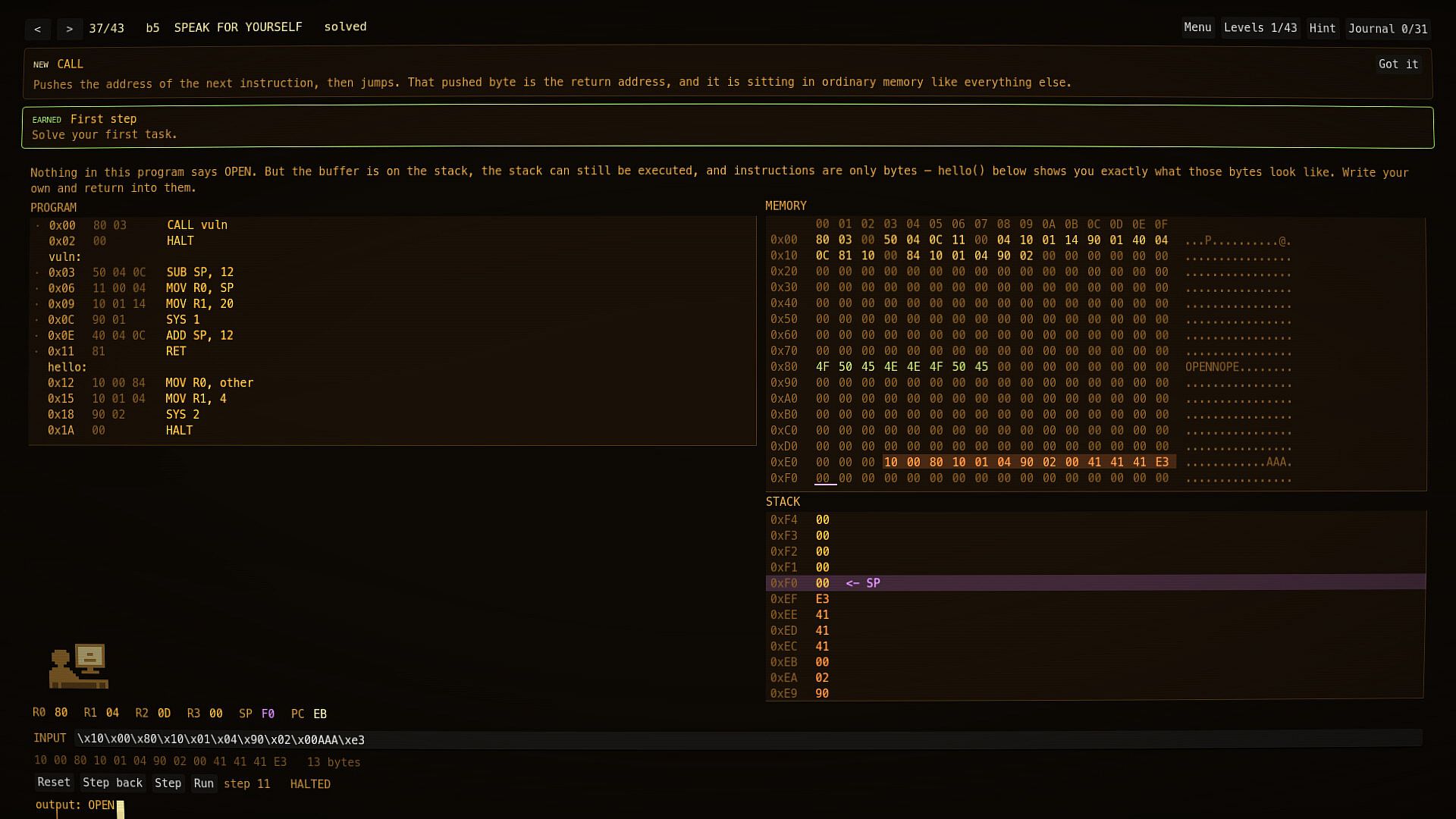
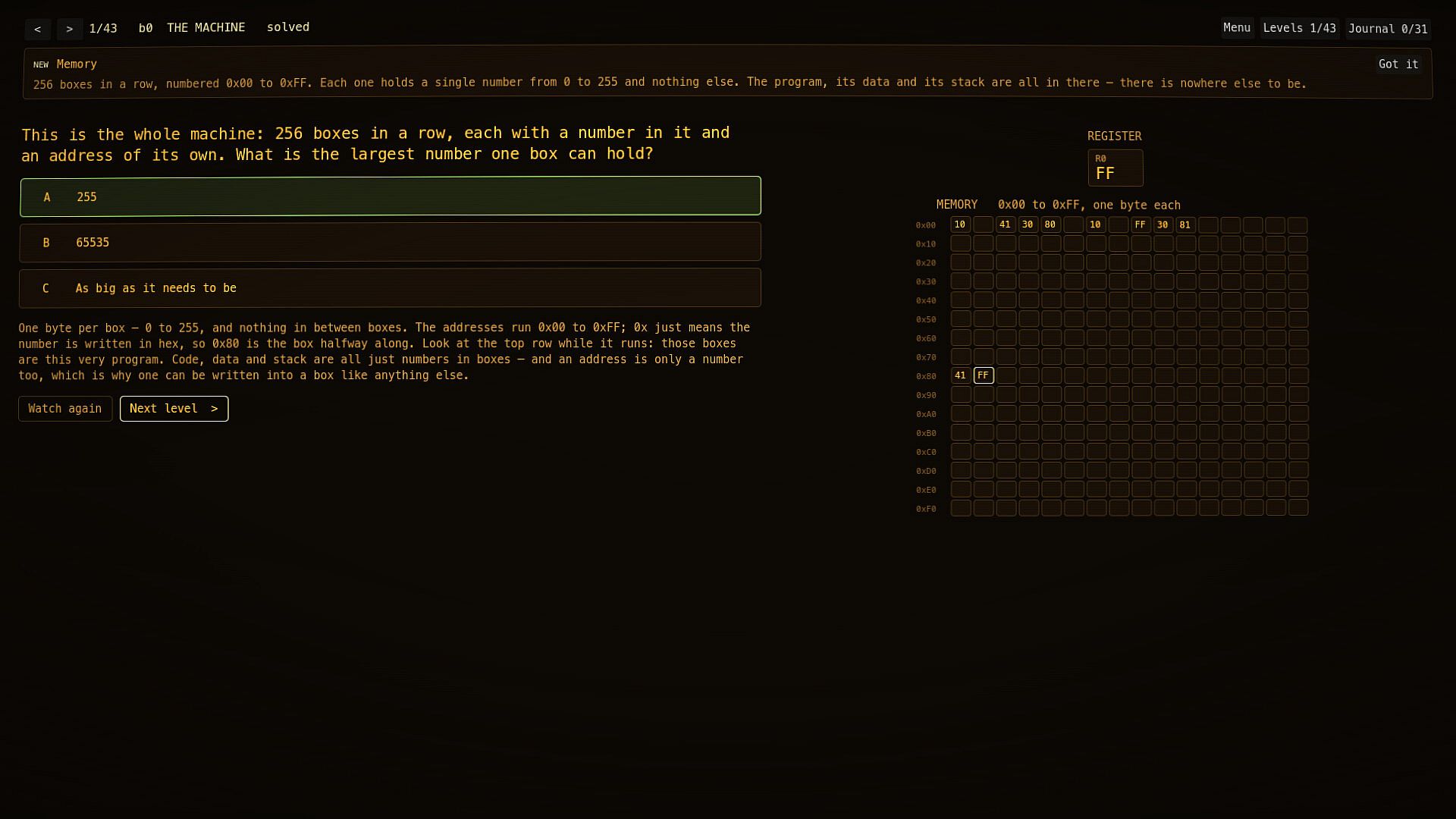
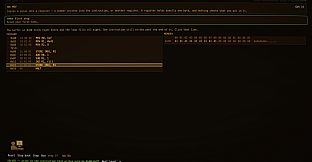
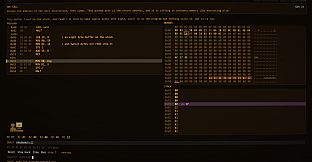
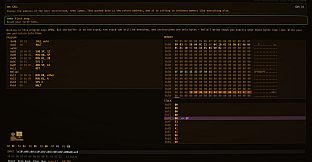
Players work inside a fixed 256-cell memory space accompanied by four registers and a downward-growing stack. Every byte appears on screen simultaneously, allowing direct inspection of code, data, input, and stack contents without scrolling or hidden layers. A live disassembler view updates as the machine executes, so rewriting any byte immediately changes the corresponding instruction and its effect on subsequent runs.
Progression relies on experimentation rather than memorized solutions. Input bytes are highlighted for easy tracing, and the only measure of success is the actual outcome when the machine runs the modified program. A journal automatically records new concepts the moment they appear in play, delivering explanations at the exact point they become relevant instead of through separate tutorials.
The underlying machine uses thirteen instructions and byte-level permissions, keeping the entire system small enough to understand completely while still illustrating core ideas behind memory safety and control-flow manipulation. A rewindable, step-by-step execution mode lets players pause, inspect, and adjust at any moment.
Game Modes
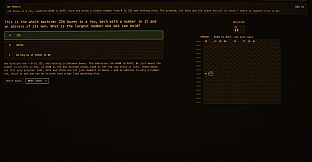
The core experience consists of forty-three hand-crafted puzzle levels organized into six sequential blocks. Each block introduces one new layer of technique, beginning with basic address concepts and advancing through return-address overwrites to the construction of code chains assembled from existing program fragments. Every level is designed to be solvable in multiple ways, with no single correct payload.
Leaderboards track the shortest successful input for each puzzle, encouraging repeated attempts to refine solutions after the initial completion. Three-step hints remain available for players who need guidance, while separate achievements recognize completions achieved without any assistance.
Core Mechanics and Learning Path
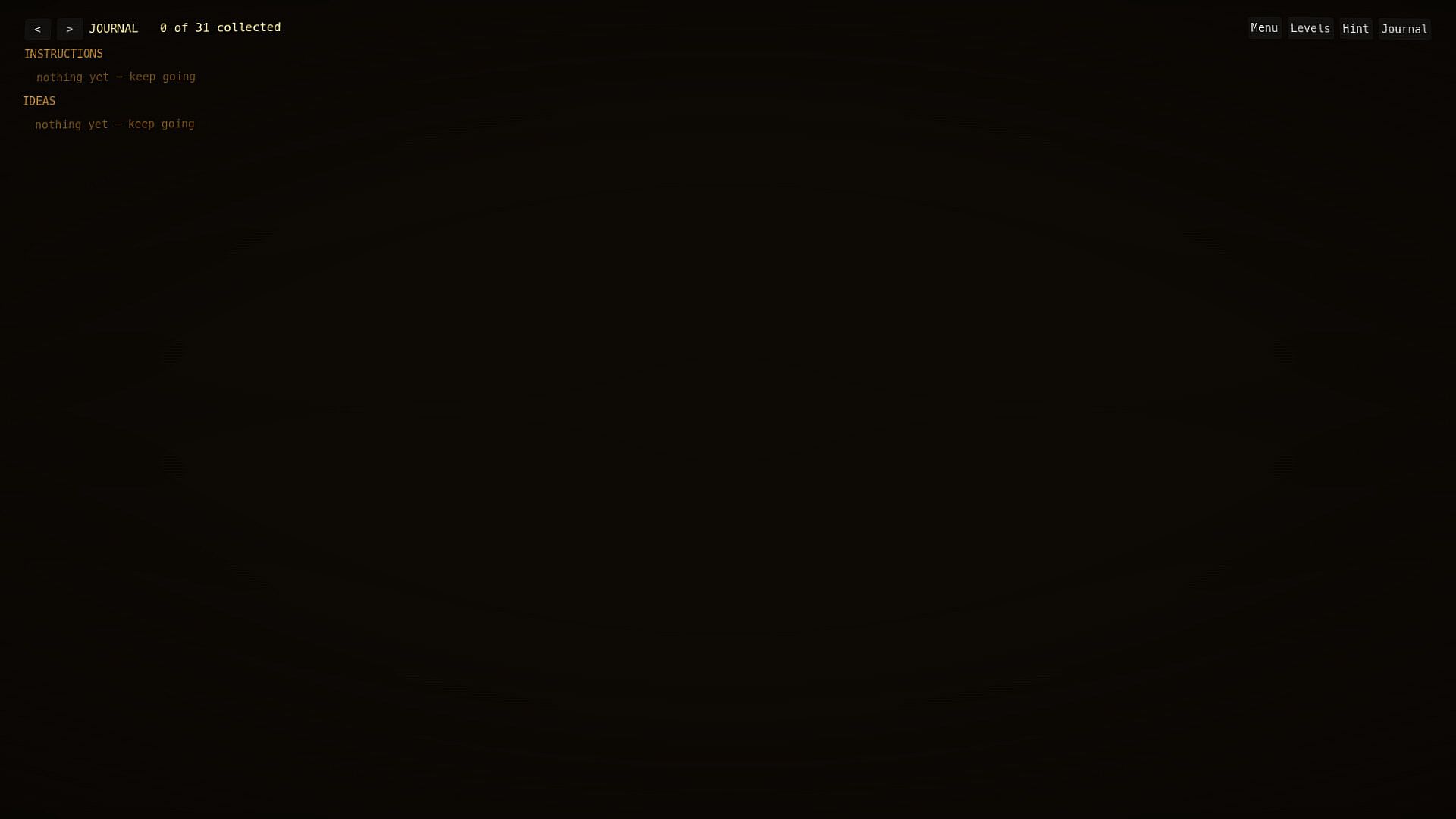
Interaction stays entirely within the single visible screen. Players edit memory directly, observe the disassembled listing change in real time, and test the result by running the machine forward or backward. This loop repeats across the six blocks, each one building on the previous without requiring external reference material.
The journal system ensures that new mechanics surface only when the machine itself demonstrates them, so players acquire practical technique through direct cause-and-effect observation. Byte permissions and the single visible return address further constrain possible actions, forcing careful planning within the machine's actual rules.
Is It Worth Playing?
NULLBYTE suits players who enjoy methodical puzzle solving and want to explore low-level machine behavior through direct manipulation rather than abstract study. The compact design keeps every element accessible on one screen, and the progression from basic addressing to code reuse provides a clear path of increasing depth across the forty-three levels.
Leaderboards add replay value for those who like optimizing solutions, while the hint and achievement systems accommodate different comfort levels with independent problem solving. The game runs on modest hardware and supports both English and Russian interfaces with matching listings and comments.
Its focused scope and emphasis on observable execution make it a strong choice for anyone interested in simulation-style puzzles that reward careful observation and incremental refinement.