
















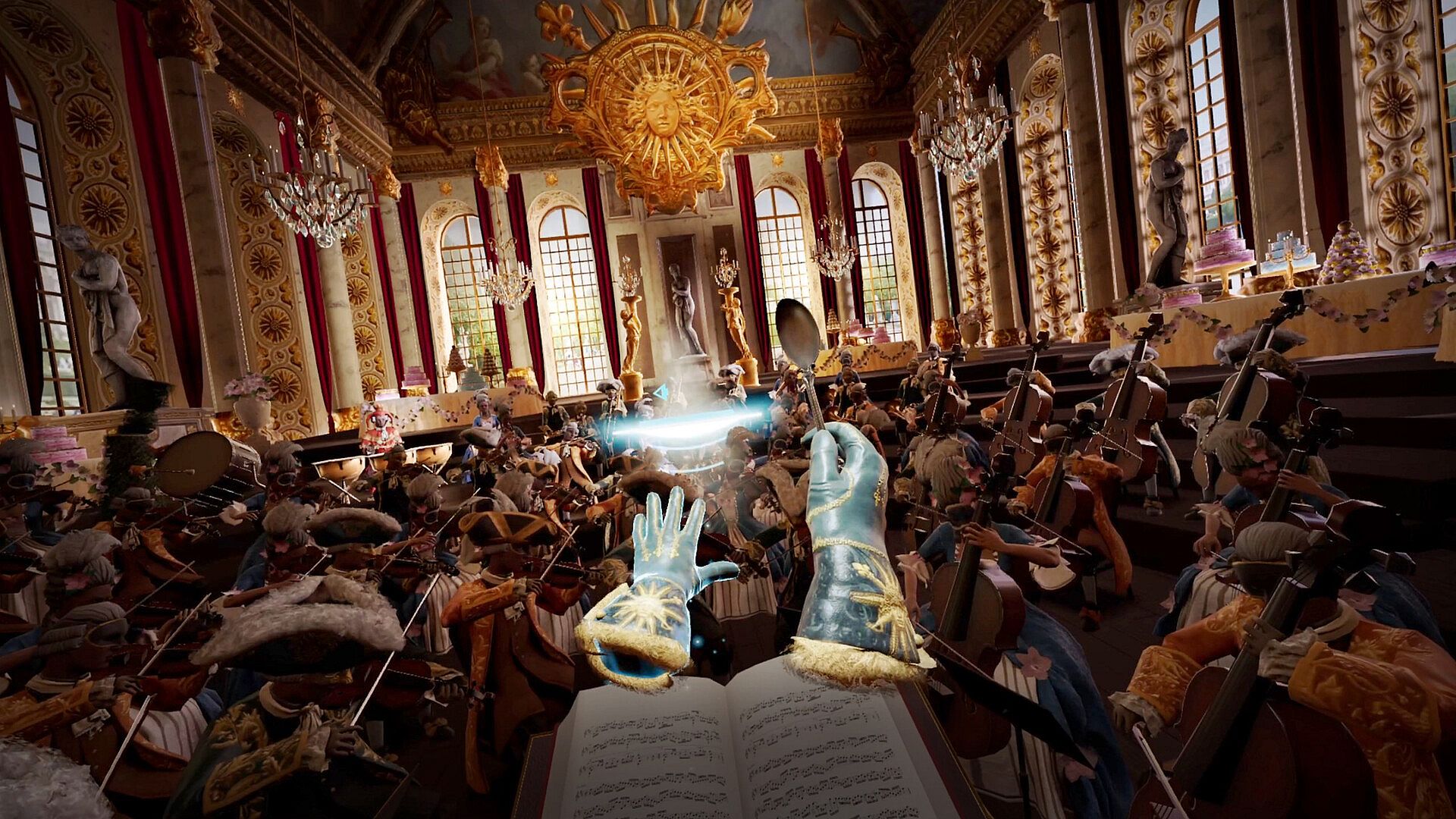


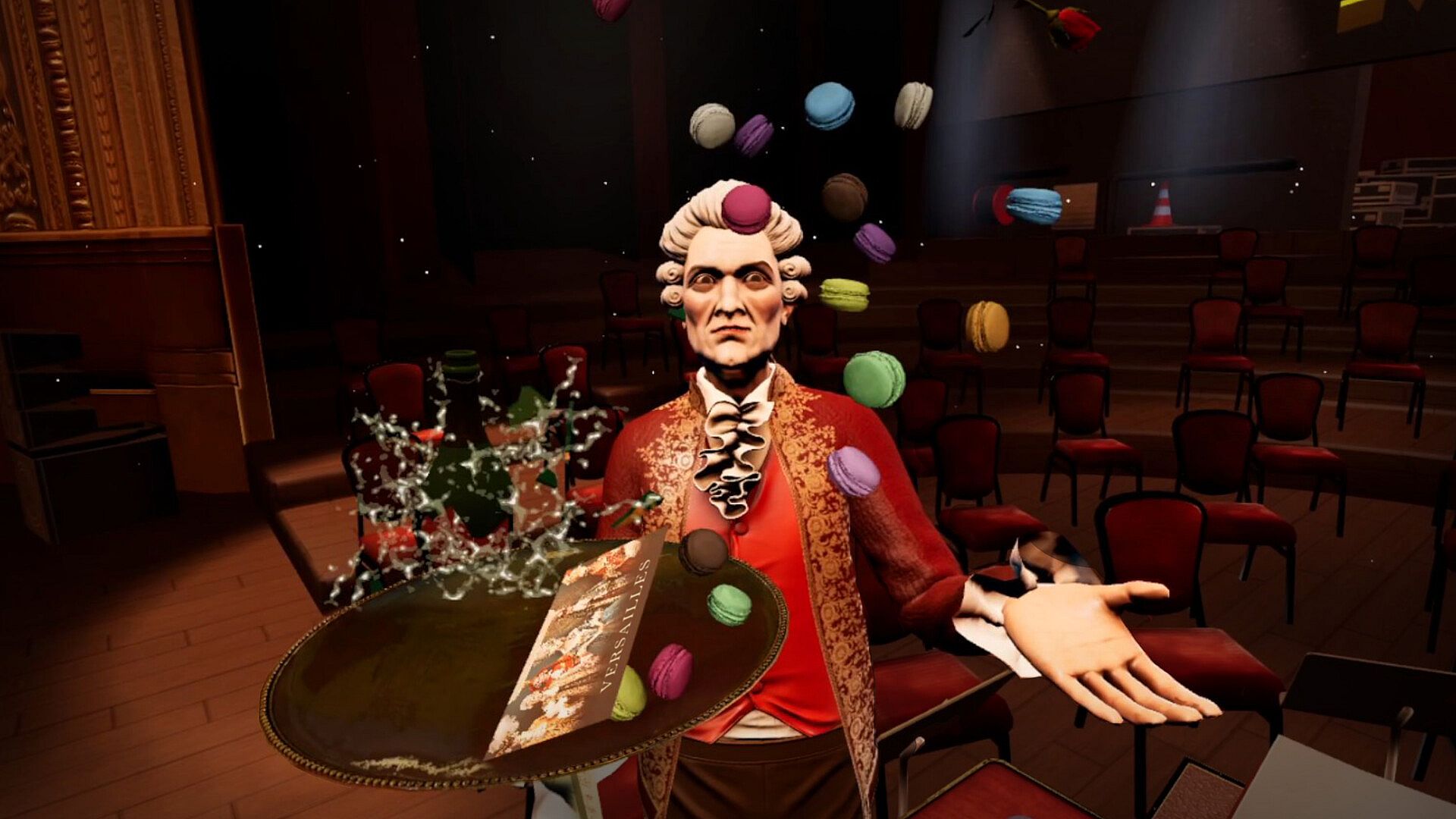





Maestro stands out as a VR rhythm simulation game that puts you in control of a full orchestra. Through hand-tracking technology, you conduct symphonic pieces with gestures that mimic real-world techniques, creating an engaging blend of music and virtual reality interaction. This indie title, available on PC, appeals to those who enjoy casual simulations with a focus on precision and immersion.
Gameplay
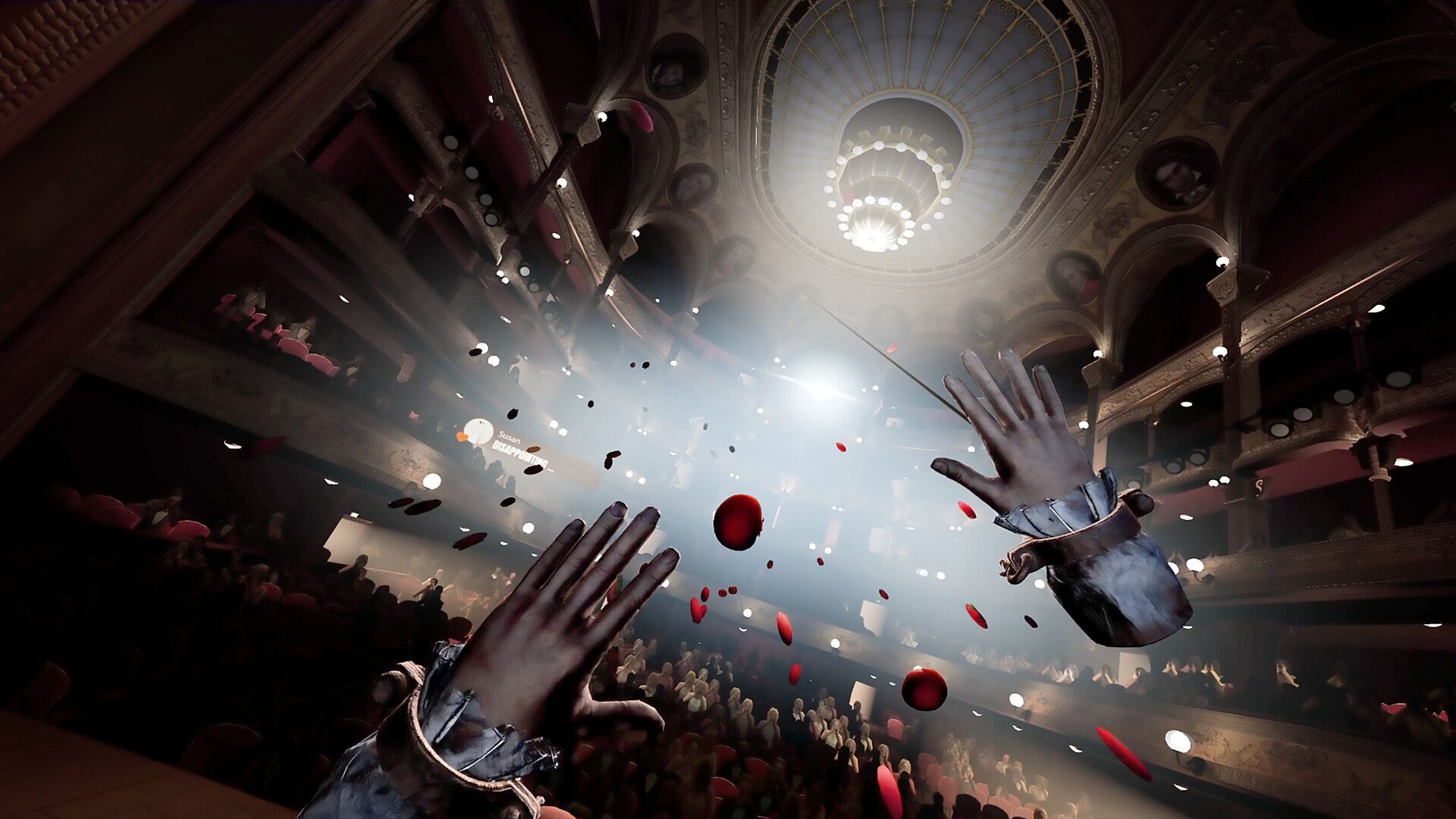
In Maestro, the core loop revolves around using your hands to direct musicians in real time. You maintain tempo, cue different instrument sections, and shape the overall performance with precise movements. The game tracks your gestures accurately, rewarding correct timing and technique while penalizing errors that disrupt the flow. Audiences react to your conducting, adding pressure as they might express disapproval during mistakes. This setup demands focus and rhythm, turning each session into a test of coordination and musical understanding.
Visual elements enhance the experience, with detailed orchestra members responding to your commands in vibrant concert halls. Audio plays a central role, delivering high-fidelity recordings of tracks that respond dynamically to your inputs. Mechanics include managing various orchestra sizes, from small ensembles to large groups with choirs, requiring adaptive strategies for different compositions.
Game Modes
Maestro features a primary single-player mode centered on conducting performances. You select tracks and lead the orchestra through complete pieces, aiming for high scores based on accuracy and expression. Variations come from choosing different difficulty levels, which adjust the leniency of gesture recognition and the complexity of cues.
While not divided into distinct named modes, the game allows for practice sessions where you focus on specific sections of a track without full audience judgment. This flexibility supports both quick plays and extended sessions dedicated to mastering challenging symphonies.
Tracks and Music
The game includes a selection of 15 base tracks drawn from classical composers like Wagner, Orff, Saint-Saens, Dvorak, Verdi, Prokofiev, Stravinsky, Mussorgsky, Ellington, Levy, Prima, Beethoven, Tchaikovsky, Mozart, and Mendelssohn. These range from intense pieces such as The Ride of the Valkyries to lively works like Sing Sing Sing.
Ongoing content additions have expanded the library with themes from popular media and more classical selections, ensuring variety for repeated plays. Each track challenges you with unique rhythms and instrumental demands, encouraging multiple attempts to perfect your conducting style.
Is It Worth Playing?
With very positive player reception, including 96 percent approval from over 475 reviews and an average rating of 4.8 out of 5, Maestro has earned praise for its innovative approach to rhythm gaming. It received recognition as a top VR title in 2024, highlighting its emotional depth and fresh mechanics.
The game continues to receive updates that add new tracks and features, keeping the experience current as of 2026. If you own a VR setup and appreciate music simulations that require skill and precision, Maestro offers a rewarding challenge. It suits casual players seeking something different from traditional rhythm games, though it may not appeal to those without interest in orchestral music or who prefer faster-paced action.














