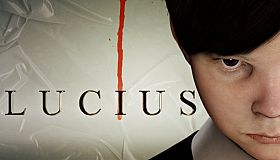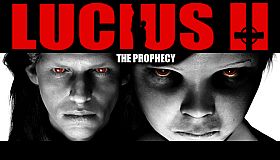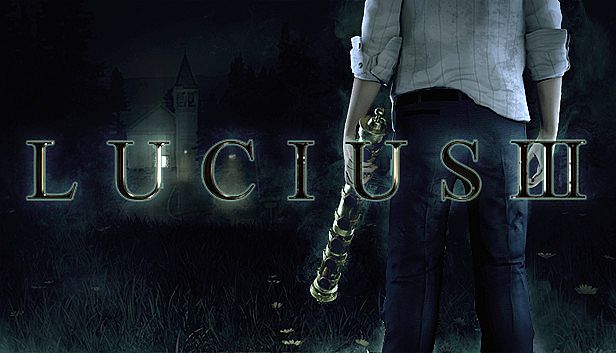













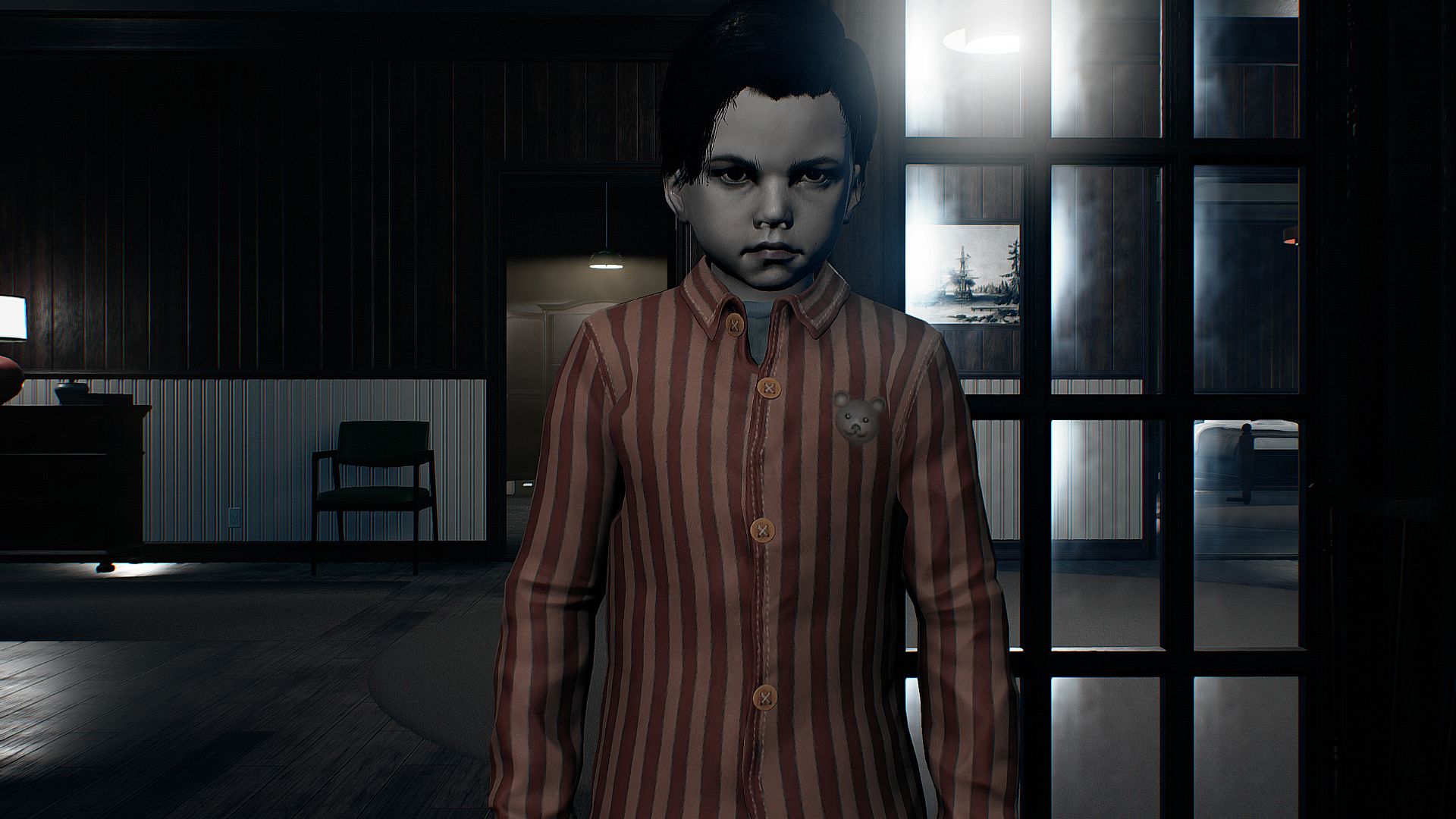
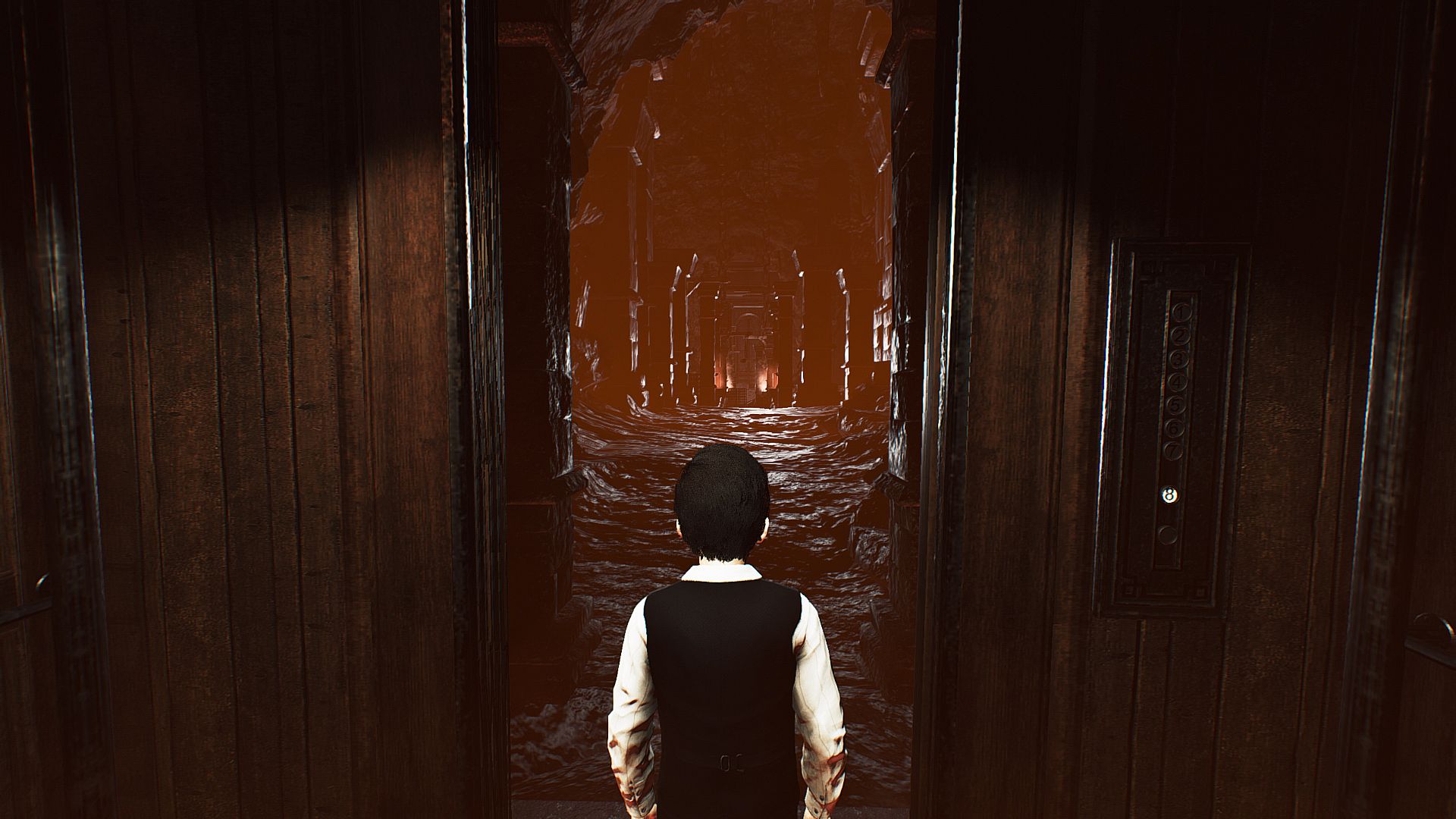
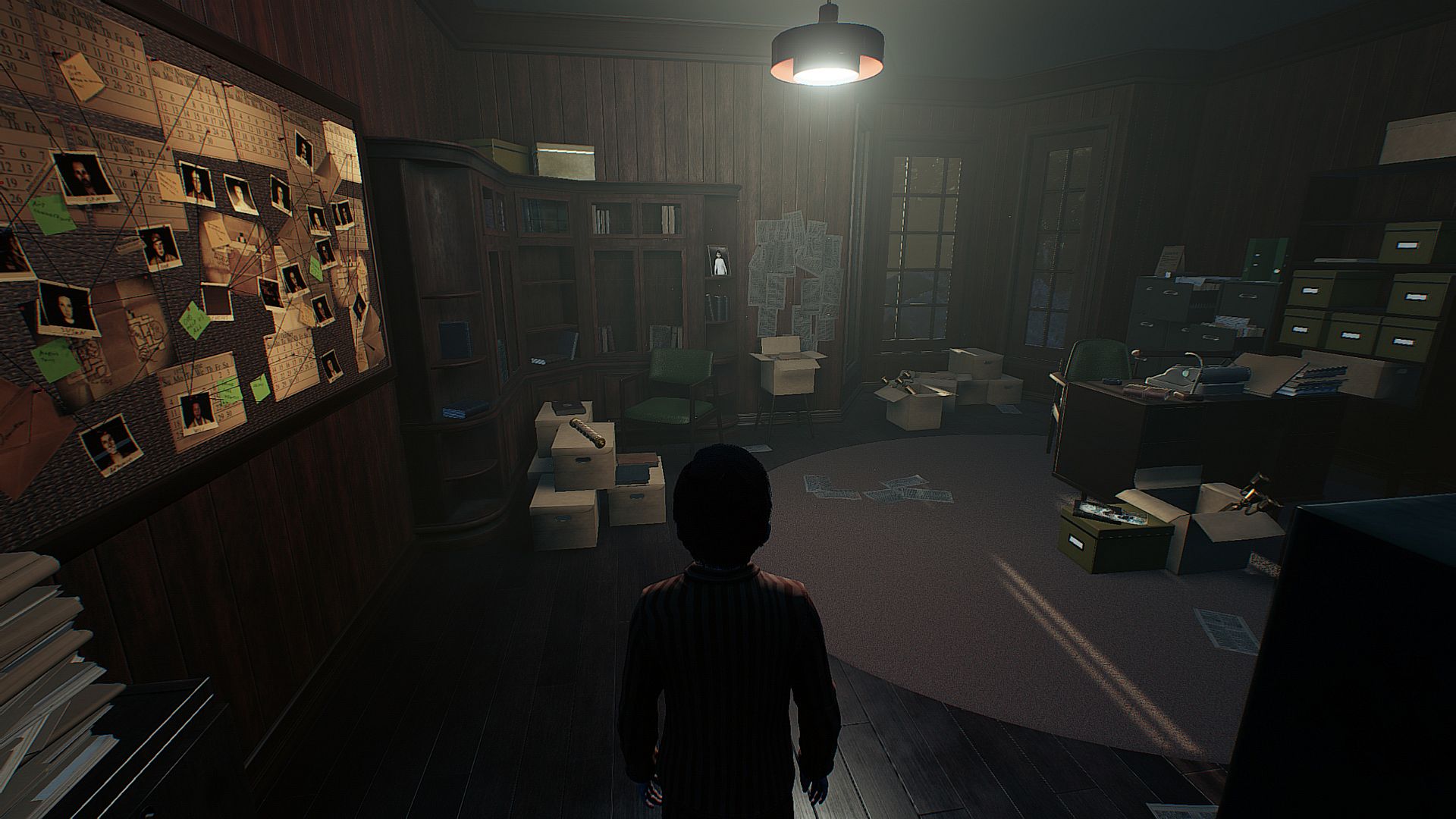
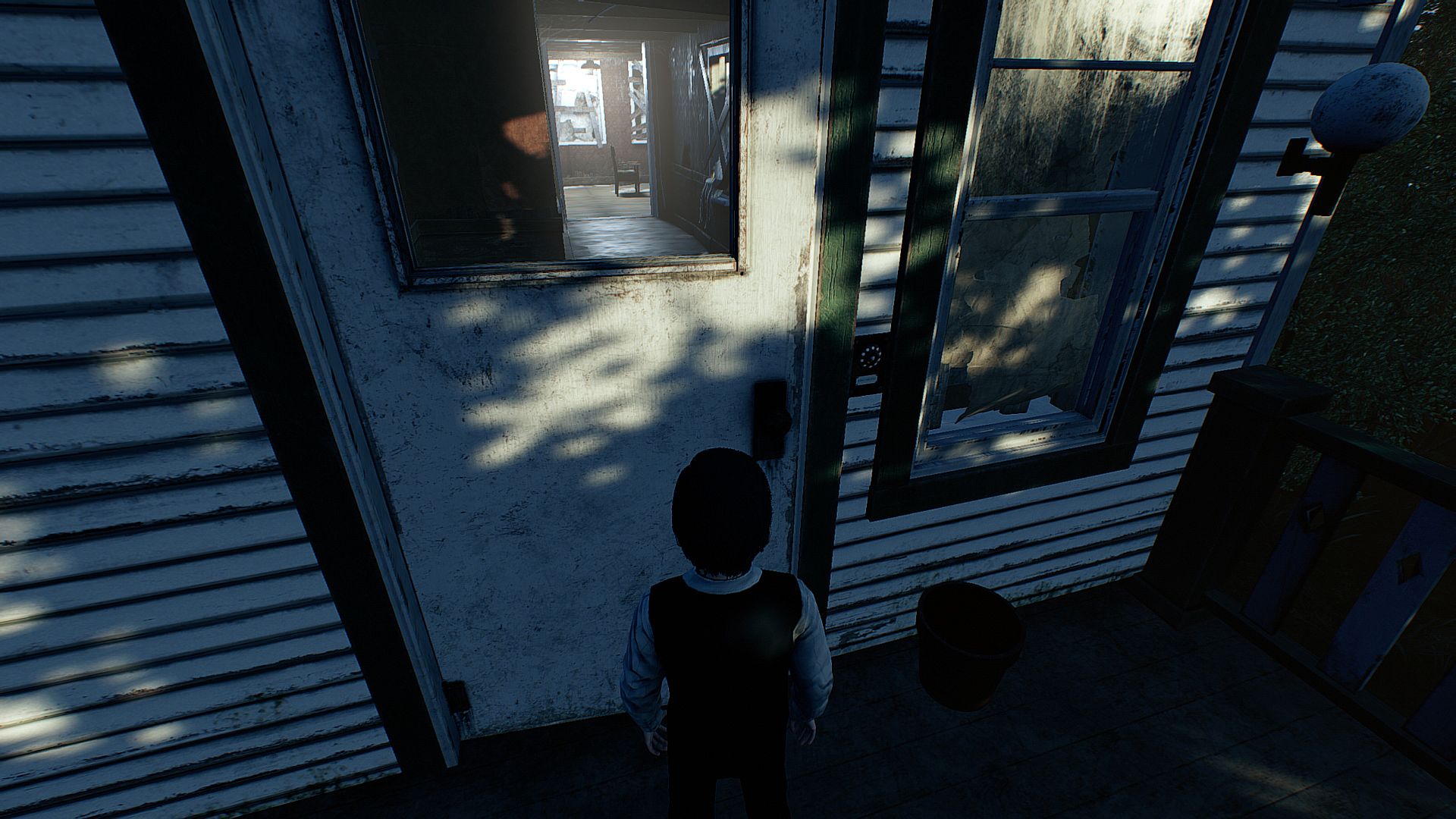
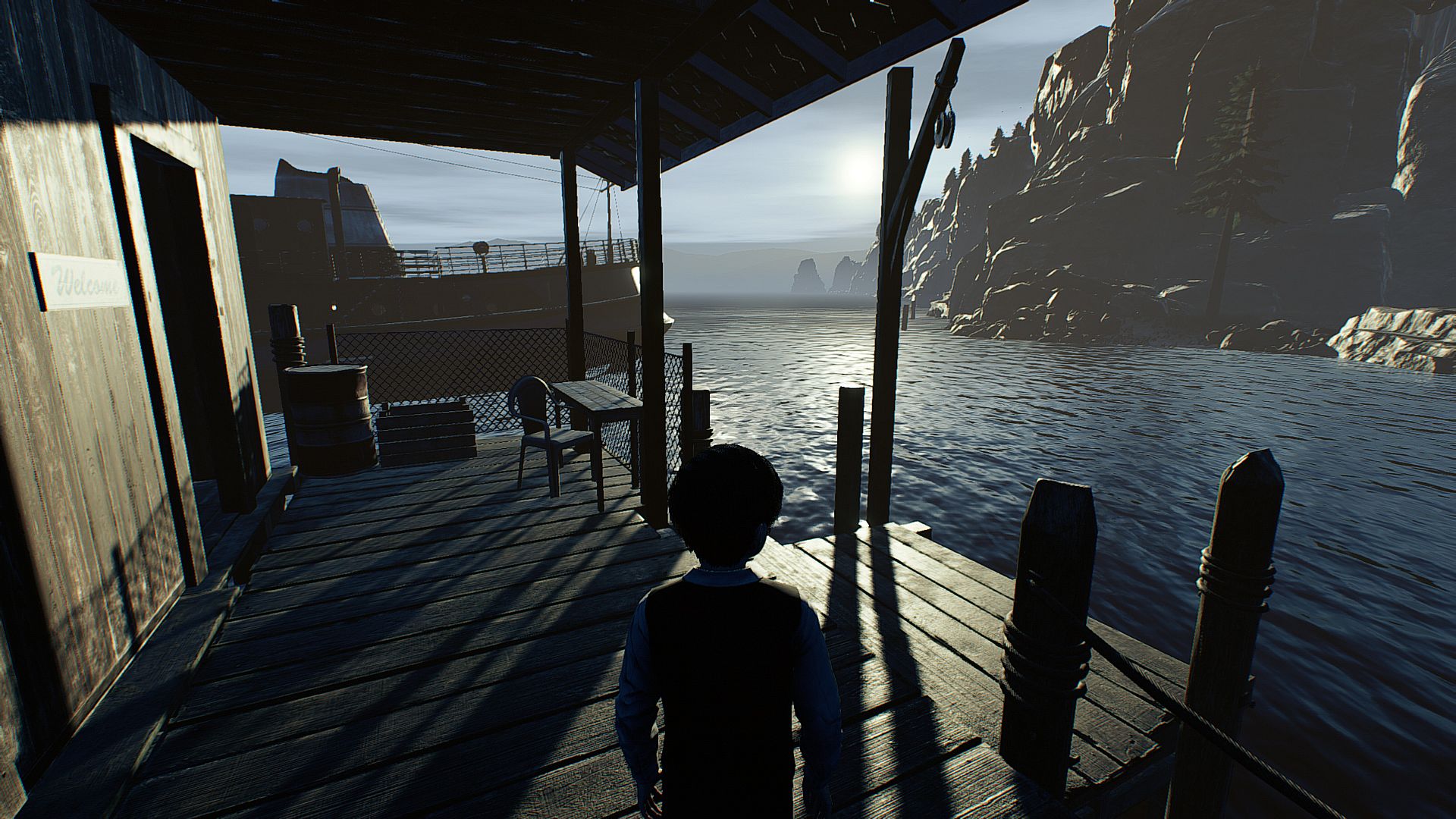
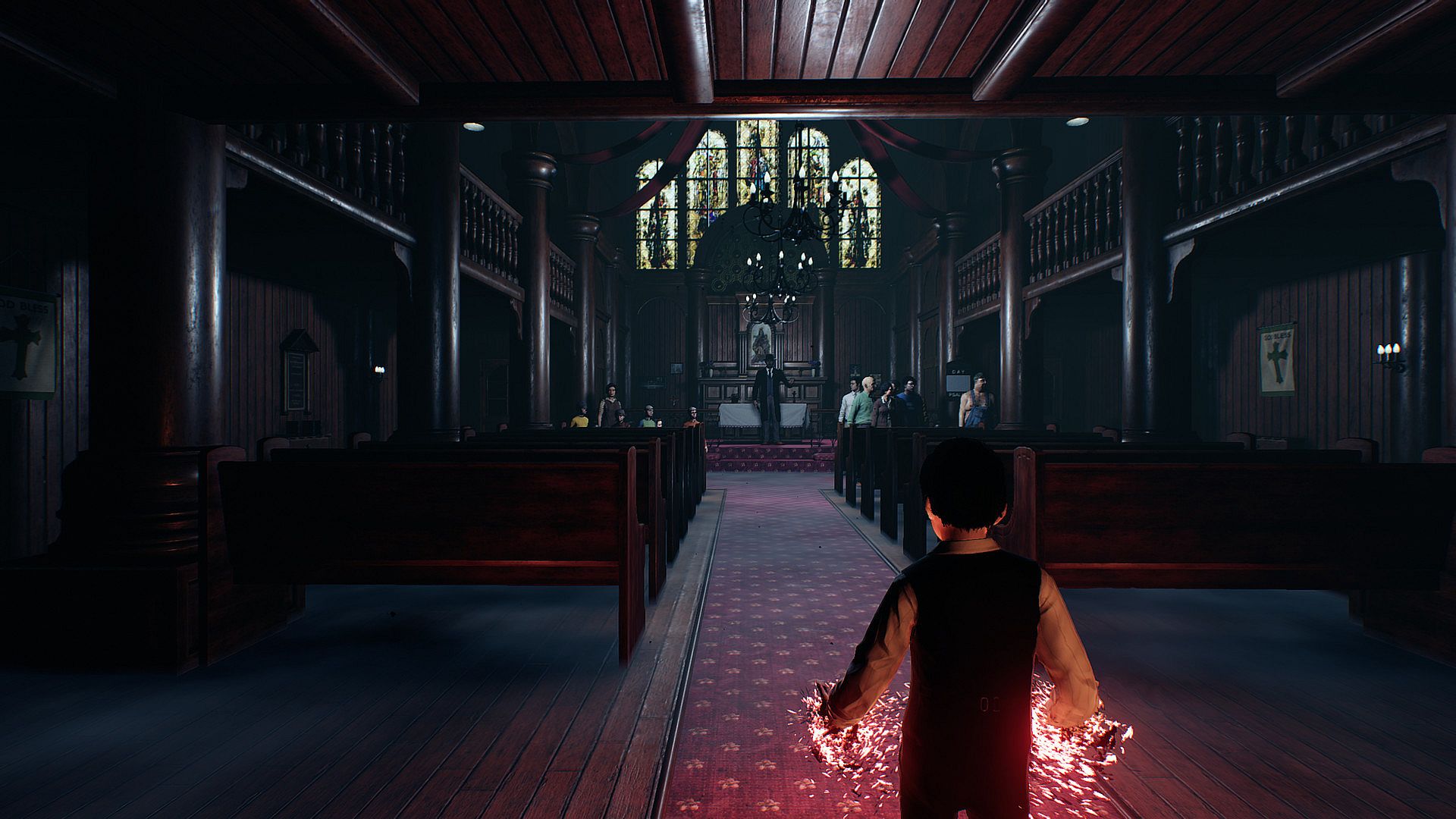
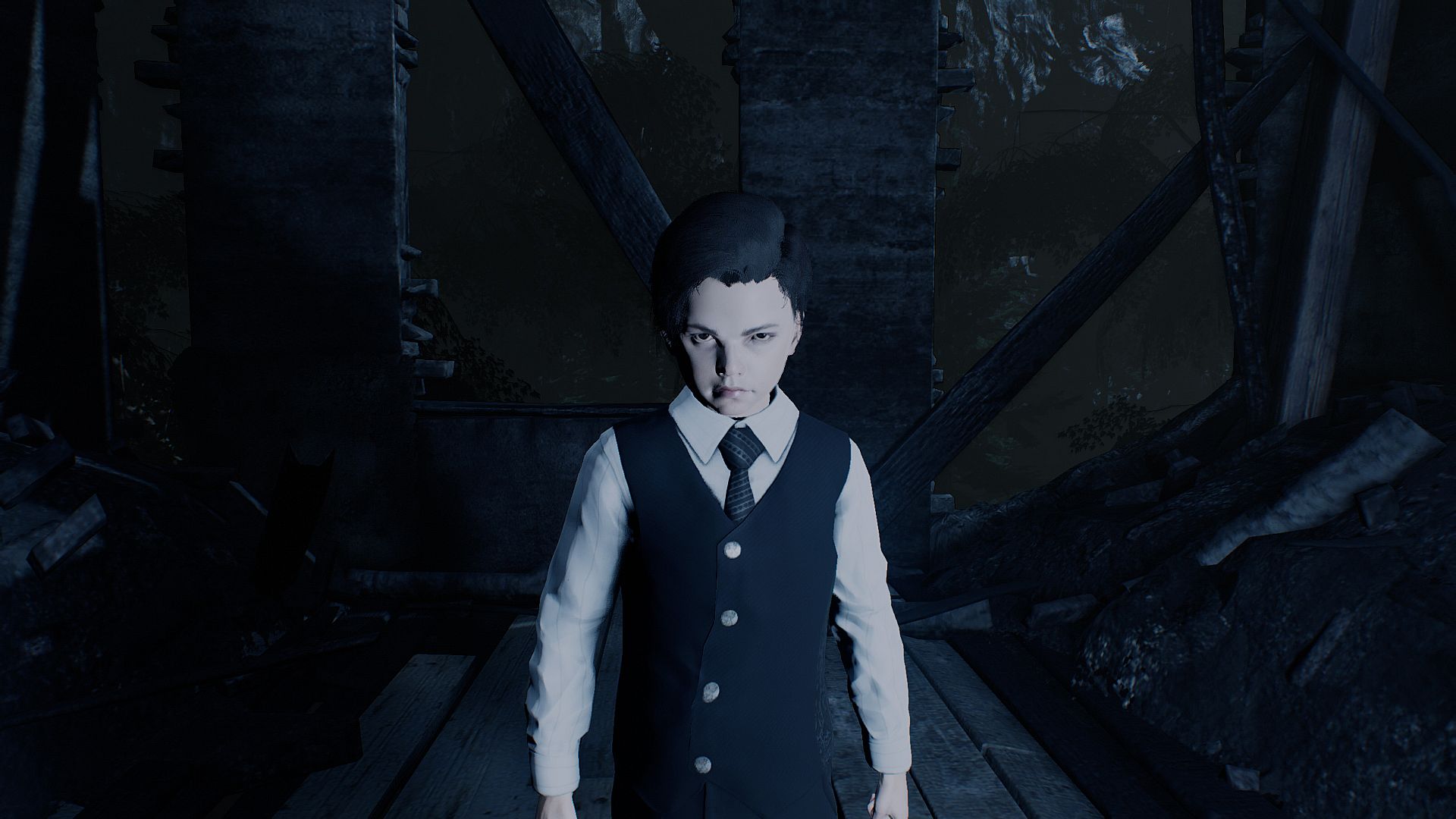

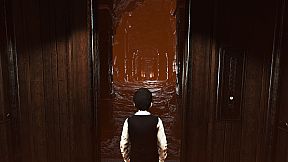
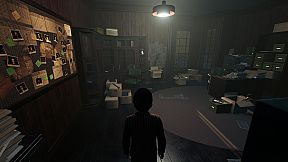
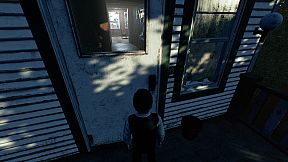
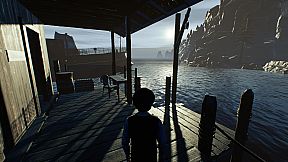
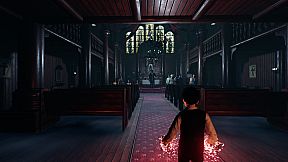
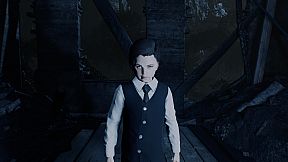

Lucius III is an indie adventure game centered on psychological horror and stealth mechanics. Players take control of Lucius, a child gifted with supernatural powers, as he returns to the neighborhood of Winter Hill. The experience revolves around a narrative-driven single-player journey where choices influence the path forward and the outcome of events.
Gameplay
The core loop involves navigating detailed environments while using magical abilities to advance objectives and interact with the world. These powers allow for creative problem-solving in a stealth framework, where direct confrontation is often avoided in favor of subtle manipulation. Investigation forms a key part of progression, as players uncover hidden details about Winter Hill and its residents through exploration and observation.
Atmospheric design supports the horror tone with carefully constructed locations that encourage careful movement and attention to surroundings. The villain protagonist perspective shapes every action, turning routine tasks into opportunities for darker outcomes. Over twenty original music tracks enhance tension during key sequences without overpowering the sound design.
Emotional range comes from the story structure, which presents moral questions through gameplay decisions rather than explicit dialogue trees. Players must weigh the consequences of their supernatural interventions while piecing together background elements that reveal character motivations and neighborhood history.
Game Modes
Lucius III operates as a single-player experience with no multiplayer components or separate competitive modes. The entire game unfolds through a continuous campaign divided into narrative chapters that build on prior events. Progression relies on completing story objectives, using abilities effectively, and exploring optional areas that add depth to the central mystery.
There are no additional modes such as survival challenges or alternate scenarios beyond the main storyline. All content ties directly into the single campaign, where replay value stems from different approaches to ability usage and investigation paths rather than distinct game types.
Story and Setting
The narrative follows Lucius as he confronts questions about his past actions and future direction upon returning to Winter Hill. This installment emphasizes internal conflict more than previous entries, with choices affecting how events resolve. The setting provides a contained neighborhood environment filled with secrets that players gradually reveal through dedicated investigation.
Atmospheric elements include varied indoor and outdoor spaces that reflect the game's horror themes. Detailed visuals and sound work together to create a sense of isolation and unease during exploration. The story integrates these locations naturally, making the act of uncovering information feel integral to the overall experience.
Is It Worth Playing?
Reception for Lucius III stands at mixed levels, with roughly half of user reviews expressing positive sentiment. Many highlight the unique appeal of controlling a villain protagonist and the satisfaction of using supernatural abilities in creative ways. The focused story and atmospheric presentation appeal to those interested in psychological horror adventures.
Criticisms center on technical issues that can interrupt gameplay flow and dated control systems that feel unresponsive in certain sections. The campaign length is relatively short, which limits replay opportunities for some players. Those who enjoy stealth-based narrative games with moral ambiguity may still find value despite these drawbacks.
The game suits players seeking a compact single-player experience built around supernatural stealth and story investigation. It delivers on its premise of placing the player in the role of an antagonistic child without introducing extraneous features or modes. Availability on PC makes it accessible for those drawn to indie horror titles with strong thematic focus.