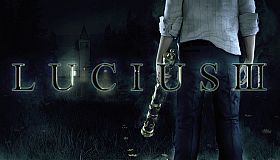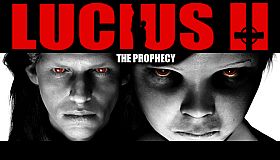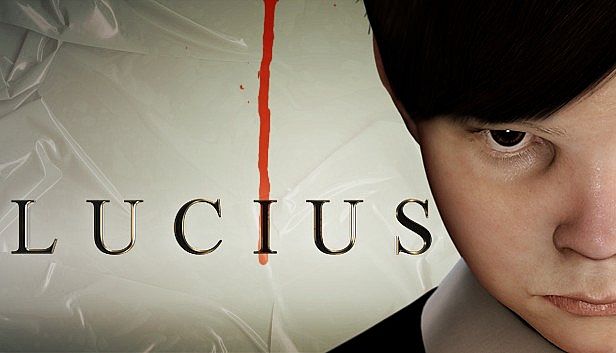













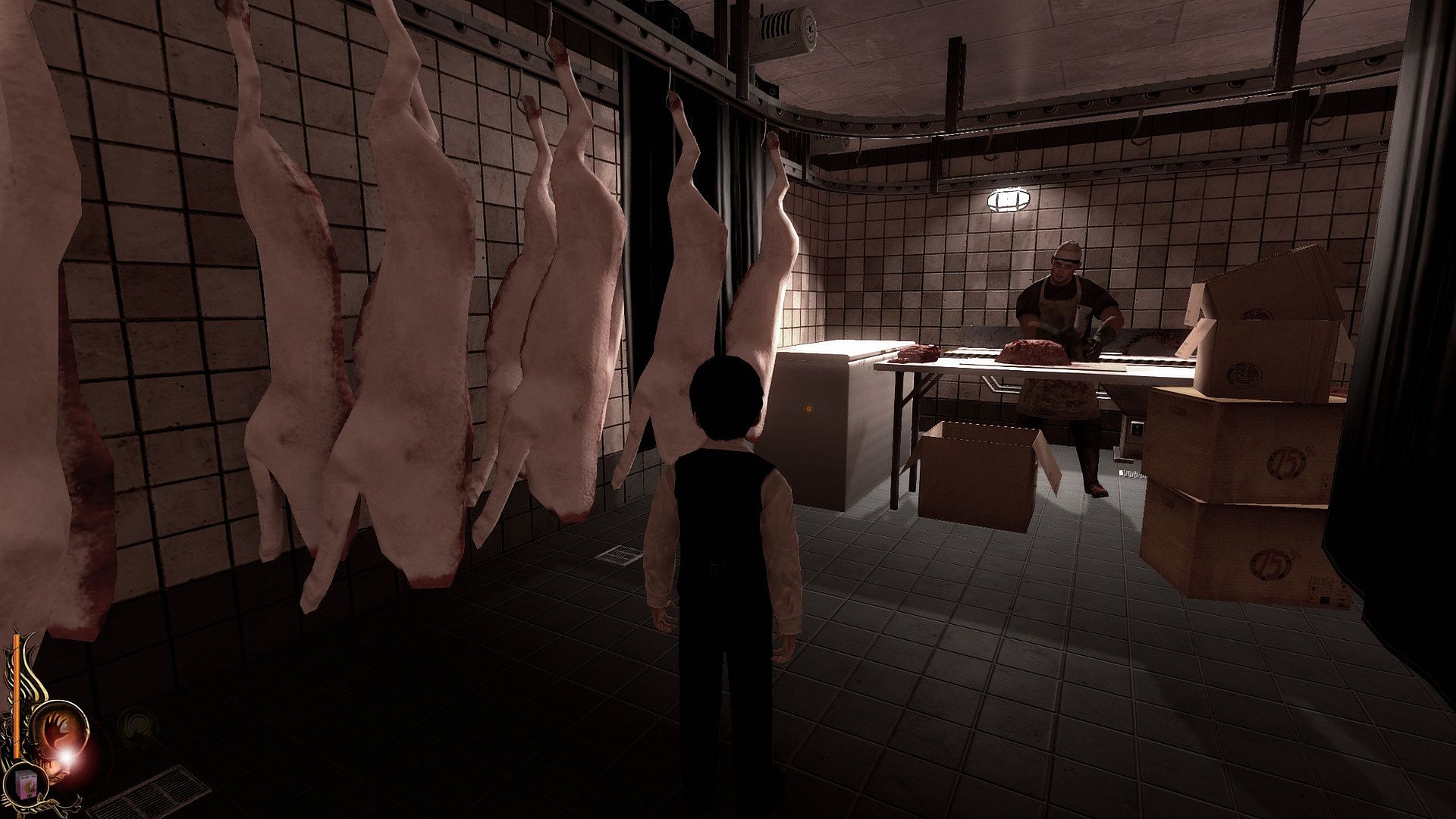

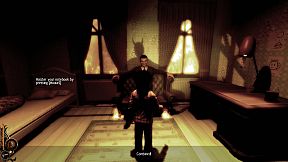
Lucius is a single-player horror adventure game set on PC that places players in control of a young boy with demonic abilities. The story follows Lucius, born on June 6, 1966, who discovers his true nature on his sixth birthday and begins eliminating residents of Dante Manor through staged accidents.
Gameplay
The core loop revolves around exploring the manor environment while using supernatural abilities to cause fatal incidents without raising suspicion. Players manipulate objects with telekinesis to create hazards such as electrical faults or structural collapses. Mind control allows directing characters into dangerous situations or locking them into confined spaces.
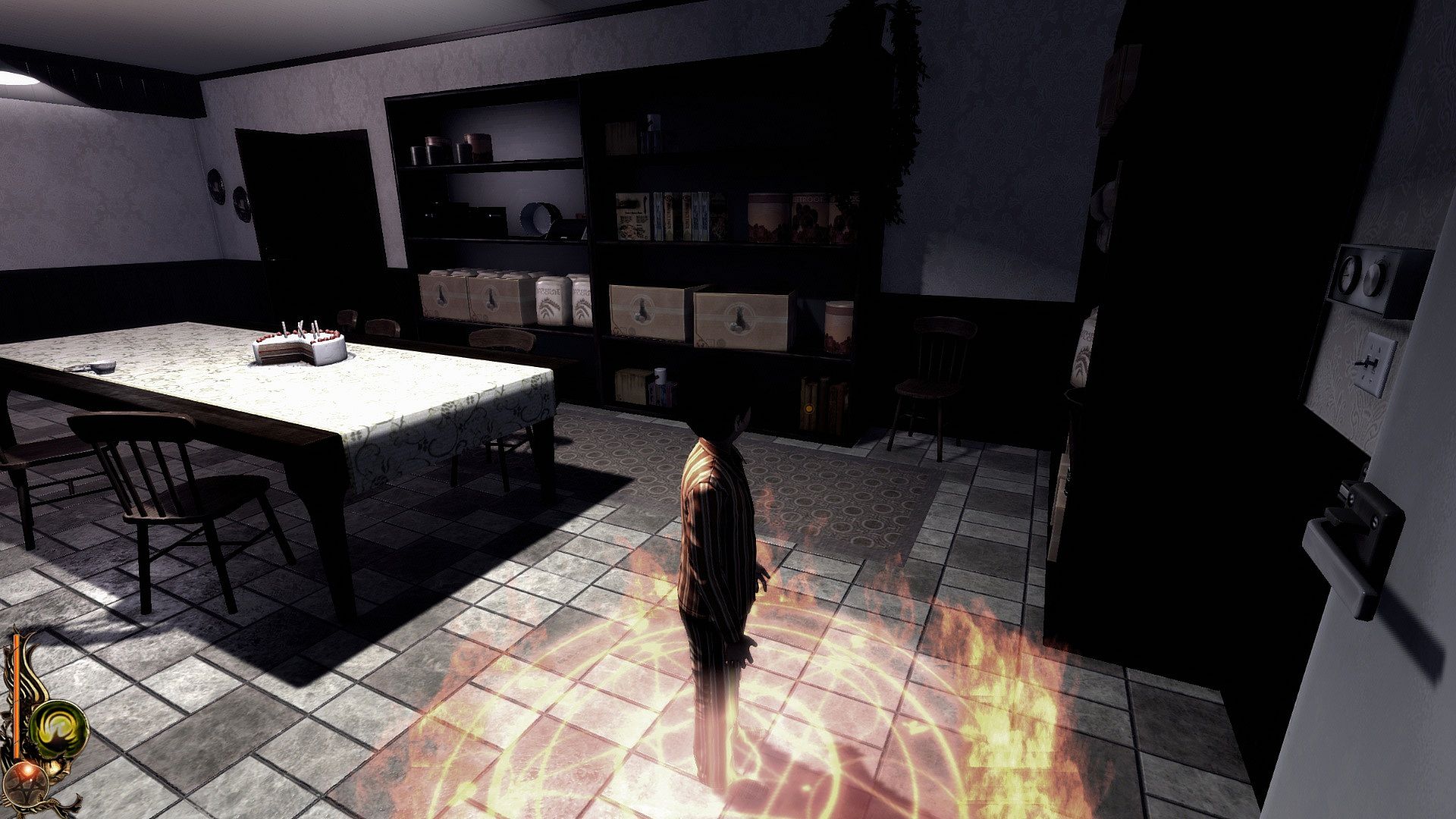
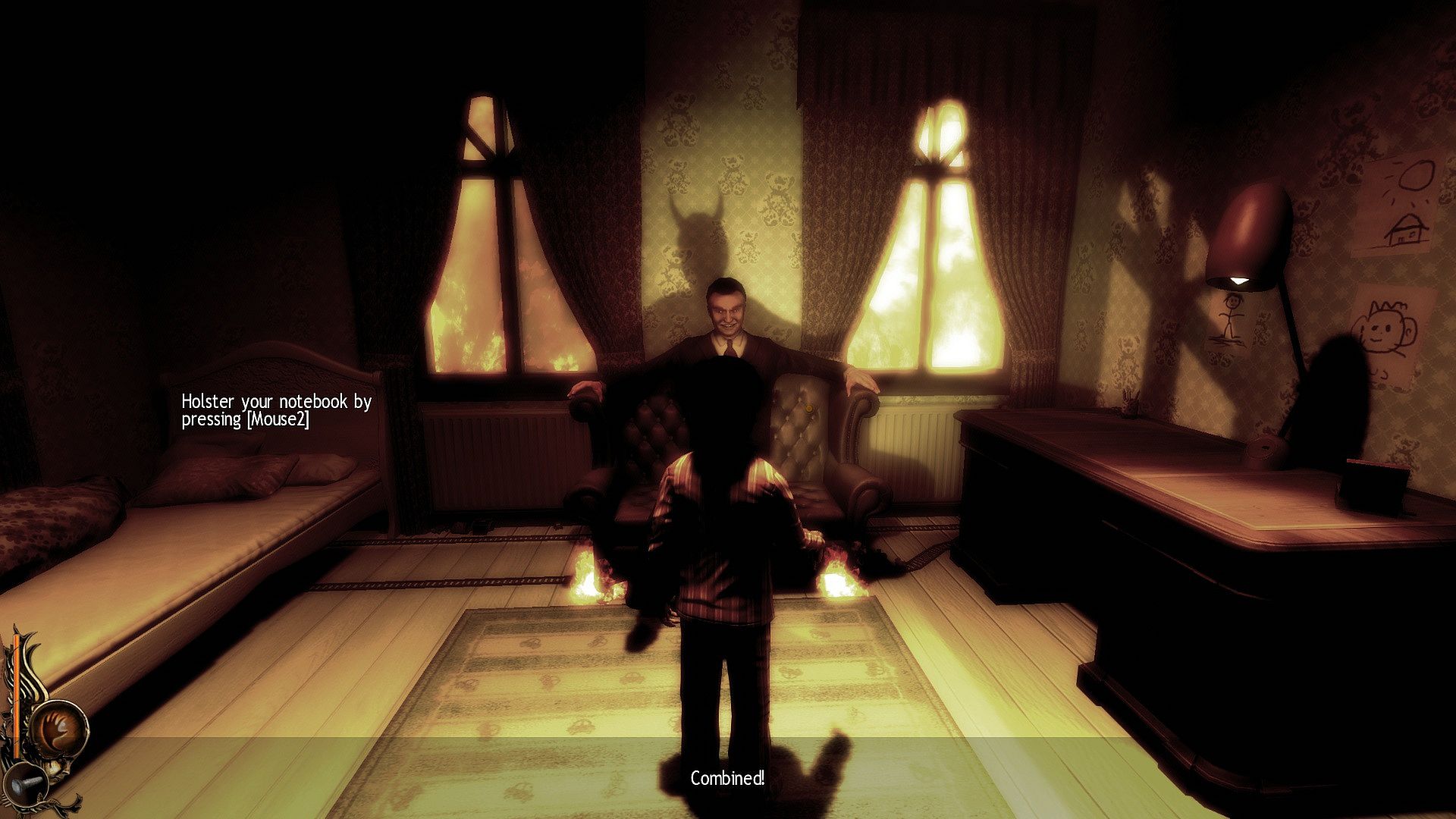
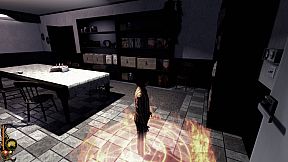
Progression occurs through a series of chapters, each focused on removing one target. The game emphasizes careful planning and timing to avoid detection by other inhabitants. Environmental interactions form the basis of most solutions, with powers expanding as the story advances to include additional effects like combustion.
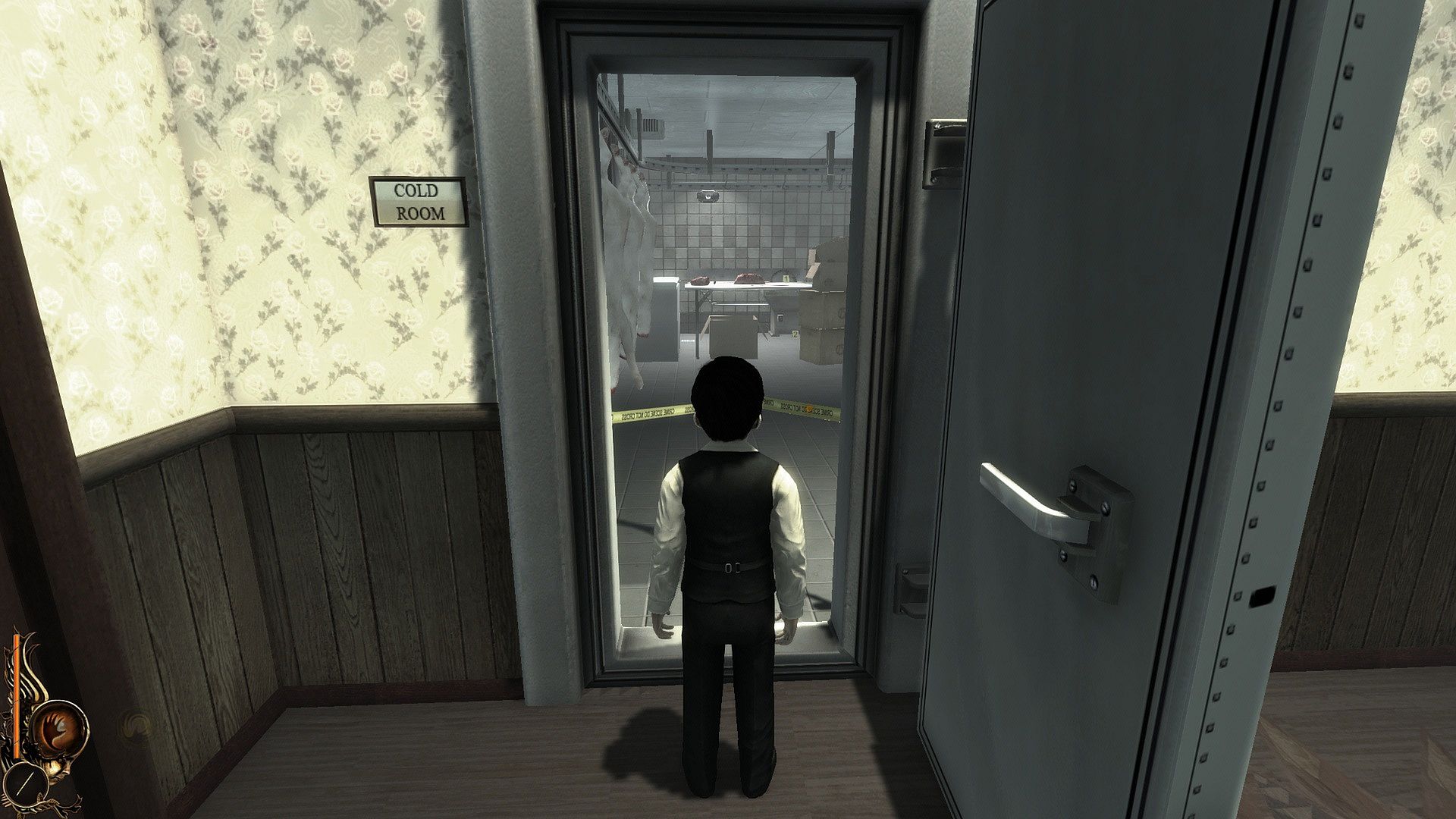
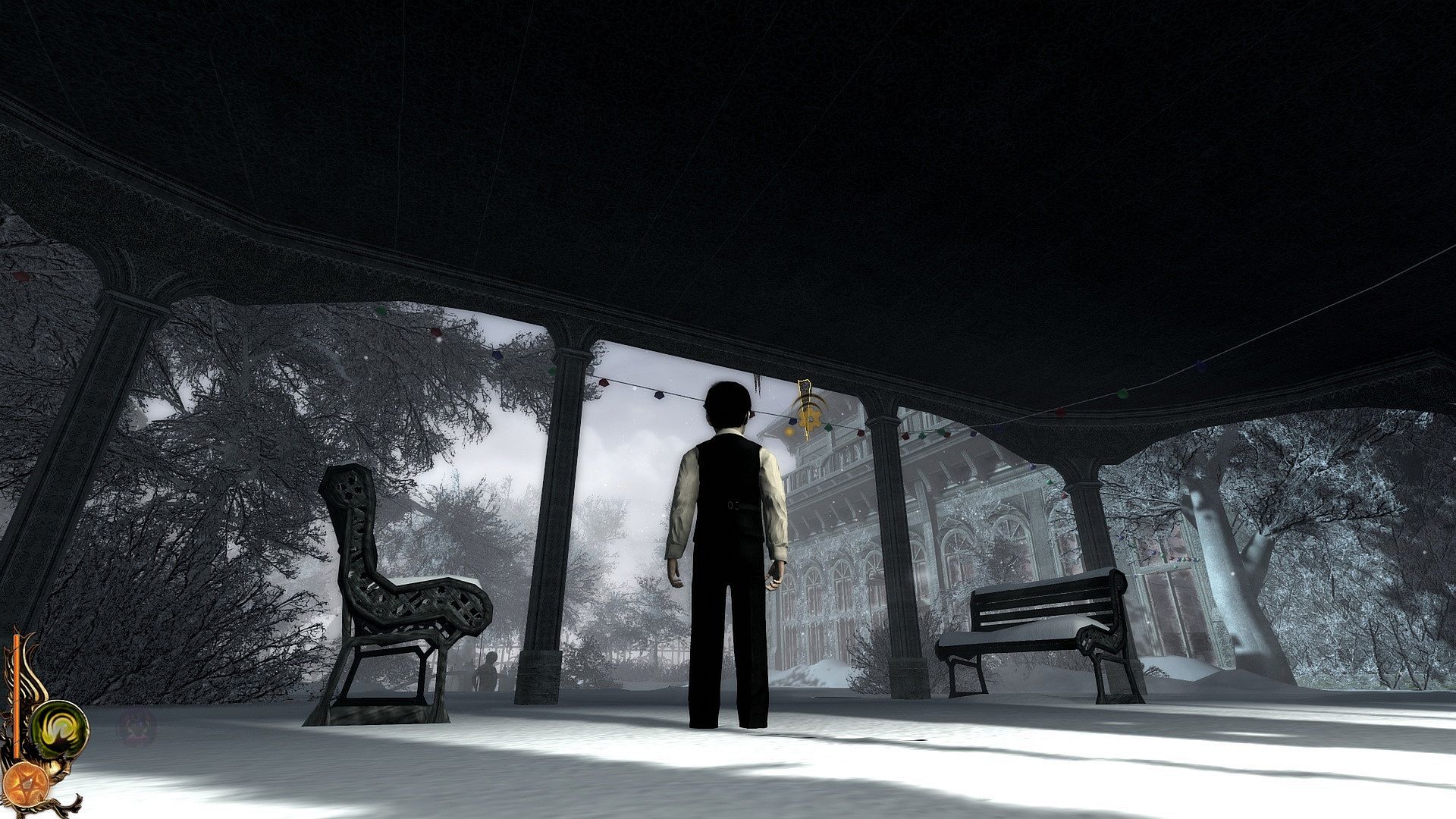
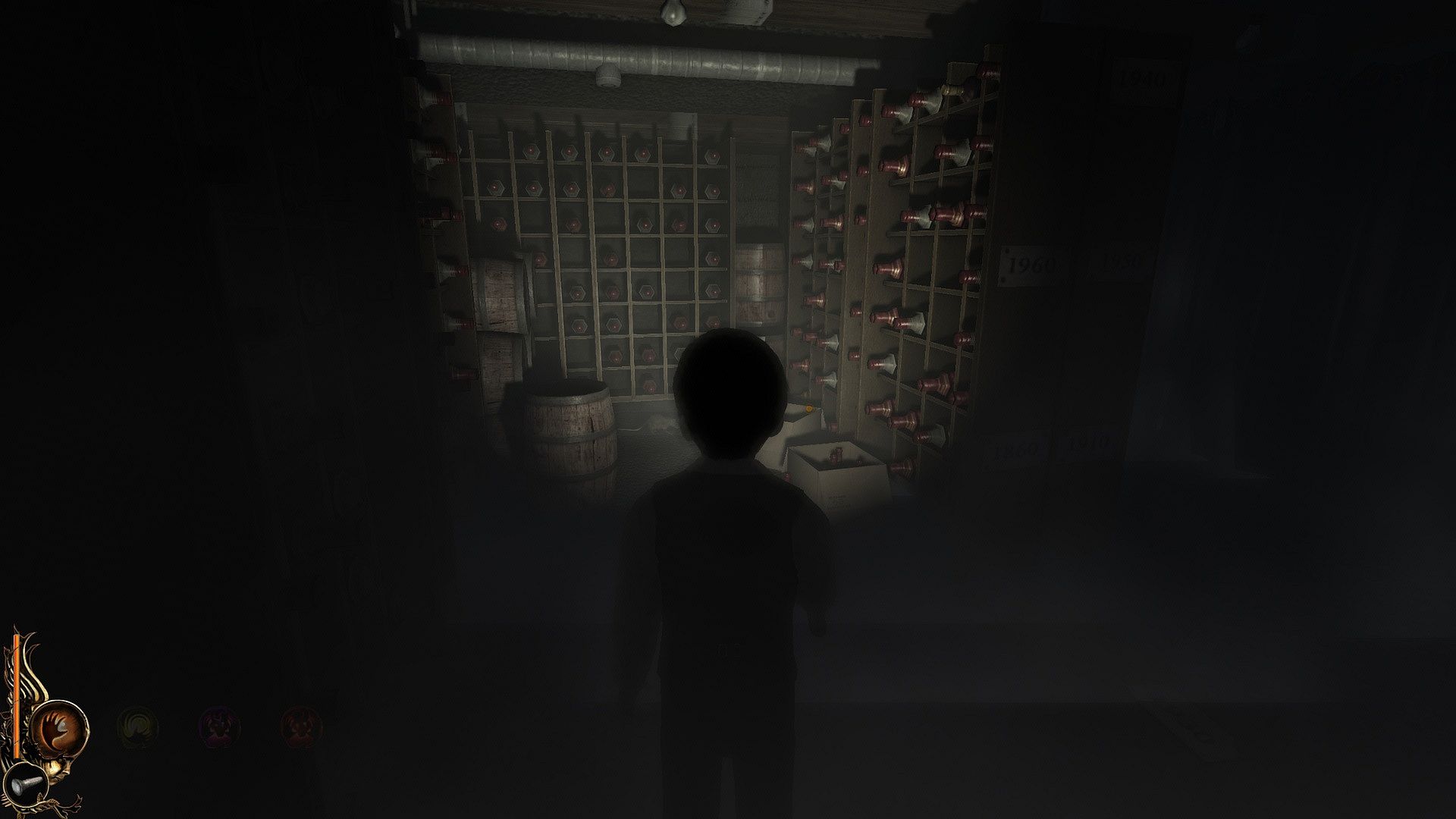
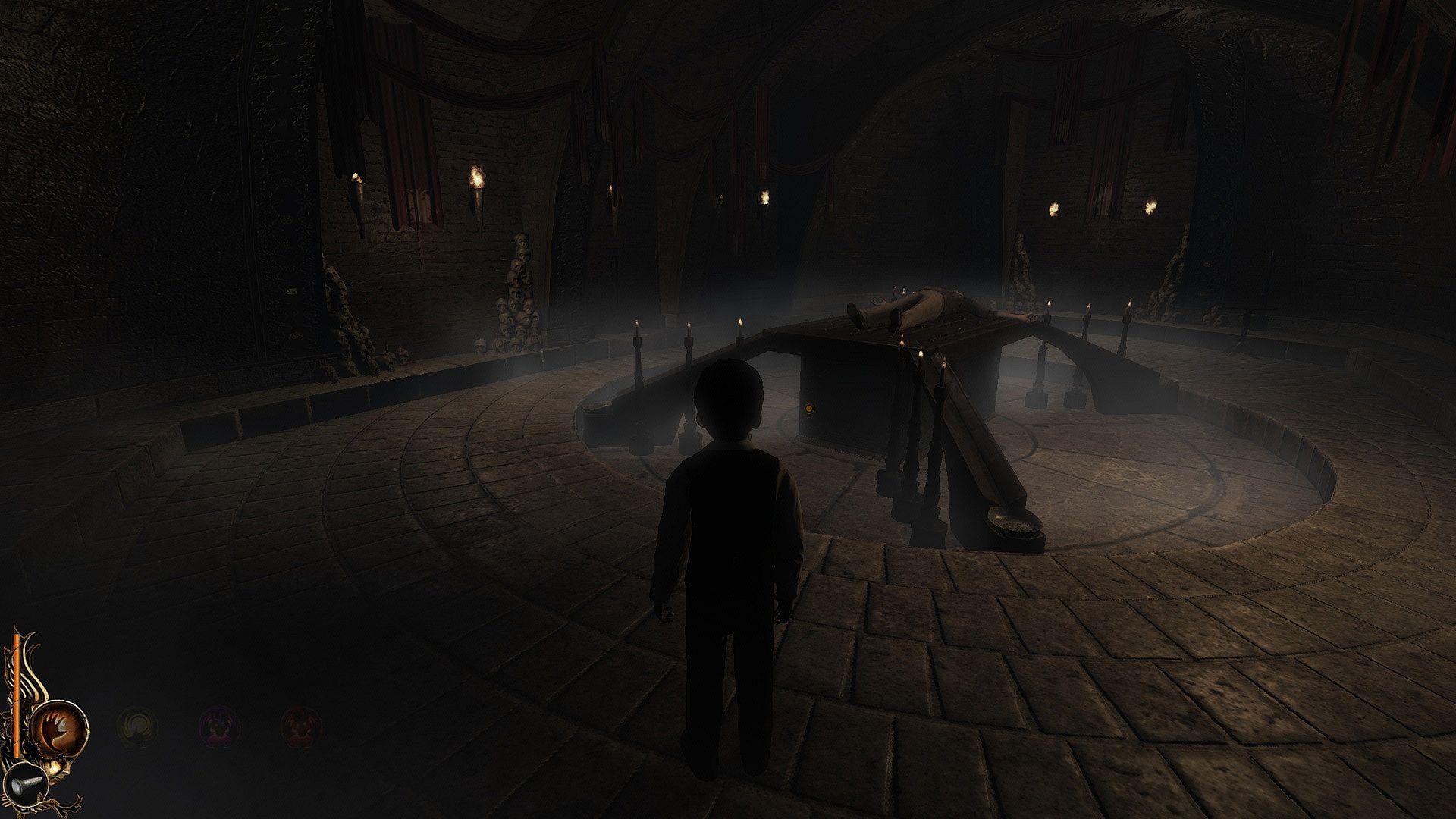
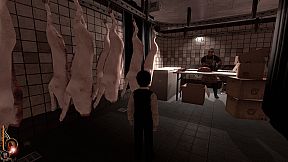
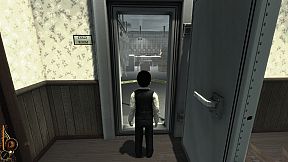
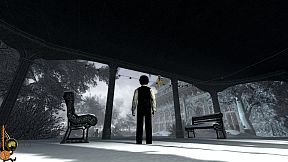
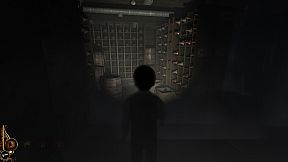
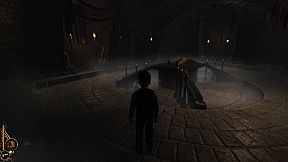
Visual presentation features a three-dimensional setting with attention to lighting and detail in the manor interiors. Cinematic sequences punctuate key moments, maintaining a consistent horror tone drawn from classic film influences.
Game Modes
Lucius operates entirely as a single-player experience with no multiplayer components. The structure consists of sequential chapters that guide players through the manor while introducing new power applications and targets. Each chapter builds on previous mechanics, requiring players to combine abilities in increasingly complex ways to complete objectives.
Exploration within the fixed location encourages revisiting areas to experiment with different approaches, though the overall path remains directed by the narrative. There are no alternate modes, competitive elements, or branching campaigns beyond the main sequence of events.
Story and Atmosphere
The narrative draws from horror traditions involving a child with otherworldly origins. Lucius navigates daily life in the manor while methodically reducing its population through indirect means. Supporting characters react to the unfolding events with varying degrees of alarm or dismissal, adding layers to the tension.
Atmosphere relies on the confined setting of Dante Manor, where ordinary household items become tools for elaborate setups. The combination of supernatural elements and realistic consequences creates a tone that blends suspense with dark humor in the execution of each incident.
Is It Worth Playing?
Players interested in short, focused horror experiences with puzzle-oriented stealth mechanics may find value here. The game delivers a complete story in a compact playtime, centered on creative use of limited powers within a single location. Recent player feedback on distribution platforms indicates positive responses from those who appreciate its niche style, though some note dated controls and occasional technical issues common to its release era.
Those seeking modern graphics, extensive replay options, or multiplayer features should look elsewhere. The title suits fans of deliberate, methodical gameplay where success depends on observation and precise execution rather than action or exploration on a large scale. Availability remains straightforward on PC platforms for anyone matching that preference.