


























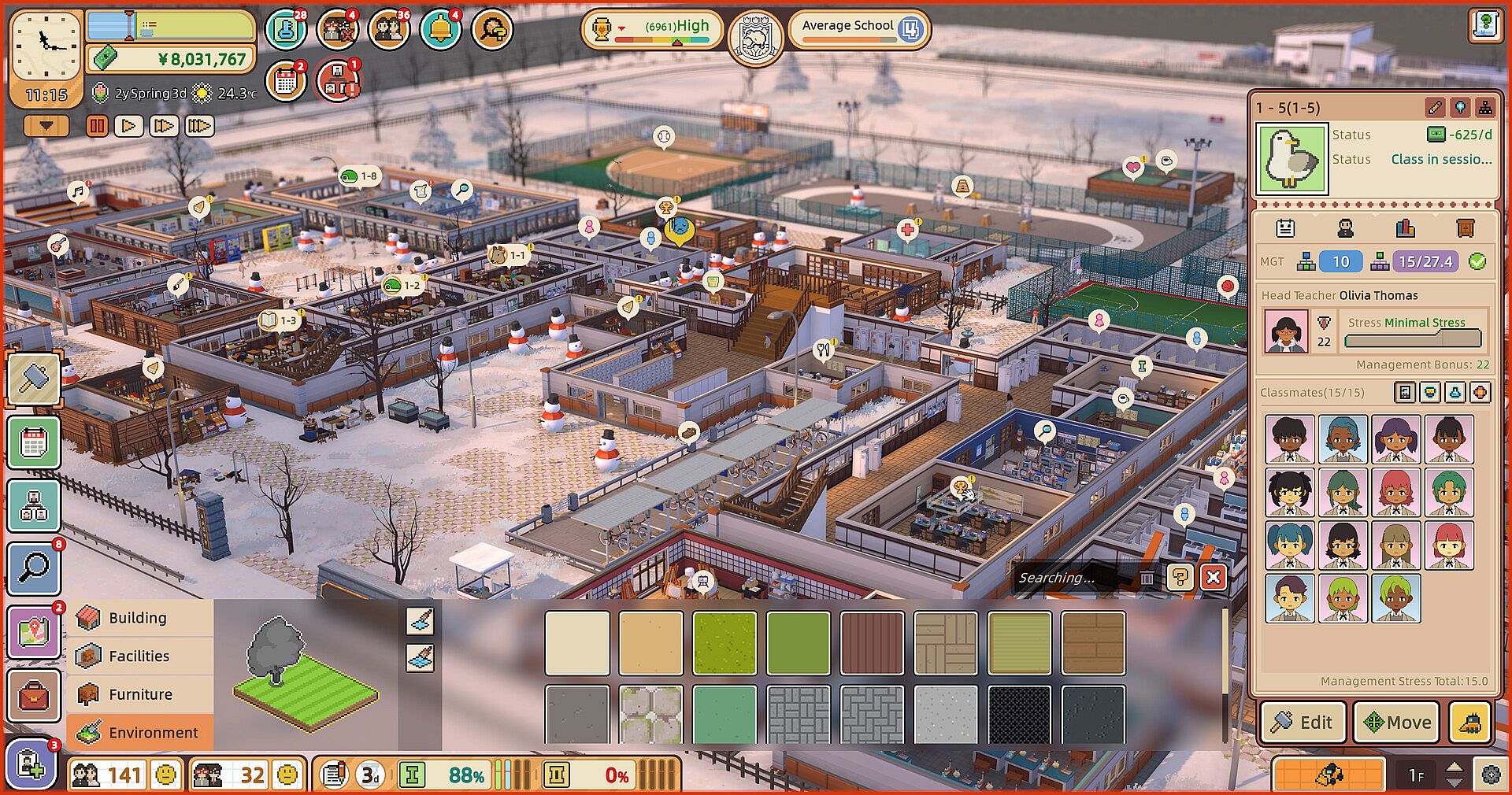
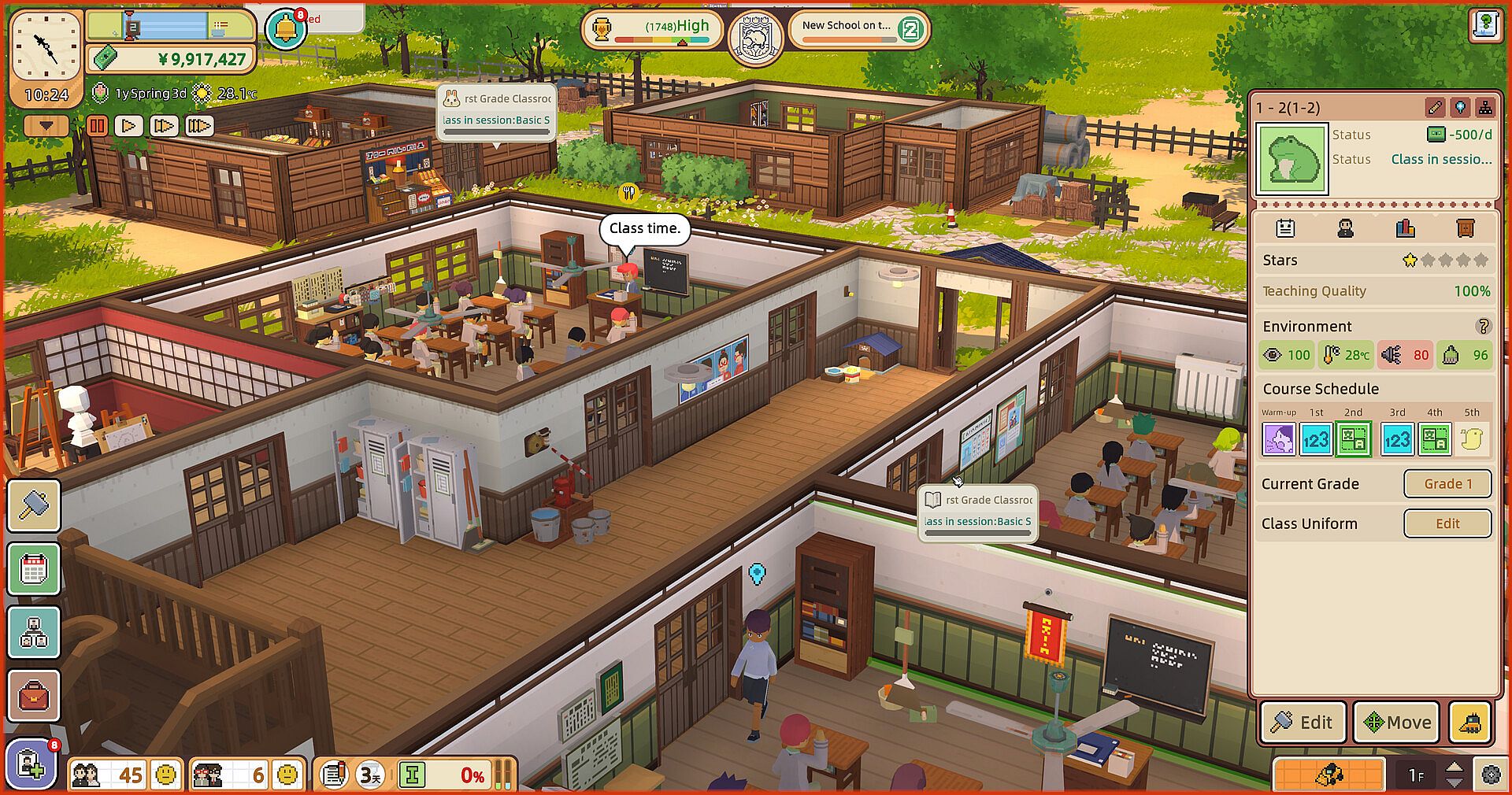
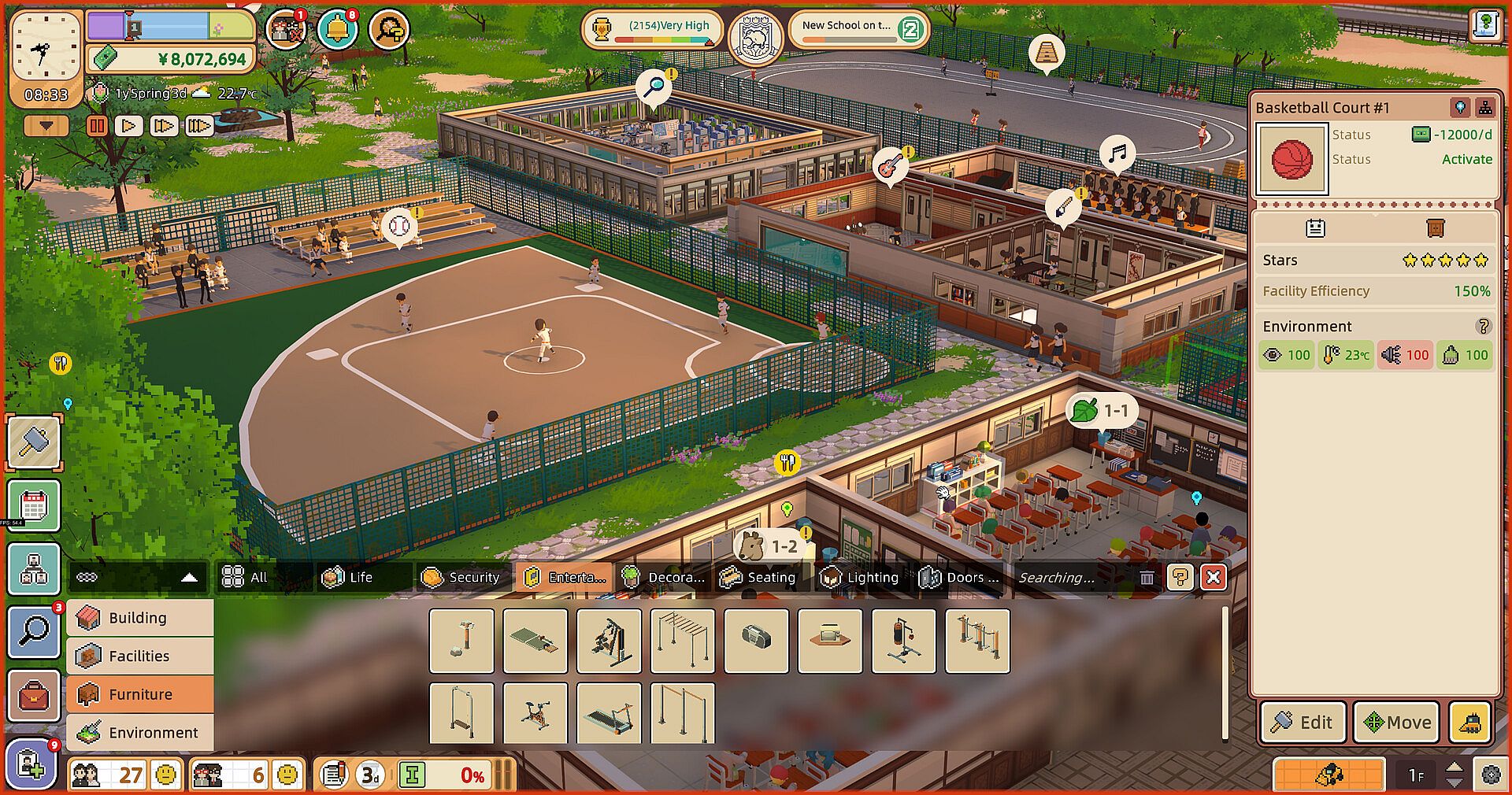
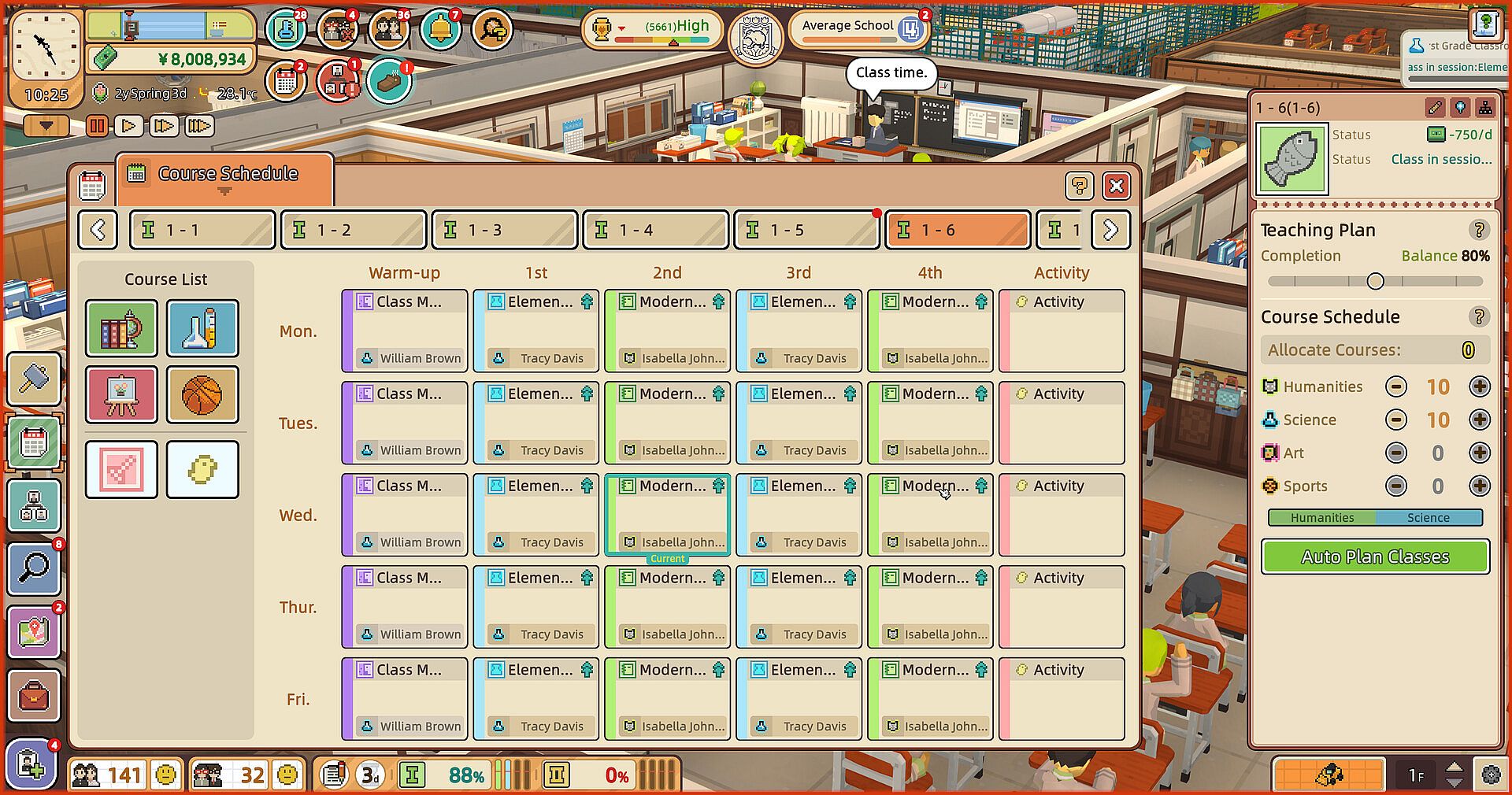

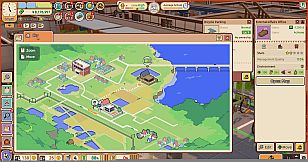
Let's School is a school management simulation game where players step into the role of a principal rebuilding and overseeing their former school. Released in 2023 for PC, it blends construction, resource allocation, and character management in a single-player experience focused on creating a thriving educational environment.
Gameplay
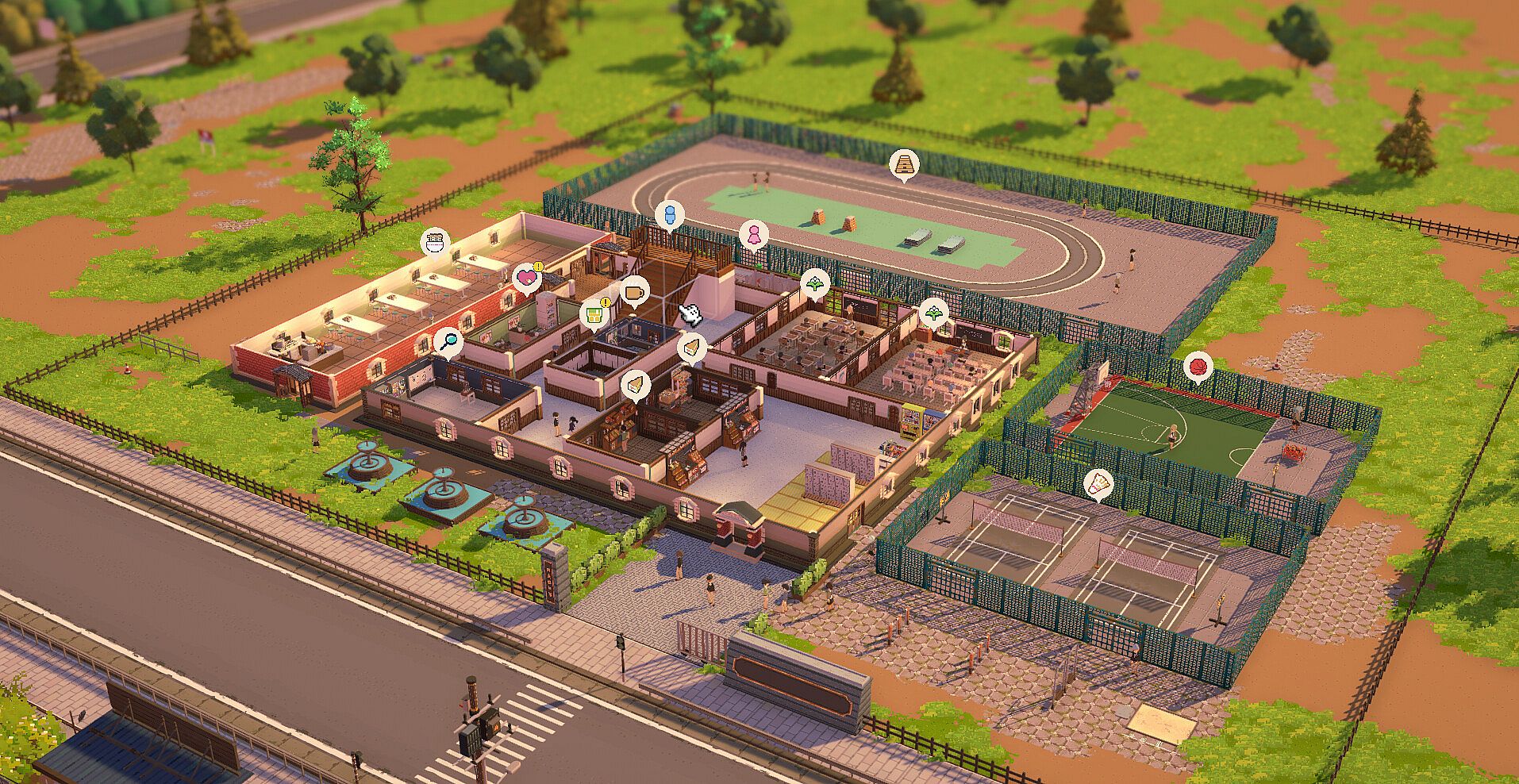
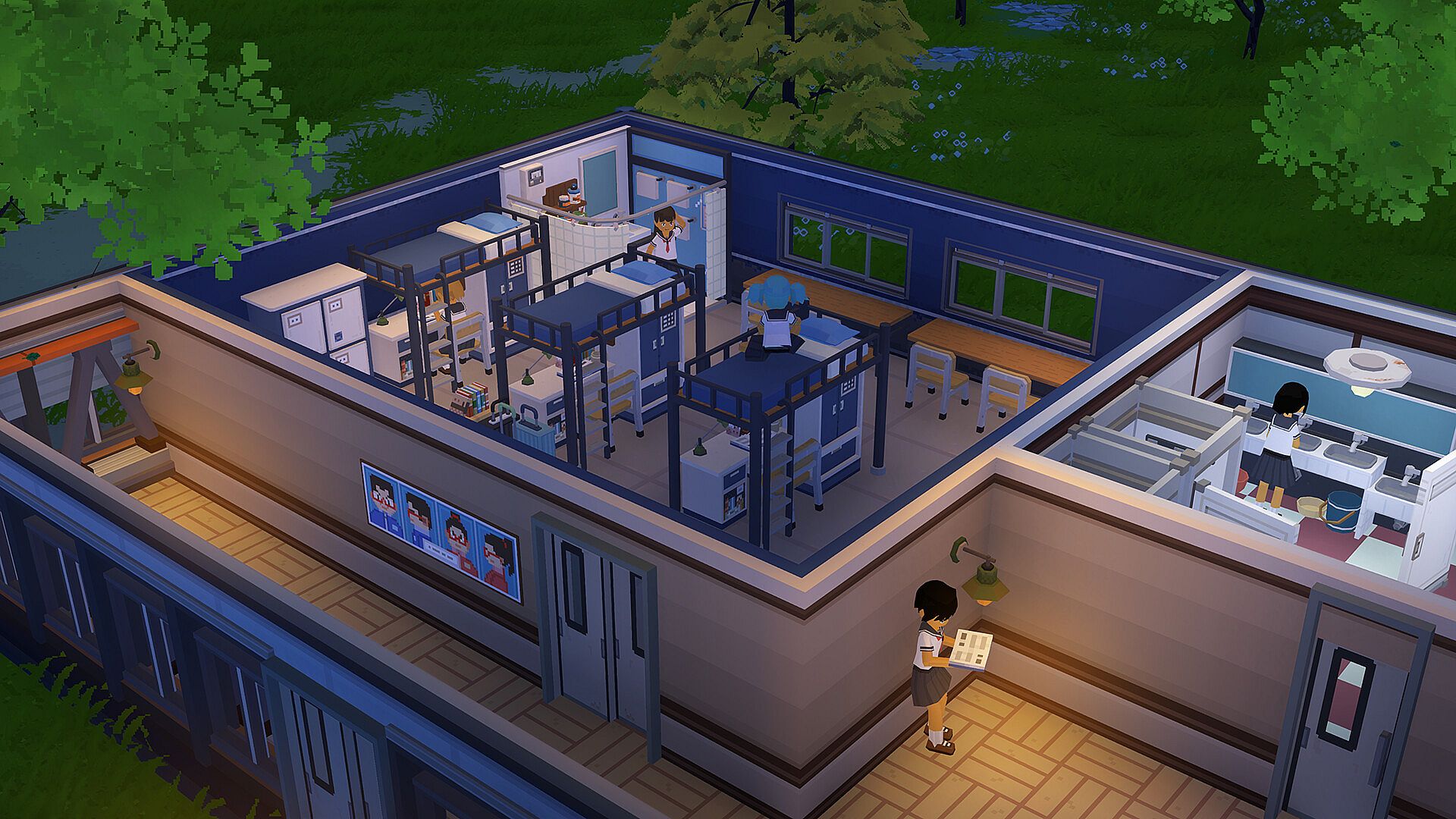
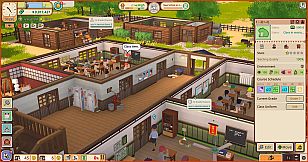
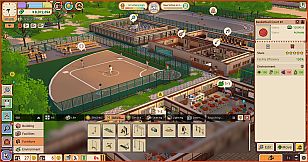
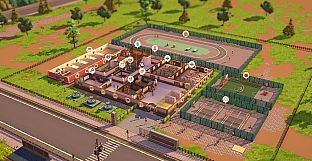
The core loop revolves around two intertwined systems: designing and expanding the school campus while handling the daily lives of students and staff. Players start with a basic layout and gain freedom to add classrooms, cafeterias, restrooms, and specialized rooms using a wide selection of furniture and educational tools. Vertical construction allows multi-level buildings, enabling creative layouts that stack facilities efficiently without sprawling across the map.
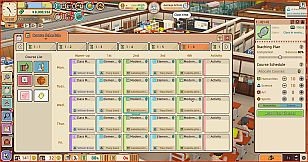
Student management adds depth through individual needs and behaviors. Each pupil tracks factors like hunger, hygiene, stress, and academic performance, with visible indicators such as weight changes from overeating or increased glasses use signaling pressure. Teachers require recruitment, skill development, and assignment to classes, where their expertise influences elective offerings and overall school reputation. Discipline plays a key role, involving checks for contraband, responses to incidents like bullying or truancy, and the setup of punishment protocols to maintain order.
External events and activities help balance the simulation. Morning exercises, club meetings, field days, and special occasions provide outlets for student energy and emotional regulation. These elements tie into broader goals of boosting morale and long-term outcomes for graduates, all while addressing occasional outside threats that disrupt routines.
Game Modes
The game operates primarily in a continuous management mode where players progress through school years by meeting reputation targets, expanding facilities, and guiding cohorts of students toward graduation. There are no separate competitive or multiplayer modes; the focus remains on iterative building and oversight in one persistent world.
Progression encourages experimentation with different school philosophies, such as emphasizing academics, extracurriculars, or strict discipline. Players adjust layouts and policies over time, responding to emerging issues like facility shortages or behavioral patterns without predefined scenarios or time-limited challenges.
Key Mechanics and Features
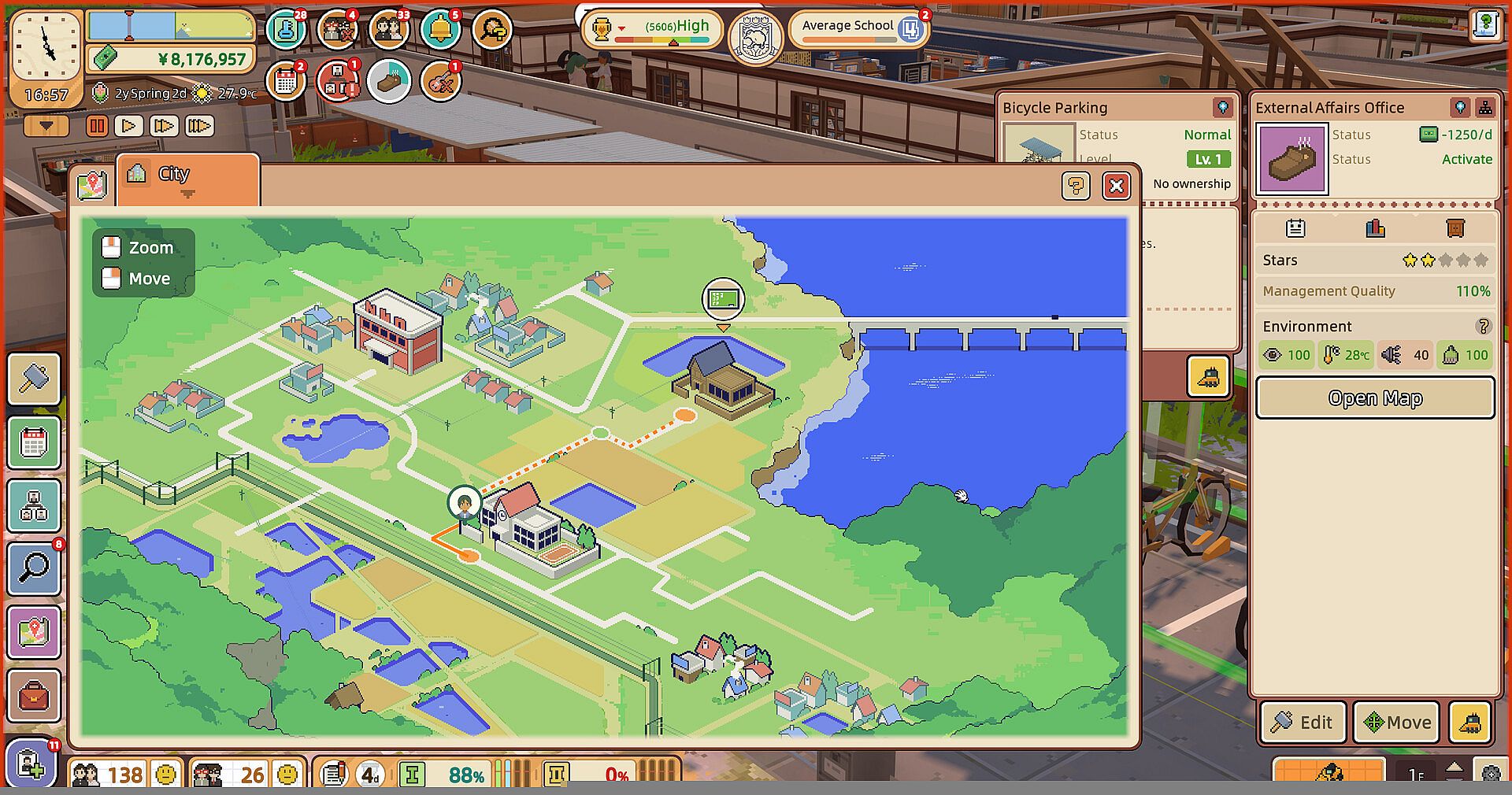
Reputation serves as the central metric, influenced by academic results, student satisfaction, and facility quality. Basic needs like food access, sanitation, and rest must be met to prevent widespread problems, including anxiety or misuse of spaces. Elective courses allow customization of learning paths, affecting future student trajectories and school appeal.
Teacher development opens role variations, while contraband monitoring and crisis handling add reactive strategy layers. The absence of rigid level structures supports sandbox-style play, where decisions compound across multiple in-game terms.
Is It Worth Playing?
Player feedback on Steam shows overwhelmingly positive reception, with 95 percent approval from nearly 1,900 English-language reviews. Recent activity maintains very positive scores, indicating ongoing satisfaction after patches addressed early stability concerns. The game suits fans of detailed simulation titles who enjoy planning layouts and tracking numerous interdependent systems.
Its approachable interface and charming presentation make it accessible for newcomers to the genre, while the depth of student and staff interactions rewards longer play sessions. Continued updates through 2024 demonstrate active support, and the single-player focus delivers consistent value for those interested in school-building strategy without competitive elements. If management sims with character-driven consequences appeal, the experience holds up well for repeated playthroughs.