






















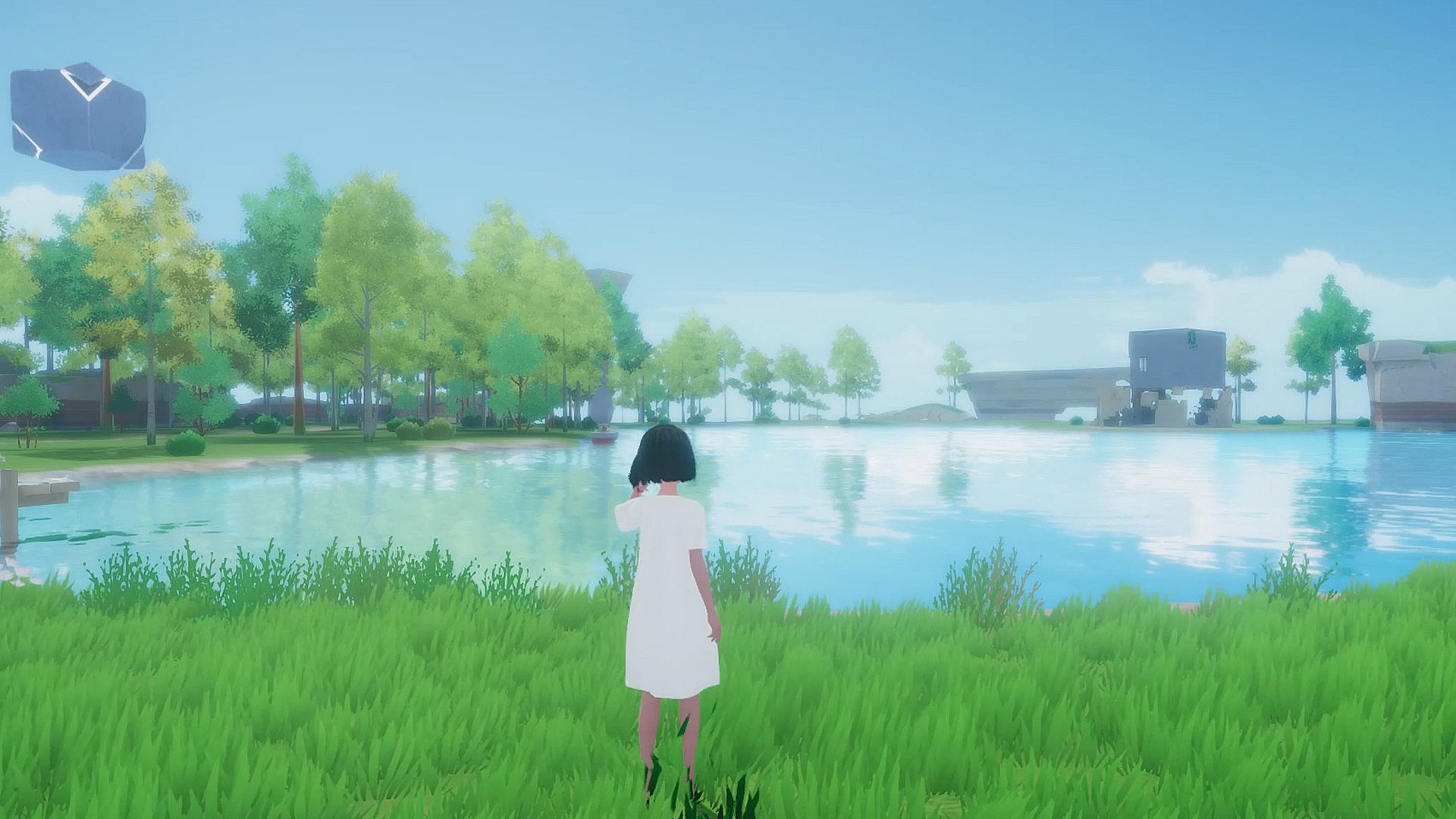
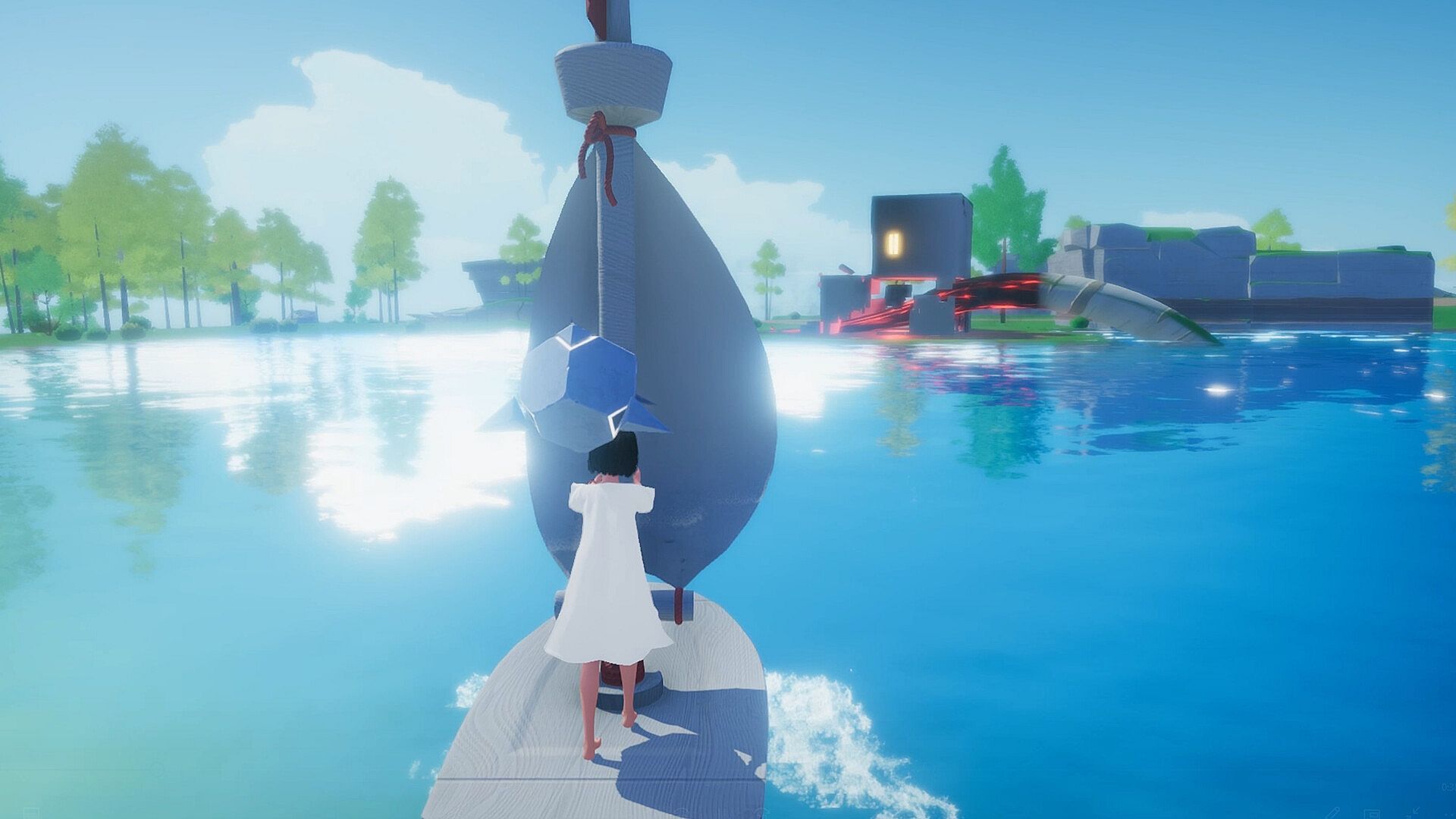
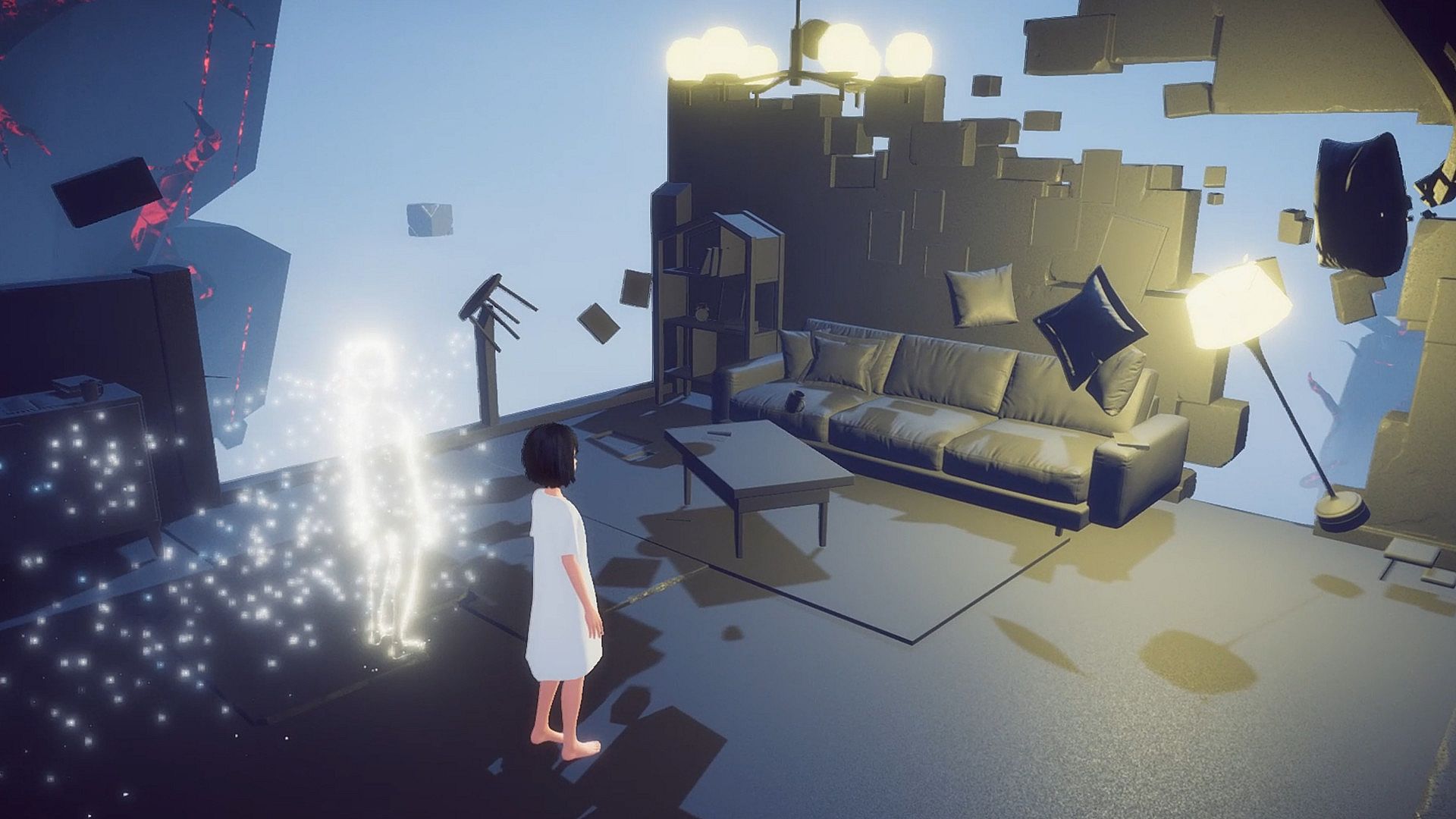
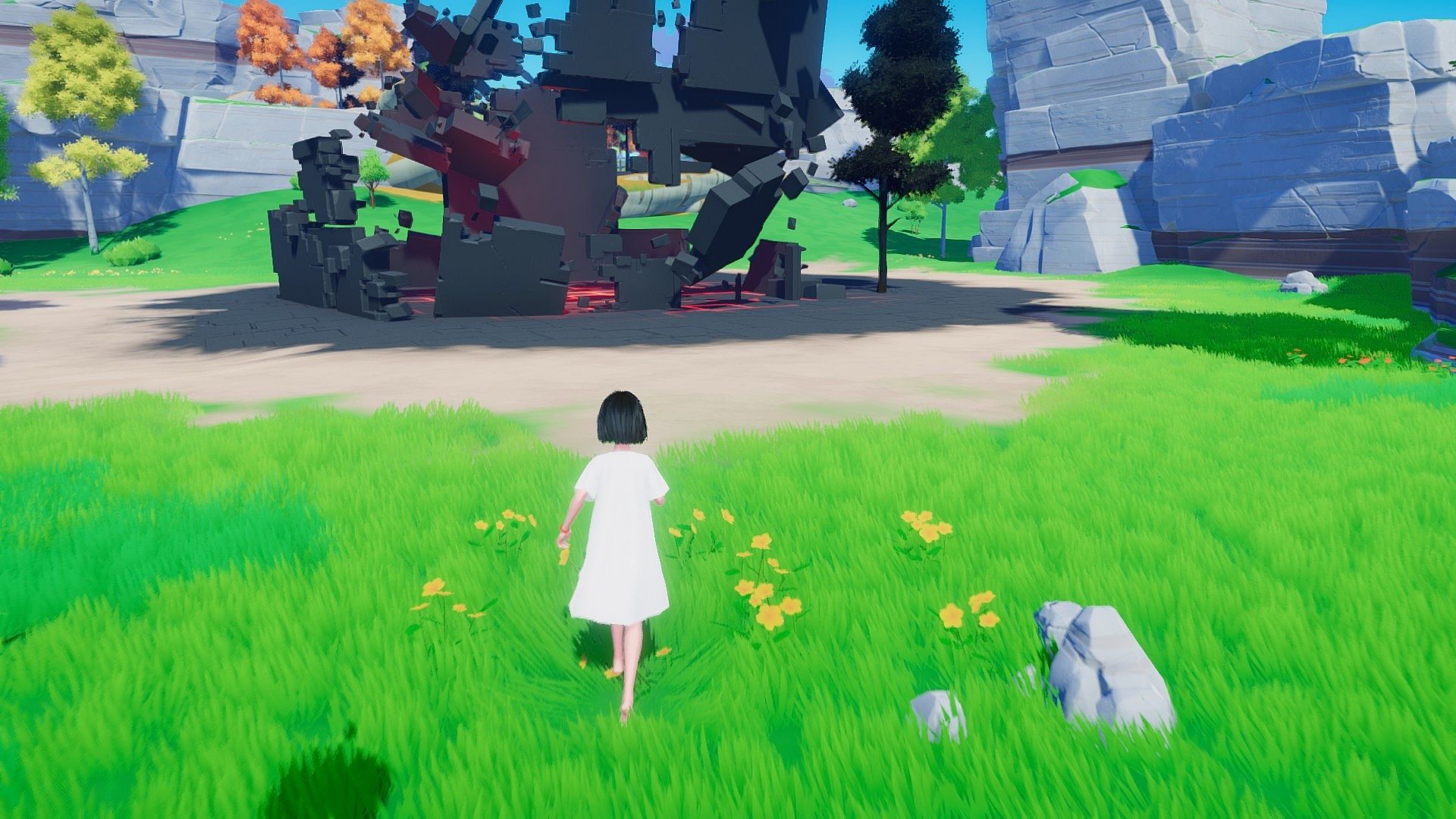
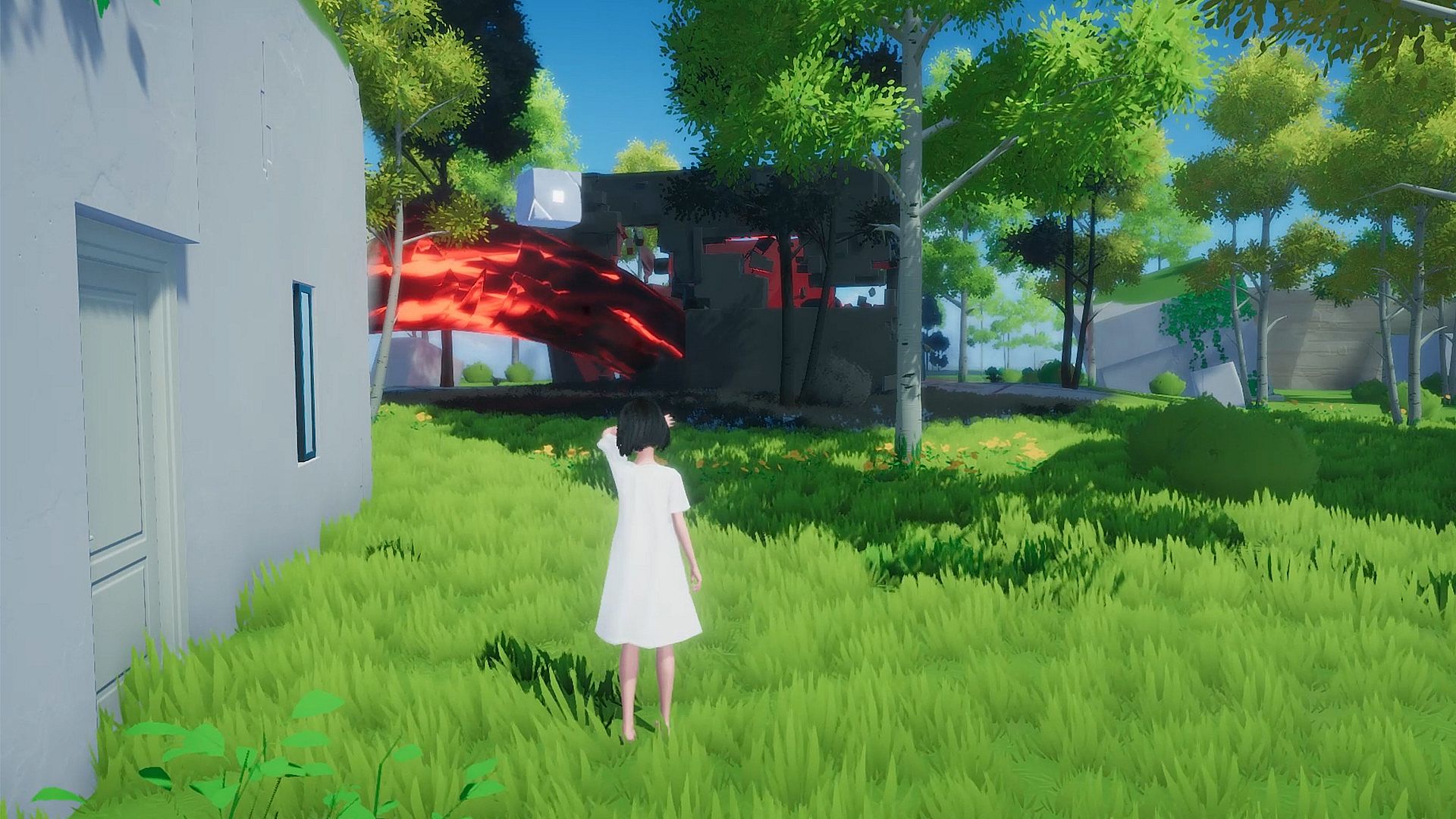
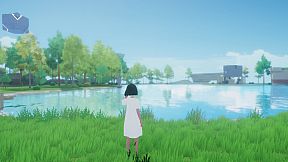
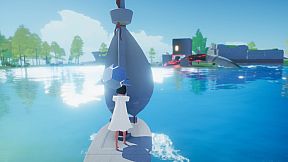
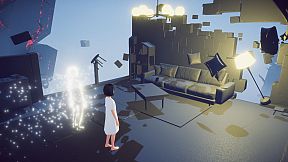
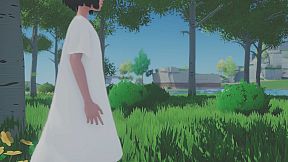
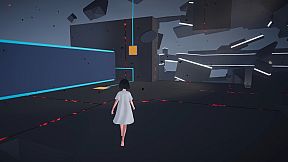
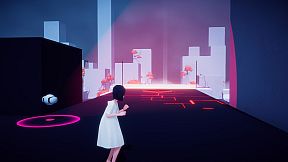
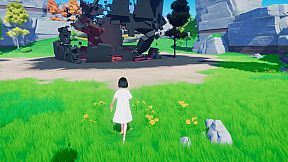
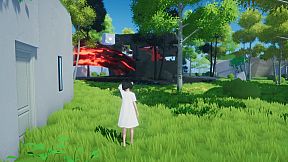

Ever Forward stands out as a single-player adventure puzzle game centered on exploration and problem-solving in a surreal setting. Players follow the journey of Maya, who finds herself in an environment blending elements of reality and imagination. The core experience revolves around uncovering personal history through careful observation and logical thinking rather than combat or resource management.
Gameplay
The gameplay loop emphasizes puzzle resolution as the primary activity. Each area presents environmental challenges that require players to examine surroundings closely and experiment with available actions. Core actions begin with basic movement and jumping before introducing advanced tools such as teleportation and gravity manipulation. Stealth elements appear in certain sections where direct confrontation with obstacles must be avoided through positioning and timing.
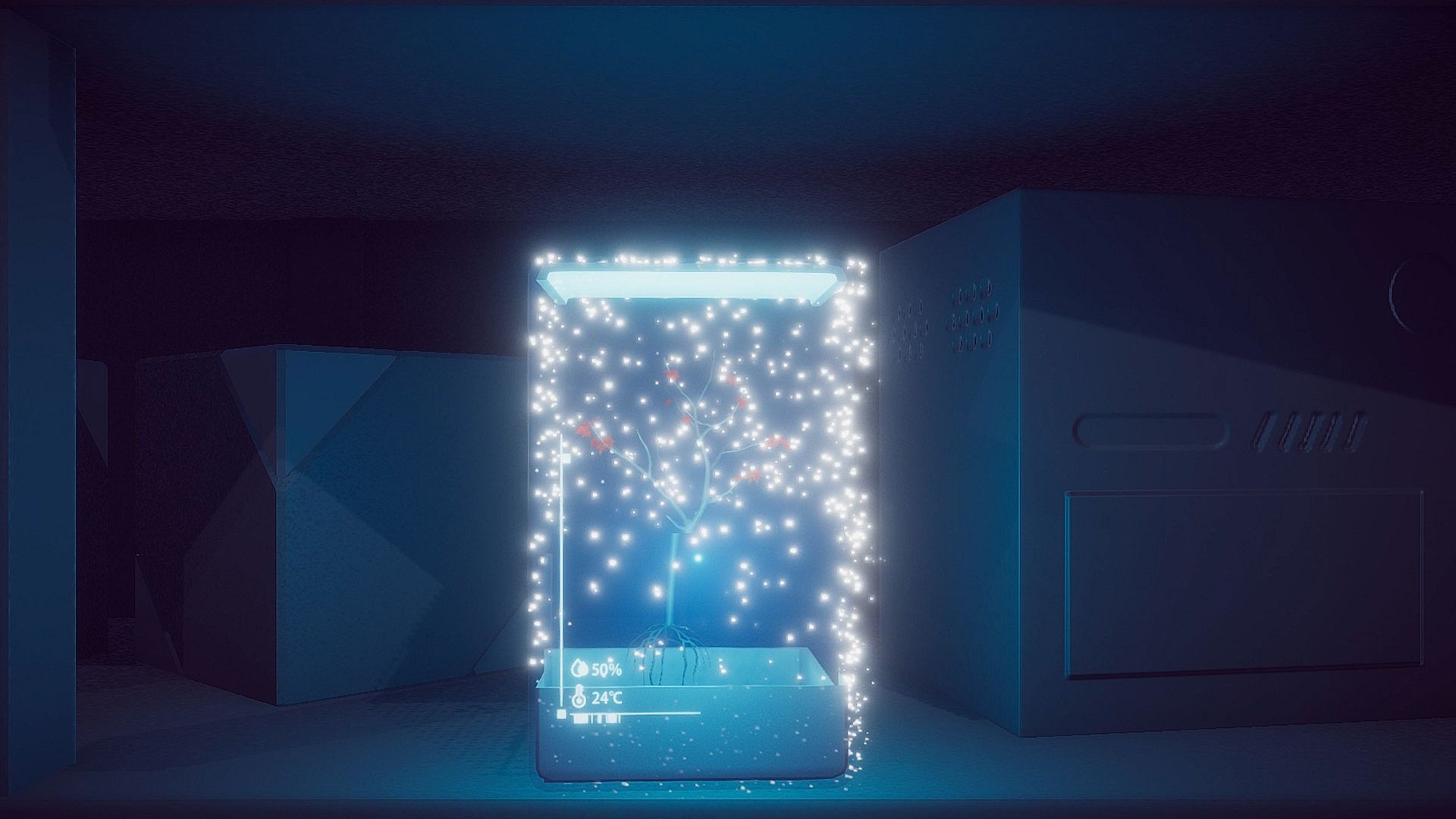
Progression ties directly to collecting memory fragments scattered throughout the levels. These items serve as keys to open new pathways and introduce additional puzzle layers. The design encourages repeated attempts on individual challenges, with some puzzles supporting multiple valid solution paths that accommodate different approaches to spatial reasoning and pattern recognition.
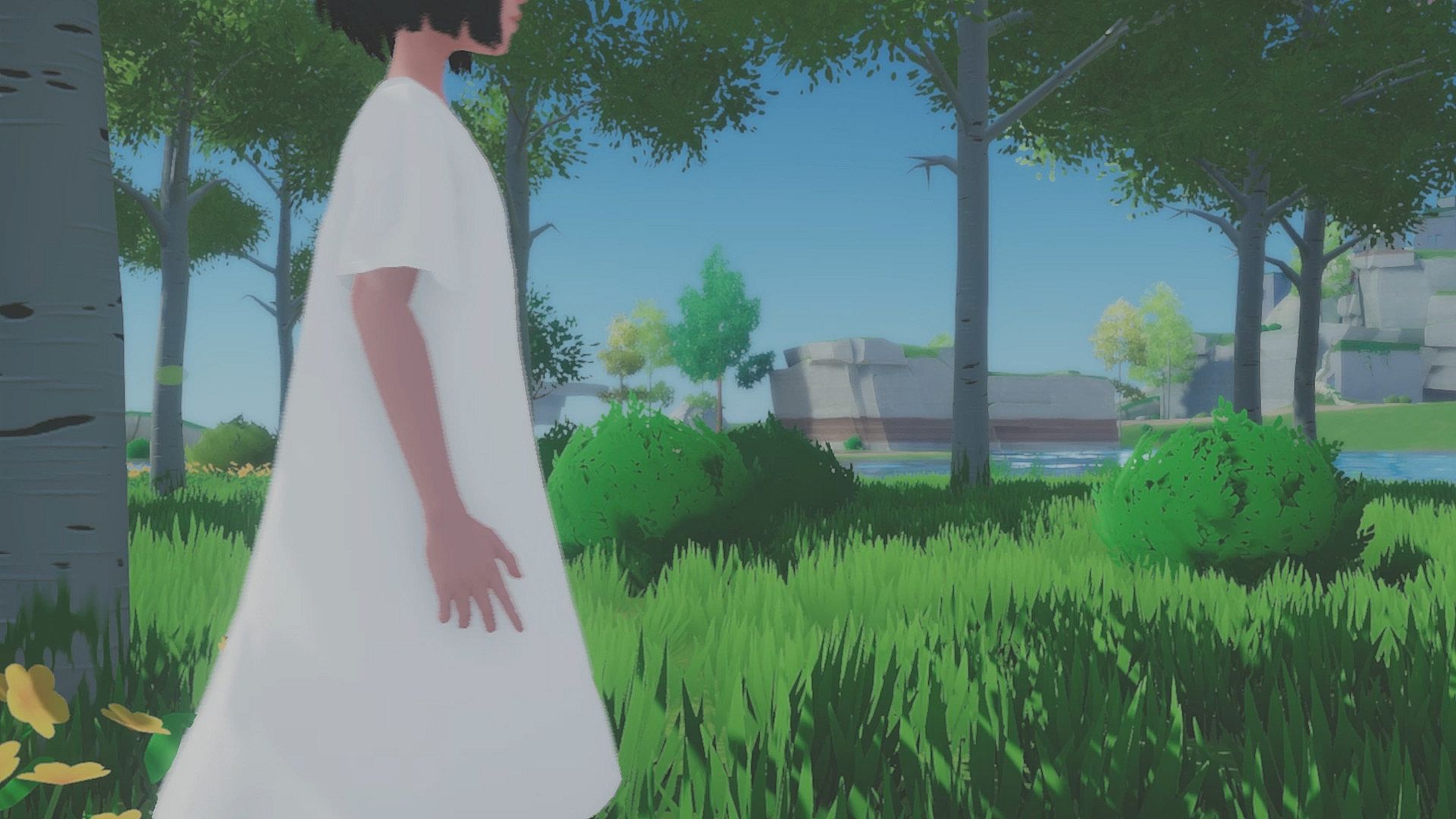
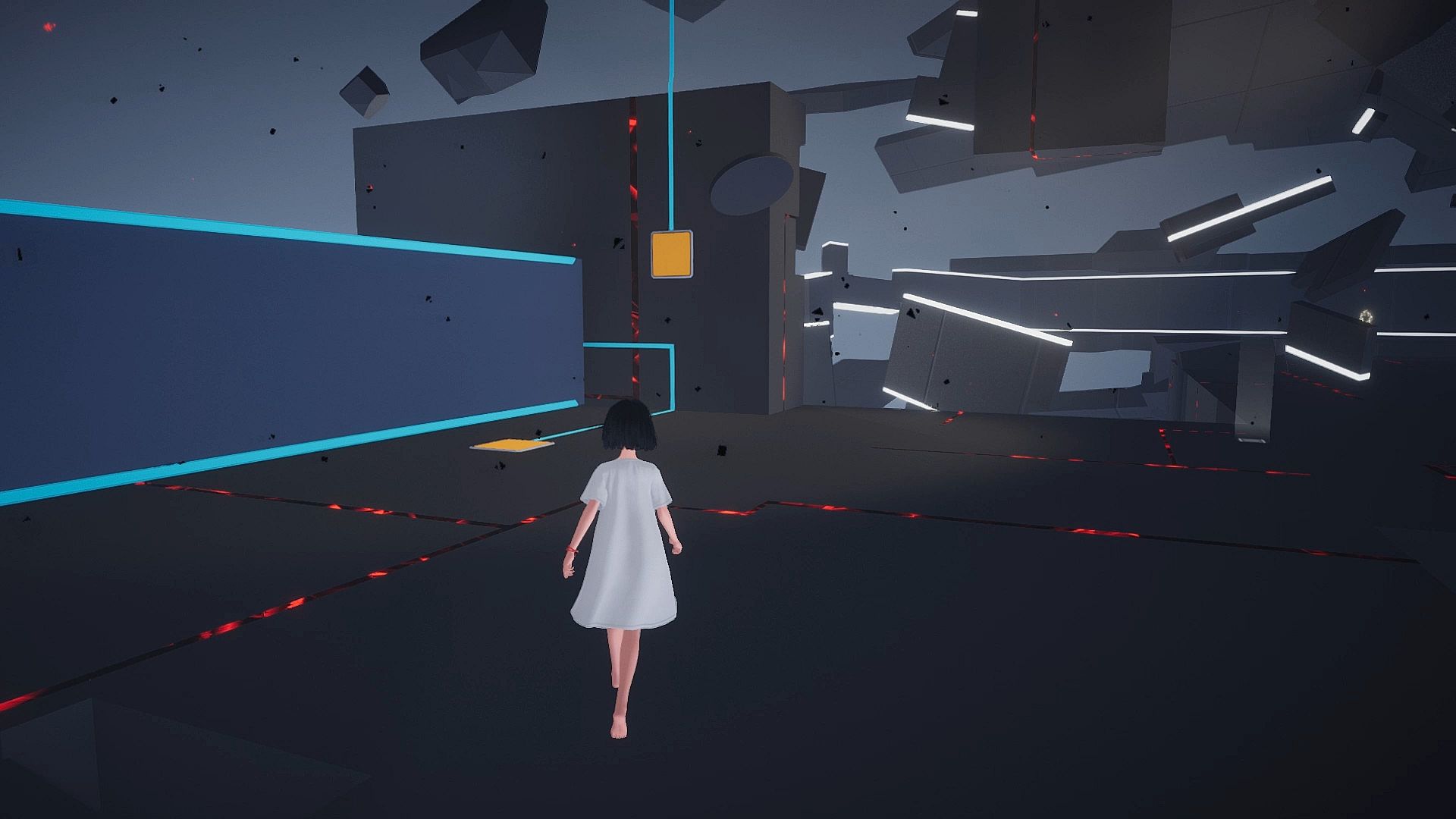
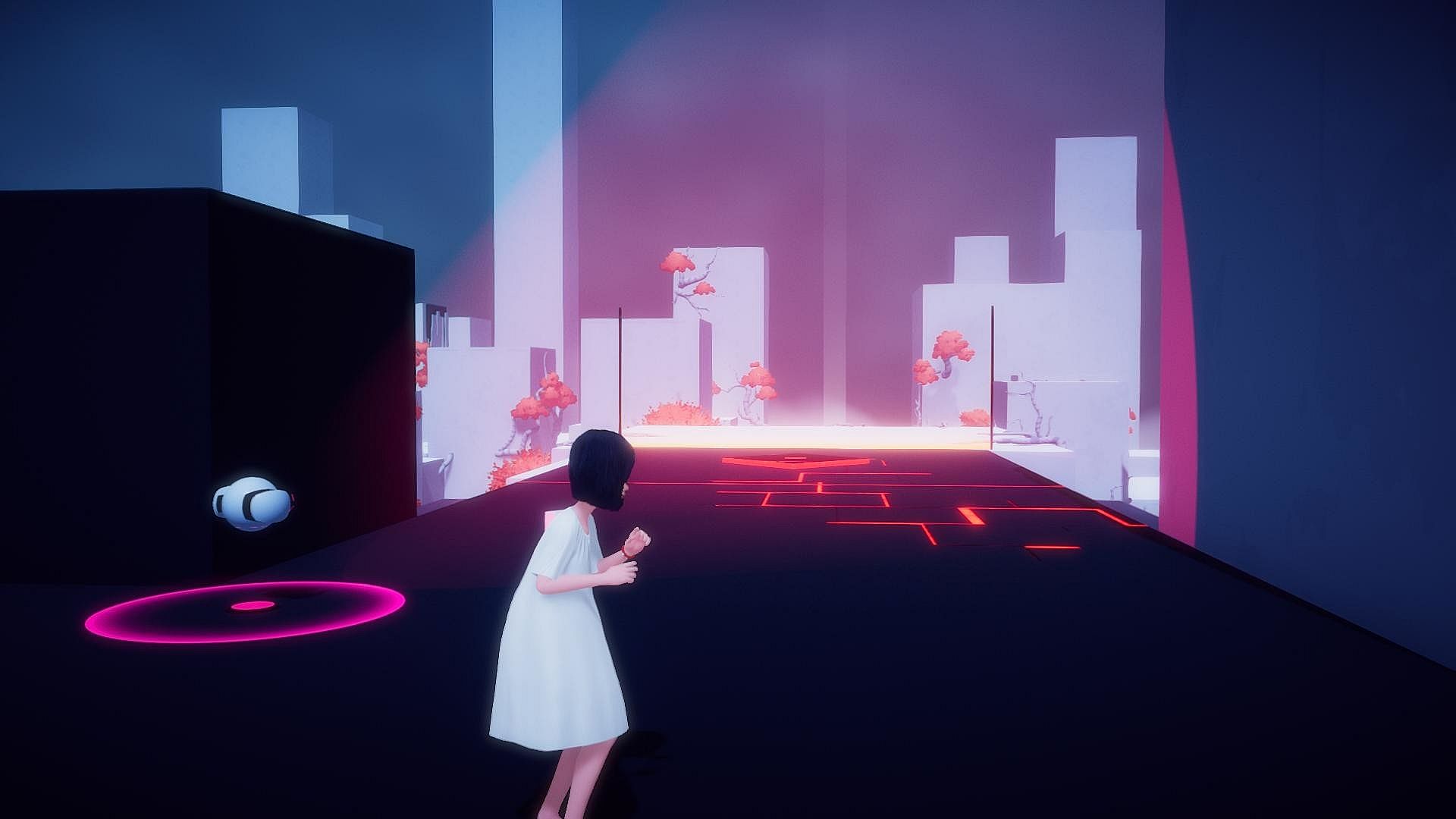
Visual presentation supports the puzzle focus through a consistent color scheme of soft pastels mixed with futuristic accents. This aesthetic creates a dreamlike atmosphere that aligns with the narrative themes without overwhelming the functional layout of each stage.
Game Modes
Ever Forward operates entirely as a single-player experience with no separate competitive or cooperative modes. The structure follows a continuous narrative progression divided into distinct areas, each building on previously learned mechanics. Players advance by solving interconnected puzzles that gradually increase in complexity while maintaining the same core loop of observation, experimentation, and memory collection.
Within this framework, puzzle variety comes from shifts in environmental rules rather than distinct game modes. Early sections focus on straightforward navigation and item interaction, while later ones incorporate gravity shifts and teleportation sequences that demand precise coordination. The absence of branching campaigns or replayable side activities keeps the focus on completing the central story path in one continuous playthrough.
Story and Themes
The narrative unfolds through environmental storytelling and puzzle outcomes rather than extensive dialogue. Maya confronts personal despair and buried memories as she navigates the world, with each solved section revealing fragments of her background. This approach integrates character development directly into the mechanical challenges, making puzzle success feel tied to emotional progression.
Themes of isolation and self-discovery emerge through the solitary nature of the journey. No companion characters or external guidance systems appear, leaving players to interpret clues independently. This design choice reinforces the introspective tone without requiring additional narrative delivery methods.
Is It Worth Playing?
Ever Forward suits players who enjoy deliberate puzzle-solving in a compact package. The game released in 2020 and maintains a Mostly Positive rating on its primary distribution platform, with 75 percent approval from 157 user reviews. Reviewers frequently note the thoughtful puzzle construction and the way difficulty scales naturally across the experience without artificial spikes.
Those seeking extended campaigns or multiplayer elements will find the scope limited to a focused single-player adventure. The title appeals most to fans of observation-based puzzles who appreciate multiple solution options and a cohesive artistic direction. Availability on PC makes it accessible for those interested in short to medium-length sessions centered on logical challenges rather than action or strategy in the traditional sense.
Overall, the game delivers a consistent puzzle adventure that rewards patience and attention to detail. Its strengths lie in the integration of mechanics with thematic elements, creating a self-contained experience that concludes once the central mystery resolves.