











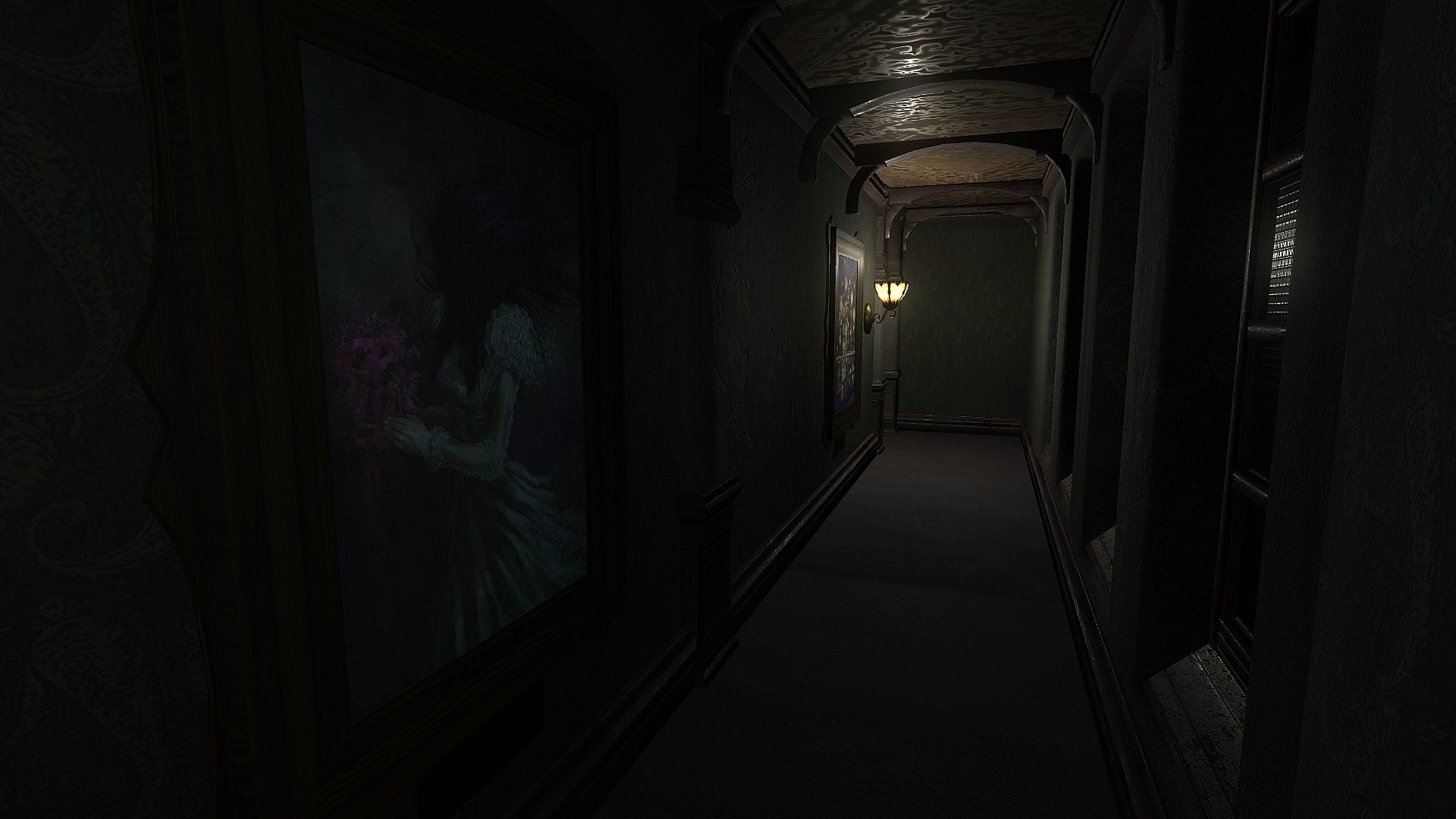
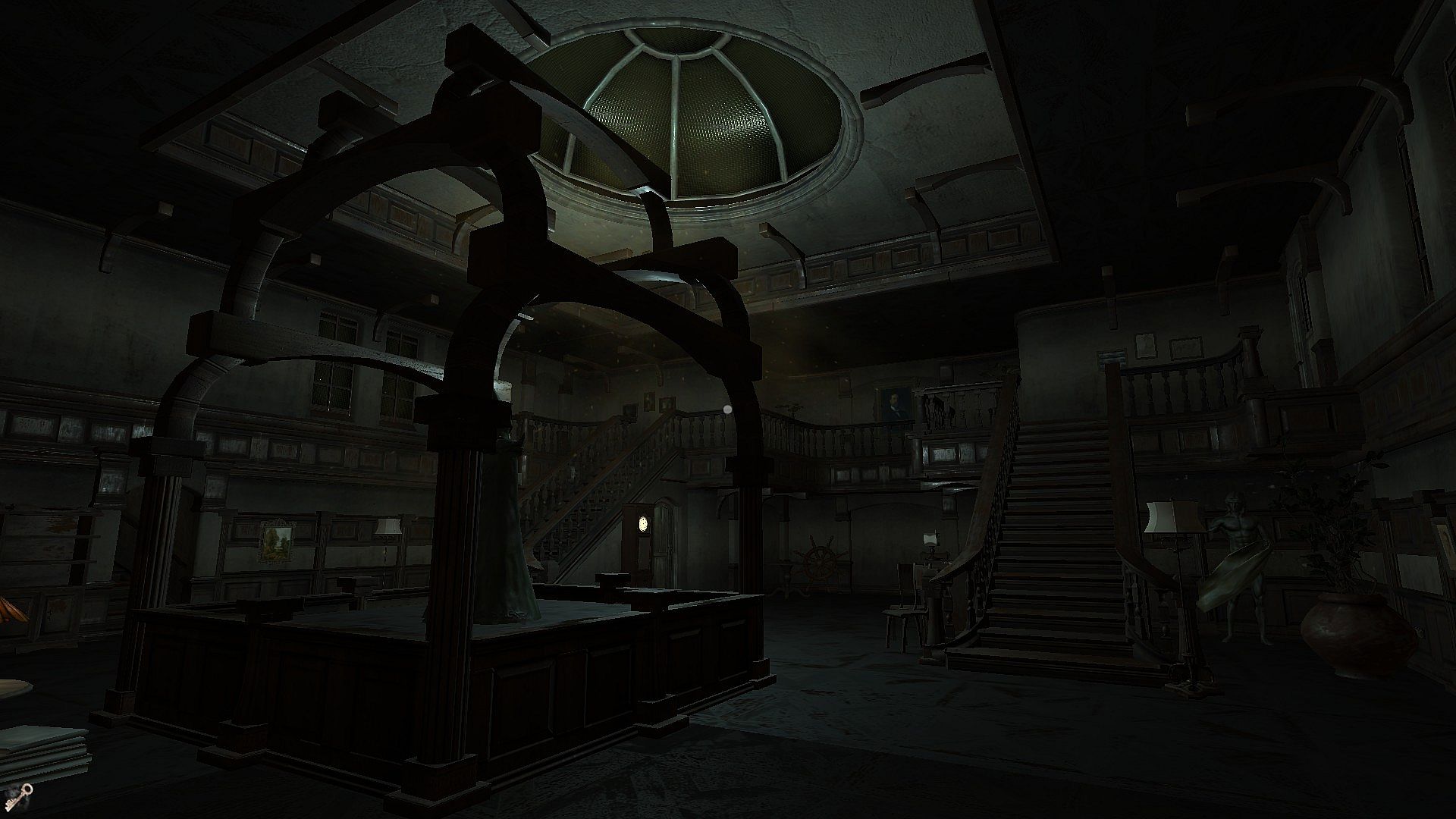
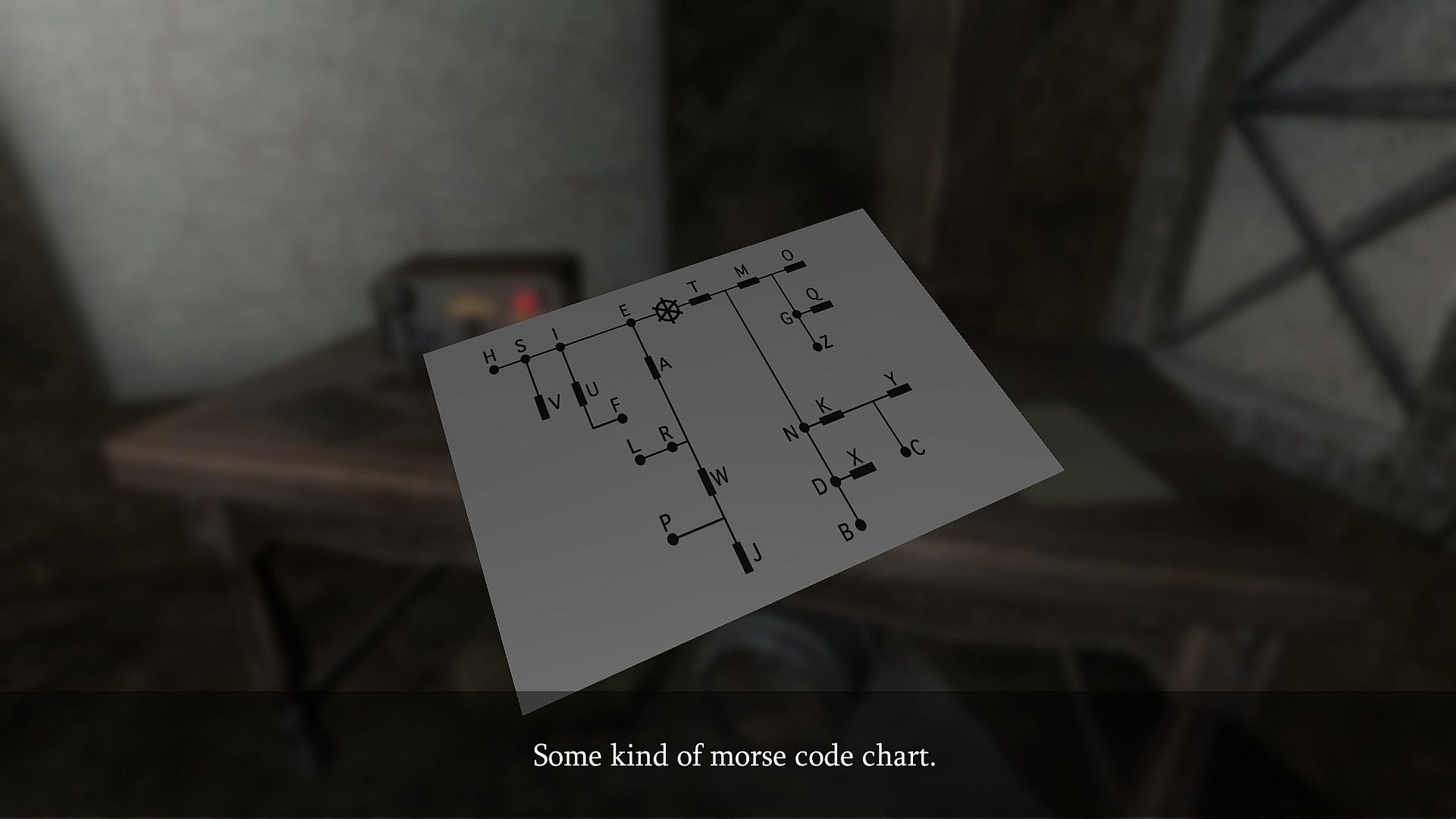
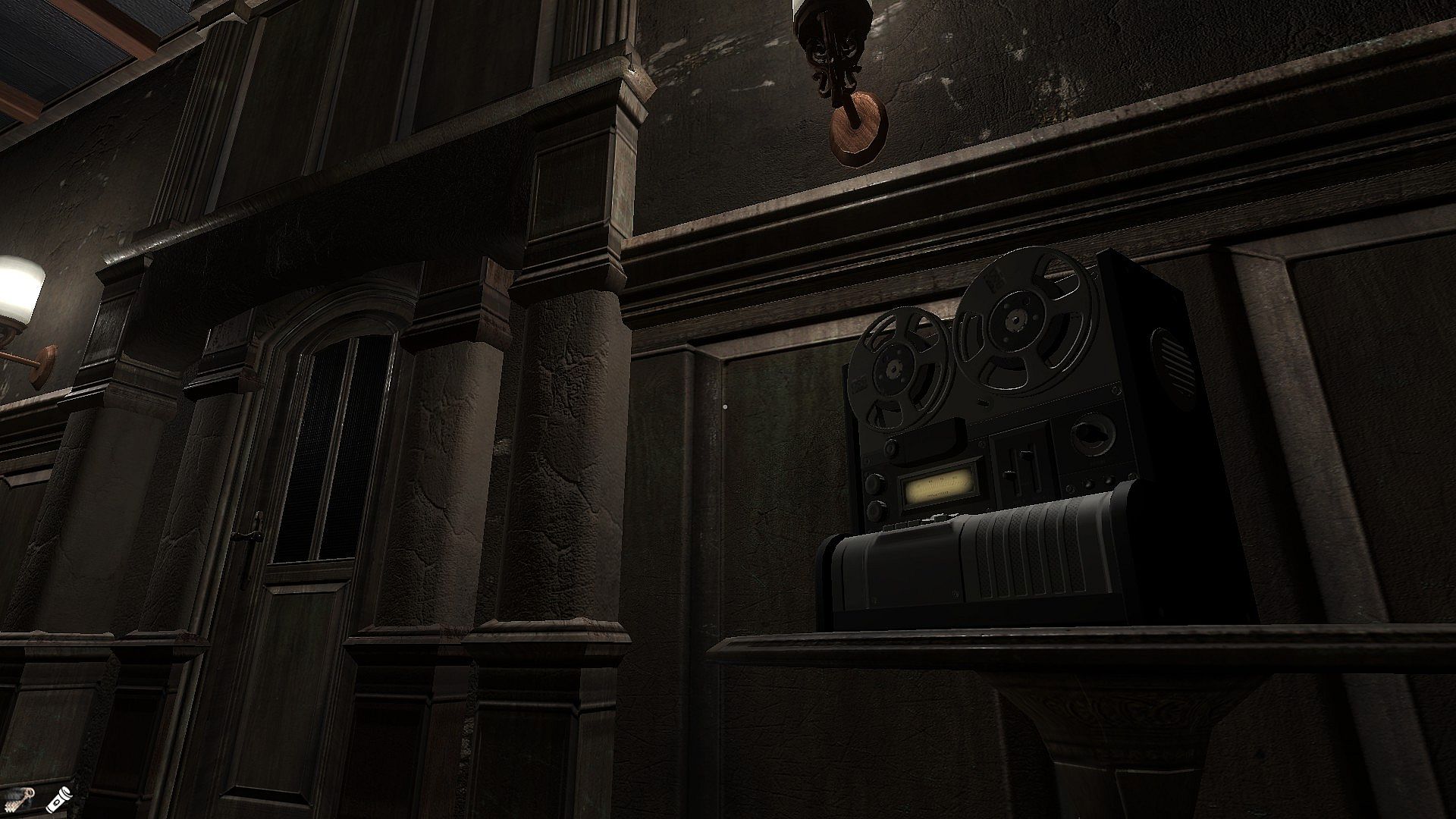
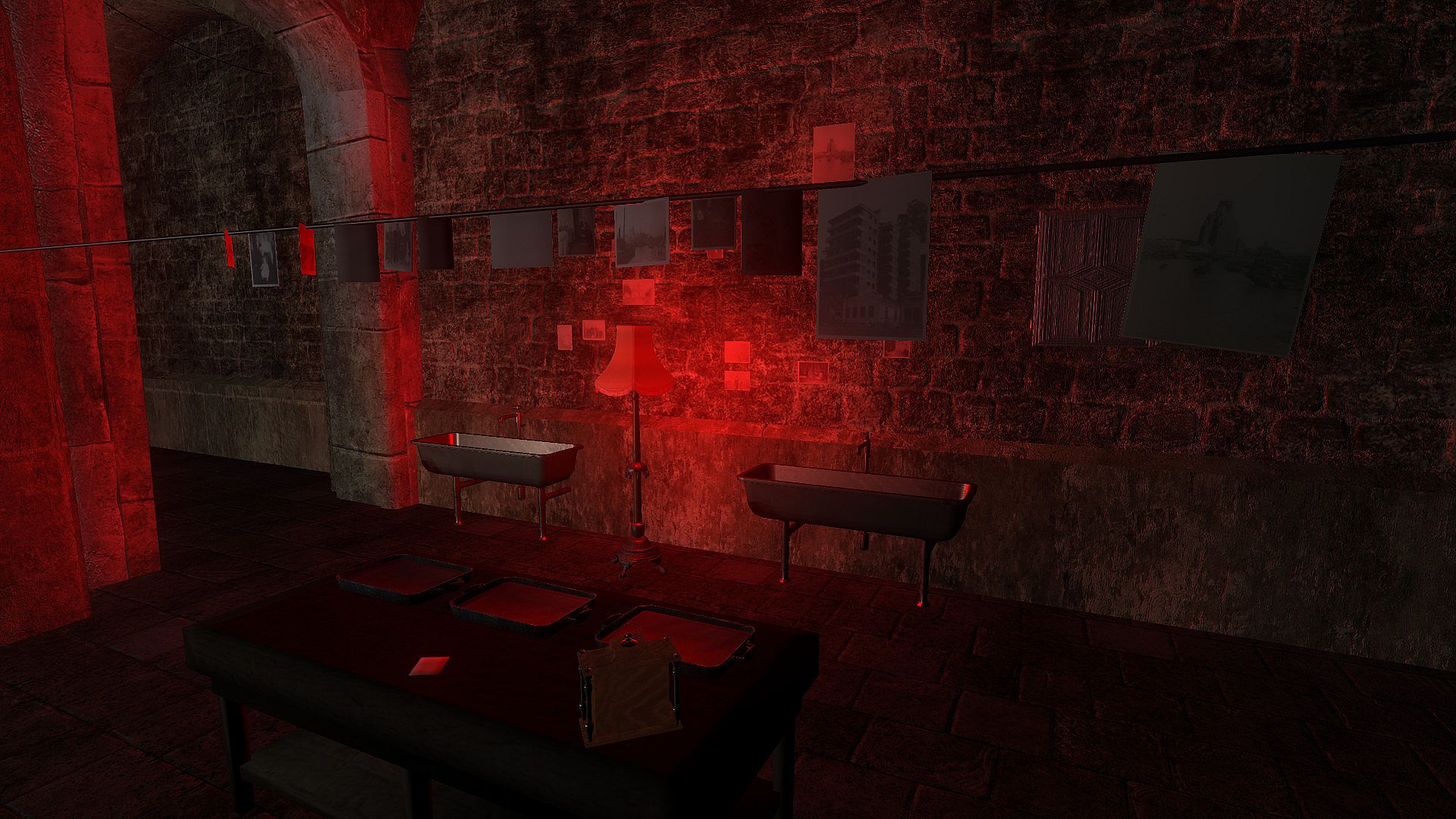
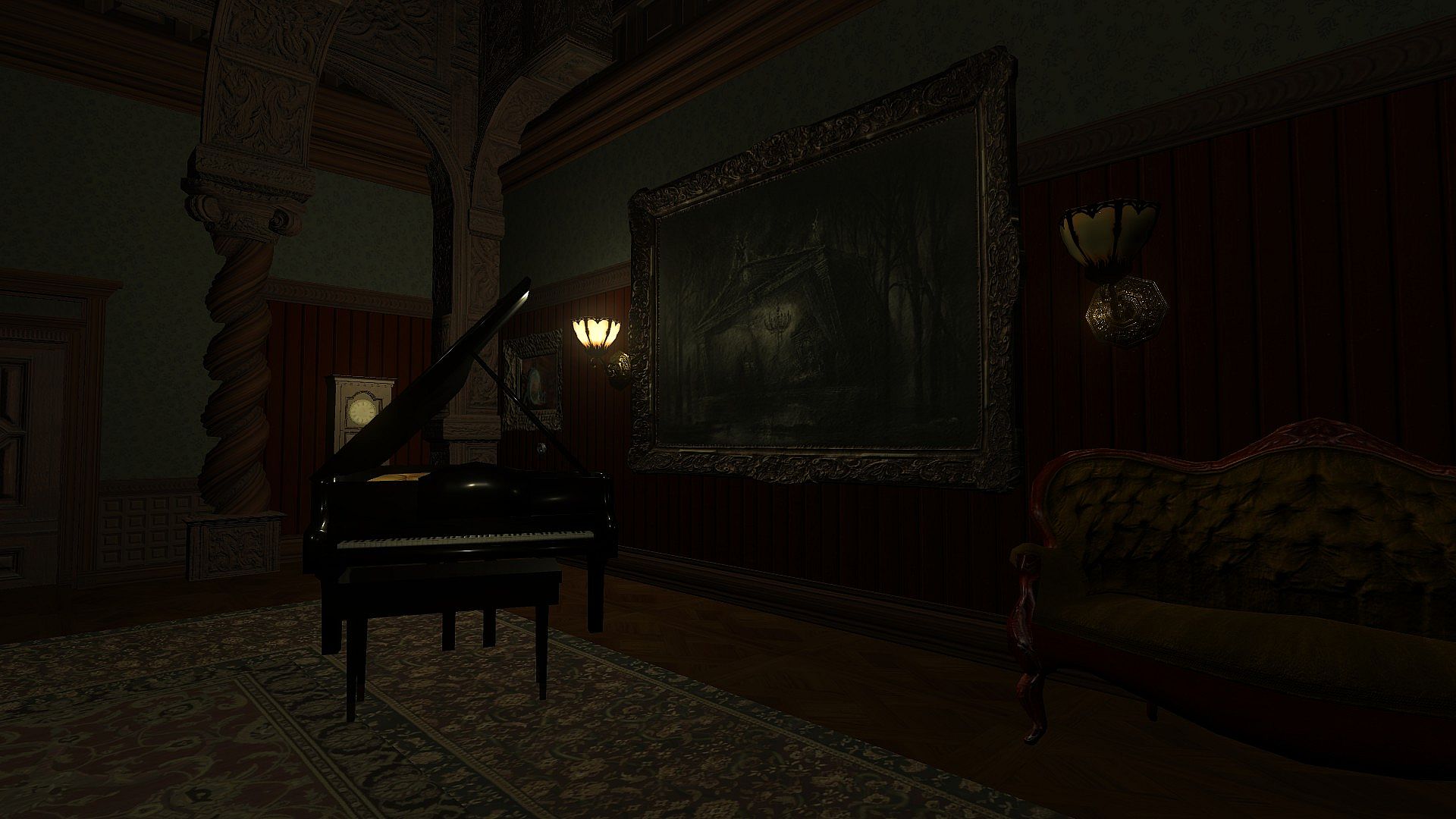
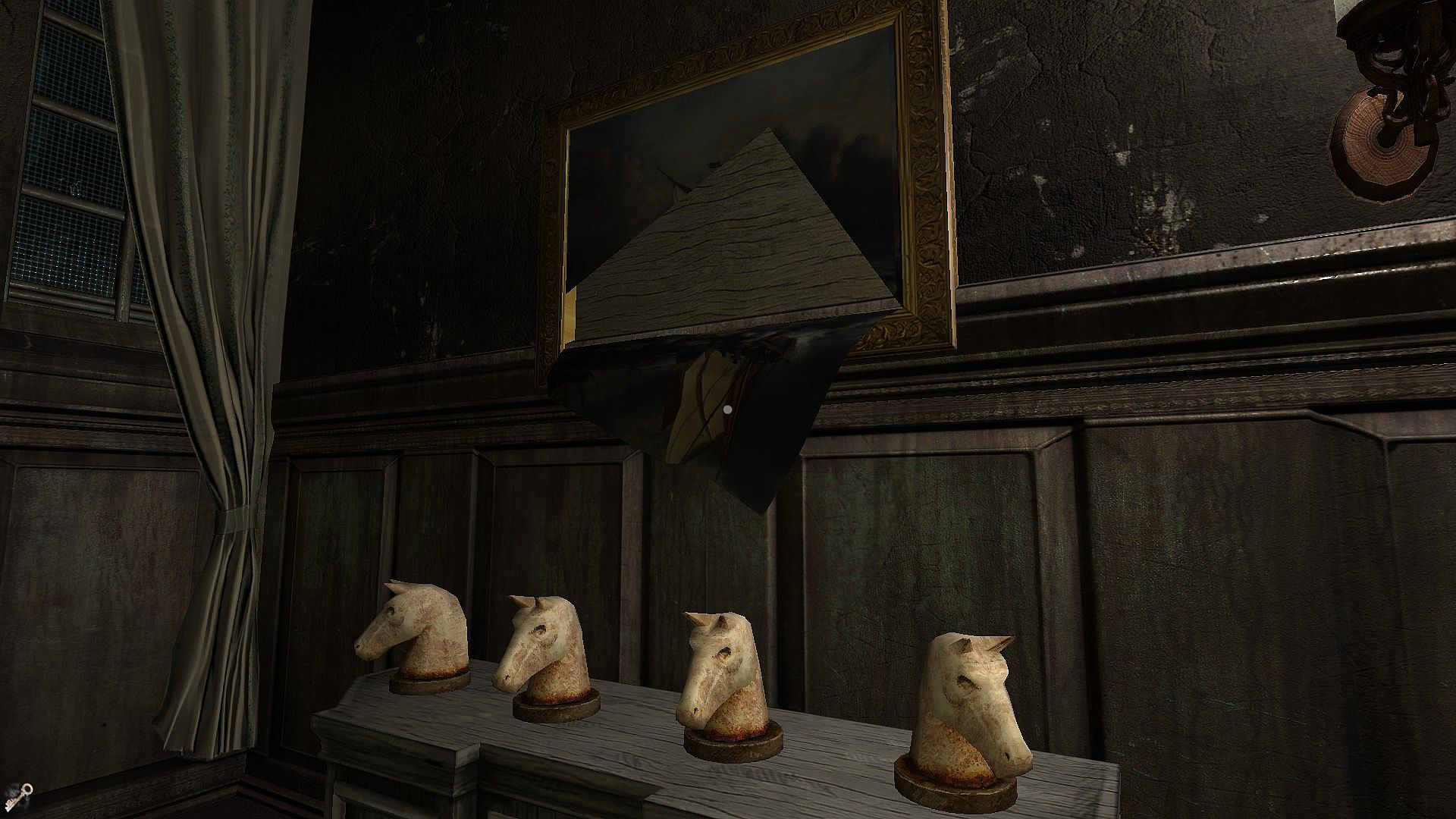
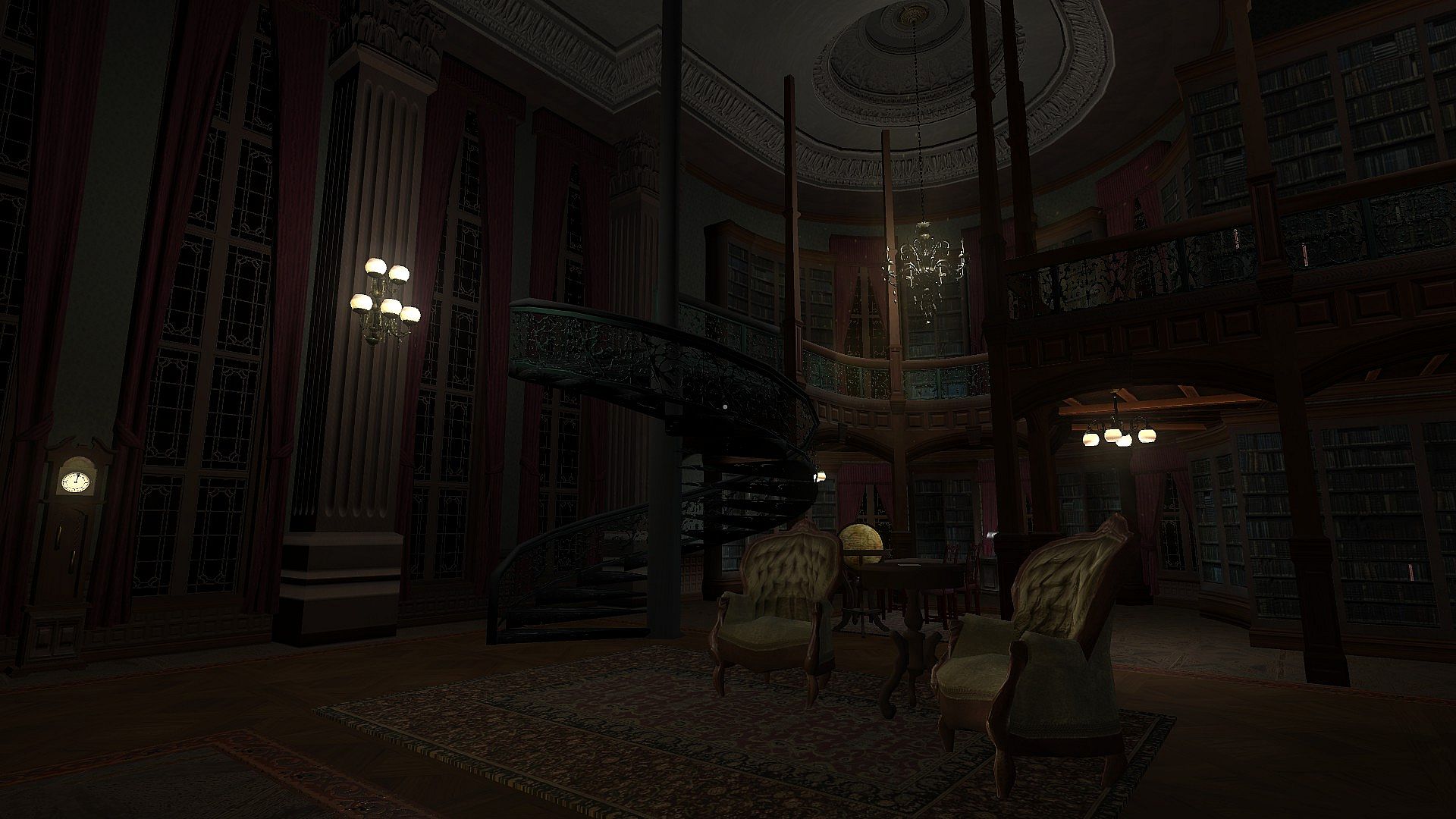

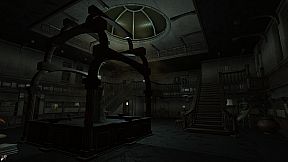
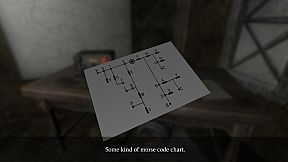
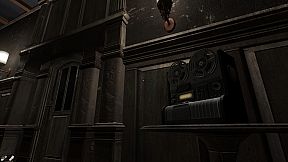
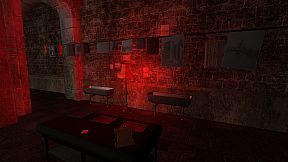



Last Will is an indie adventure puzzle game for PC that flips the traditional escape room format on its head. Instead of trying to break out of a confined space, players must work their way deeper into a sprawling, eccentric mansion built by a paranoid professor. The core loop revolves around navigating rooms filled with logic challenges, perception tests, math problems, timing sequences, riddles, and communication tasks that require careful observation and collaboration.
Gameplay
The mansion generates new layouts and puzzle combinations on every run, which keeps the experience fresh across multiple sessions. Difficulty scales automatically based on how the player performs, adjusting challenge levels without manual intervention. Movement and interface controls stay straightforward so the emphasis stays on solving the puzzles themselves rather than fighting the controls. Sixteen distinct rooms form the base environment, each with its own visual style and set of obstacles. A flexible hint system provides guidance when progress stalls, preventing frustration while still rewarding independent thinking. Mild paranormal elements appear in the atmosphere but never shift the game into full horror territory.
Players test a broad range of skills across more than twenty puzzle types. Some require precise timing or pattern recognition, while others demand logical deduction or basic calculations. The random generation ensures that no two attempts play out identically, encouraging repeated visits to discover new combinations.
Game Modes
Escape Room mode imposes a strict countdown timer that adds pressure and turns the session into a race against the clock. This format suits players who enjoy structured challenges and competitive pacing. Free Play mode removes the timer entirely, allowing participants to explore and solve at their own speed. The choice between these two approaches lets individuals or groups tailor the experience to their preferred style without altering the underlying puzzle content.
Both modes support solo play or cooperative sessions with up to four participants. Team members can divide tasks, discuss observations, and tackle complex riddles together, which highlights the communication-focused elements built into many puzzles.
Multiplayer and Replayability
Cooperative play works smoothly whether everyone gathers around one screen or joins remotely. The shared environment rewards coordinated effort, especially on puzzles that benefit from multiple perspectives or simultaneous actions. Random generation combined with the adjustable difficulty creates strong replay value, as each new mansion layout presents fresh arrangements of the twenty-plus puzzle varieties. Additional rooms and challenges were planned for periodic release, extending the lifespan of the core experience.
Is It Worth Playing?
Player feedback on Last Will sits at Mostly Positive, with 73 percent of 233 reviews expressing approval. The game appeals most to fans of puzzle adventures who value procedural variety and flexible pacing over linear storytelling. Those who enjoy working through logic and perception challenges either alone or with a small group will find the mechanics rewarding. The absence of heavy horror elements makes it accessible to a wider audience than typical escape room titles. Availability on PC remains straightforward, and the two distinct modes provide clear options for different play styles. Overall, the title delivers a focused puzzle experience that rewards patience and collaboration without unnecessary complexity.