







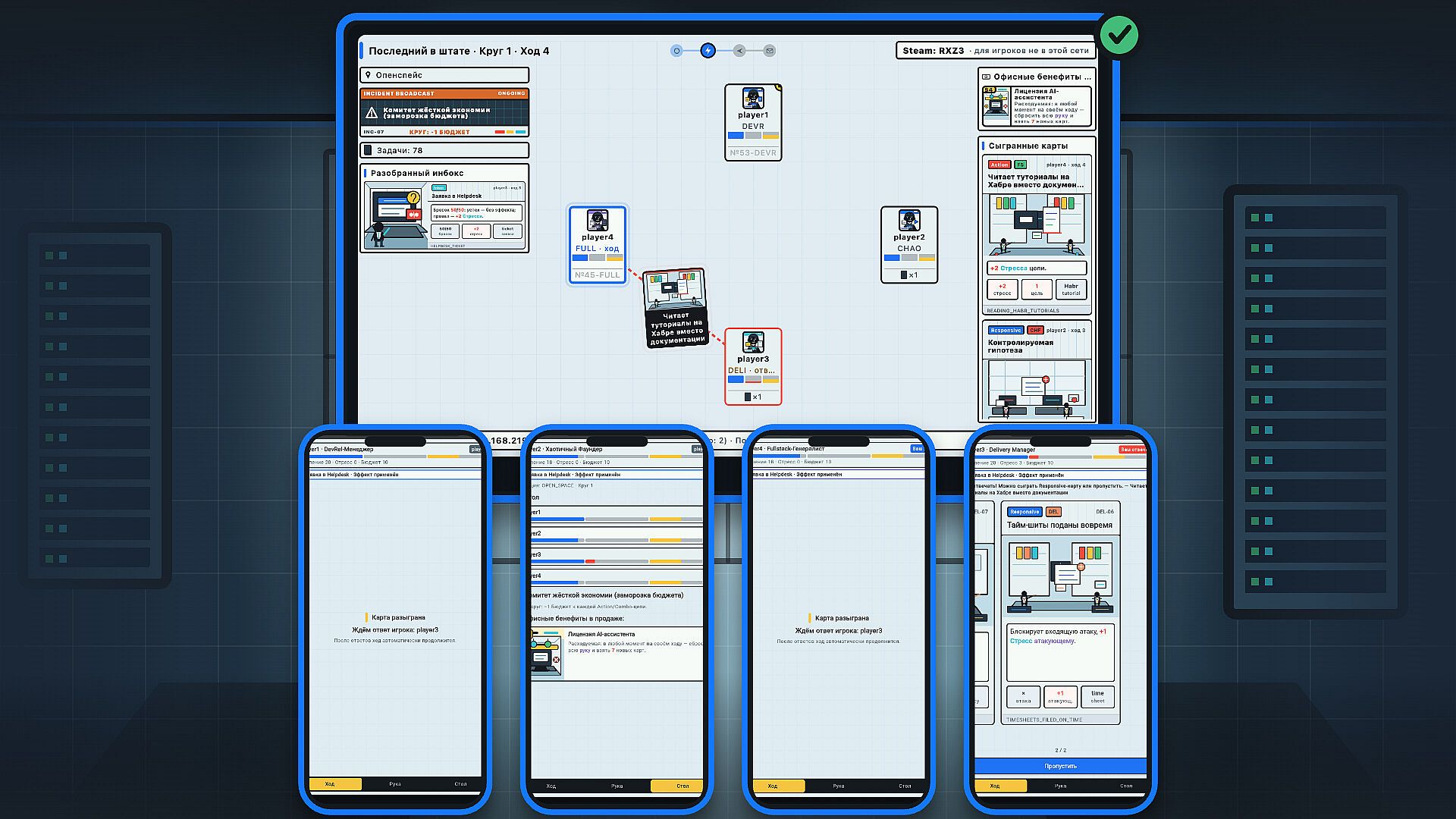
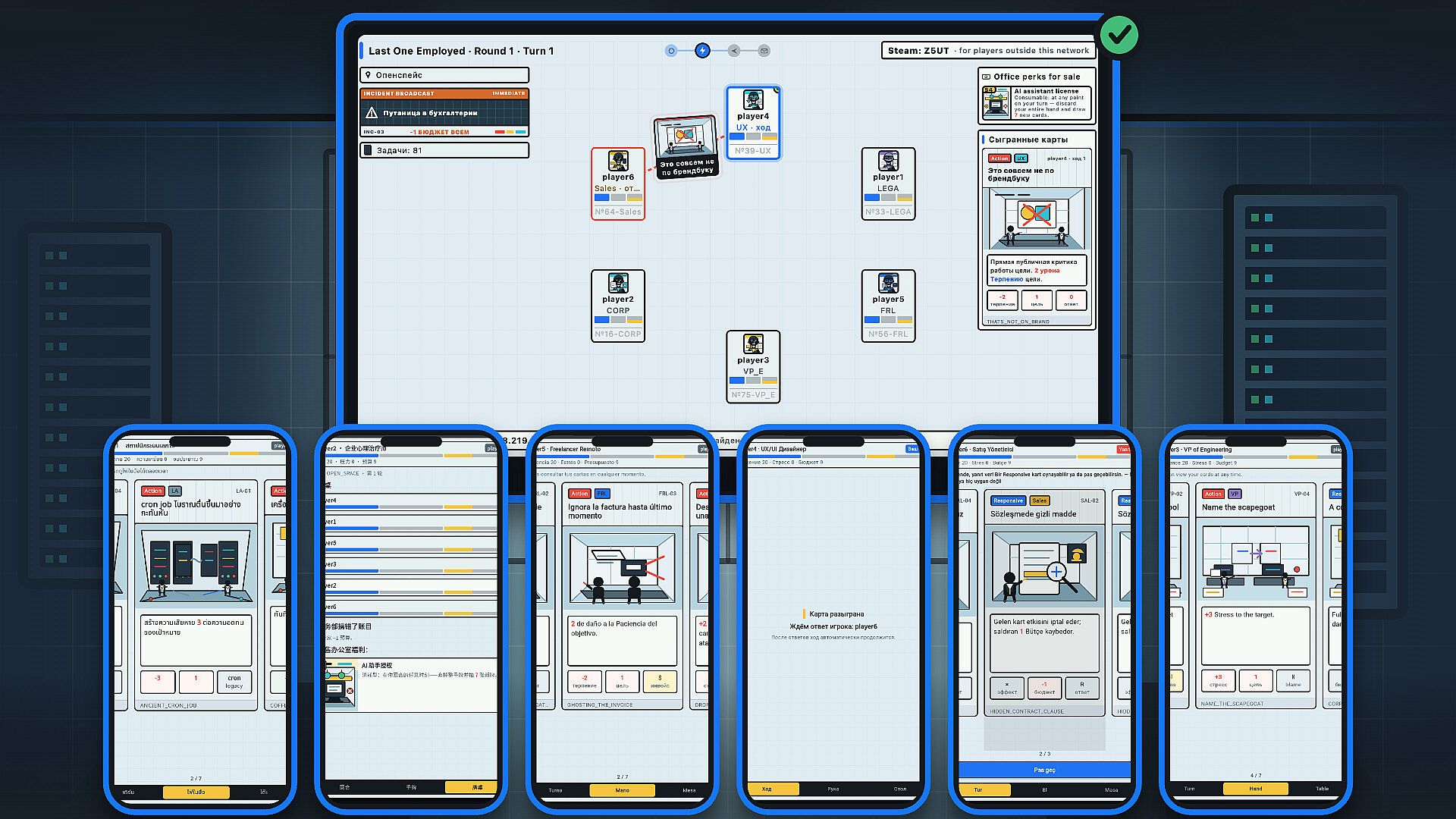
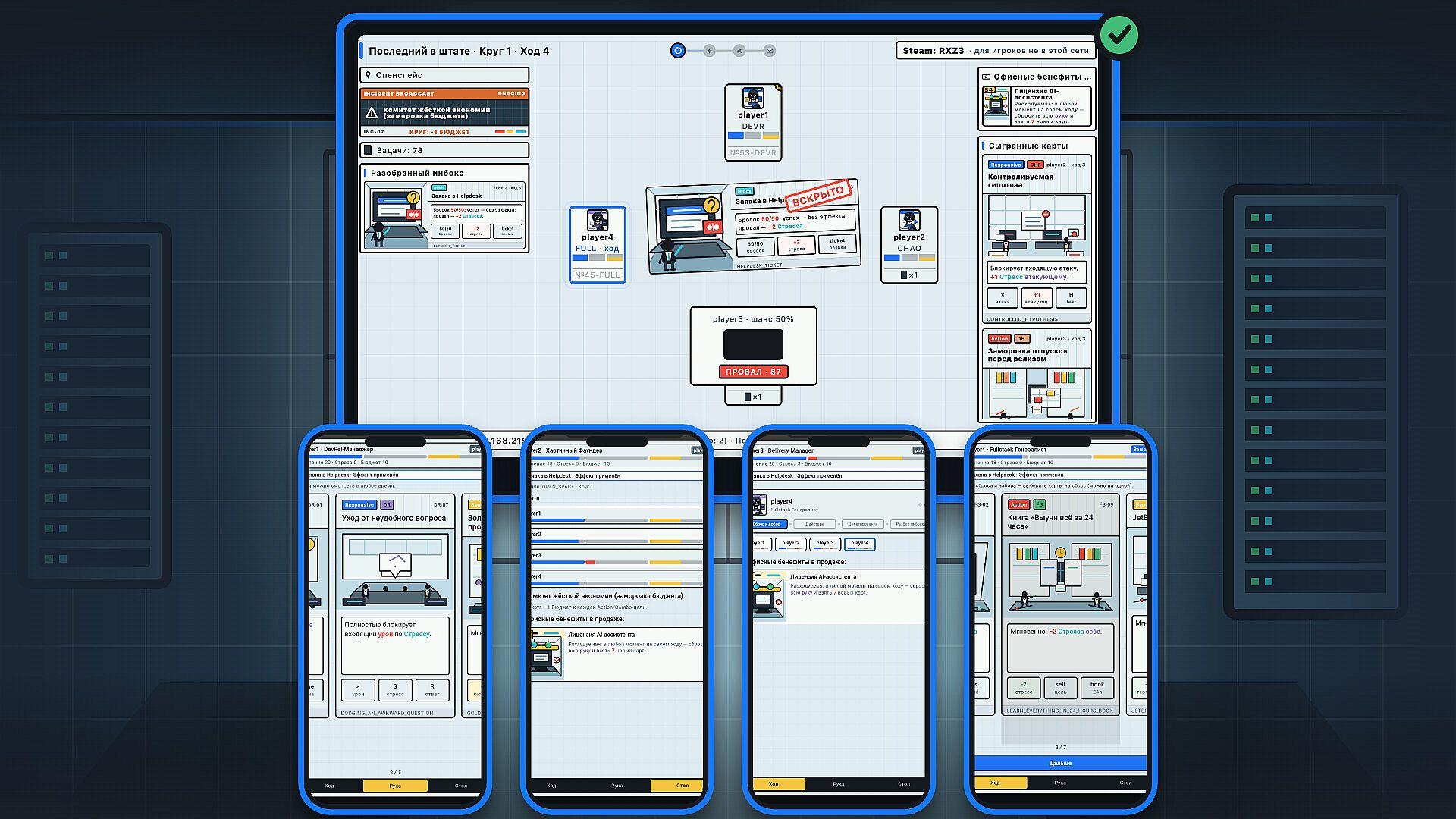
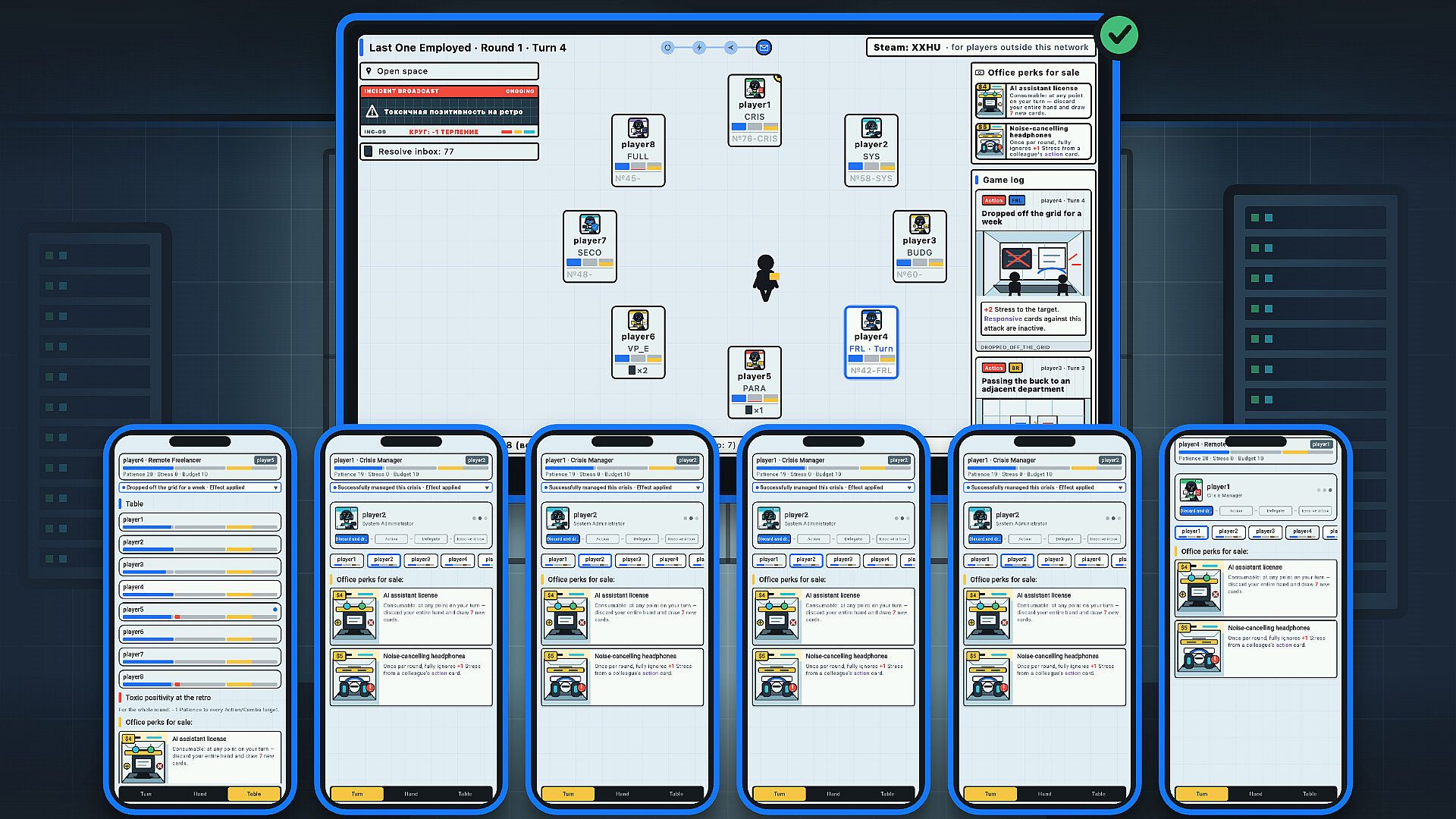
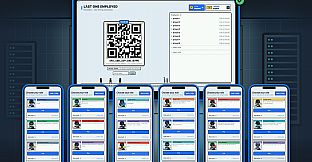
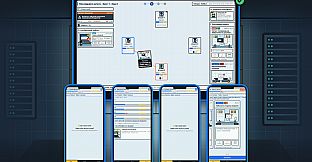
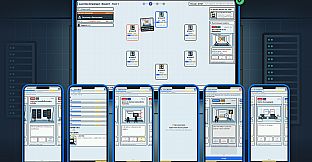

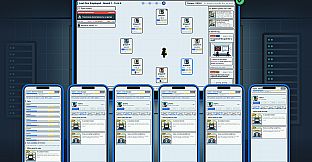
Last One Employed is a strategy card game designed for group play on PC. It pits three to ten participants against each other in a simulated tech workplace where survival depends on managing resources and outmaneuvering colleagues through card play.
Gameplay
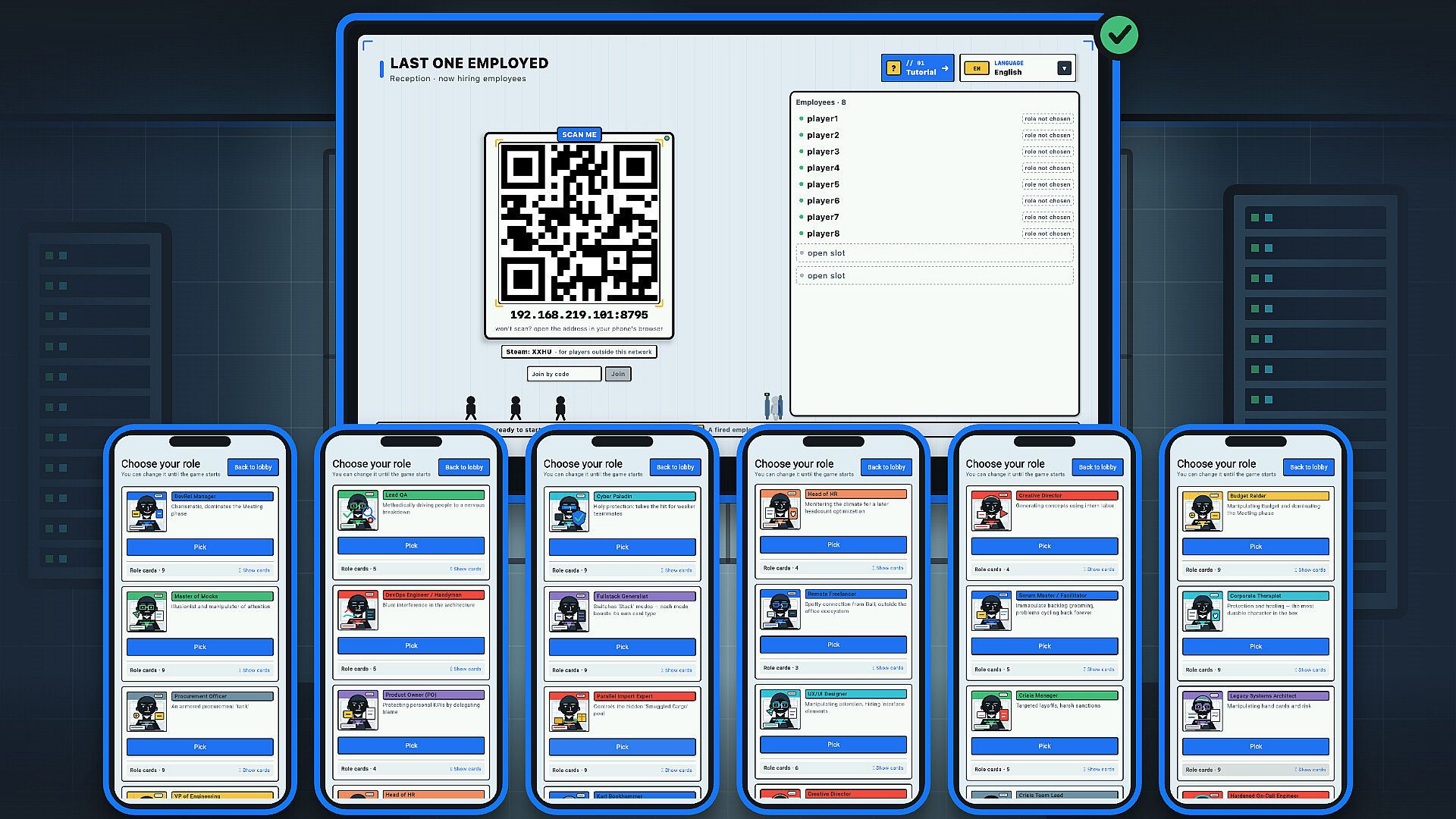
Each participant selects one of thirty two distinct office roles at the start of a match. Roles include Project Manager, System Administrator, QA Lead, HR, DevOps, remote freelancer, and founder. Every role comes with its own dedicated deck that shapes available actions, defenses, and recovery options. Players track three core resources: Patience, Stress, and Budget. Patience decreases while Stress accumulates from incidents and attacks. When Stress equals or exceeds Patience, the player is eliminated from active contention.
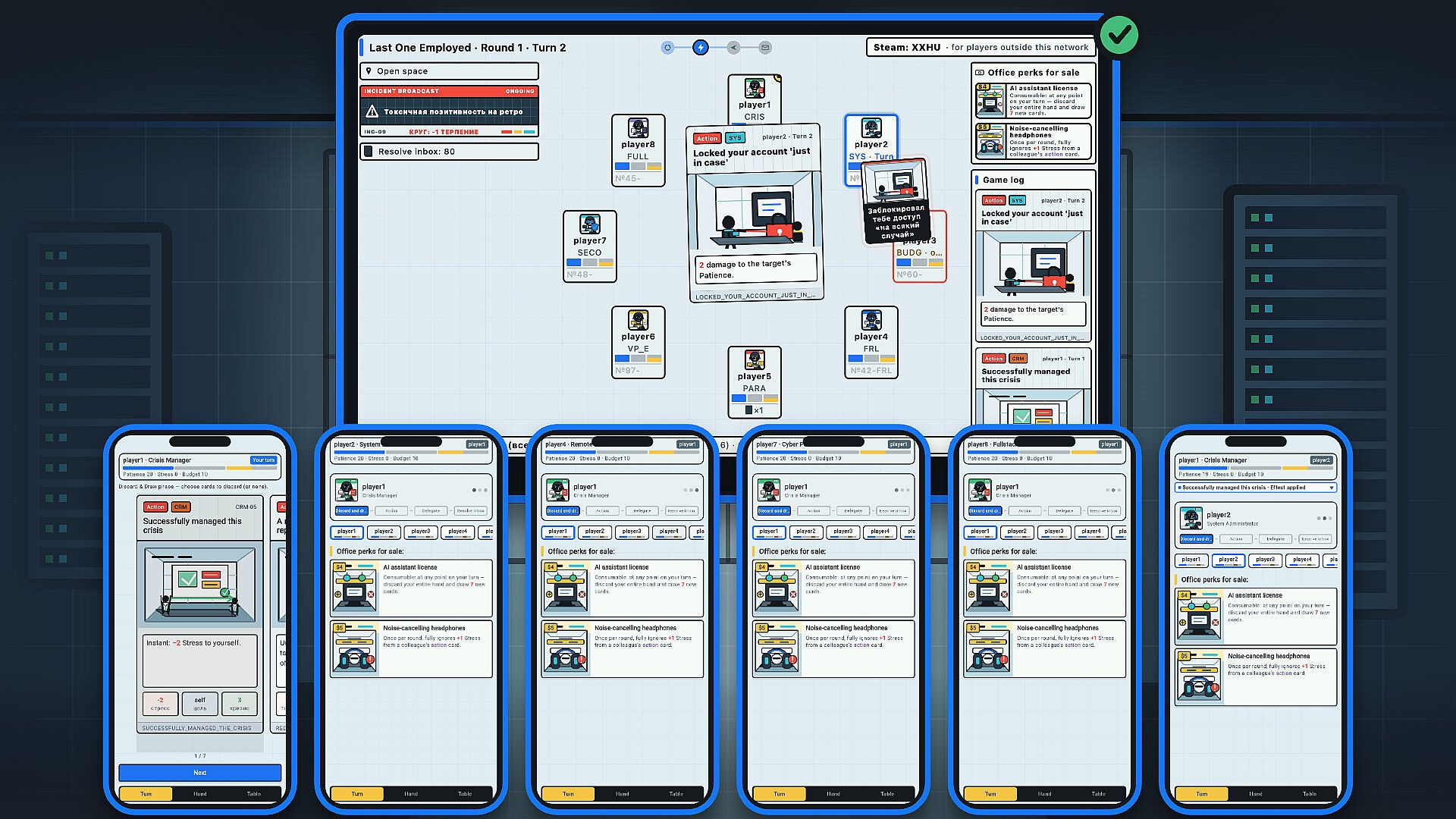
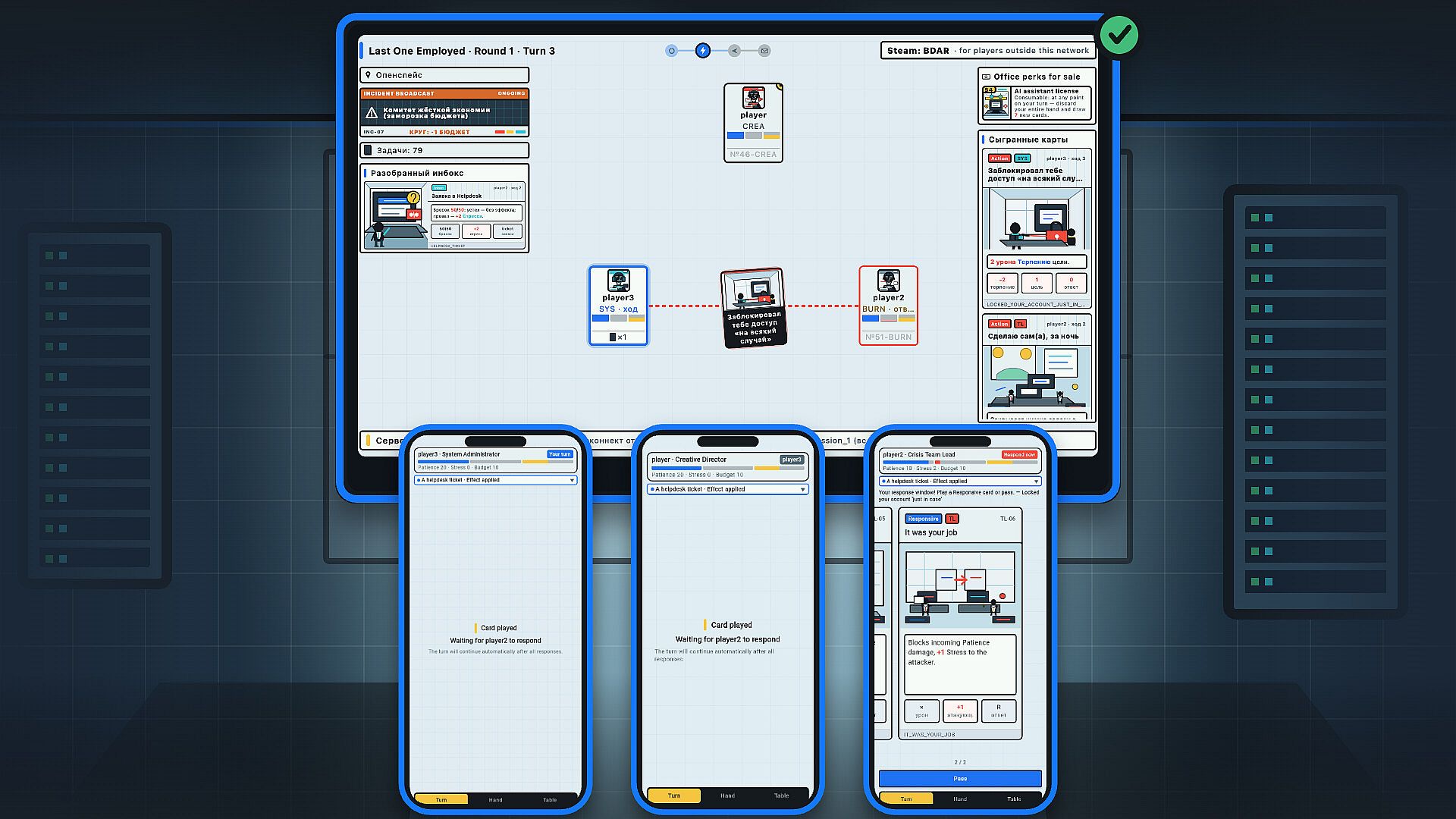
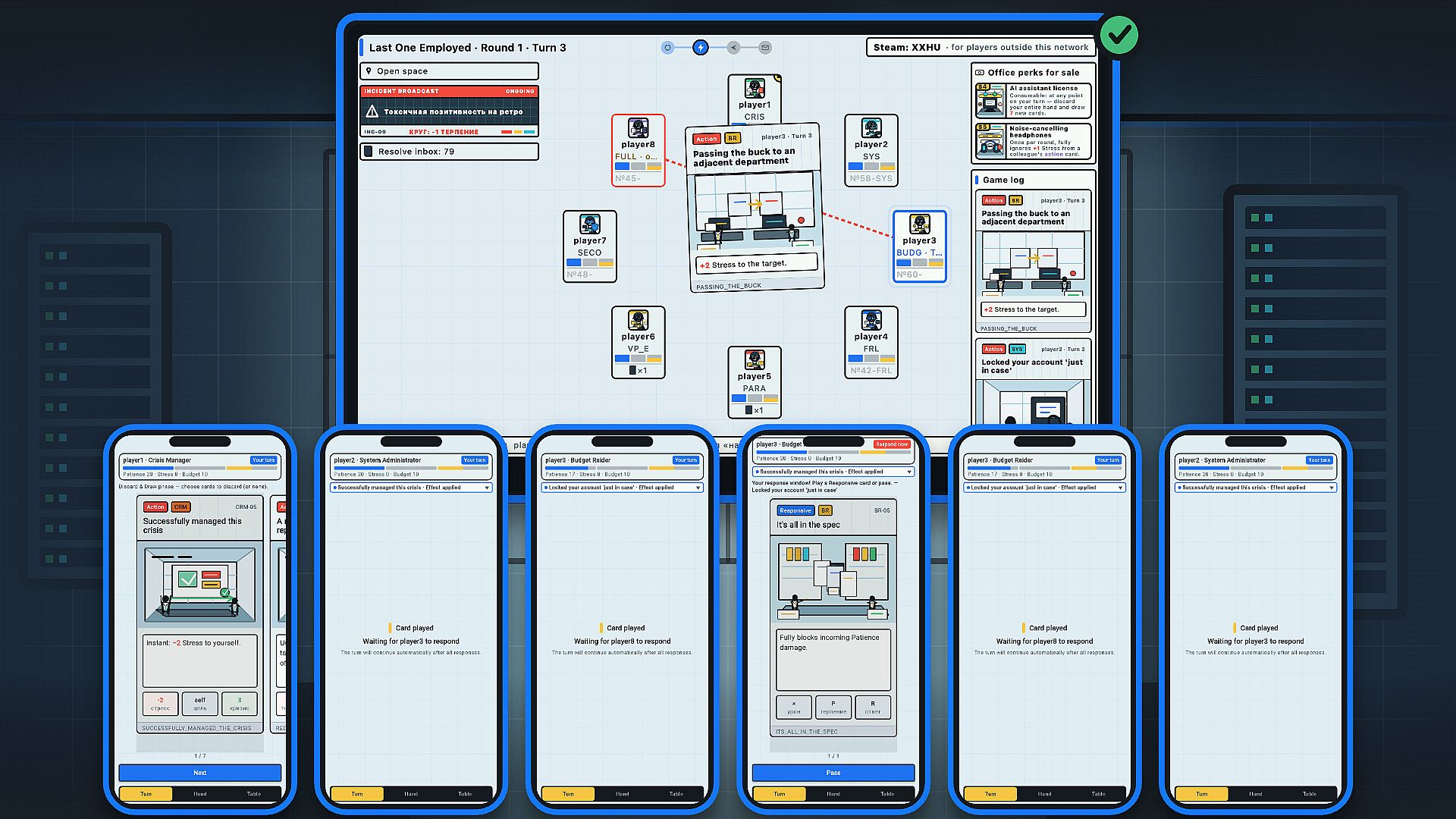
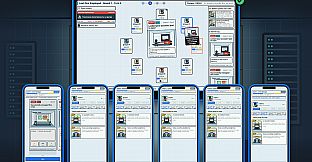
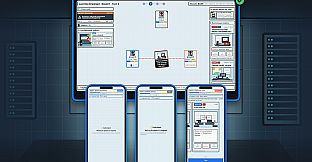
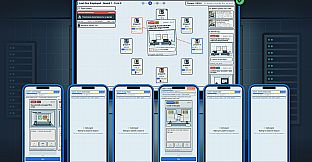
A typical turn involves optimizing a hand of seven cards, selecting an action that targets another player or supports oneself, delegating tasks into another participant's Inbox, and resolving incoming tasks that may create further complications. Production incidents affect everyone at the table simultaneously. Limited office perks can be purchased with Budget to gain advantages. Defenses, counterattacks, and redirects allow responses to incoming threats. Even after elimination, removed players continue to participate by casting votes that influence remaining competitors.
The setup requires a single computer running the game on Windows, macOS, or Linux. Additional players connect through web browsers on their phones by scanning a displayed QR code. No separate applications or hardware controllers are needed. Card text and interface elements support seventeen languages.
Game Modes
Matches follow a single core competitive format for three to ten players. The objective remains consistent across sessions: reduce opponents' resources until only one participant retains employment. The system supports local group sessions where all players share one display while using personal devices for input. No alternate formats or variations receive separate designation in available descriptions.
Roles and Card Systems
Role selection determines starting decks and strategic approaches. Some roles emphasize direct confrontation through attacks, while others focus on resource theft, task delegation, or defensive redirection. Hundreds of individual cards cover actions, tasks, and incidents, each localized for supported languages. The combination of personal decks and shared incidents creates varied sessions even with repeated role choices.
Is It Worth Playing?
The game suits groups seeking a competitive card experience centered on office satire and resource management. Its browser-based phone integration removes barriers for casual gatherings, and the elimination mechanic keeps eliminated participants engaged through voting. As an Early Access title, ongoing refinements to balance and content are expected. Players who enjoy party games with direct interaction and hidden information will find the core loop engaging, particularly when sessions reach the upper end of the supported player count. Those preferring solo experiences or highly structured campaigns may find the format less aligned with their preferences.











