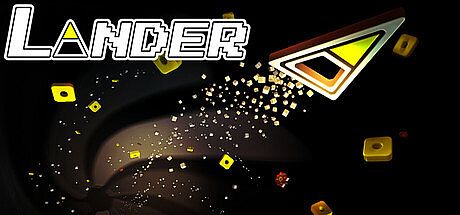



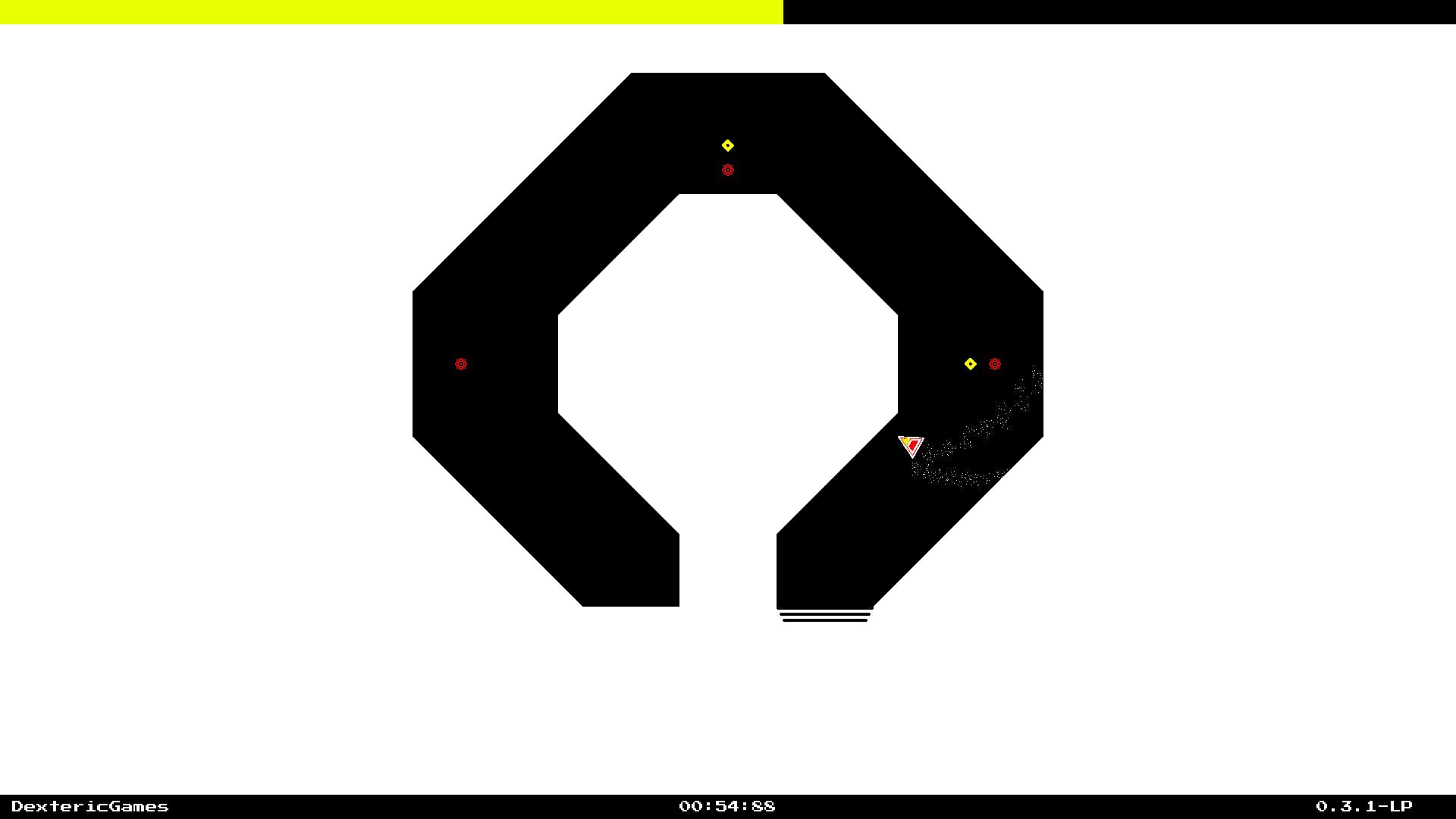
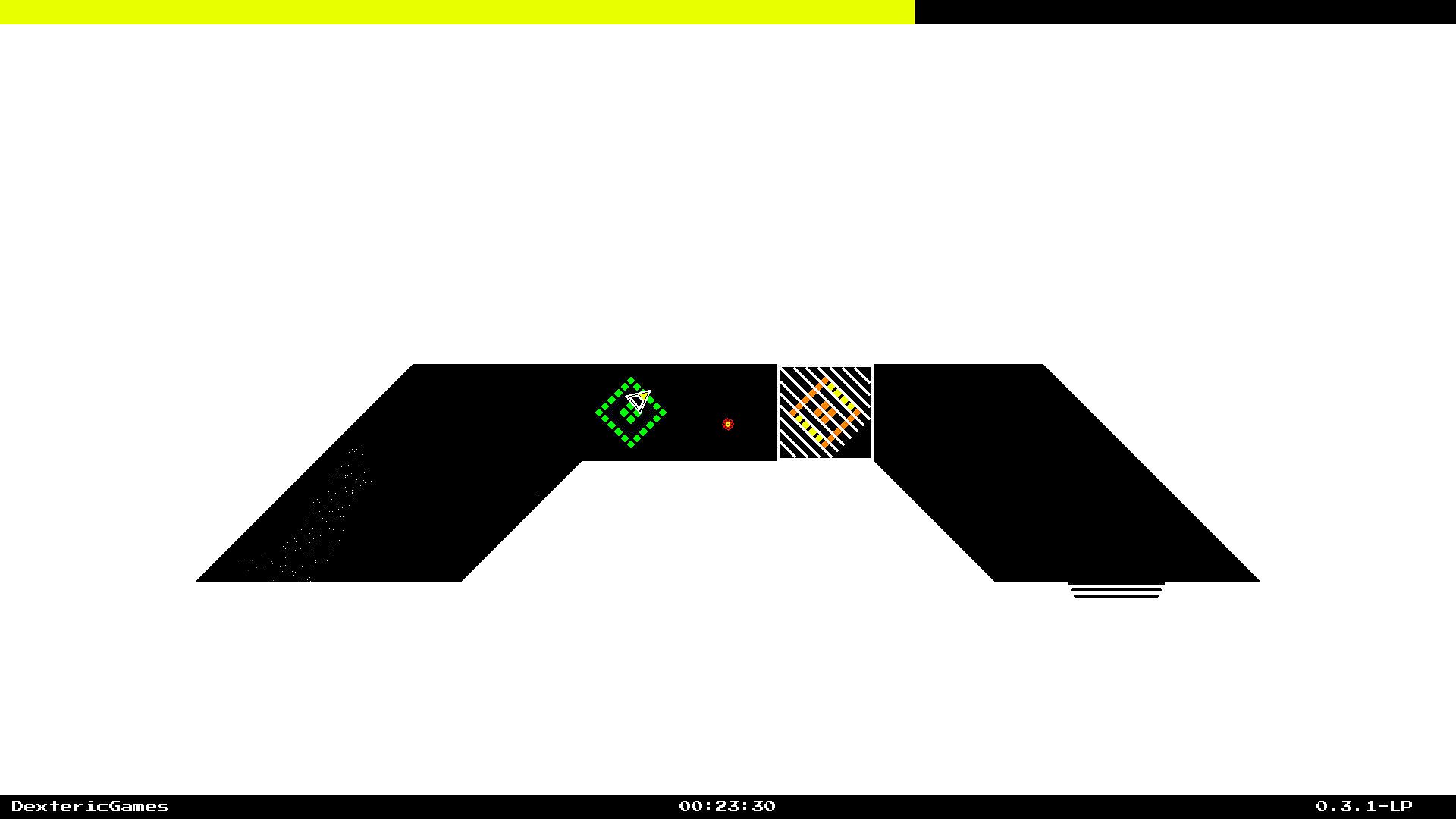
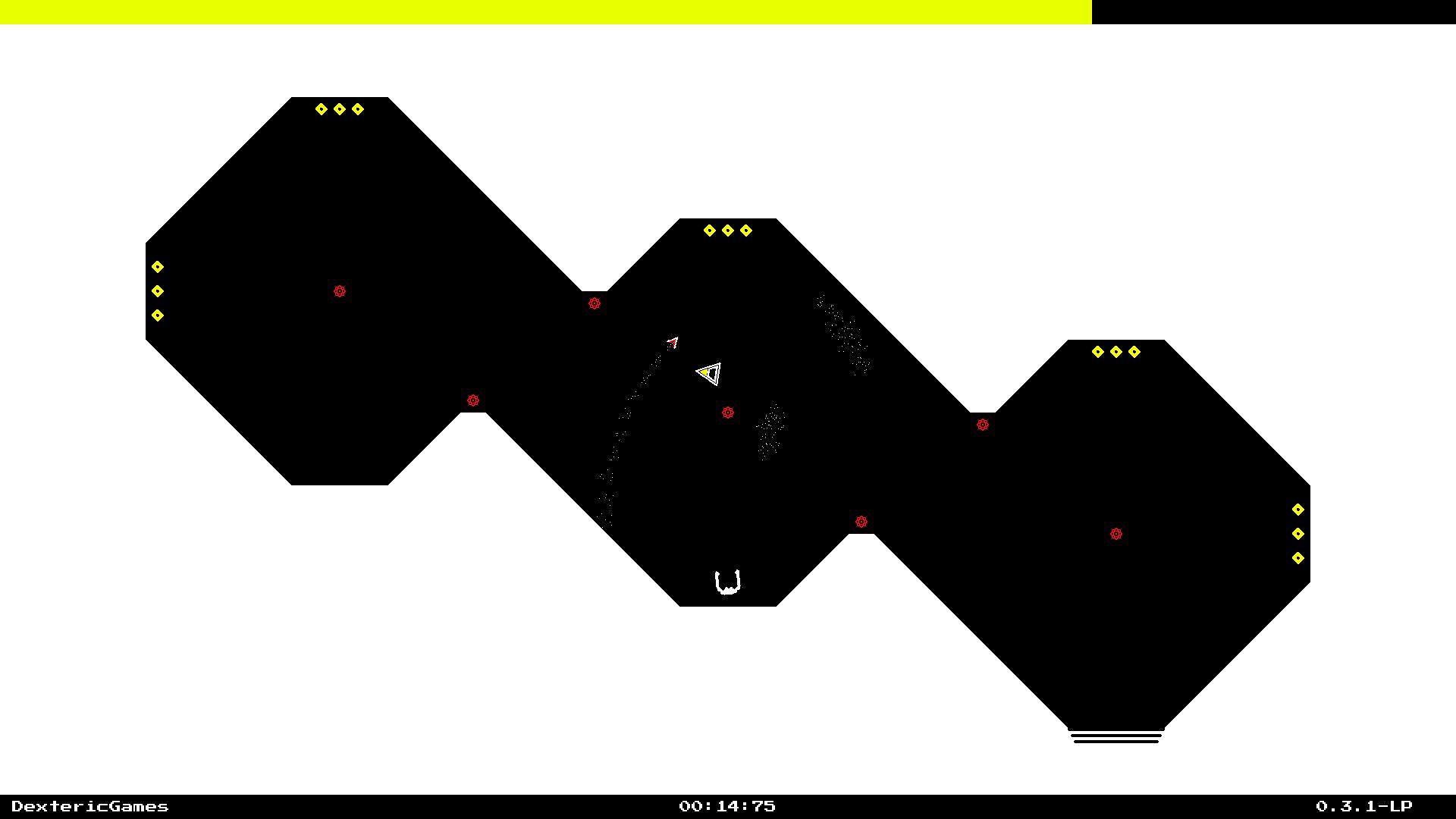

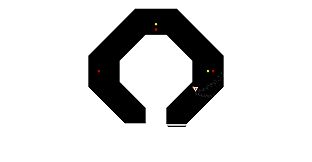
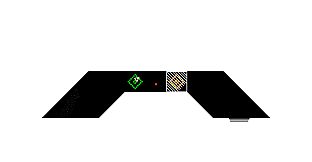
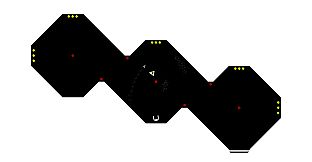
Lander is an indie racing game for PC that challenges players to master precise control of a lander craft across a series of hand-crafted environments. The core experience revolves around navigating tight courses filled with obstacles while aiming for the fastest possible times to the landing pad. With an emphasis on clean landings and collision avoidance, the game rewards focus and repetition in a way that suits both casual sessions and extended practice runs.
Gameplay
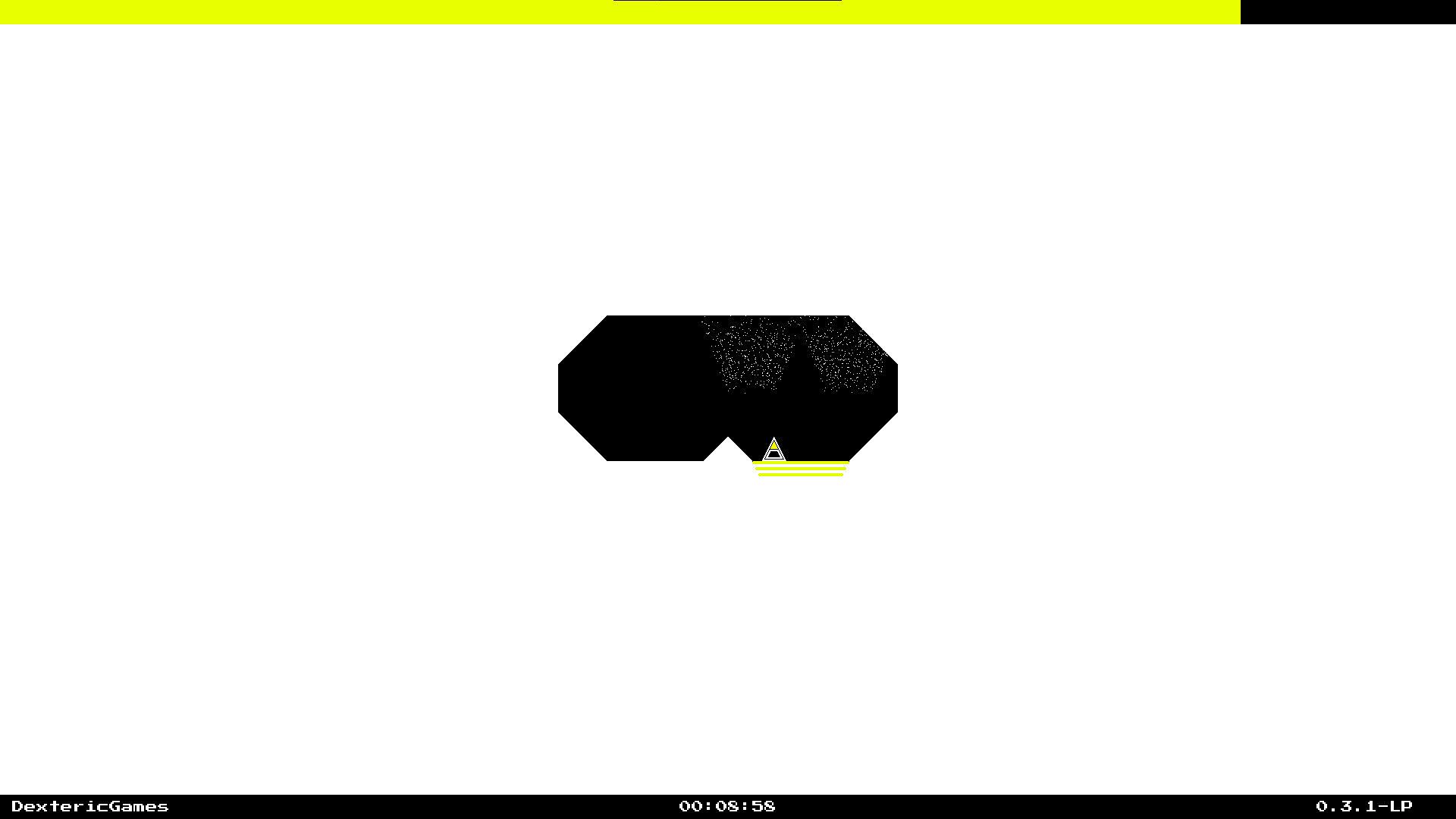
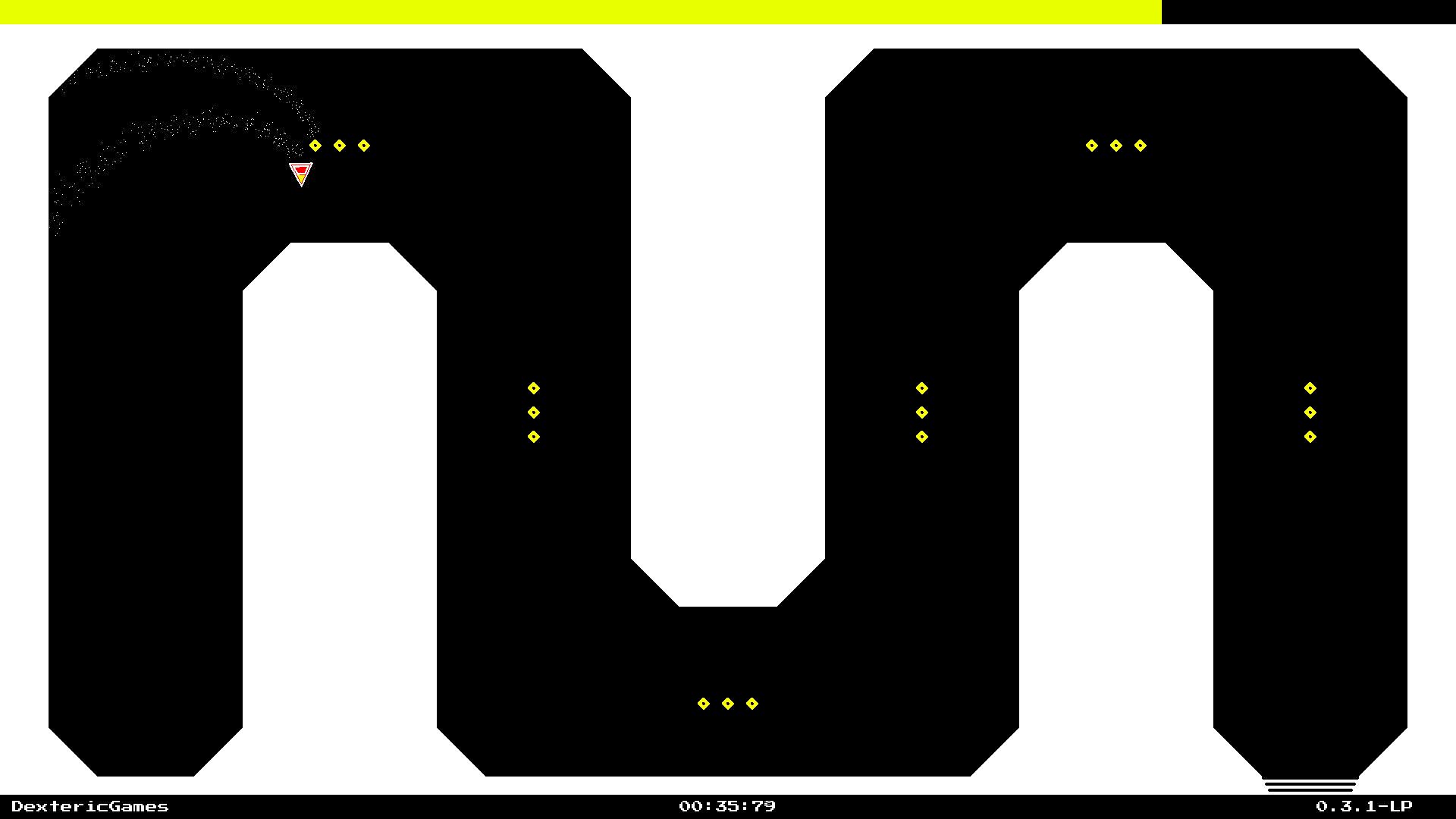
The main loop involves piloting through sequences of worlds where momentum, thrust, and trajectory must be managed carefully to avoid damage. Each run requires threading past obstacles while conserving the lander's integrity for a gentle touchdown. Fuel collection adds a secondary objective that encourages thorough exploration of each area without compromising speed. The physics model supports fluid movement that feels responsive yet demanding, allowing players to build consistency through repeated attempts. This setup creates a loop centered on improvement, where small adjustments to angle or timing can shave seconds off previous efforts.
Progression flows across ten sequences, each containing five distinct worlds. The hand-crafted design ensures varied layouts that test different aspects of control, from tight corridors to more open stretches interrupted by hazards. Reaching the pad quickly remains the priority, but maintaining the lander's condition prevents failures that reset progress on a given attempt. The absence of a skill ceiling means newcomers can complete early sequences while experienced players refine lines for optimal performance.
Game Modes
Play centers on a single-player structure built around the ten sequences. Each sequence serves as a self-contained challenge block, with worlds presented in order to build familiarity before introducing new obstacle combinations. The format supports both quick individual world attempts and full sequence runs, giving flexibility in how sessions are structured. Fuel collection integrates naturally into these runs as an optional layer that does not alter the primary objective but extends engagement for those seeking completionist goals.
No separate competitive or cooperative modes are present. The design instead focuses on personal bests and mastery within the existing sequence framework. This keeps the experience streamlined while still offering depth through the increasing complexity of later sequences and their unique obstacle arrangements.
Worlds and Obstacles
Fifty worlds spread across the sequences provide a broad range of environments to master. The eighteen unique obstacles appear in different combinations, forcing adaptation to new patterns and timings as players advance. Each world maintains a consistent visual and mechanical identity within its sequence, yet the overall variety prevents repetition from setting in too quickly. The hand-crafted nature ensures that every layout supports multiple viable paths, rewarding experimentation during practice.
Landing mechanics tie directly into the obstacle navigation. A gentle touchdown preserves the lander for continued play, while collisions introduce setbacks that emphasize careful planning over reckless speed. This balance keeps runs tense without becoming punishing beyond the point of enjoyment for dedicated players.
Soundtrack and Flow
Four electronic tracks composed by The Fully Automatic Model accompany the action. The music supports sustained concentration during longer sequences, providing a consistent backdrop that aligns with the precision demands of the gameplay. The audio design avoids distraction, allowing players to stay immersed in the rhythm of thrust adjustments and obstacle avoidance.
The overall presentation encourages a state of flow where repeated runs feel meditative rather than frustrating. Short sessions work well for warming up or chasing minor improvements, while longer ones suit attempts at full sequence clears or fuel collection goals.
Is It Worth Playing?
Lander suits players who enjoy precision-based racing and speedrunning challenges. The pick-up-and-play accessibility combines with an infinite skill ceiling to accommodate a wide range of experience levels. Those drawn to games that reward consistent practice and route optimization will find the sequence structure and obstacle variety engaging over time. The focus on gentle landings and fuel collection provides clear secondary goals without complicating the core loop. Availability on PC makes it straightforward to try for anyone interested in this style of indie racing title. The game stands on its own merits as a dedicated test of control and timing rather than a broader action experience.