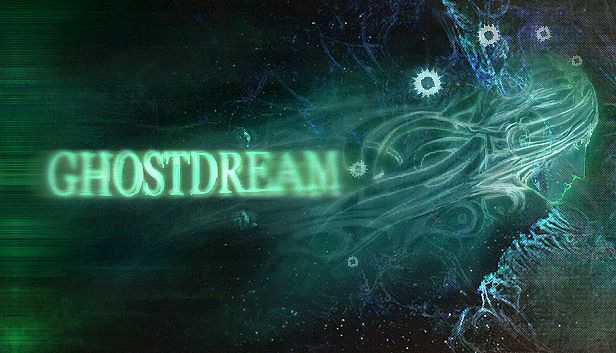














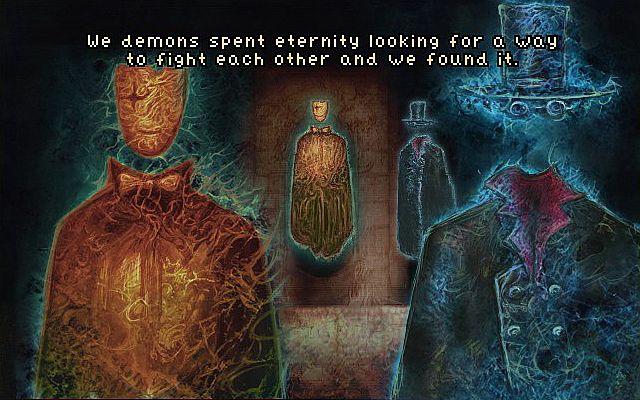
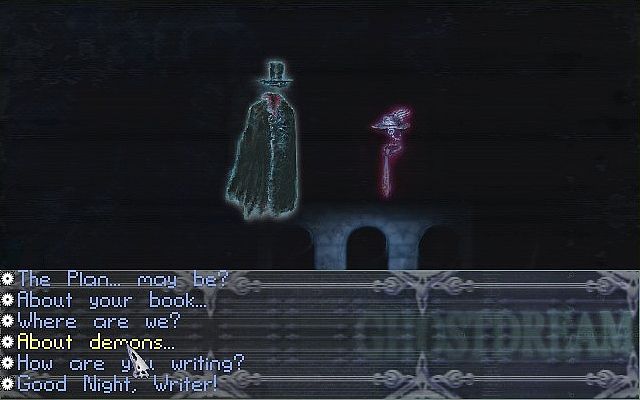
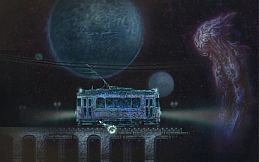
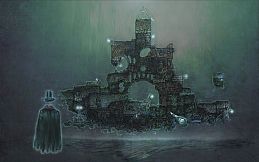
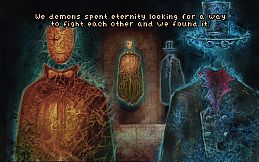
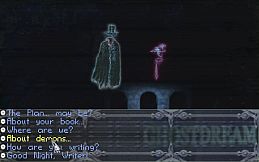
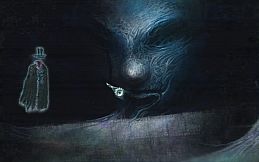
Ghostdream stands as a retro point and click adventure game developed for PC. Players step into the role of Reader, a ghost navigating the space between life and death through fragmented dreams. The narrative unfolds across a dark yet understated world where characters retain only fragments of memory, such as the protagonist's recollection of reading a book that earns him his name. This setup drives a story focused on encounters with ghosts, demons, holy spirits, and gods, alongside a key figure named Singer who influences the journey without altering its core direction.
Gameplay
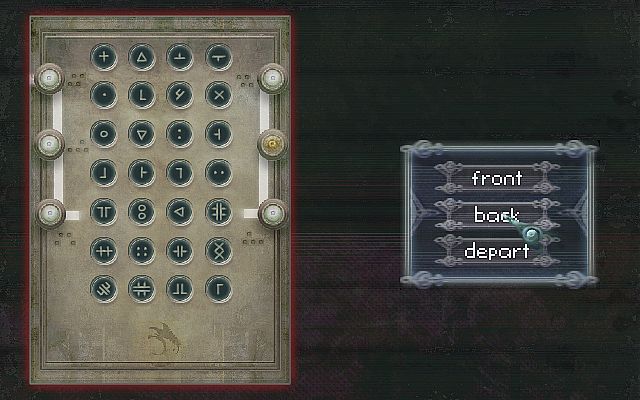
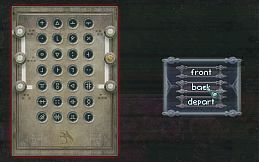
The core loop centers on exploration across more than 55 fully animated locations. Each room presents opportunities to interact with the environment through standard adventure commands like examining objects, talking to characters, and activating mechanisms. Eight major puzzles require thorough investigation of accessible areas rather than item collection or inventory management. These challenges integrate directly into the narrative progression, demanding attention to details scattered throughout the dream-like settings. The game features over 10 characters with distinct personalities, and the entire experience runs approximately 10 hours on a first playthrough. A fully voiced story exceeding 16,000 words provides the backbone, supported by an original soundtrack of more than 20 tracks that enhances the atmospheric tone without relying on overt horror elements.
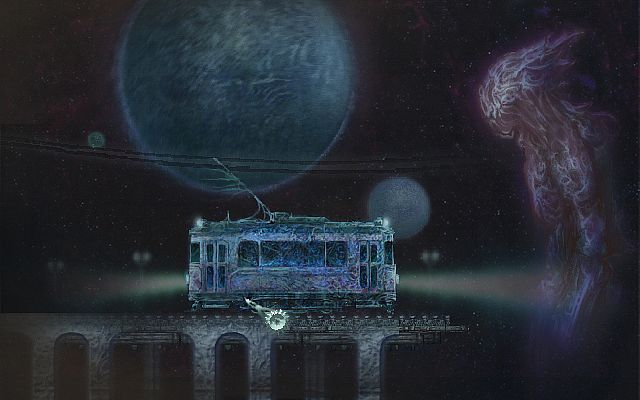
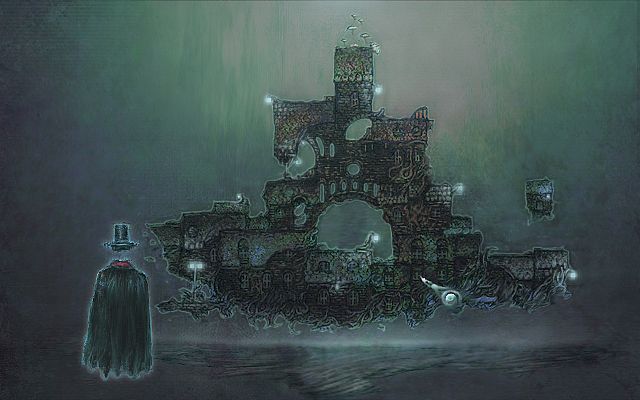
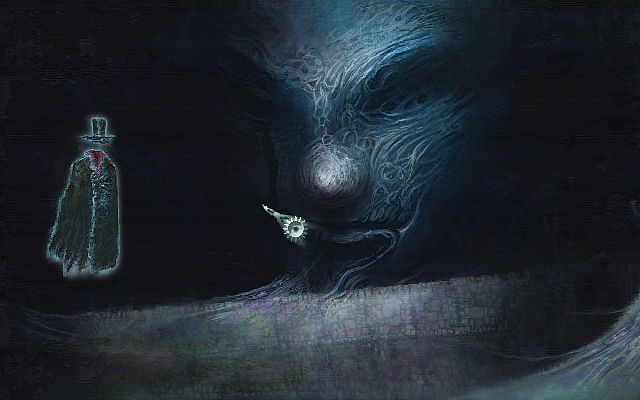
Animation quality stands out in every location, bringing static scenes to life through fluid movements that emphasize the surreal quality of the dream world. Exploration rewards careful observation, as minor details often tie into larger story threads or puzzle solutions. The absence of combat or time pressure keeps the focus on deliberate pacing and logical deduction.
Game Modes
Ghostdream operates exclusively as a single-player point and click adventure. No separate modes exist for competitive play, co-operative sessions, or alternate scenarios. The structure follows a linear narrative path divided into acts that represent distinct dreams, guiding players through the story without branching choices that alter outcomes. This design prioritizes a consistent experience centered on puzzle resolution and story discovery over replayability variants or additional content layers.
Story and World
The narrative explores themes of memory, loss, and the afterlife through characters who exist in a state of partial awareness. Reader's journey involves interactions that reveal small personal histories while avoiding heavy emotional manipulation. The world maintains a consistently dark palette and tone, yet avoids typical horror tropes by presenting environments that feel introspective rather than threatening. Encounters with various entities add layers to the lore without requiring prior knowledge of external mythology.
Voice acting covers the full script, lending personality to the limited cast. The art direction supports the retro aesthetic with detailed backgrounds that reward close inspection during exploration phases.
Is It Worth Playing?
Reception on major platforms shows mixed results based on a modest number of reviews, reflecting varied player responses to the deliberate pace and puzzle focus. The game suits those who enjoy classic point and click adventures that emphasize exploration and narrative over action or complex systems. Its short length makes it accessible for completion in a few sessions, while the voiced story and animated locations provide a self-contained experience. Individuals seeking fast-paced mechanics or ongoing updates will find limited appeal here, as the title remains a fixed single-player release without expansions or seasonal content. Those drawn to atmospheric indie adventures with logical puzzles and a reflective tone may find value in its straightforward presentation and complete narrative arc.