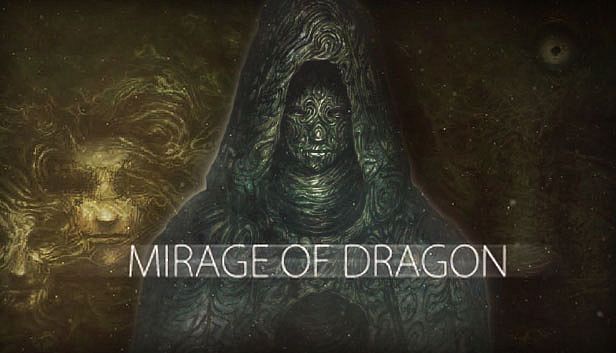












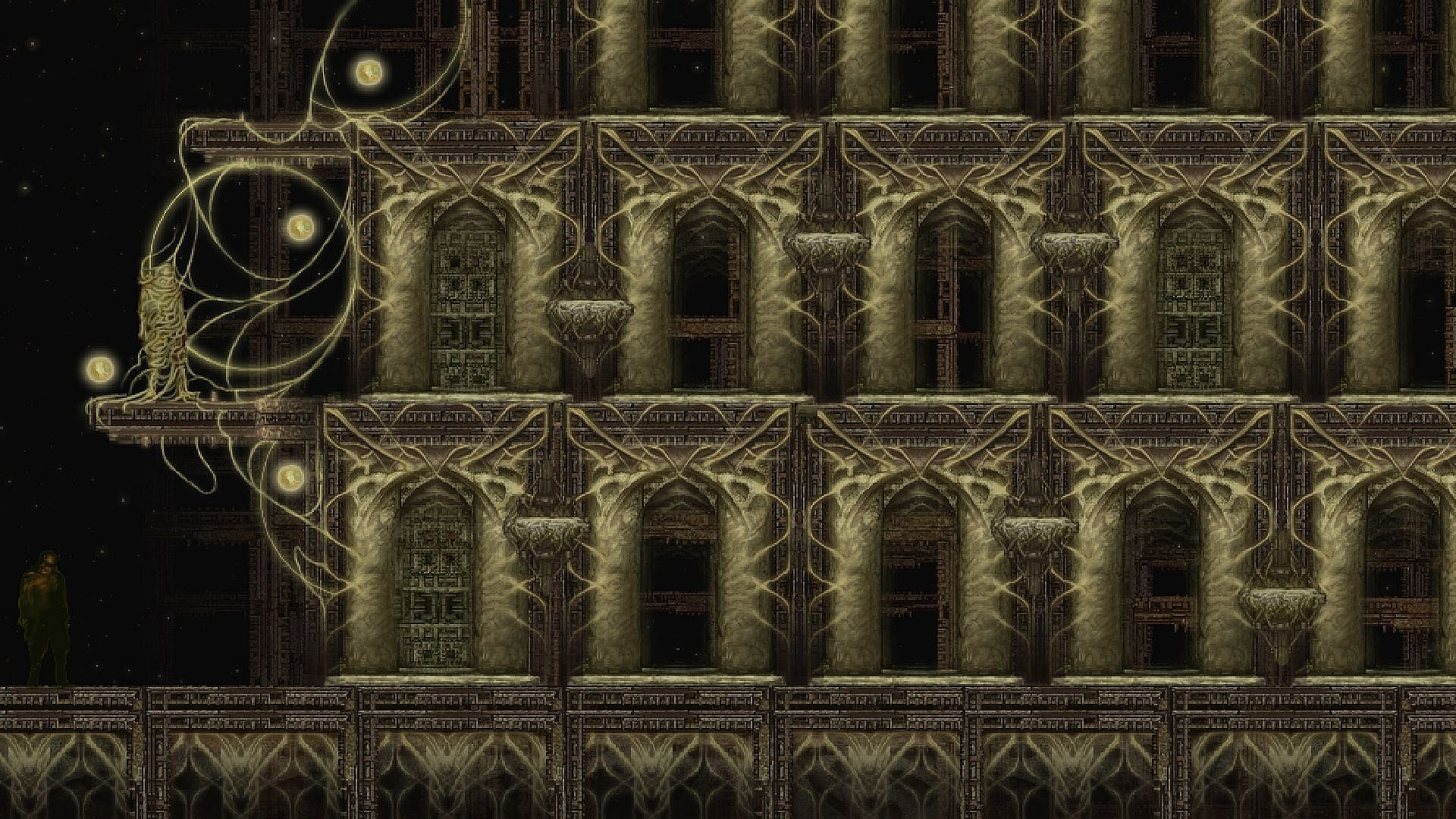
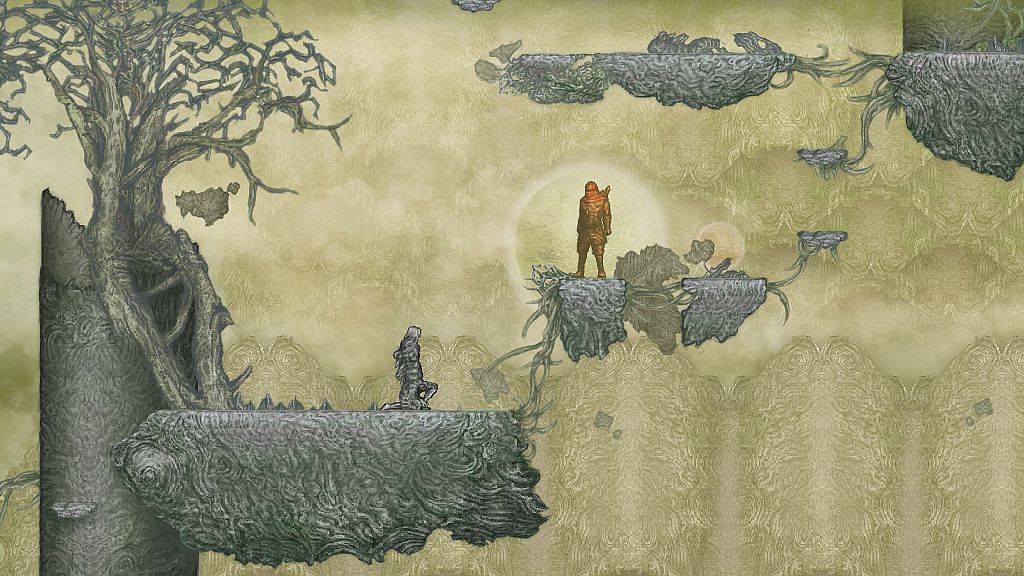
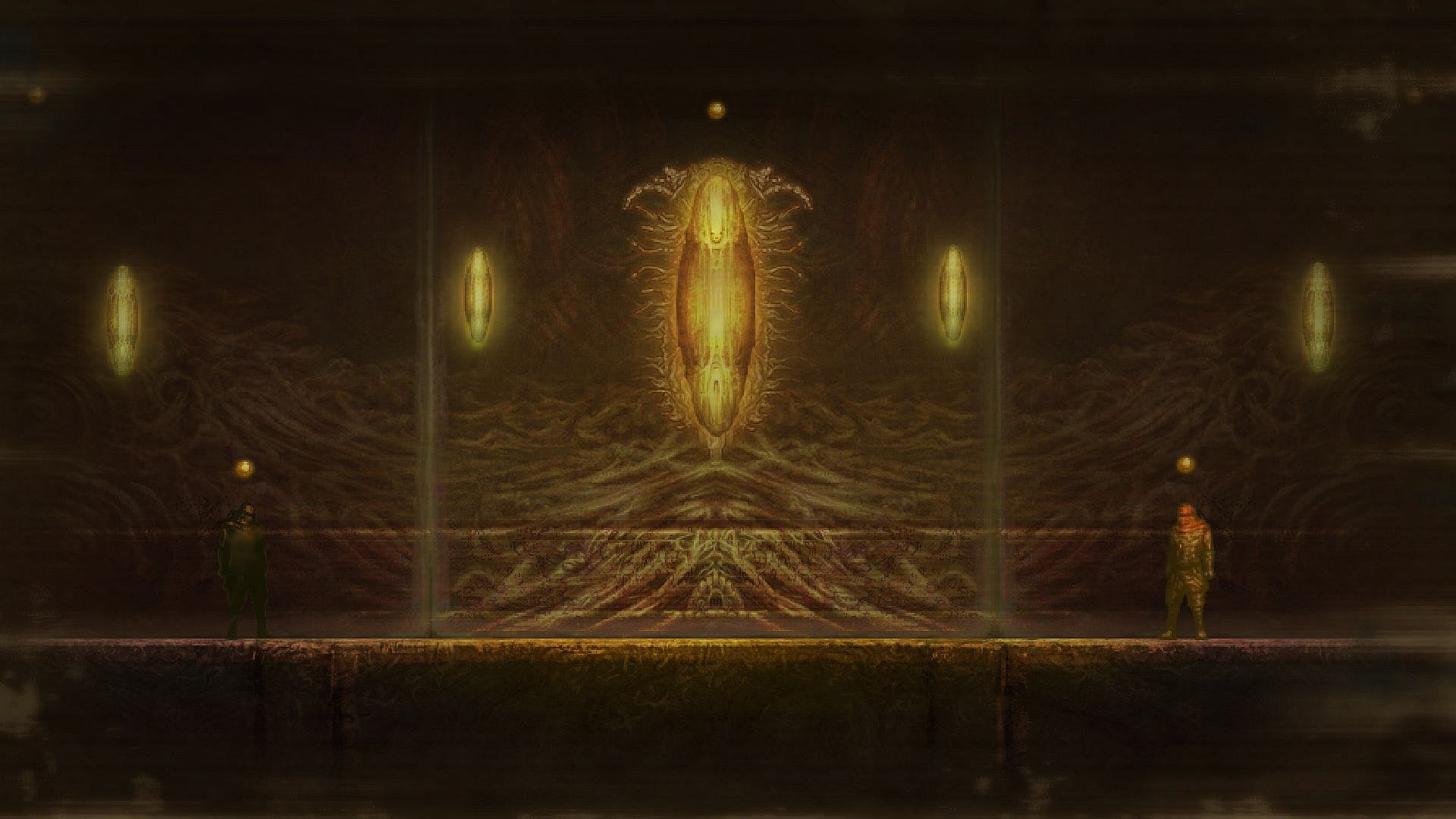
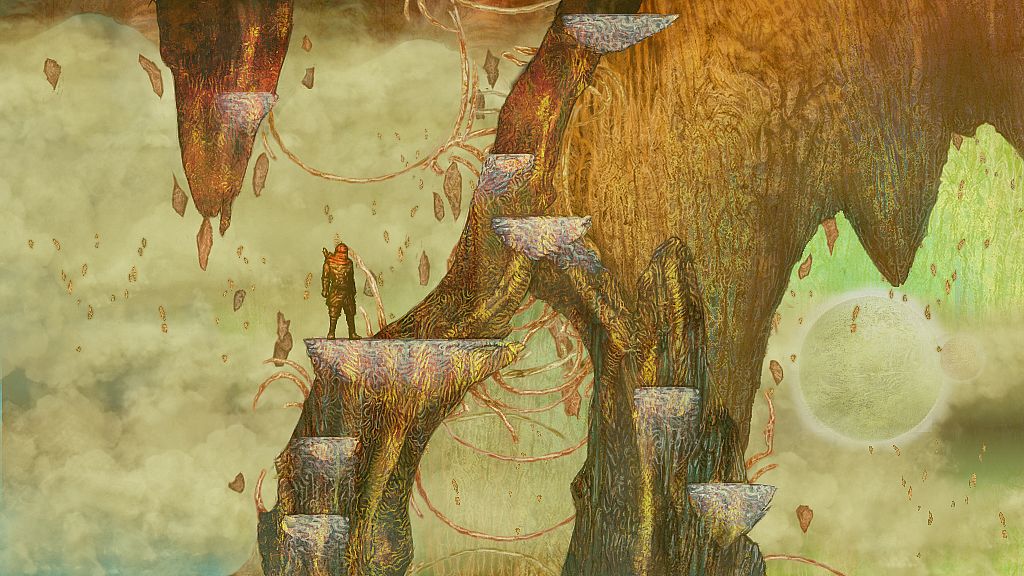
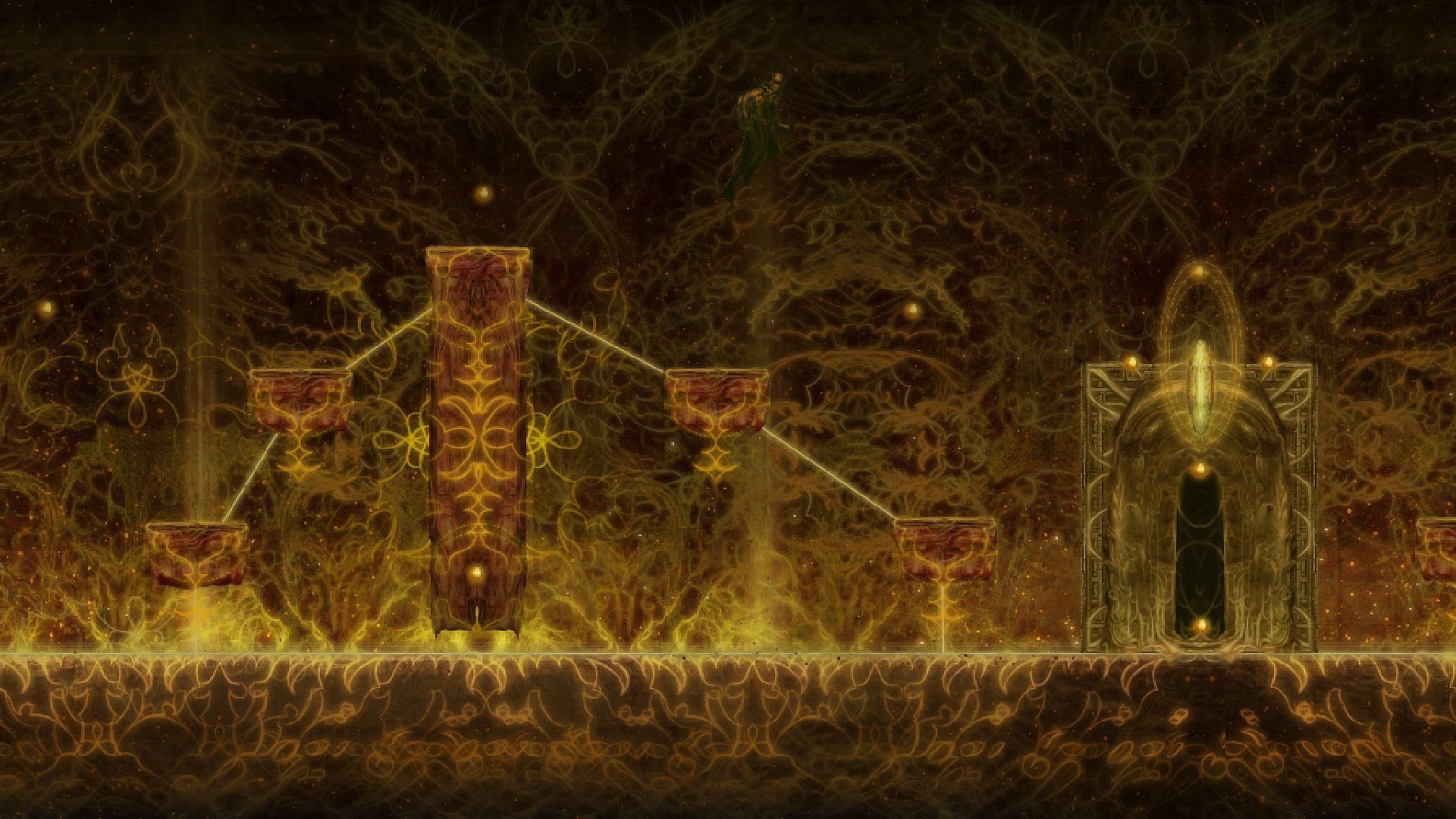
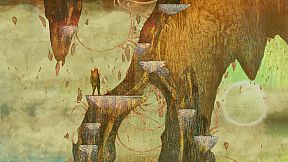
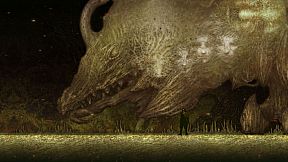
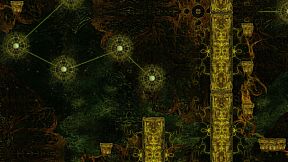
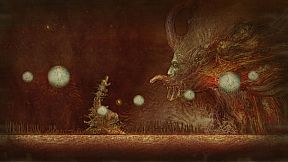
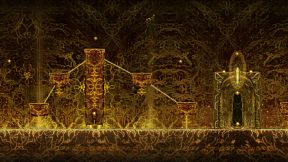
Mirage of Dragon is a 2D action adventure platformer that places players in a surreal desert world filled with shadows and mirages. The experience centers on non-linear exploration of a maze-like environment where movement, observation, and discovery drive progress without any prescribed sequence or mandatory objectives.
Gameplay
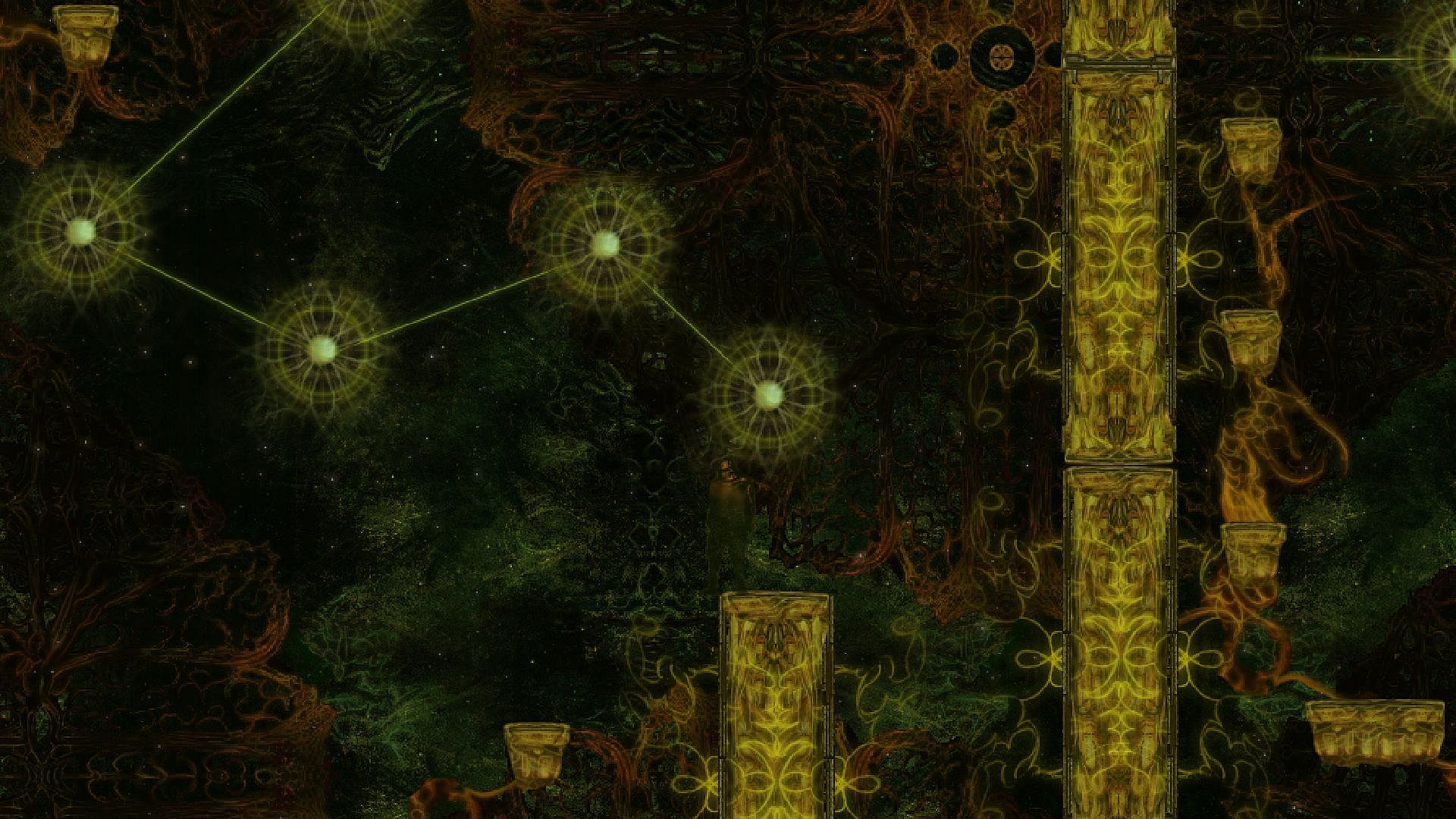
Core movement relies on classic platforming mechanics that emphasize precise jumps across platforms and through interconnected spaces. Players navigate twisting passages and open expanses at their own pace, uncovering hidden paths and environmental details that gradually reveal the setting. Puzzles appear as part of the maze structure, often requiring careful observation of surroundings rather than complex item combinations or timed sequences.
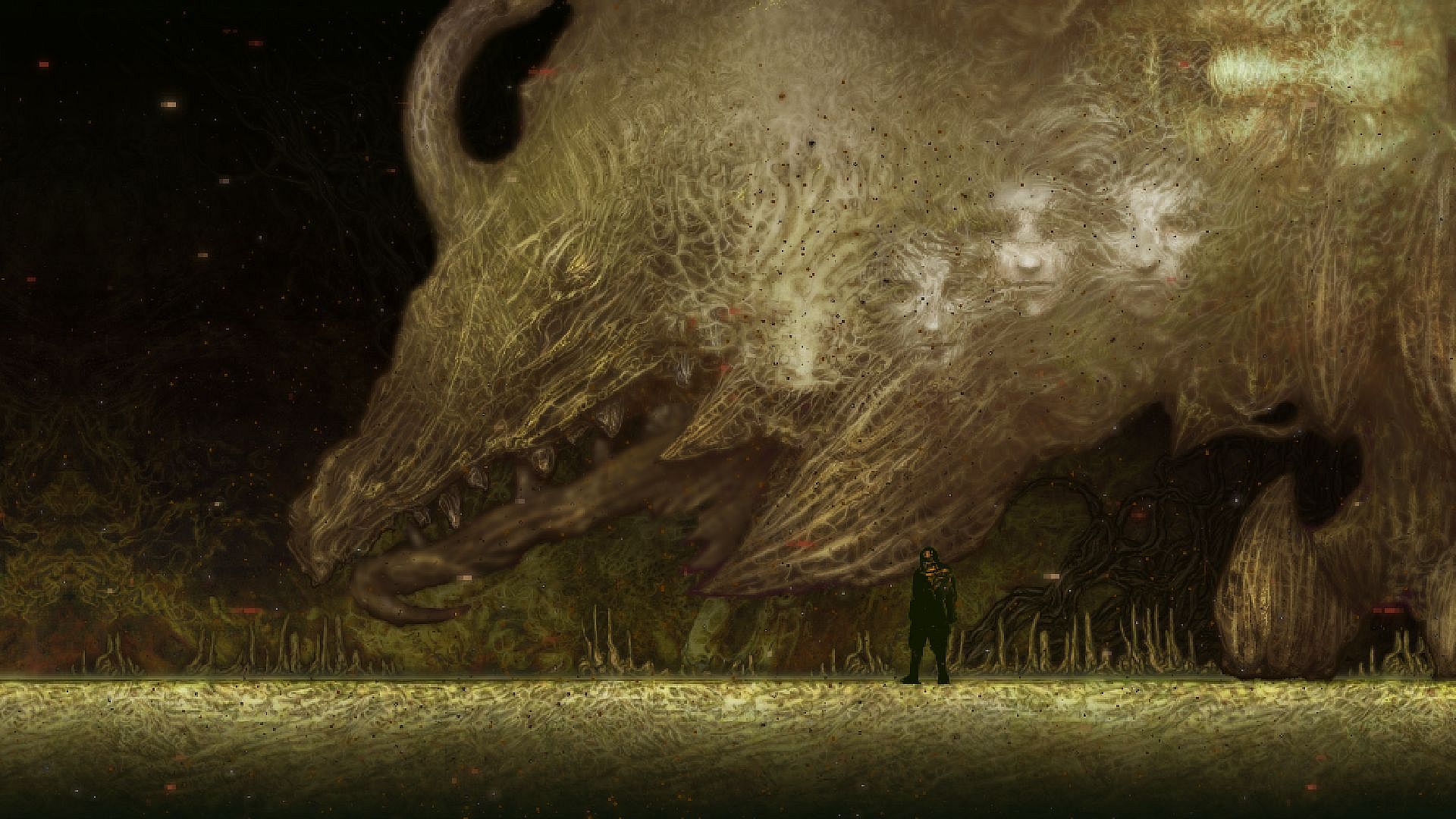
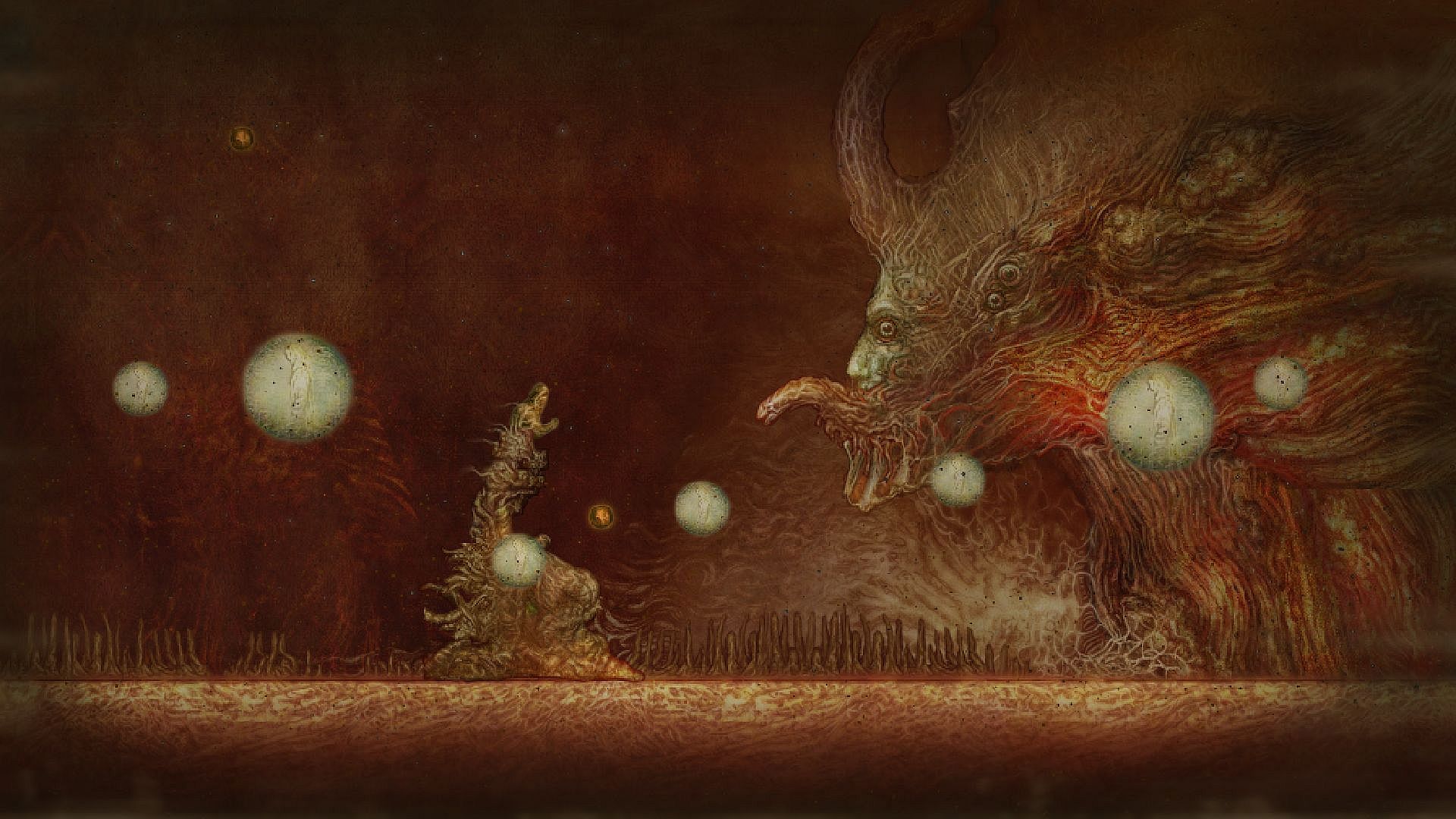
The visual style features hand-drawn 2D artwork with a distinctive aesthetic that blends desert motifs and abstract forms. An original soundtrack supports the atmosphere through tracks that evoke arid landscapes and shifting tones. Occasional surreal horror elements interrupt the otherwise contemplative pace, adding tension during specific encounters or transitions.
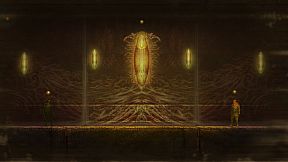
Story elements unfold through optional monologues and environmental storytelling. There is no fixed beginning or end point; events and revelations occur based on the order of exploration chosen by the player. Multiple dragon mirages appear throughout the world as key visual and thematic markers.
Game Modes
The game operates as a single continuous experience without separate modes or difficulty settings. Freedom of movement allows players to focus on different aspects of the world depending on personal preference. Some approach the maze with the goal of locating all seven endings, each tied to different exits and conclusions. Others spend time simply traversing areas to appreciate the layered environments and subtle changes in lighting or layout.
Progression remains entirely player-driven, with no checkpoints or forced objectives interrupting the flow. This structure supports repeated visits where new connections between areas become apparent after initial passes through the same spaces.
Exploration and Discovery
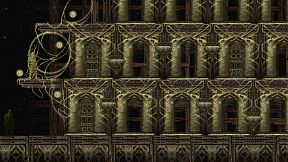
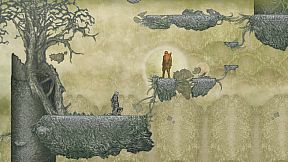
The open structure encourages backtracking and experimentation as players map out connections between distant regions. Areas range from bone-strewn valleys to elevated structures, each contributing distinct visual and navigational challenges. Minimal combat elements exist in the form of an environmental system that integrates basic interaction rather than dedicated fighting sequences.
Additional materials included with the game provide context on design choices and hidden details, though these remain separate from the core play session. The overall loop rewards patience and repeated observation over rapid advancement.
Is It Worth Playing?
Reception stands at mostly positive based on a modest number of user reviews. The title suits players who enjoy atmospheric 2D platformers that prioritize freedom and personal pacing over structured narratives or competitive elements. Those seeking a short, focused experience with multiple conclusions may find value in locating the different endings. Individuals who prefer guided stories or frequent action sequences may find the deliberate pace less engaging. The game remains available as a complete, self-contained release with no ongoing seasonal content or major updates required for play.