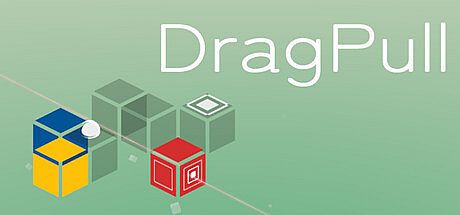









DragPull is a casual indie puzzle game for PC that centers on spatial problem solving in a minimalist 3D environment. Players drag scattered blocks across open spaces to create paths toward a goal, with color serving as the essential trigger for movement. The experience emphasizes personal experimentation over rigid sequences, allowing solvers to approach each challenge in any order they choose.
Gameplay
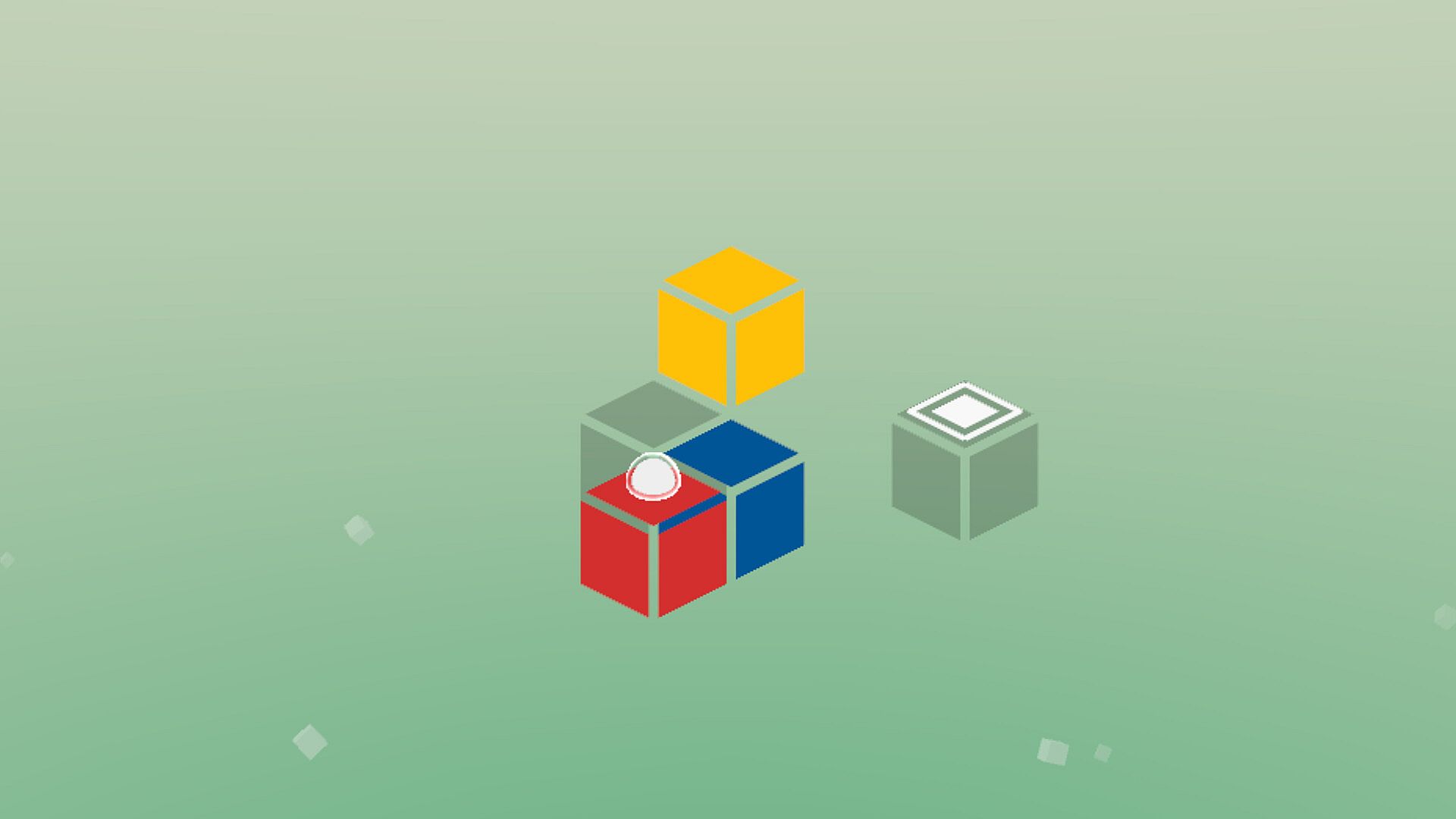
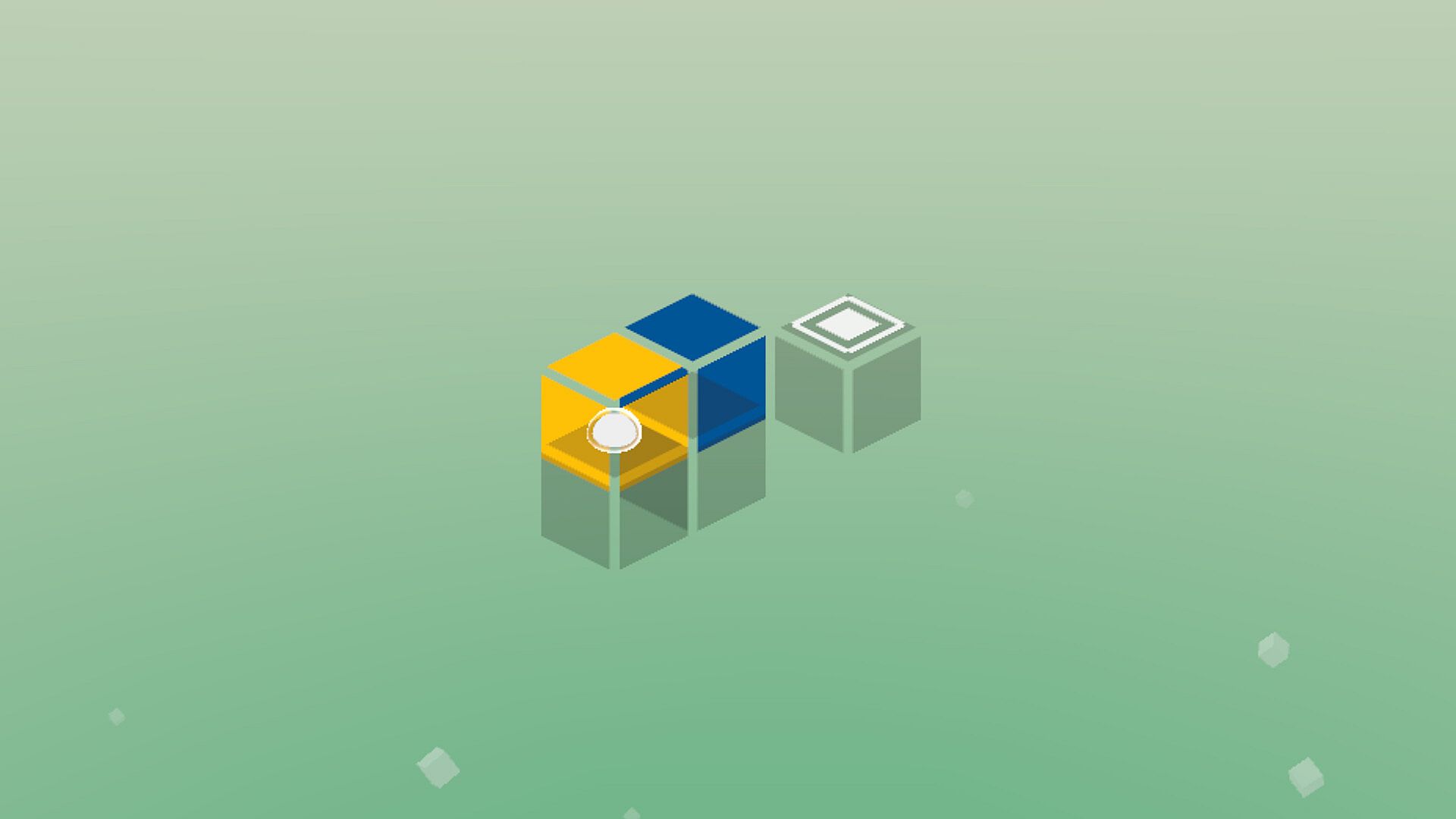
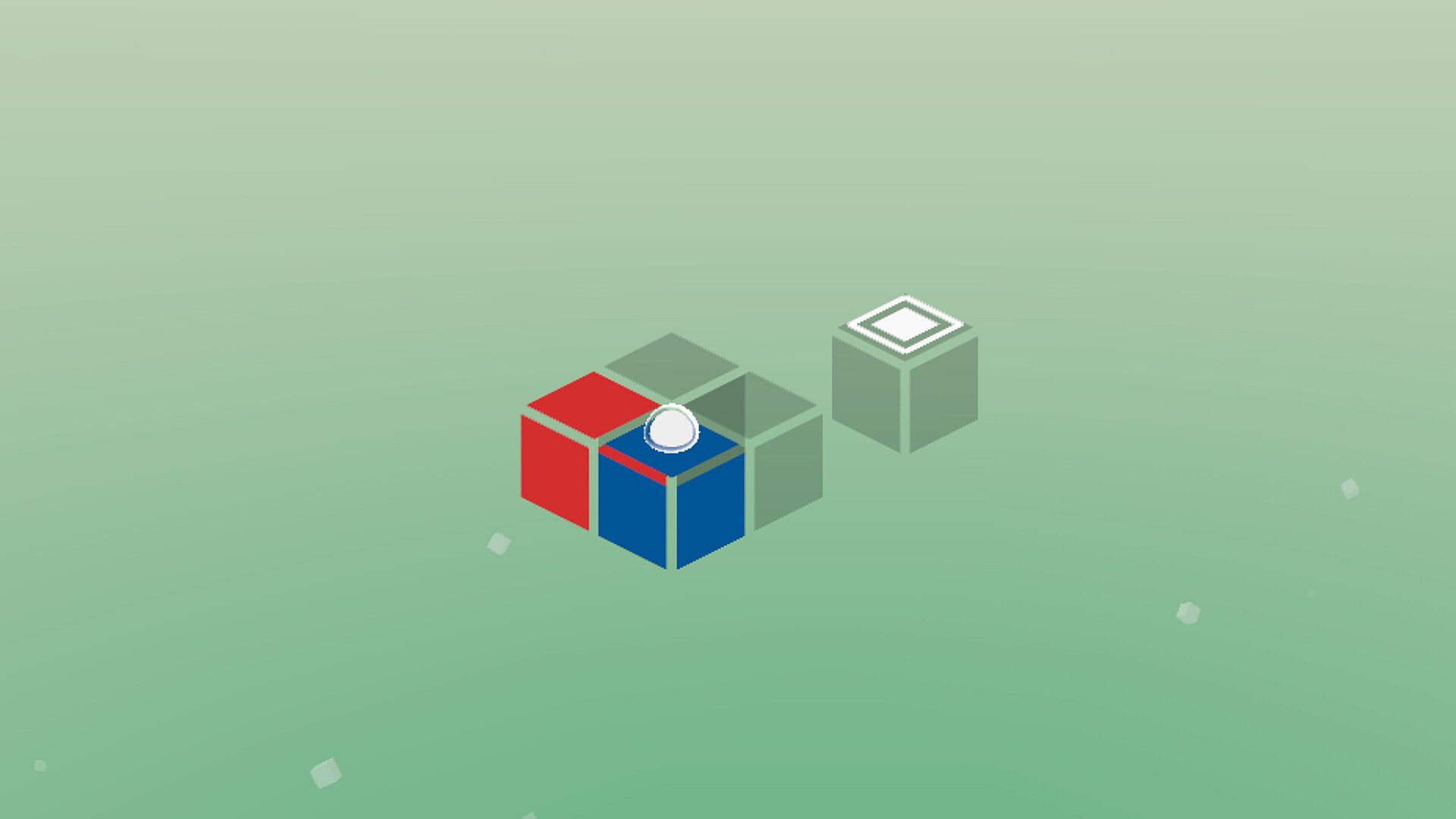
The core loop revolves around selecting blocks and applying color to activate them before dragging or pulling them into position. Simple blocks start scattered, and each interaction can either clear a route or introduce new spatial complications that require further adjustments. Color application acts as the gatekeeper, turning inert objects into movable elements that respond to player input in three dimensions.
Levels unfold without prescribed paths or timers, encouraging observation of how arrangements shift under different manipulations. A single drag might connect distant areas or create dead ends that demand creative reversal. The minimalist aesthetic keeps focus on geometry and color relationships, with no extraneous elements to distract from the process of building connections.
Solutions emerge through trial and repeated adjustment rather than memorized sequences. Players can revisit areas freely, testing variations until a workable configuration appears. The design rewards patience and iterative thinking, where the act of rearranging space itself becomes the primary activity.
Game Modes
DragPull operates entirely as a single-player puzzle experience with no separate modes or competitive elements. All content centers on the same drag-and-pull mechanics across a series of self-contained spatial challenges. Progression follows a free-form structure that lets players select which puzzles to tackle next without enforced order.
Within this unified system, the emphasis stays on discovering efficient routes and personal solutions. Some players may focus on completing every puzzle, while others experiment with minimal moves or unexpected block configurations. The absence of distinct modes keeps the entire game centered on the core color-and-drag interaction.
Visuals and Atmosphere
The game presents a serene, low-detail 3D space built from basic geometric forms and muted tones. Blocks and surfaces respond cleanly to color application and movement, highlighting spatial relationships without visual clutter. This restrained style supports extended sessions by reducing eye strain and keeping attention on the puzzle logic.
Lighting and subtle environmental cues reinforce the sense of open possibility. Changes in block positions alter the surrounding space in immediate, readable ways, making each adjustment feel consequential. The overall presentation suits relaxed play, where the goal is thoughtful engagement rather than high-intensity action.
Is It Worth Playing?
DragPull suits players who enjoy deliberate, open-ended puzzle games that prioritize spatial reasoning and personal discovery. Its mechanics reward careful observation and repeated experimentation in a calm setting free of pressure or failure states beyond the need to rearrange blocks again.
Because the game remains unreleased with no player reviews available, expectations should rest on the described systems of color-activated dragging and free exploration. Those drawn to minimalist indie titles that let solvers set their own pace will find the approach familiar and potentially satisfying. Availability on PC through standard digital storefronts makes it accessible once it launches, with system requirements that run on modest hardware.