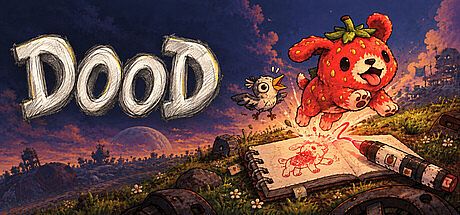


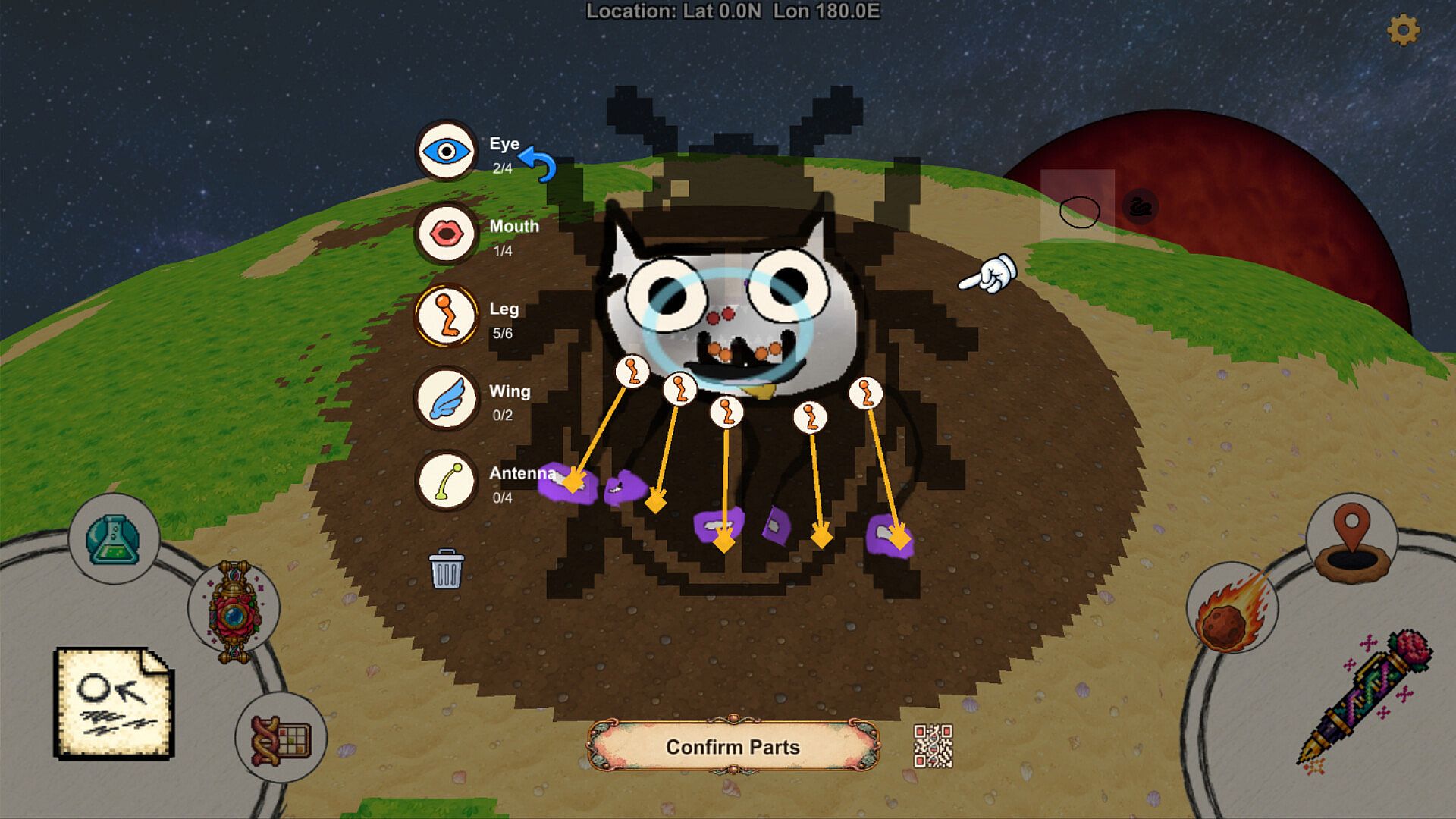
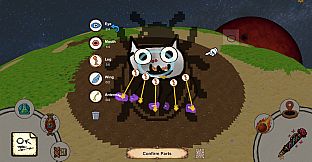
DOOD is an indie casual simulation game for PC centered on a unique creature creation system. Players act as rookie researcher Sage on the Junk Planet, using a Life Pen to draw bodies, eyes, legs, wings, and other parts that bring custom beings to life. These creations then interact independently with their environment and each other in an evolving ecosystem.
Gameplay
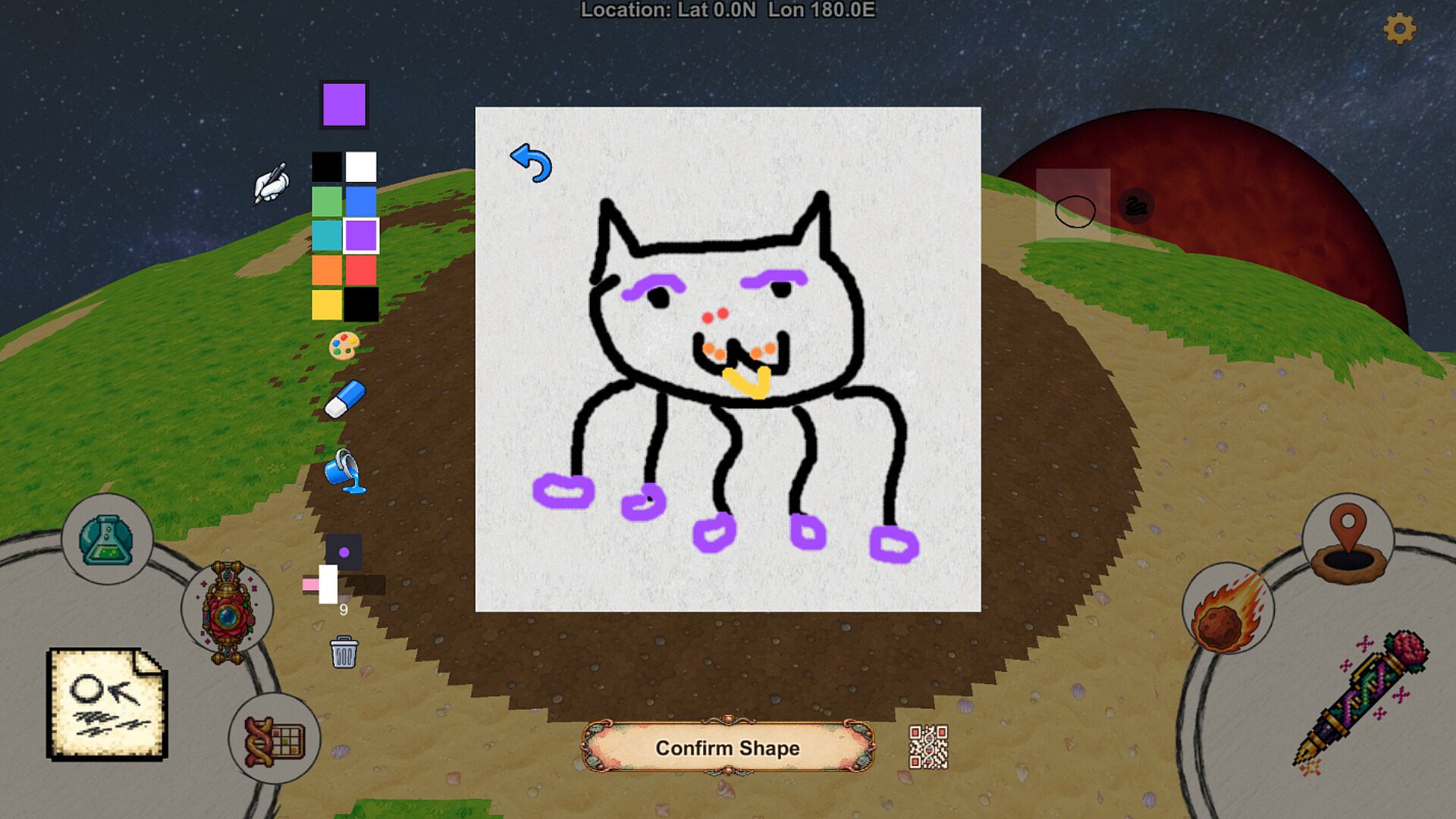
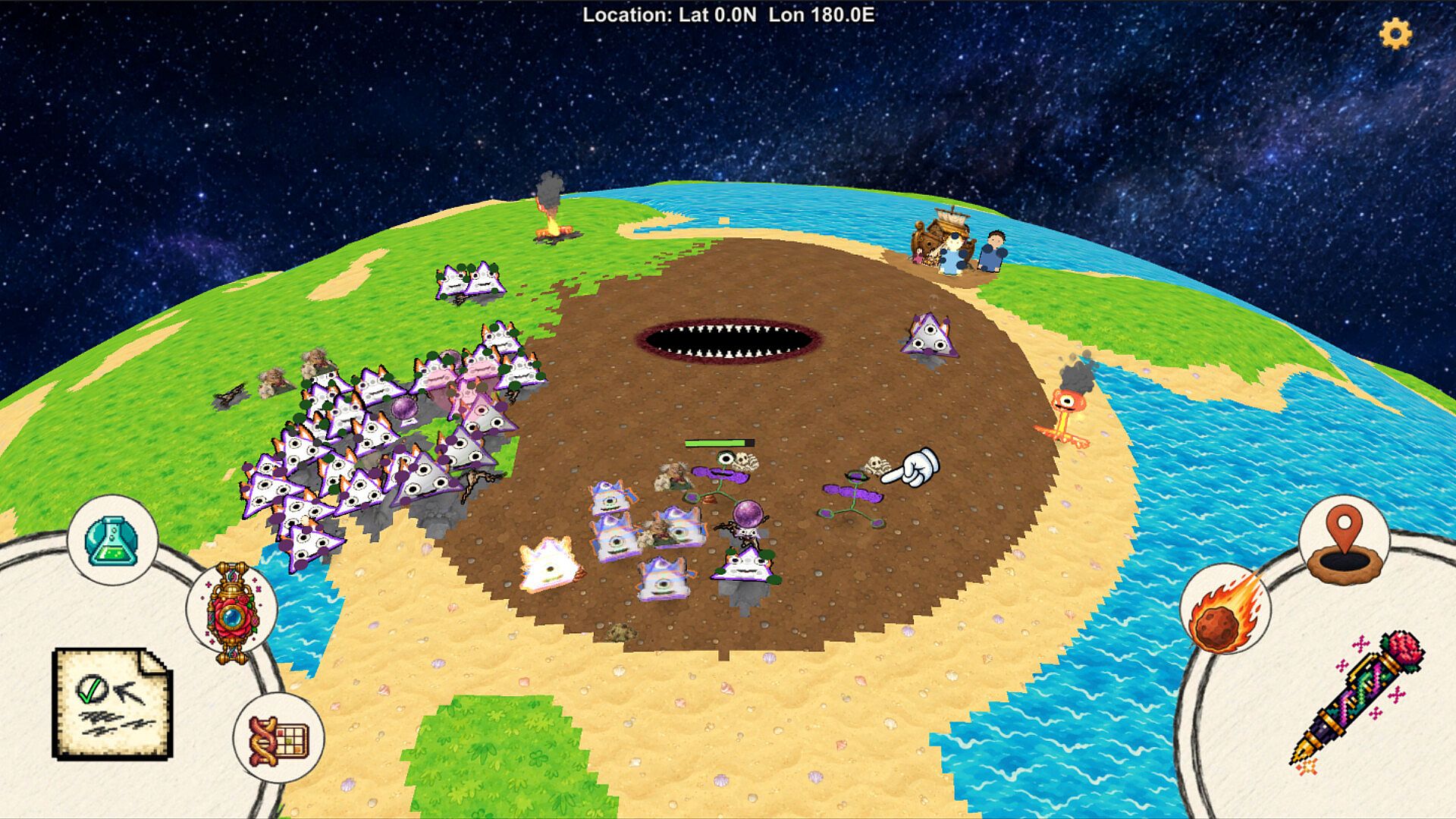
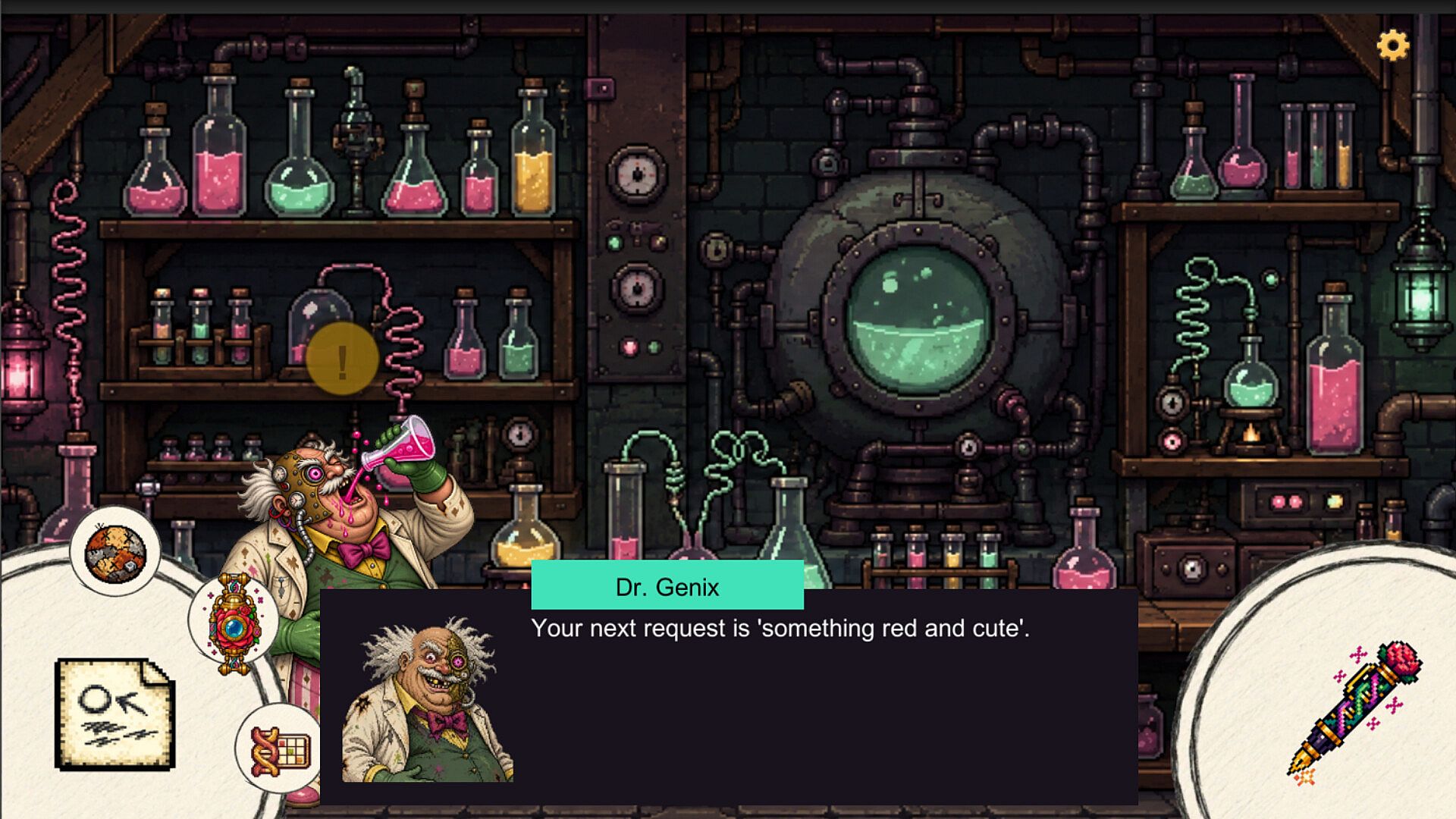
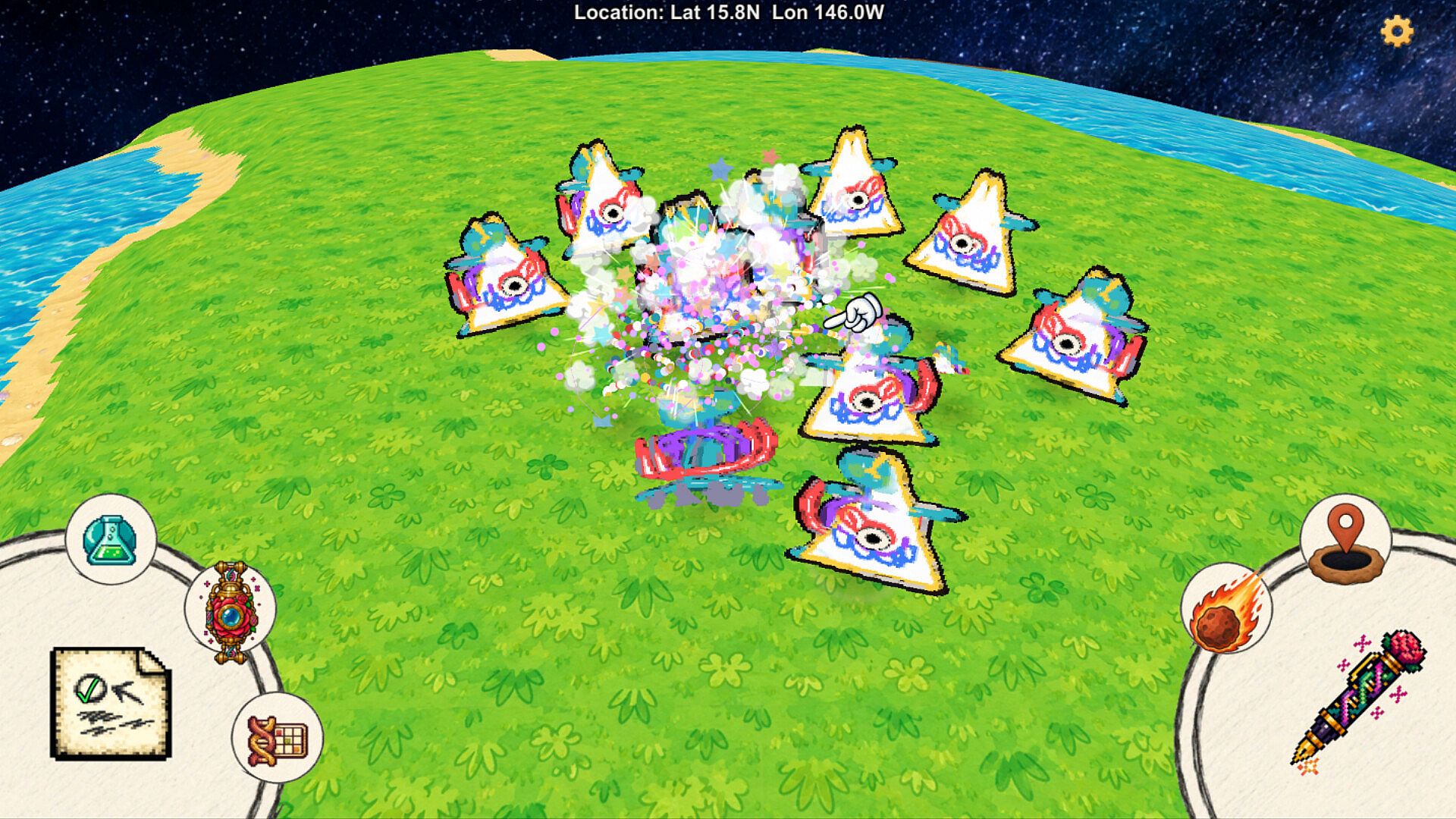
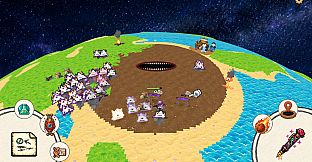
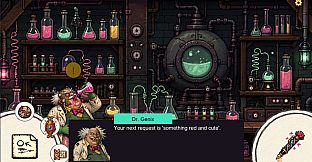
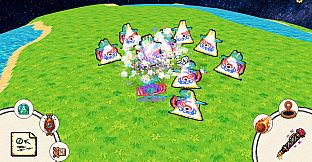
The core loop involves drawing creatures based on vague prompts from Dr. Genix, such as something round and cute or something blue that moves quickly through water. Color, shape, species, element, parts, and behavior all influence the resulting personality and stats. Once released, the creatures walk, swim, fly, eat, fight, breed, and occasionally fuse across species lines. Events unfold on their own across the Junk Planet, including environmental changes like a fiery creature reducing plants to ash or a bird carrying others away. The simulation continues even when the player steps away, leading to population booms, extinctions, or unexpected new life forms emerging from cracks in the rocks.
Progress comes through satisfying research conditions in multiple ways, since the doctor's notes leave room for interpretation. Successful creations advance the main storyline while unlocking new tools and revealing shifts in the world. Side tasks with Dr. Sylvia focus on symbiosis and Dr. Locke on equipment for handling dangerous creatures. These collaborations expand available options without requiring perfect accuracy in drawings.
Game Modes
The experience blends open-ended sandbox simulation with directed research objectives. In the sandbox, players observe and influence an autonomous ecosystem where creatures make their own decisions and the planet itself transforms over time. Research tasks provide structure through specific conditions to recreate from the doctor's hazy notes, encouraging experimentation with combinations of traits. Side research with the other doctors adds variety by introducing new tools and alternative approaches to interacting with life on the planet. Multiple endings emerge depending on choices made during research and the overall results achieved.
A Gene Codex tracks discovered creatures, and genetic codes allow sharing custom creations. This setup supports both freeform play and goal-oriented sessions without forcing one style over the other.
Key Features
The creature creator stands out for its flexibility, letting players place parts anywhere on a drawn body to shape movement, abilities, and interactions. Personalities develop organically from the chosen elements rather than direct assignment. Breeding and fusion mechanics introduce variety as traits mix in unpredictable ways. The Junk Planet serves as a living backdrop where the environment reacts to the creatures present, creating emergent stories even during idle periods.
- Autonomous creature behaviors including walking, swimming, flying, eating, fighting, and breeding
- Flexible drawing tools that turn sketches into living entities with unique stats
- Collaborative research paths with three distinct doctors
- Shareable genetic codes for custom creatures
- Dynamic ecosystem that evolves independently
Is It Worth Playing?
DOOD suits players who enjoy creative expression combined with observation and light management in a simulation setting. The drawing mechanic rewards experimentation over precision, and the hands-off ecosystem provides ongoing surprises without constant input. Those interested in indie titles that emphasize player-driven content and emergent events will find the research progression and multiple endings engaging. The game runs on PC and focuses entirely on single-player experiences with no multiplayer components. Its casual pace and emphasis on watching creations interact make it a fit for relaxed sessions rather than intense challenges. Availability centers on the core experience described, with no additional seasons or major updates confirmed beyond the base simulation and research systems.