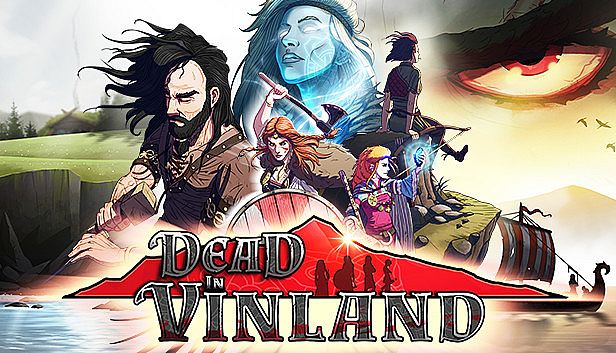



















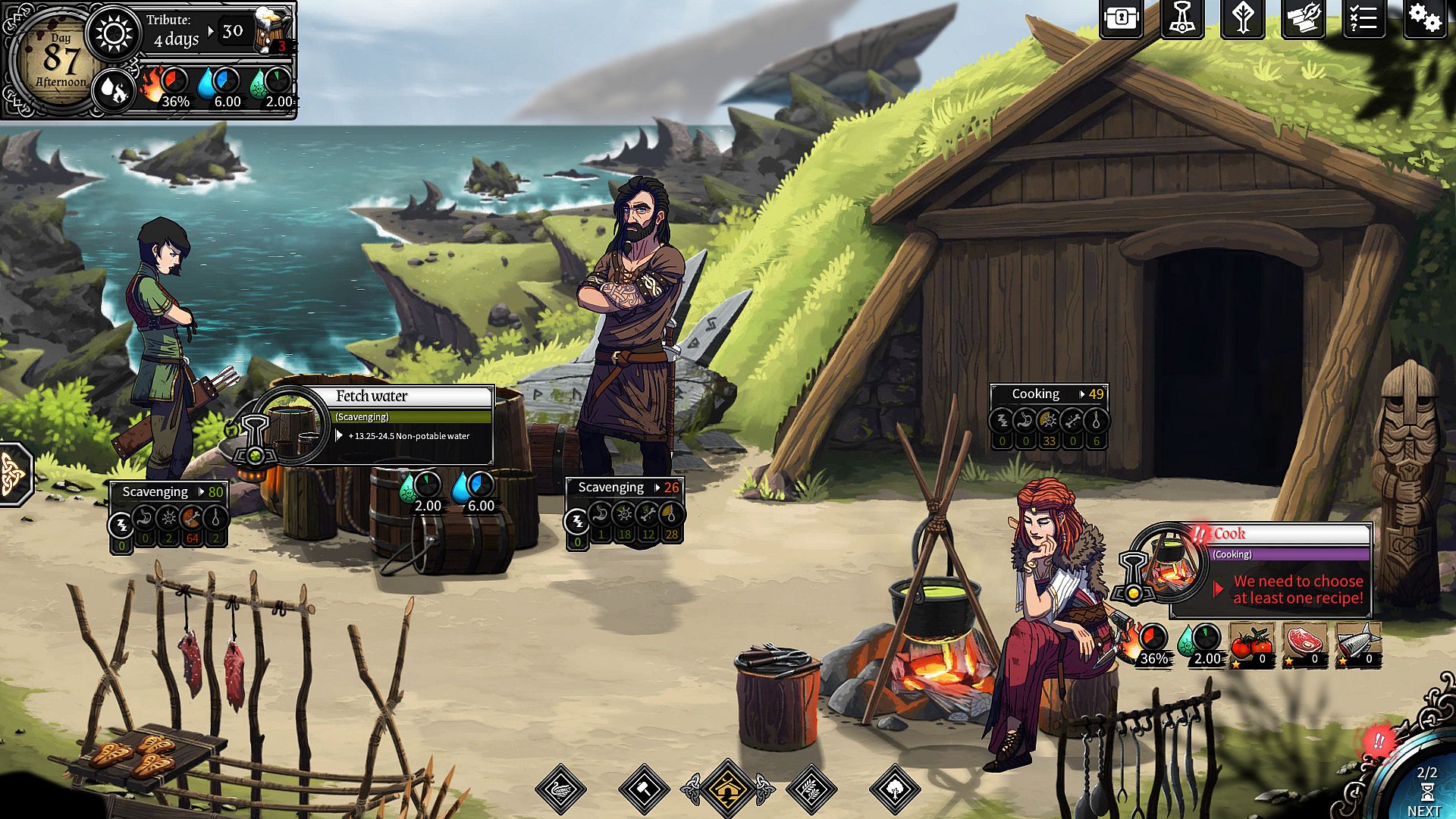

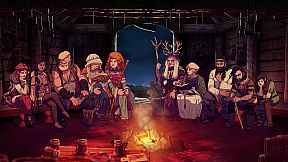

Dead In Vinland is a singleplayer strategy, indie, RPG, simulation, and adventure game centered on survival management. Players guide a Viking family exiled to a remote island, balancing resource gathering, health maintenance, exploration, and interactions with both allies and hostile groups while uncovering the land's hidden secrets.
Gameplay
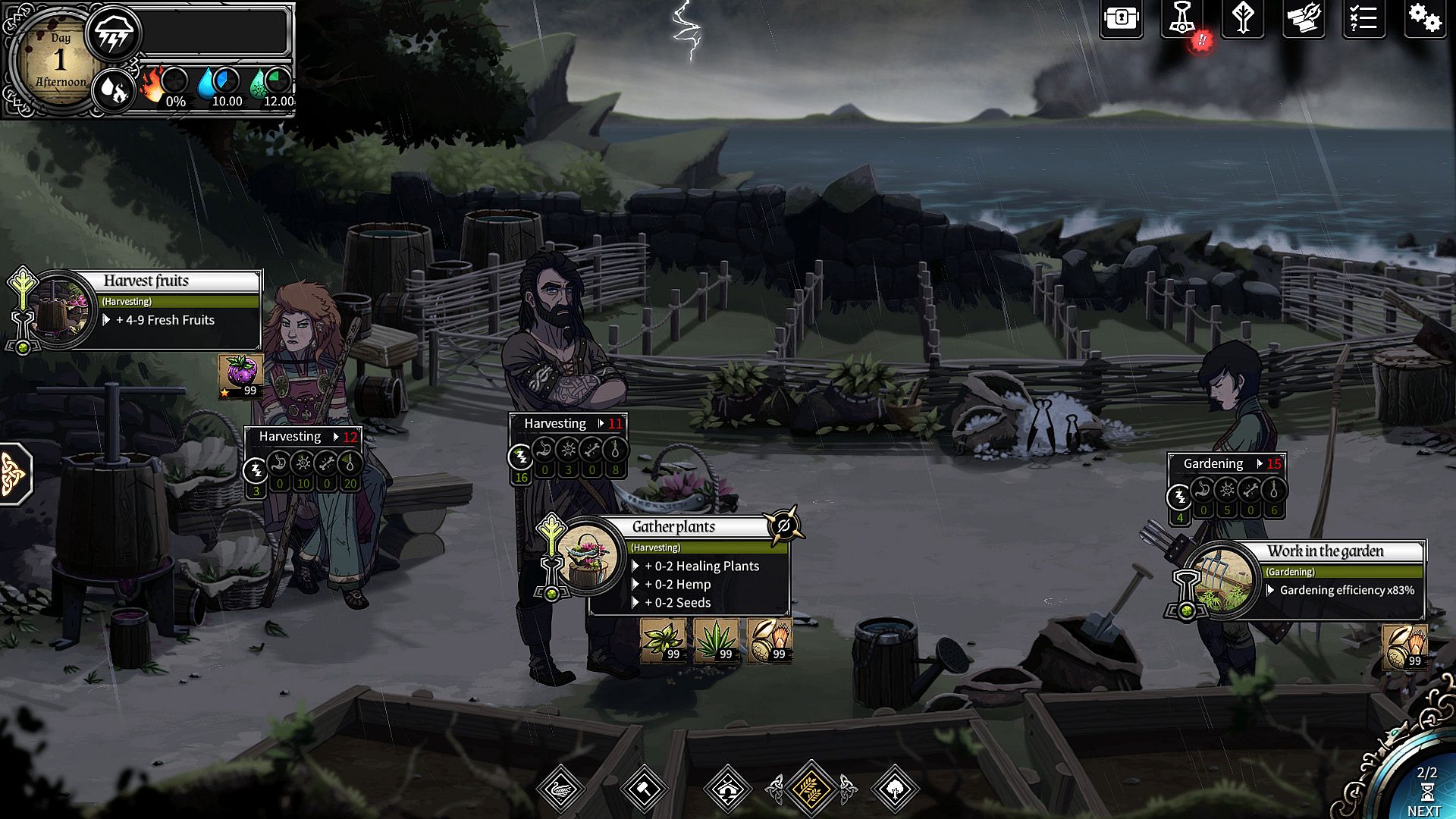
The core loop revolves around turn-based decisions that affect the family's physical and mental states. Each day involves allocating actions to gather food and water, treat injuries or illnesses, and expand the camp with specialized stations. Resources must be rationed carefully as storms, droughts, and other environmental pressures test resilience over time.
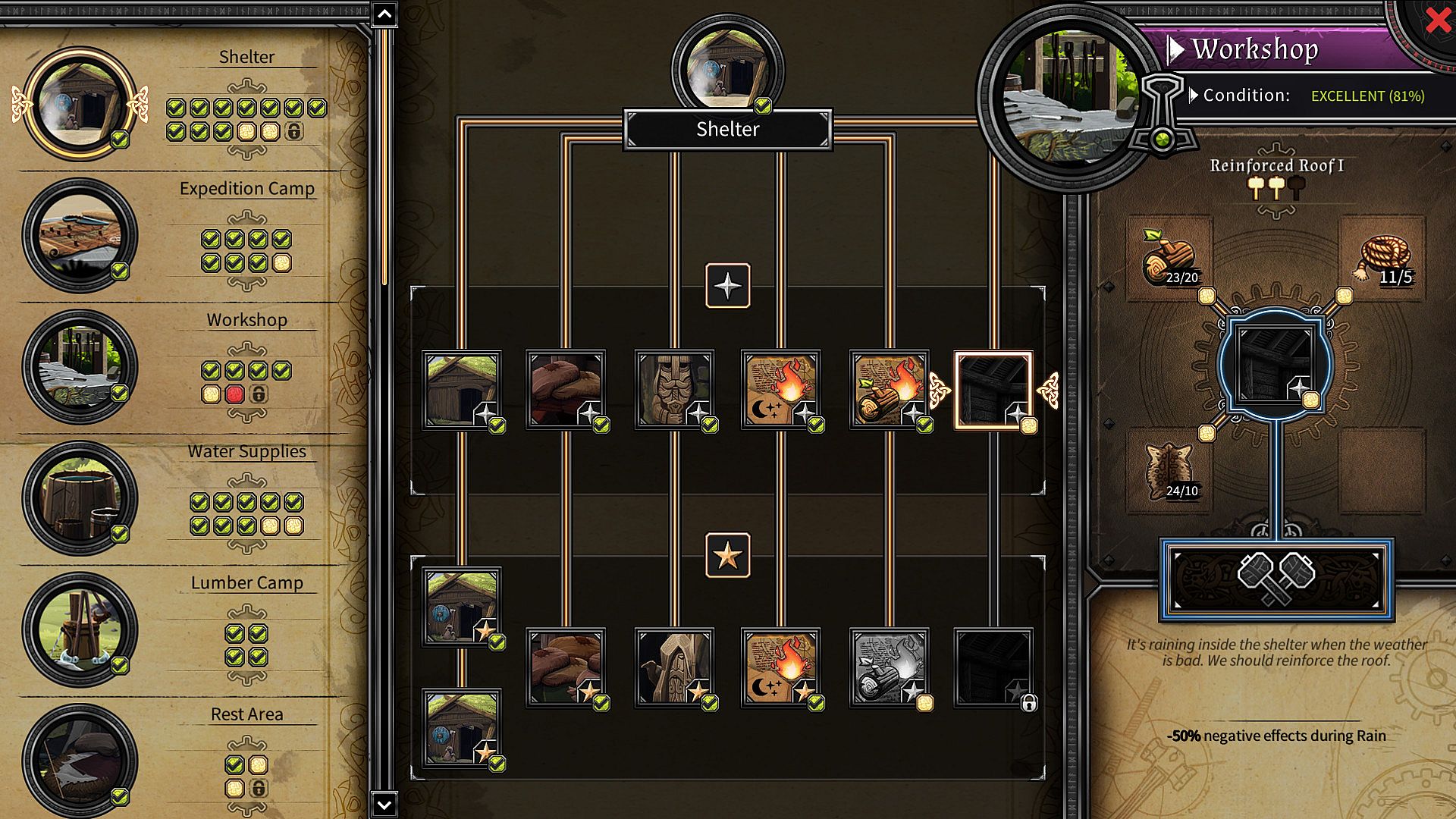
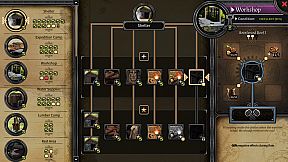
Camp development includes constructing and upgrading 18 activity stations that enable crafting of more than 130 items and improvements. Choices matter because not every upgrade can be pursued in a single playthrough. Settlement options extend beyond basic survival to include gardening and animal breeding for sustainable food sources.
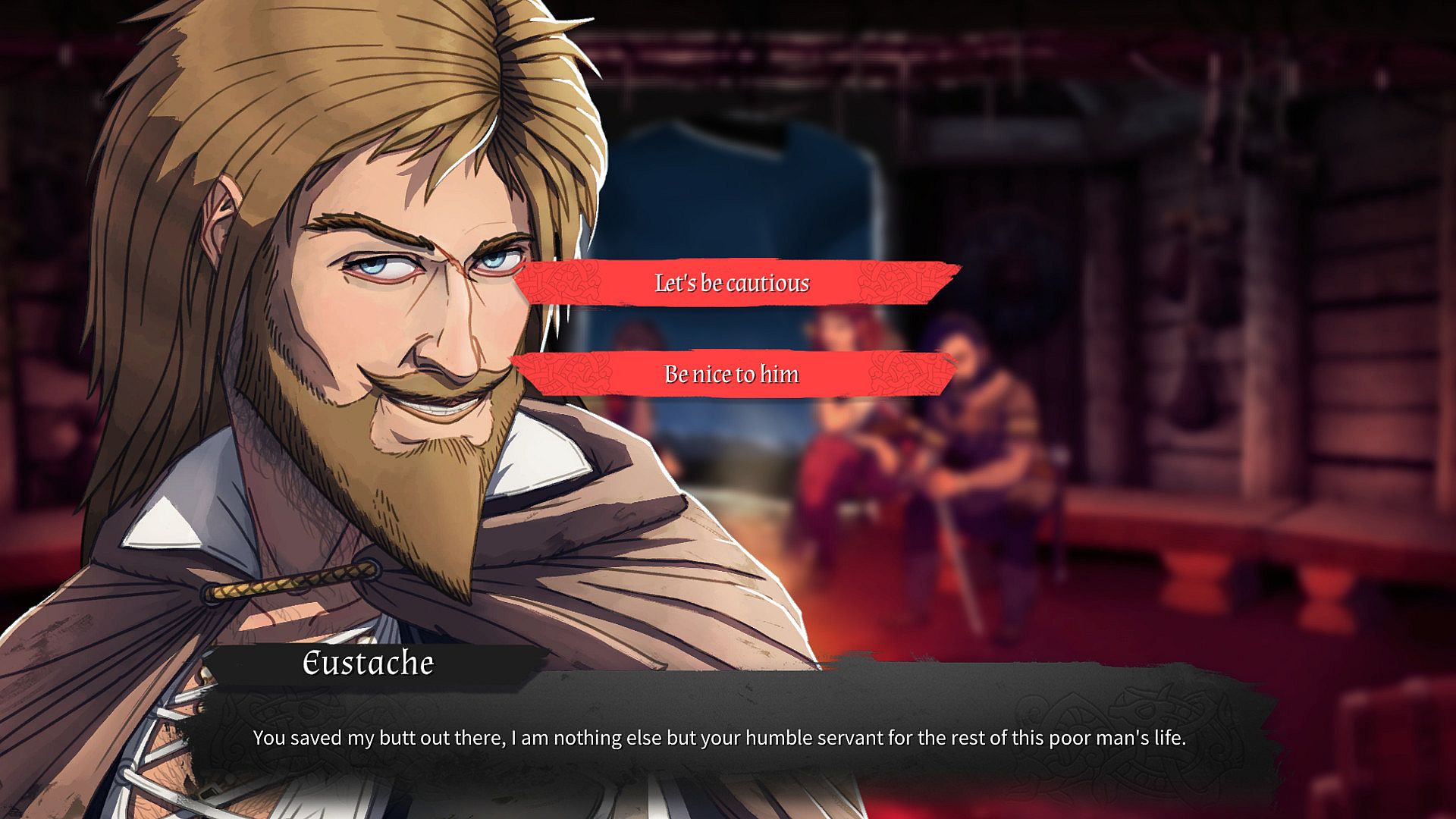
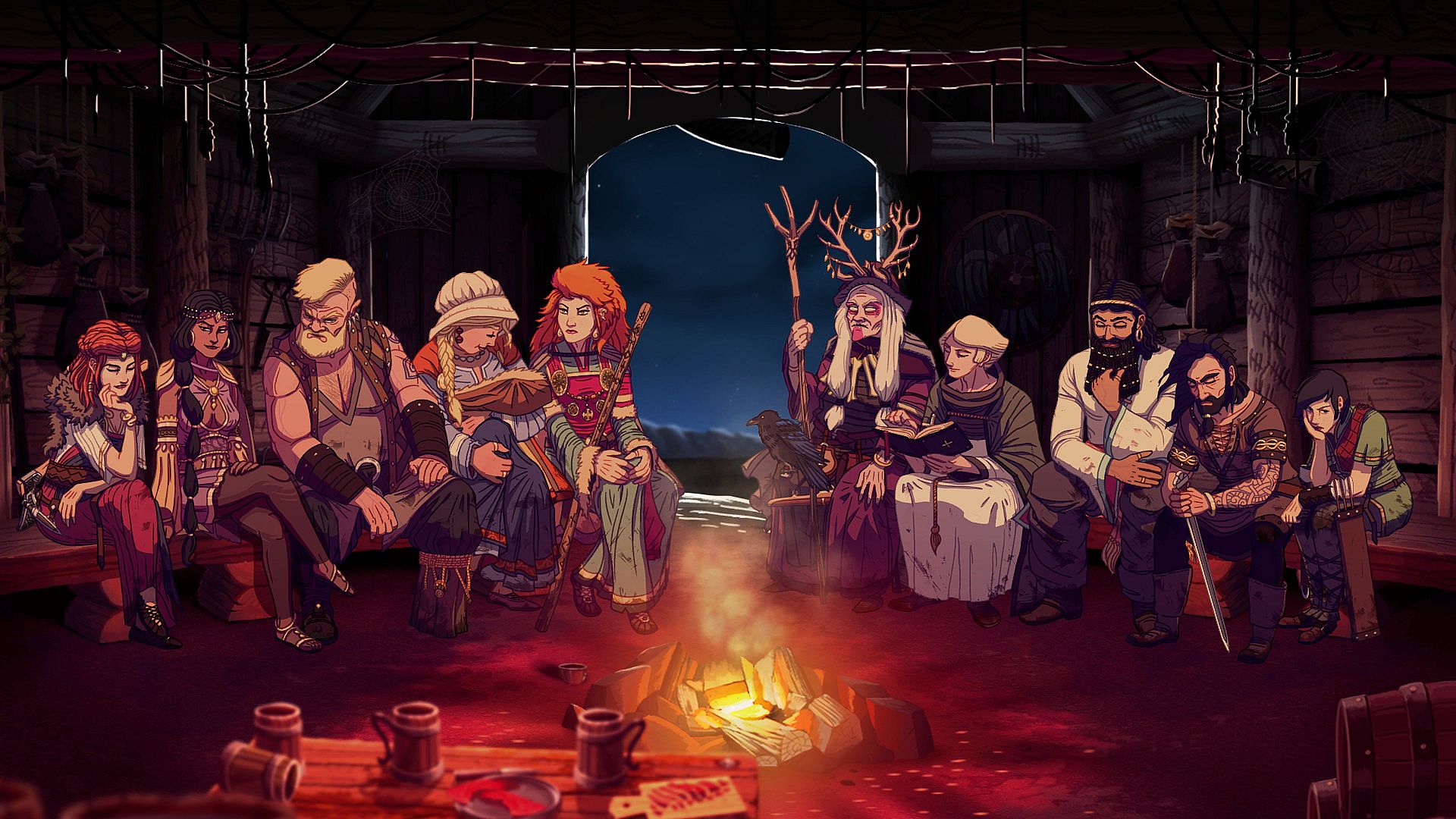
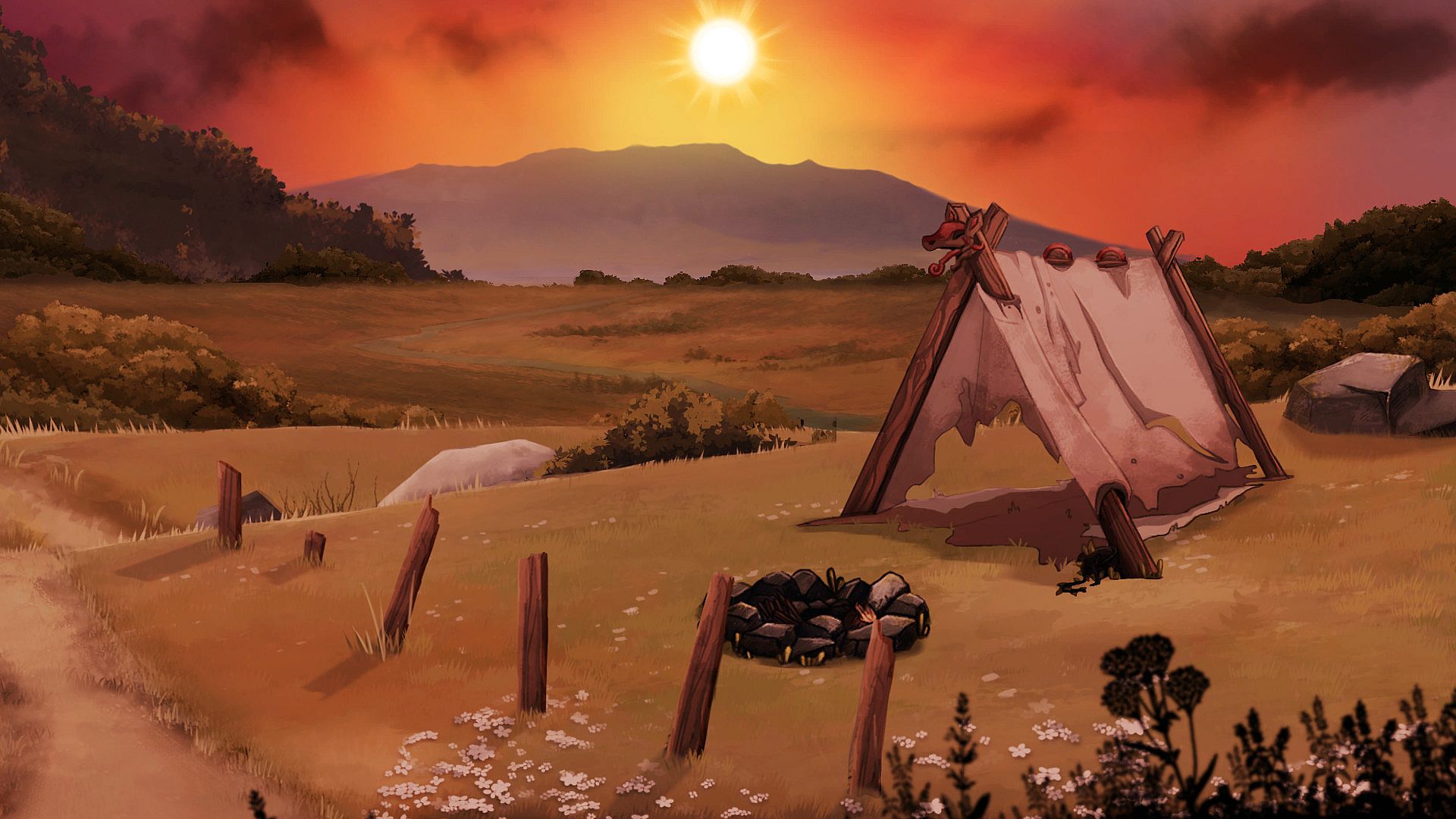
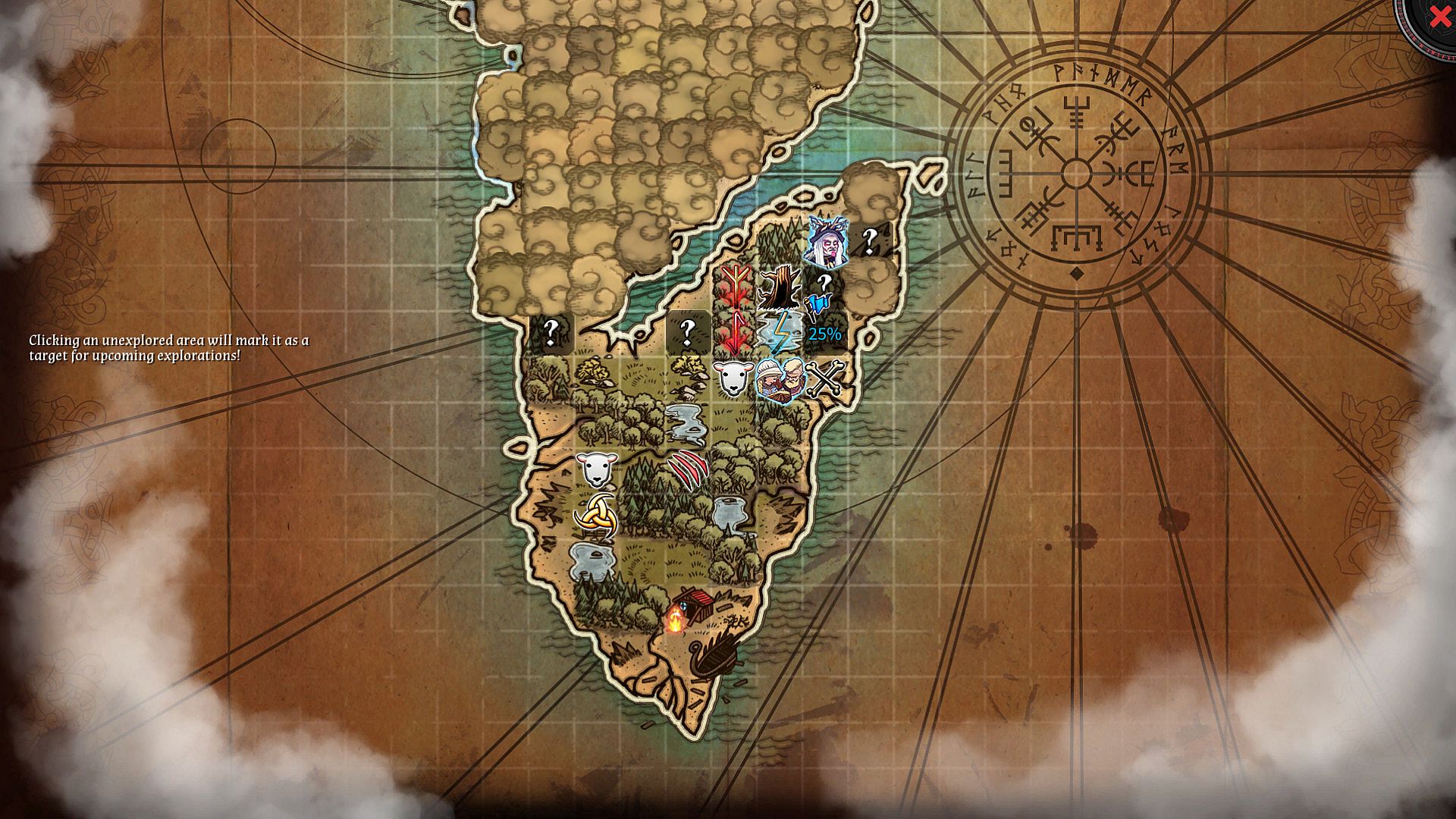
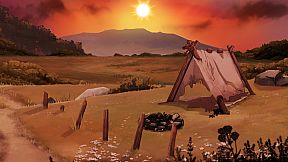
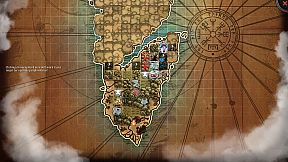
Exploration covers 150 distinct areas filled with interactive objects and hand-painted scenery. Players uncover island mysteries through these expeditions while managing a roster of 14 characters. Each has unique strengths, weaknesses, and personal stories that evolve through dialogue choices, relationship shifts, and potential romances.
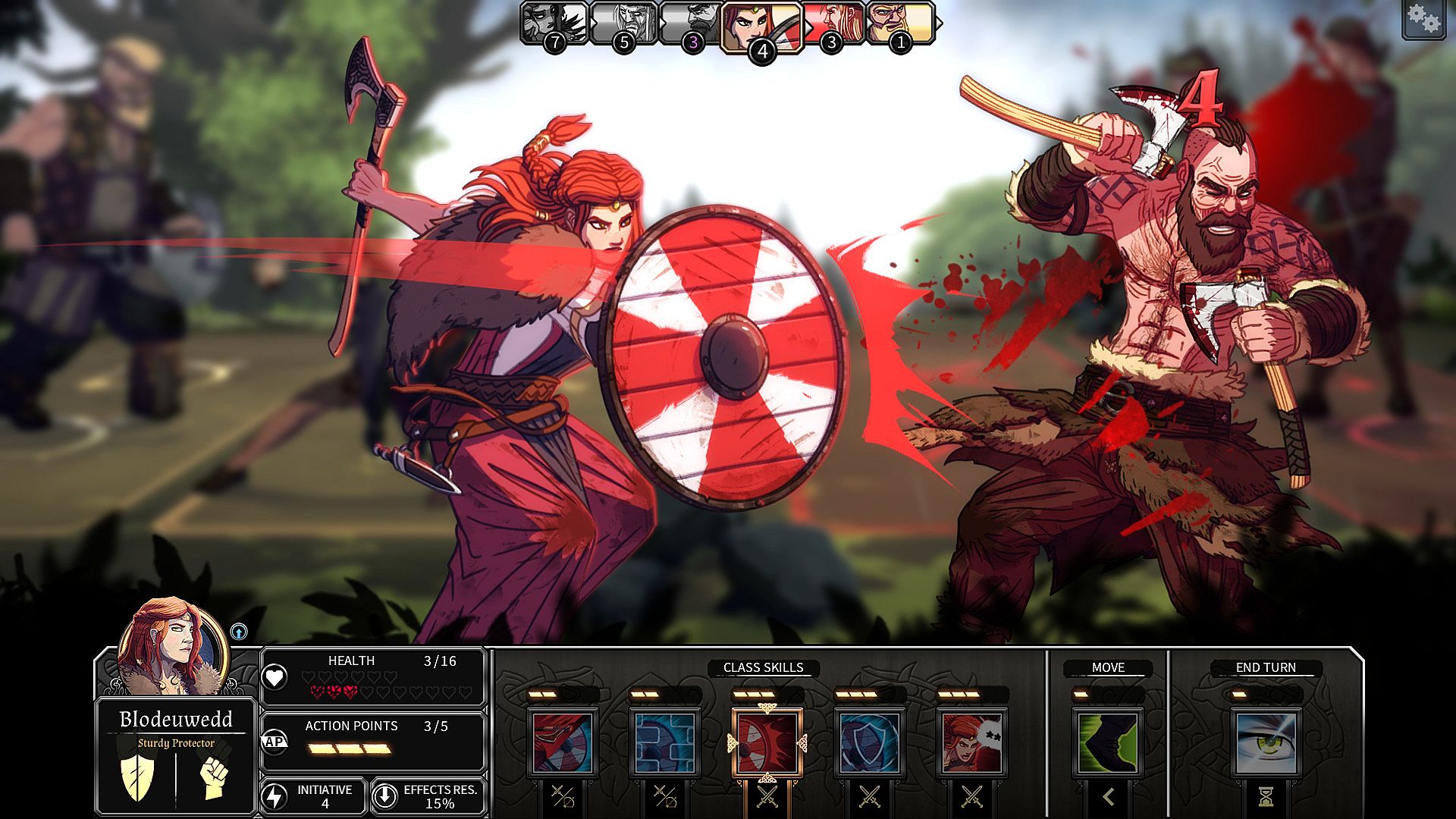
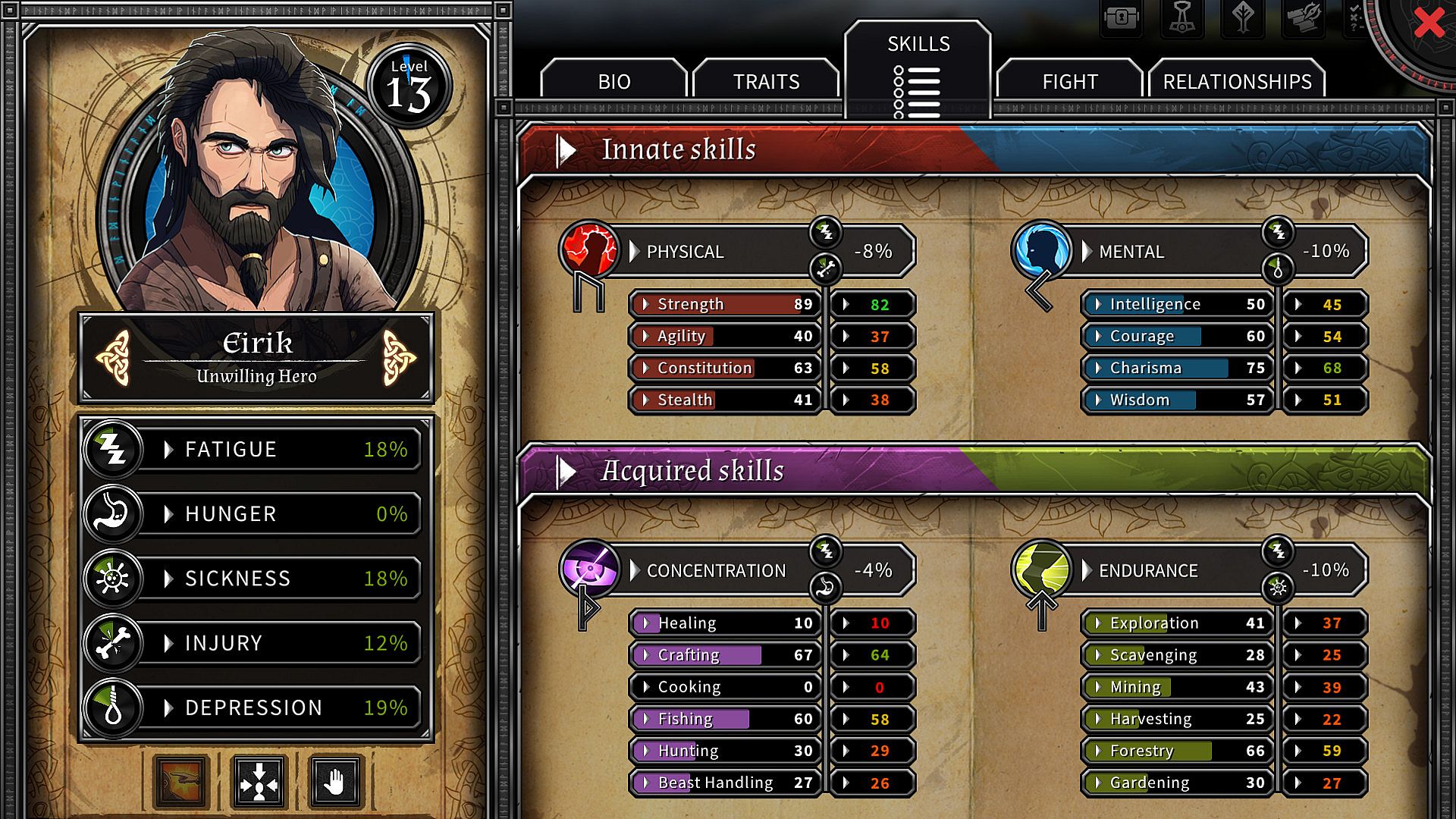
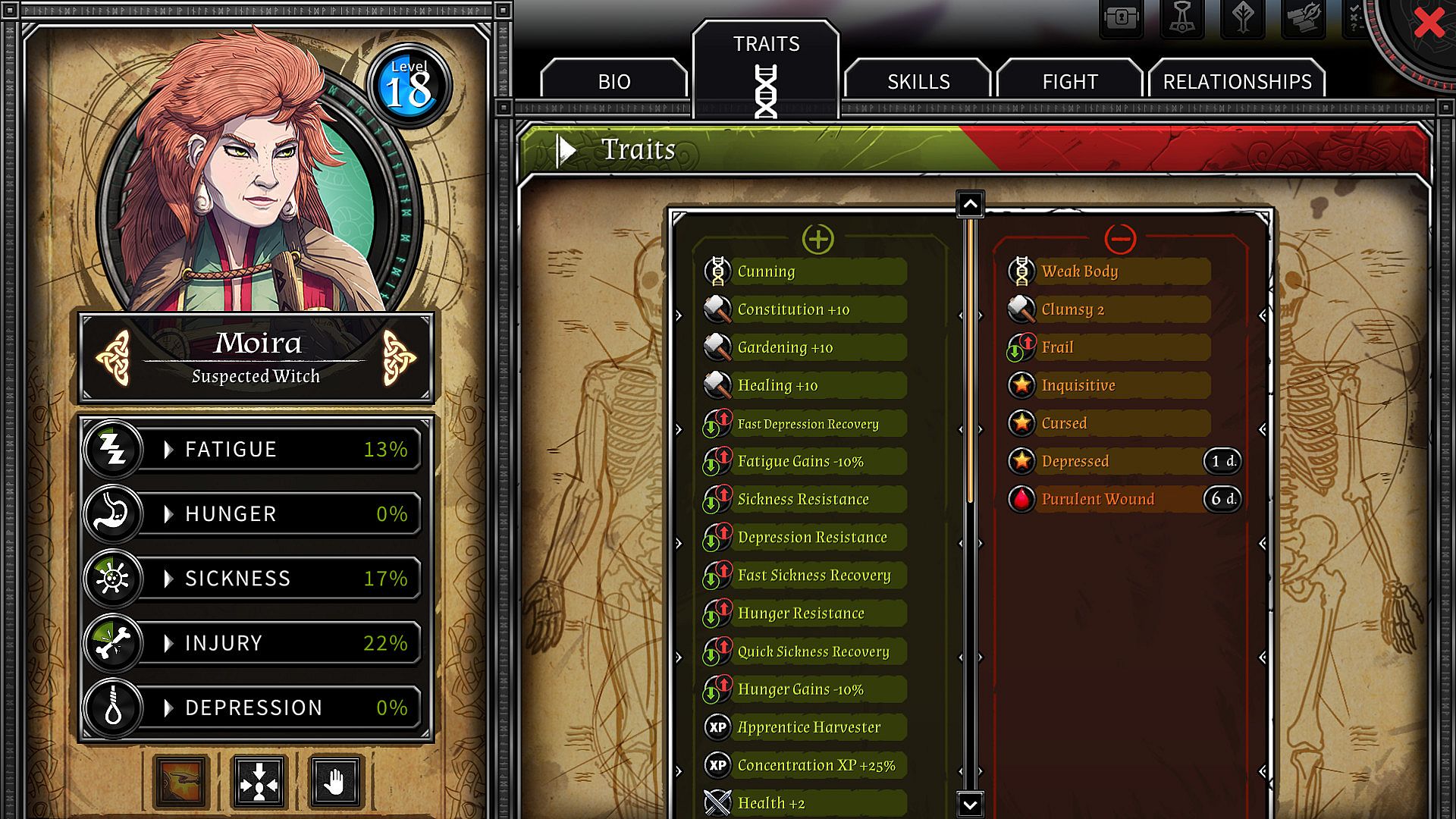
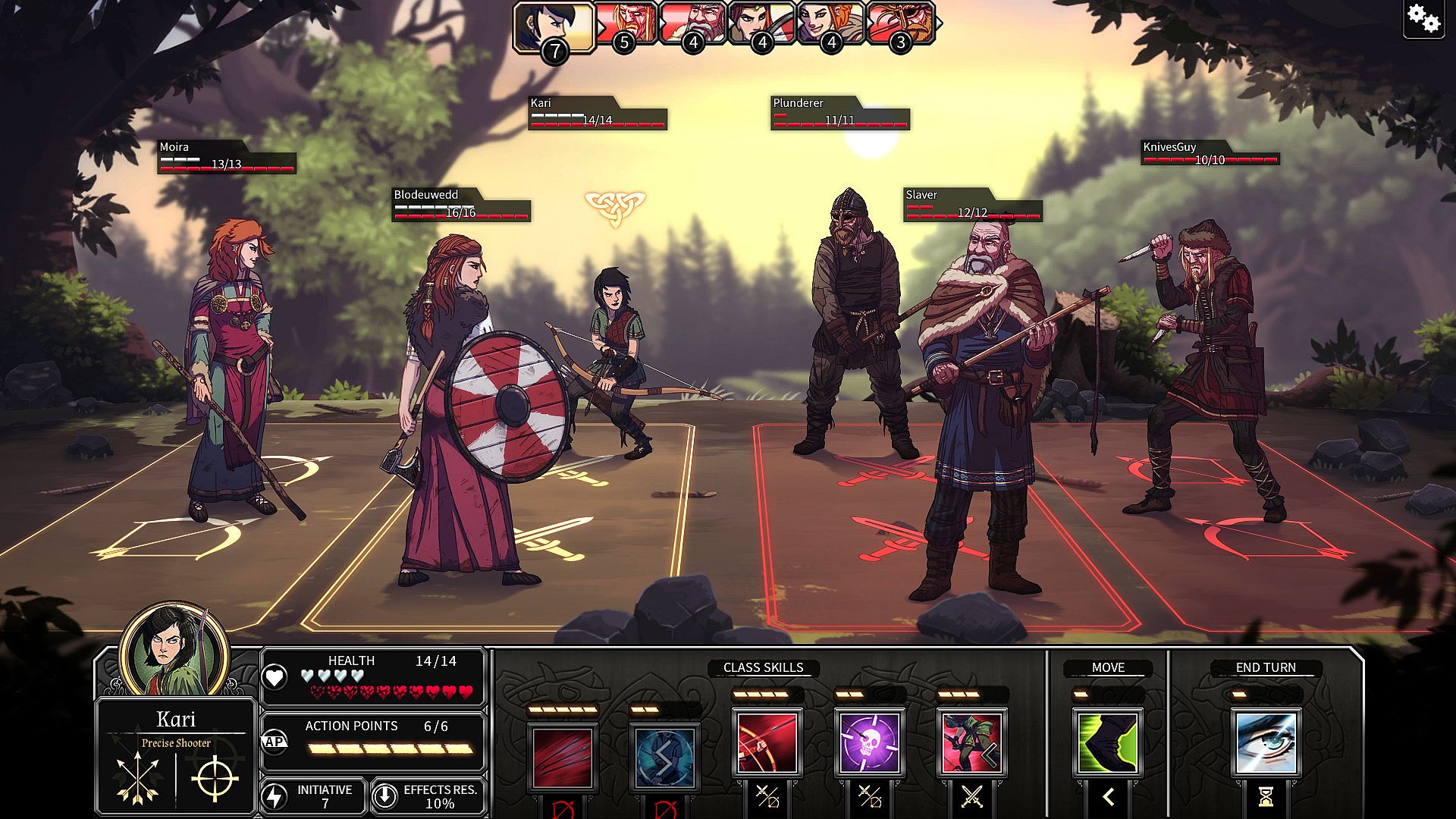
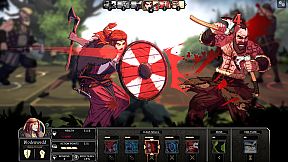
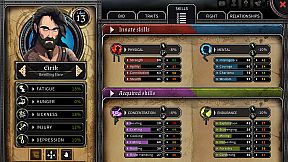
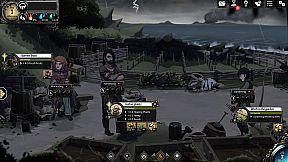
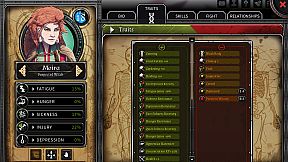
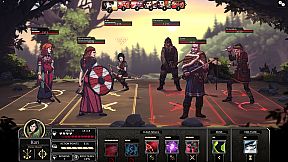
Combat occurs in quick, deadly 3 versus 3 turn-based encounters against external threats. Five playable character classes provide distinct combat skills alongside five passive classes, requiring tactical positioning and ability selection. The full RPG layer tracks five health states, 20 skills, over 600 traits, 100 collectible items, 30 diseases, and 20 wounds that can prove fatal if untreated.
Game Modes
Three difficulty settings shape the experience. Easy mode prioritizes narrative flow and reduces pressure on resource and health management. Extreme difficulty intensifies every challenge, demanding precise planning and adaptation to frequent crises. Iron man mode adds permanent consequences for failure, creating a high-stakes run that even the developers have not completed.
These options allow different approaches to the same systems. Story-focused players can progress without constant setbacks, while those seeking maximum challenge test their decision-making under stricter limits. The turn-based structure gives time to evaluate options regardless of the chosen setting.
Story and Community
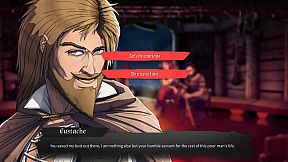
Seventy non-linear quests drive the narrative, with outcomes that branch based on choices and lead to different epilogues for surviving characters. An animosity system introduces a recurring antagonist group led by Björn Headcleaver. Players decide whether to submit to weekly tributes or resist, each path carrying distinct risks and rewards.
Community management adds depth through meaningful conversations that alter relationships and open new opportunities or conflicts. Characters can be dismissed or new ones recruited, and special traits appear at level-ups to further customize development. The writing blends mature themes with humor across more than 150,000 words of dialogue and events.
Is It Worth Playing?
Dead In Vinland suits players who enjoy detailed survival simulations combined with RPG progression and turn-based tactics. Its systems interconnect tightly, rewarding careful planning across health, resources, relationships, and exploration. The game reached a mostly positive reception, with 78 percent of 1,160 user reviews rating it positively.
Those drawn to managing a growing community under pressure, uncovering secrets through exploration, and handling tactical fights will find substantial depth. The three difficulty modes broaden its appeal from relaxed storytelling to punishing endurance runs. As a complete standalone title released in 2018 with no further major updates required, it delivers a self-contained experience focused on its core mechanics.