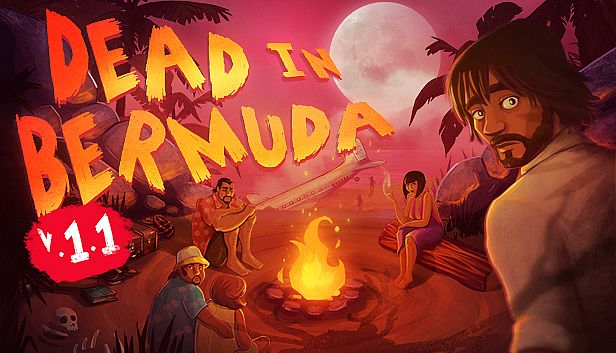

















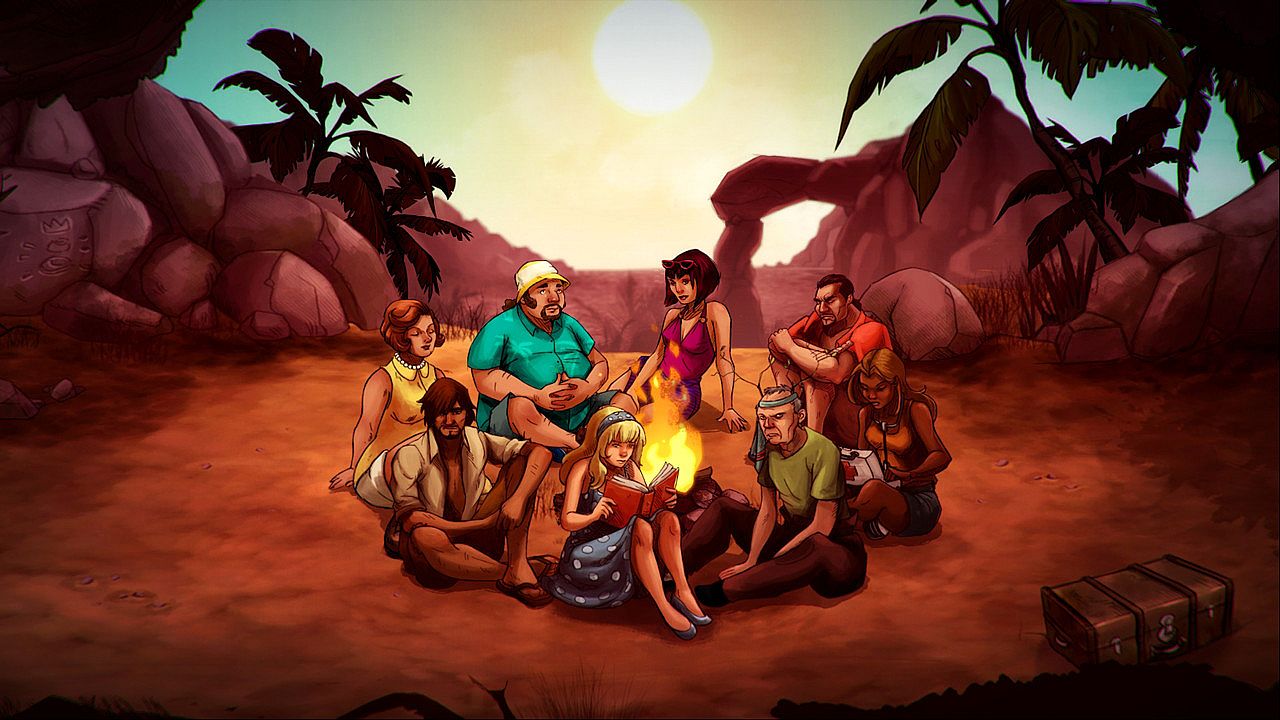
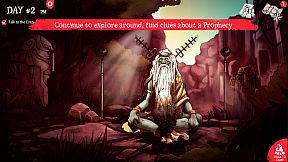
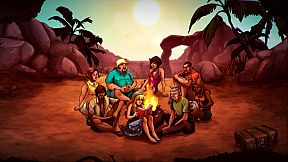
Dead In Bermuda is a singleplayer survival management game that blends strategy, RPG, simulation, and adventure elements on PC. Players take charge of eight plane crash survivors stranded on a mysterious island, balancing resource gathering, character development, and exploration while uncovering hints of an ancient Atlantean prophecy.
Gameplay
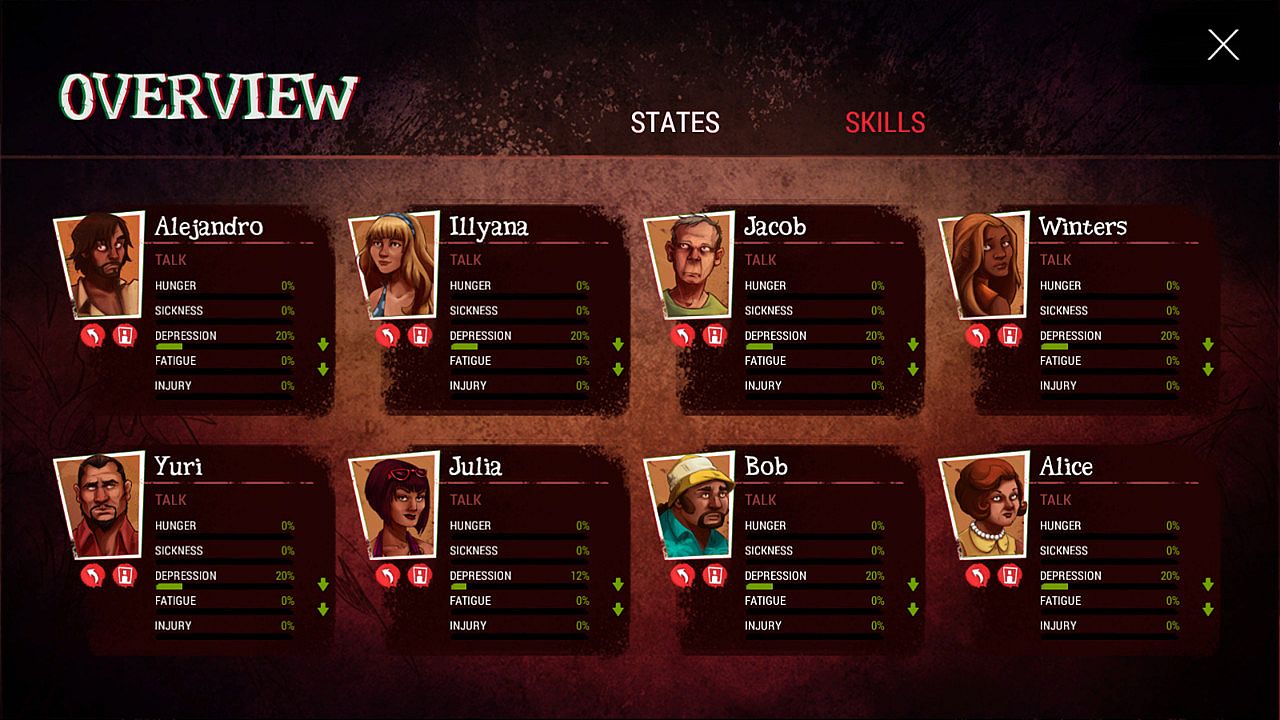
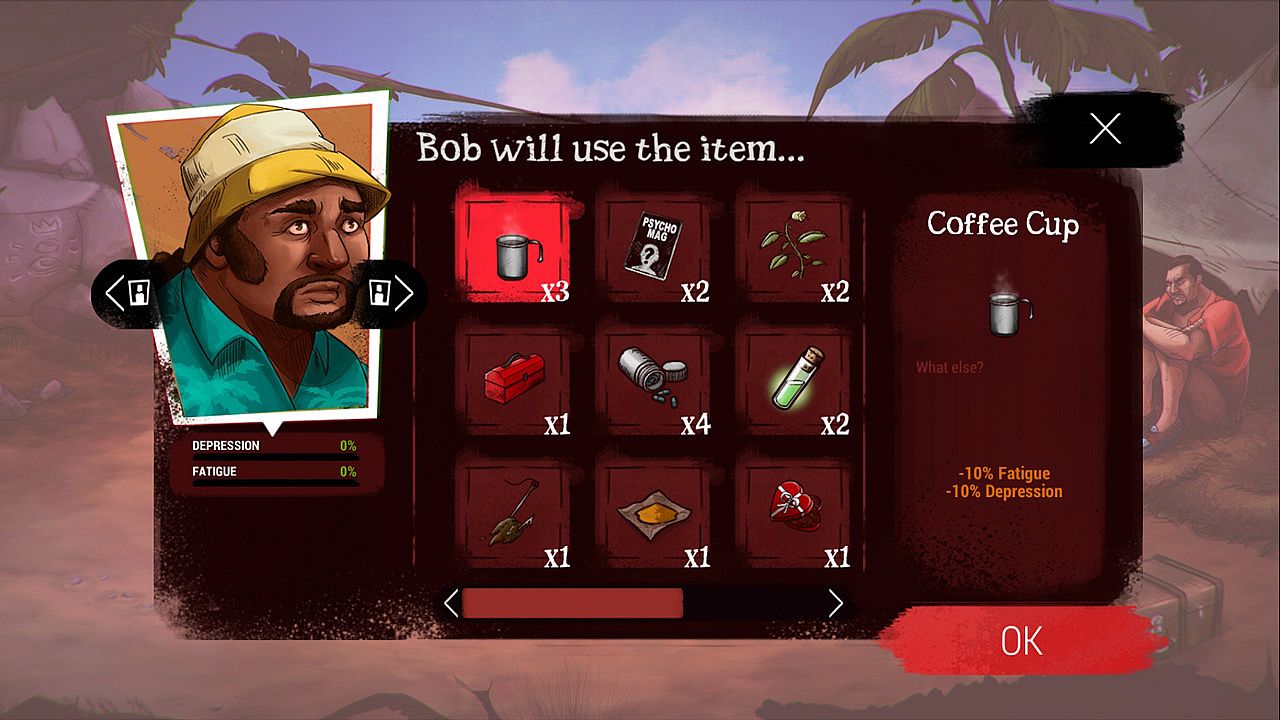
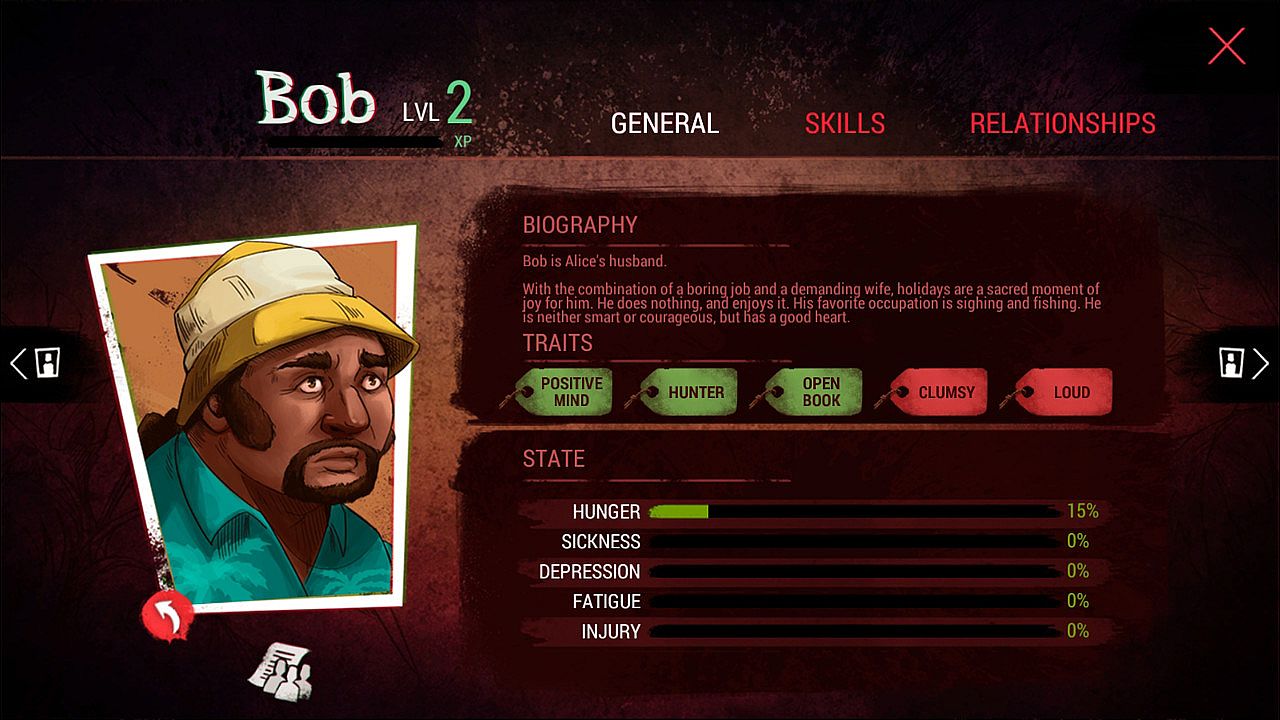
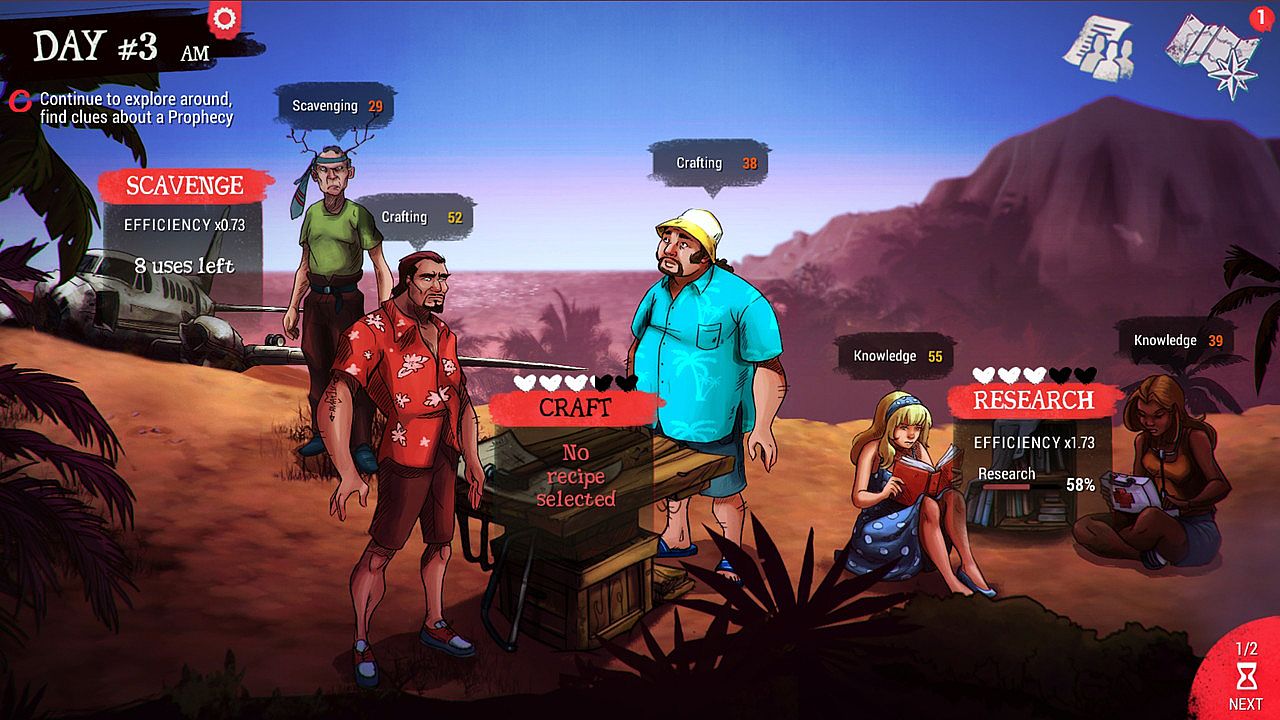
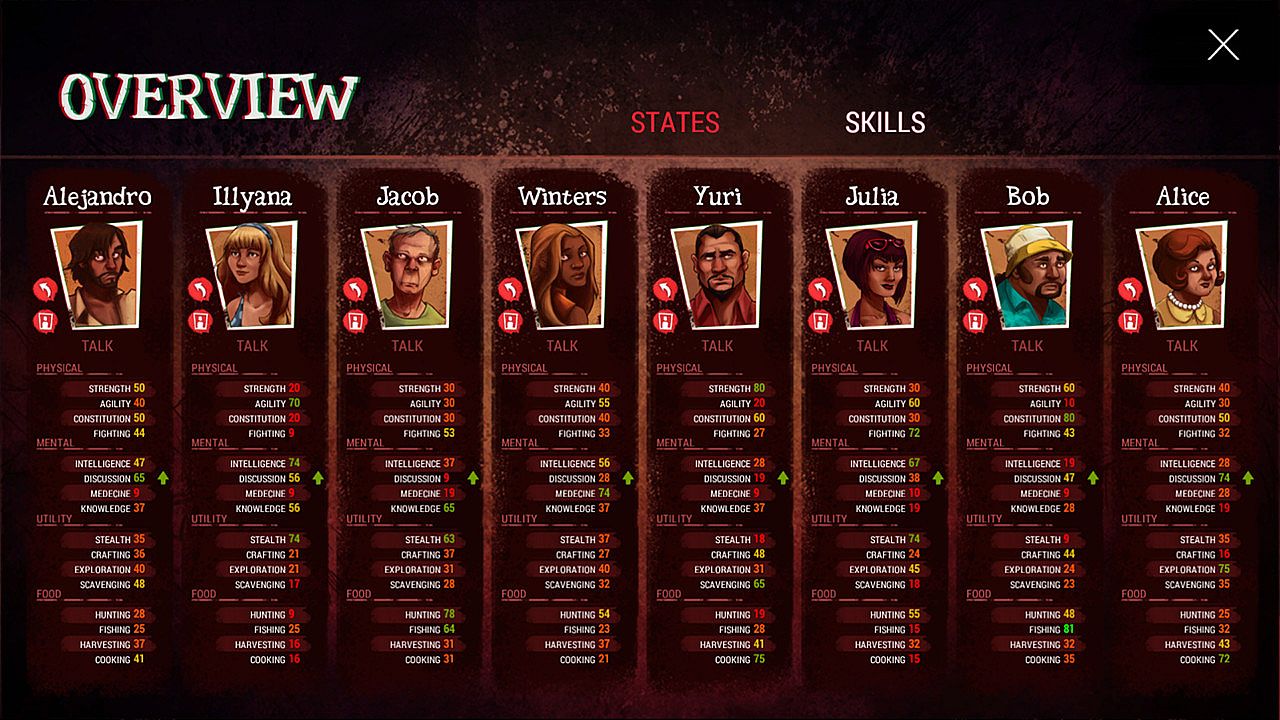
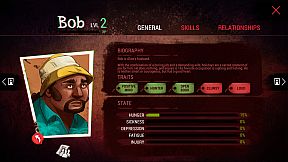
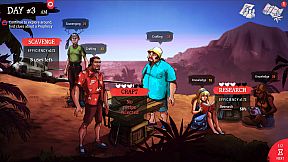
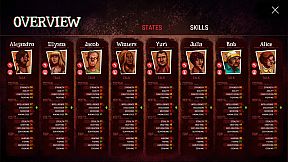
The core loop centers on assigning survivors to tasks such as foraging, building, researching, and exploring. Each character has skills, traits, and physical or mental states that affect how efficiently they perform actions. Hunger, fatigue, sickness, injury, lack of water, and depression can all lead to death if not managed carefully. A deep underlying RPG system tracks opinions between characters, skill levels, and overall condition to determine outcomes.
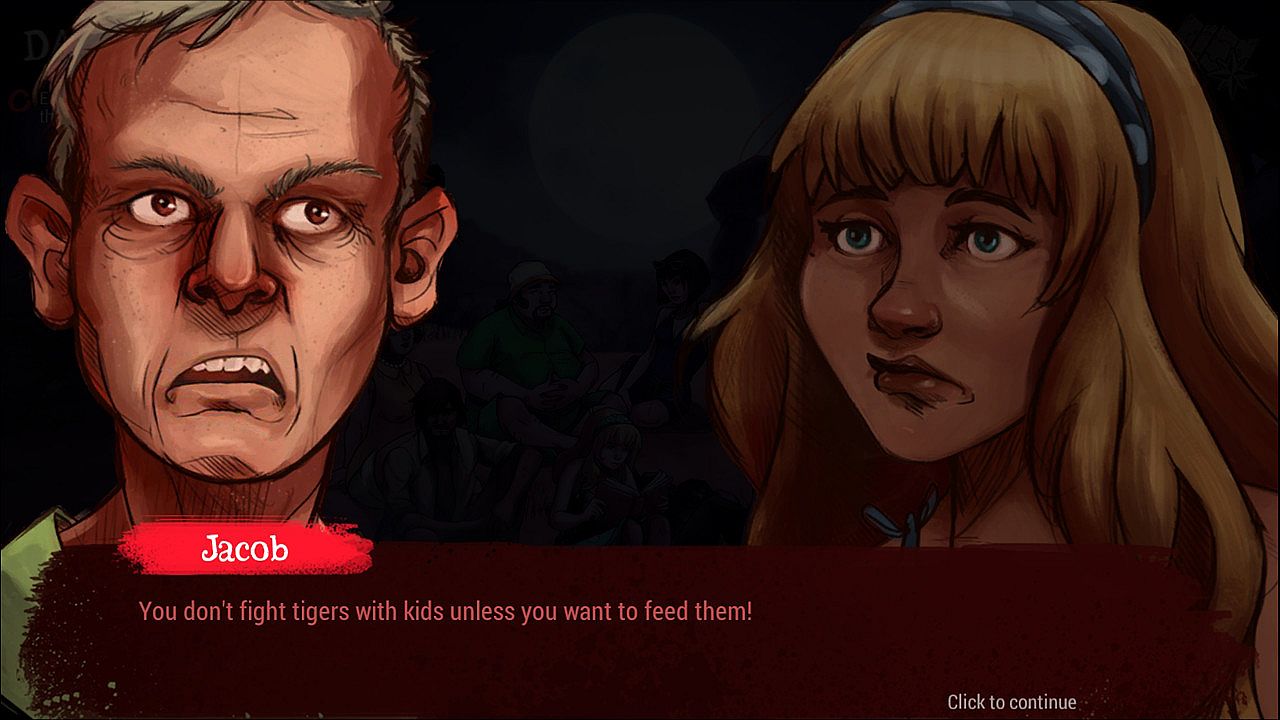
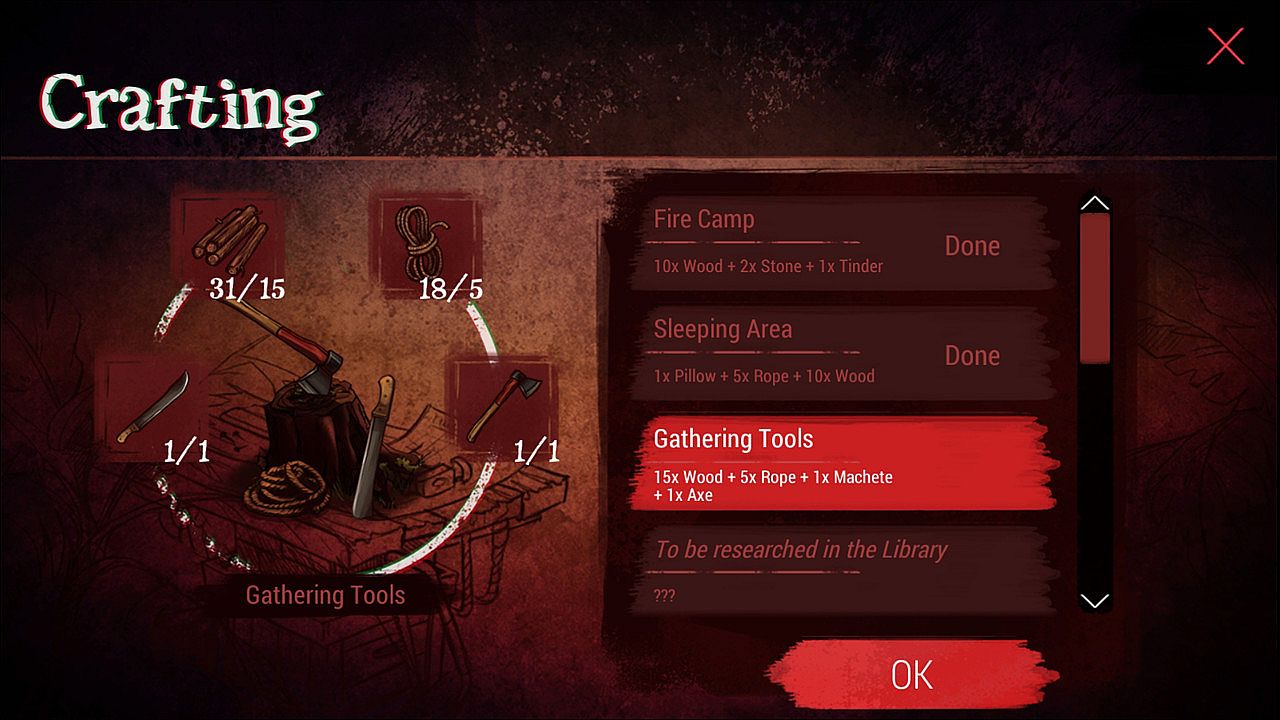
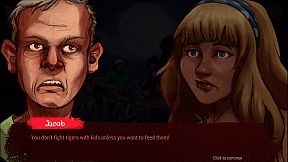
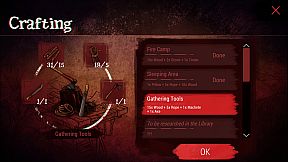
Relationships evolve naturally through daily interactions. Survivors may argue, form friendships, or develop romantic connections, which in turn influence cooperation and task performance. Research and crafting allow upgrades to the camp, unlocking better tools and shelters. Exploration covers around 100 distinct map areas, each offering potential rewards or hidden dangers. Special jungle encounters feature choose-your-own-adventure style choices that can alter the group's situation.
Randomization keeps each playthrough distinct. The layout of the island, available items, dialogue options, and the skills and traits of the eight survivors all change from one game to the next. This encourages repeated attempts as players adapt strategies to new configurations.
Game Modes
Dead In Bermuda operates as a singleplayer experience with no multiplayer components. The primary mode revolves around managing the group through successive days on the island, with success measured by survival duration and progress toward understanding the island's secrets. Randomized elements effectively create varied runs without separate named modes, allowing players to experiment with different character assignments and exploration priorities in each attempt.
Key Mechanics and Systems
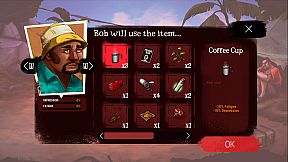
Resource management forms the backbone of survival. Players must secure food, water, and materials while monitoring the camp's overall stability. Crafting and research trees expand options for improving living conditions and equipment. The system ties every action's success rate to individual character attributes, making careful assignment essential rather than treating survivors as interchangeable units.
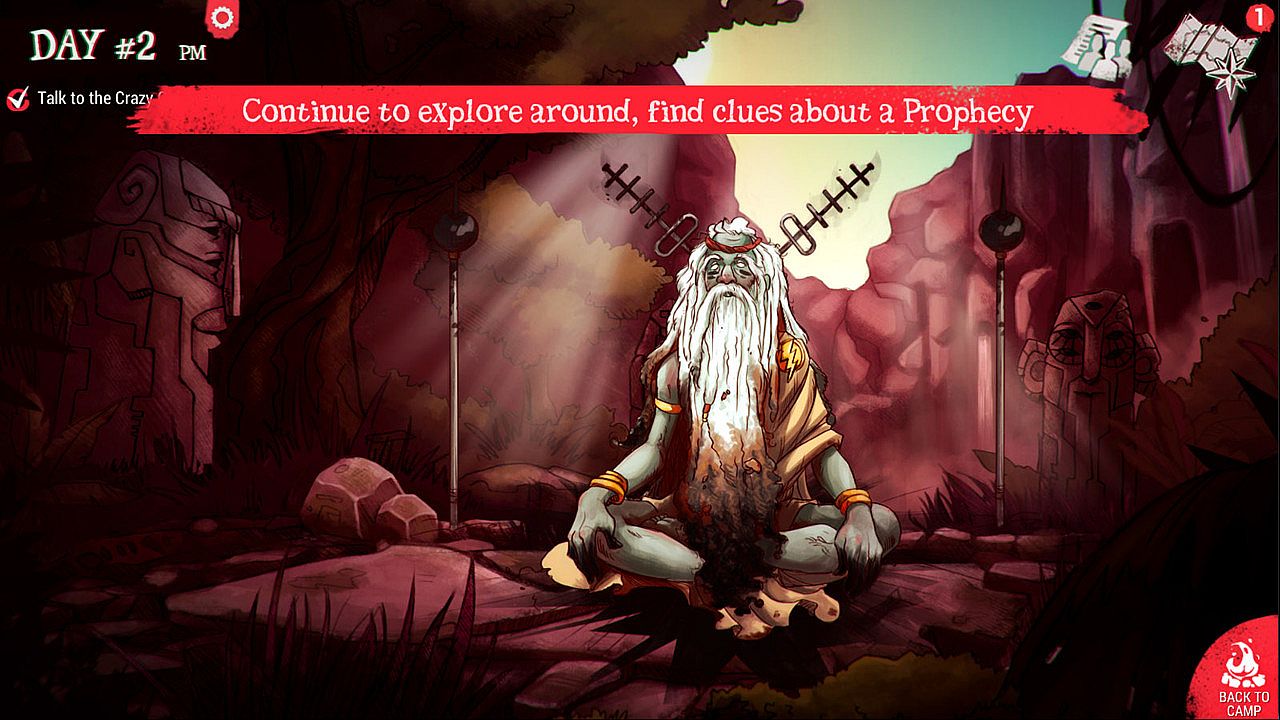
Exploration and events add layers of risk and discovery. Venturing into new areas can yield valuable supplies or trigger traps and encounters that test decision-making. The combination of management simulation and light adventure elements creates a steady rhythm of planning, execution, and adaptation.
Is It Worth Playing?
Dead In Bermuda suits players who enjoy deliberate survival management and character-driven RPG systems. Its challenging difficulty stems from the need to juggle multiple interconnected needs across the team, rewarding careful planning and observation of relationships. Those seeking a relaxed experience may find the constant threats demanding, while fans of roguelike-style randomization will appreciate the fresh layouts and character setups each time.
The game remains available as a complete singleplayer title with no ongoing seasonal content or major updates required for core play. Its focused scope delivers a self-contained campaign that emphasizes strategy and narrative discovery over action or competition. Players interested in island survival simulations with strong interpersonal dynamics will find its mechanics hold up for multiple playthroughs.