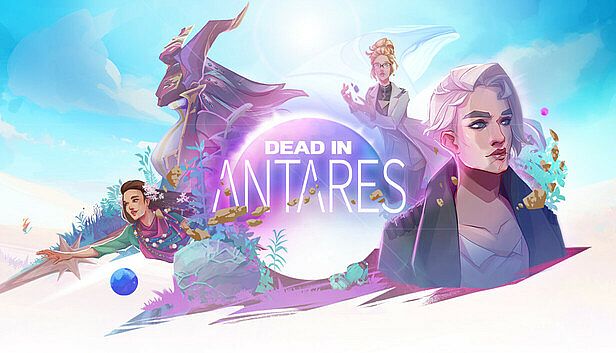























Dead in Antares is a turn-based survival management game with RPG elements set on an alien planet. Players lead a fixed crew of ten specialists whose ship crashes after passing through an unexpected wormhole, forcing them to build a sustainable outpost while uncovering the planet's secrets and searching for a path home.
Gameplay
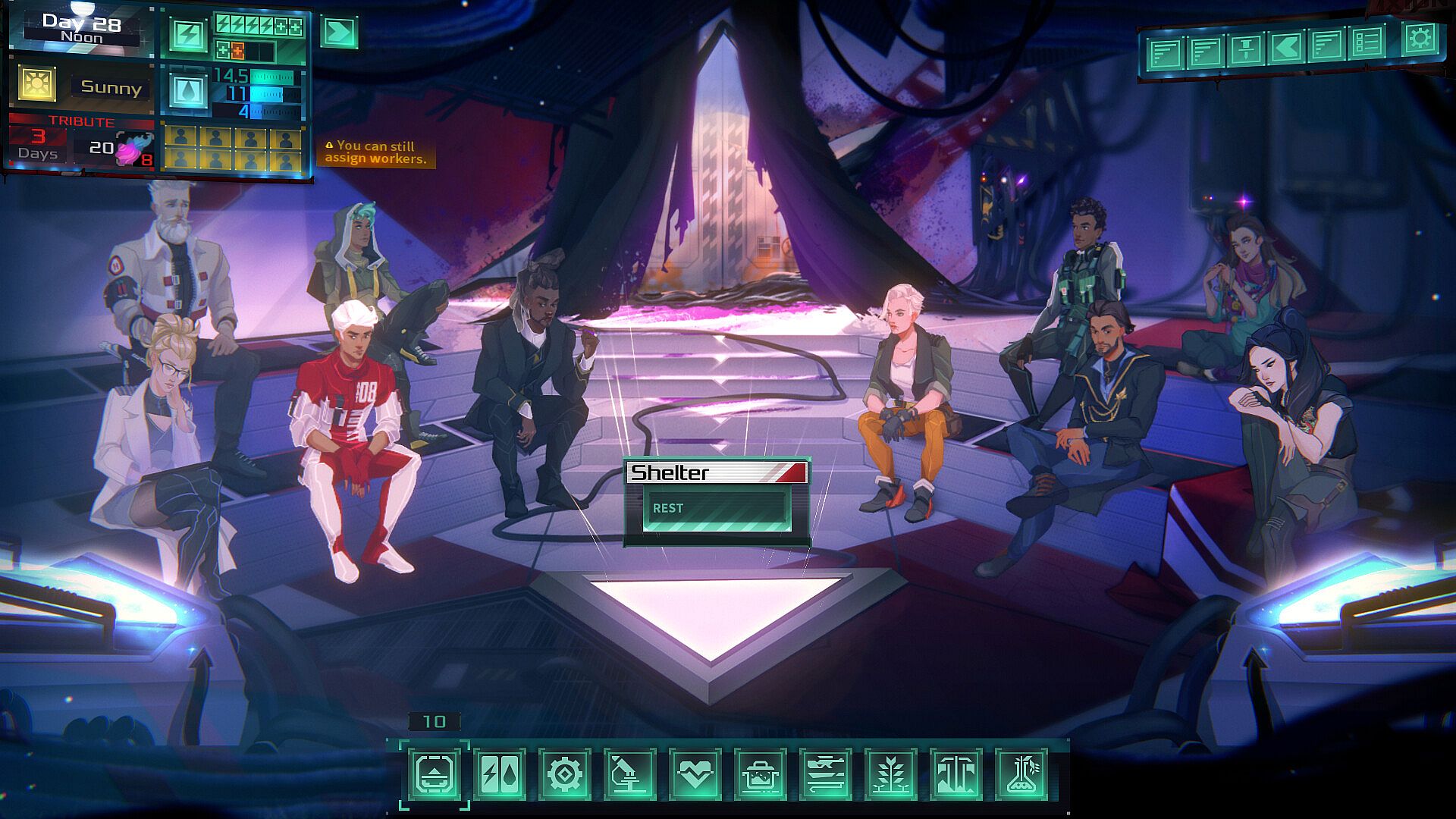
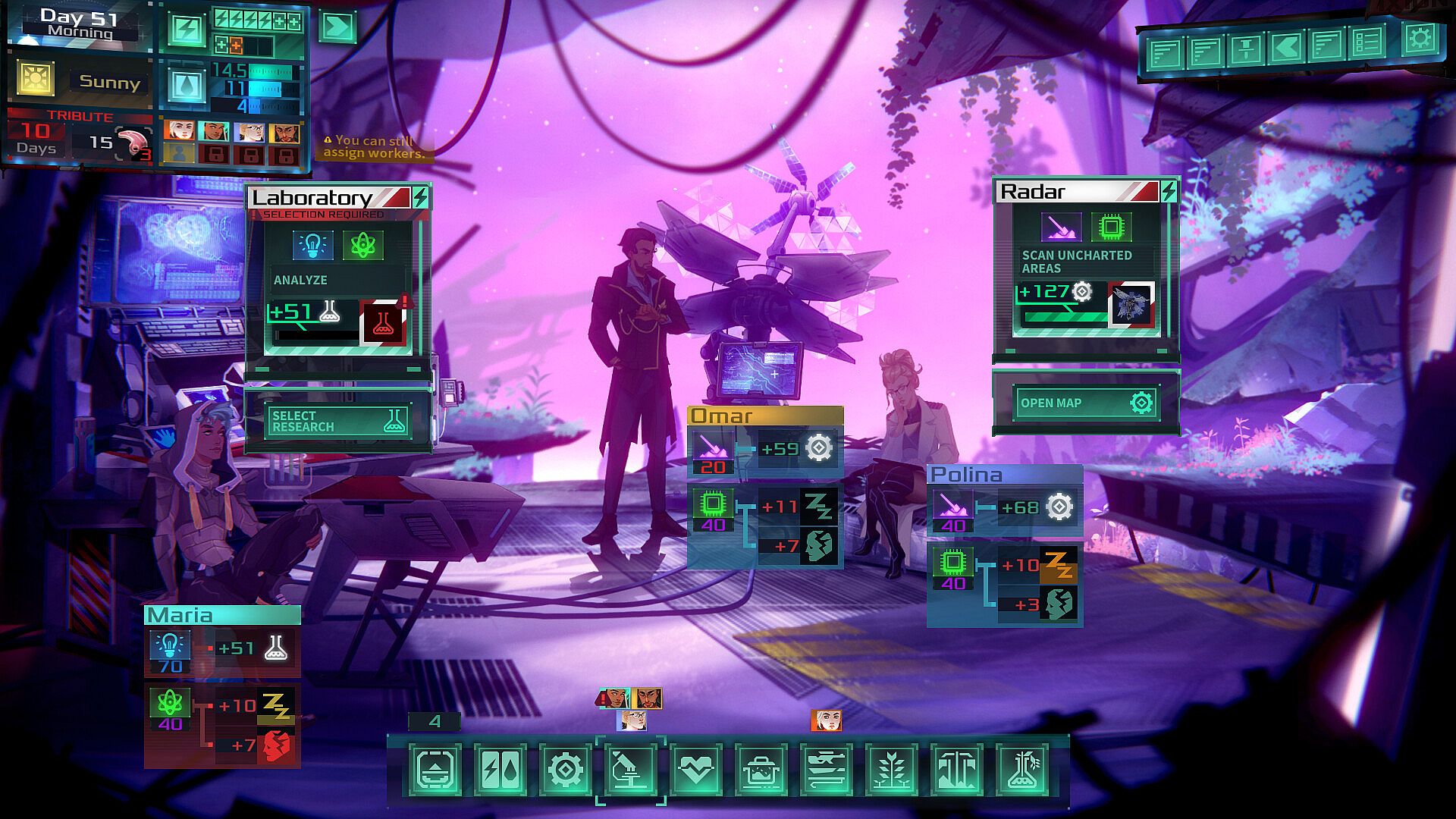
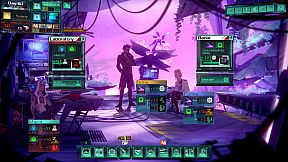
The core loop centers on daily task assignment for the crew. Each character can handle up to two activities per day, such as gathering food and water, generating power, or addressing rising needs like exhaustion and mental health. All systems interconnect, so neglecting one area quickly affects others and can lead to cascading problems across the camp.
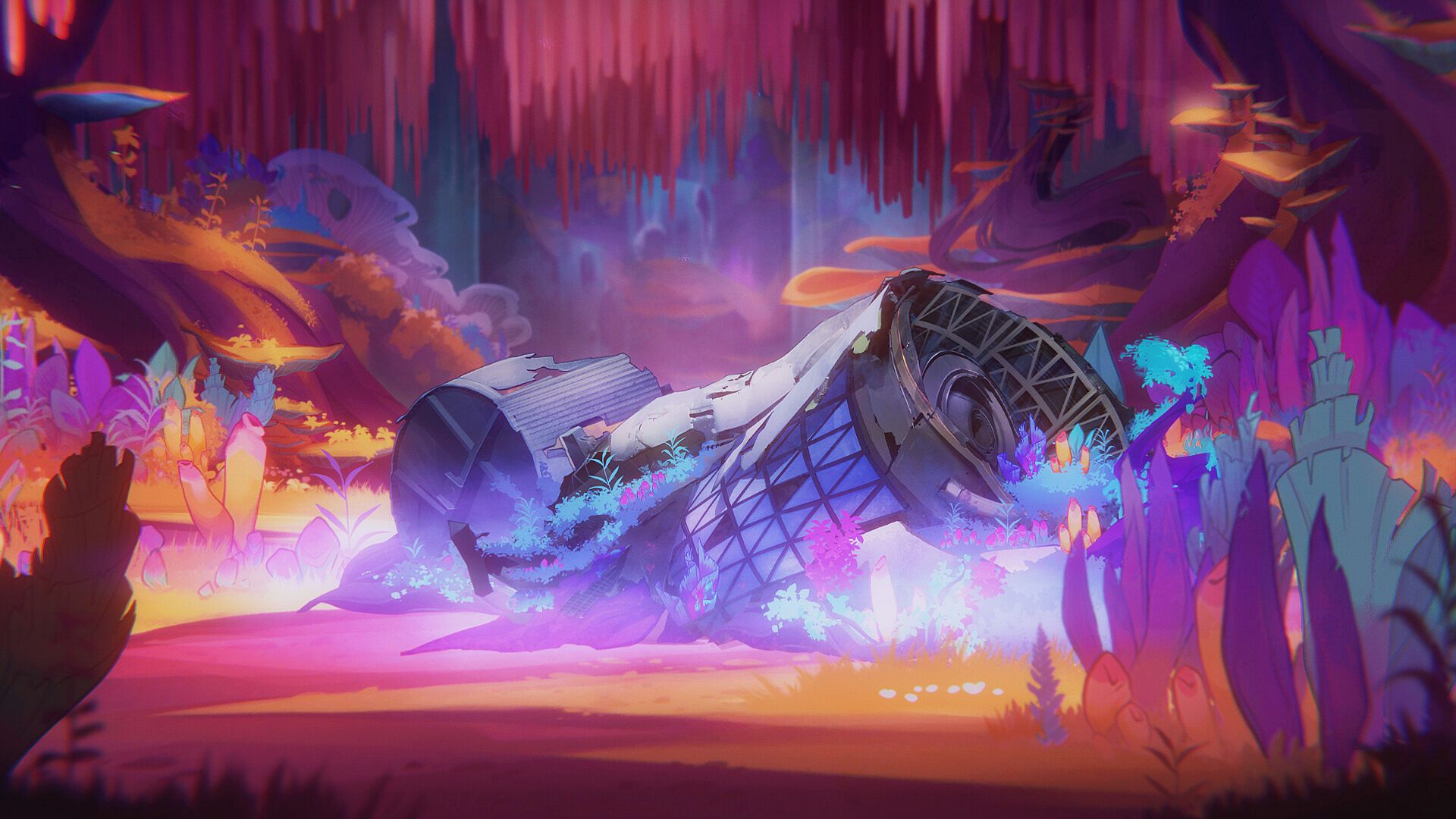
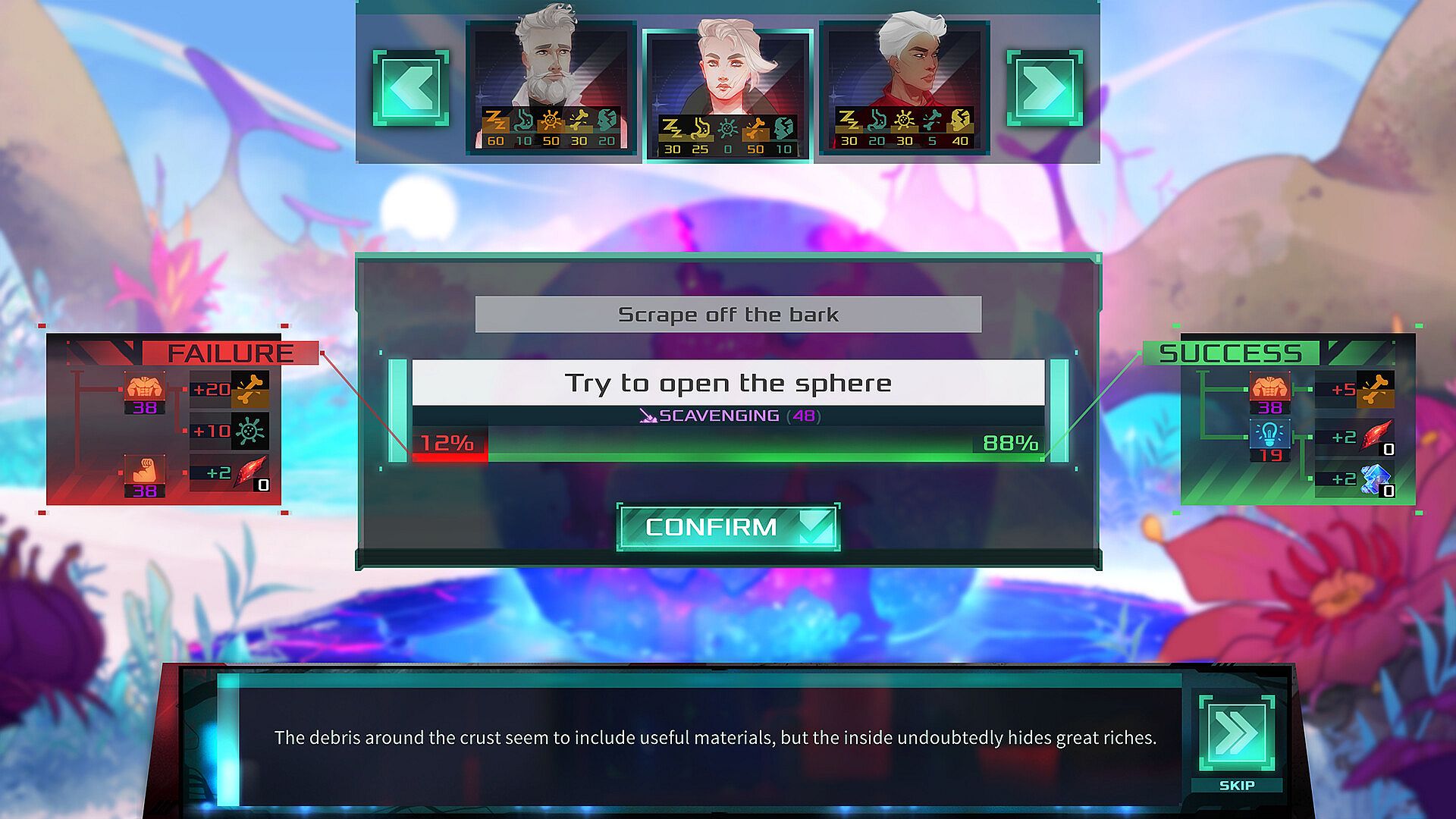
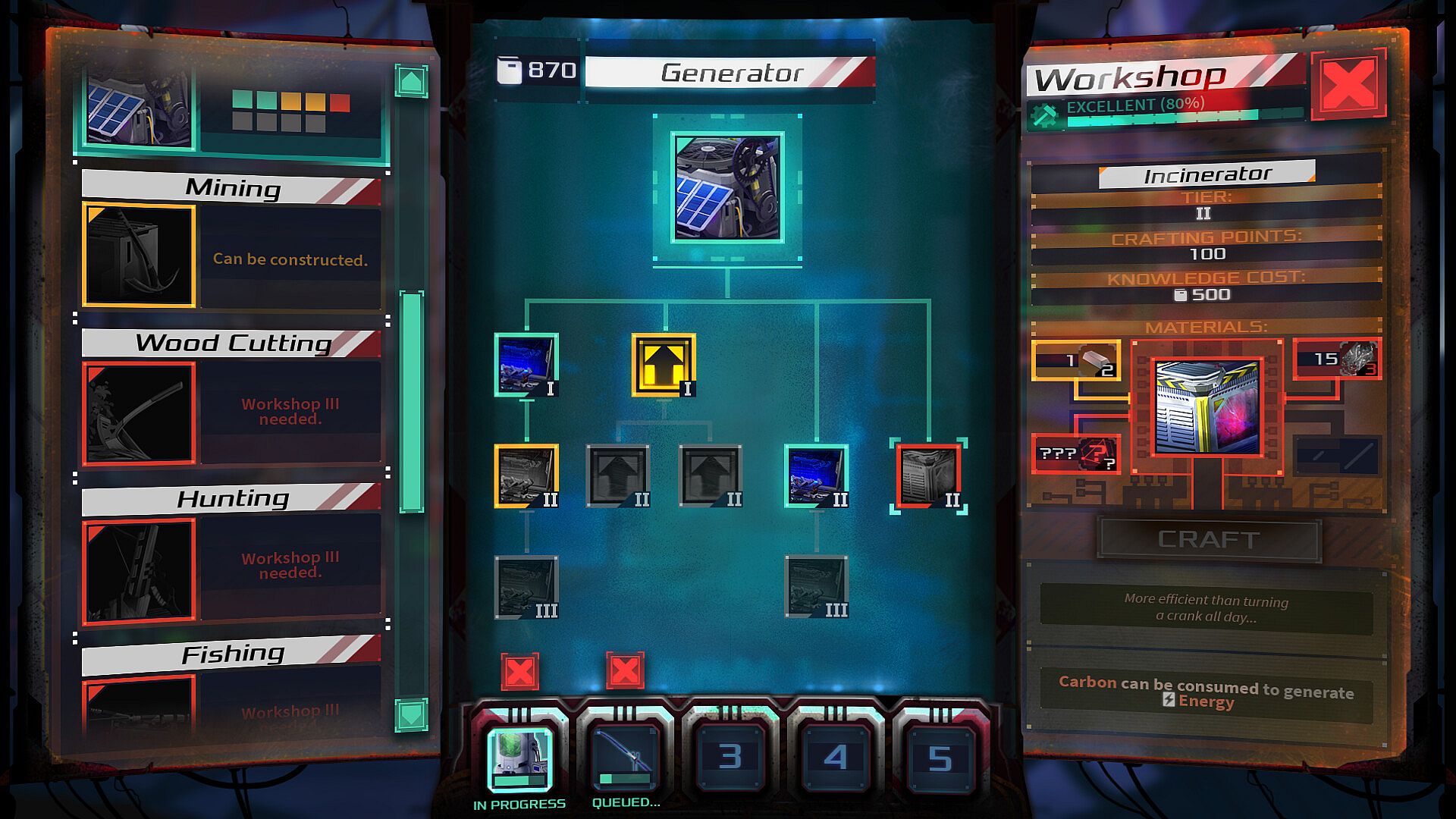
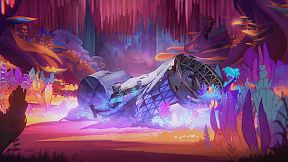
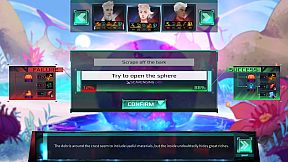
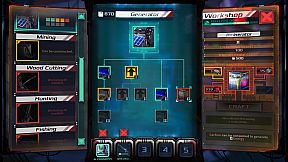
Players start with the wreckage of their ship and gradually expand it into a functional base. This involves repairing equipment, optimizing energy distribution, and crafting upgrades across workstations. The progression system includes character levels, traits, and skills that influence both management efficiency and combat performance. Exploration takes the crew into varied environments including jungles, volcanic deserts, and crystal forests, where they gather resources and conduct research to reveal more about the world.
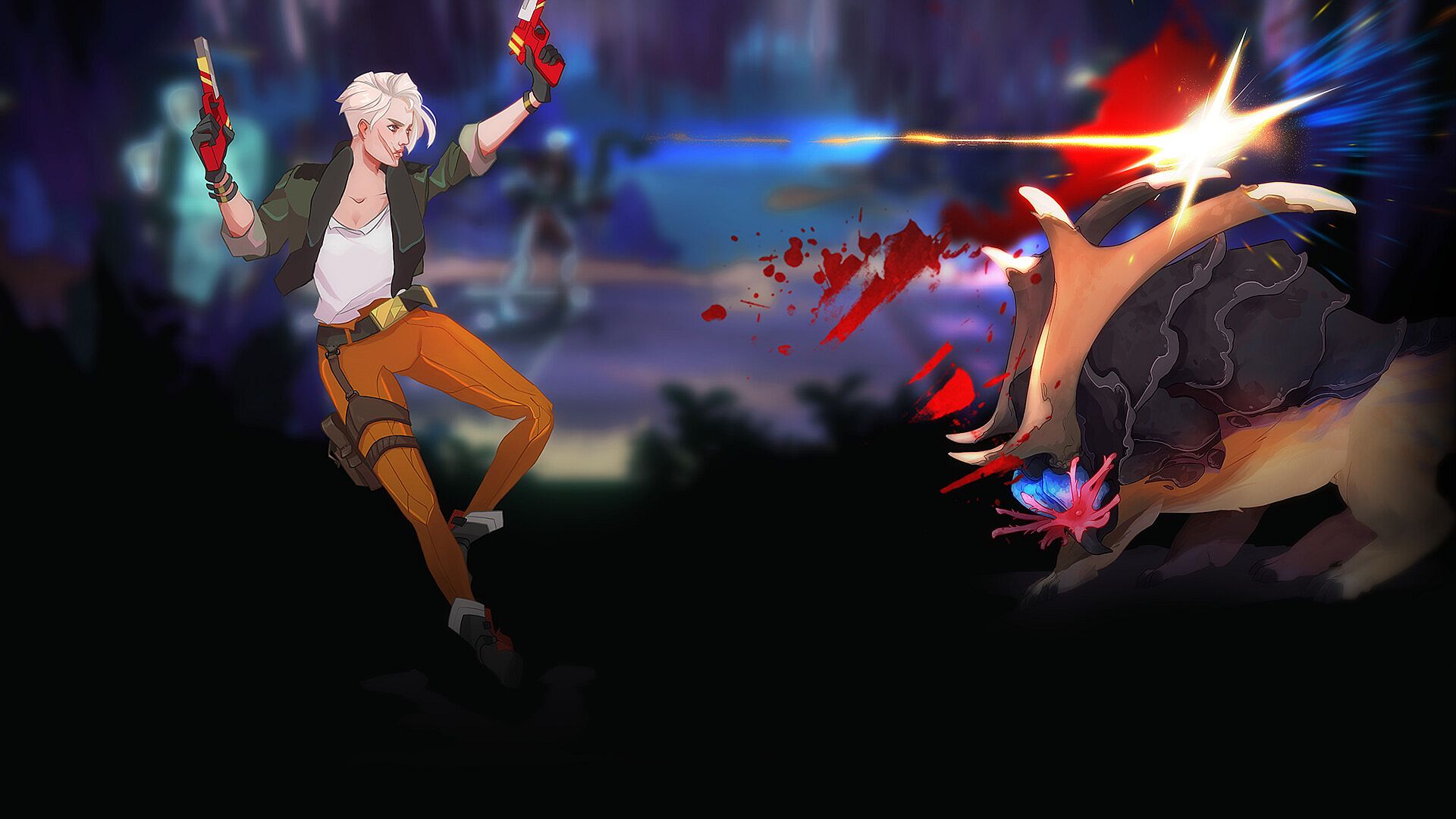
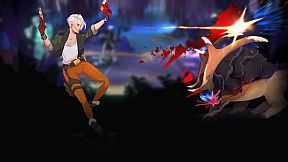
Combat occurs in turn-based encounters against hostile forces. Battles feature a 2x3 lane setup with three crew members facing three opponents. Positioning affects available skills and targeting risks. Over sixty skills are available for acquisition, and each character gains access to a unique Power Surge ability that can shift momentum during fights. Strategic use of buffs, debuffs, and positioning becomes essential as enemy health pools grow.
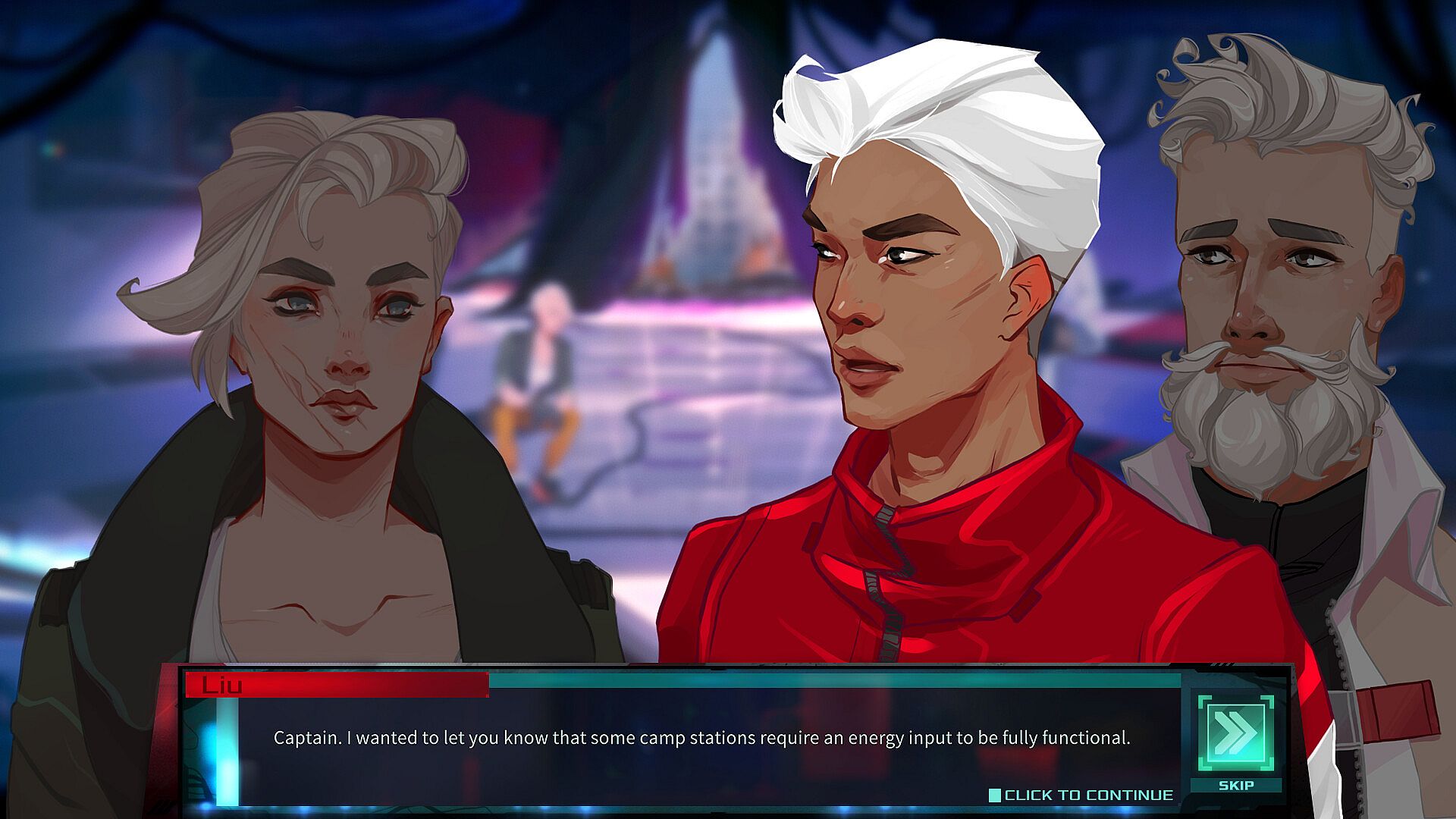
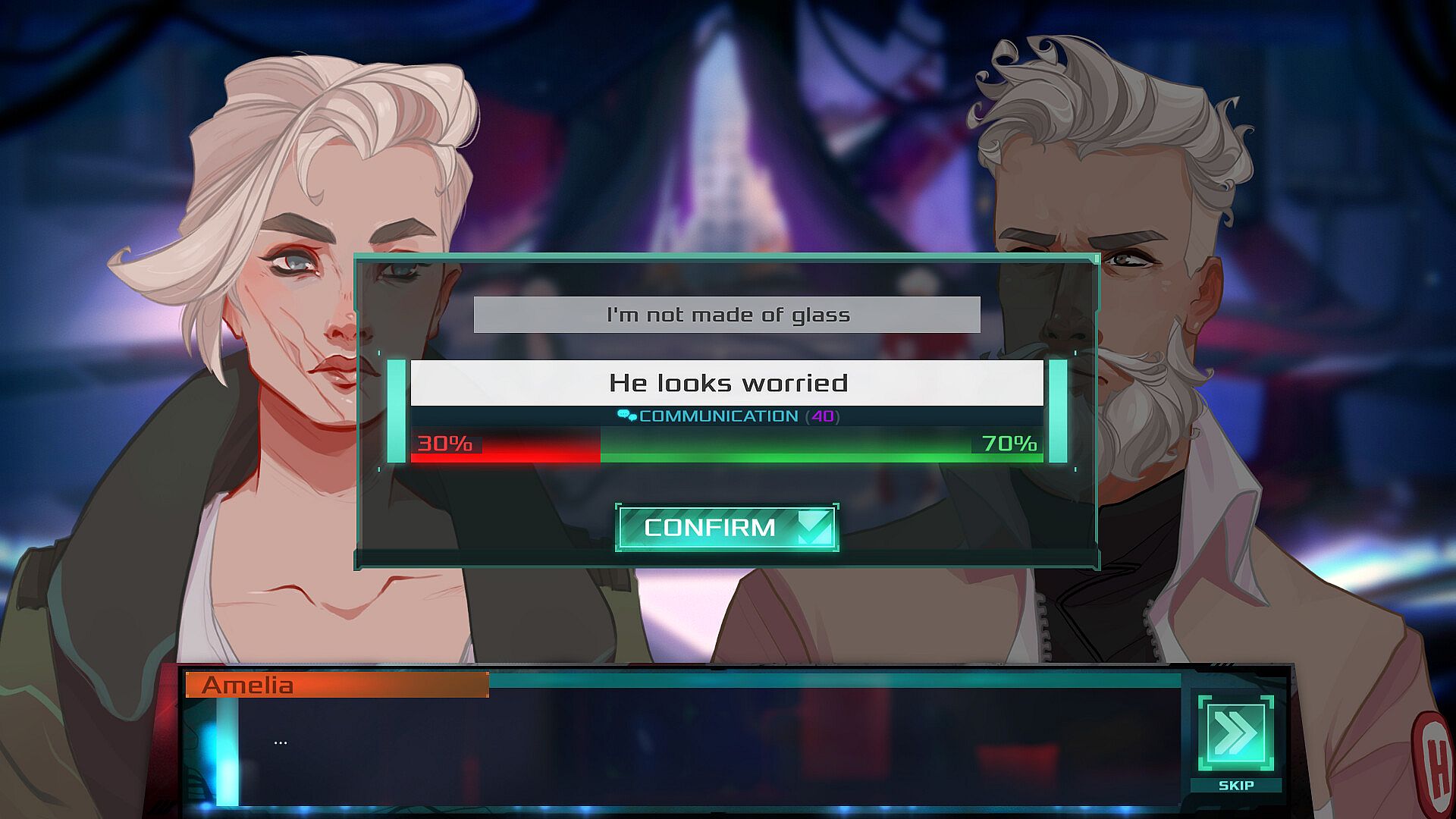
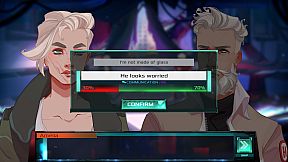
Relationships add depth through more than 135 unique dialogues triggered by pairing characters. These interactions evolve from basic respect to complex bonds, with choices influencing friendships, rivalries, or betrayals that feed back into the story.
Game Modes
The game offers four difficulty levels that adjust resource scarcity, enemy strength, and overall challenge. A fifth option called True Captain mode provides an even stricter experience for players seeking maximum tension. All modes follow the same single-player structure focused on one continuous campaign with the fixed crew of ten characters.
Story progression remains consistent across runs, emphasizing narrative choices over procedural variation. Failure occurs if any crew member dies, which ends the attempt and encourages careful management throughout.
Story and World
Earth faces collapse, prompting the desperate mission that strands the crew on Antares Prime. Two native factions have long clashed on the planet: one deeply integrated with the ecosystem through exoskeletons and adaptation, the other descended from an ancient crash and reliant on outdated technology and force. Interactions with these groups reveal layered backstories and force decisions that affect crew dynamics and multiple possible endings.
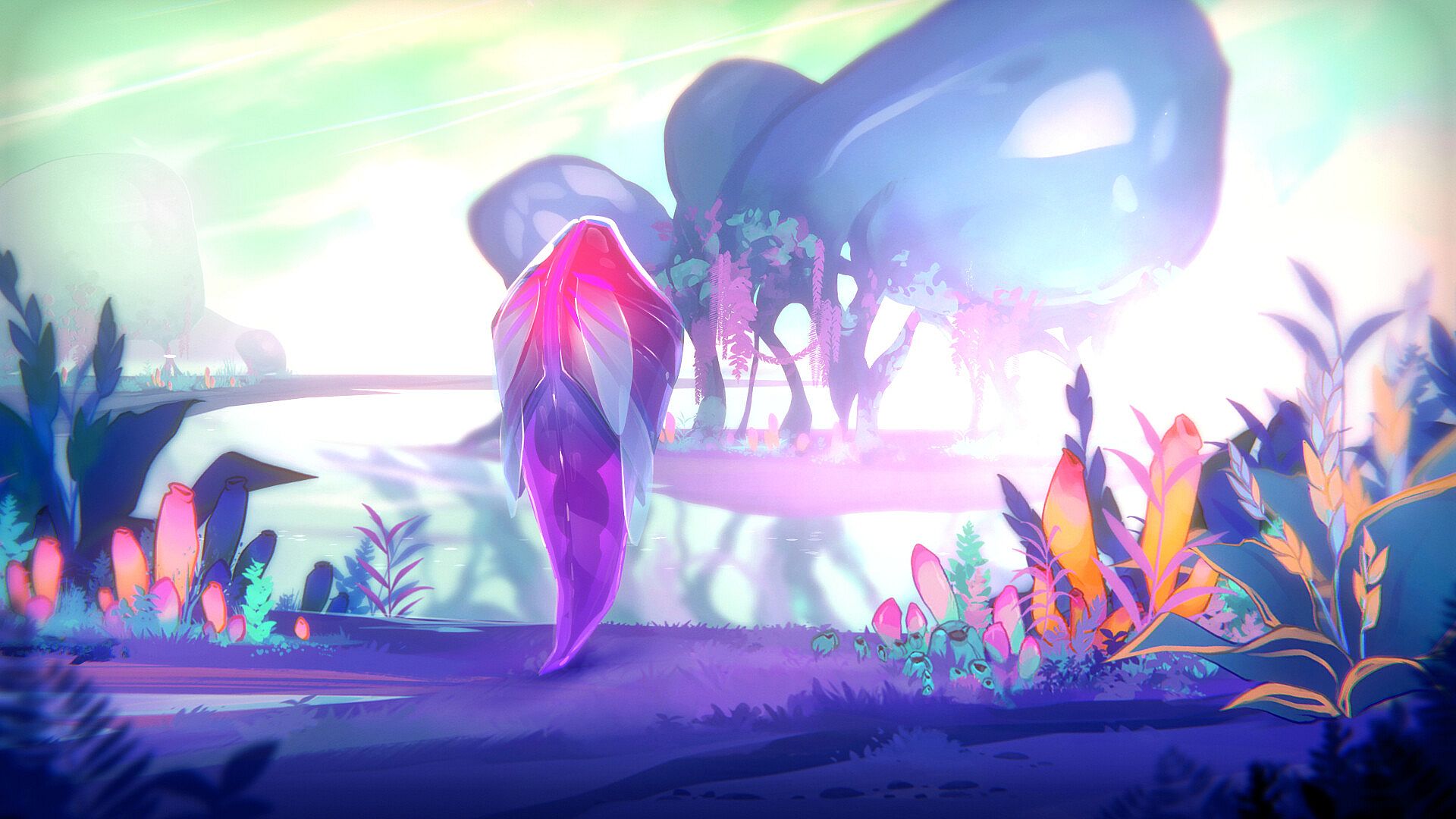
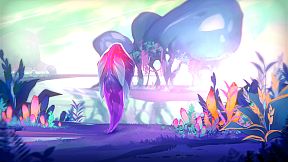
The hand-drawn 2D environments emphasize the planet's beauty alongside its dangers. Research activities gradually expose hidden lore about the world and the circumstances of the crash, blending survival needs with investigative elements.
Is It Worth Playing?
Dead in Antares delivers a focused single-player experience centered on interconnected resource management, character progression, and tactical combat. The fixed cast of ten characters with distinct traits and relationship systems provides consistent narrative payoff across playthroughs. Reviews highlight satisfaction from maintaining a stable camp and the weight of choices that shape alliances or conflicts.
Steam user reviews stand at Mostly Positive based on 181 ratings. The game suits players who enjoy deliberate pacing, detailed crew oversight, and branching story outcomes rather than fast action or replay variety. Those drawn to the series' prior entries will recognize the refined management mechanics while newcomers can approach it as a standalone title. Availability on PC makes it accessible for those interested in survival strategy with RPG depth.