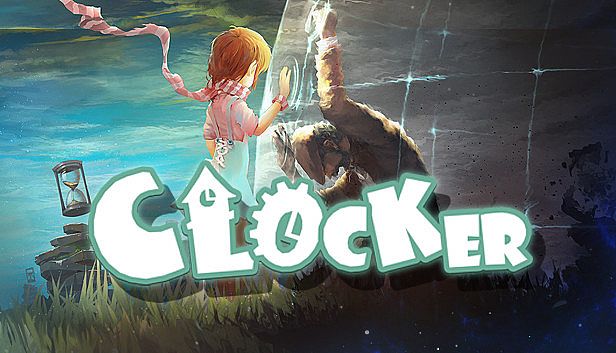
























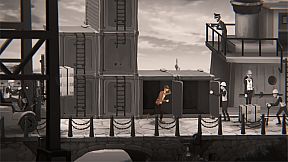
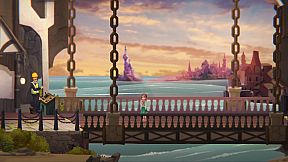
Clocker is a single-player puzzle game that blends indie adventure elements with time manipulation mechanics. Players step into a narrative-driven experience centered on a father and his daughter, using dual perspectives to navigate a world where timelines can be altered. The core loop revolves around solving intricate logic puzzles by shifting events forward or backward, all while advancing a story about separation and reunion.
Gameplay
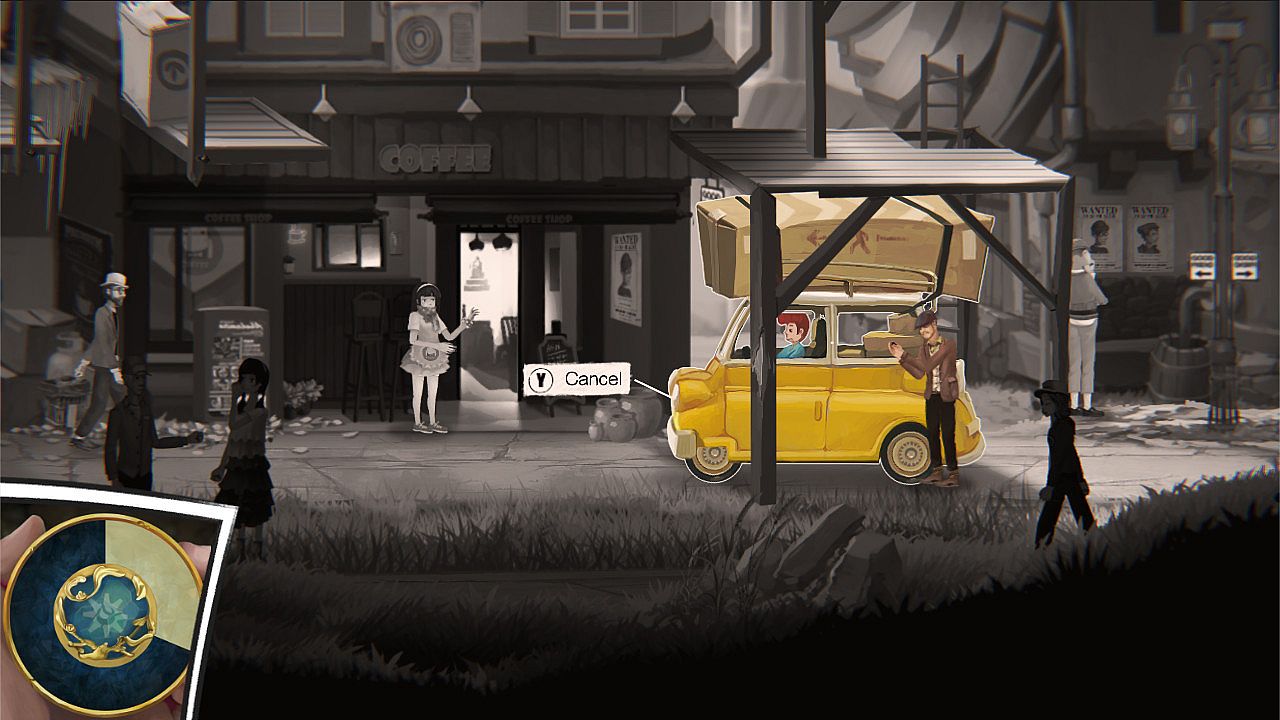
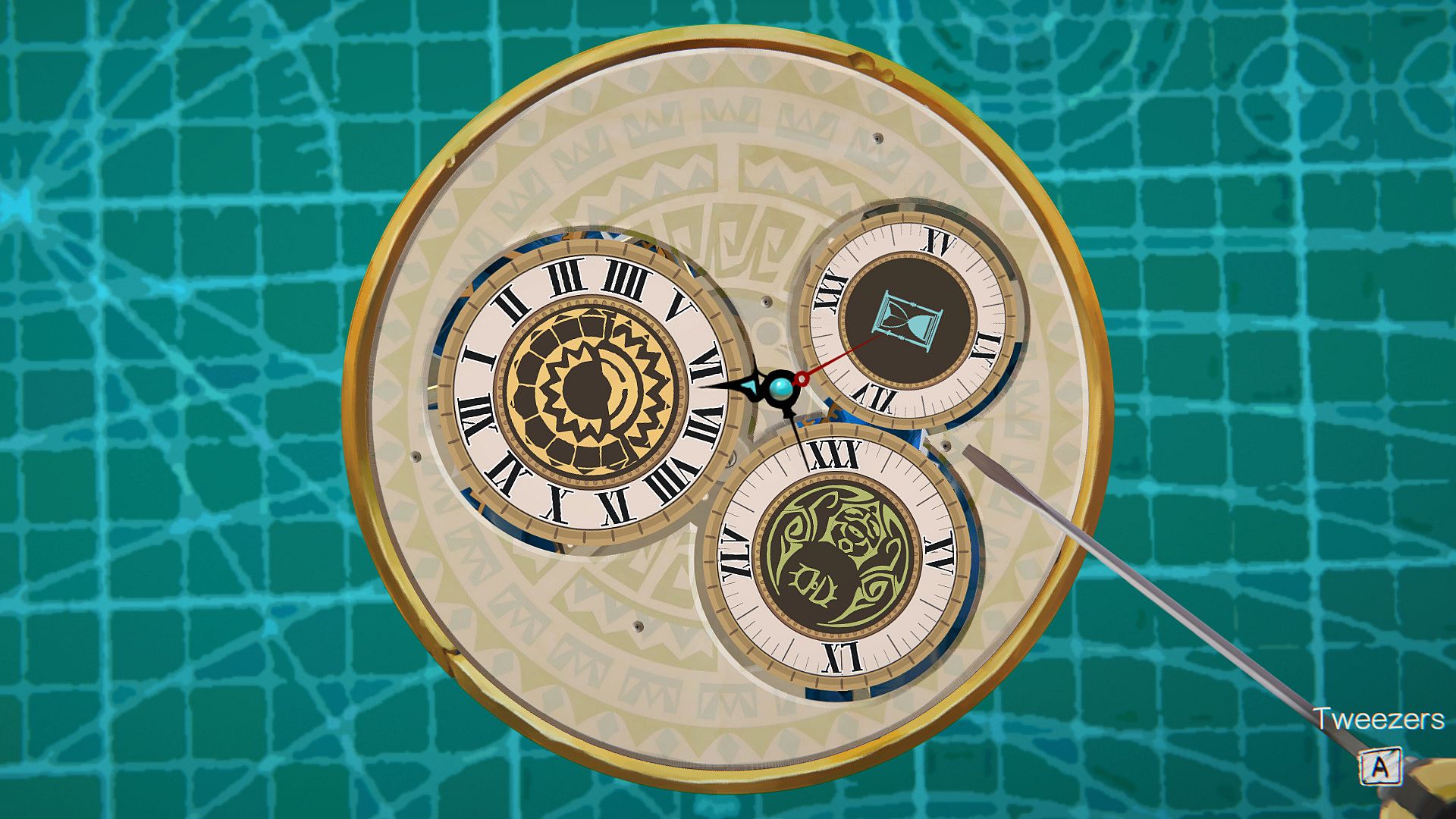
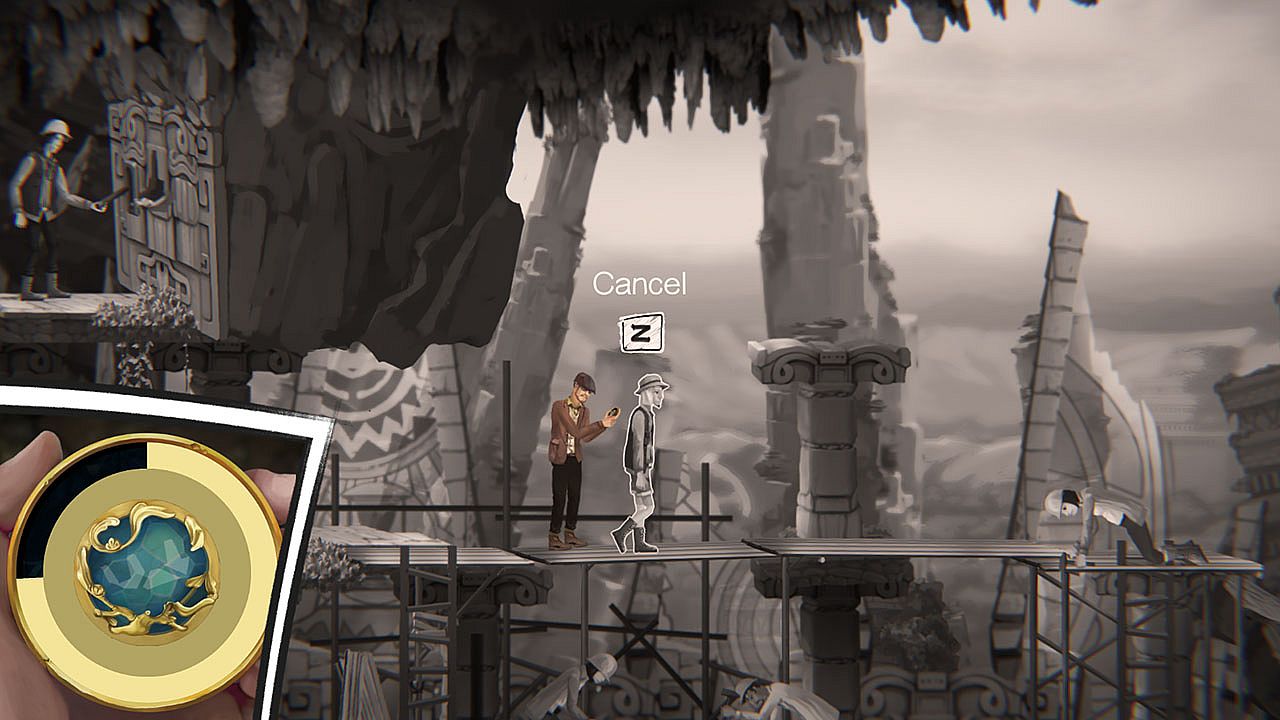
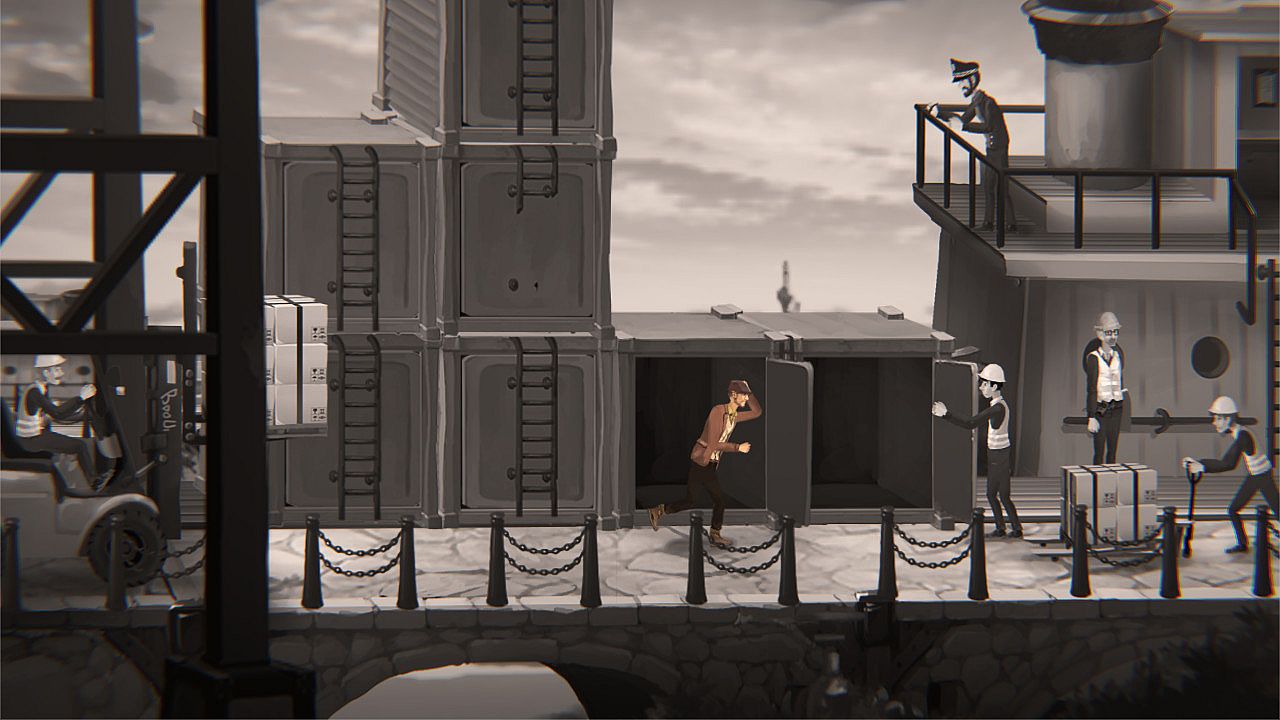
The gameplay centers on controlling two characters in sequence. As the father, the player wields a pocket watch that pauses the surrounding world and allows targeted manipulation of individual NPCs or objects. This means selecting one element at a time and advancing or rewinding its personal timeline by a few seconds to create new outcomes. Actions might involve repositioning a vehicle, altering an NPC's path, or sequencing events so that obstacles clear themselves in the right order.
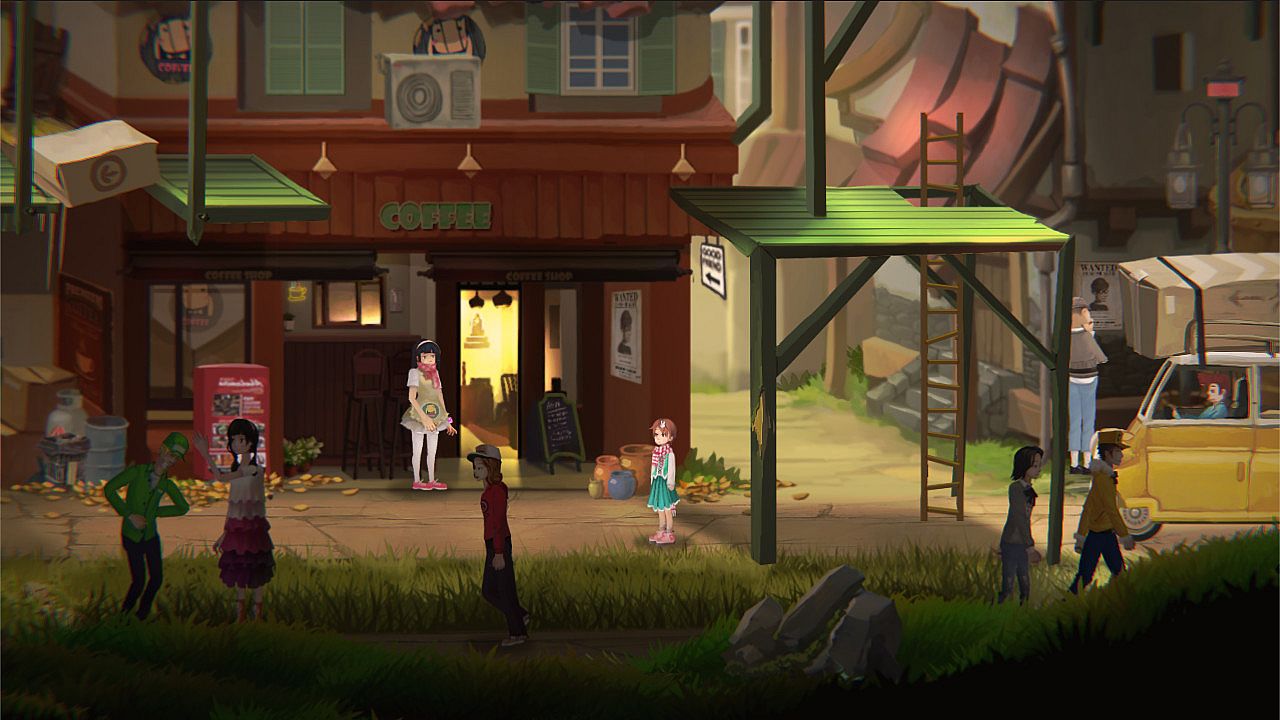
Switching to the daughter shifts the focus to observing the consequences of those changes. Her abilities let players trace how prior manipulations ripple through the environment, revealing clues and restoring distorted timelines. Puzzles grow in complexity as each NPC operates under its own logical rules, meaning one timeline adjustment can cascade across the entire scene. The hand-drawn sketch style supports this by using color shifts to visually represent different temporal states, making cause-and-effect relationships clearer during play.
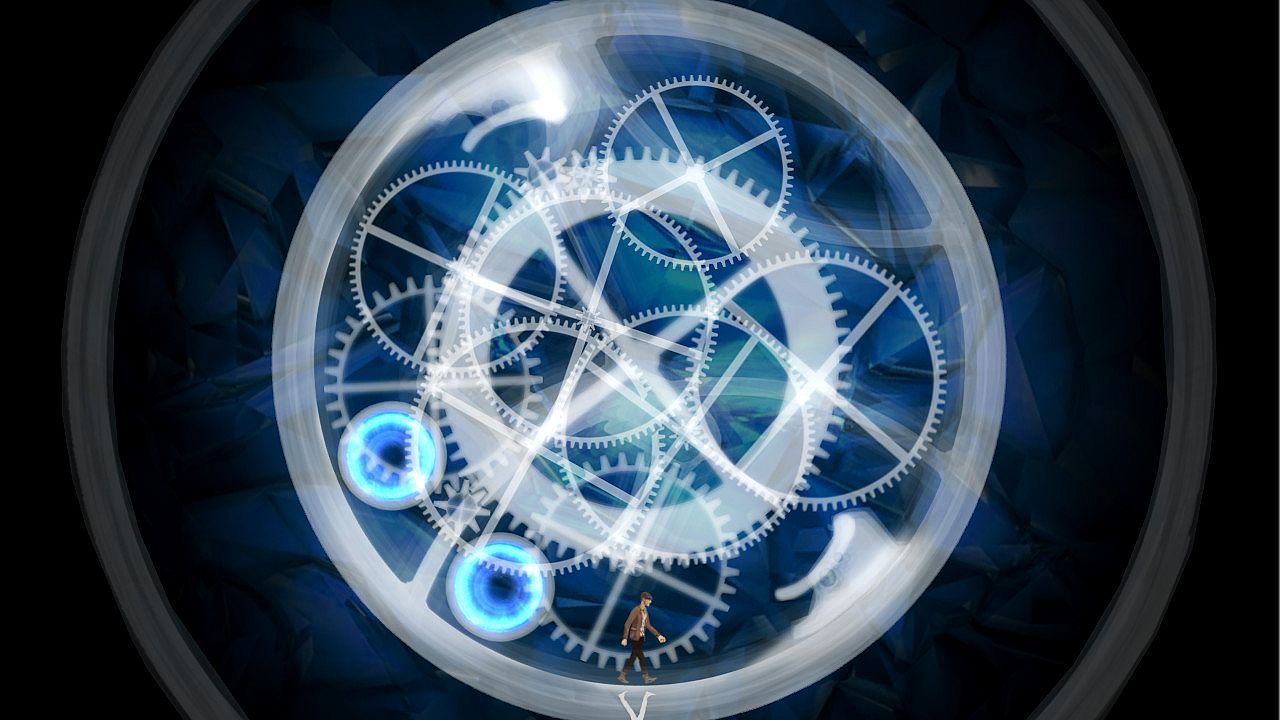
Progression involves collecting fragments of a broken clock tower while piecing together the larger narrative. Exploration stays tightly integrated with puzzle solving rather than open-world wandering, keeping the experience focused on thoughtful experimentation with time.
Game Modes
Clocker operates entirely in a single-player format with no separate multiplayer or competitive modes. The entire campaign unfolds through the alternating perspectives of the two protagonists, creating a unified story path that players experience sequentially. There are no branching difficulty settings, endless modes, or additional gameplay variants beyond the core time-manipulation puzzles and narrative progression.
The structure encourages replay for those who want to experiment with different manipulation sequences, though the main experience remains linear and story-focused. This design keeps attention on the dual-protagonist technique and the evolving logic framework rather than variety across modes.
Story and Artistic Style
The narrative follows a father separated from his daughter after time itself becomes fractured. The father's watch serves as both tool and plot device, driving him to alter events in pursuit of reunion while the daughter works to locate him and mend the resulting chaos. Scenes unfold from each character's viewpoint, offering complementary insights into the same events and deepening the emotional stakes without relying on lengthy dialogue.
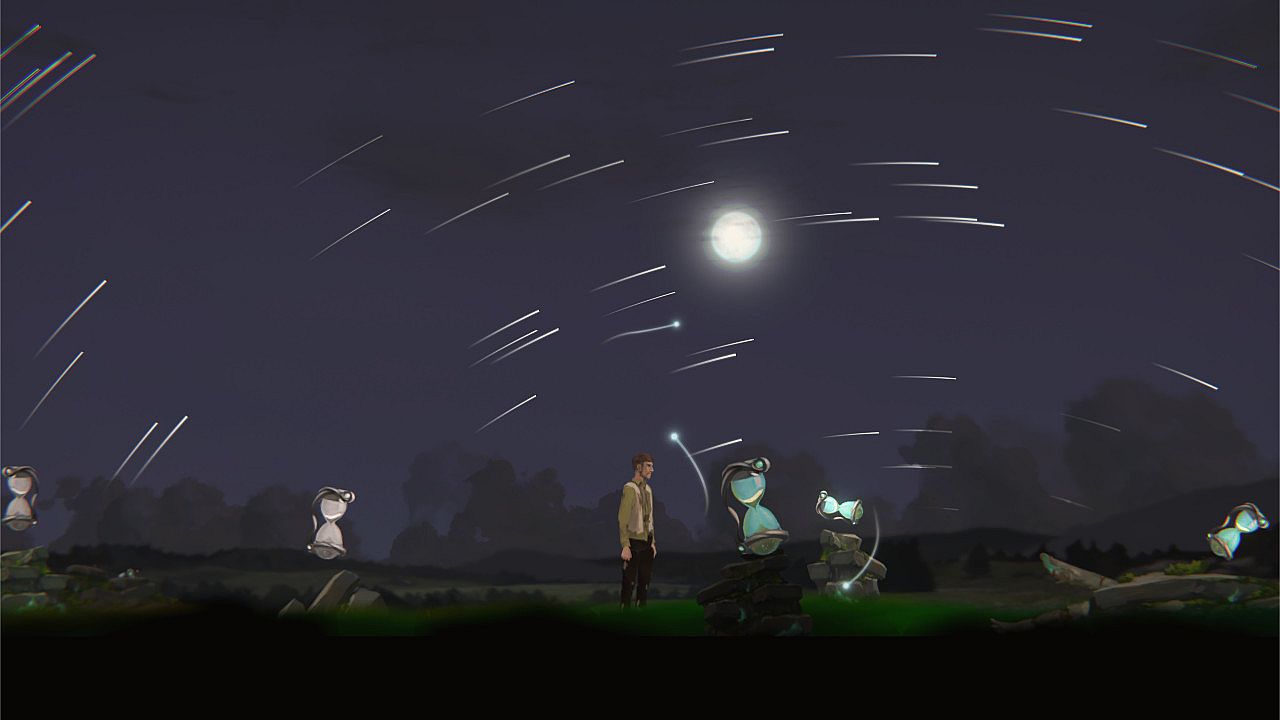
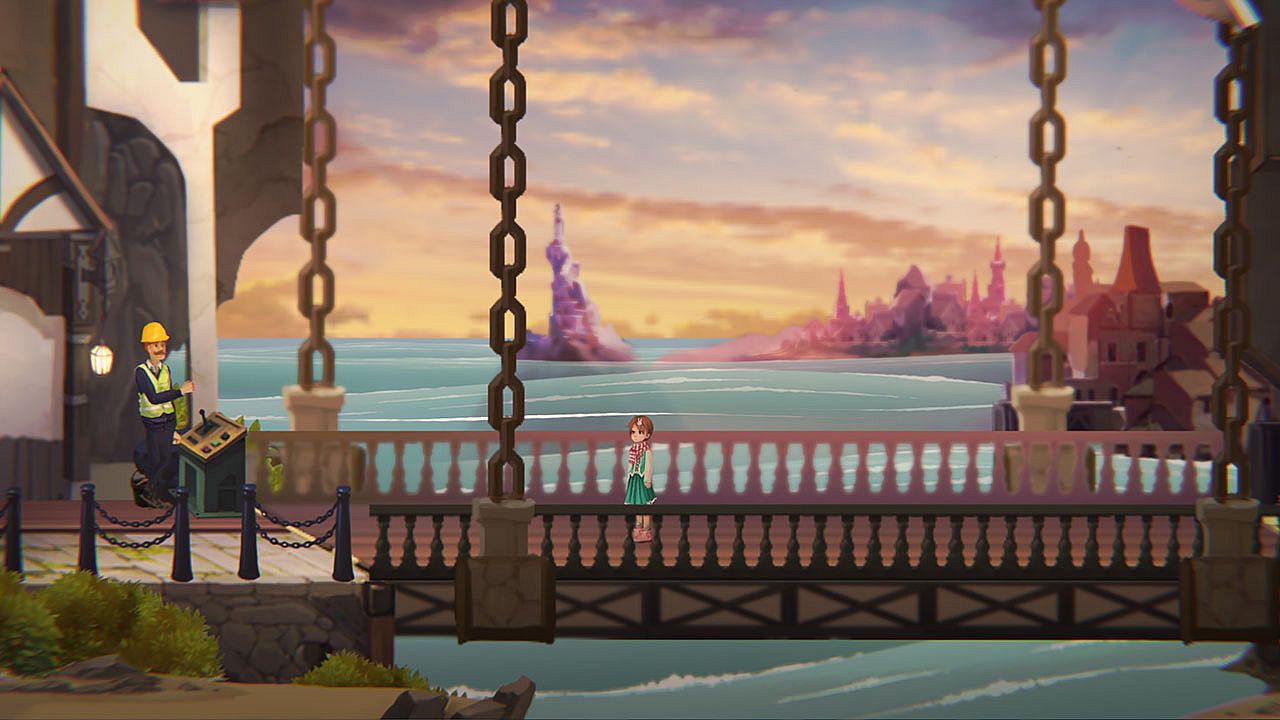
Visually, the game mixes 2D hand-drawn elements with selective 3D depth to create lively backgrounds where characters stand out. Color palettes shift to reflect temporal layers, adding an extra layer of feedback during puzzle attempts. The overall presentation supports the intimate father-daughter relationship at the heart of the adventure.
Is It Worth Playing?
Clocker suits players who enjoy deliberate puzzle solving built around cause-and-effect experimentation rather than fast reflexes or combat. Its strength lies in the unique time-control system and the way dual perspectives weave a compact, emotionally resonant story. Reviews highlight the satisfying logic of the puzzles, the distinctive art direction, and the atmospheric soundtrack as standout features.
The experience is relatively short, which some appreciate for its focused pacing while others note it concludes before fully exploring every possibility. Those drawn to indie puzzle adventures with narrative emphasis will likely find the mechanics and presentation rewarding. Availability on PC and other platforms makes it accessible for anyone interested in time-bending logic challenges without additional commitments or ongoing updates required.