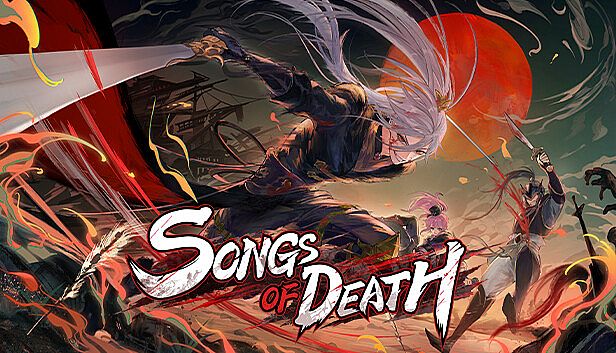













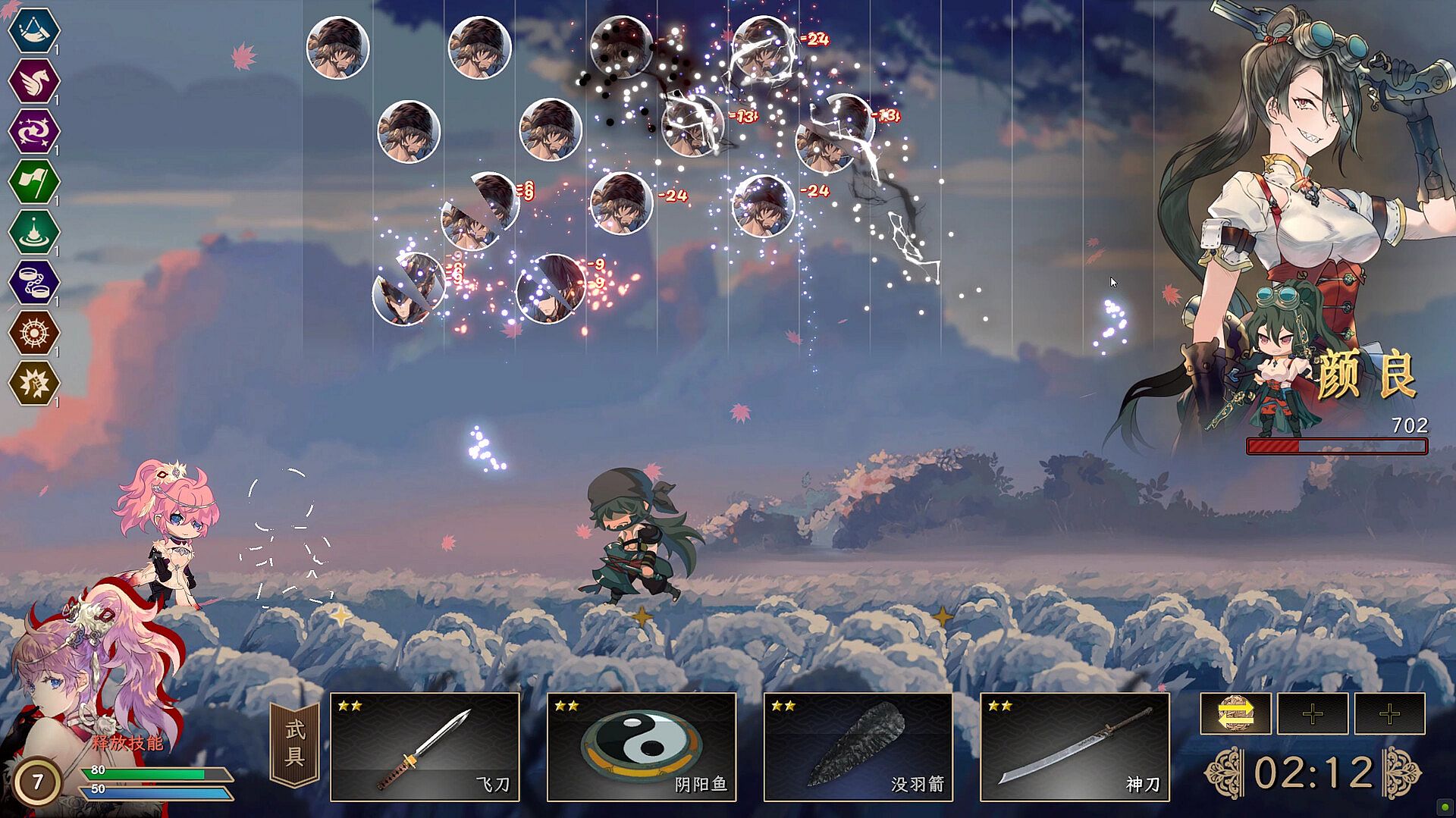
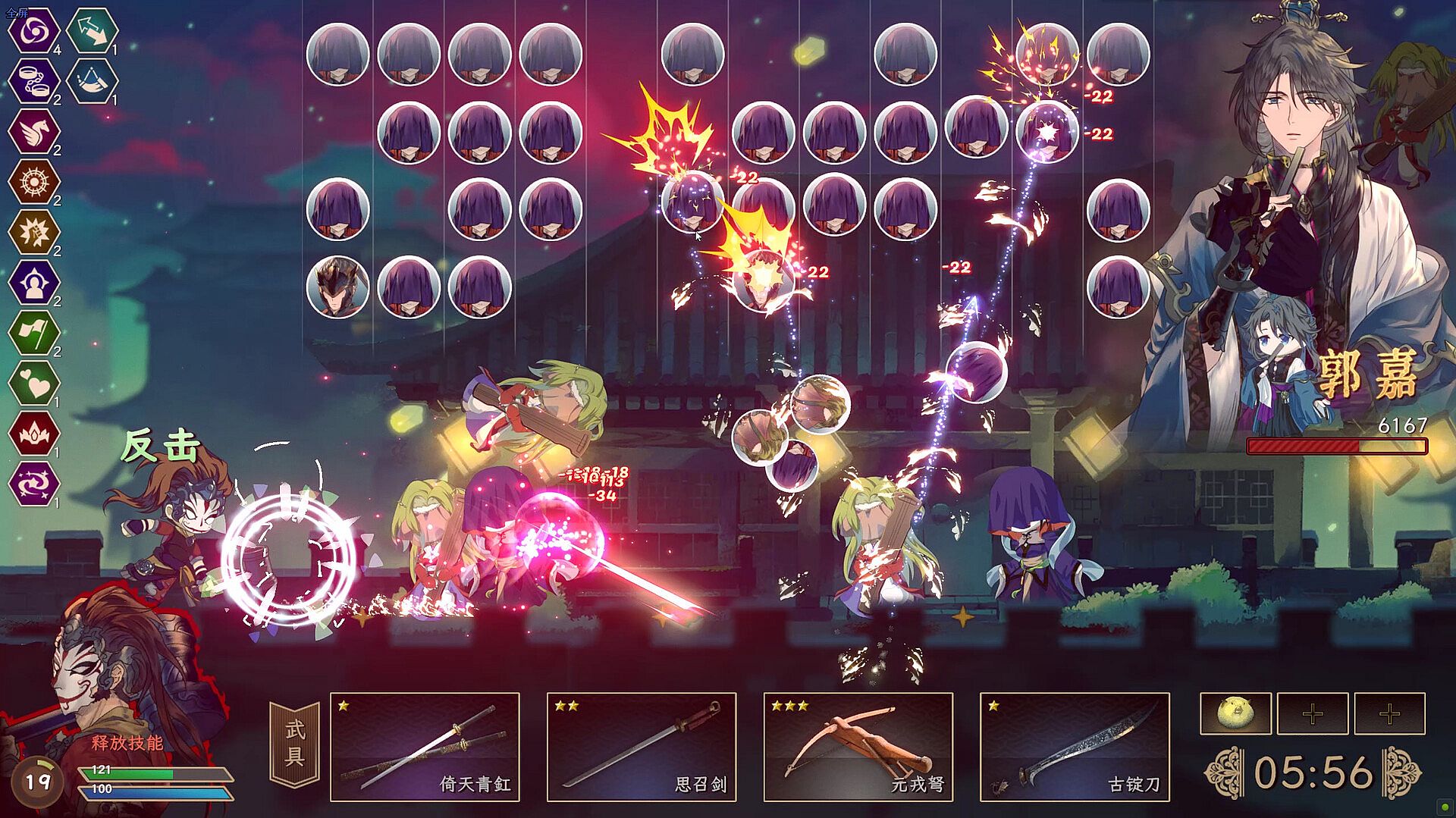
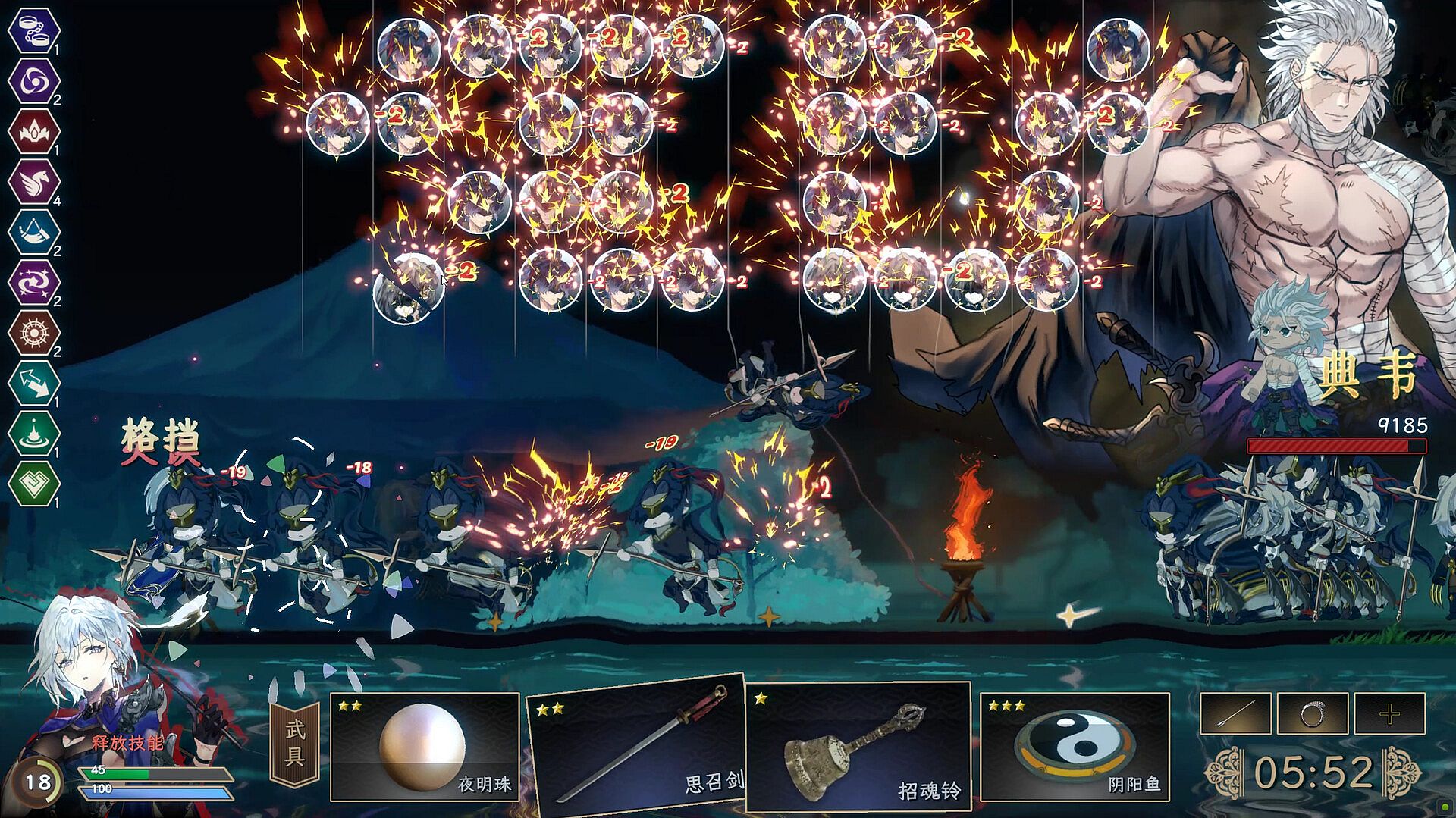
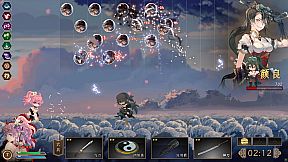
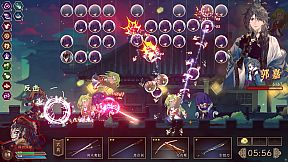
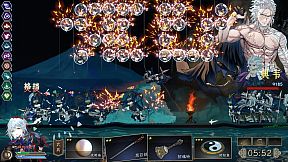
Songs of Death is a roguelike rhythm action game developed for PC that blends precise timing-based combat with character progression and resource management. Players take on the role of Ma Chao in a fictional Three Kingdoms-inspired setting that mixes martial arts, spiritual energy, spells, and firearms. The core loop centers on surviving waves of enemies by blocking and countering attacks at exact moments while upgrading weapons and building synergies to push further through each run.
Gameplay
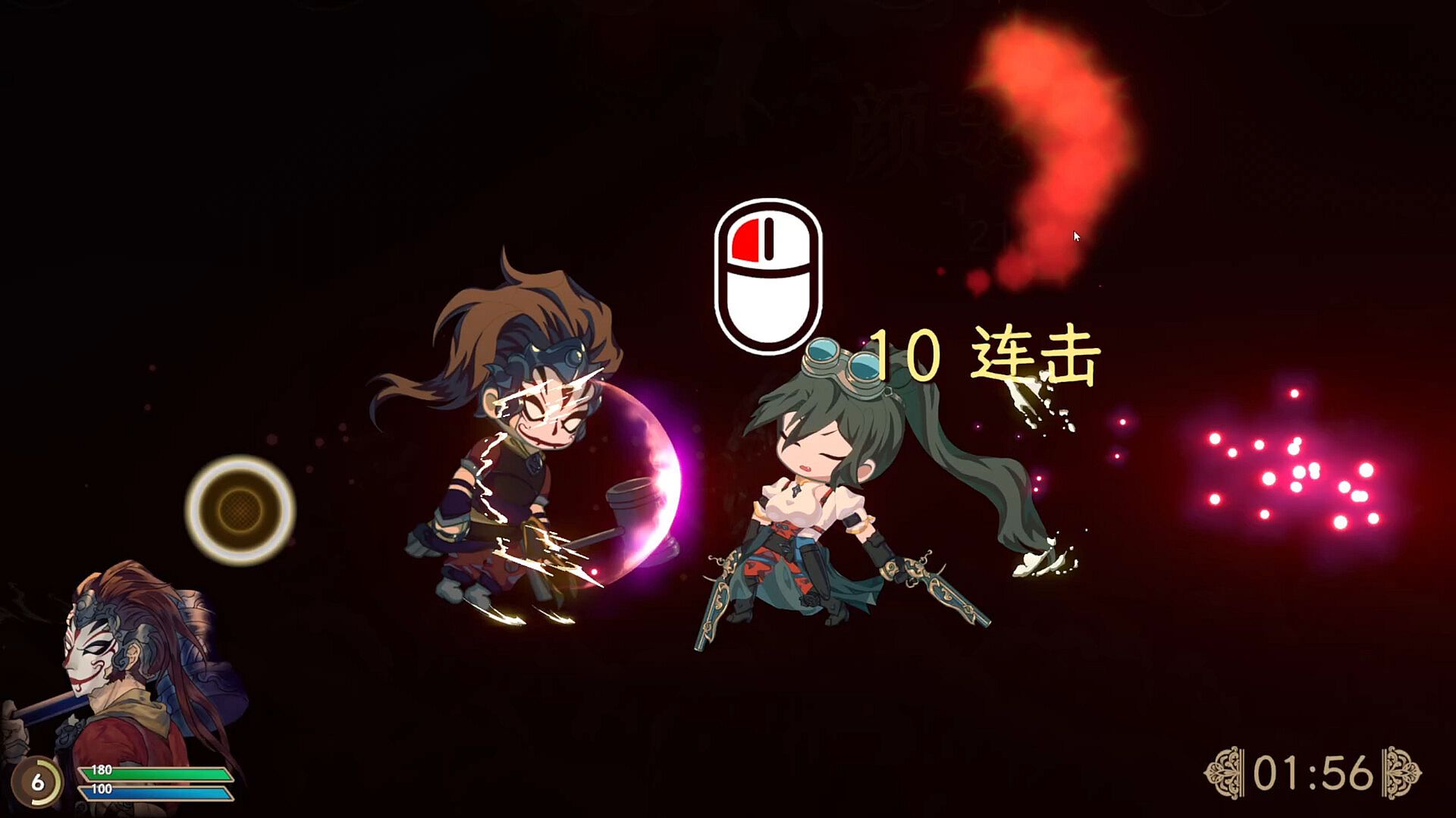
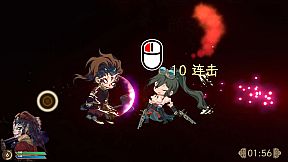
The combat system demands attention to rhythm. Enemies launch attacks that must be blocked accurately to counter effectively and maintain momentum. Missing the timing leaves the player vulnerable, while successful blocks and counters open opportunities to deal damage. This rhythm element ties directly into the roguelike structure, where each attempt builds on the last through permanent upgrades unlocked via experience points earned from kills.
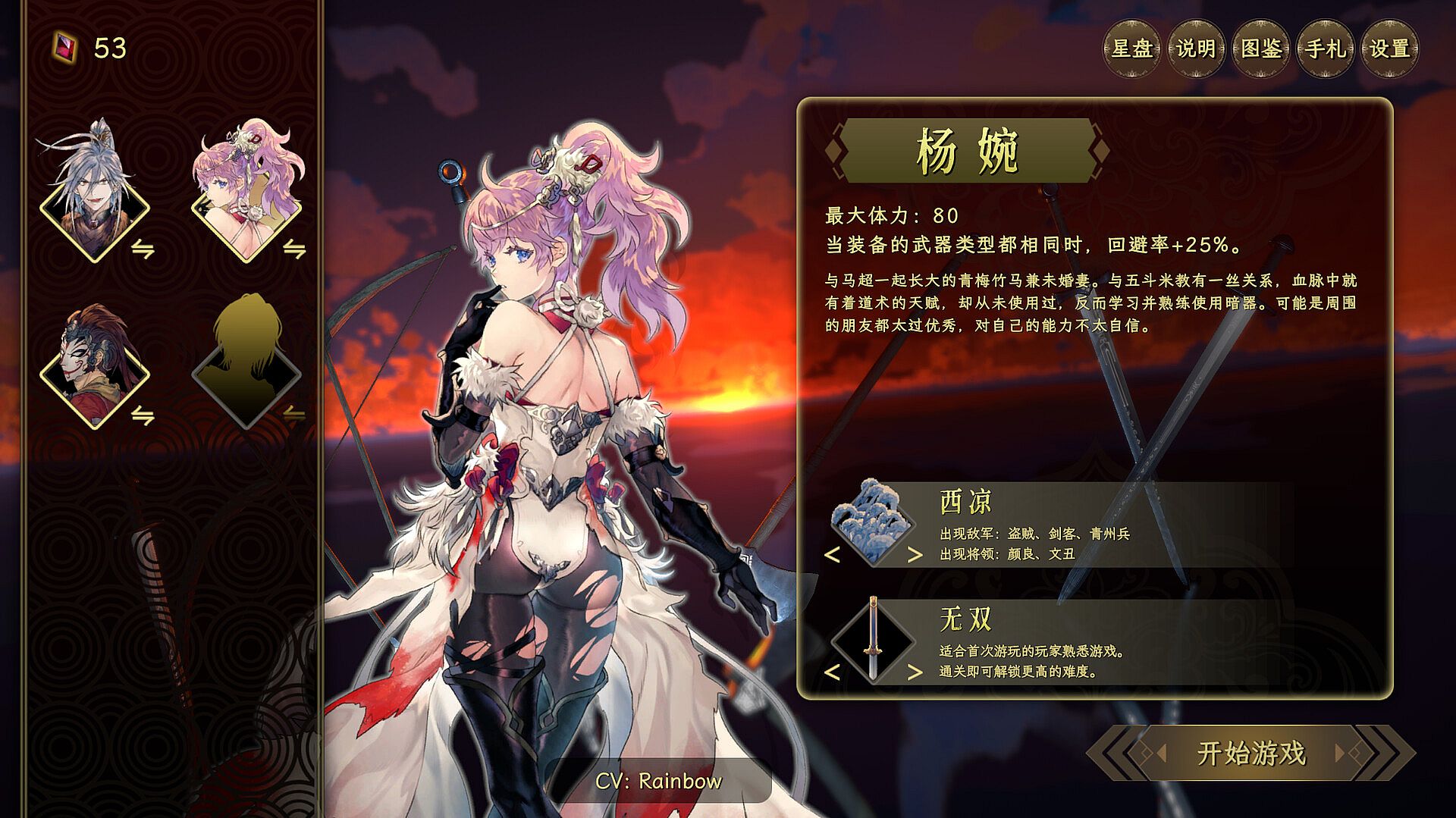
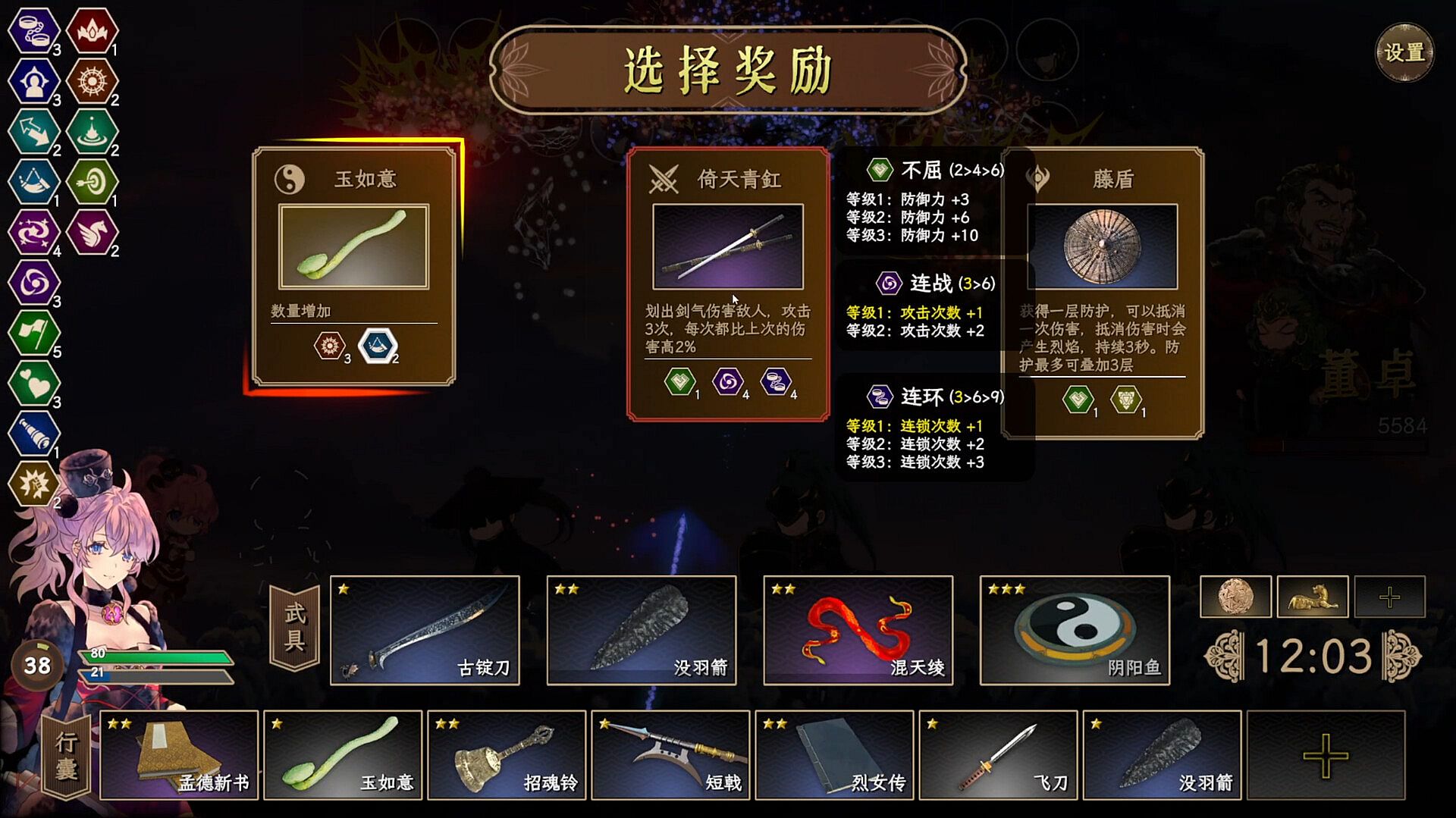
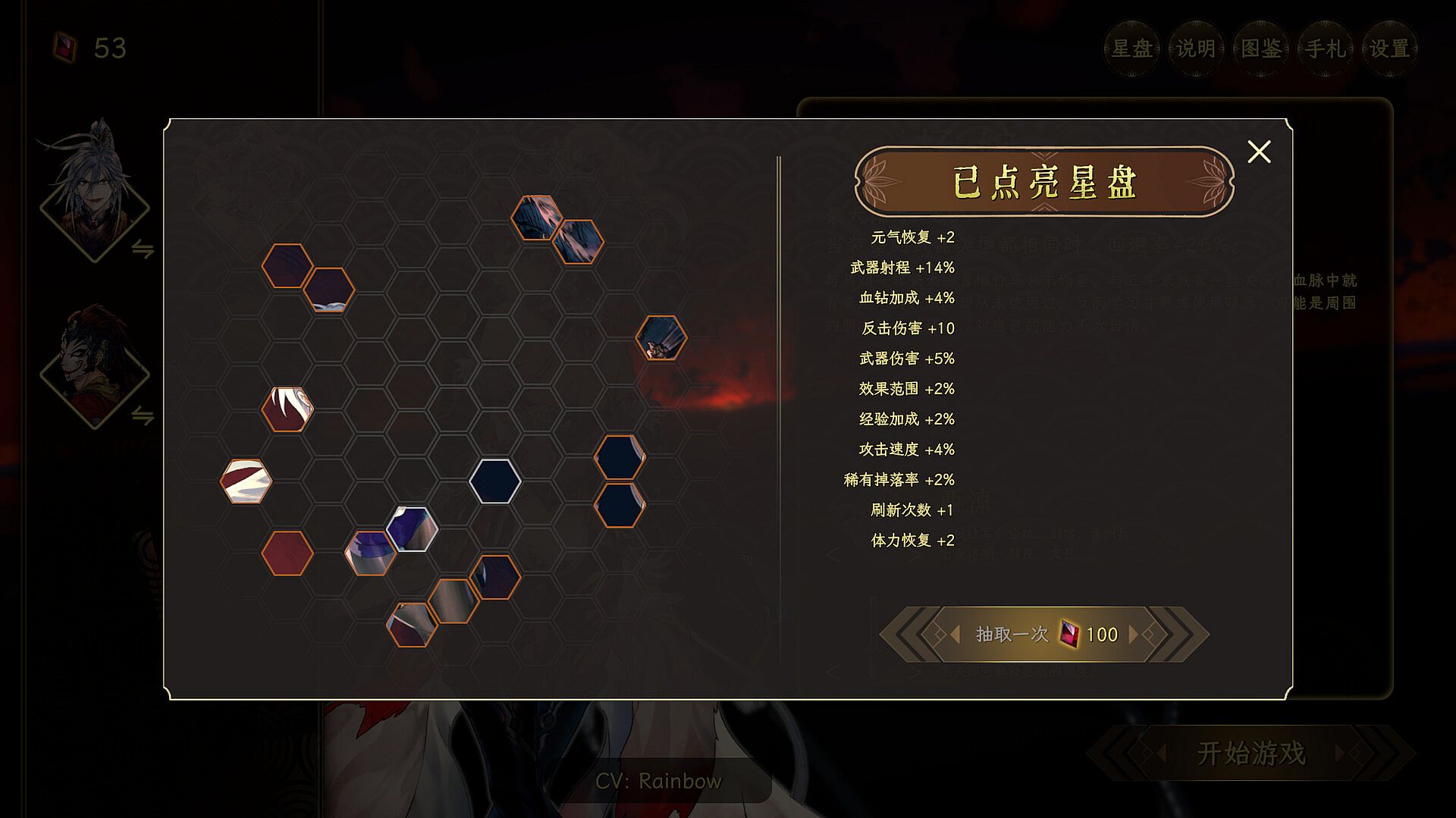
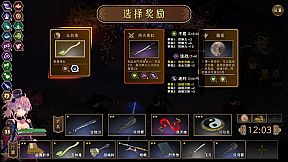
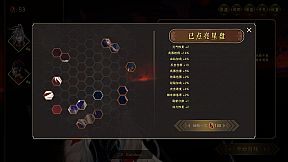
Leveling grants access to new weapons, each with distinct attack patterns suited to particular enemy types. Weapons carry synergy tags that activate special effects when multiple matching tags are present. Extra copies of the same weapon can be used to star it up, enabling those synergy effects even when the weapon is not equipped. Resource management becomes essential, as players decide which weapons to prioritize, when to star them up, and how to balance immediate combat needs against long-term power.
Progression also involves collecting tools and abilities that complement Ma Chao's versatile attack style. Friends and allies assist in breaking through enemy defenses during key moments. The combination of rhythm timing, weapon variety, and synergy building creates runs that reward both quick reactions and strategic planning over multiple attempts.
Game Modes
The game structures play around roguelike runs that emphasize survival and incremental advancement. Each run involves navigating encounters while managing health, timing blocks, and adapting to the weapons and synergies available in that attempt. Difficulty levels scale the challenge, affecting enemy aggression and the precision required for counters.
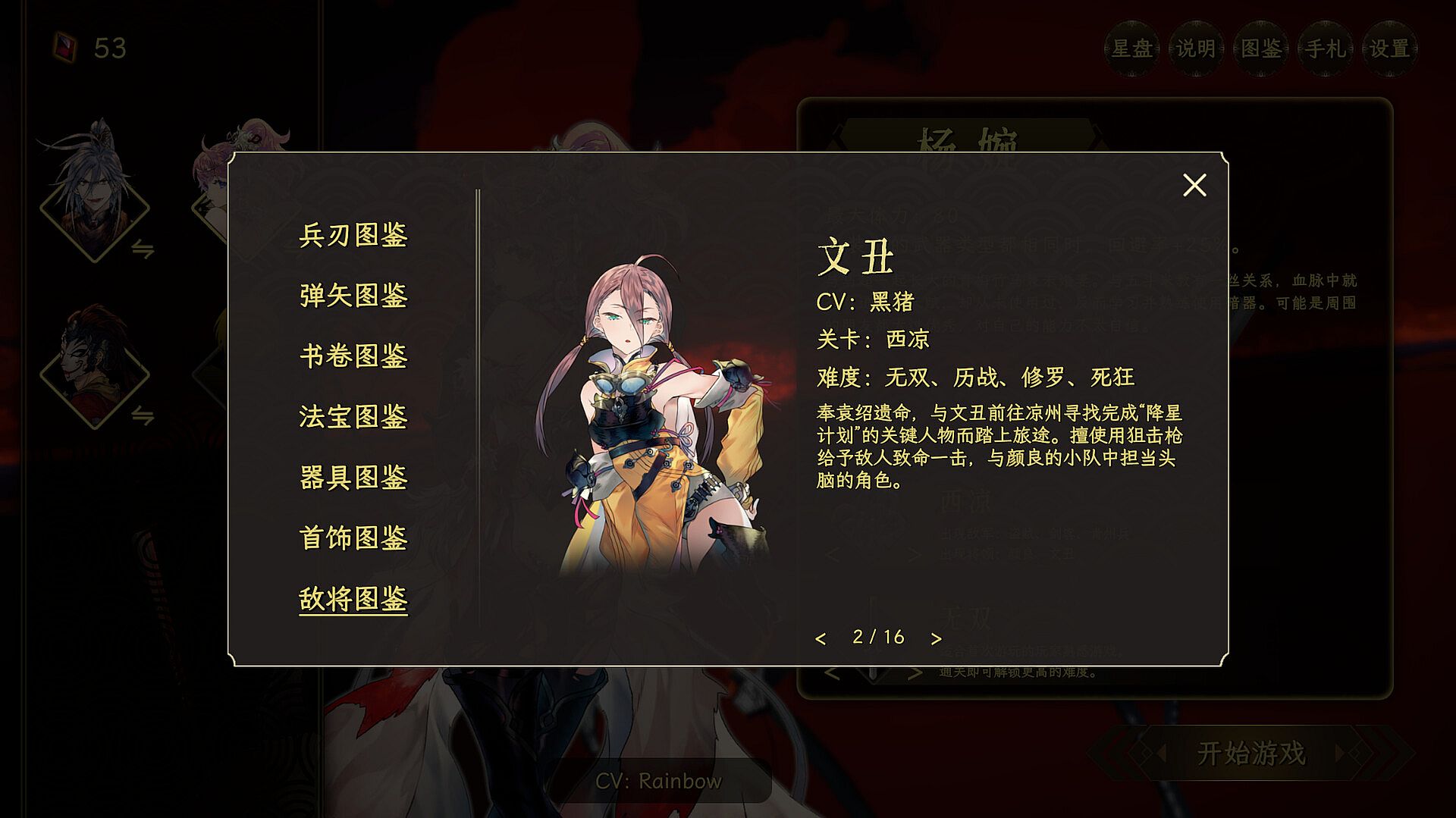
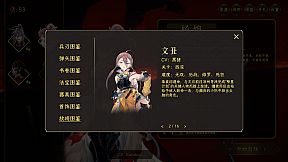
Story content unlocks through repeated clears. Different characters must be used to complete specific difficulty levels and stages, revealing individual story chapters. This system encourages experimentation with varied loadouts and playstyles to access the full narrative without requiring prior knowledge of other entries in the series.
Auto-battler influences appear in how synergies and starred weapons provide passive benefits that support the active rhythm combat. Players manage resources across runs to improve overall combat effectiveness rather than relying on a single fixed build.
Setting and Story
The world draws from Three Kingdoms history but expands it with spiritual energy and technological elements that produce spells alongside traditional weapons and firearms. Ma Chao seeks revenge against Cao Cao following the slaughter of his family. Allies help dismantle enemy lines, and the narrative unfolds through character-specific chapters unlocked by meeting progression requirements.
The story remains self-contained. Players can engage with the gameplay loop immediately while optional clears of higher difficulties and stages gradually reveal more context about the characters and their motivations.
Is It Worth Playing?
Songs of Death suits players who enjoy rhythm-based timing mechanics combined with roguelike progression and weapon experimentation. The emphasis on accurate blocks and counters, paired with synergy systems that reward collection and starring of weapons, provides a focused loop that rewards practice and adaptation.
Reception on Steam stands at Very Positive based on 159 reviews with an 82 percent approval rating. The game released on July 30, 2024, and continues to receive support through its core systems without additional seasonal content confirmed at this time.
Those drawn to Vampire Survivors-style survival elements, Taiko no Tatsujin rhythm precision, or roguelike runs with meaningful weapon choices will find the mechanics align closely with those interests. The independent story approach makes it accessible as a standalone experience while offering depth for players willing to experiment with multiple characters and difficulties.