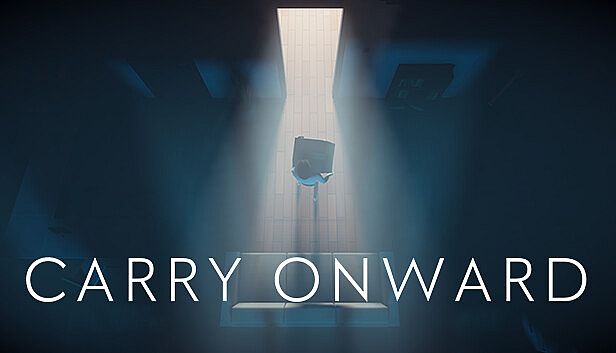


















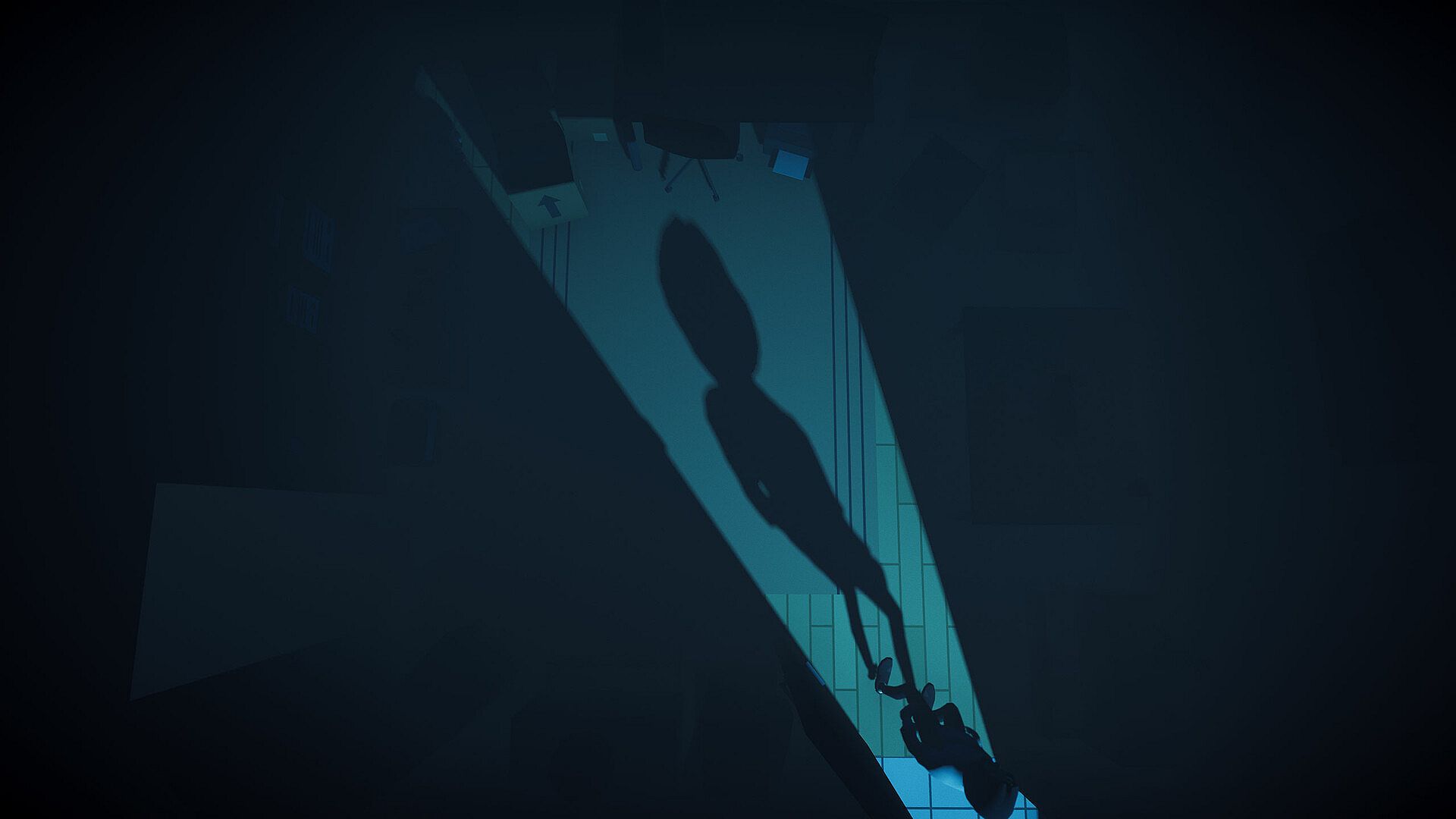
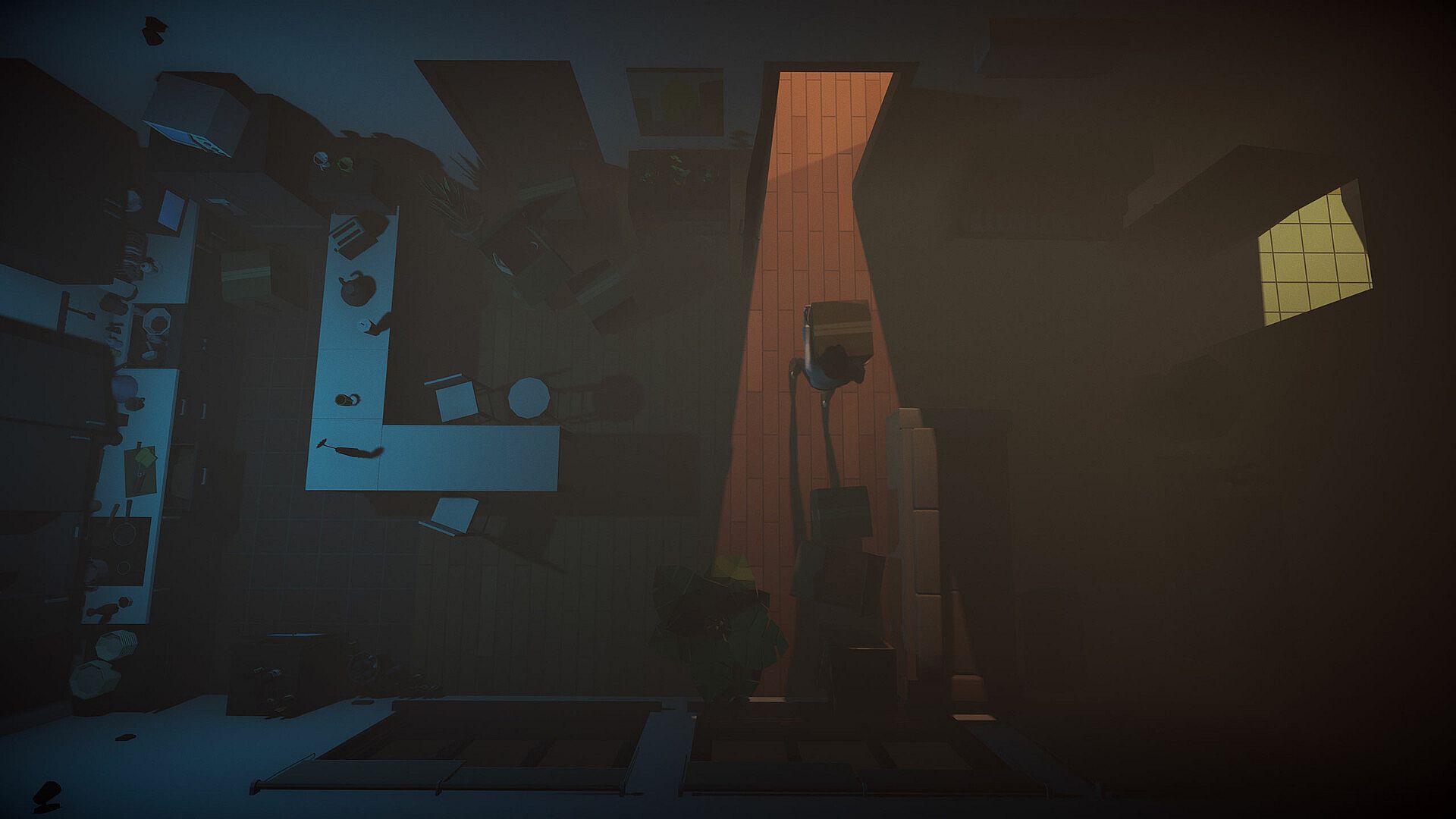

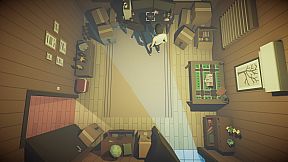
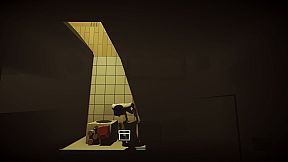
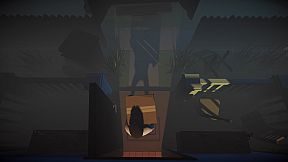
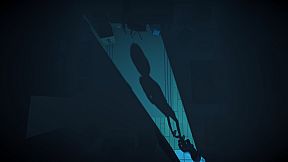
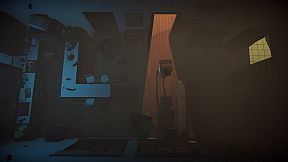
Carry Onward stands as a compact indie narrative adventure game centered on personal reflection and emotional processing. Players step into the role of Thomas, a man sorting through the contents of the house he shared with his late wife, uncovering layers of memory and feeling through everyday items. The experience unfolds in a single-player format on PC, emphasizing quiet exploration over action or competition, and it draws from influences like walking simulators and choice-driven stories to create an intimate journey of healing.
Gameplay
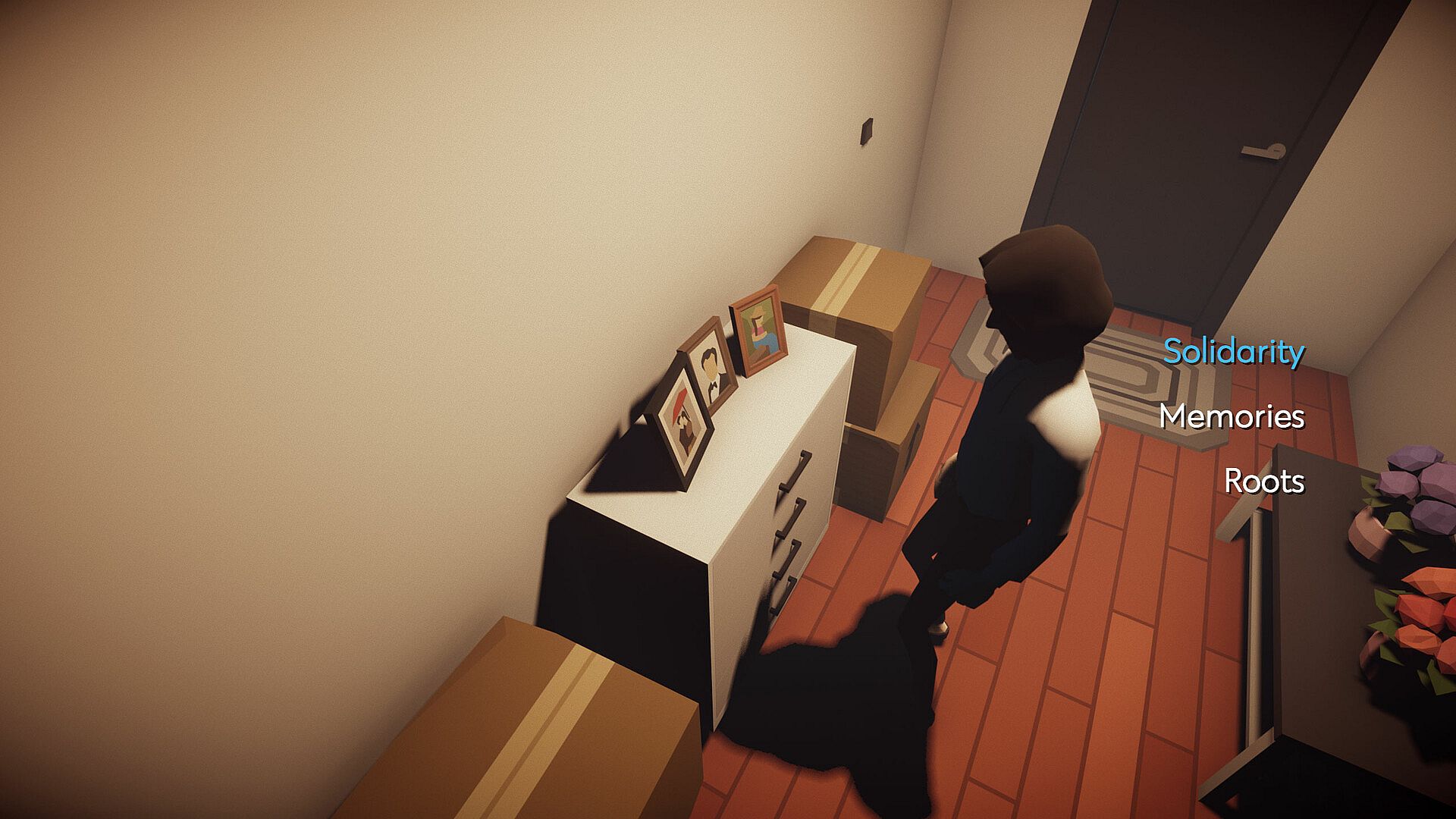
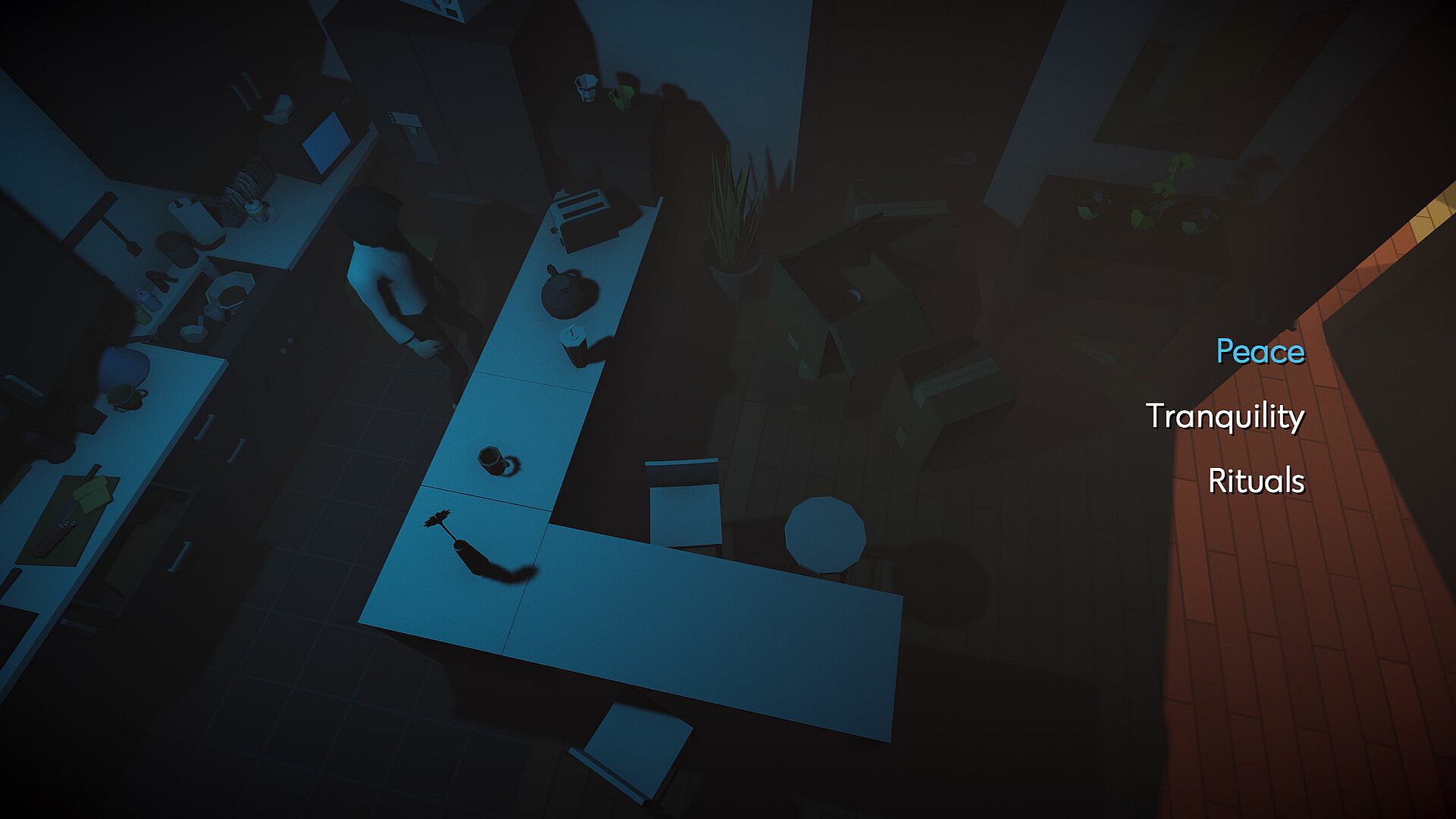
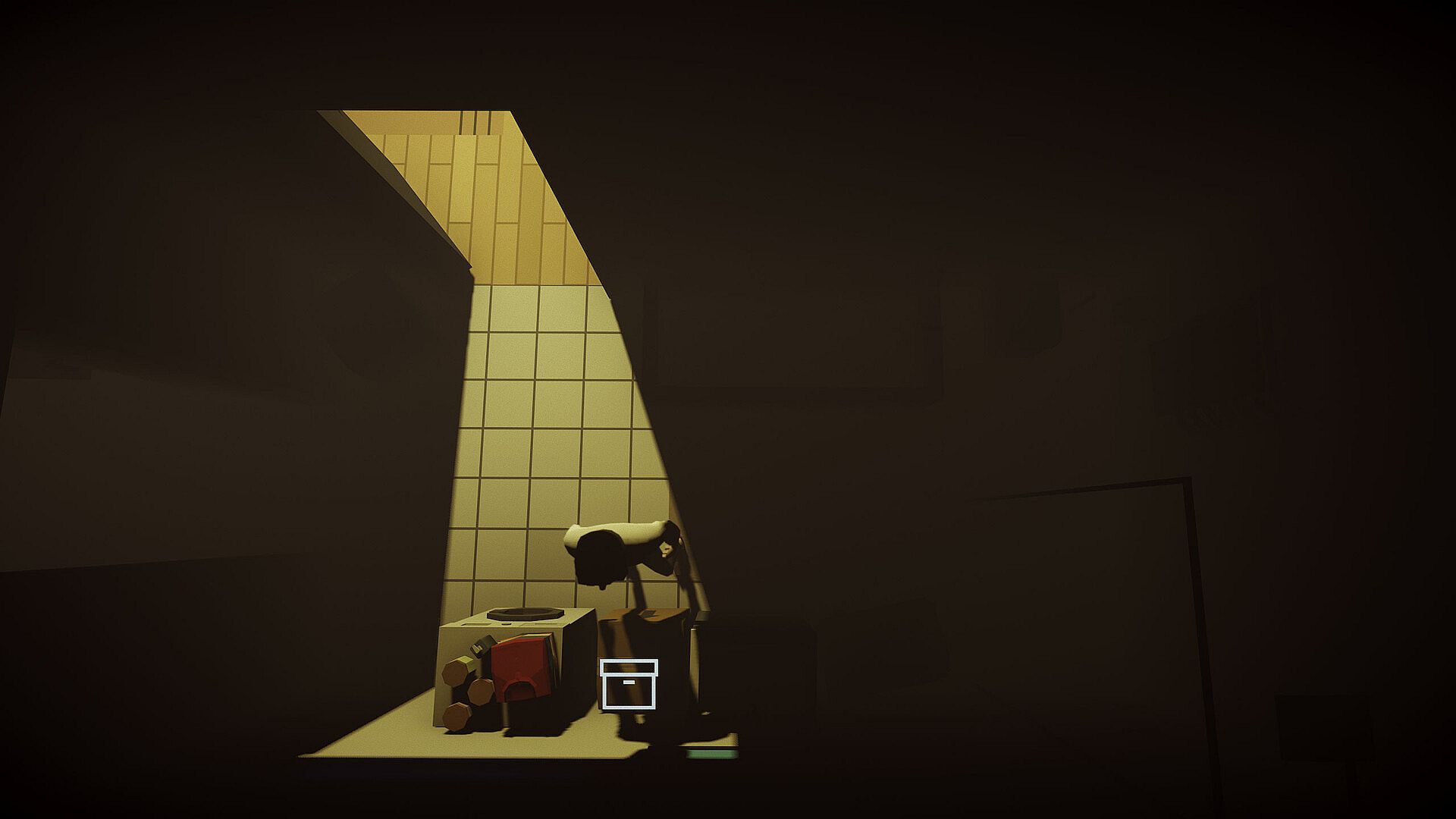
The core loop revolves around moving through the rooms of a familiar home while examining objects that trigger internal monologues and emotional responses. Each interaction reveals fragments of Thomas's thoughts, gradually building a portrait of grief, love, and the process of moving forward. Movement feels deliberate and unhurried, allowing time to linger on details that matter to the character. Choices arise naturally during these moments, influencing how Thomas interprets his past and what path his mindset takes by the end of the session. The mechanics stay simple and focused, relying on direct engagement with the environment rather than complex controls or timers.
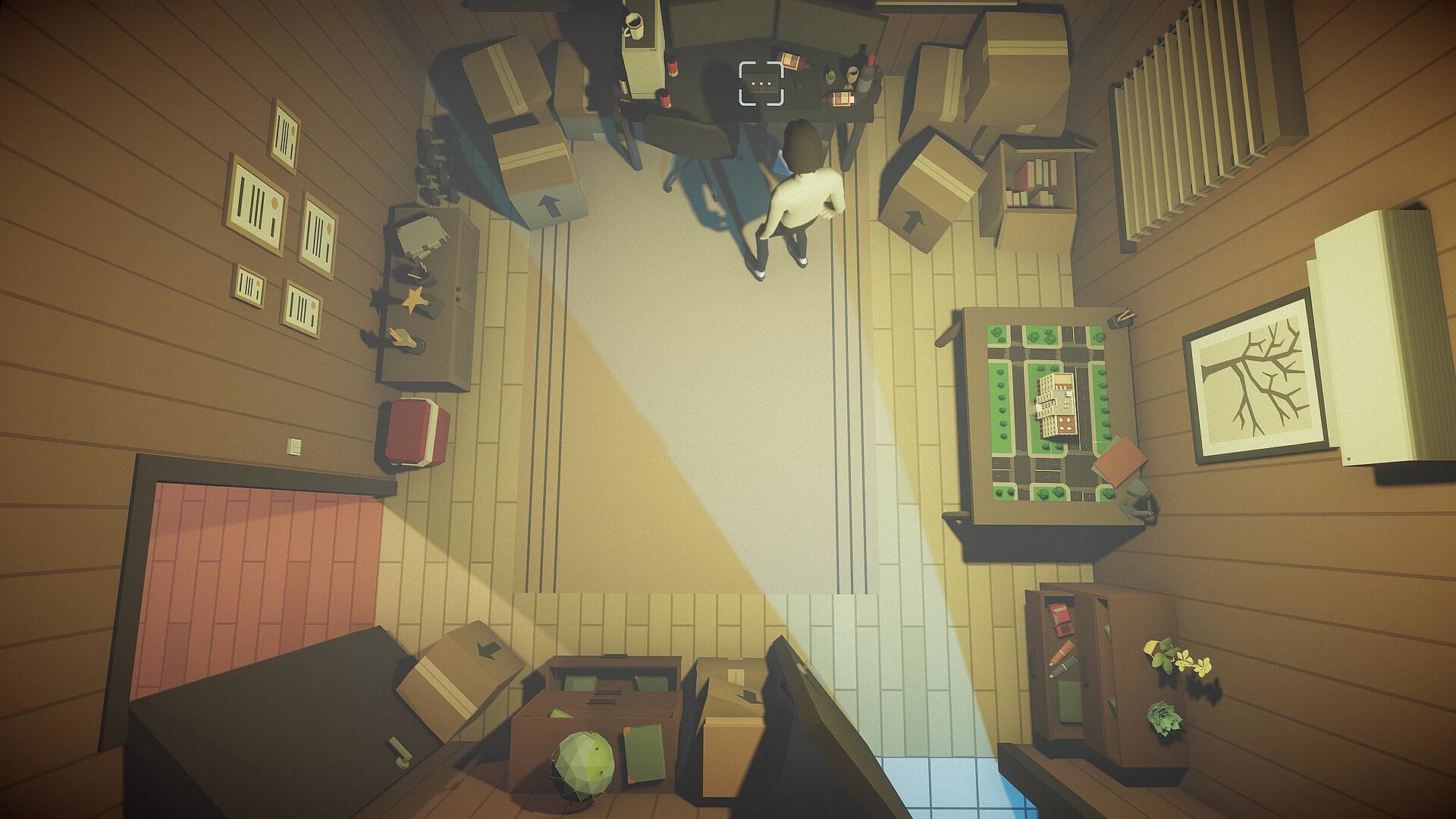
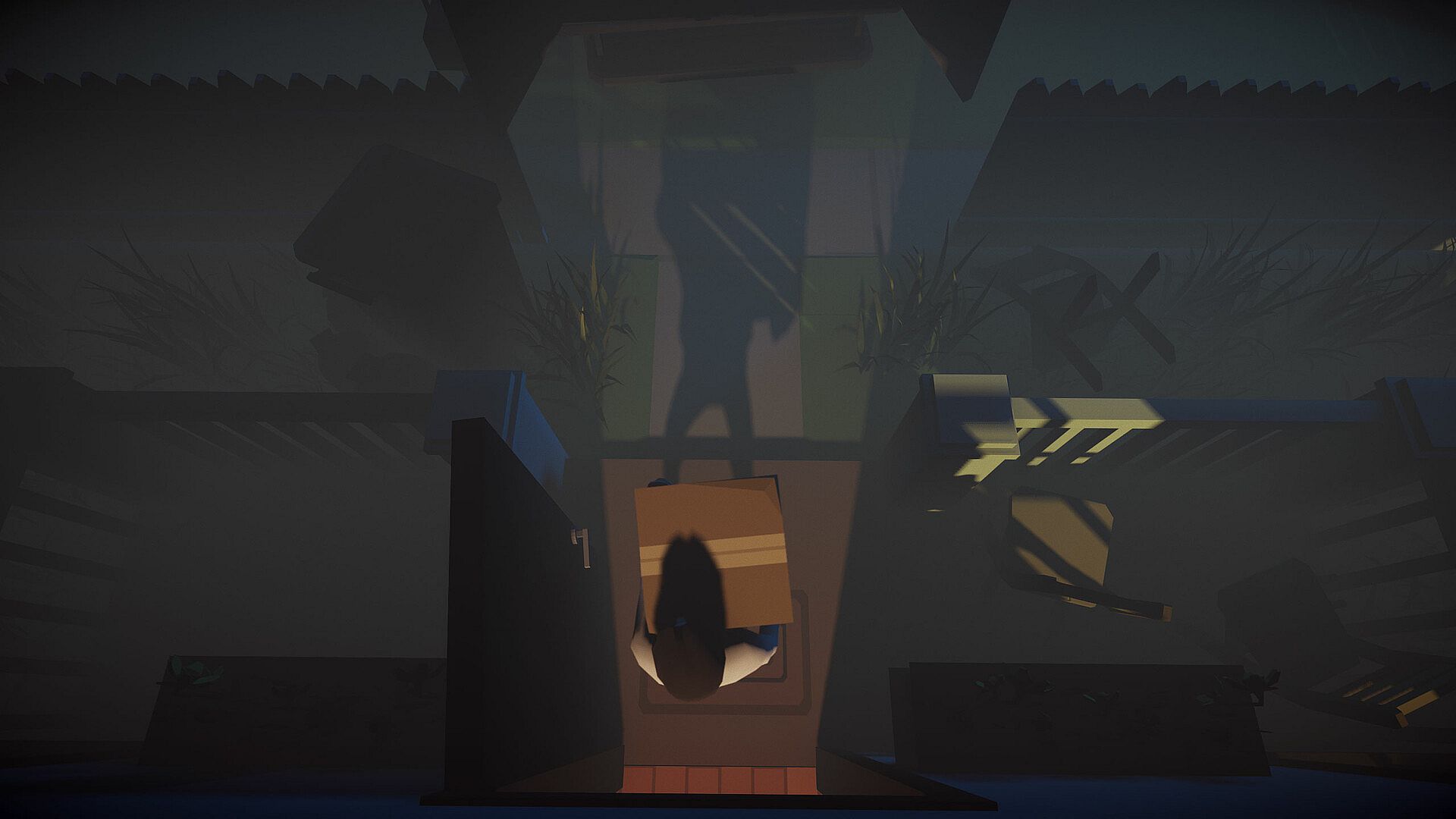
Progression follows the act of packing, with each box or item serving as a prompt for deeper reflection. Players decide how to handle certain objects or conversations with the self, which in turn shapes the tone of Thomas's inner world. This system keeps the pace steady and contemplative, rewarding attention to small details over speed or optimization. The entire playthrough fits comfortably into one evening, making it accessible for those seeking a contained experience without long-term commitment.
Game Modes
Carry Onward operates as a purely single-player narrative title with no separate modes or multiplayer components. The structure centers on a linear yet branching story path where player decisions determine one of five distinct endings. These outcomes reflect different emotional resolutions for Thomas, ranging from acceptance to lingering sorrow, based on the cumulative effect of interactions throughout the house. There are no competitive, cooperative, or survival elements, and the game does not include additional scenarios or replay structures beyond the choice system.
The design encourages multiple playthroughs to explore how small shifts in perspective alter the final state of mind. Each run remains short, so revisiting the experience highlights the impact of different decision patterns without requiring extensive time investment. This approach keeps the focus squarely on the personal journey rather than expanding into varied gameplay styles.
The Narrative Experience
At its heart, the game explores themes of loss and renewal through the lens of ordinary household items that carry personal weight. Thomas's thoughts surface organically as players handle mementos, letters, and furniture, painting a picture of a life shared and now being dismantled. The writing stays grounded and introspective, avoiding dramatic flourishes in favor of quiet revelations that build over the course of the evening.
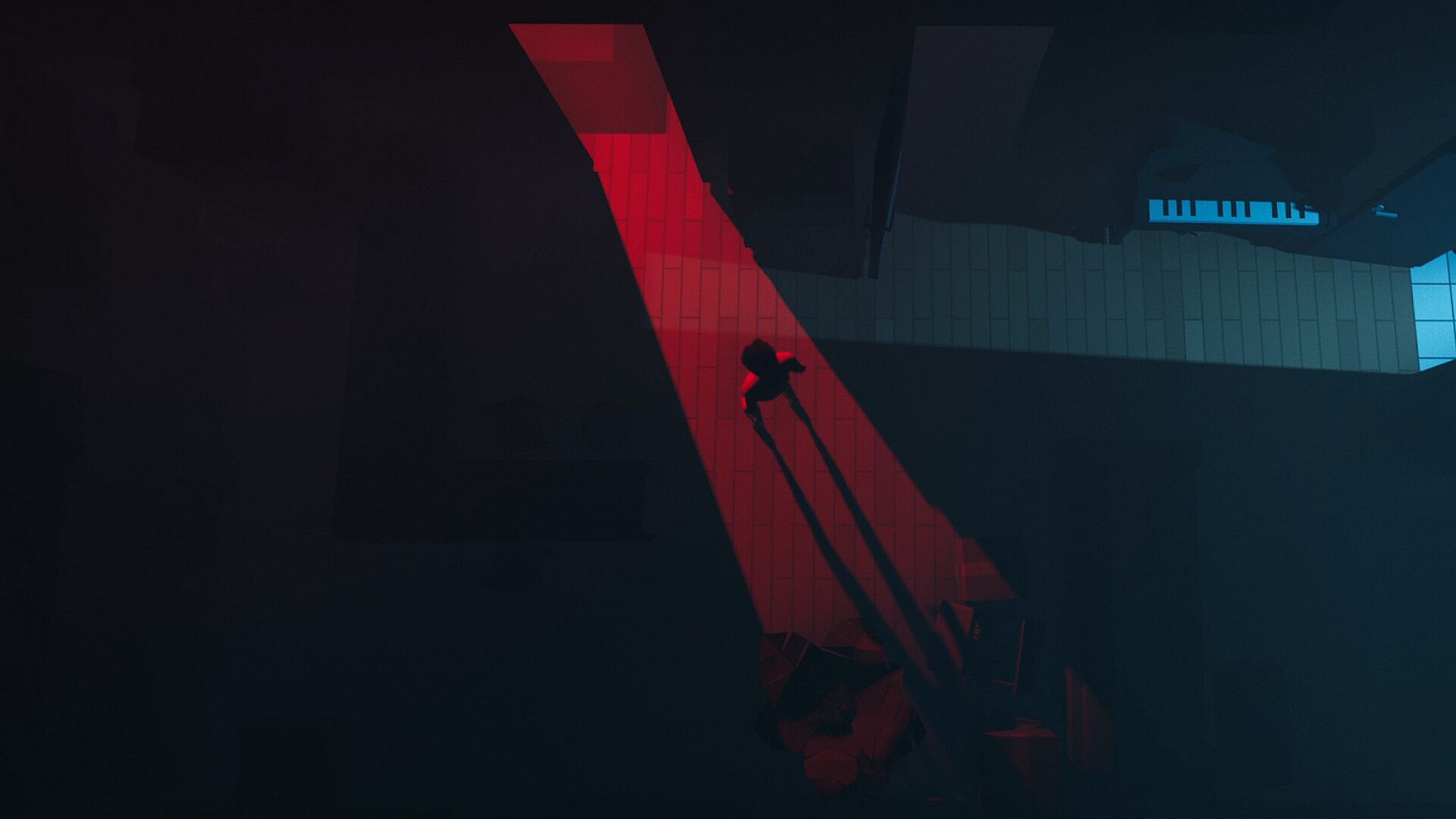
Visuals and audio support this intimate tone with understated presentation suited to a solo-developed project. The house itself acts as both setting and character, its spaces holding echoes of the past that players uncover piece by piece. This setup creates a sense of presence without relying on elaborate world-building or external conflicts.
Is It Worth Playing?
Carry Onward appeals most to players who value short, emotionally focused narrative adventures over extended campaigns or mechanical depth. Its strength lies in the thoughtful handling of grief and the meaningful weight given to everyday choices, which can leave a lasting impression despite the brief runtime. With 81 percent positive feedback from its user reviews, the game has resonated with those drawn to reflective experiences that prioritize character insight.
Those seeking fast-paced action, complex systems, or ongoing content updates will likely find the scope too narrow. For anyone interested in a solo-developed story about processing change through simple interactions and branching emotional outcomes, the title delivers a focused and sincere session that stands on its own merits. Availability on PC makes it easy to try for those matching this preference.