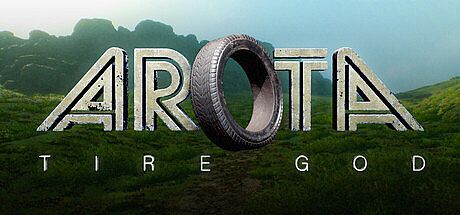


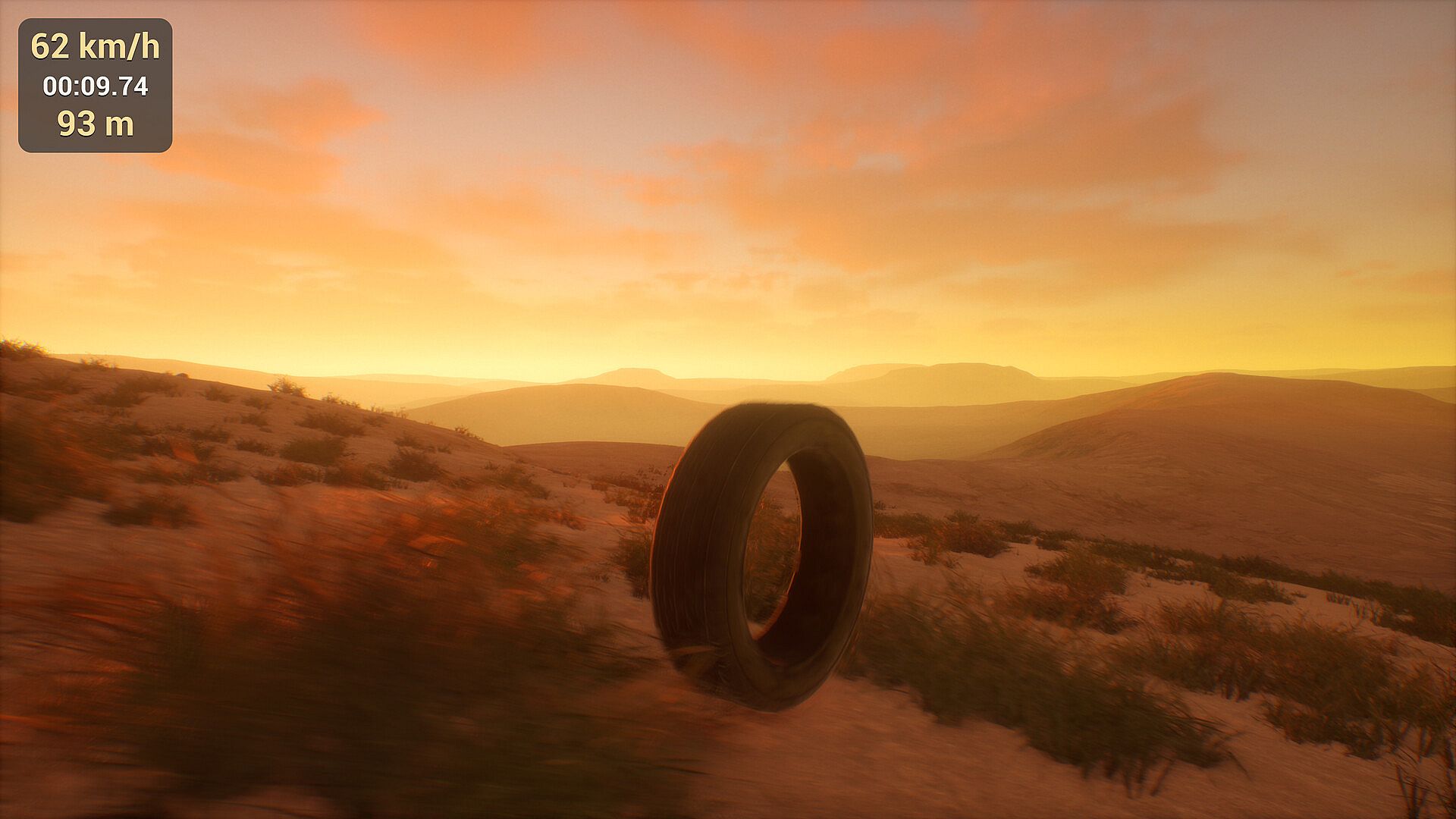
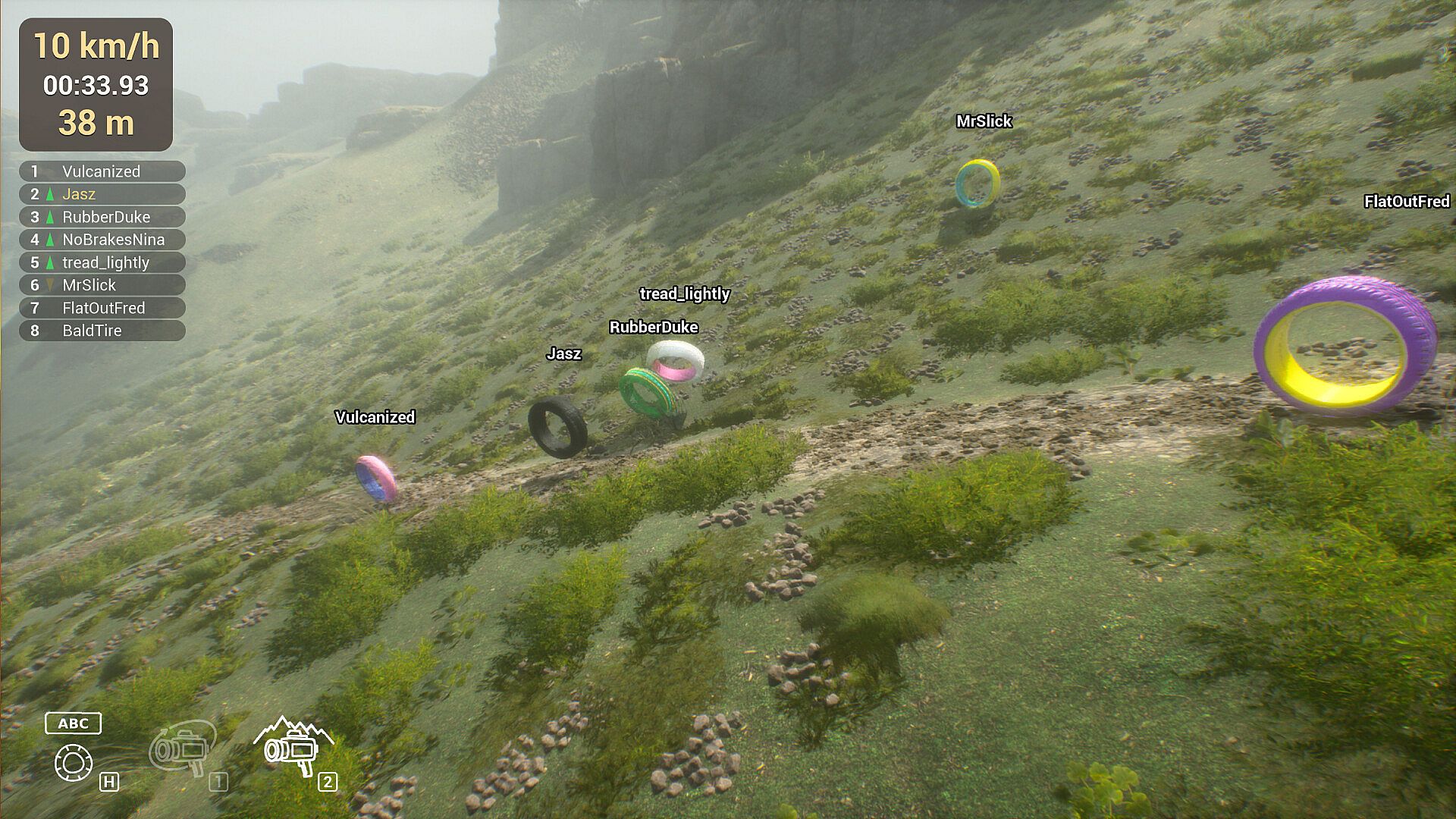
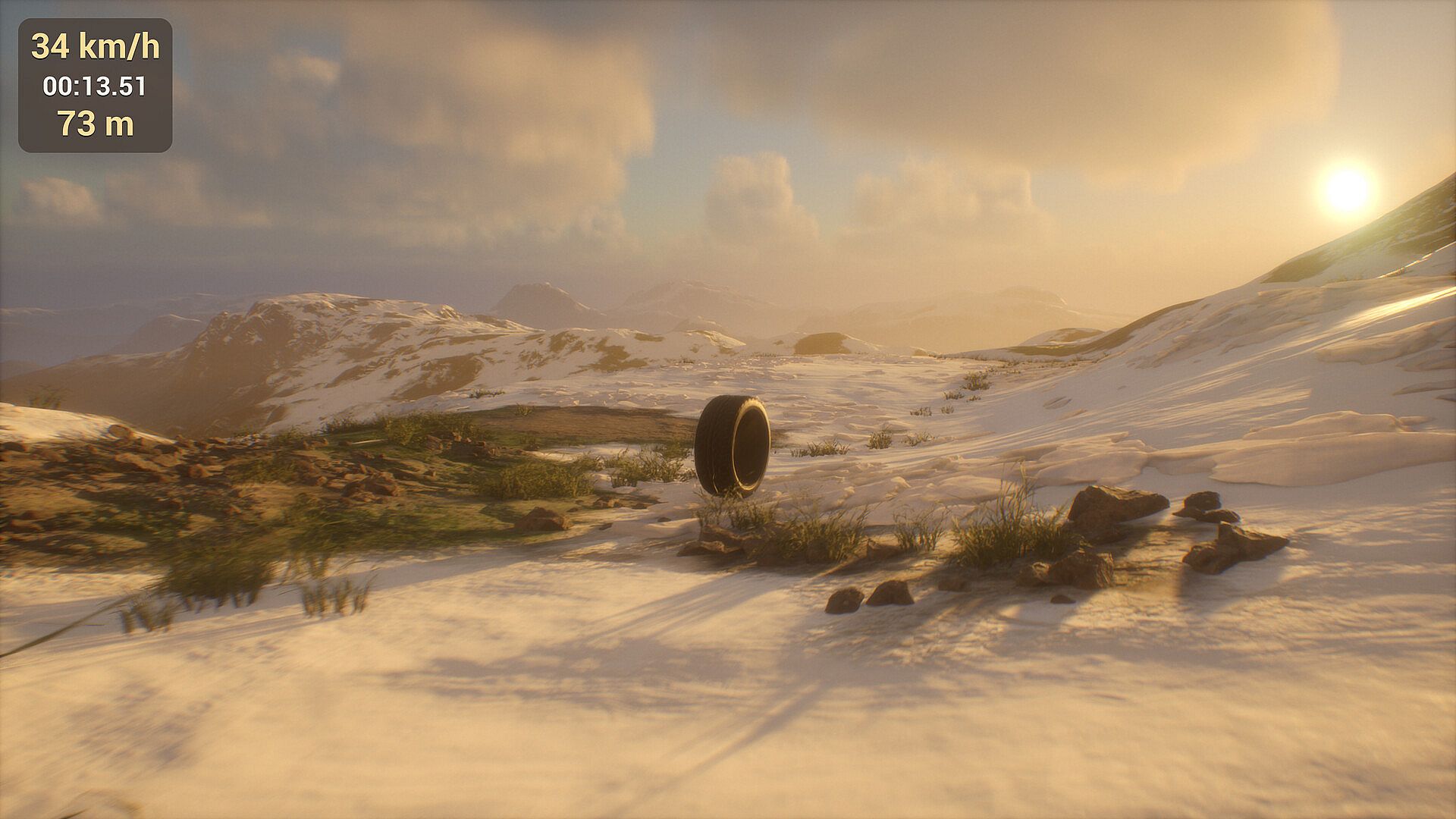
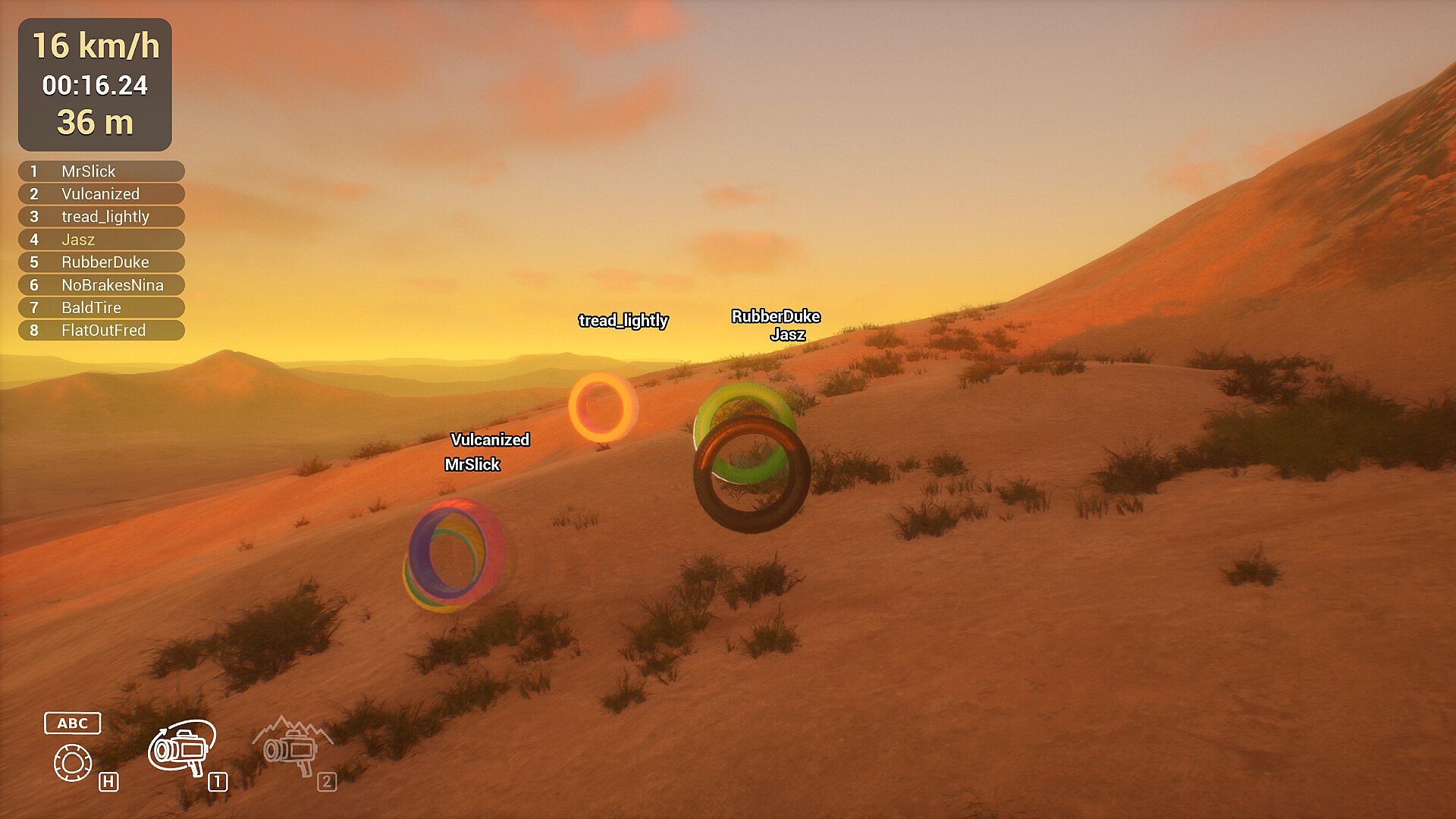
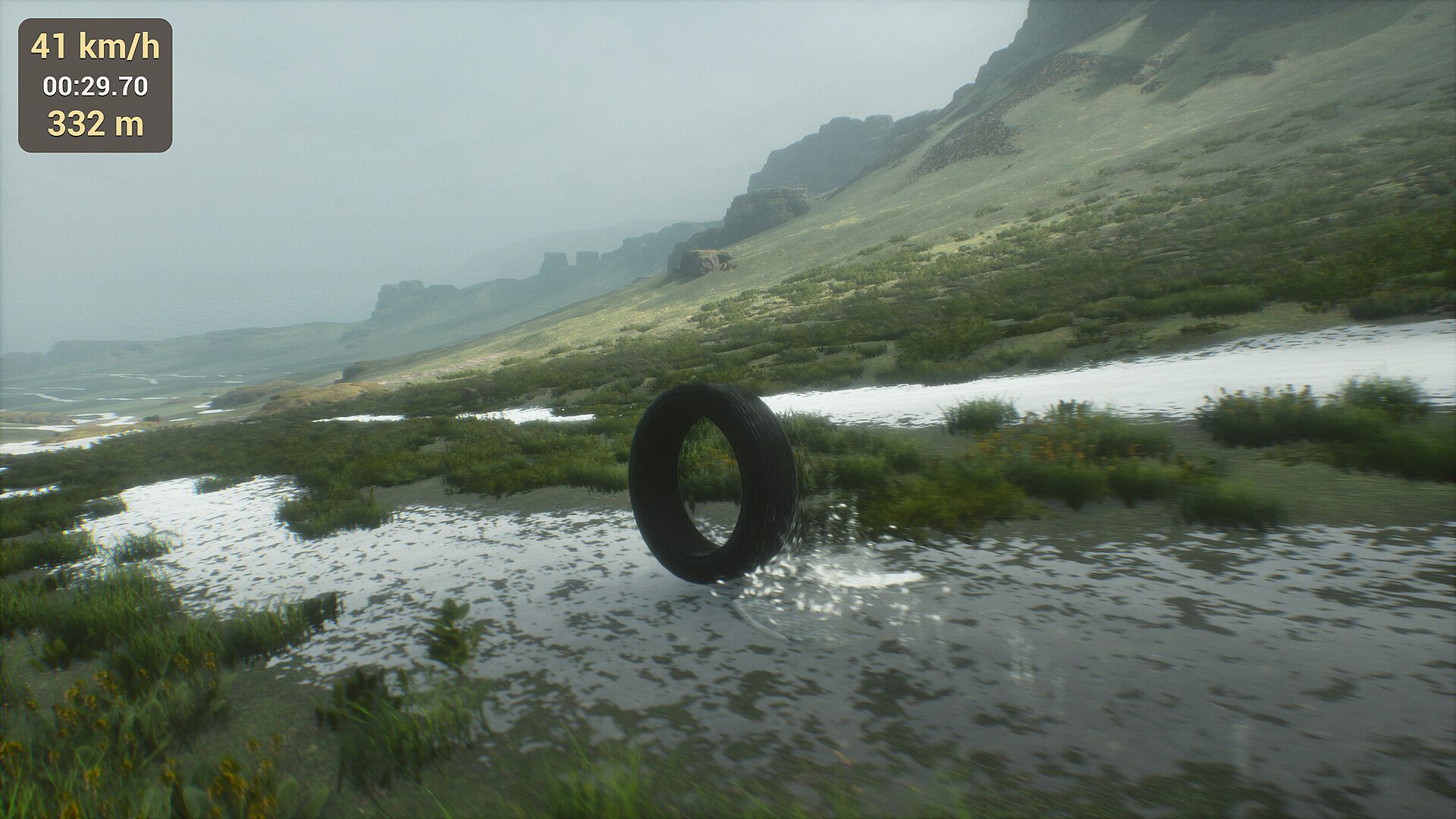
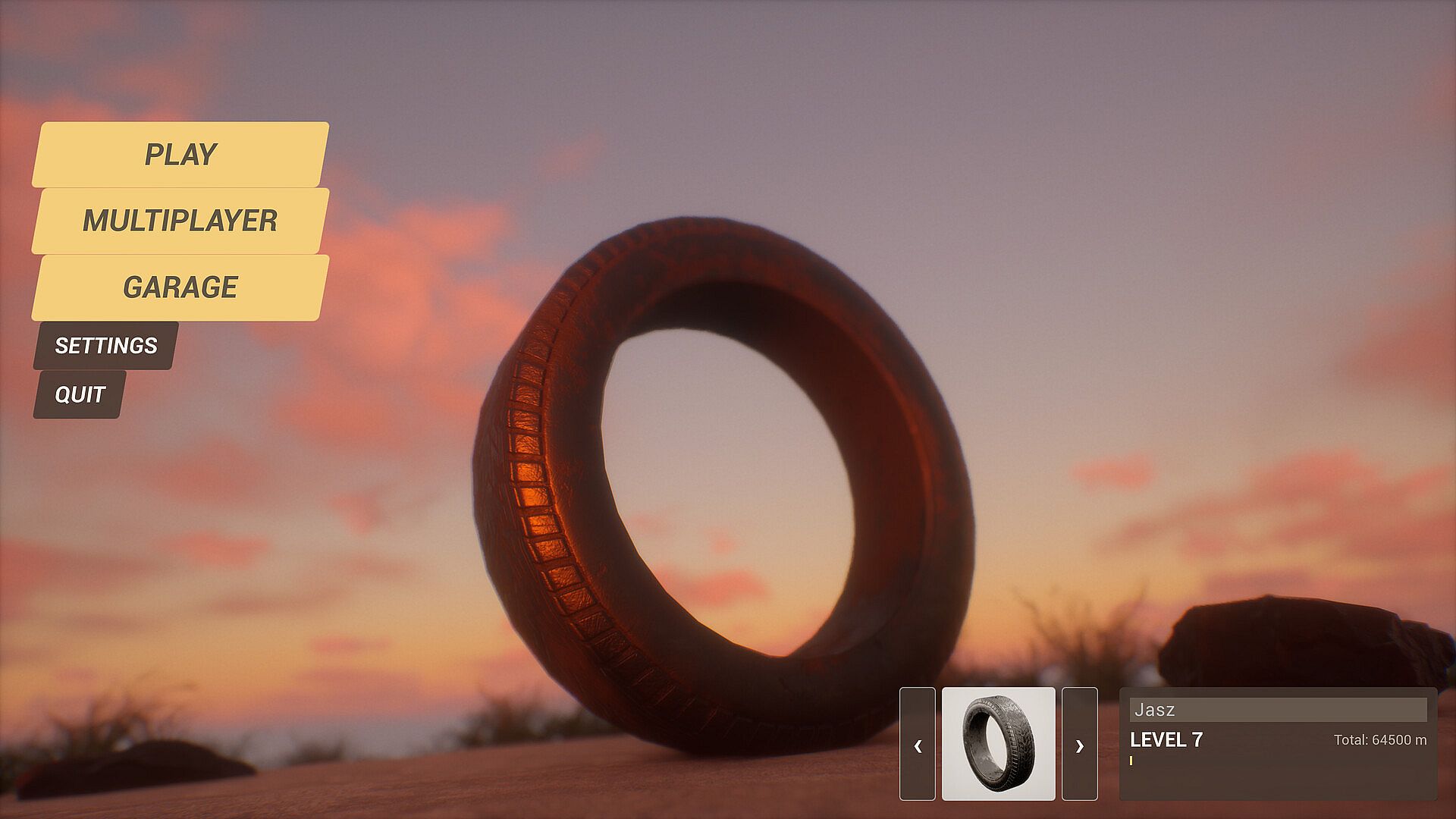
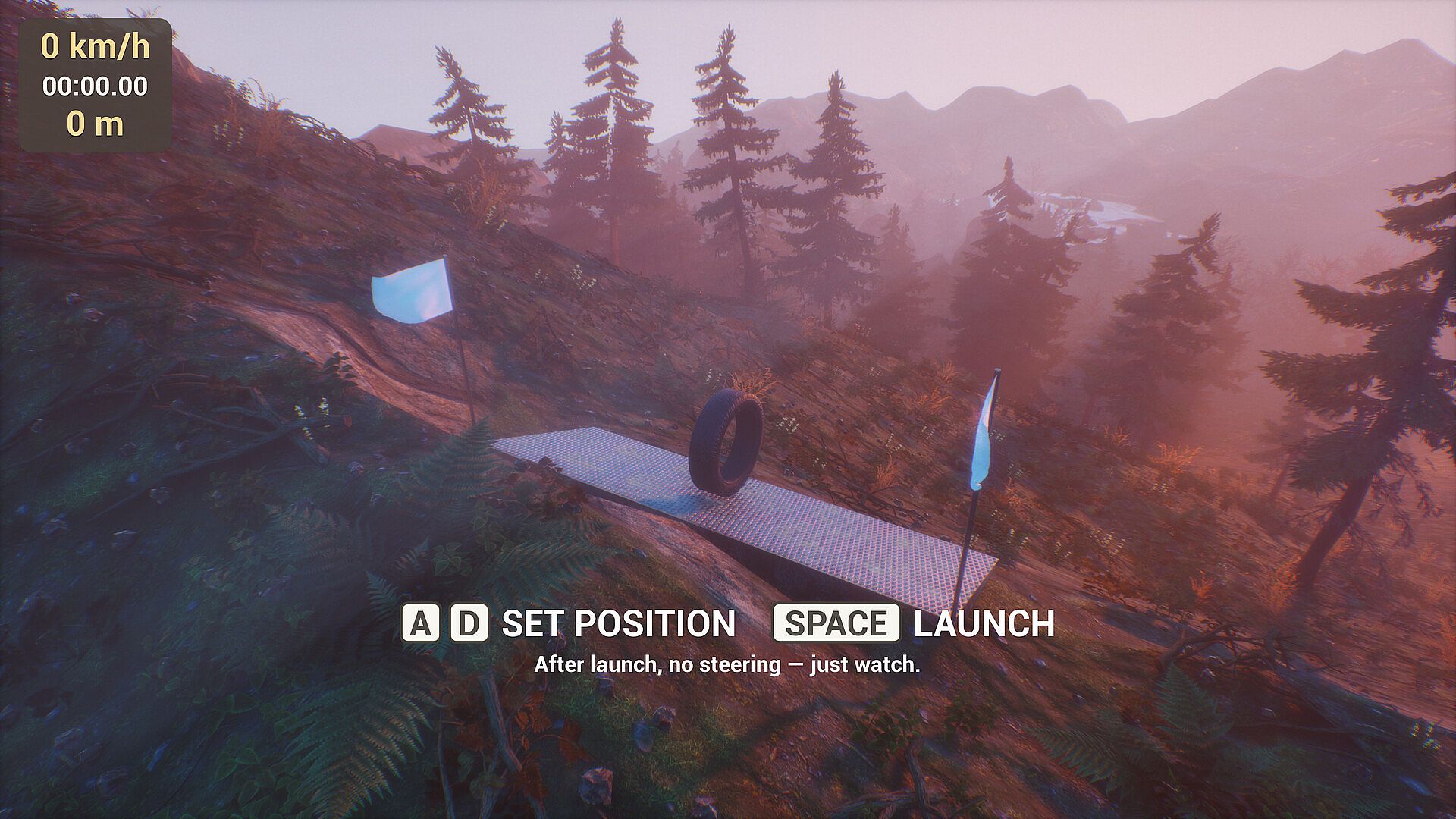
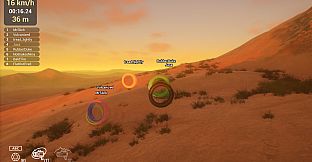
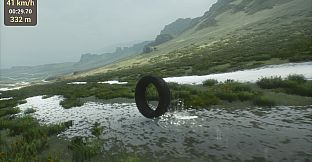
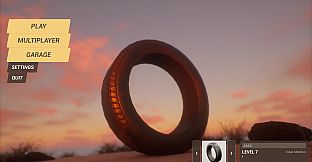
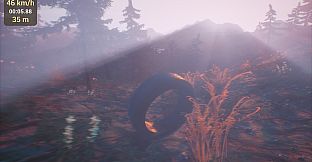
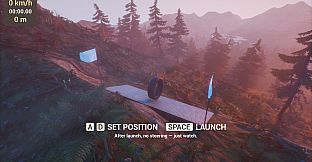
AROTA - Tire God is a casual simulation game built around the simple act of throwing a tire down a hill and observing its path under realistic physics. Players select from available maps and tire types before launching the object, after which control ends and the simulation runs its course based on terrain interactions like bumps and rocks.
Gameplay
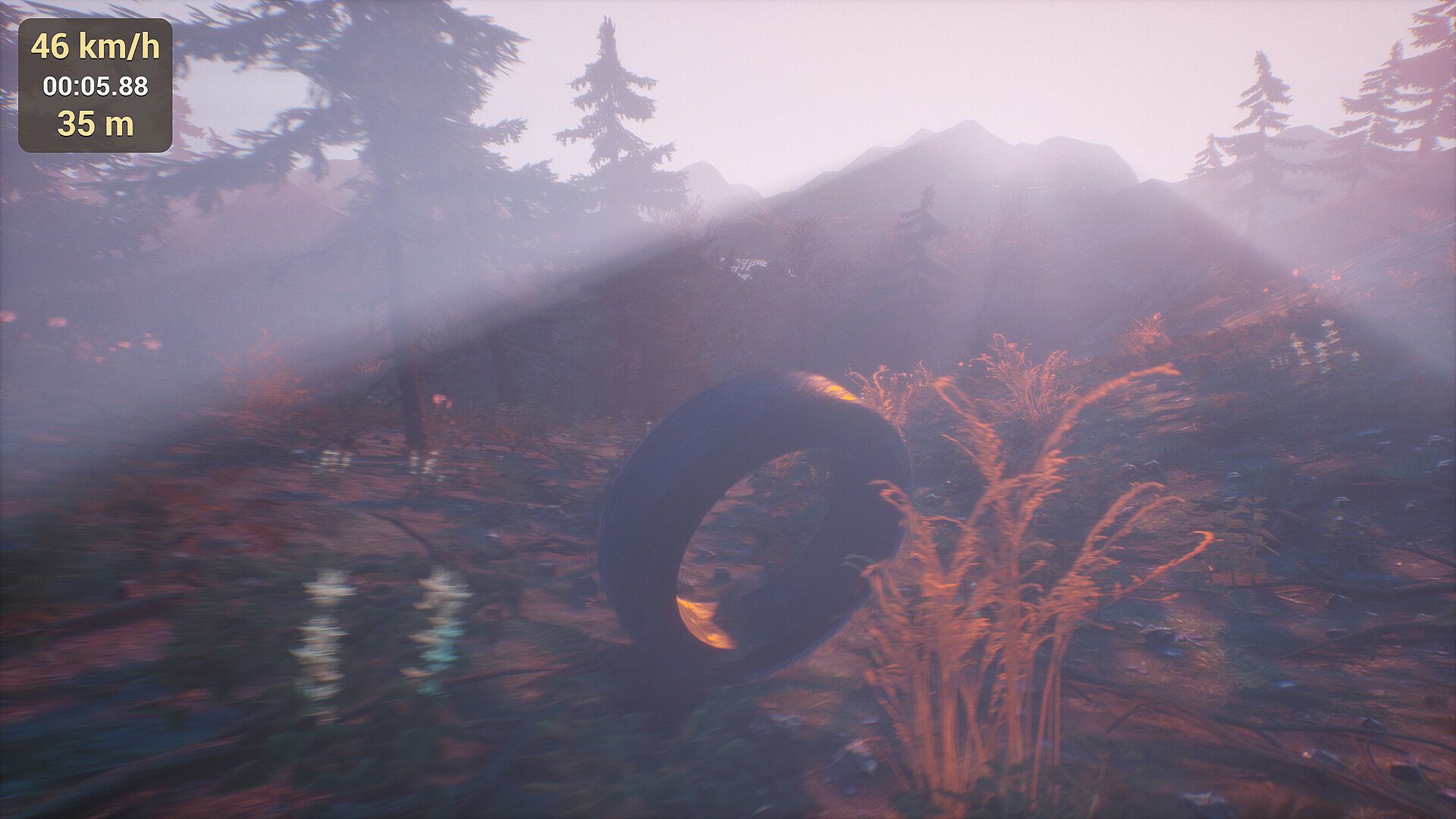
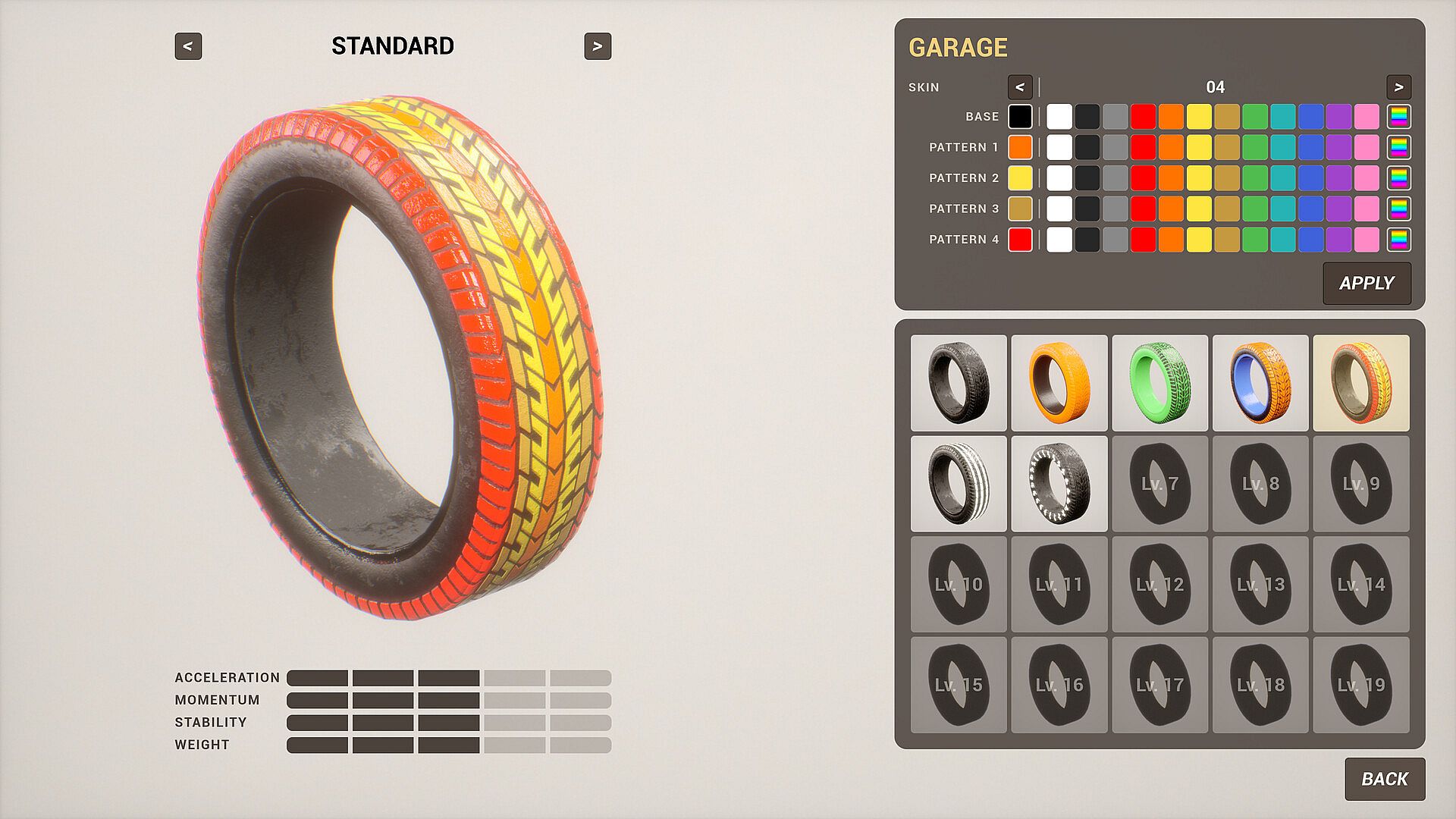
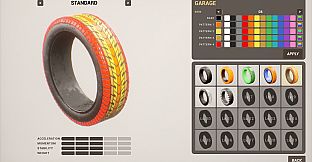
The core loop centers on map selection, tire choice, and the throw itself. Once released, the tire follows physics-driven movement that can send it airborne or bring it to an abrupt stop depending on obstacles encountered. Each attempt ends with a distance measurement, encouraging repeated tries to improve results. Different tire varieties influence rolling behavior, while customization options allow visual changes that do not affect performance. The experience emphasizes observation over direct control, turning each roll into a passive viewing session of the outcome.
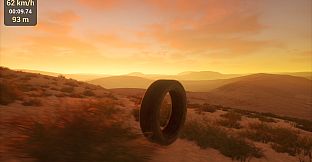
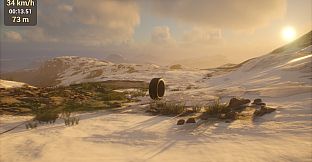
Five distinct maps provide varied hills and environments for these rolls. Realistic physics govern every interaction, making small terrain differences produce noticeably different paths. Leaderboards track the longest rolls across the player base, giving a competitive element to individual attempts without requiring ongoing input during the simulation.
Game Modes
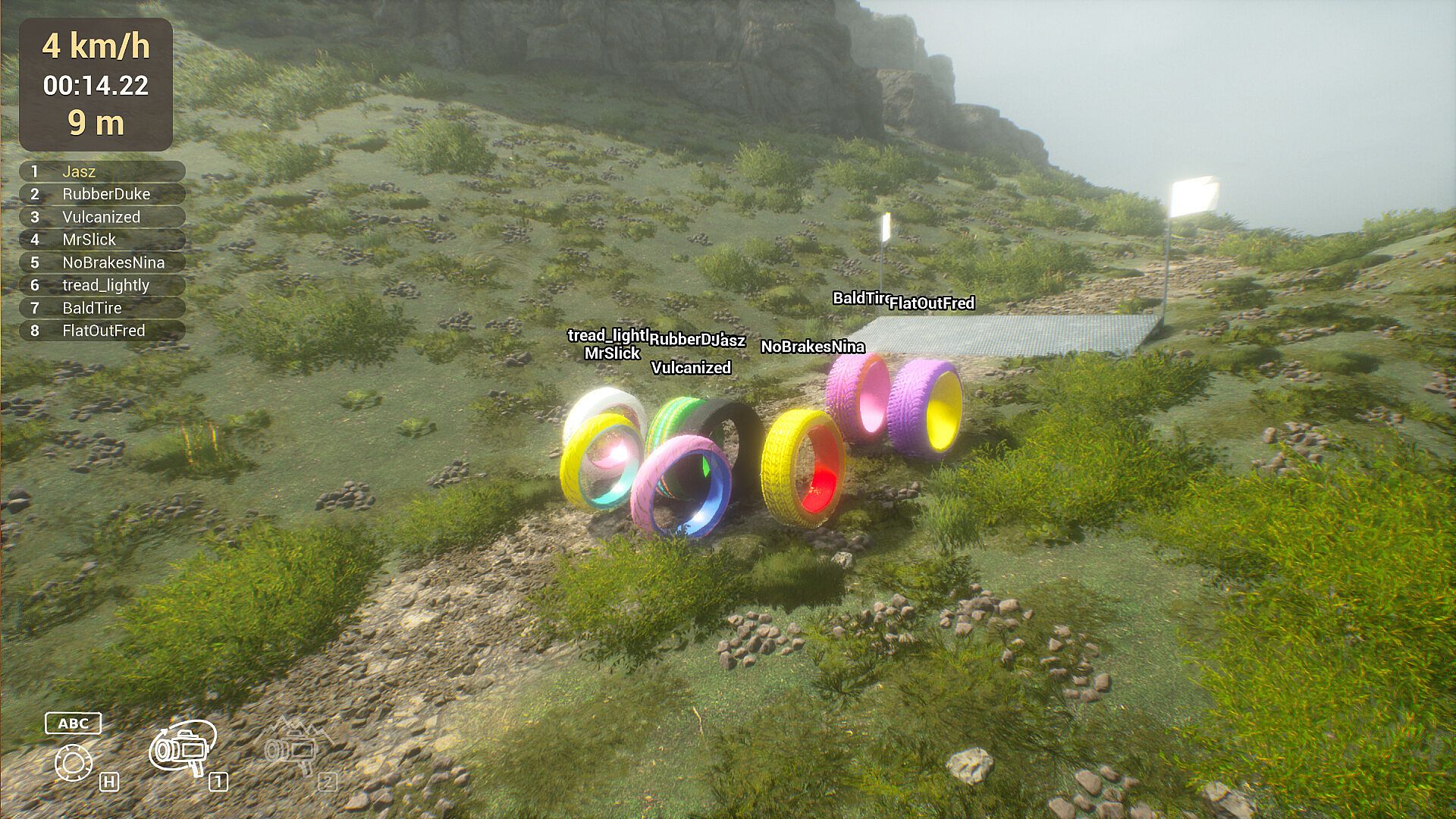
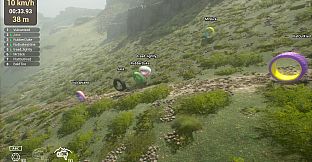
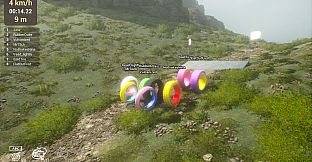
Singleplayer allows solitary rolls on any map with any tire, focusing purely on personal distance records and leaderboard placement. Multiplayer supports rolling alongside friends, enabling shared sessions where participants launch tires and compare outcomes in real time. Leaderboards operate across both contexts, displaying top distances for community visibility.
Online elements extend to competitive rolling against others, where participants can observe and react to each other's attempts. No additional named modes exist beyond these core options of solo and group play supported by global rankings.
Physics and Progression
Physics simulation forms the foundation, with every bump, rock, or slope capable of altering trajectory dramatically. Players witness these effects without intervention, learning map layouts through repeated observation rather than active maneuvering. Tire selection adds variety, as each type responds uniquely to the same terrain.
Progression occurs through accumulated rolls and leaderboard climbs rather than unlocks or levels. Repeated attempts on the same map reveal consistent patterns in how physics plays out, rewarding patience and pattern recognition over mechanical skill.
Is It Worth Playing?
The game targets players who enjoy minimalist, physics-driven experiences and the satisfaction of watching unpredictable outcomes unfold. Its appeal lies in the contrast between the straightforward throw mechanic and the complex results produced by the simulation. With no reviews available prior to release and the title listed as coming soon, current interest centers on the novelty of the concept and the promise of competitive leaderboards.
Those drawn to casual simulation titles with social and ranking features may find value in its focused design. Availability on PC through standard digital storefronts positions it as an accessible option for short sessions or longer leaderboard grinding once launched. The emphasis on faith in the roll rather than precision controls suits audiences seeking low-pressure entertainment over traditional challenge.