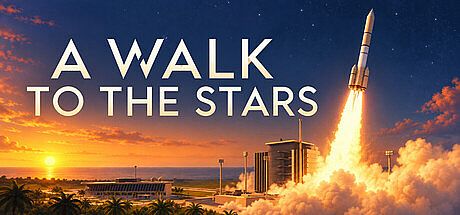


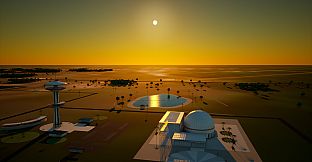
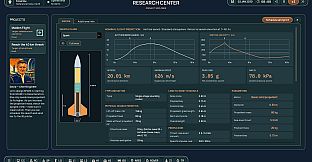
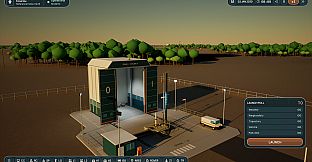
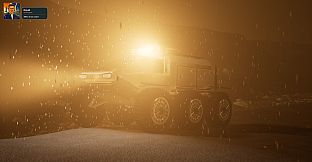
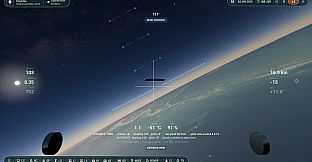
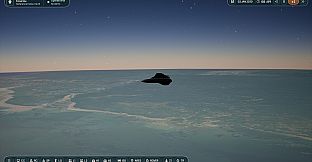
A Walk to the Stars is a casual simulation game for PC that invites players to experience the quiet progression of spaceflight from the ground up. The title captures the essence of the experience: a deliberate, unhurried journey that begins with a simple rocket launch and gradually expands outward through the solar system and beyond. Built around real astronomical data and physics calculations, it emphasizes observation and incremental learning rather than complex systems or intense challenges.
Gameplay
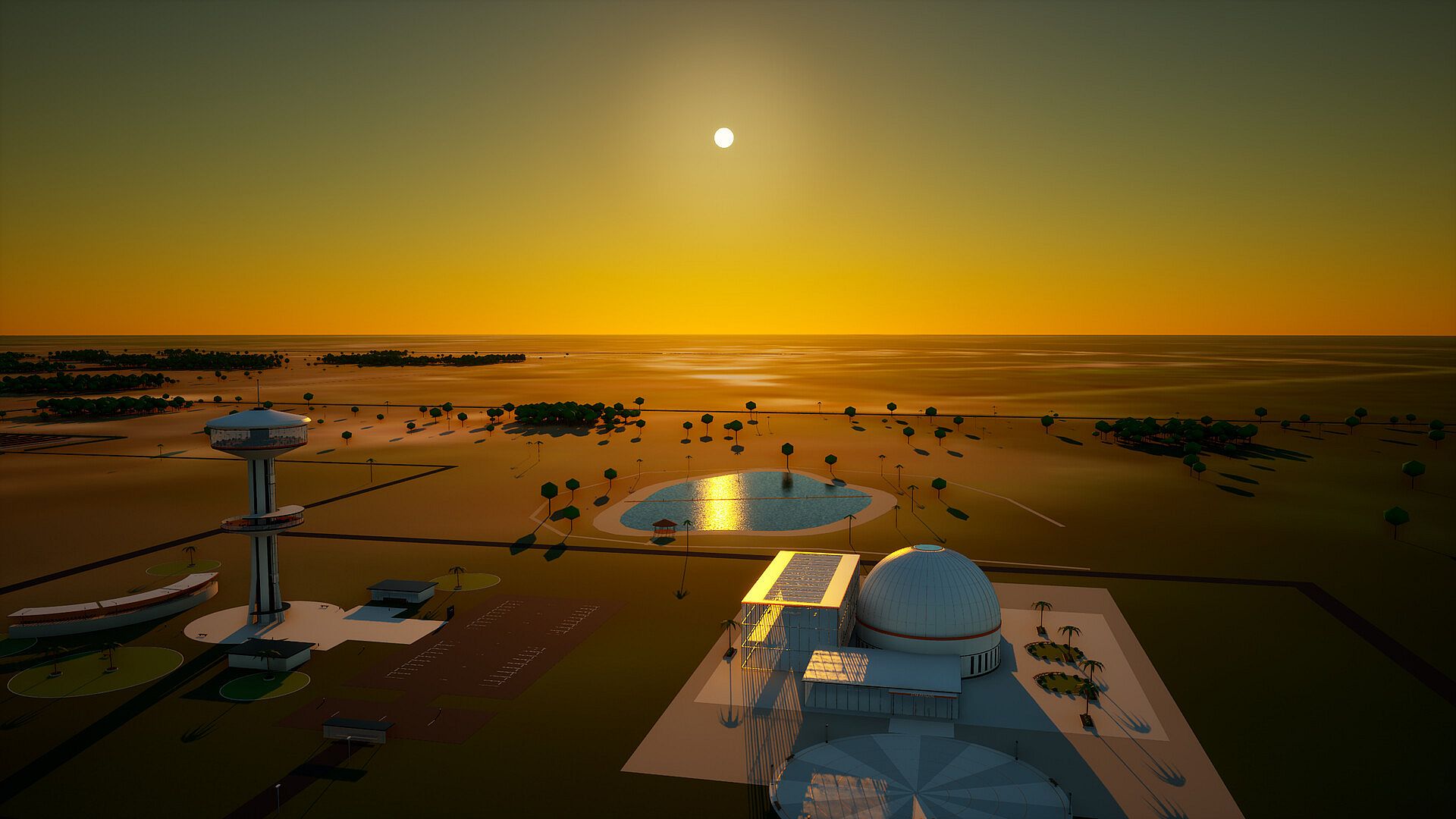
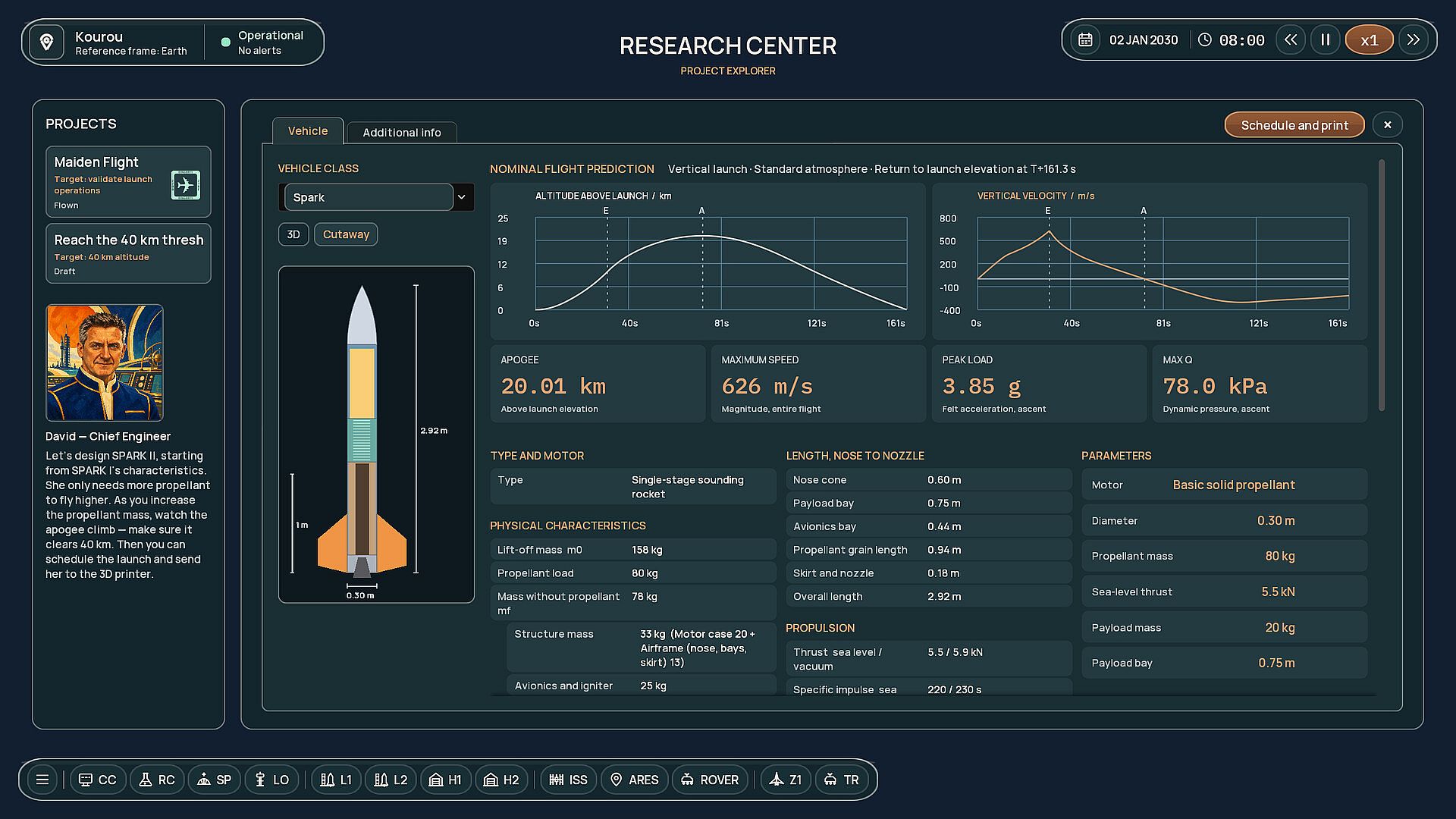
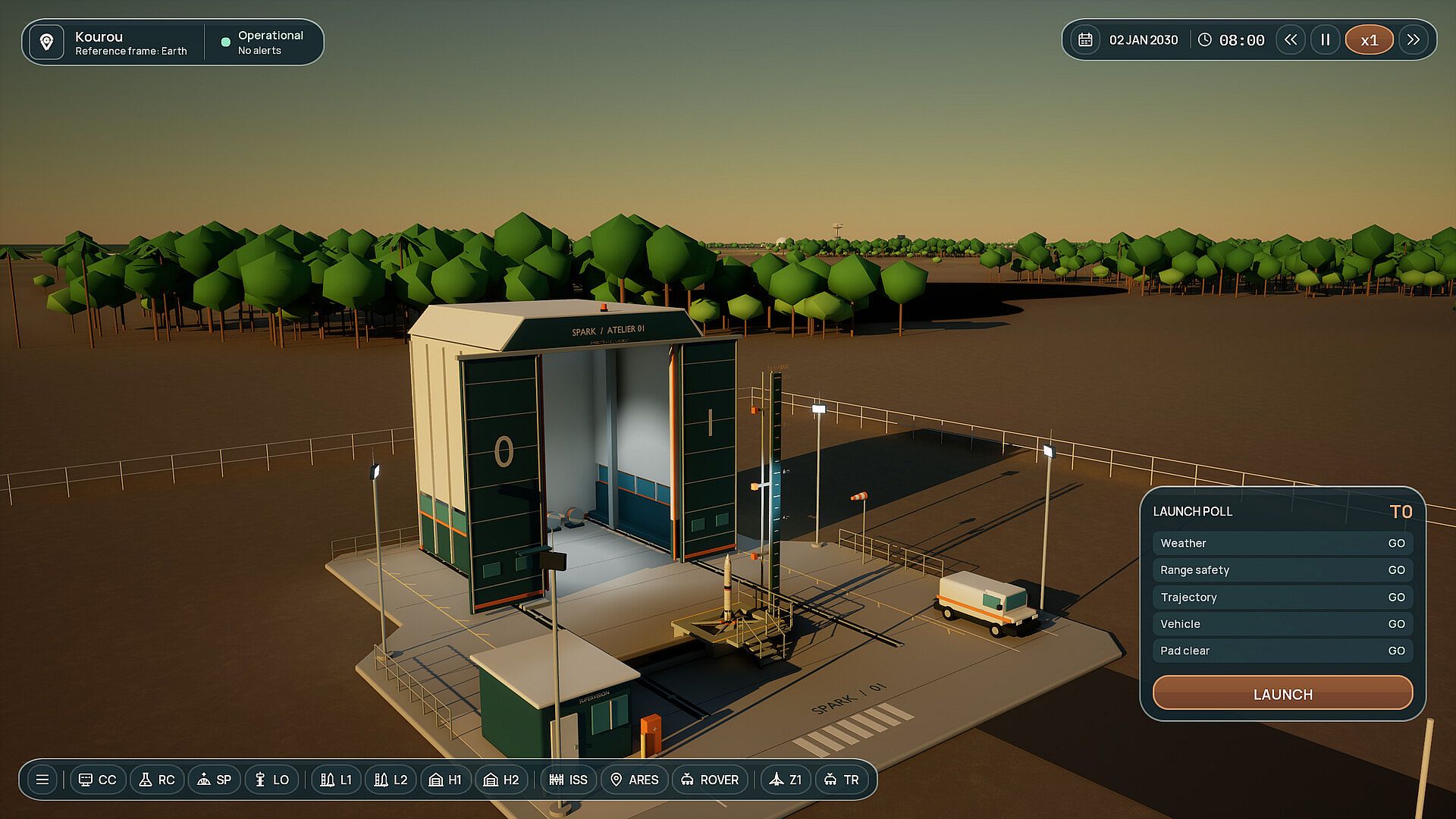
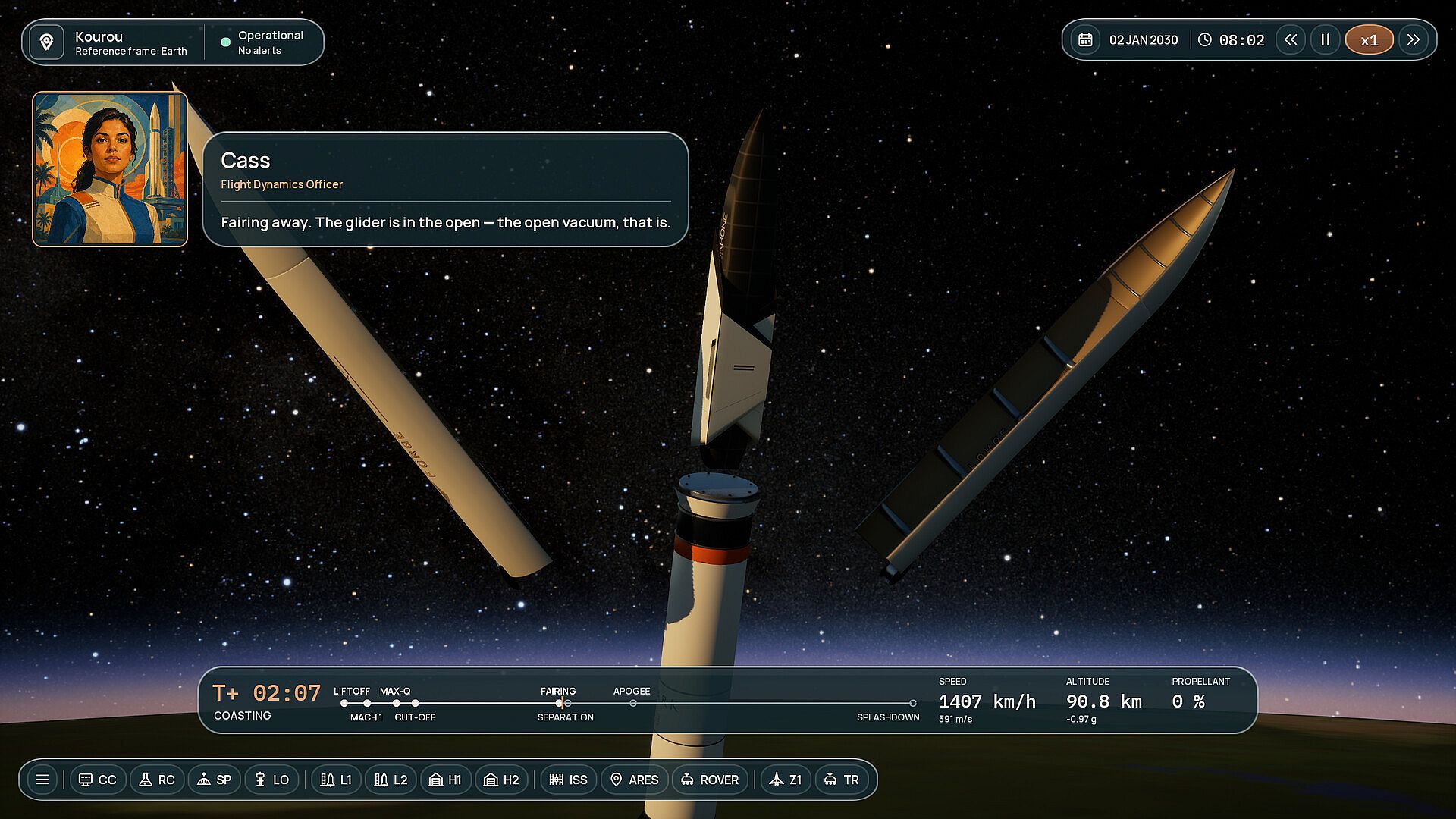
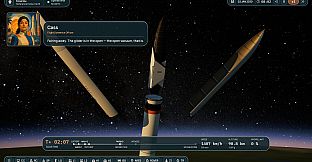
The core loop centers on designing and launching rockets that follow realistic trajectories based on their mass, thrust, and staging. Players start at the launch pad, where the sky reflects actual star positions drawn from established catalogs. Each launch unfolds as a calculated path from liftoff through orbital insertion, with the solar system itself operating on real orbital mechanics sourced from precise ephemerides. The Sun, planets, and moons move according to verified astronomical positions, and the environment around the launch site incorporates satellite imagery and mapping data for authenticity.
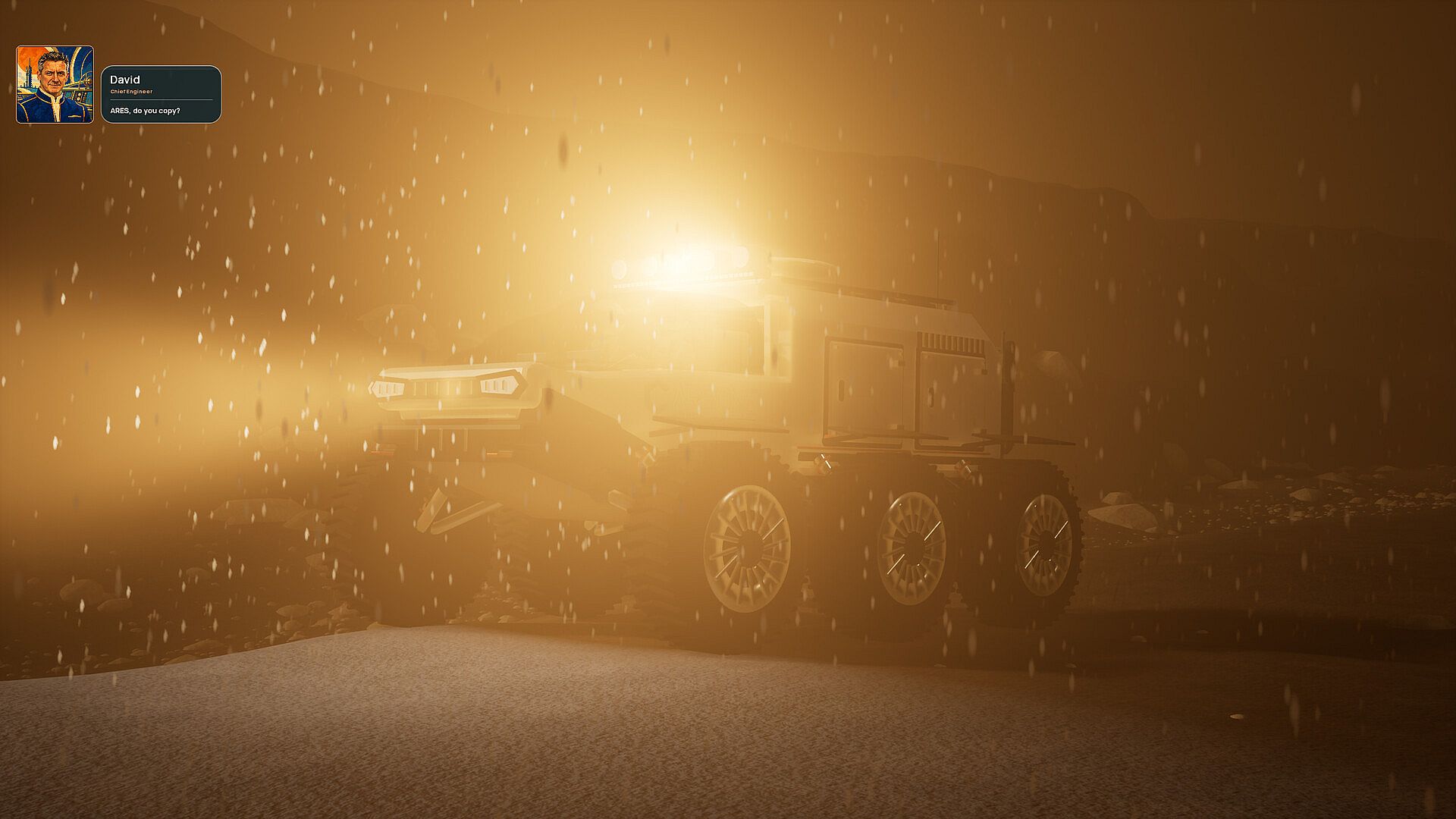
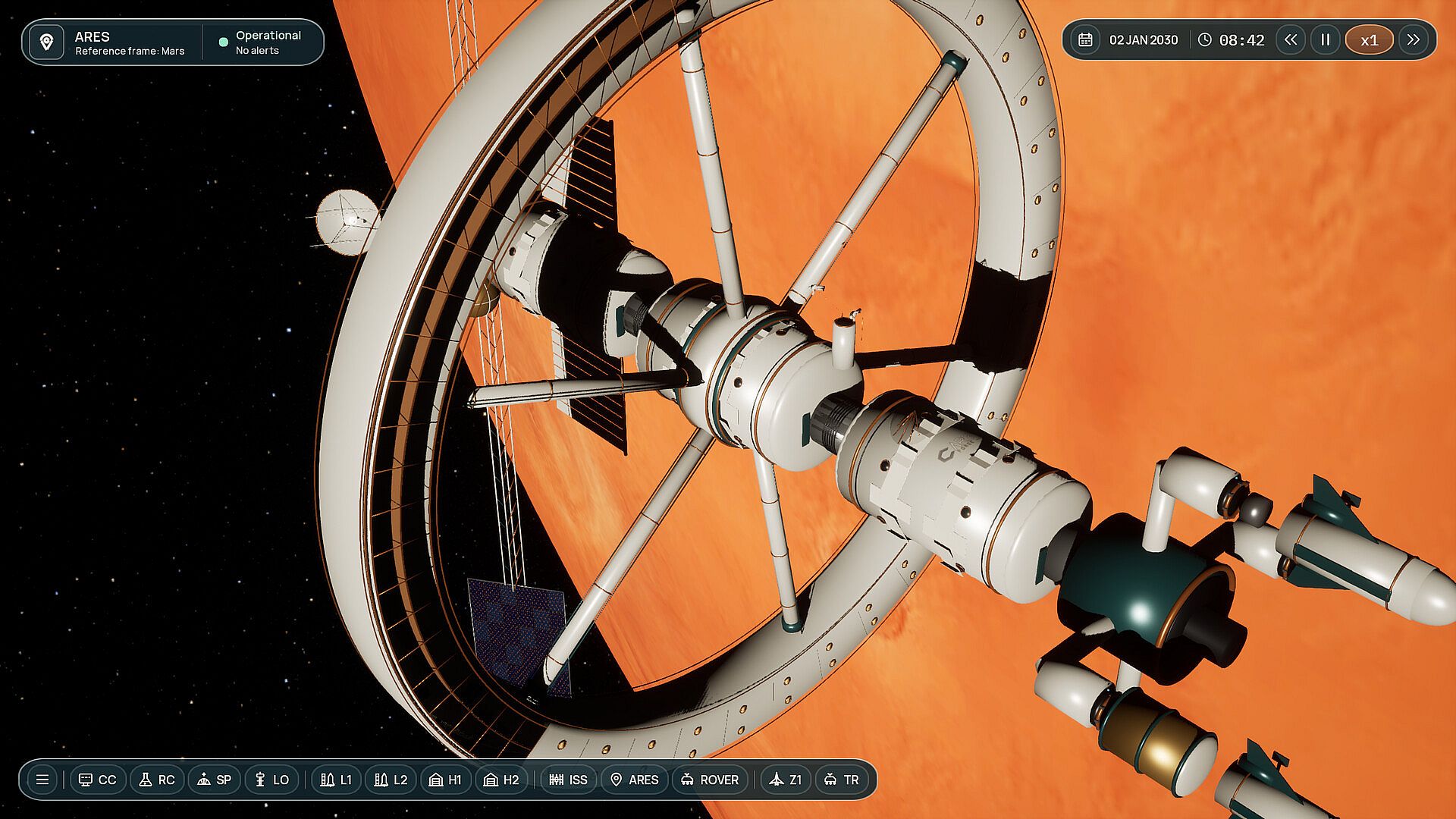
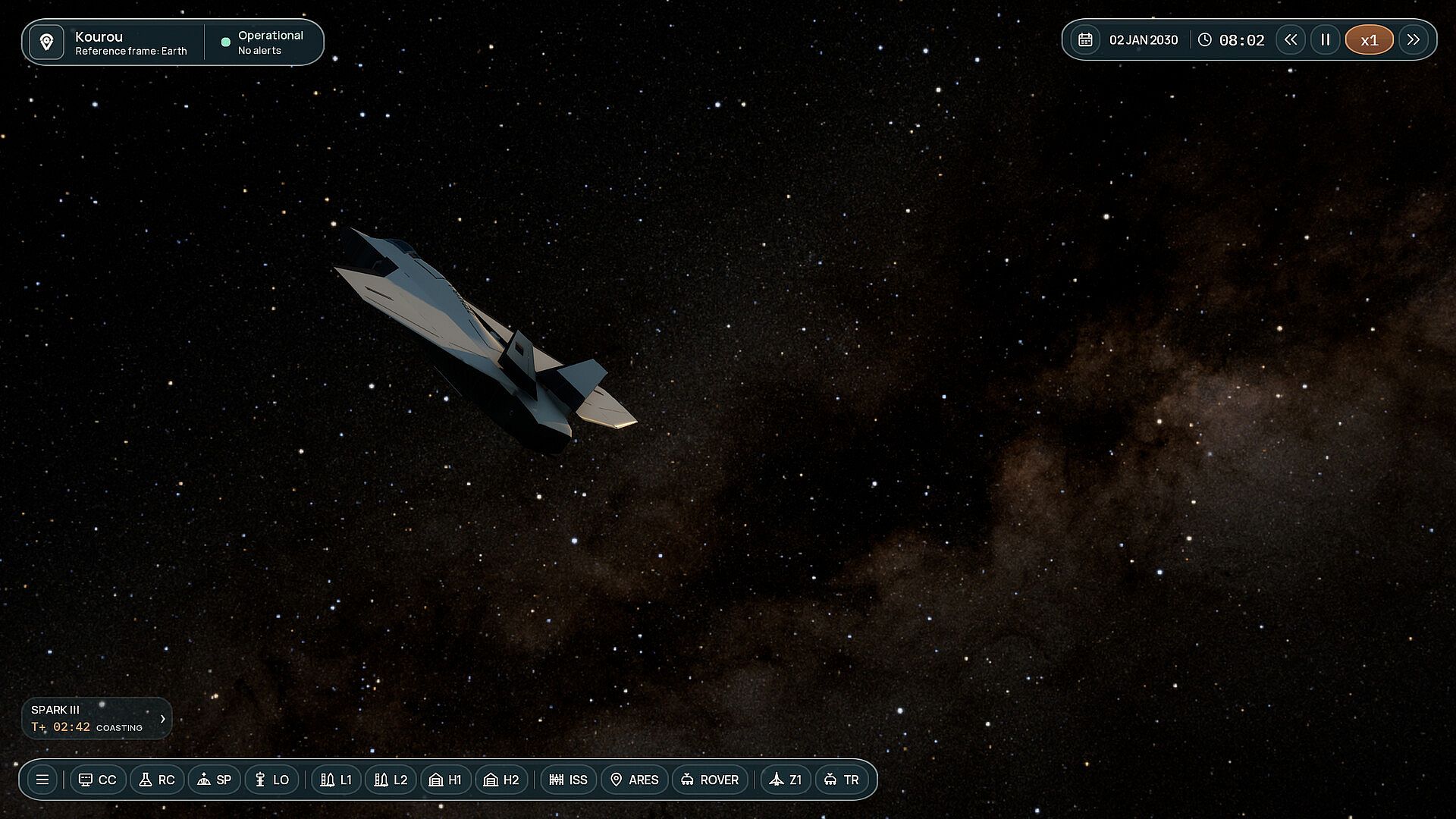
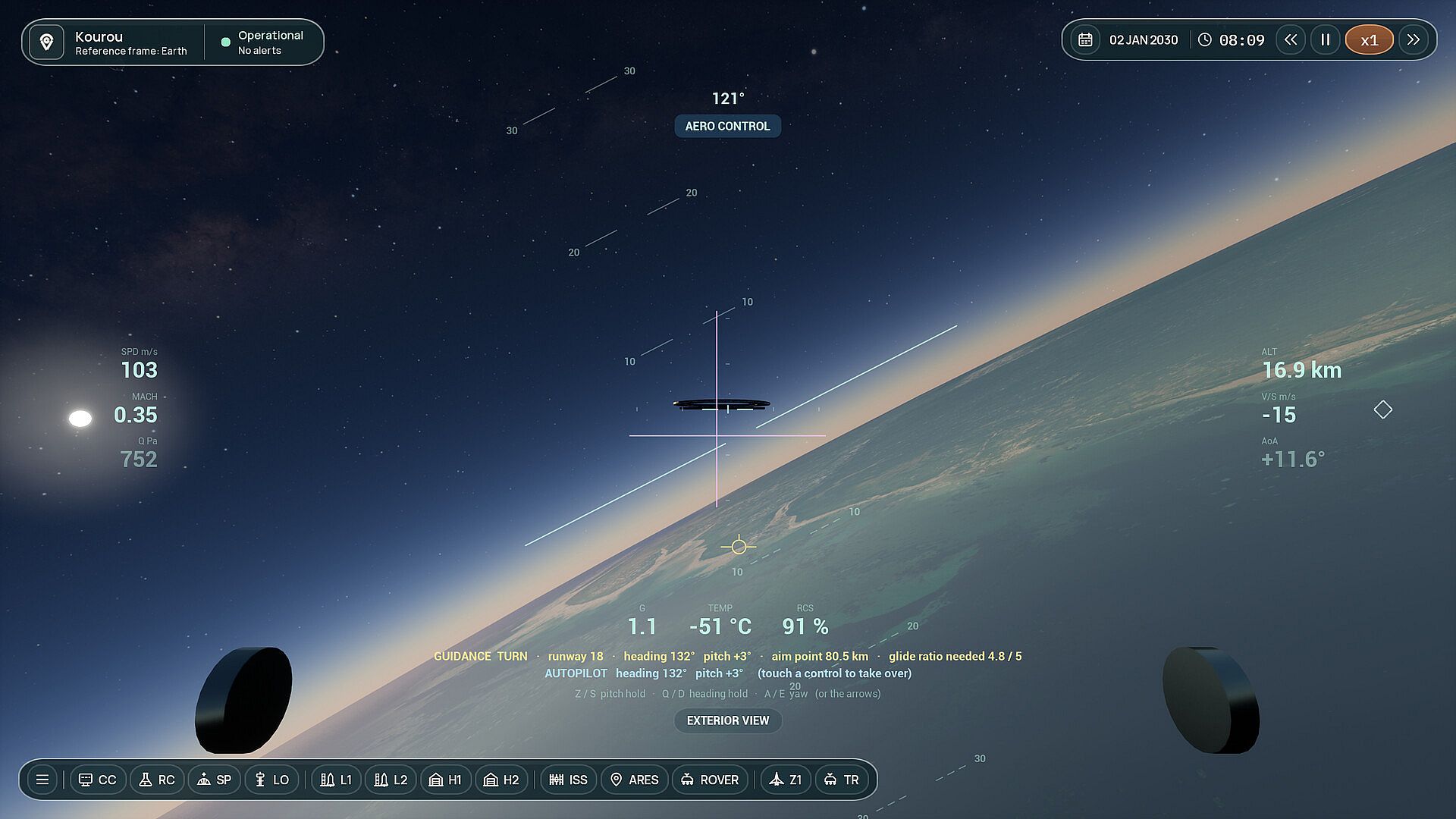
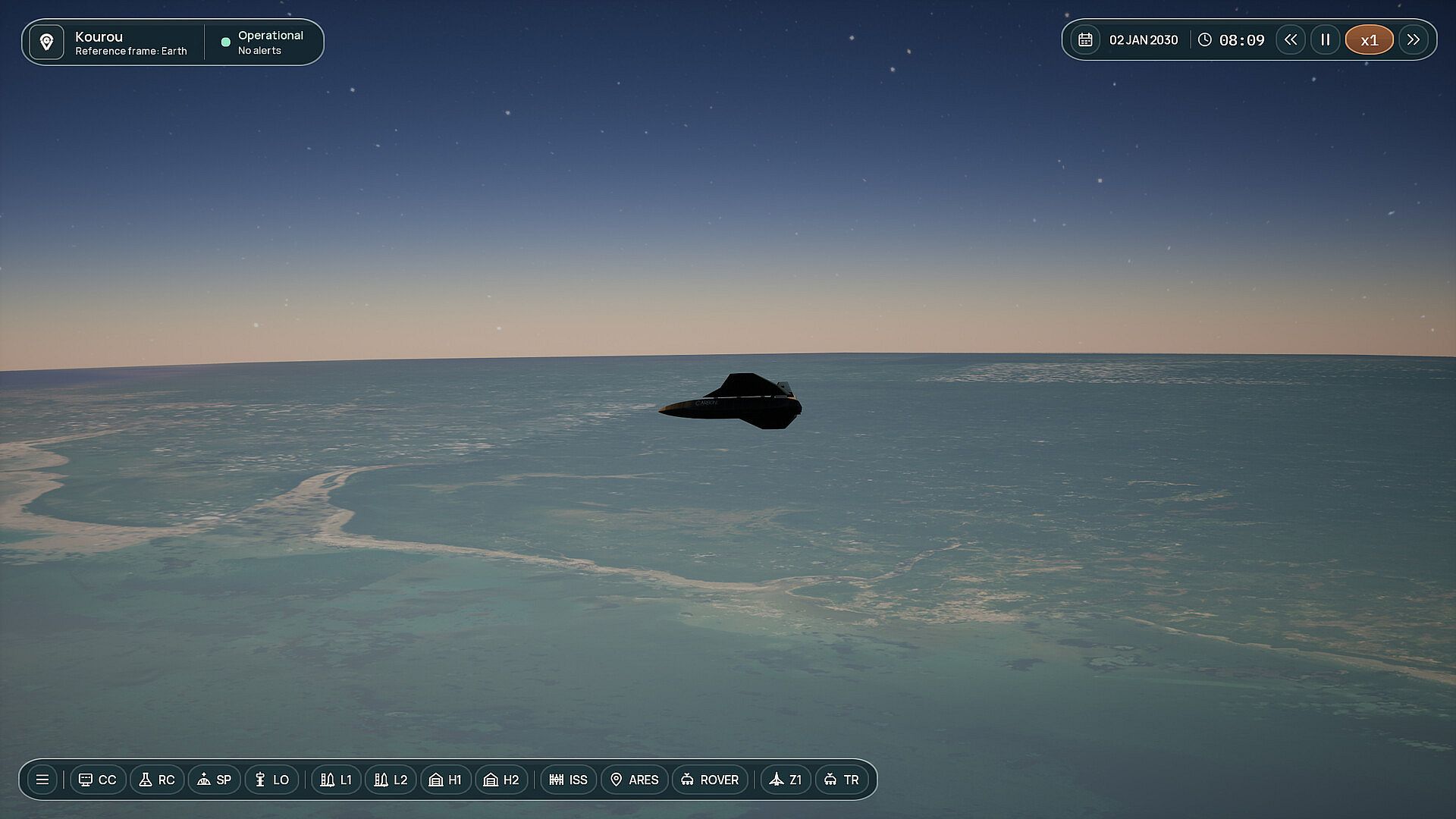
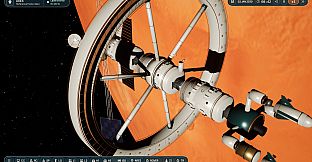
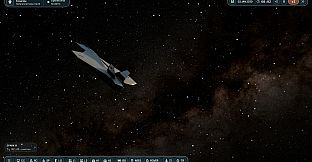
Progression moves step by step from initial Earth-bound launches to near-space operations and eventually deep-space exploration. Rockets respond to the laws of physics in a straightforward manner, allowing players to see how design choices affect performance without requiring advanced management tools. Visuals receive particular attention, with each sequence composed to highlight the beauty of the event rather than demanding constant input. The experience remains relaxed throughout, focusing on watching the results of thoughtful preparation unfold in a scaled, accurate solar system.
Game Modes
The game operates as a single-player simulation without separate competitive or multiplayer modes. The primary structure follows a linear yet open-ended journey that begins with basic rocket programs and builds toward broader solar system exploration. Players advance through successive phases of launches and missions, each building on the previous ones as they leave Earth behind and venture farther out. This progression serves as the central framework, encouraging repeated launches to refine designs and observe different outcomes in the same realistic environment.
Future extensions hinted at in the project include advanced propulsion concepts for interstellar travel, though the current focus stays on the solar system and its accurate representation. The absence of heavy resource systems or branching campaigns keeps the emphasis on the act of launching and observing rather than on layered strategy layers.
Visual and Technical Foundation
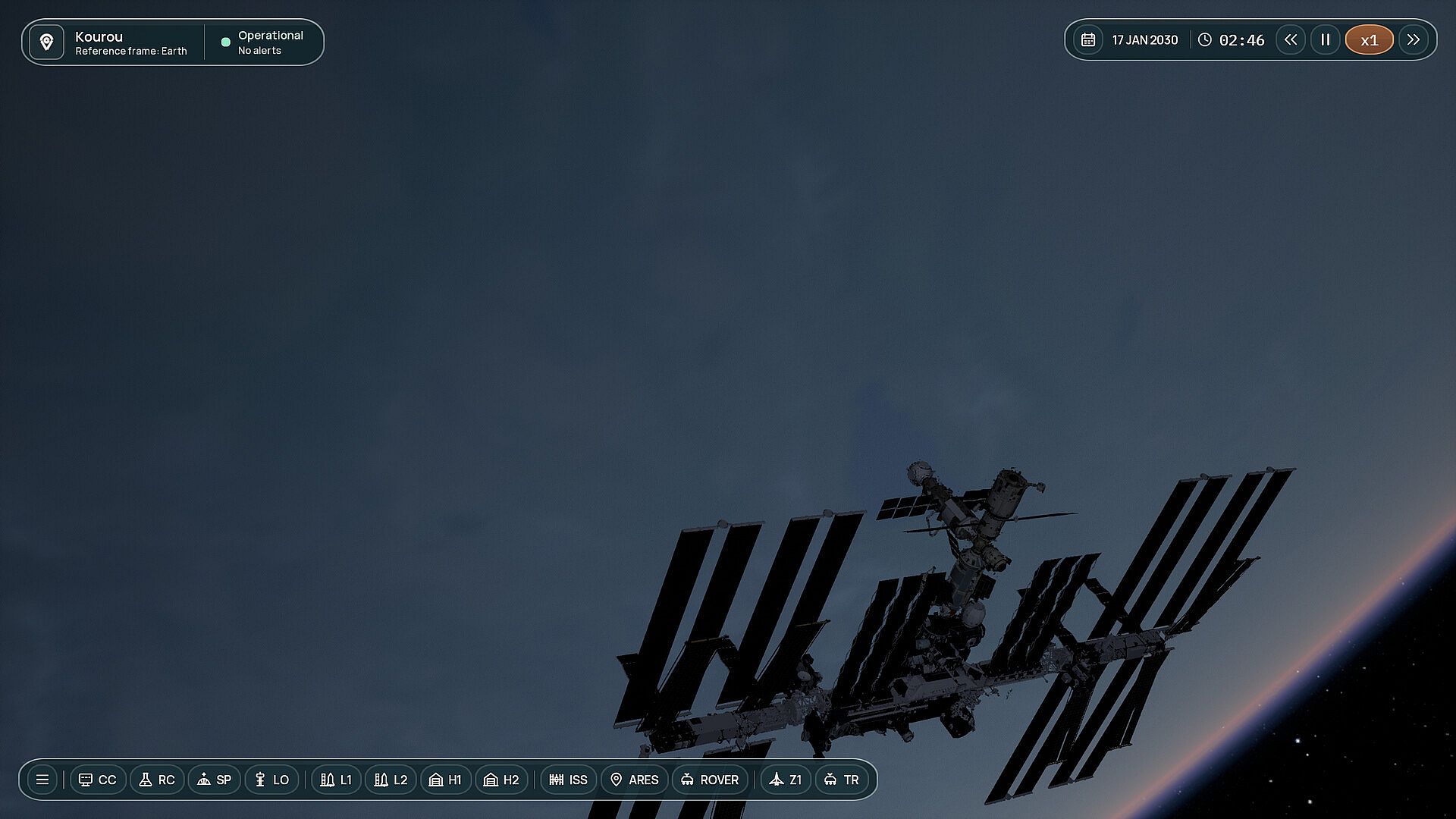
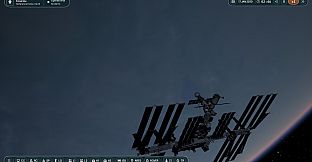
Every element draws from established data sources to create a consistent and believable setting. Planetary surfaces and features come from mapped imagery, while star fields reflect catalogued positions. The International Space Station appears as a detailed model, and launch site surroundings incorporate real geographic details. These choices support the simulation's goal of presenting spaceflight as it occurs in reality, scaled appropriately and free from artistic exaggeration. The solo development approach, aided by tools for modeling and audio, results in a focused presentation that prioritizes the integrity of the physics and visuals over expansive feature sets.
Is It Worth Playing?
This title suits players seeking a calm, visually driven simulation that prioritizes realism and relaxation over demanding mechanics or competitive elements. Those interested in spaceflight concepts, accurate orbital behavior, and the aesthetic appeal of launches will find the experience rewarding through its steady progression and attention to detail. The game avoids the complexity of full management simulators, making it accessible for casual sessions while still delivering educational value through its data-driven systems. With its emphasis on observation and incremental achievement, it appeals especially to anyone who enjoys watching a well-planned rocket reach orbit or explore the solar system in a true-to-life manner. The project remains in active development by a single creator, so ongoing refinements to the journey and future content additions could further enhance its appeal for fans of thoughtful space simulations.