

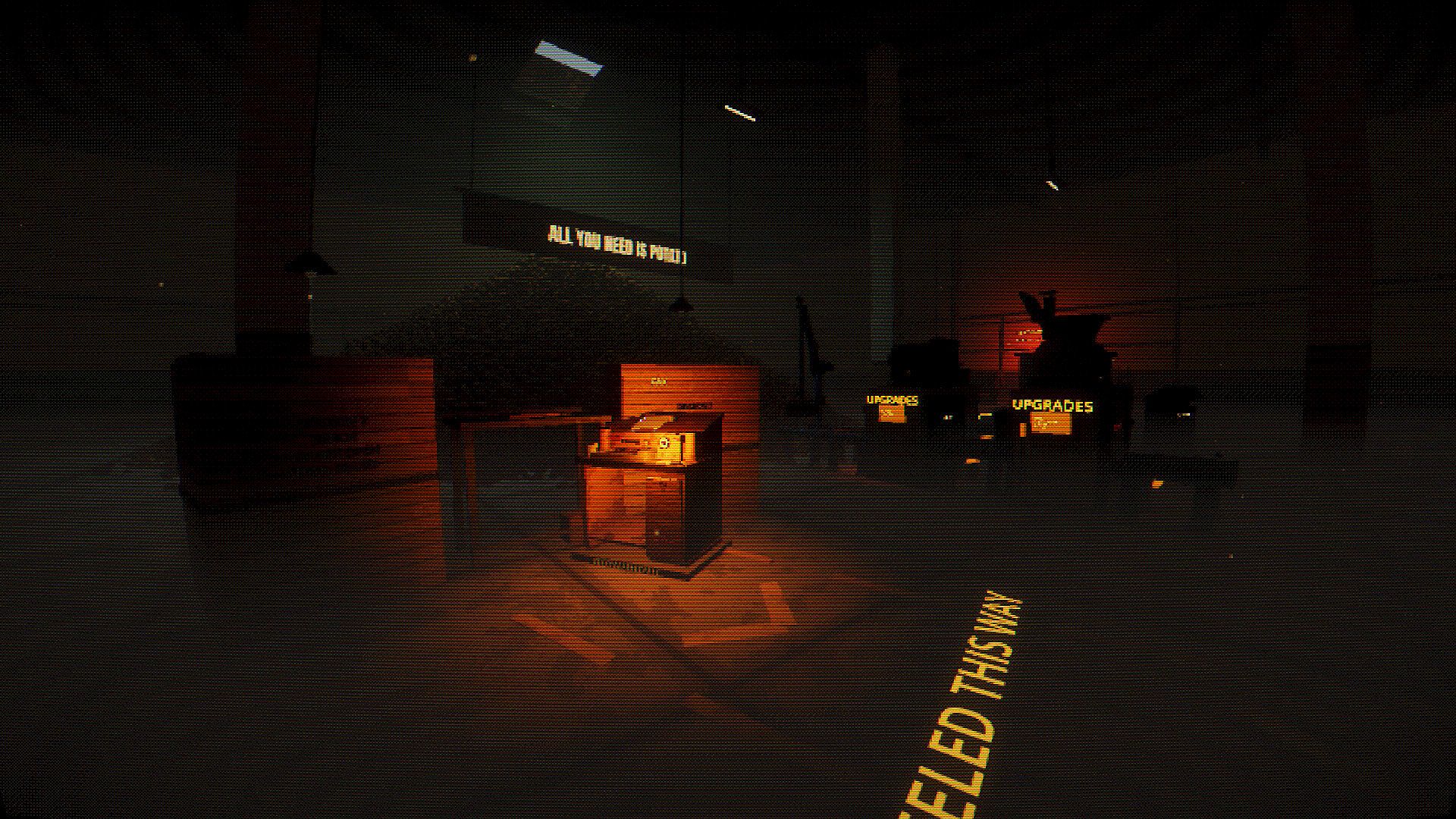
1,000,000 POTATOES is an indie casual simulation game set in a freezing 1991 warehouse where players must process exactly one million potatoes one by one. The experience blends precise manual tasks with gradual automation and subtle horror elements that emerge from the pile itself.
Gameplay
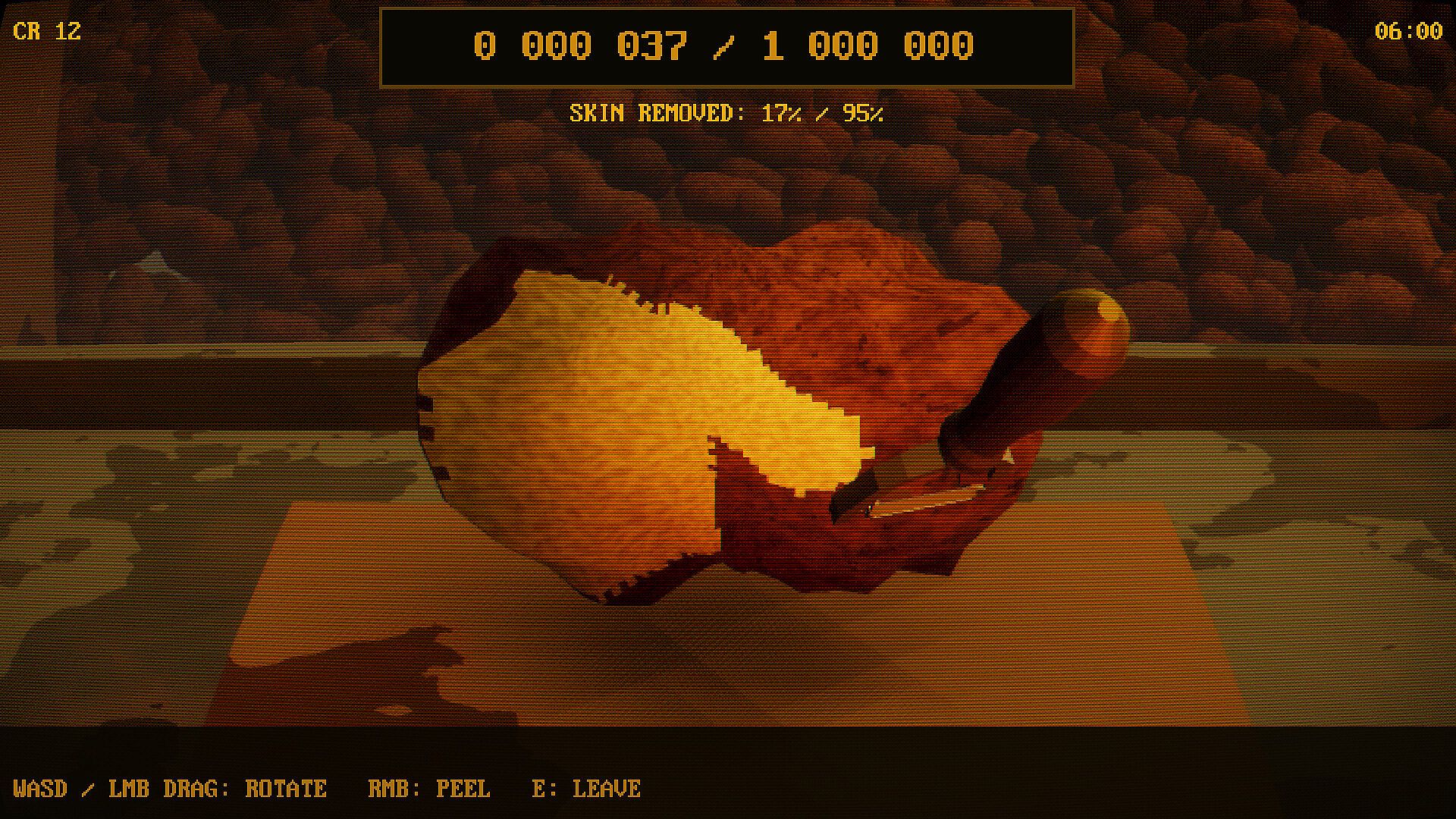
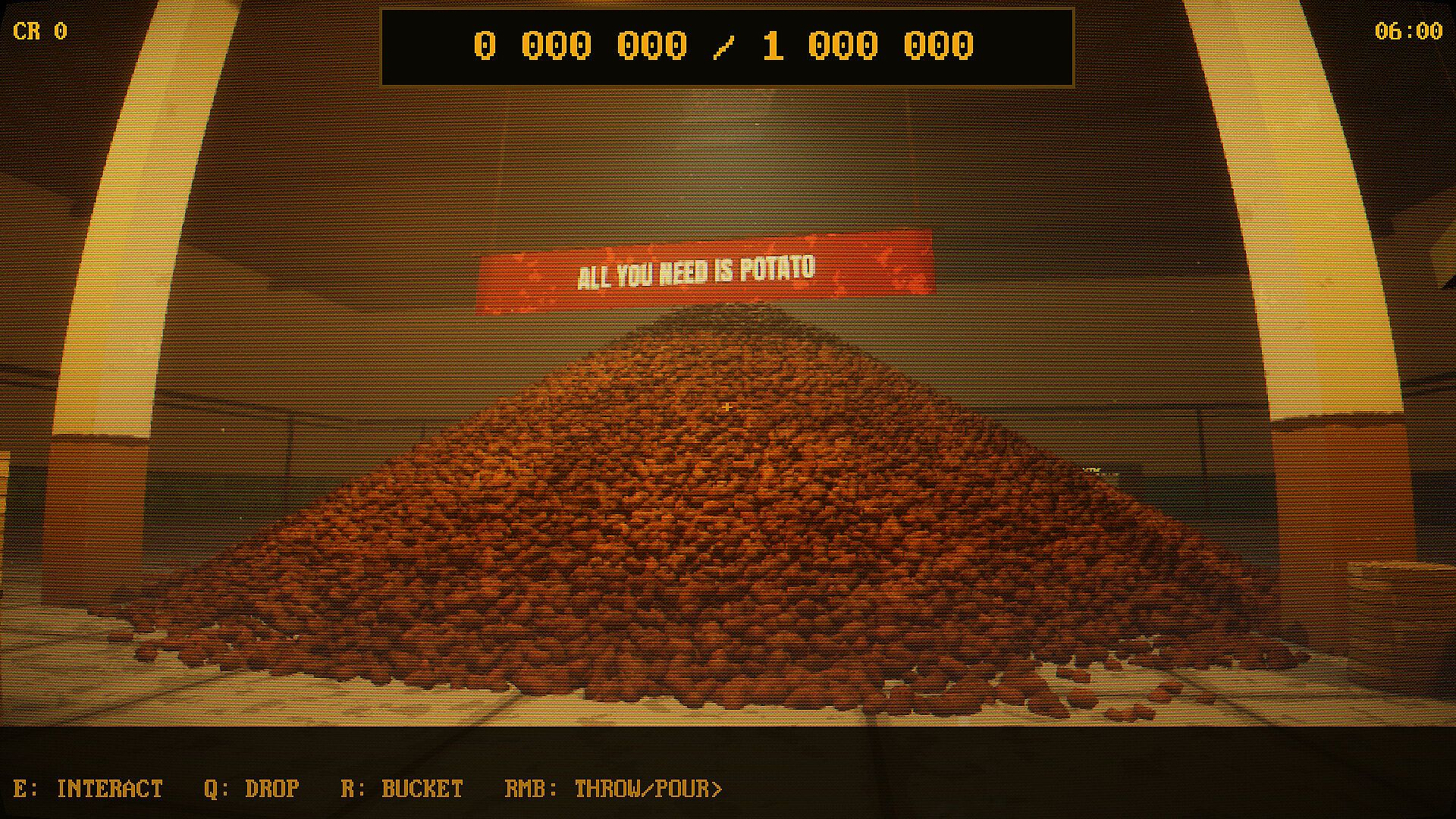
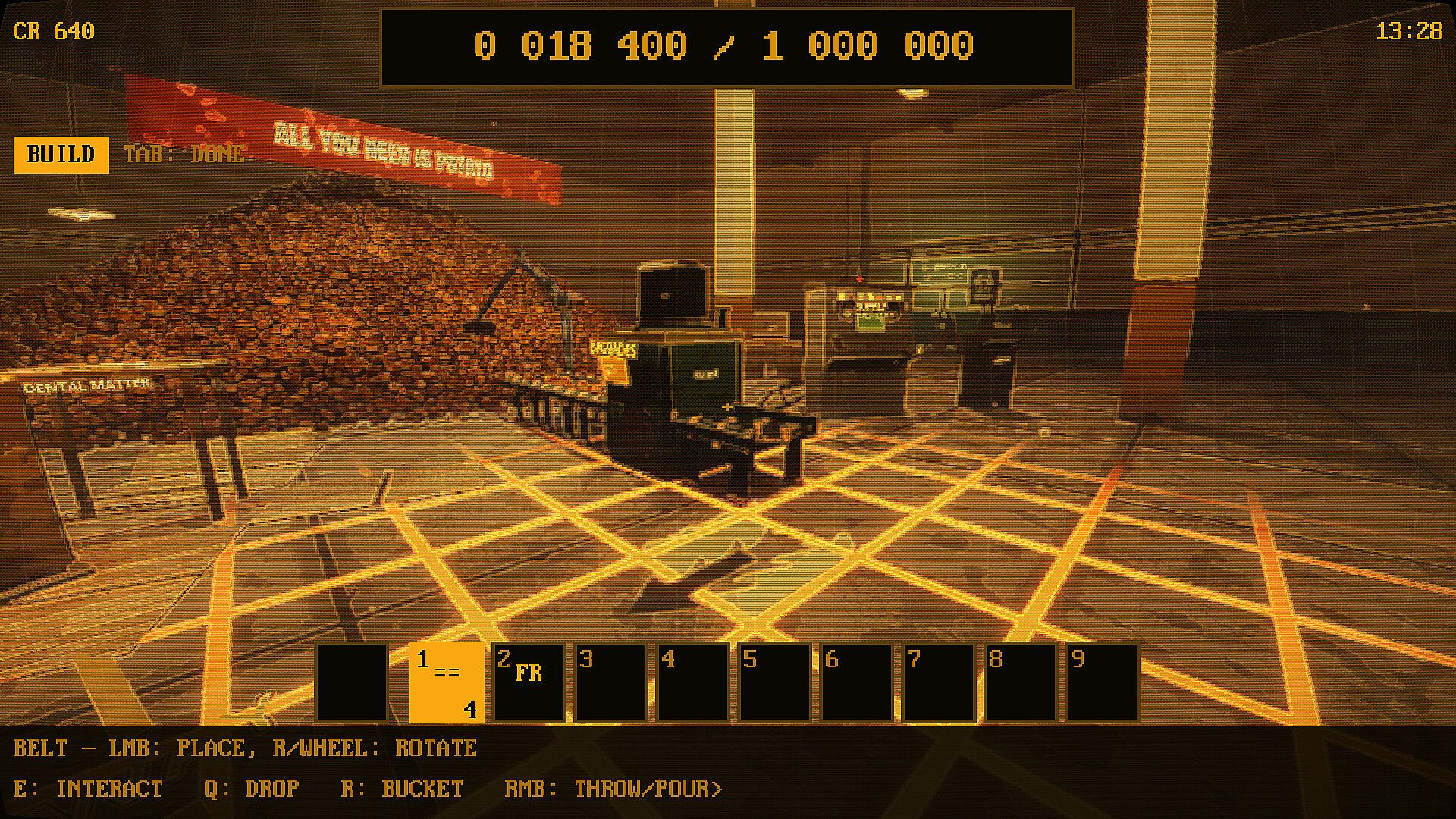
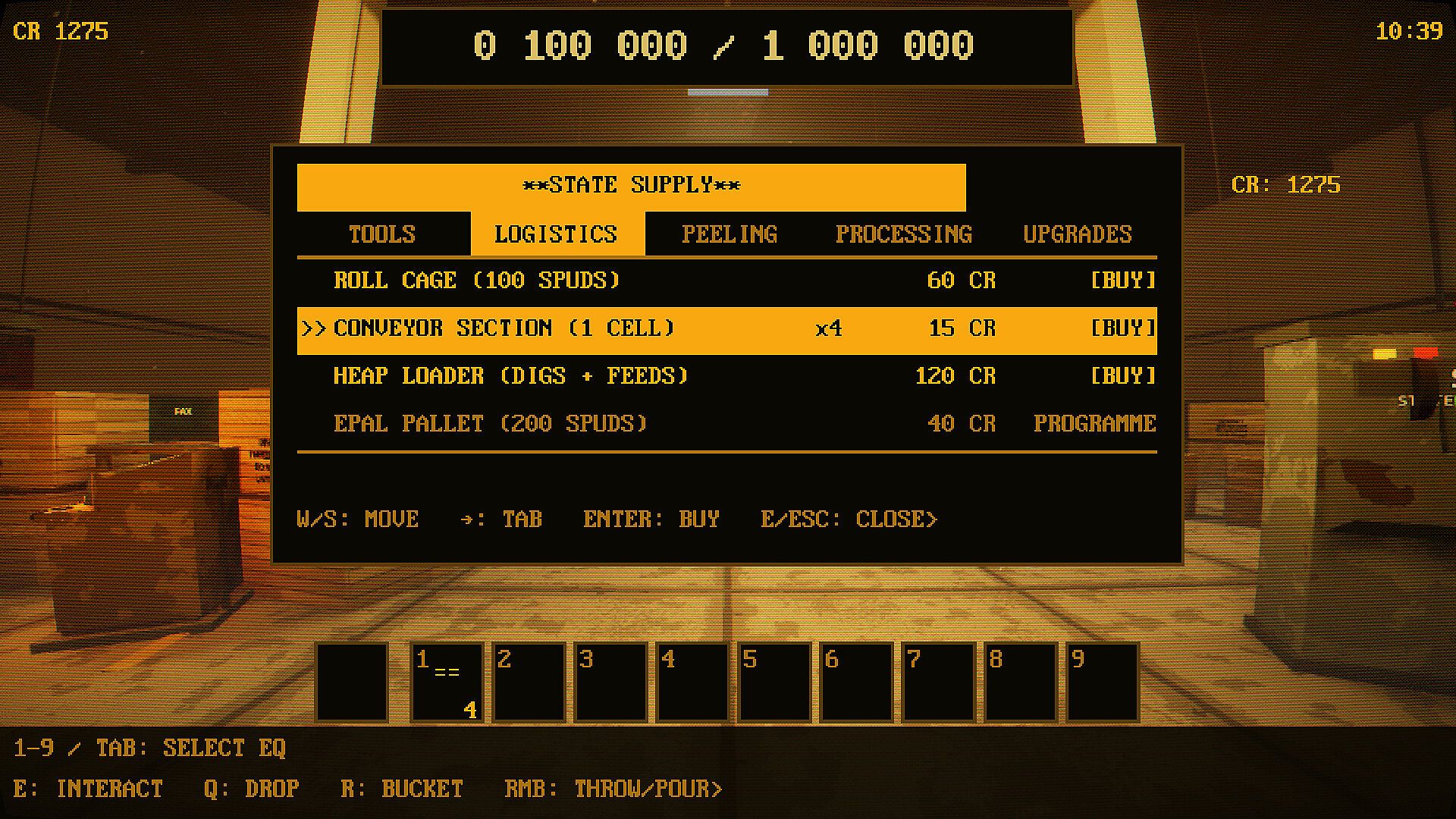
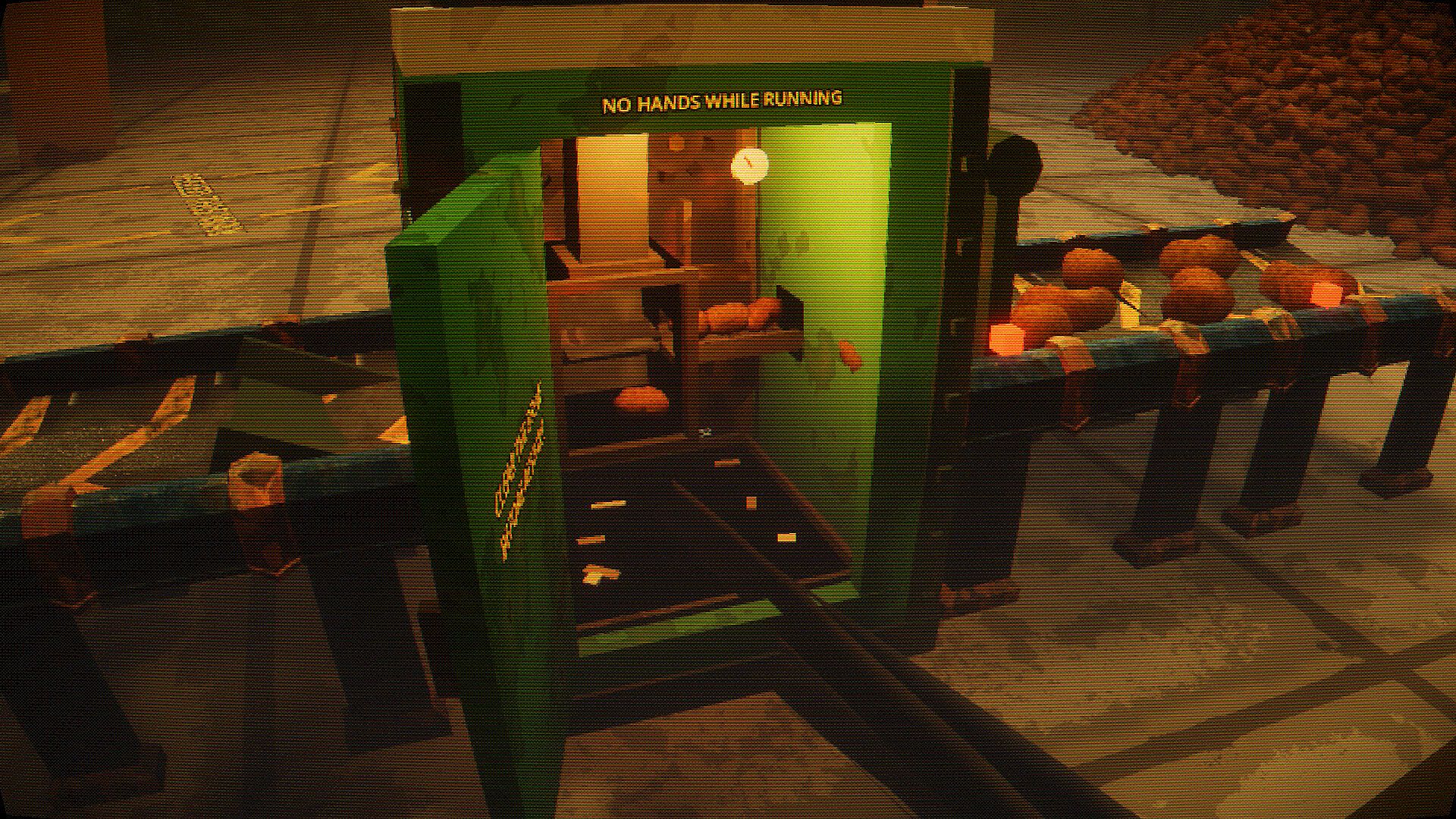
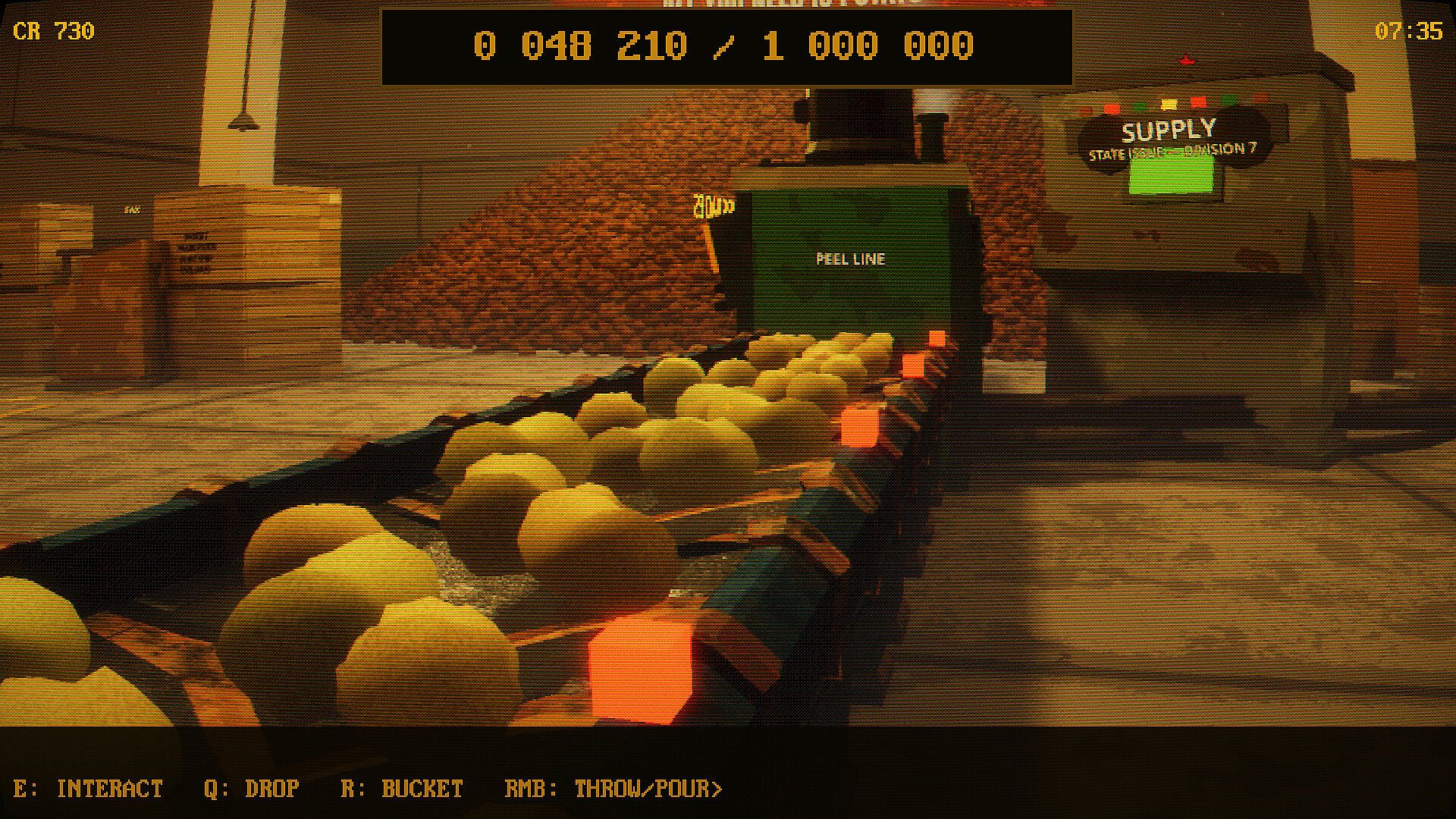
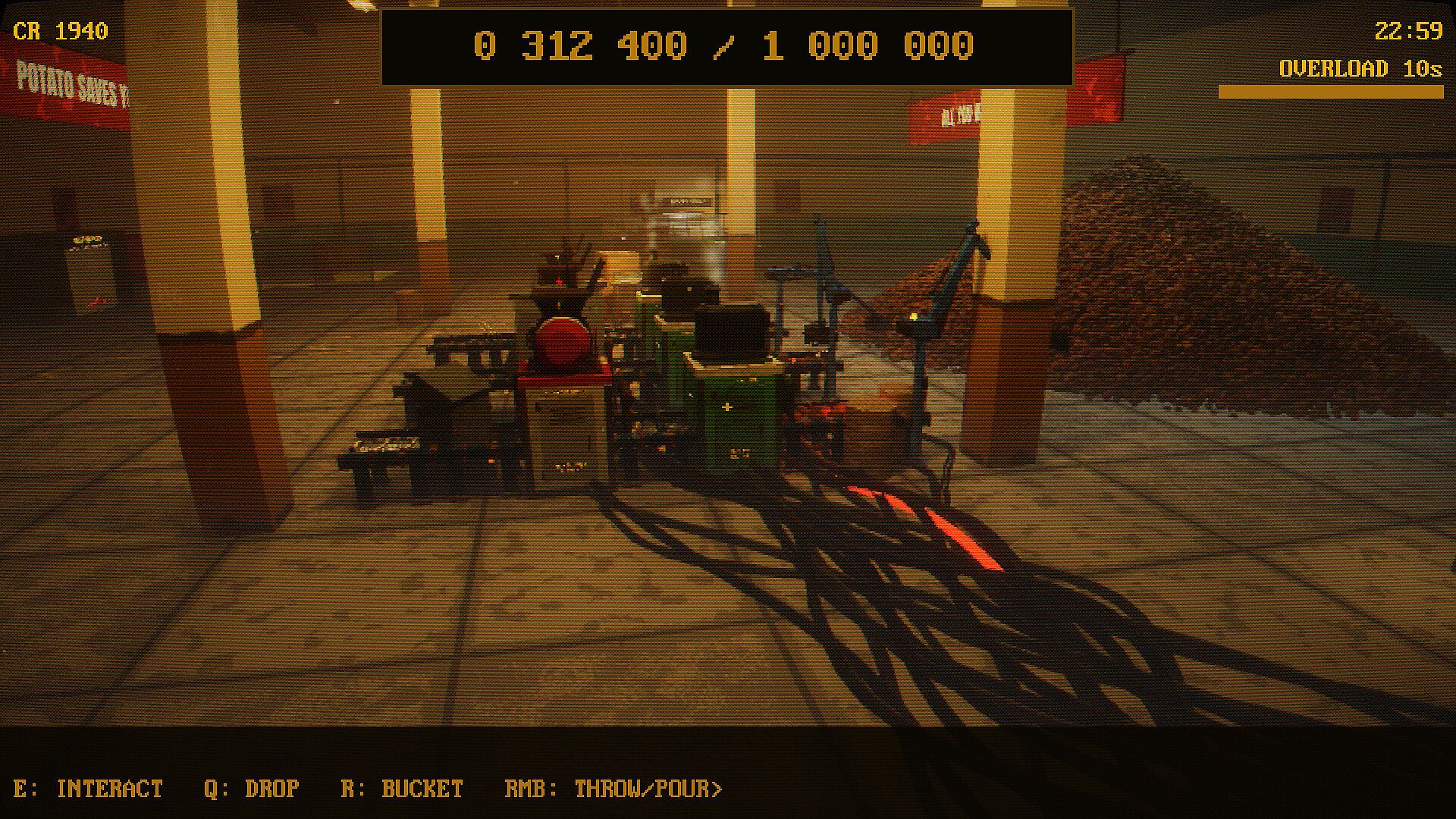
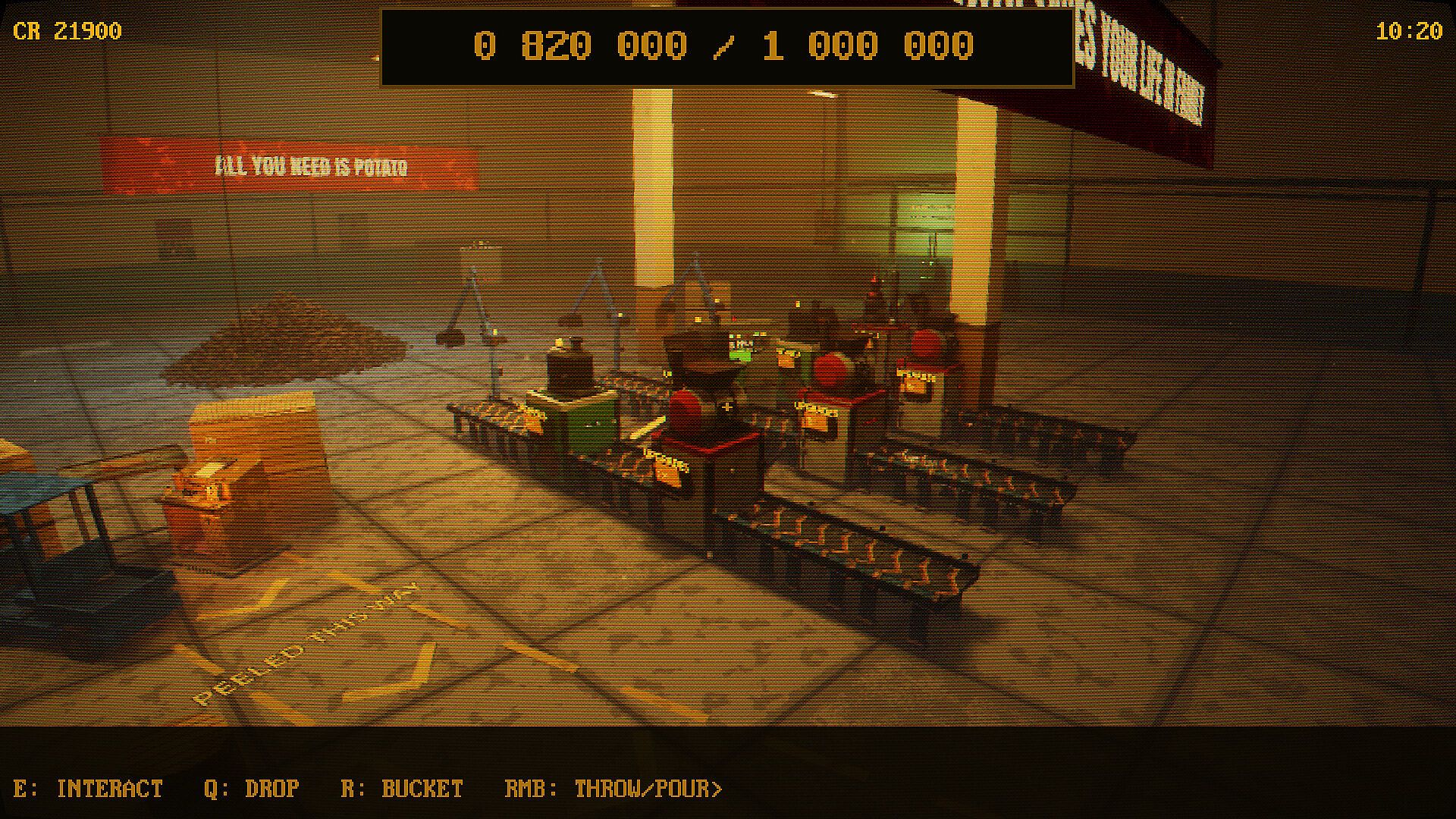
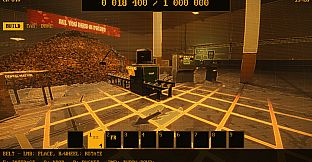
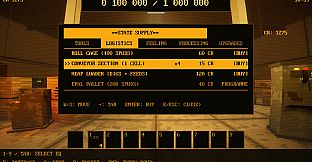
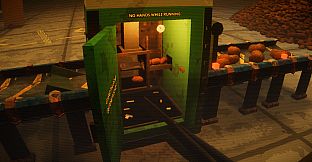
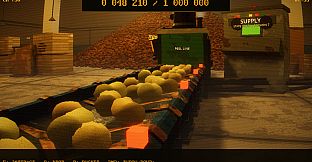
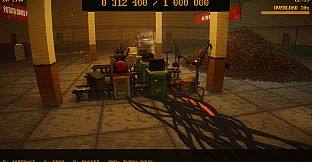
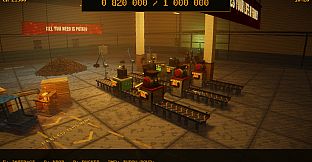
Players begin with basic hand peeling in a cold industrial space. Each potato is picked up individually, and the skin peels away as a continuous physics ribbon that curls, stretches, and can snap under tension. Processed potatoes move to a collection point before the next one is selected. The central pile consists of individually simulated potatoes, so every unit removed visibly reduces the heap until only the concrete floor remains. Earnings from completed work fund upgrades that introduce auto-peelers, fryers, mashers, distillers, and additional machinery to scale output. The quota of one million remains a fixed physical target rather than an abstract number.
Occasional anomalies appear among the otherwise ordinary potatoes. These mutated specimens include examples with teeth or eyes that watch the player. Handling them breaks the routine and adds tension to the otherwise methodical process. The simulation runs in real time, with the physical state of the pile and the growing automation line serving as constant visual feedback on progress.
Game Modes
The game operates as a single-player simulation without separate competitive or cooperative modes. The core loop centers on sequential potato processing that transitions from manual labor to a fully automated production chain. All activity occurs within the same warehouse environment, where the shrinking physical pile and accumulating machinery define the session. Progression stays tied to the fixed quota, encouraging repeated playthroughs focused on efficiency and anomaly encounters rather than branching scenarios.
Atmosphere and Progression
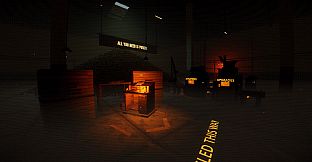
The setting remains consistent as a decaying Soviet-era facility with limited lighting and ambient cold. Sound design emphasizes the repetitive sounds of peeling and machinery alongside occasional unsettling details from anomalies. Upgrades alter both the speed of processing and the visual layout of the workspace, turning an initial sparse station into a complex line of equipment. The horror component stays understated, relying on the contrast between routine industrial work and the rare wrong potatoes that appear without warning.
Is It Worth Playing?
This title suits players who enjoy deliberate simulation mechanics combined with incremental automation and light horror touches. The physical pile system and physics-driven peeling provide a tangible sense of scale and accomplishment that standard idle games often lack. Because the quota is literal and every potato counts toward the visible reduction of the heap, sessions feel purposeful even during long automation phases. Those drawn to quirky indie concepts with precise manual interaction and gradual system building will find the premise engaging. The game remains in development with a release date pending, so interested players can follow its progress through official channels to assess final polish and any additional systems added before launch.