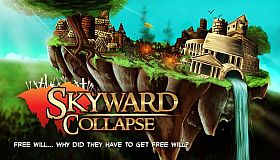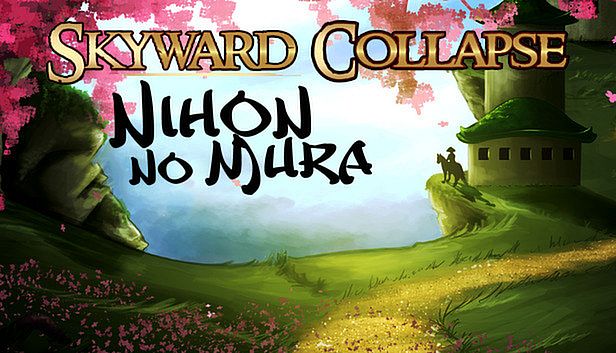











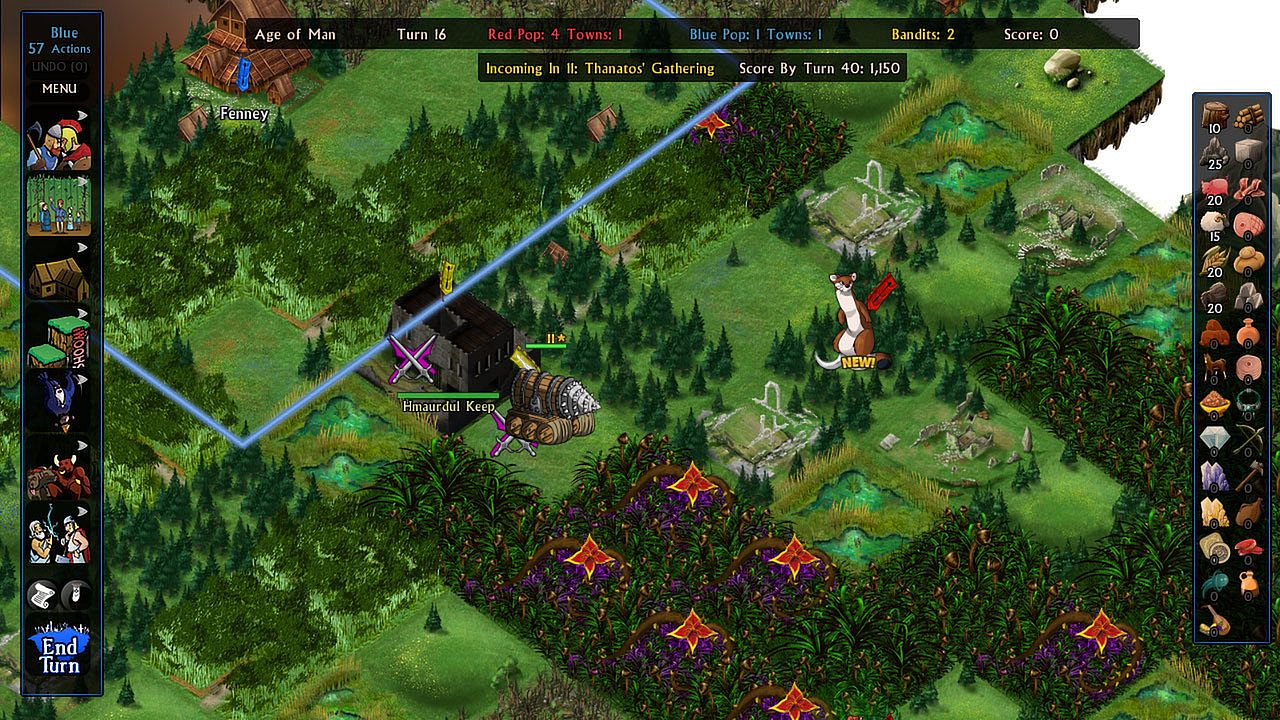
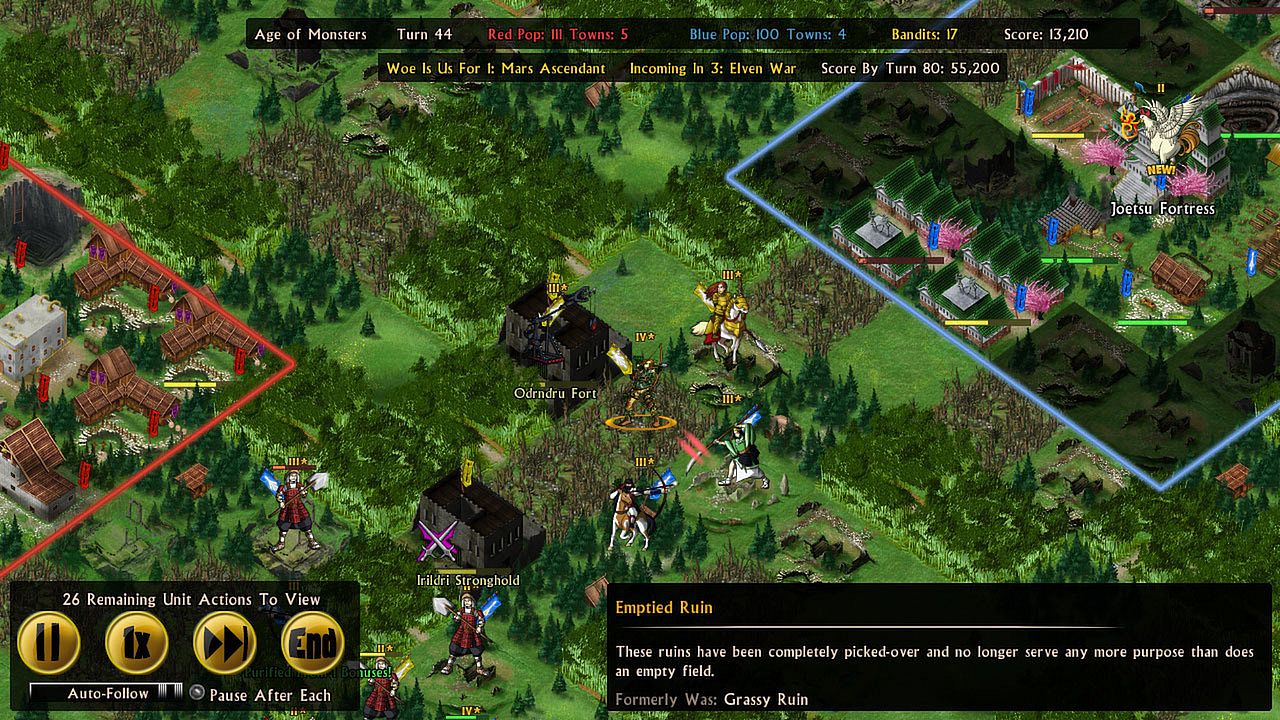

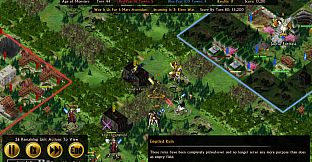
Skyward Collapse: Nihon no Mura is a strategy and simulation game in which players act as a neutral force tasked with preserving balance among rival factions on the island of Luminith. The title emphasizes careful management of resources, terrain, and divine interventions rather than direct command of armies. Its indie roots show in the focused scope and distinctive mechanics that set it apart from conventional real-time or grand strategy experiences.
Gameplay
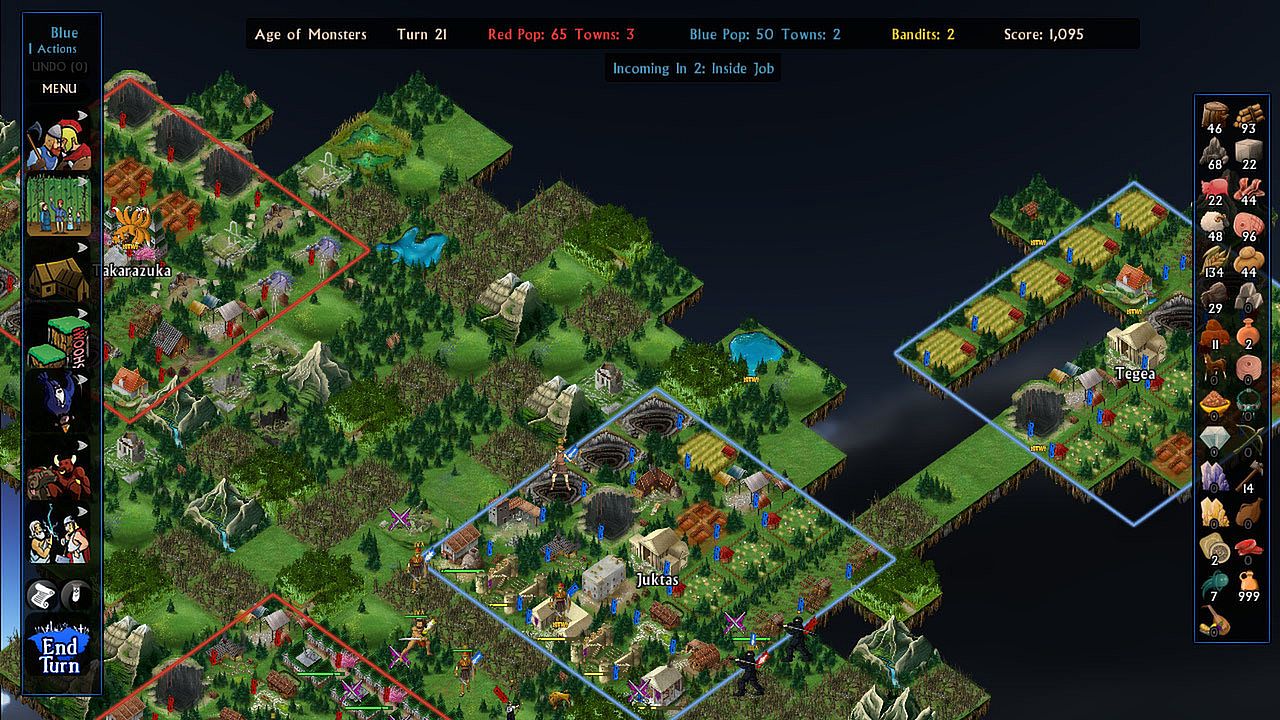
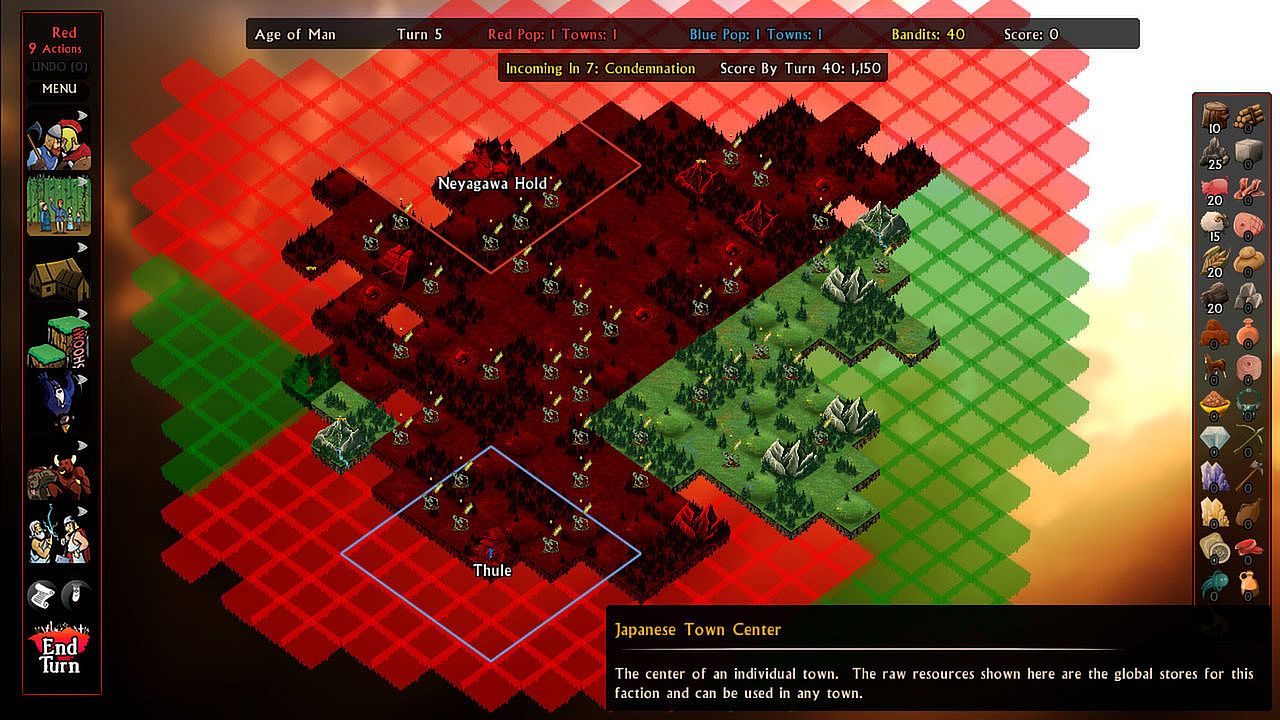
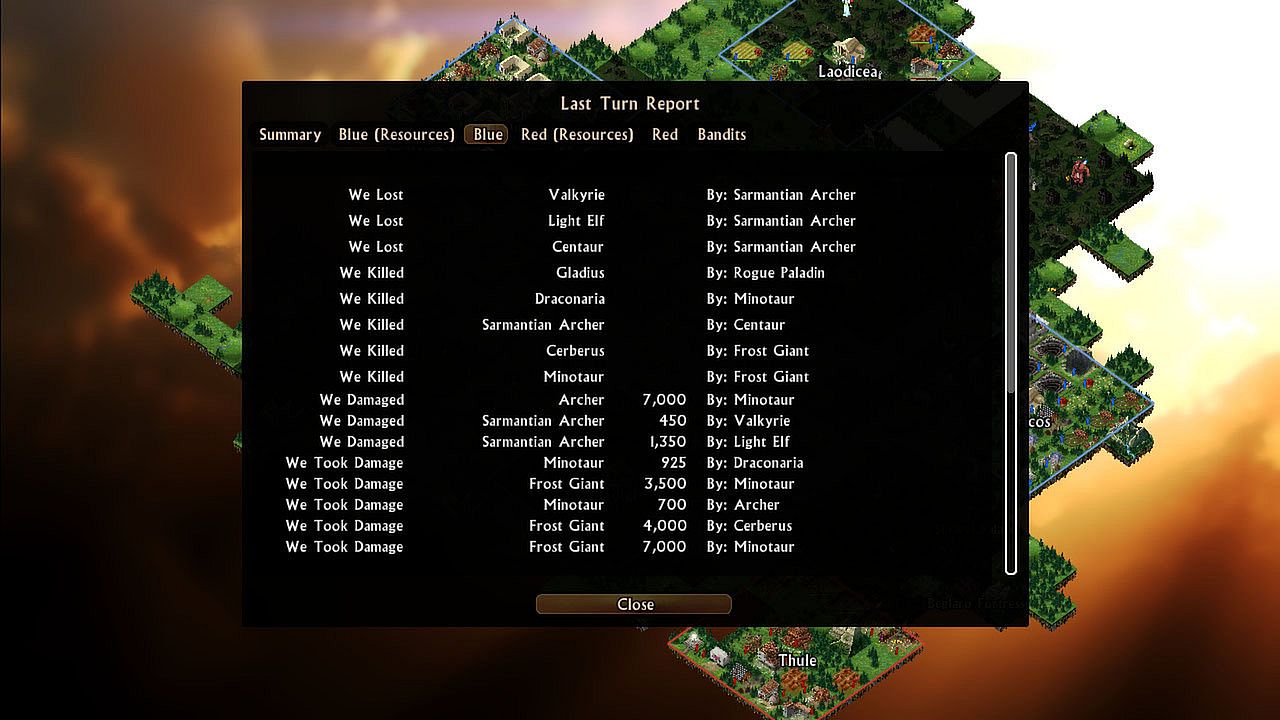
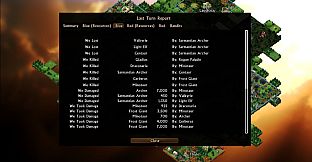
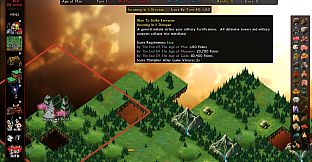
The core loop revolves around observing faction conflicts and intervening through god powers to prevent any single side from overwhelming the others. Towns grow or collapse based on military actions and environmental factors, and players must decide when to bolster weaker groups or curb aggressive advances. Terrain placement influences outcomes, with new land tiles adding variety to map layouts.
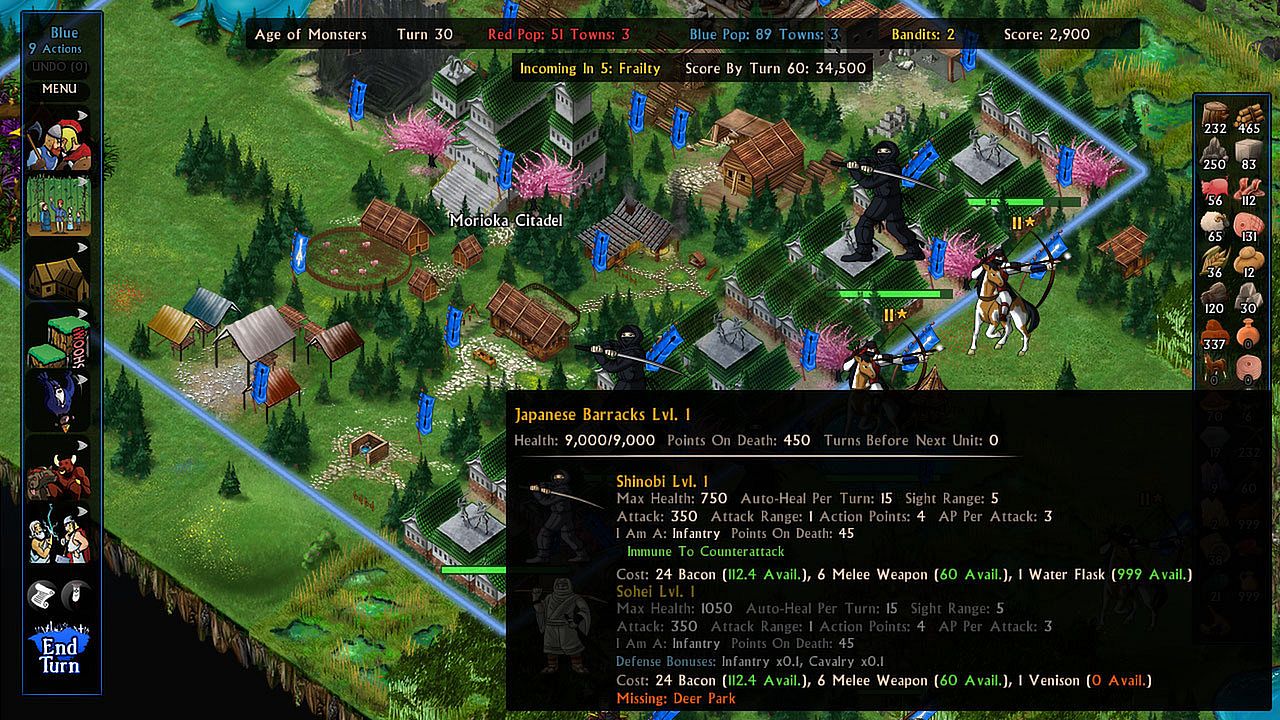
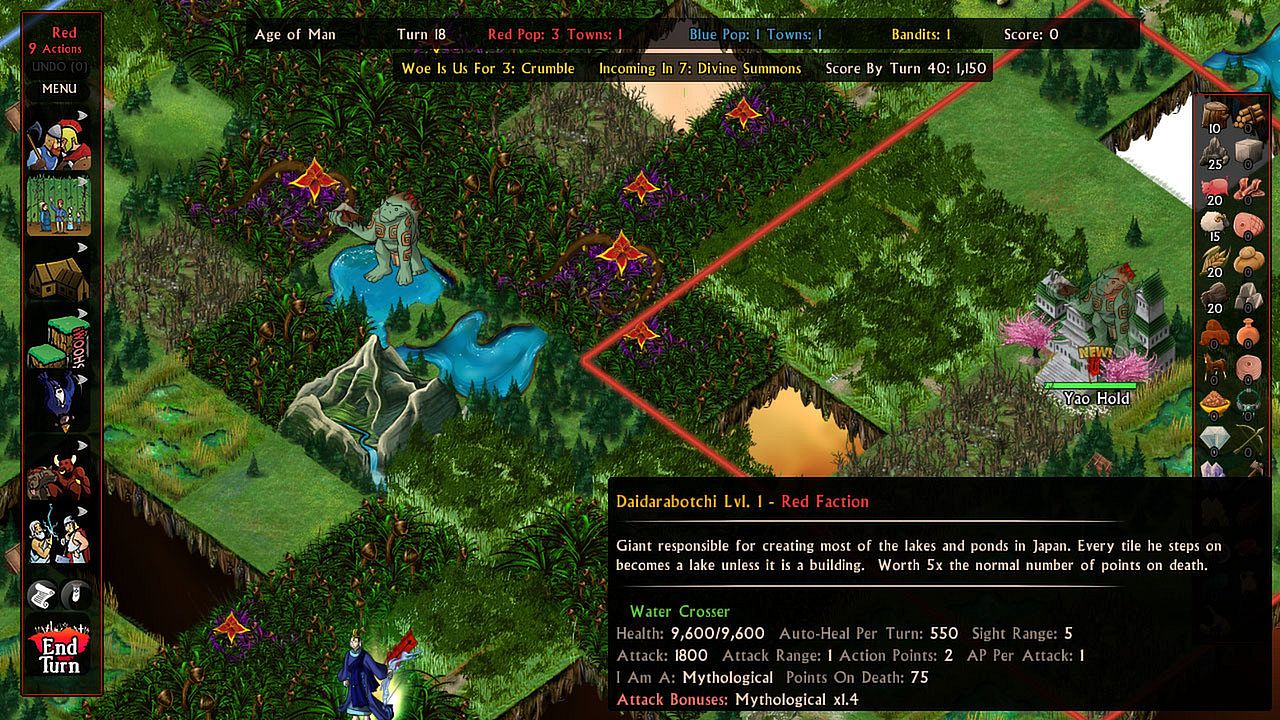
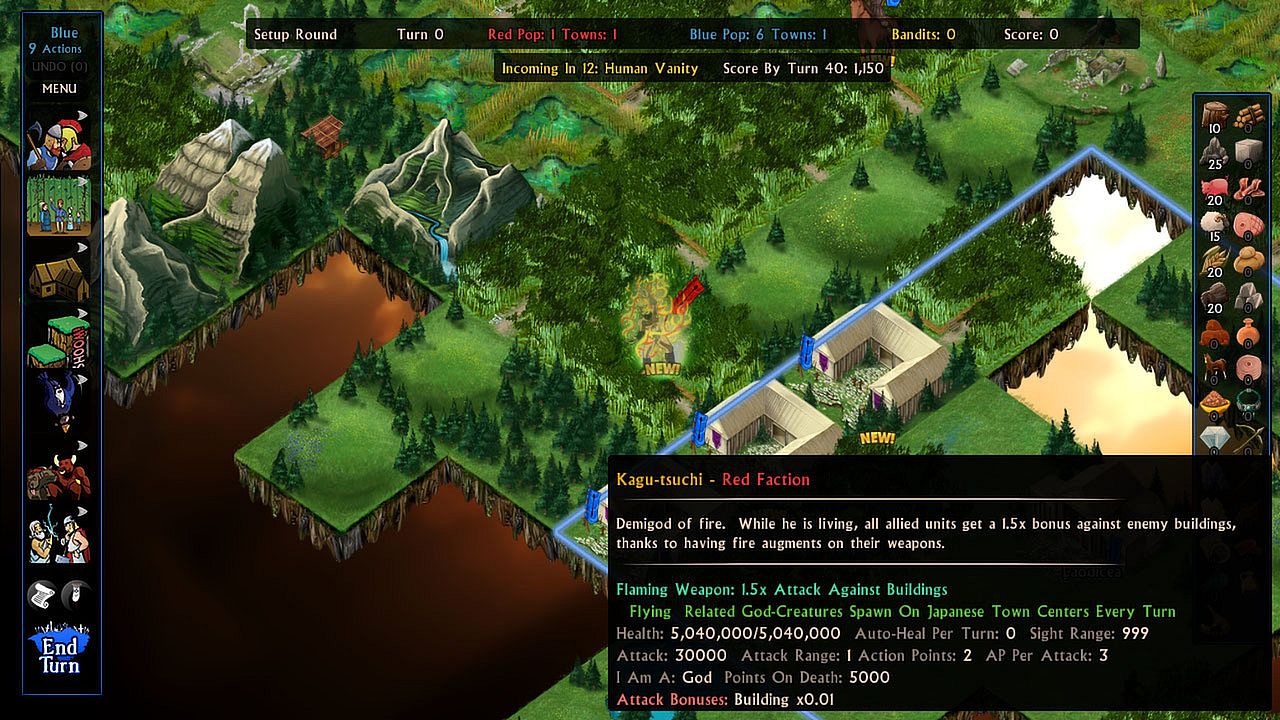
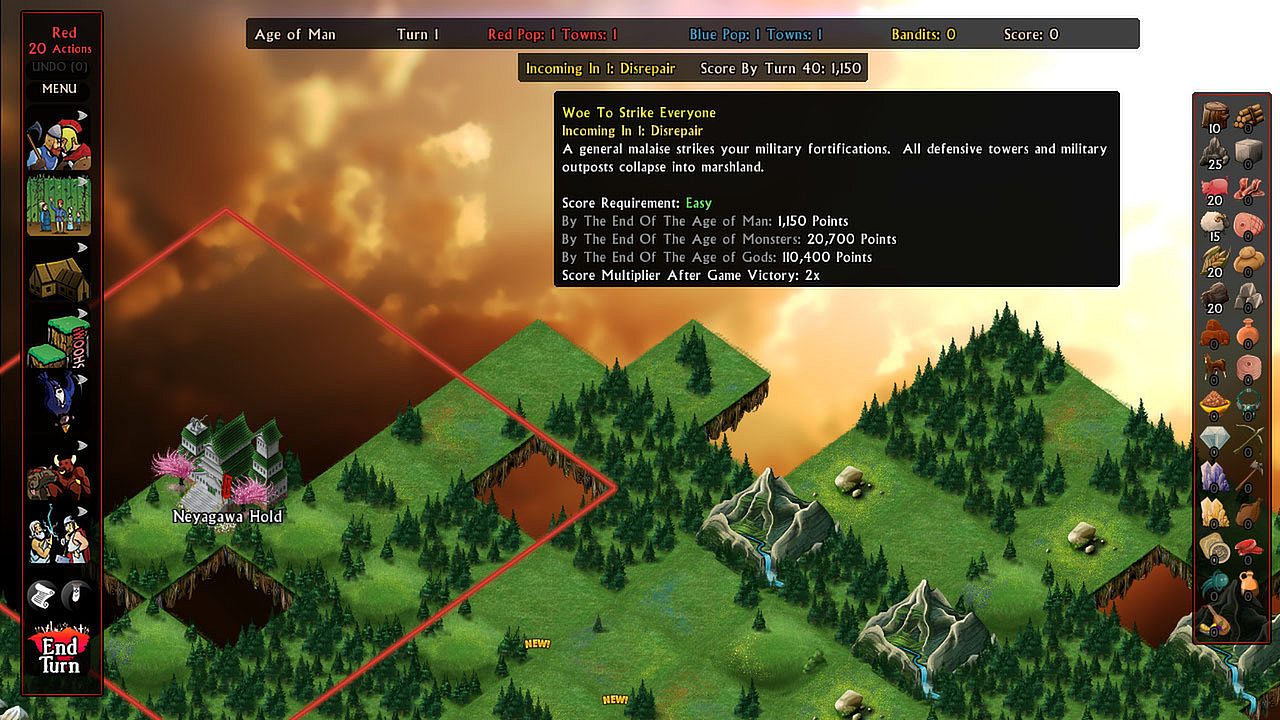
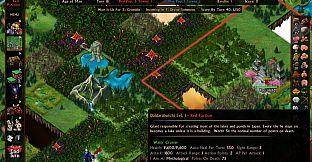
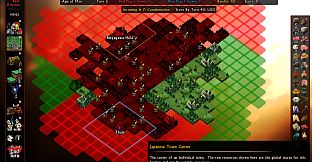
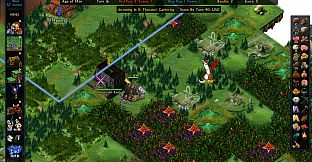
The Japanese faction introduces a distinct approach. Its military units pack greater strength than those of the Greek or Norse sides, while its pantheon features more aggressive deities. Each Japanese god employs three creatures instead of tokens, which alters how divine influence spreads across the map. Balancing this power requires indirect support for the other factions to keep the overall conflict in check.
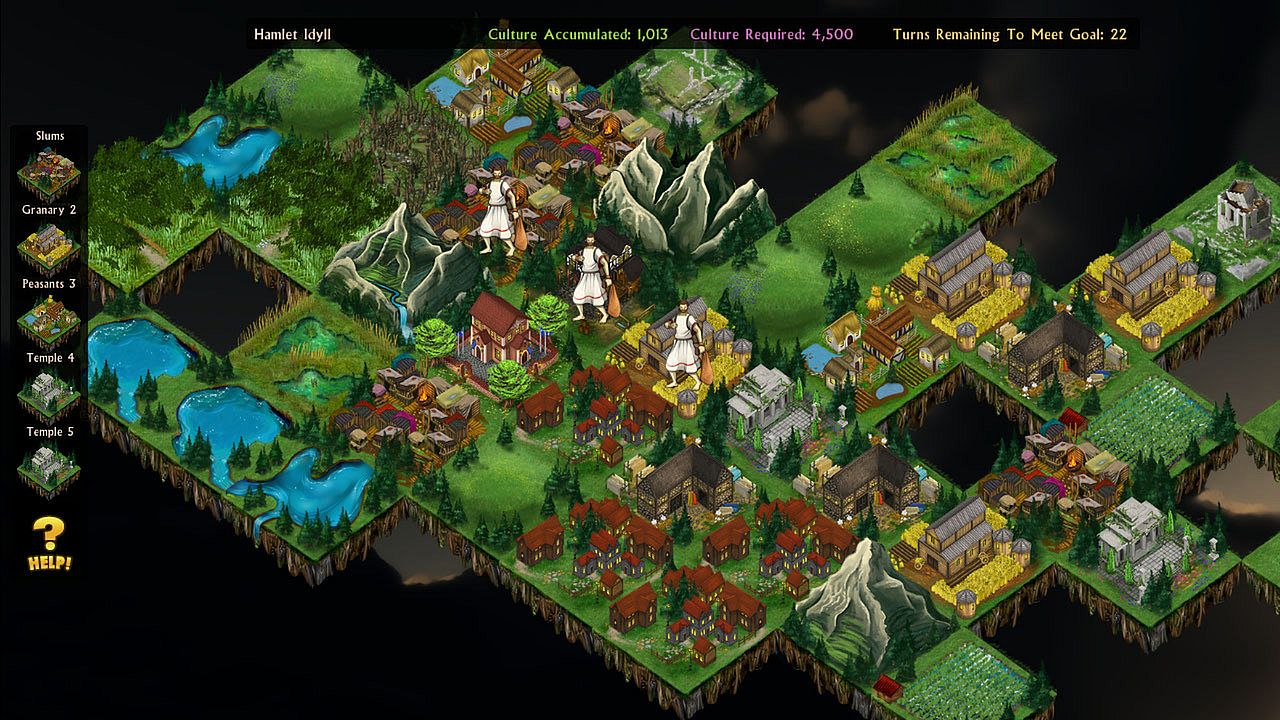
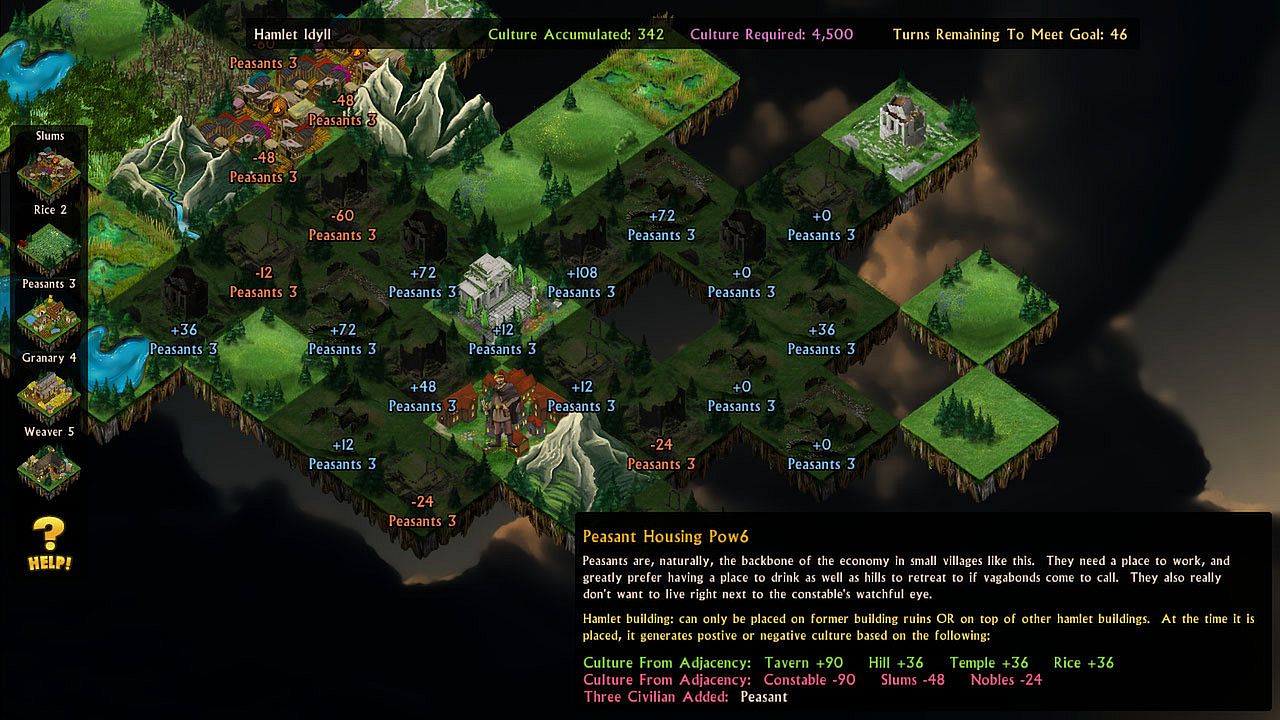
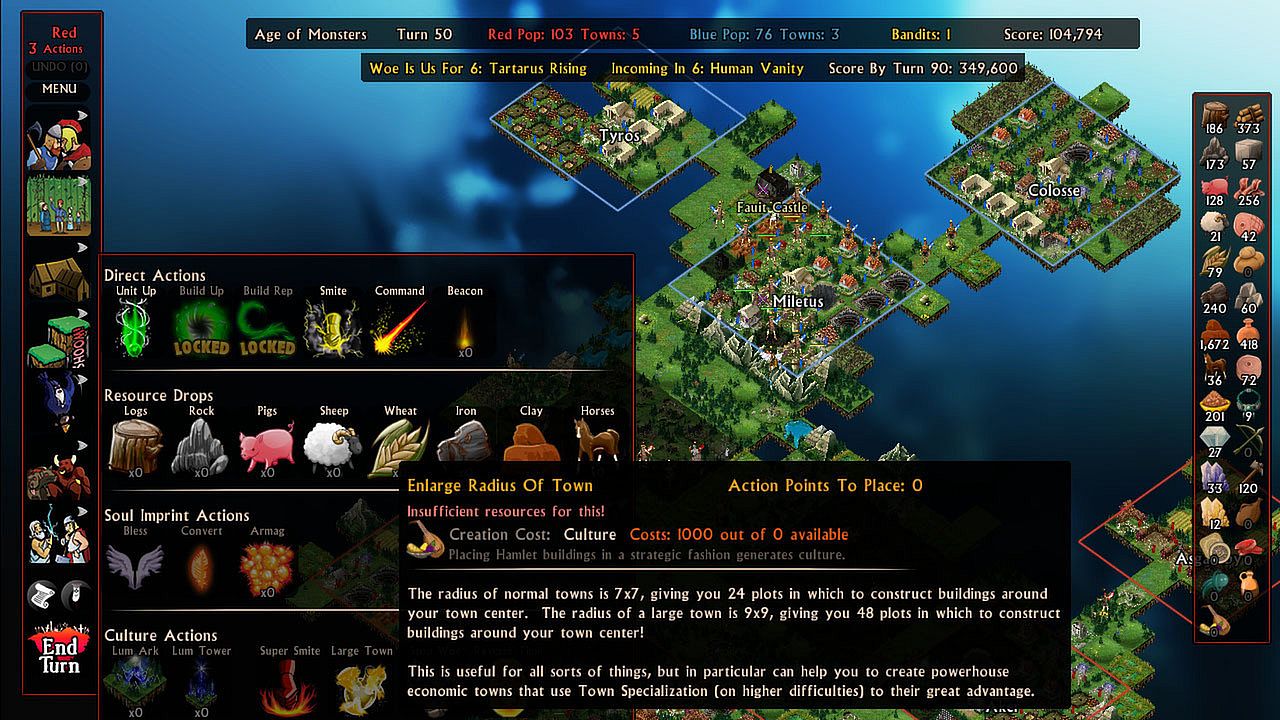
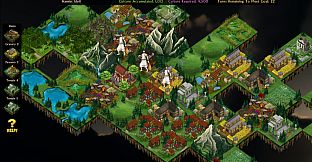
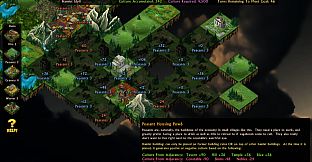
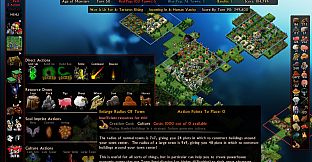
Hamlets expand options beyond combat. These neutral settlements arise in the ruins of destroyed towns and feature eleven building types placed from a cycling queue. Each structure produces or deducts culture points according to the tiles already present in adjacent spaces. Accumulated culture unlocks four abilities: enlarging a town radius, reversing time, halting a woe, and delivering a super smite. Reaching thresholds of culture and sunstone also opens a path to victory by constructing the Luminith Tower.
Game Modes
The primary experience centers on the ongoing struggle to maintain faction equilibrium across multiple turns. Players select from three new map types and contend with nine additional woes that introduce fresh challenges to town stability and resource flow. A military outpost building provides extra defensive utility for any faction.
Hamlet Idyll removes the military elements entirely. In this mode, the focus shifts to hamlet construction and culture generation alone, with success measured by a final score rather than faction dominance. It offers a quieter alternative that highlights adjacency planning and long-term culture management.
Cultural victory serves as an alternate win condition available in the main mode. By channeling hamlet culture into the Luminith Tower, players can end a session without forcing one faction to eliminate the others. This route rewards careful hamlet placement and ability timing over direct confrontation.
Additional Features
Ten new music tracks accompany the expansion, including a vocal piece for win and loss screens. These additions enhance the atmosphere during extended sessions of balancing divine interventions and hamlet growth. The overall design encourages experimentation with different intervention strategies to handle the Japanese threat without allowing it to dominate.
Is It Worth Playing?
This title suits players who enjoy deliberate, turn-based strategy with an emphasis on indirect influence and system interplay. Its mechanics reward observation and precise timing over rapid decision-making. The limited number of user reviews reflects its niche appeal and age, yet the unique faction and hamlet systems provide a distinct experience within the genre. Availability on PC makes it accessible for those seeking a focused simulation of balance and creative problem-solving. Those drawn to god-game concepts without traditional unit control will find the most satisfaction here.