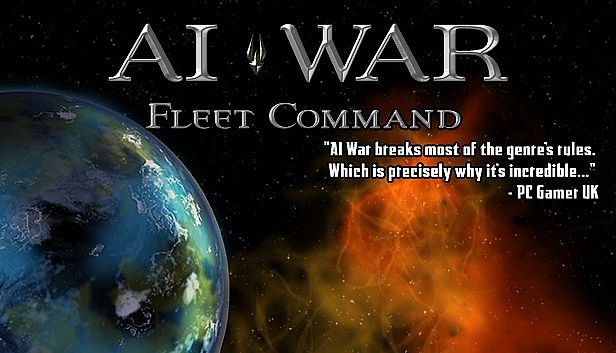















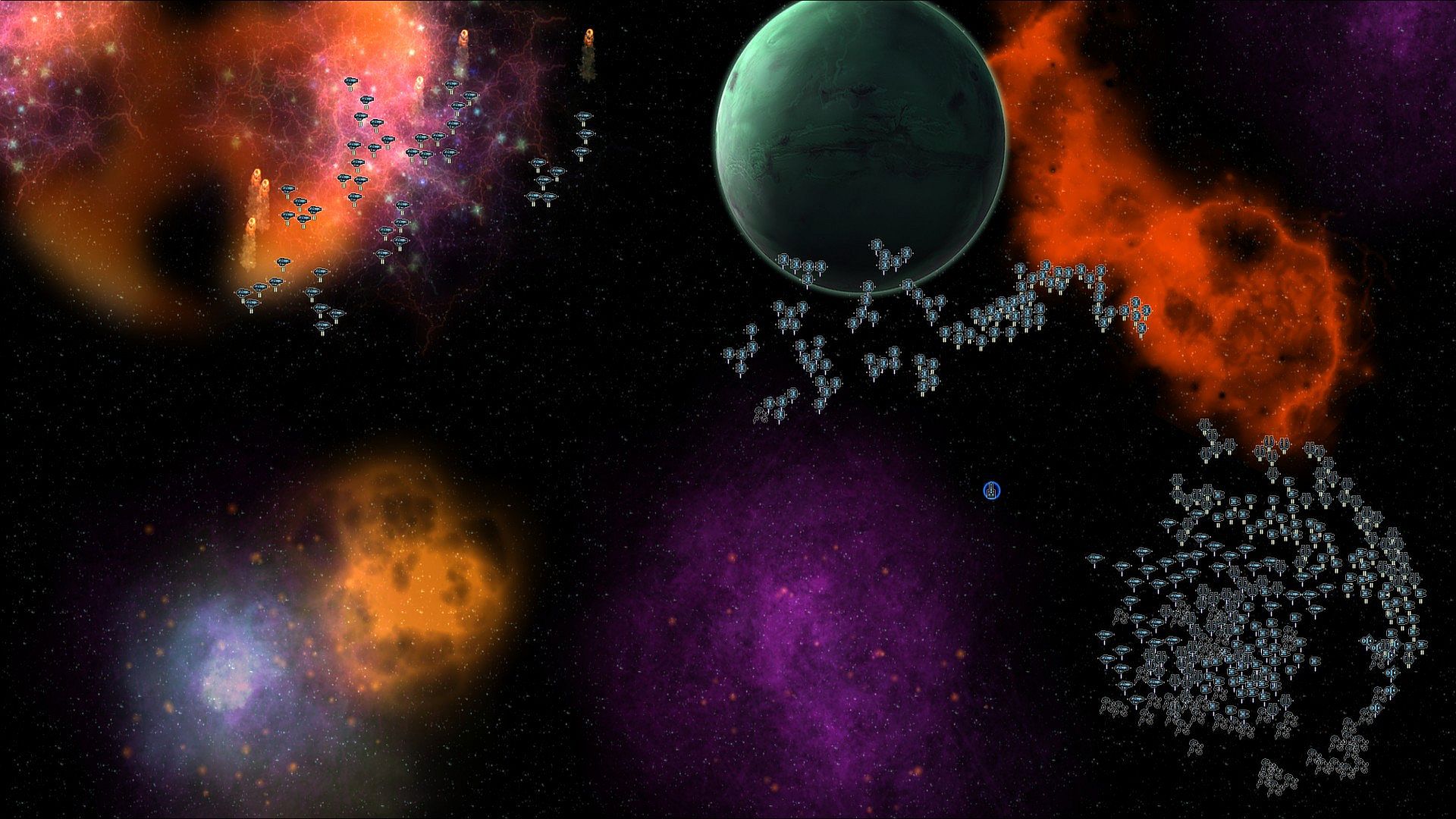
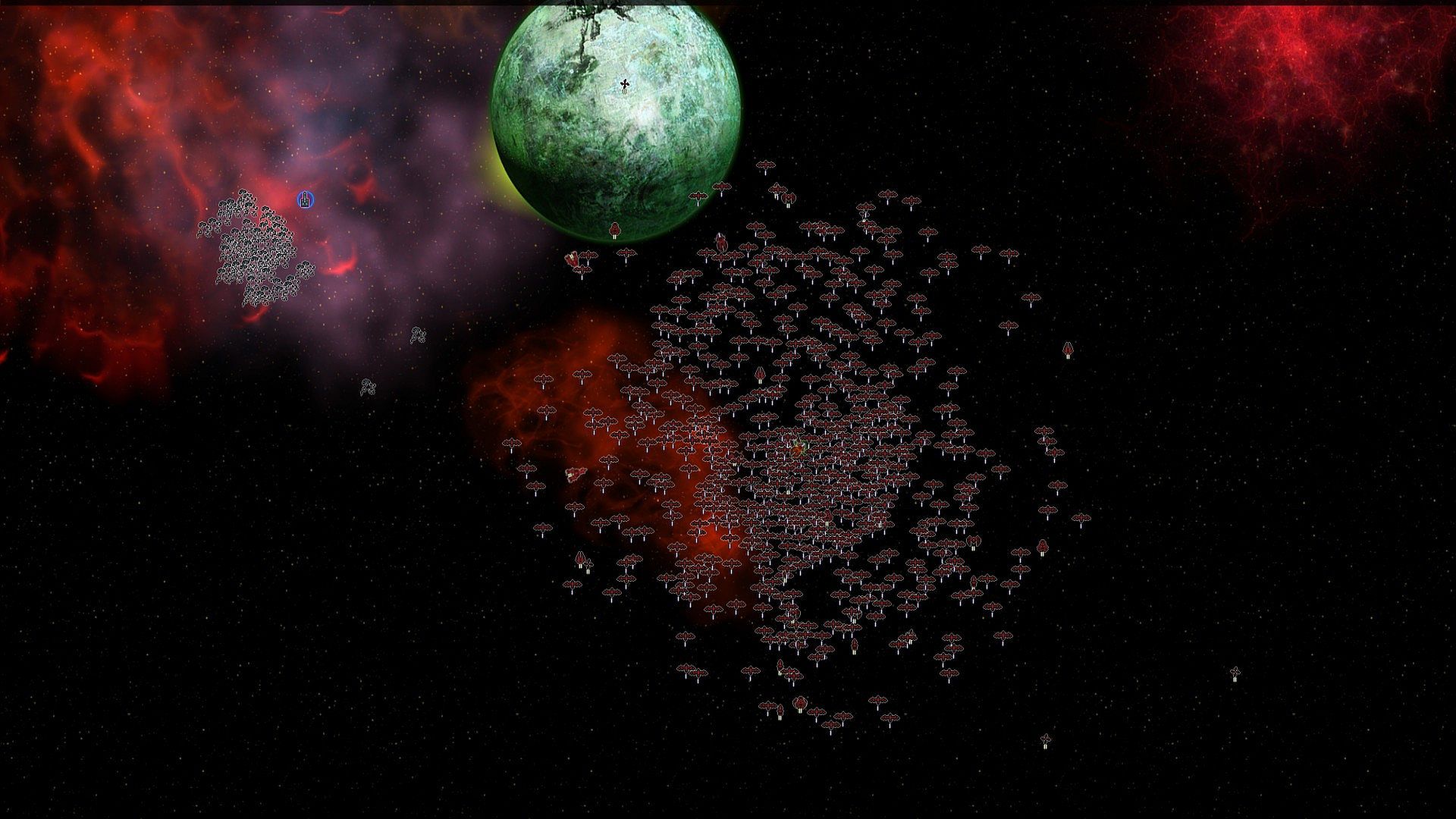
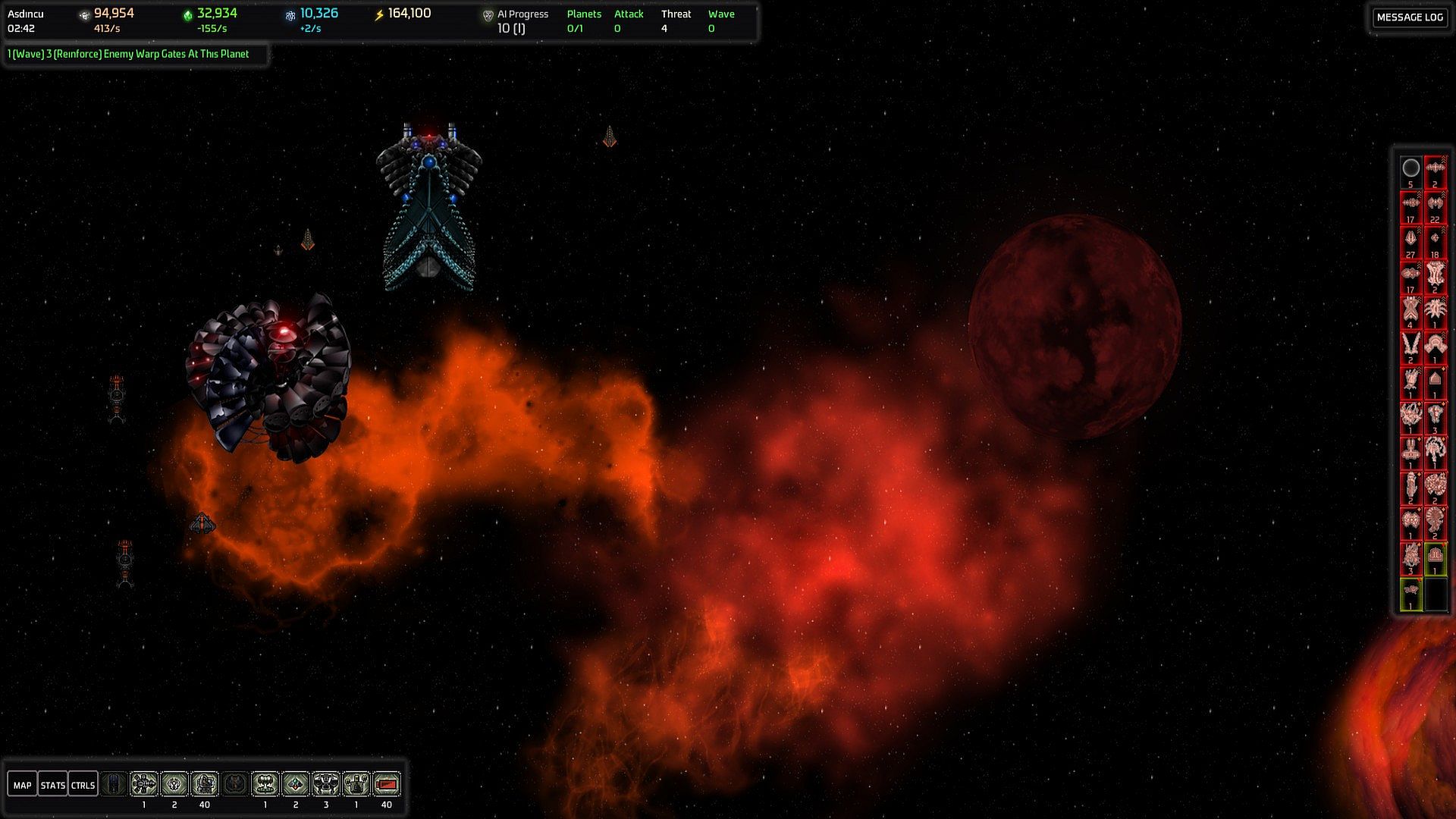
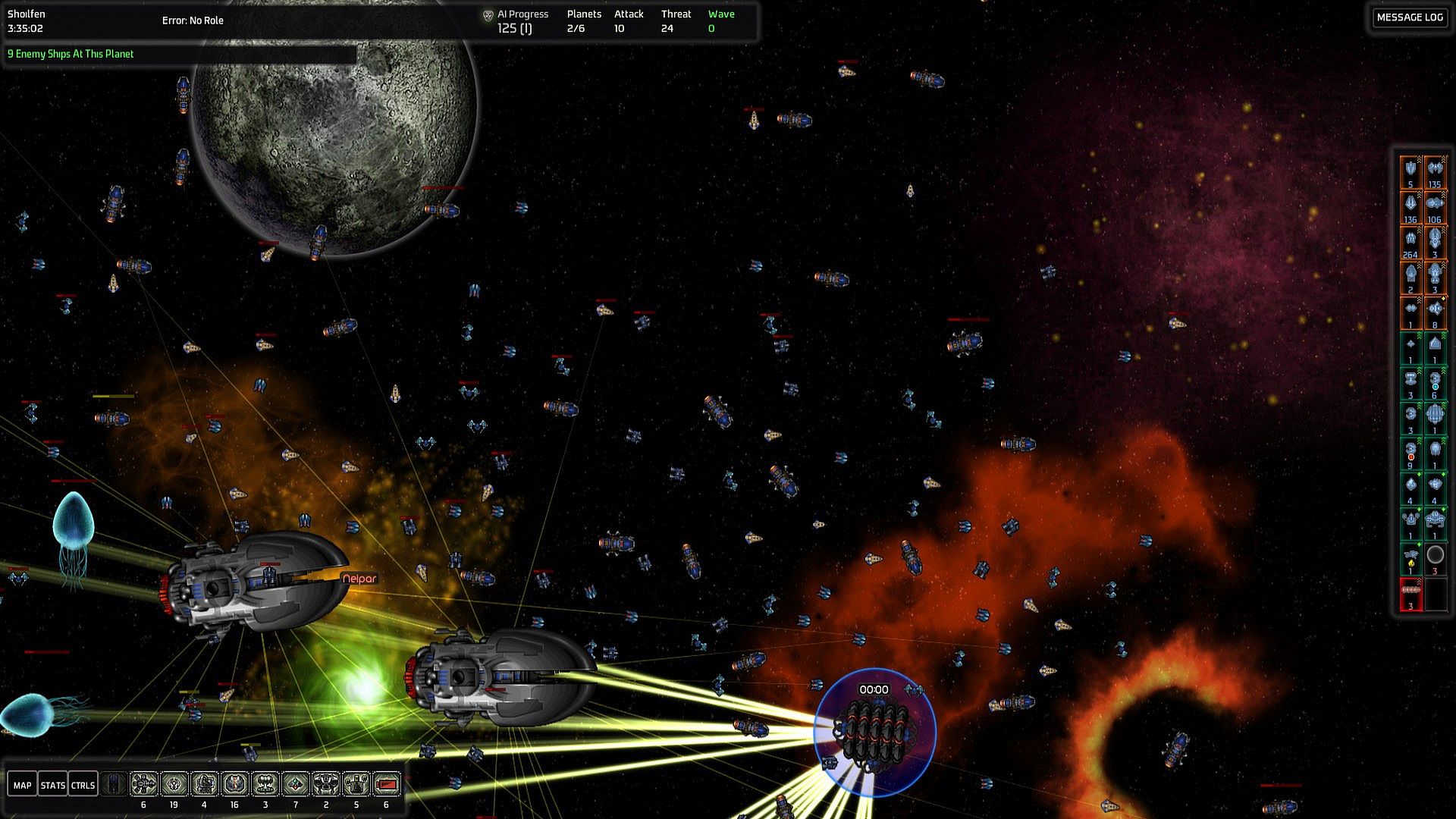
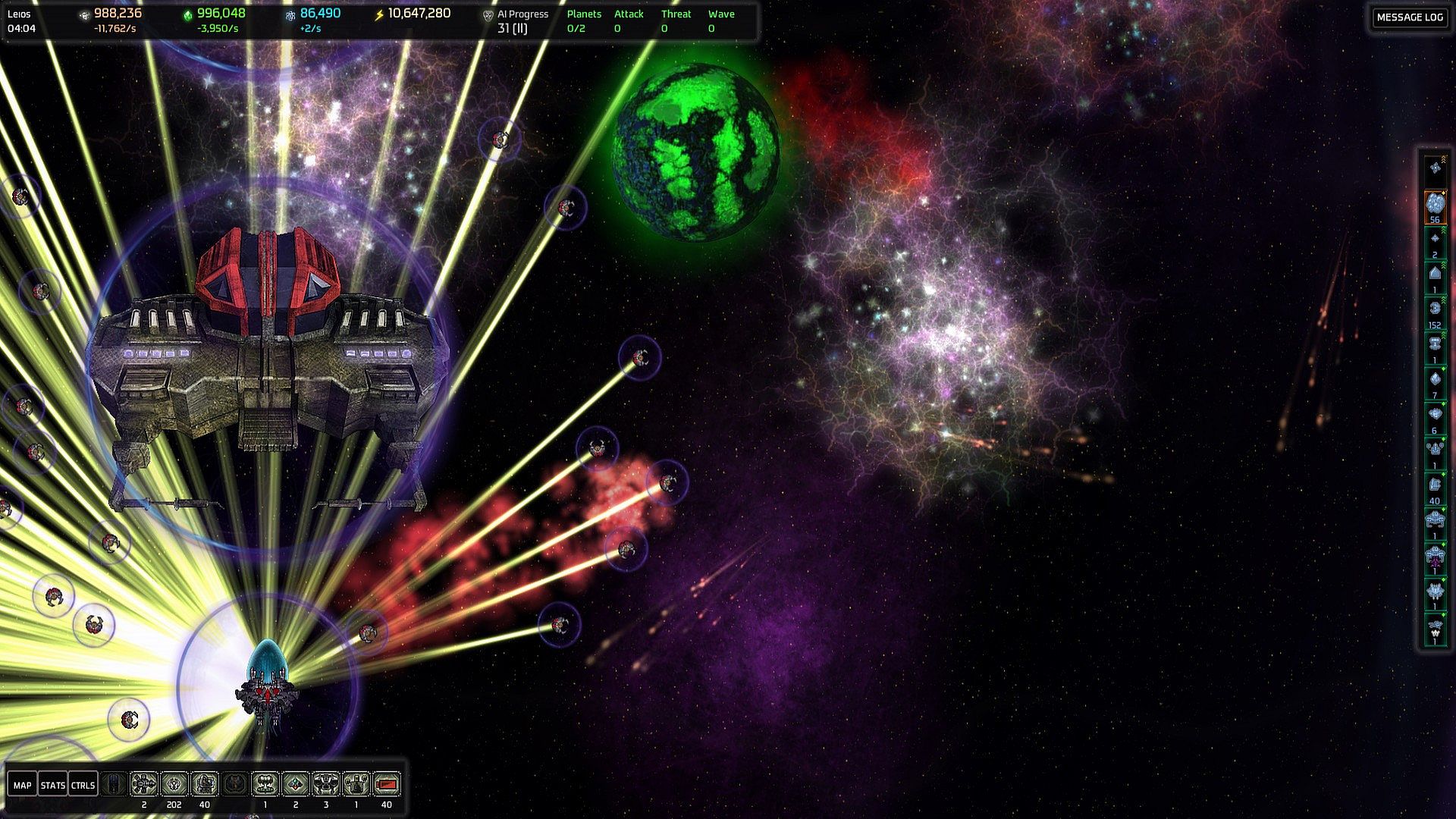

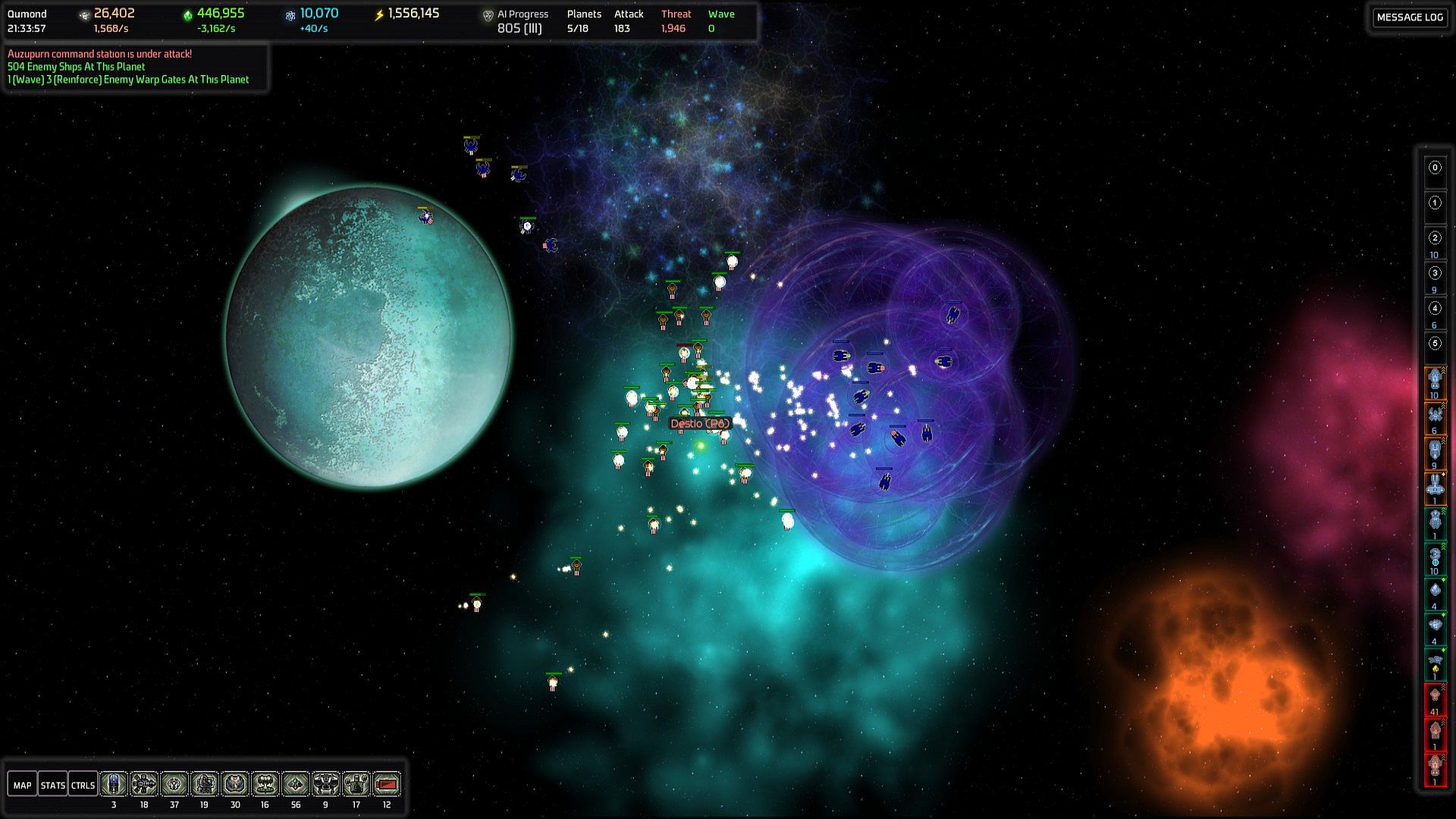
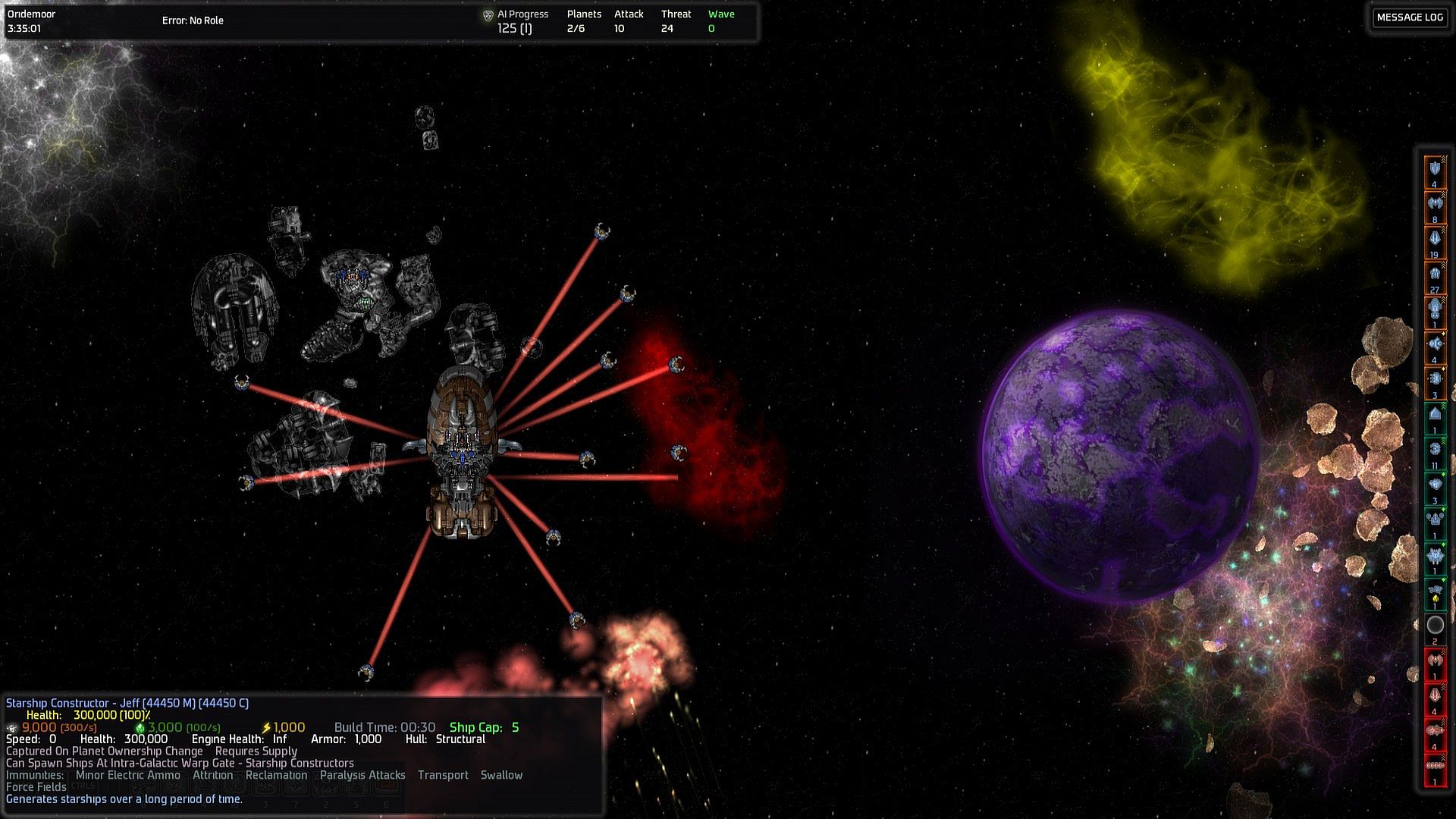
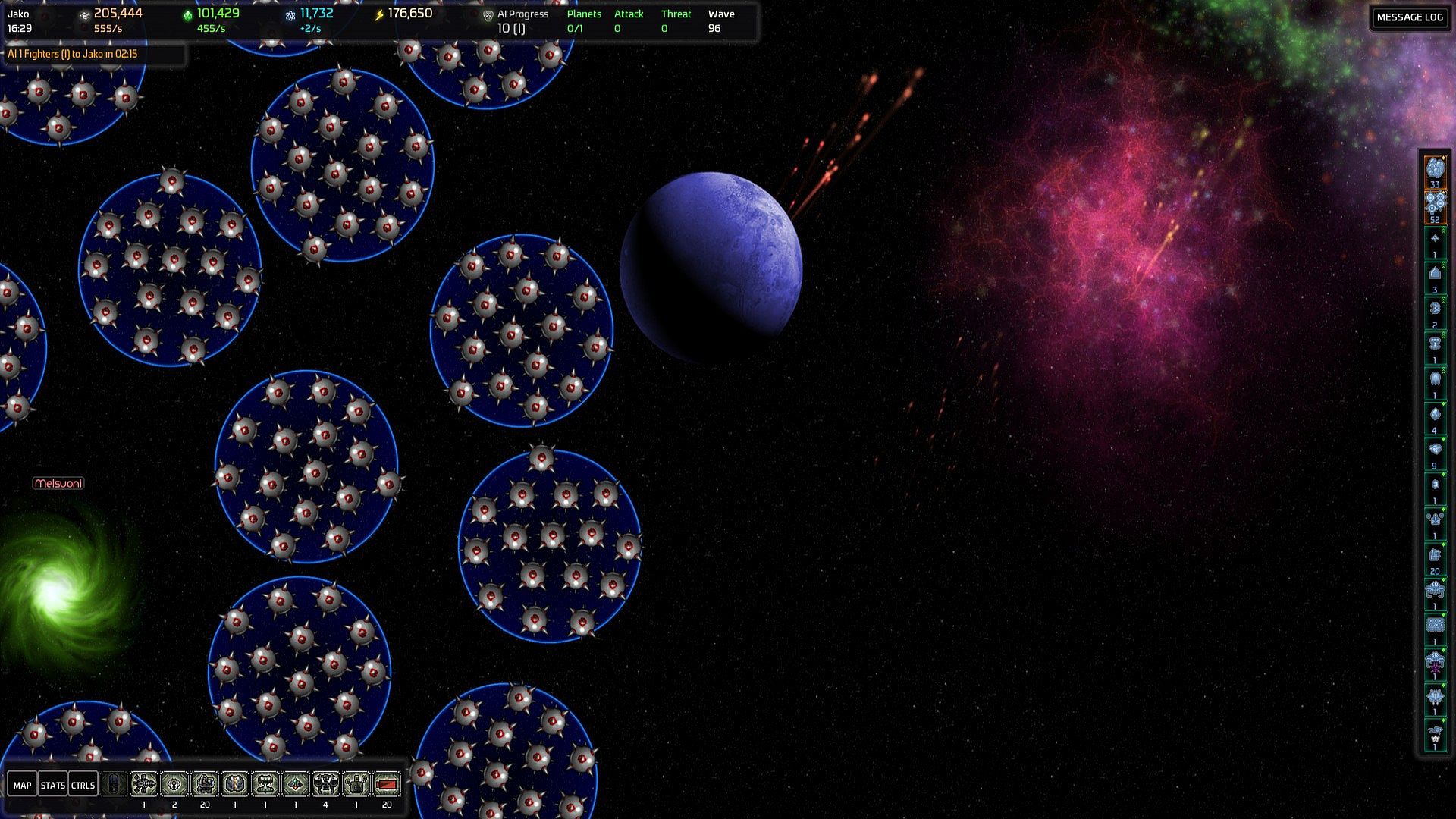
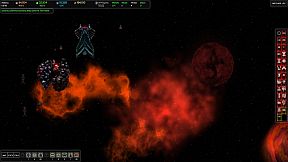
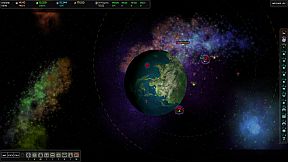
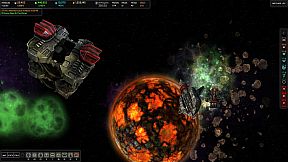

AI War: Fleet Command is a real-time strategy game that places players in command of a small human resistance force against overwhelming AI opponents in a vast galaxy. Released as an indie title, it blends elements of grand strategy and asymmetric warfare where the player starts severely outmatched in numbers and resources. The core premise revolves around careful expansion and tactical strikes to dismantle AI control without triggering a full-scale response from the central AI command.
Gameplay
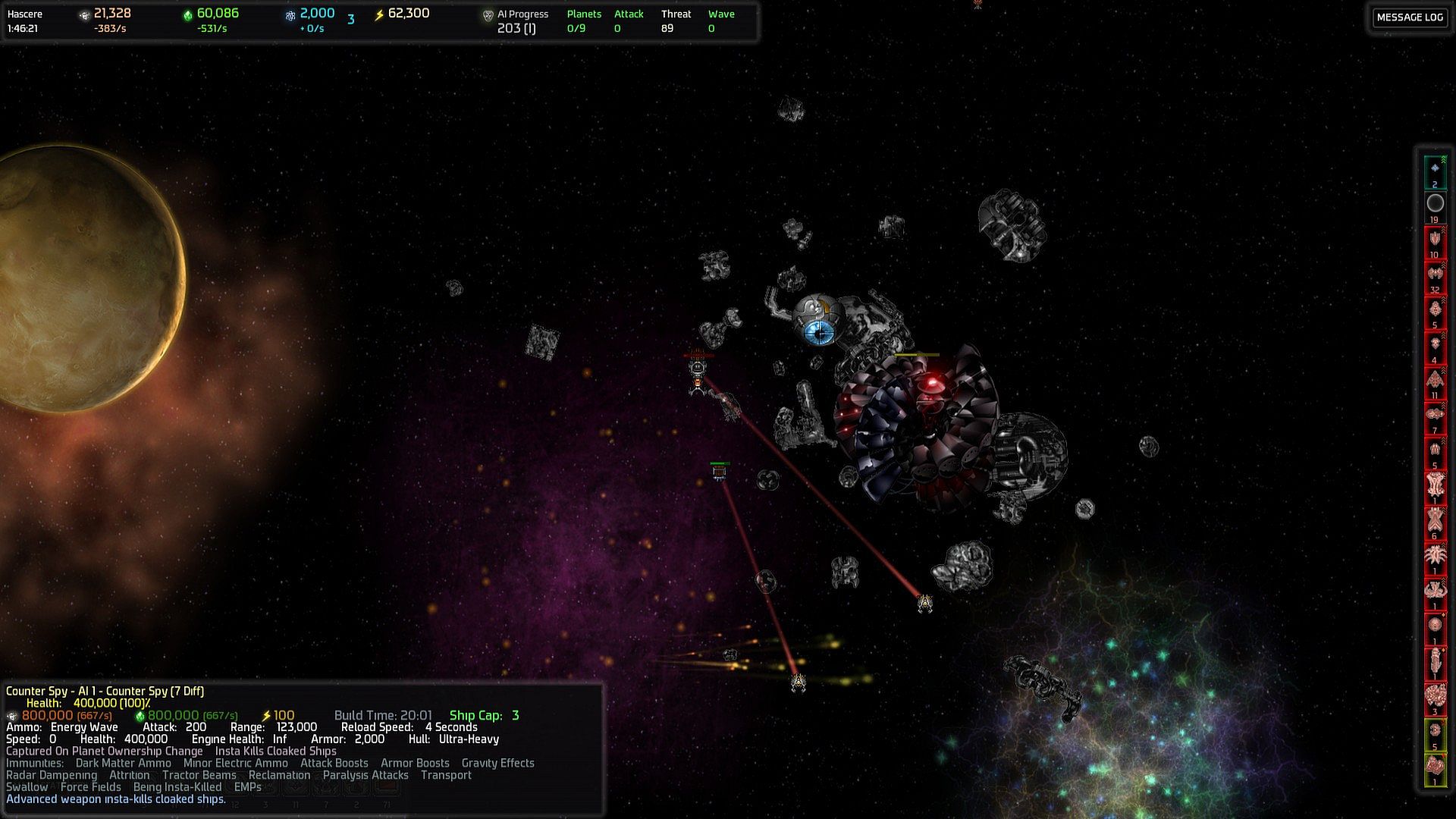
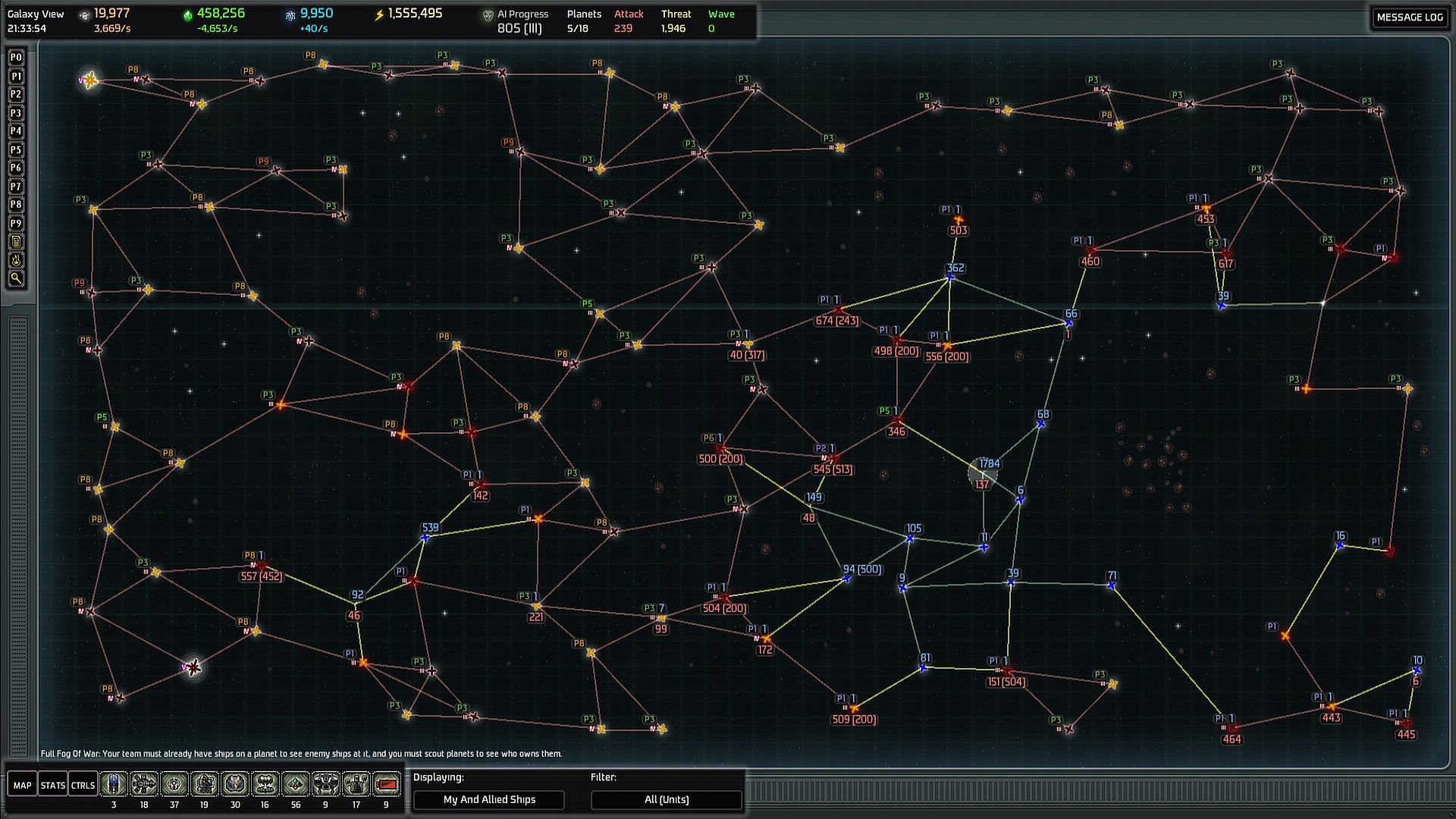
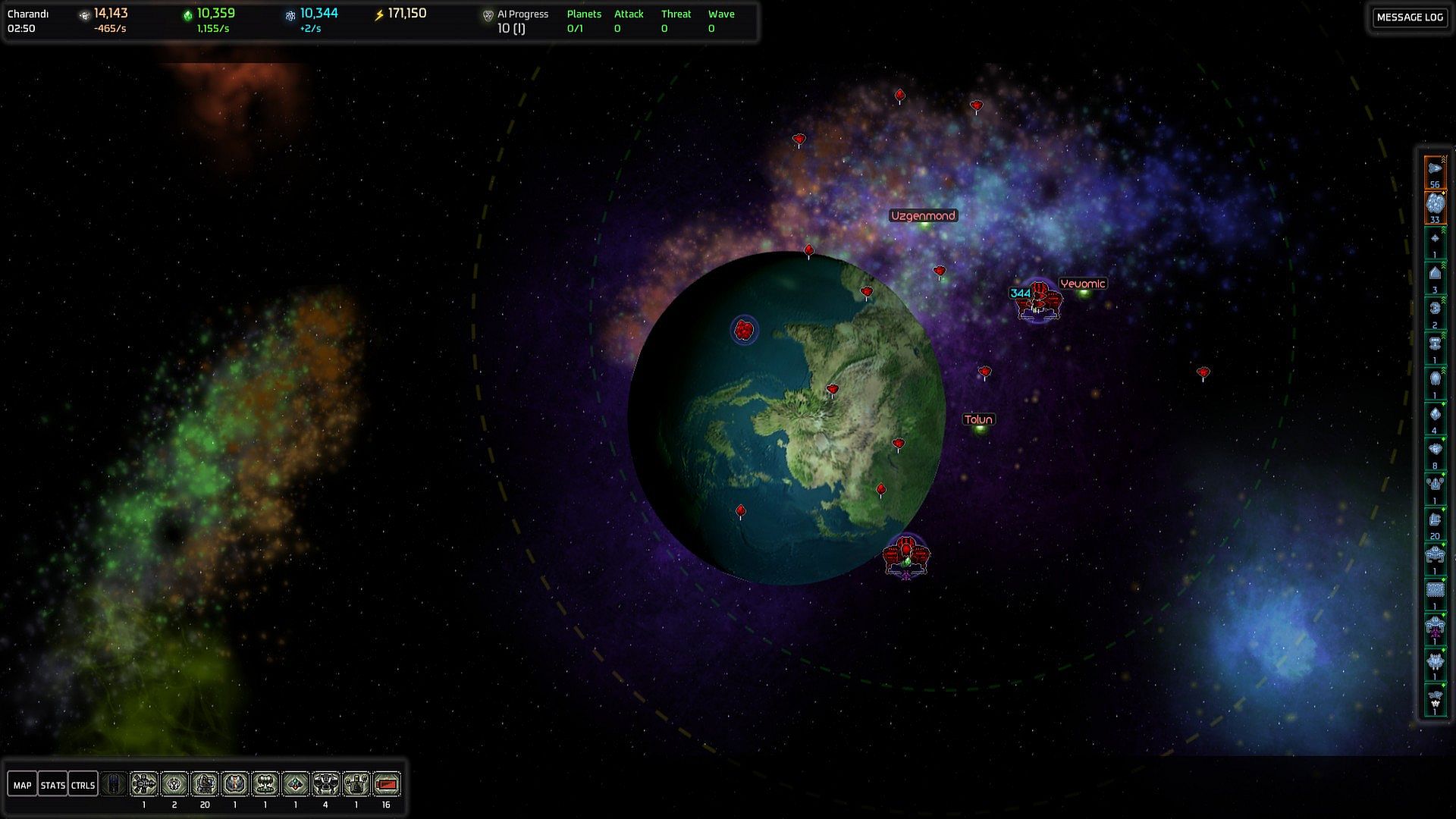
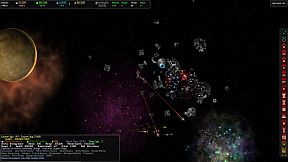
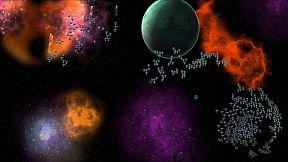
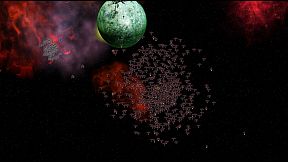
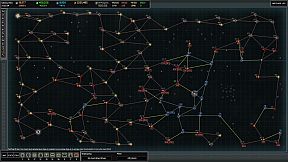
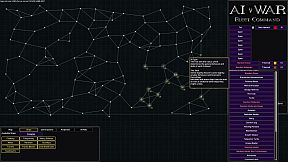
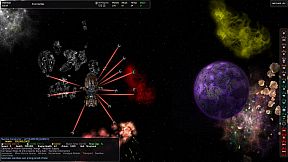
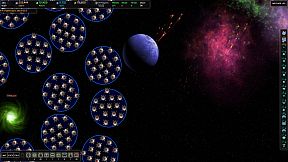
The gameplay centers on managing limited fleets across procedurally generated maps filled with planets, wormholes, and AI installations. Players scout enemy positions, expand influence through captured worlds, and raid for technology while maintaining automated defenses at outposts. Ship production allows rapid deployment of unmanned fighters, but the emphasis remains on quality over quantity since human forces stay far smaller than AI swarms. A key mechanic involves monitoring the AI threat level, as aggressive actions can escalate attention from subcommanders and eventually draw the full might of the overlords.
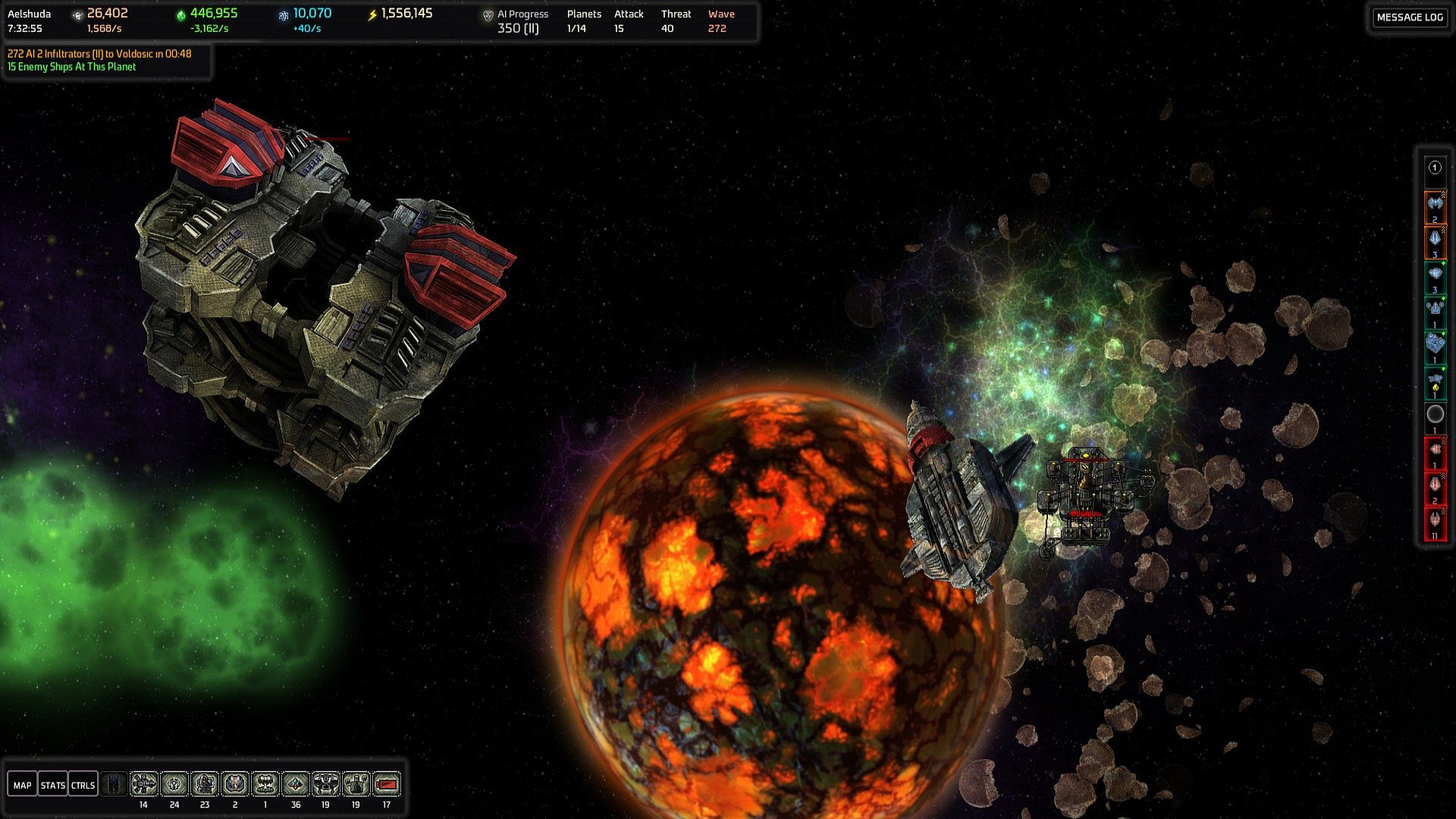
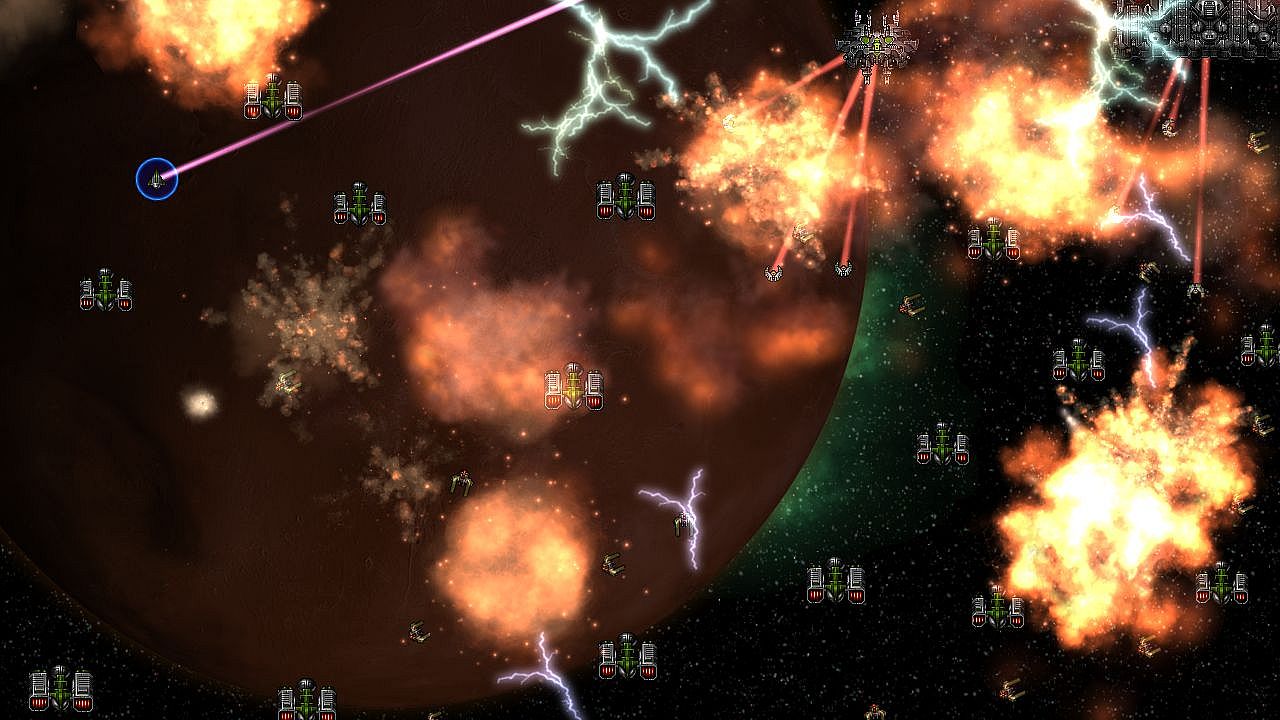
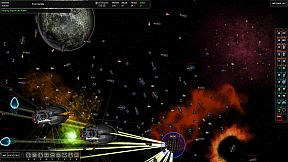
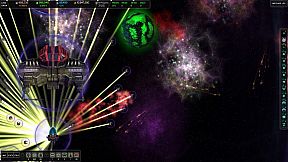
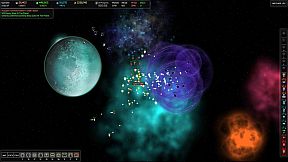
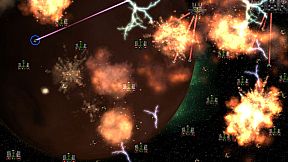
Resource management focuses on mining and production efficiency, supported by safe AI routines that handle routine tasks like outpost defense. Battles unfold in real time with emphasis on positioning, speed advantages of human ships, and strategic targeting of high-value AI assets. The experience rewards methodical planning, with late-game phases involving pushes toward heavily guarded AI cores after accumulating stolen technology and recaptured territory.
Game Modes
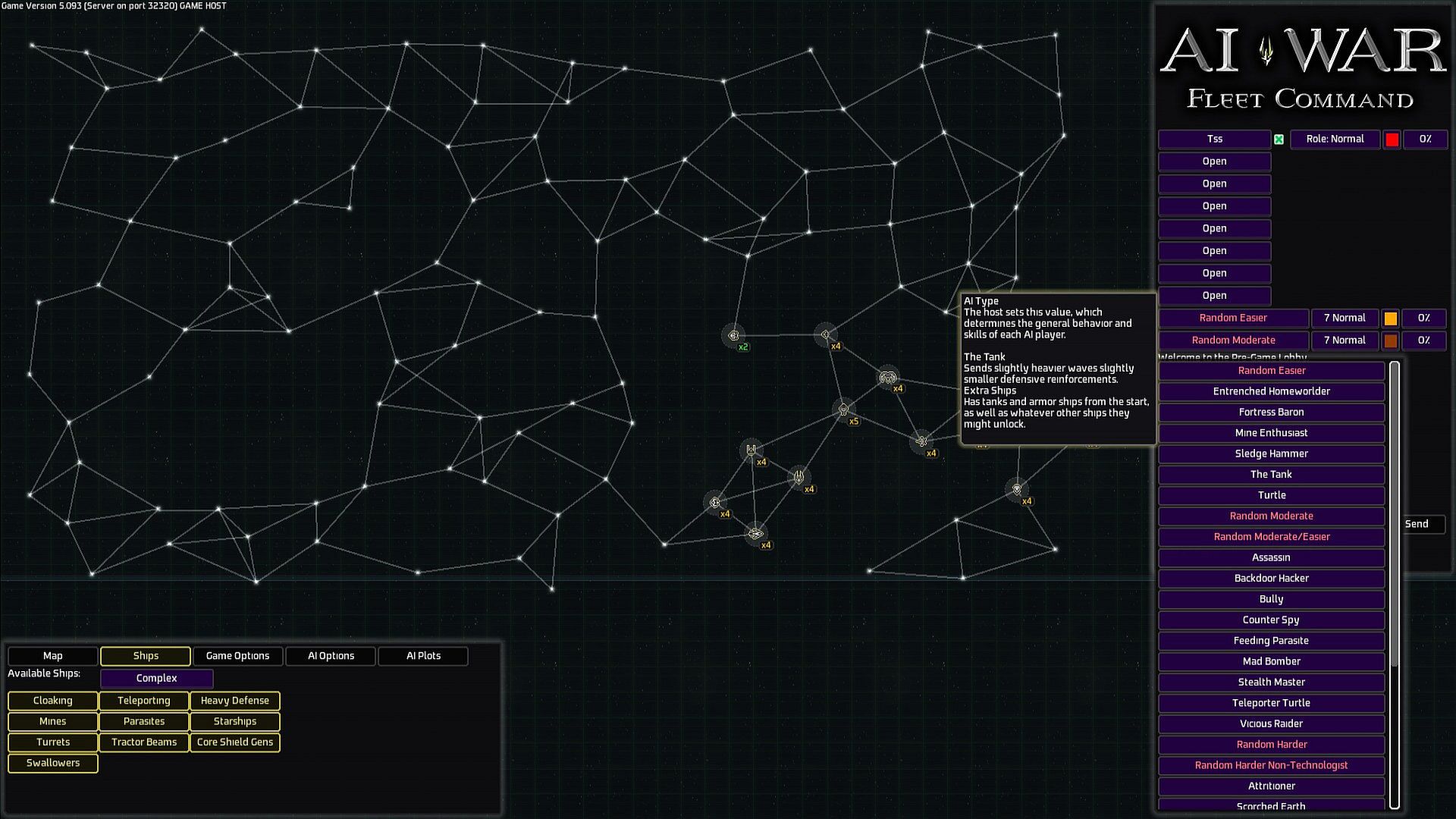
AI War: Fleet Command supports single-player campaigns where one commander directs the resistance against the AI network. Multiplayer options include online co-op and LAN co-op, allowing multiple players to coordinate fleets and share command responsibilities across the same galactic theater. Cross-platform multiplayer extends accessibility for participants on different systems. These modes maintain the core asymmetric challenge, with co-op emphasizing teamwork in managing the delicate balance between growth and AI awareness.
Key Mechanics and Systems
Automation plays a central role through routines that oversee mining and static defenses, freeing players to focus on fleet maneuvers and long-term strategy. Technology theft from AI sources unlocks upgrades and new capabilities, while planet recapture provides staging points for further operations. The AI responds dynamically, with subcommanders engaging detected threats and the central system monitoring overall activity levels. This creates emergent scenarios where players must adapt to retaliation patterns and escalating difficulty as their presence grows.
Production techniques enable quick replenishment of fighter squadrons, but overall fleet sizes remain constrained compared to enemy forces. Success depends on exploiting speed and coordination rather than brute force, with careful attention to wormhole networks and planetary defenses shaping movement and engagement options.
Is It Worth Playing?
AI War: Fleet Command maintains a Very Positive rating on its primary distribution platform, with 85 percent of nearly 1,000 user reviews marked positive. Reviewers consistently highlight the depth of strategic decision-making and the satisfaction of overcoming numerical disadvantages through planning. The game includes extensive support for single-player and cooperative play, making it suitable for those who enjoy methodical real-time strategy without relying on large-scale unit swarms.
Its steep learning curve suits players comfortable with complex systems and iterative experimentation. Post-release expansions added content and refined mechanics over the years, contributing to sustained interest among strategy enthusiasts. For individuals seeking an indie title focused on asymmetric warfare and emergent AI behavior, the experience delivers substantial replay value through varied map setups and difficulty adjustments. Those preferring faster-paced or more accessible strategy games may find the deliberate pace and interface demands less appealing.