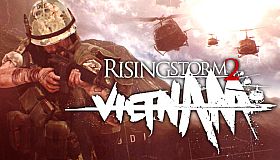
















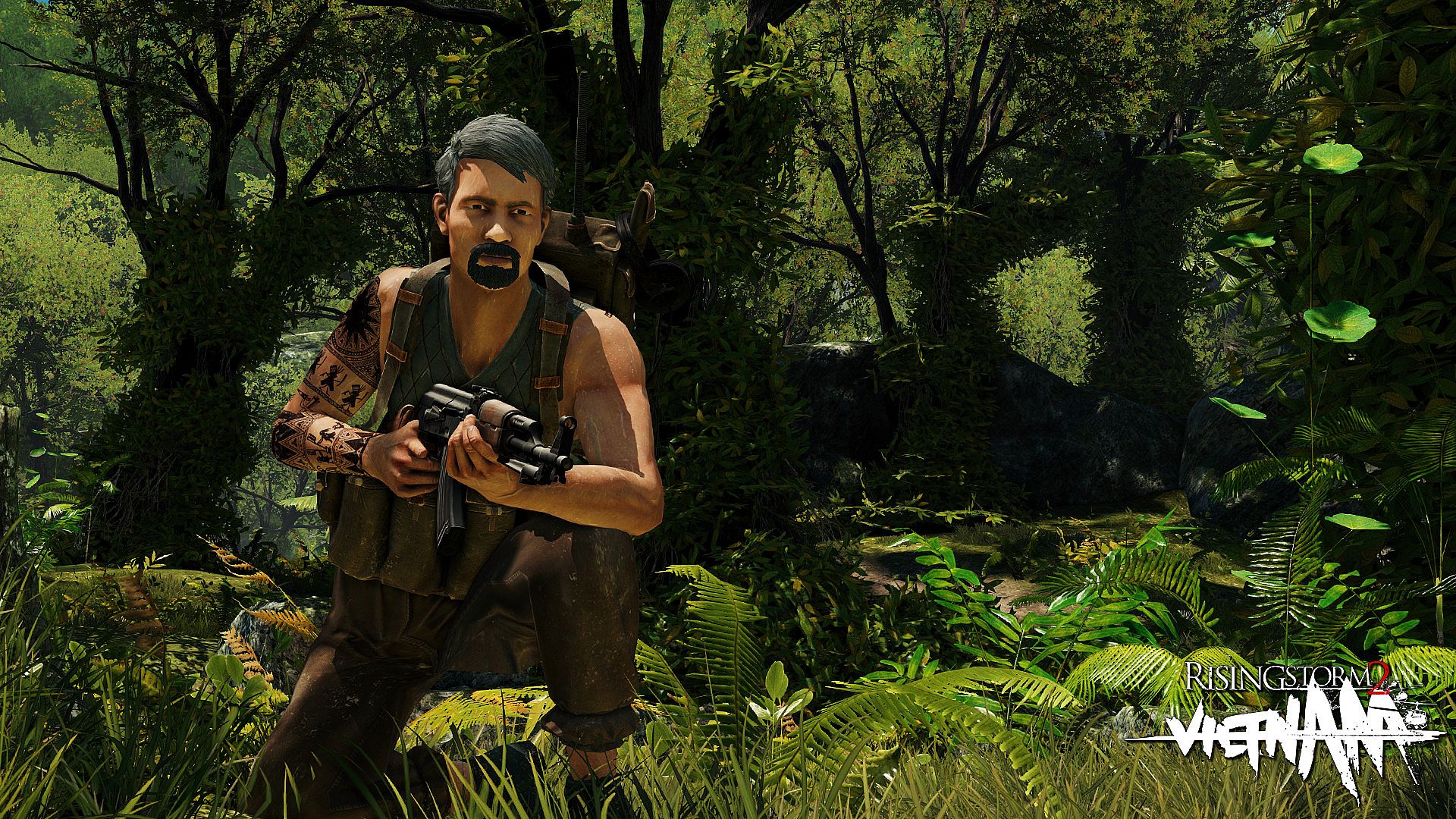
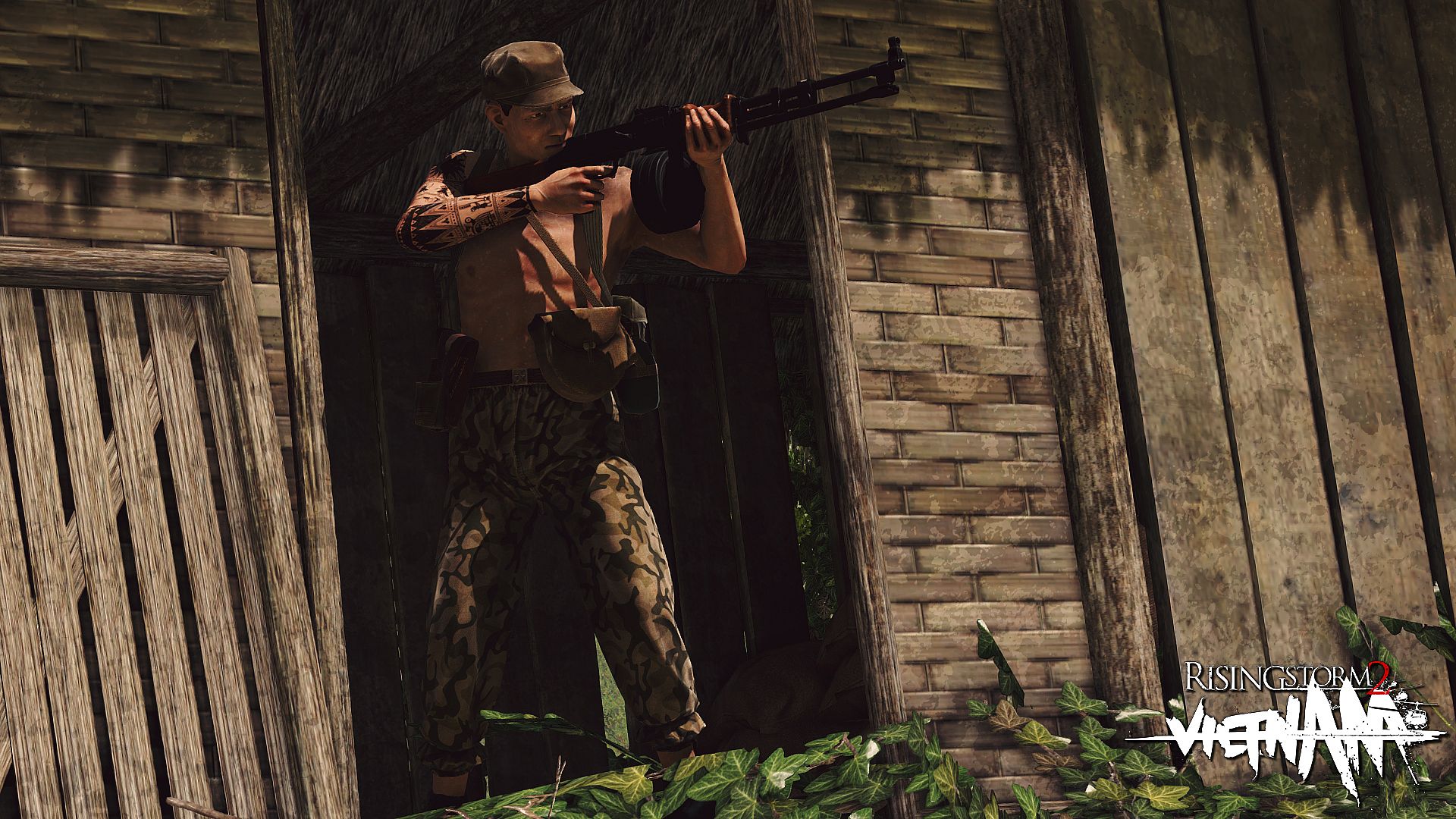
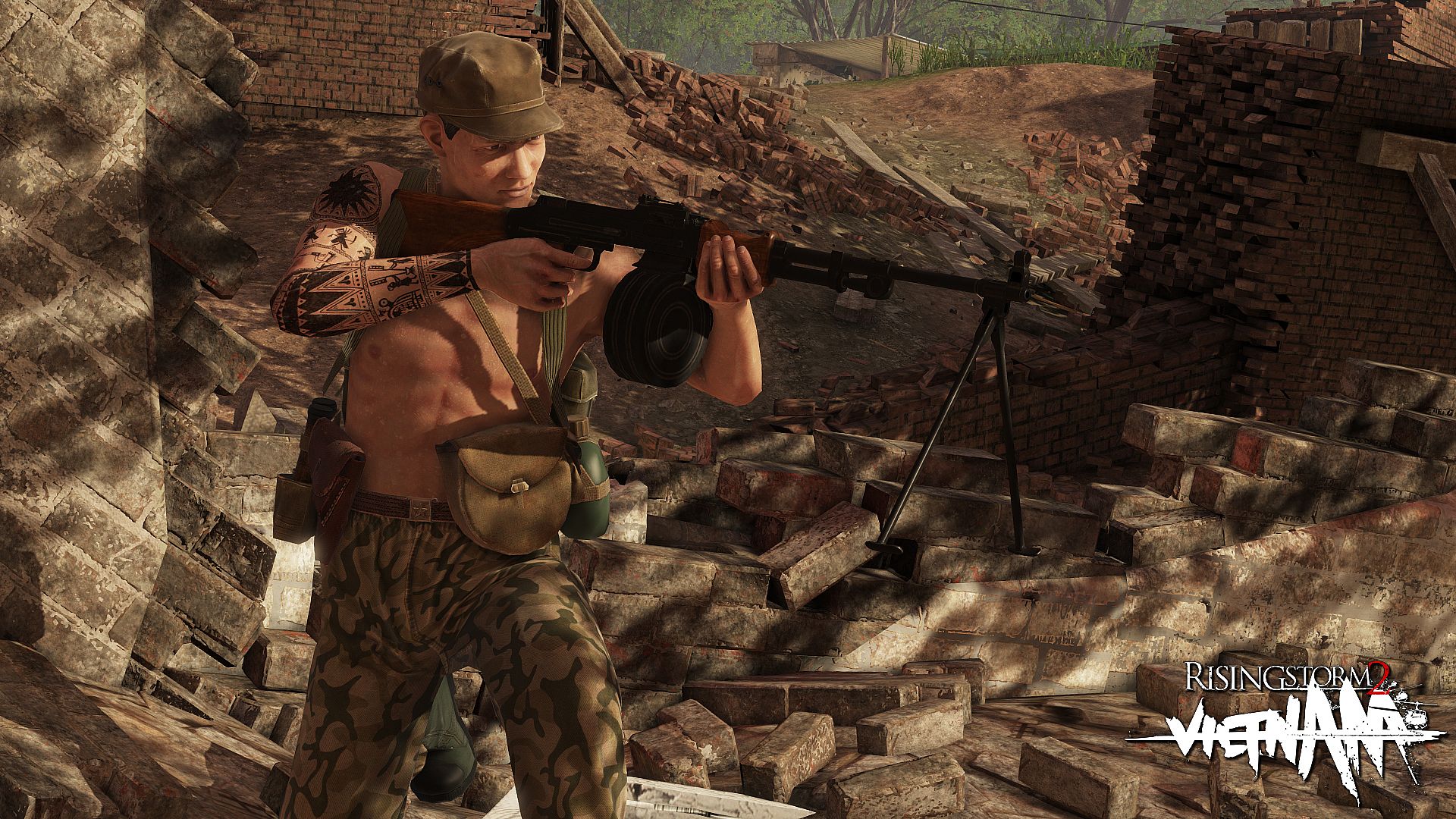
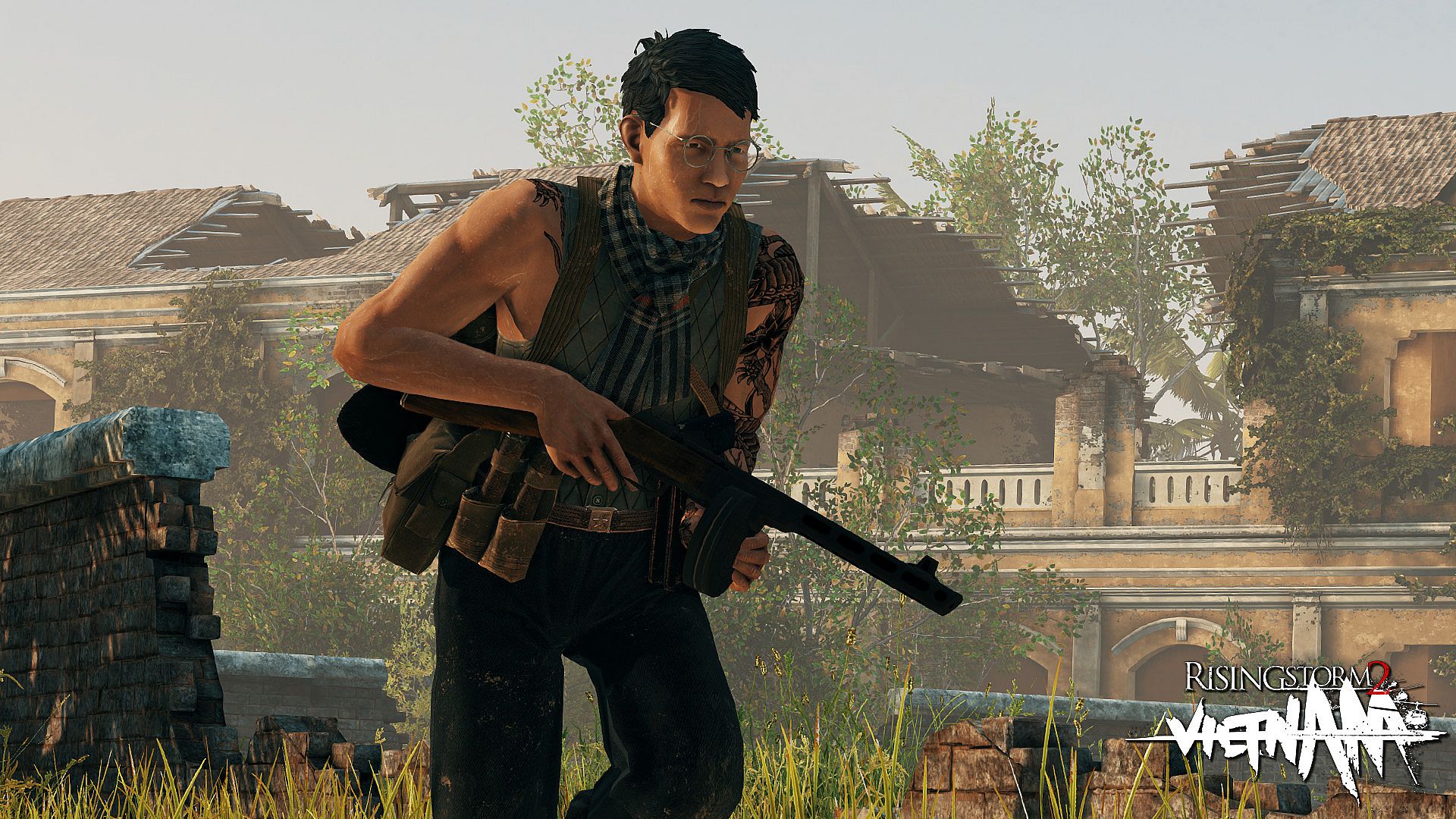
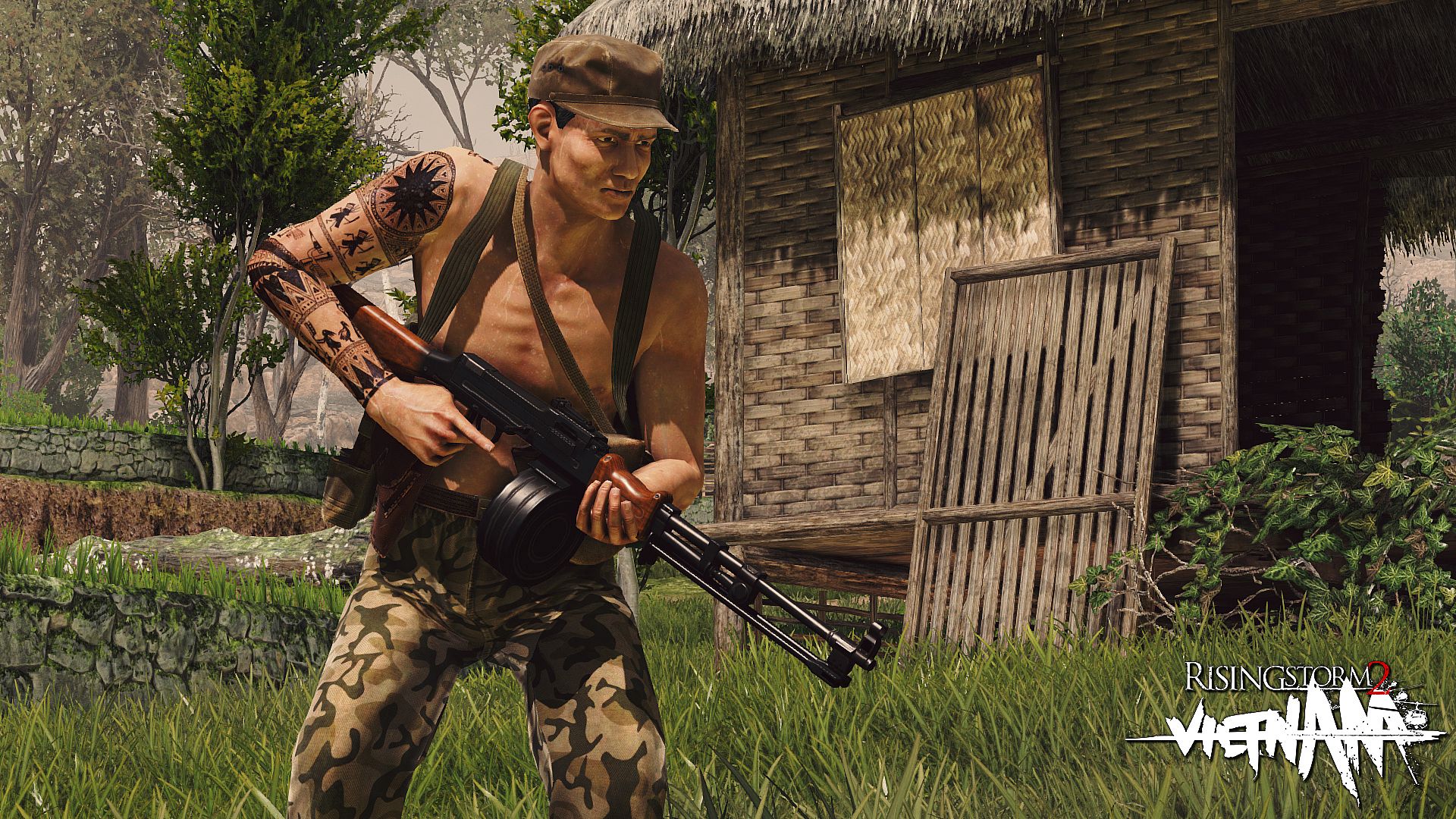
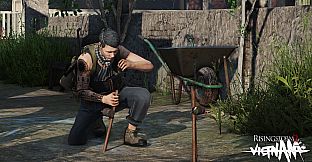
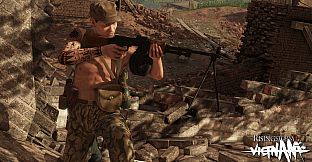
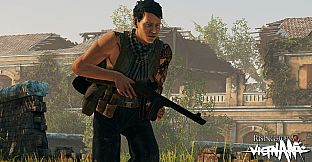
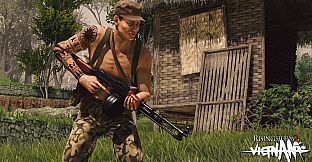
Rising Storm 2: Vietnam is a tactical first-person shooter focused on large-scale multiplayer combat during the Vietnam War. Players join battles of up to 64 participants on PC, choosing between American-led forces and North Vietnamese units in an asymmetrical conflict that emphasizes realism and coordination.
Gameplay
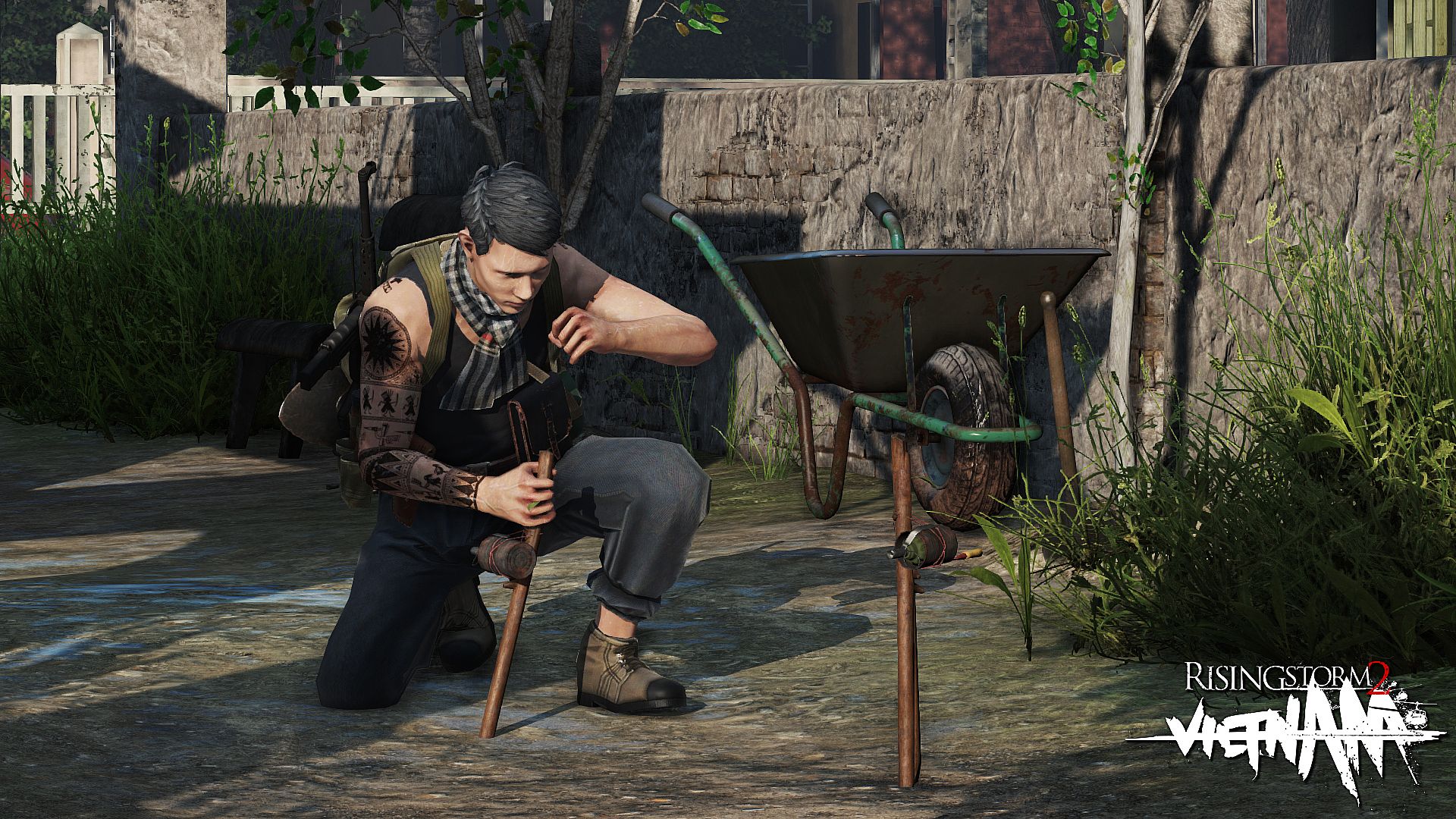
The core loop revolves around objective-based firefights where positioning, communication, and resource management determine outcomes. American teams rely on conventional firepower, including helicopter support for transport, reconnaissance, and attacks, along with air strikes such as napalm. North Vietnamese forces counter with guerrilla tactics, including traps, ambushes, and tunnel networks that allow for surprise movements and defensive setups.
Each side features distinct weapons and abilities that reflect historical equipment. Matches reward players who adapt to the environment, use cover effectively, and work with teammates to call in support or defend key positions. The experience highlights the tension of asymmetric engagements rather than fast-paced arcade action.
Game Modes
Territory requires teams to capture and hold sequential points on the map while pushing the opposing force back. Success depends on coordinated advances and strong defensive setups once ground is gained.
Supremacy involves capturing control points and linking them to a home base to secure victory. This mode encourages fluid movement across larger areas and constant pressure on enemy connections.
Factions and Mechanics
Players select from United States Army and Marine Corps units, supported by Australian and New Zealand forces or South Vietnamese troops. Opposing them are the North Vietnamese Army and National Liberation Front guerrillas. Each faction brings specialized tools, such as surface-to-air missiles or artillery barrages, that shape how engagements unfold.
Mechanics include vehicle handling for helicopters, mine placement, and class-based roles that promote teamwork. The system avoids modern conveniences, forcing reliance on map knowledge and squad play to overcome the opposing side's advantages.
Is It Worth Playing?
The game maintains an active player base years after release, with ongoing matches available for those seeking realistic tactical shooters. Reception highlights its intense atmosphere and emphasis on cooperation, though the steep learning curve and dated visuals may deter newcomers. It suits players who enjoy deliberate pacing and historical authenticity over polished presentation or solo campaigns. Those drawn to large-team multiplayer with meaningful faction differences will find consistent engagement in its verified systems.