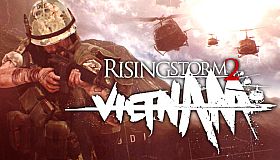


















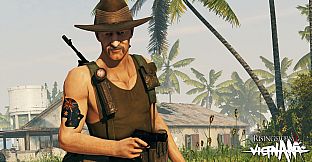
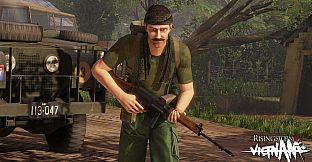
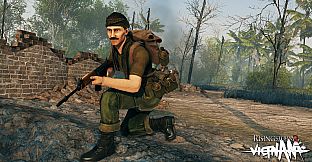
Rising Storm 2: Vietnam is a multiplayer tactical first-person shooter set during the Vietnam War. Players join large-scale online matches that place United States forces and their allies against North Vietnamese Army and Viet Cong units across varied jungle and rural maps.
Gameplay
The core loop centers on objective-driven combat that rewards positioning, communication, and coordinated movement. Matches support up to 64 players divided into two teams, with realistic weapon handling, bullet drop, and suppression mechanics that force soldiers to keep their heads down under fire. Each role carries specific responsibilities, from pointmen who lead advances with smoke grenades to radiomen who enable commander abilities near the front lines. The commander position stands out because it grants access to powerful support options such as artillery barrages and air strikes, but only when squad leaders mark targets and teammates maintain radio contact. Movement through dense vegetation provides natural camouflage, while open ground leaves soldiers exposed to helicopter gunships and machine-gun emplacements. Matches emphasize survival over run-and-gun tactics, with death often coming quickly from well-placed shots or area-denial weapons.
Game Modes
Three distinct modes shape the experience and accommodate different group sizes. Skirmish uses smaller 16-player matches on compact maps with three objectives and a short initial time limit, focusing on fast-paced fights for control points. Territories assigns one team the attacker role and the other the defender, requiring the attacking side to capture every objective in sequence across the full map length. Supremacy spreads control points over larger areas, where teams compete to hold a set number of locations simultaneously without a strict linear push. Each mode scales with player count and map size, encouraging different strategies from tight squad work in Skirmish to broad territorial management in Supremacy.
Factions and Roles
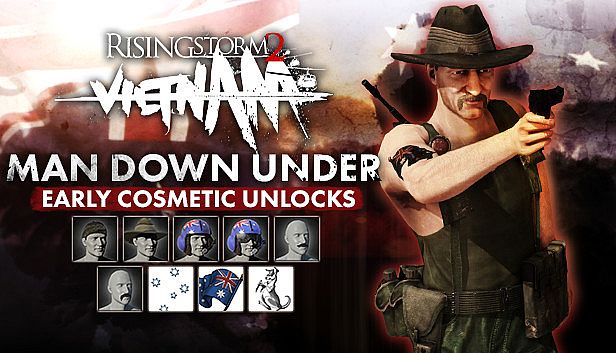
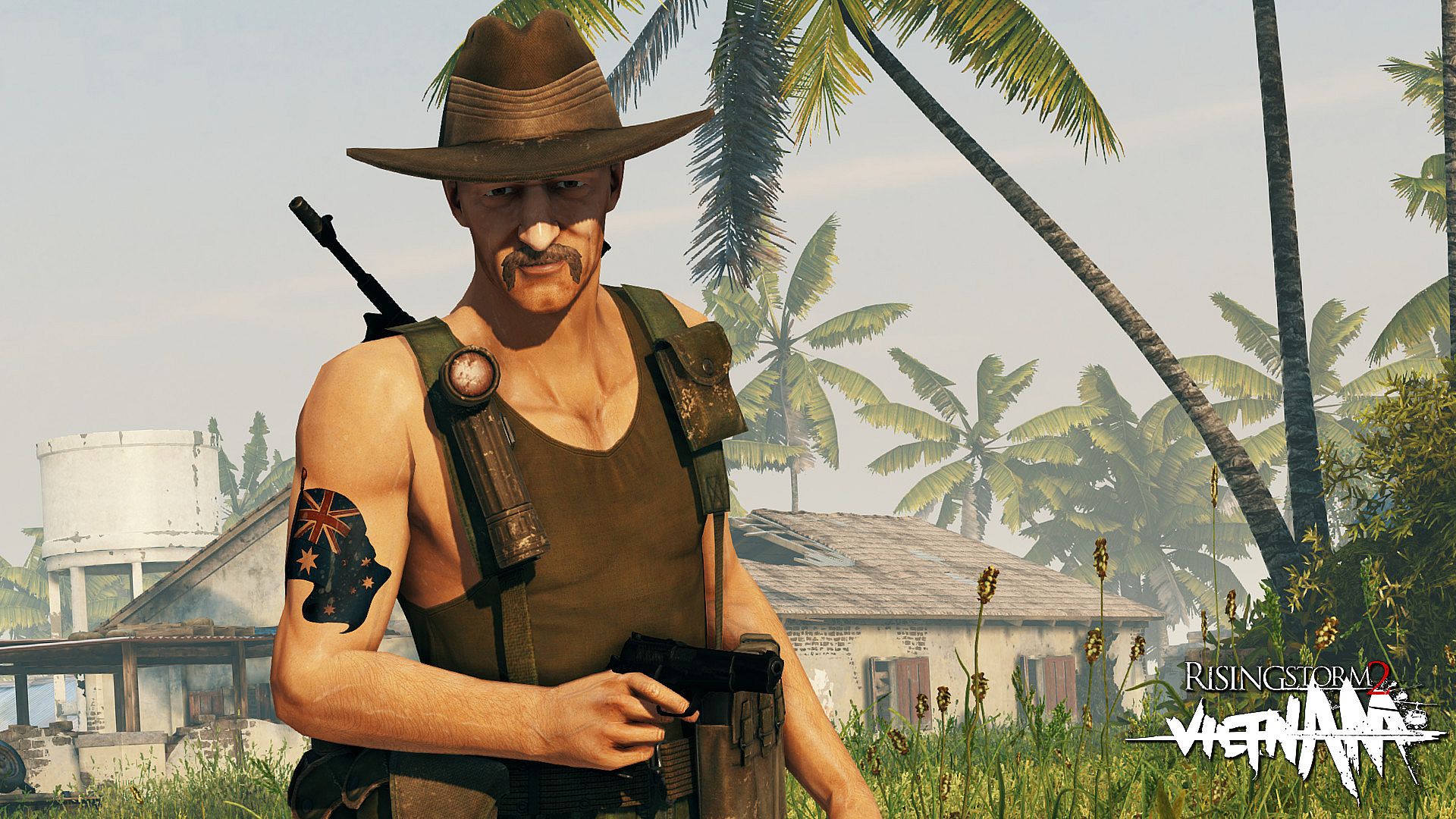
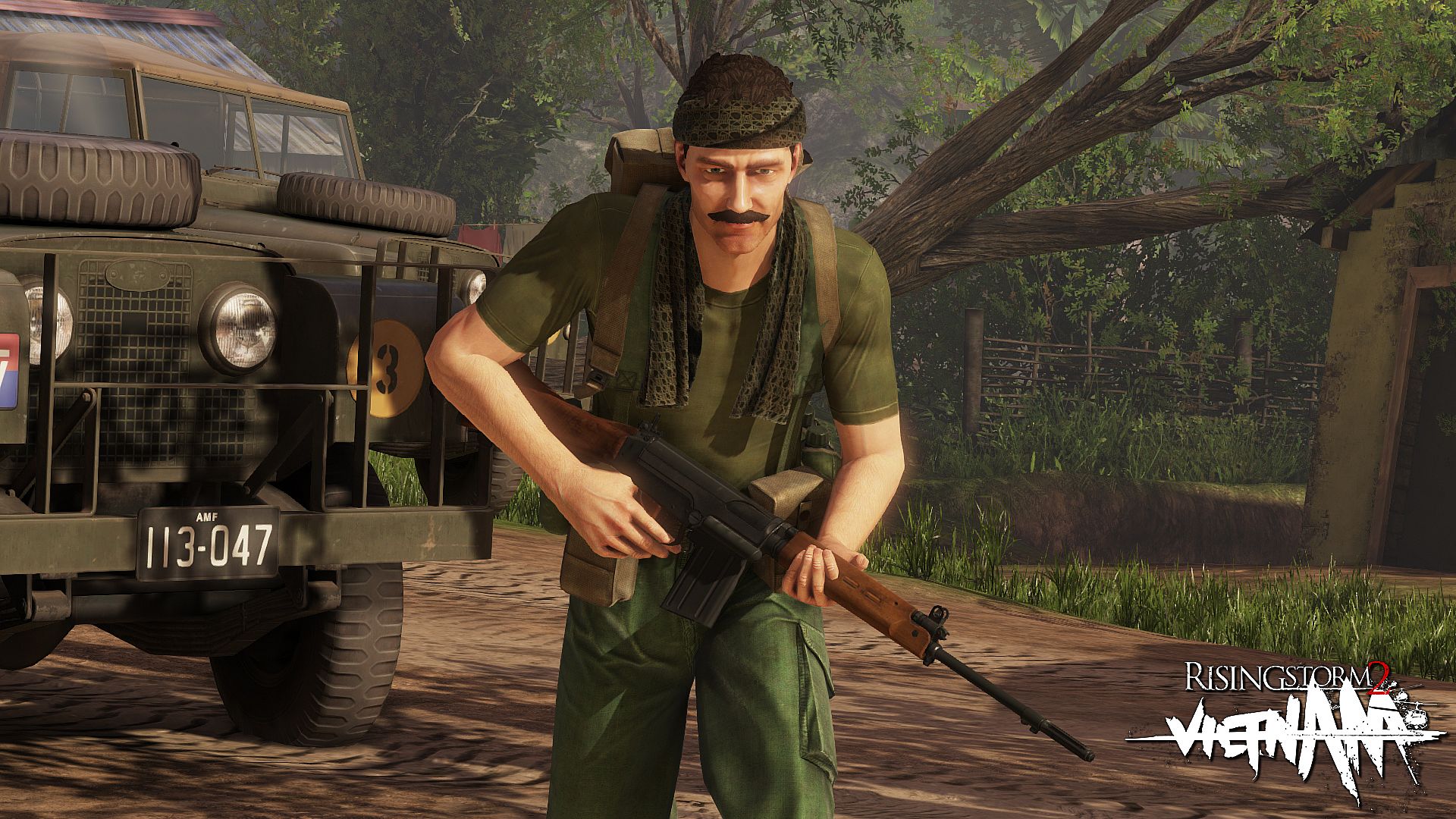
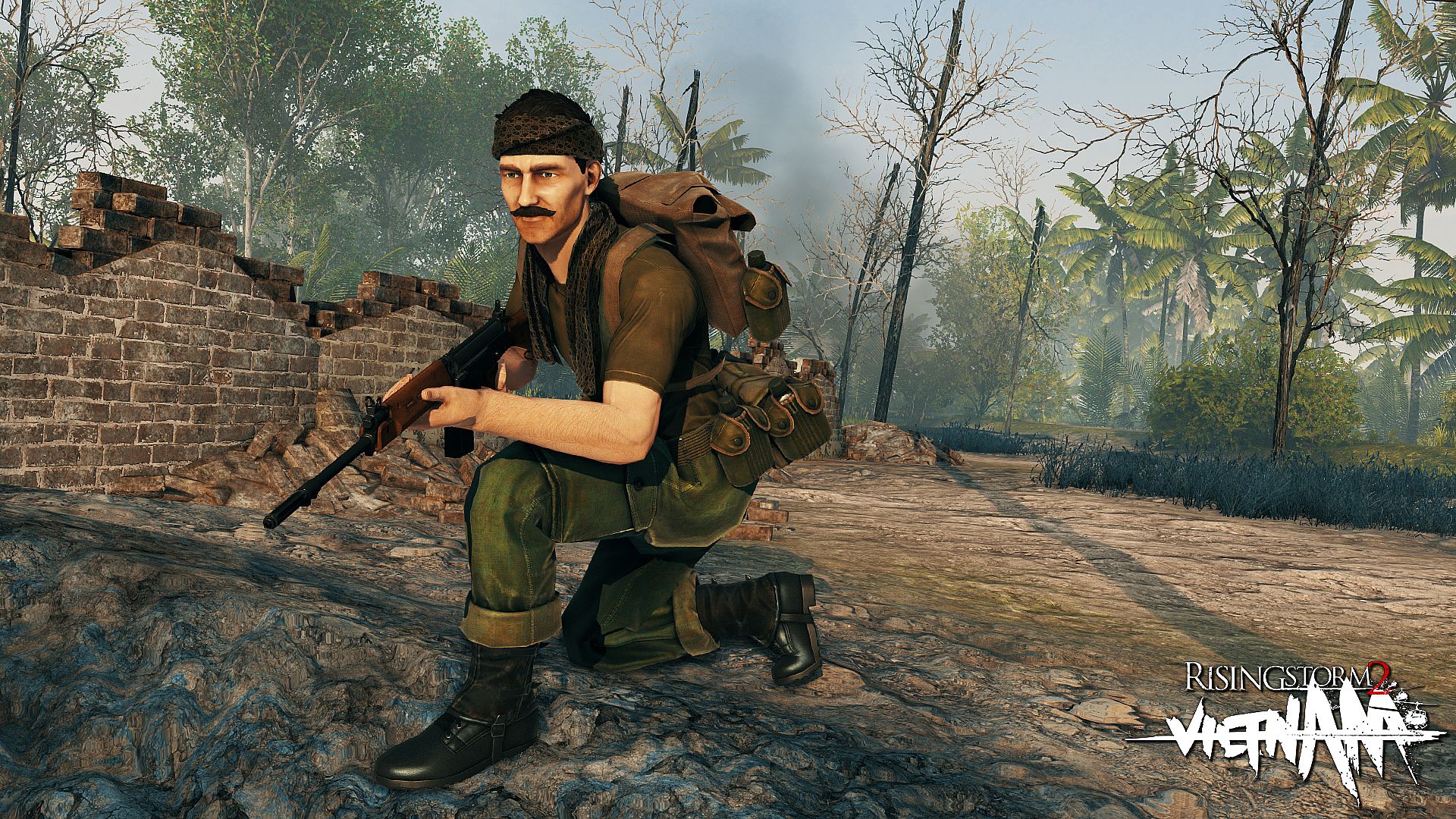
United States Army and Marine units bring superior firepower and vehicle support, including helicopters and heavy machine guns. Australian Army soldiers and Army of the Republic of Vietnam troops join as allied forces with their own equipment and appearance options. Opposing them are the People's Army of Vietnam and National Liberation Front fighters who rely on ambush tactics, lighter weapons, and knowledge of the terrain. Role selection within each faction includes specialized classes that affect available weapons, equipment, and abilities, reinforcing the need for balanced team composition. Authentic period firearms, uniforms, and vehicles appear on both sides, contributing to the historical feel of engagements.
Is It Worth Playing?
The game delivers a demanding yet satisfying experience for players who enjoy realistic multiplayer shooters that prioritize teamwork over individual heroics. Its steep learning curve stems from unforgiving ballistics and the importance of squad coordination, which can frustrate newcomers but produces rewarding moments once mechanics click. Matches remain active years after the 2017 release, supported by community maps and modifications that extend variety. Those seeking fast-paced arcade action may find the pace too deliberate, while fans of tactical depth and historical authenticity often return for the commander system and large-scale objective battles. Availability on PC makes it accessible for anyone with an interest in Vietnam War-era combat simulation.