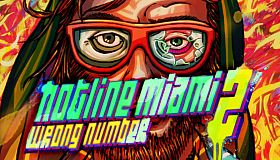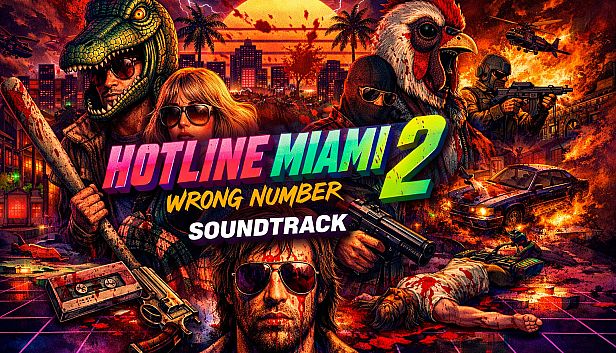




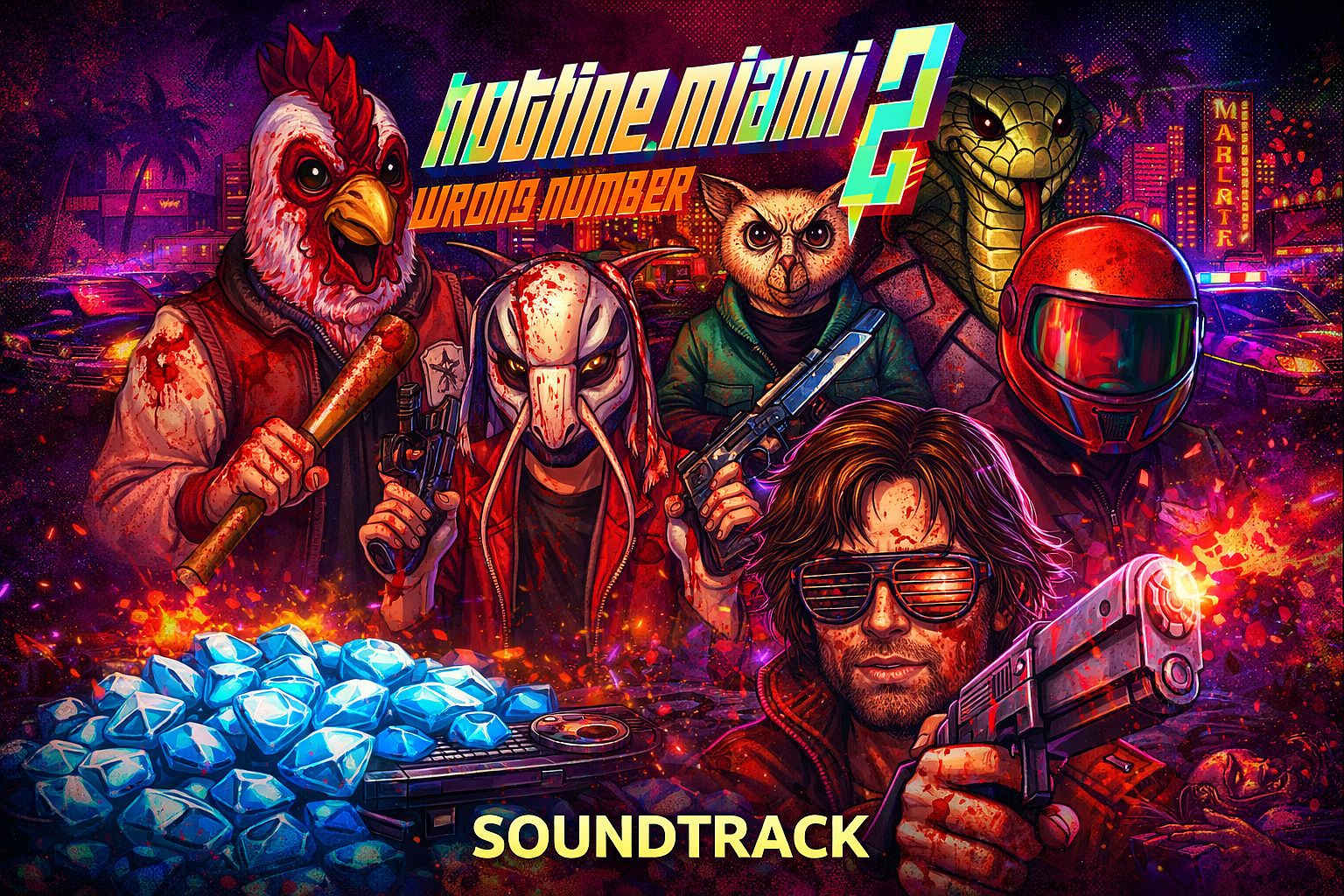
Hotline Miami 2: Wrong Number stands as a top-down action indie game centered on intense, fast-paced combat in a stylized Miami setting. Players navigate through a series of connected scenes that unfold across multiple character perspectives, clearing hostile environments with precise movement and quick decisions. The core loop revolves around entering rooms, assessing threats, and eliminating every enemy before advancing, all while managing limited health that ends runs on a single mistake.
Gameplay
Combat emphasizes speed and improvisation over sustained firefights. Weapons range from blunt melee tools to firearms picked up from fallen foes, with each encounter demanding careful positioning to avoid incoming attacks. Players switch between characters across different scenes, each bringing distinct movement or attack traits that alter how levels unfold. Masks scattered throughout provide temporary boosts or altered playstyles, encouraging experimentation on repeat attempts. Levels feature dense layouts filled with patrolling enemies whose reactions vary based on noise and visibility, rewarding methodical clears that minimize exposure. A scoring system tracks performance on speed, style, and efficiency, pushing players toward cleaner runs on subsequent plays.
Game Modes
The experience centers on a single-player campaign divided into acts and scenes that advance the narrative through varied viewpoints. After finishing the main story on standard difficulty, a harder variant unlocks with tougher enemy resilience and removed assistance features such as target locking. A built-in level editor allows creation and sharing of custom stages, complete with dialogue tools for original campaigns. No separate multiplayer modes exist, keeping the focus on solo mastery of the campaign and user-generated content.
Soundtrack
The audio design plays a central role, with a collection of 49 tracks that underscore every level. Artists including M|O|O|N, Perturbator, Carpenter Brut, Jasper Byrne, and Magic Sword contribute pulsing electronic pieces that sync with the rhythm of combat. Tracks appear in high-quality MP3 and FLAC formats directly alongside the game files, letting players experience the full selection outside of play sessions. The music shifts between atmospheric builds and aggressive beats, reinforcing the visual style without overpowering the need for audio cues during fights.
Is It Worth Playing?
Reception highlights the game's punishing difficulty paired with satisfying mastery, appealing strongly to players who favor deliberate, high-stakes action over forgiving mechanics. The campaign delivers consistent challenge through its structure and enemy variety, while the level editor extends longevity for those interested in community creations. Player counts remain steady years after release, indicating ongoing interest among fans of the genre. It suits individuals drawn to top-down shooters that prioritize tight controls, memorable audio, and replayability through scoring systems. Those seeking lighter or multiplayer-focused experiences may find the one-hit lethality and linear progression less engaging, but the package delivers focused intensity for its intended audience.