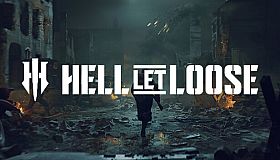







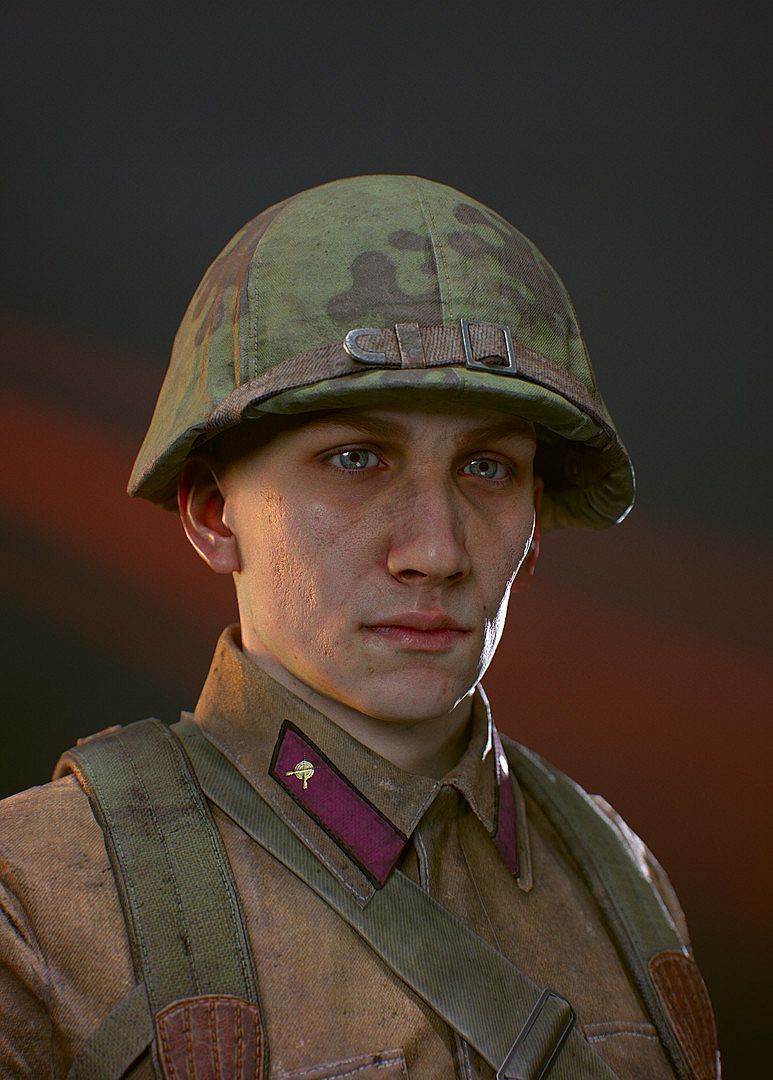
Hell Let Loose is a tactical first-person shooter that places players in large-scale World War II battles. The game emphasizes coordination across infantry, armor, and artillery units in matches that pit two teams of fifty against each other on expansive maps. Action and strategy elements combine with simulation mechanics to create sessions where individual roles contribute to broader objectives like controlling territory and managing resources.
Gameplay
Matches unfold across maps divided into sectors, where players select from specialized roles within squads. Infantry roles include riflemen, machine gunners, medics, engineers, and grenadiers, while dedicated units handle tanks and artillery. Squad leaders mark positions and direct movements, and a commander oversees the overall effort by calling in supplies or support. Resource nodes must be built and defended to sustain the front line, requiring players to balance combat with construction and logistics tasks.
Communication forms a core part of every engagement. Voice channels connect squad members, officers, and the commander, allowing real-time adjustments to plans. Tank crews operate in small teams that focus on positioning and targeting, while artillery crews provide indirect fire support from rear positions. The system rewards teams that maintain clear chains of command and adapt to shifting front lines as sectors change hands.
Game Modes
Warfare serves as the primary mode, with both teams starting in control of opposite halves of the map and a neutral sector in between. The objective centers on pushing the front line forward by capturing sectors in sequence, with victory going to the side that seizes the enemy headquarters or holds the majority of sectors when the timer expires.
Offensive shifts the dynamic into an attack-versus-defense format. One team defends fixed sectors while the other attempts to capture them one by one within time limits. Captured sectors remain under attacker control and cannot be retaken, forcing defenders to fall back methodically as the frontline advances.
Factions and Mechanics
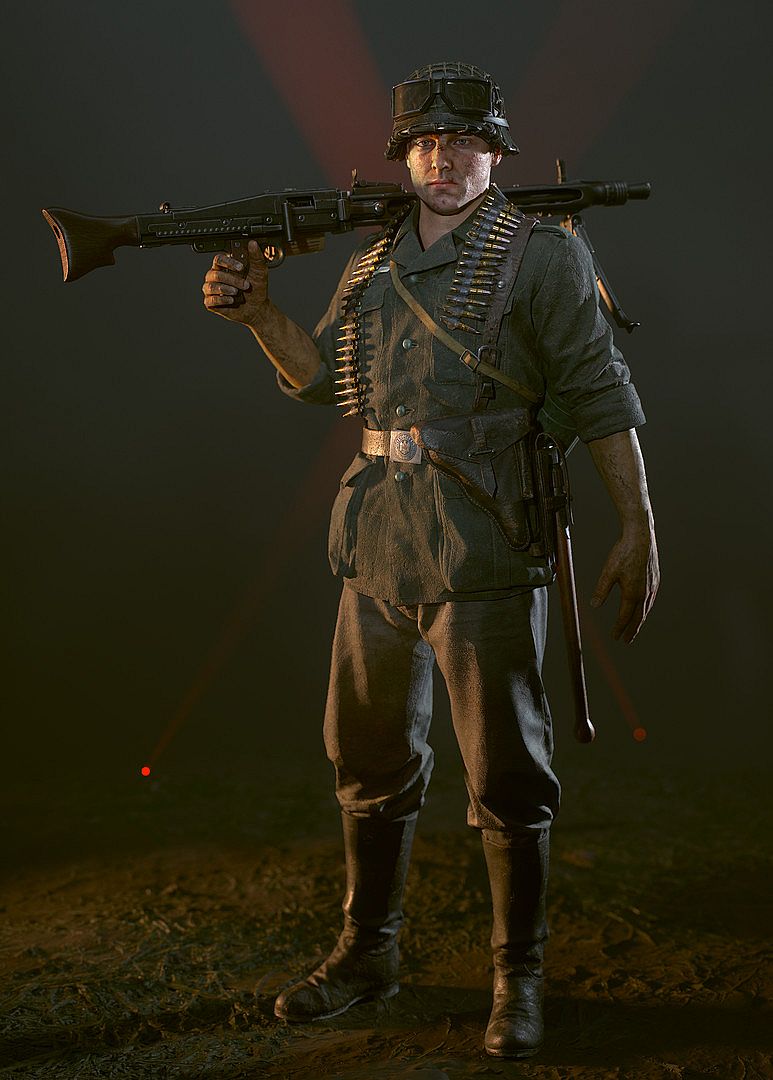
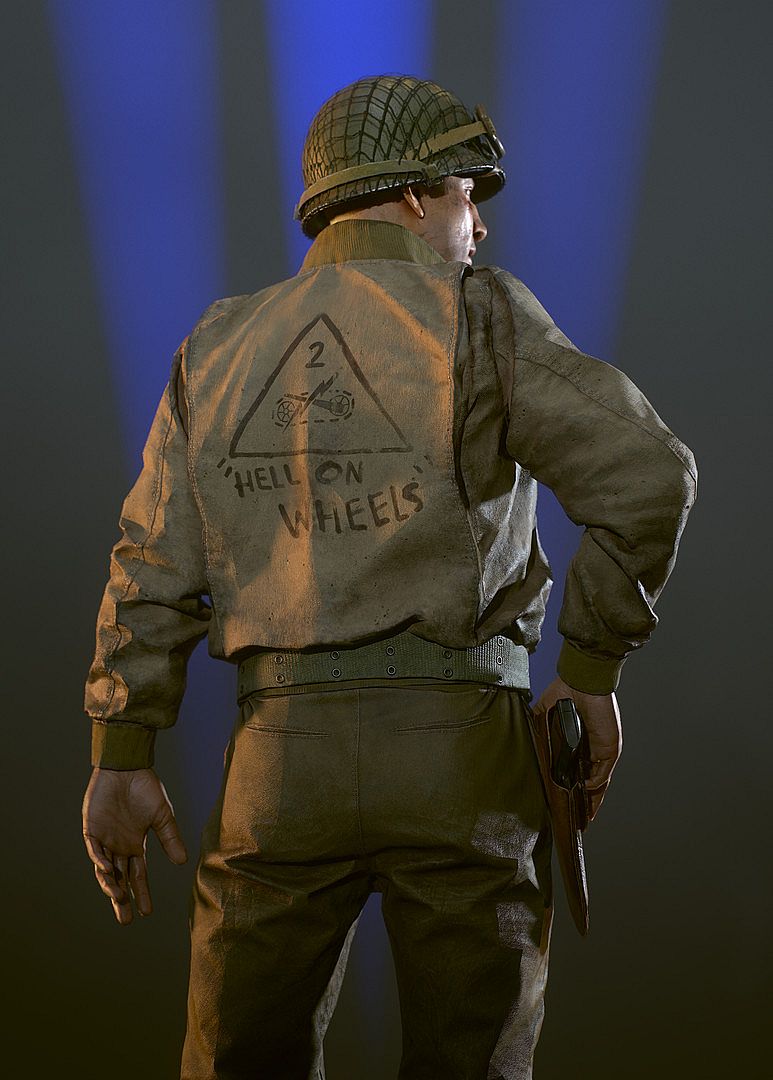
Players choose from factions including German, American, and Soviet forces, each equipped with period-appropriate weapons and vehicles. Mechanics revolve around combined-arms coordination, where infantry advances depend on tank support and artillery coverage. Supply lines and node construction add layers of strategy, as teams must allocate engineers to maintain ammunition and manpower flow throughout longer matches.
Recon elements allow small teams to scout and mark targets, while armor units engage in direct confrontations that hinge on angle, speed, and crew coordination. These systems encourage repeated play as different role combinations and map layouts produce varied outcomes each session.
Is It Worth Playing?
The game maintains an active player base with regular updates that introduce new maps, balance adjustments, and quality-of-life improvements. Reviews consistently rate the experience as Very Positive, reflecting sustained interest from players who value its focus on teamwork over fast-paced arcade action. It suits those seeking deliberate, communication-heavy multiplayer sessions rather than solo or casual play.
Availability on PC supports ongoing community growth, and the emphasis on role specialization and large-scale tactics appeals to fans of simulation-style shooters. New players benefit from starting in supported roles before advancing to leadership positions, while veterans continue to engage with evolving content and faction options.