



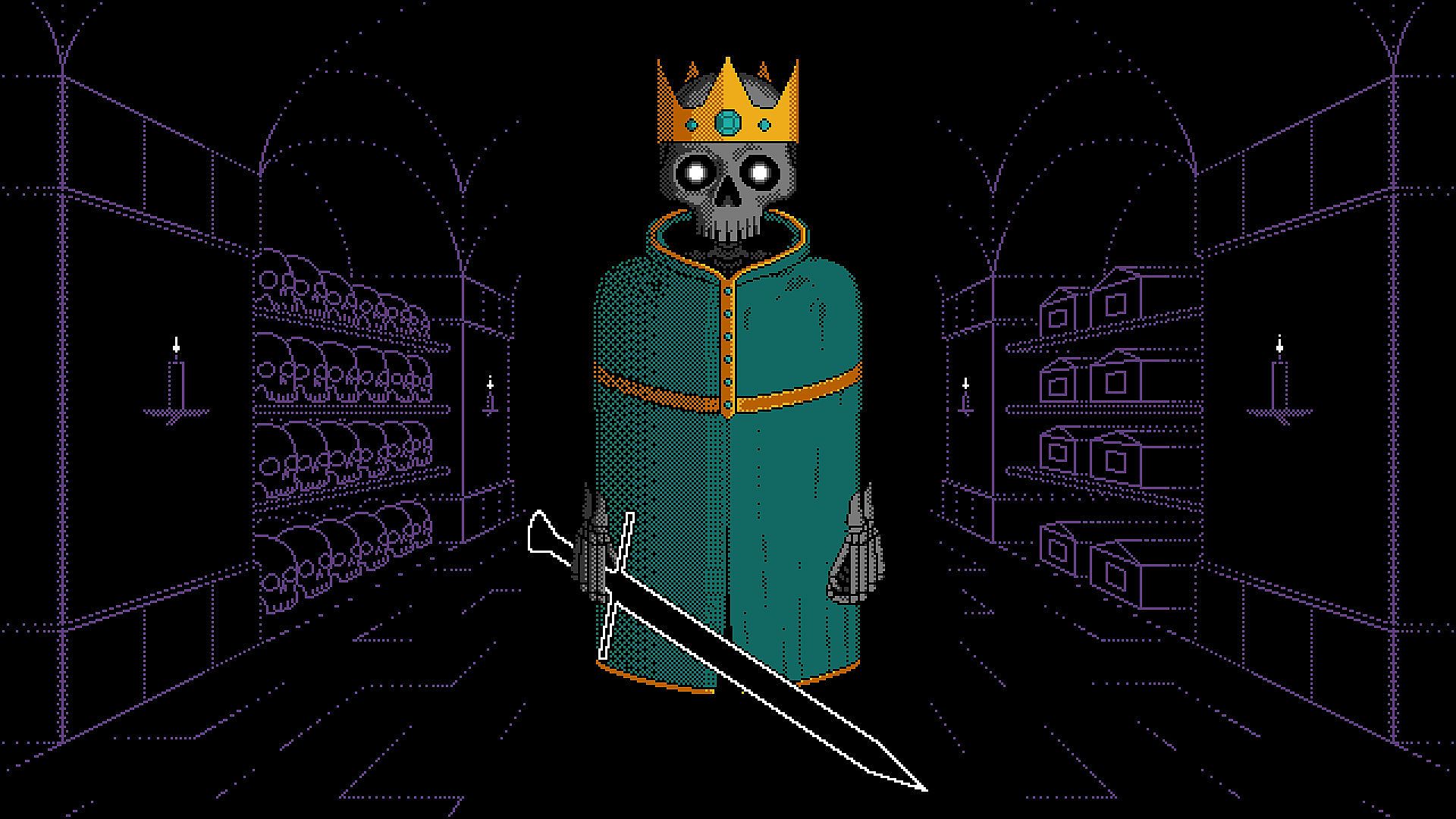
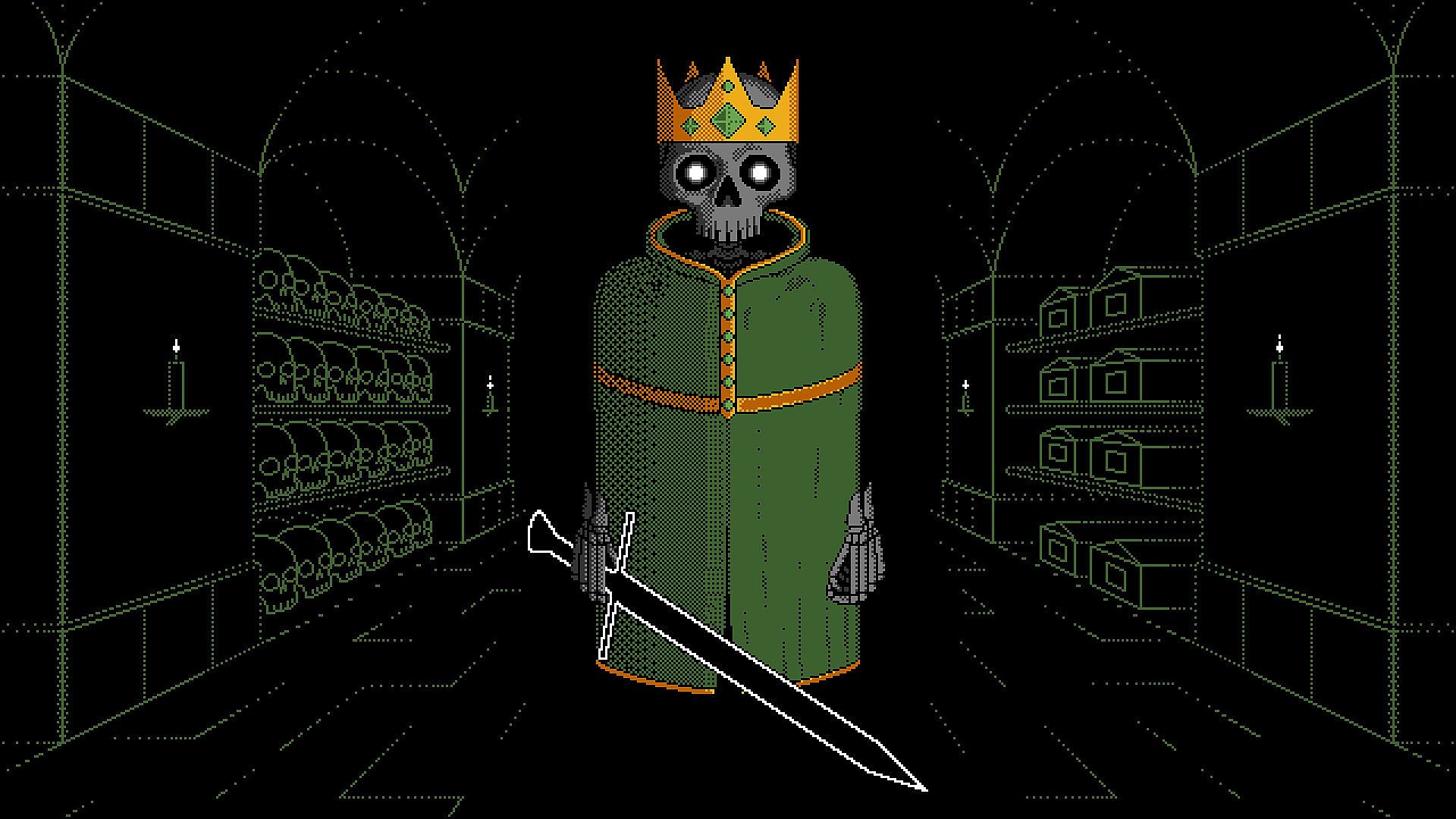
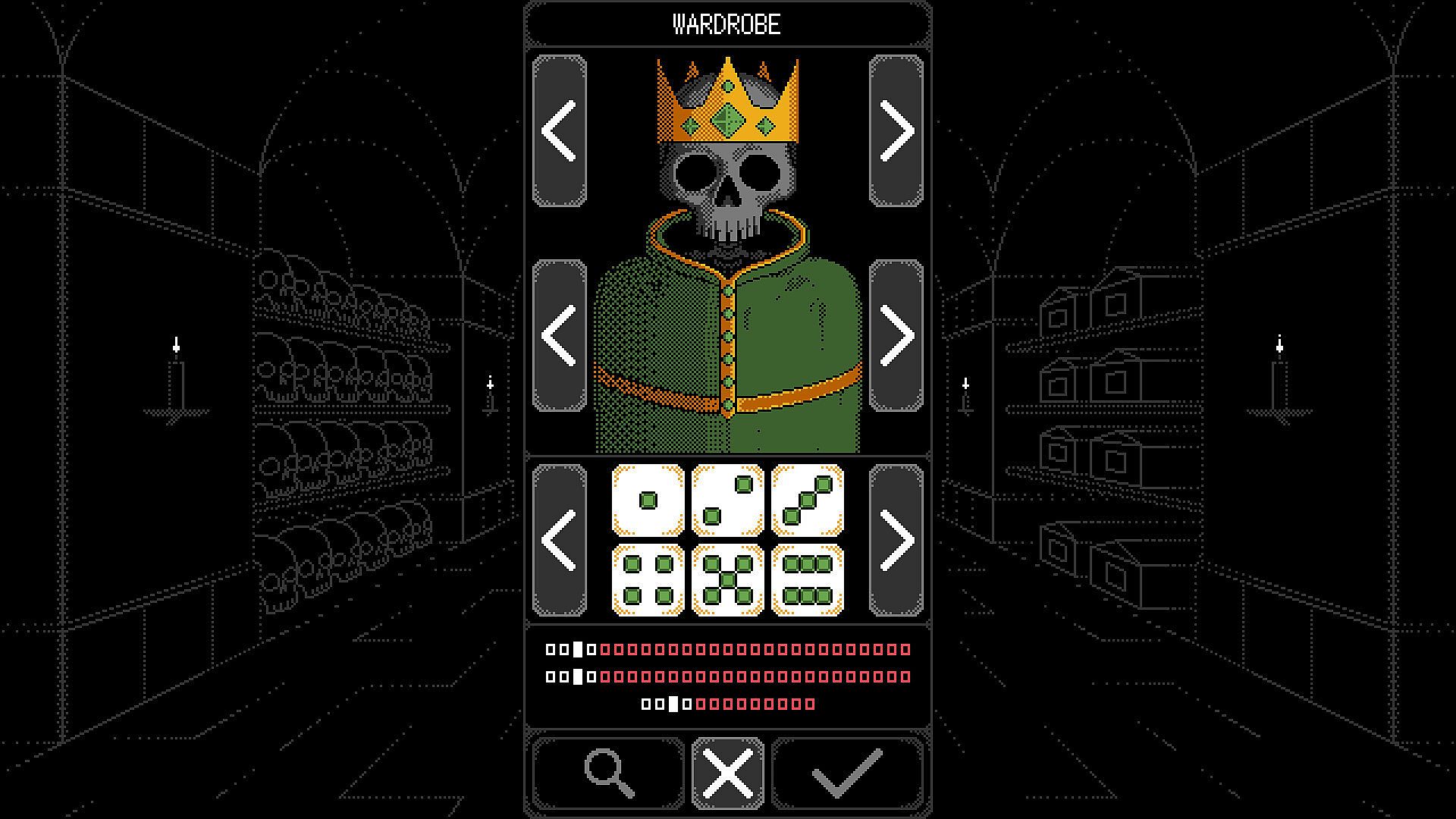
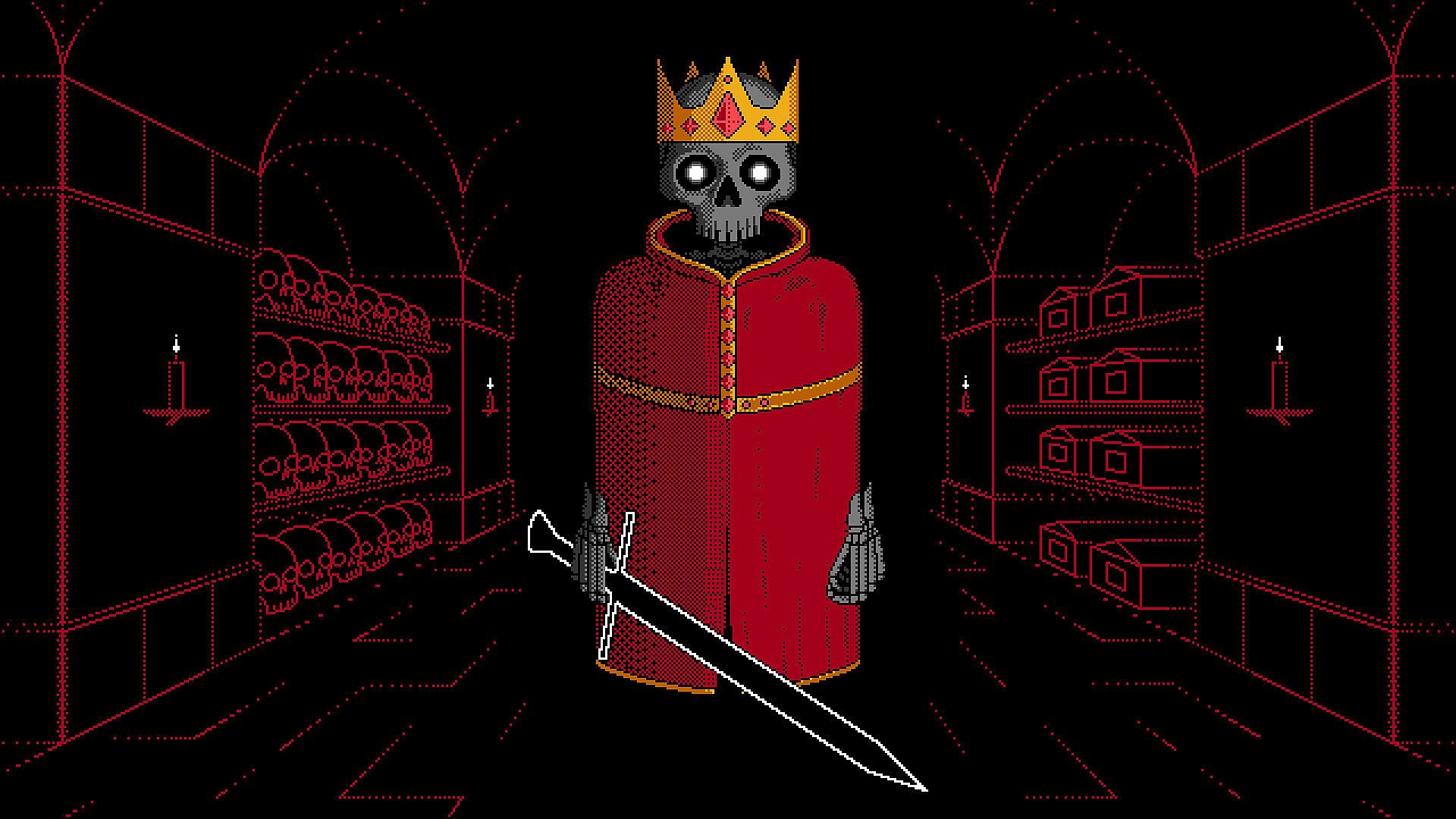
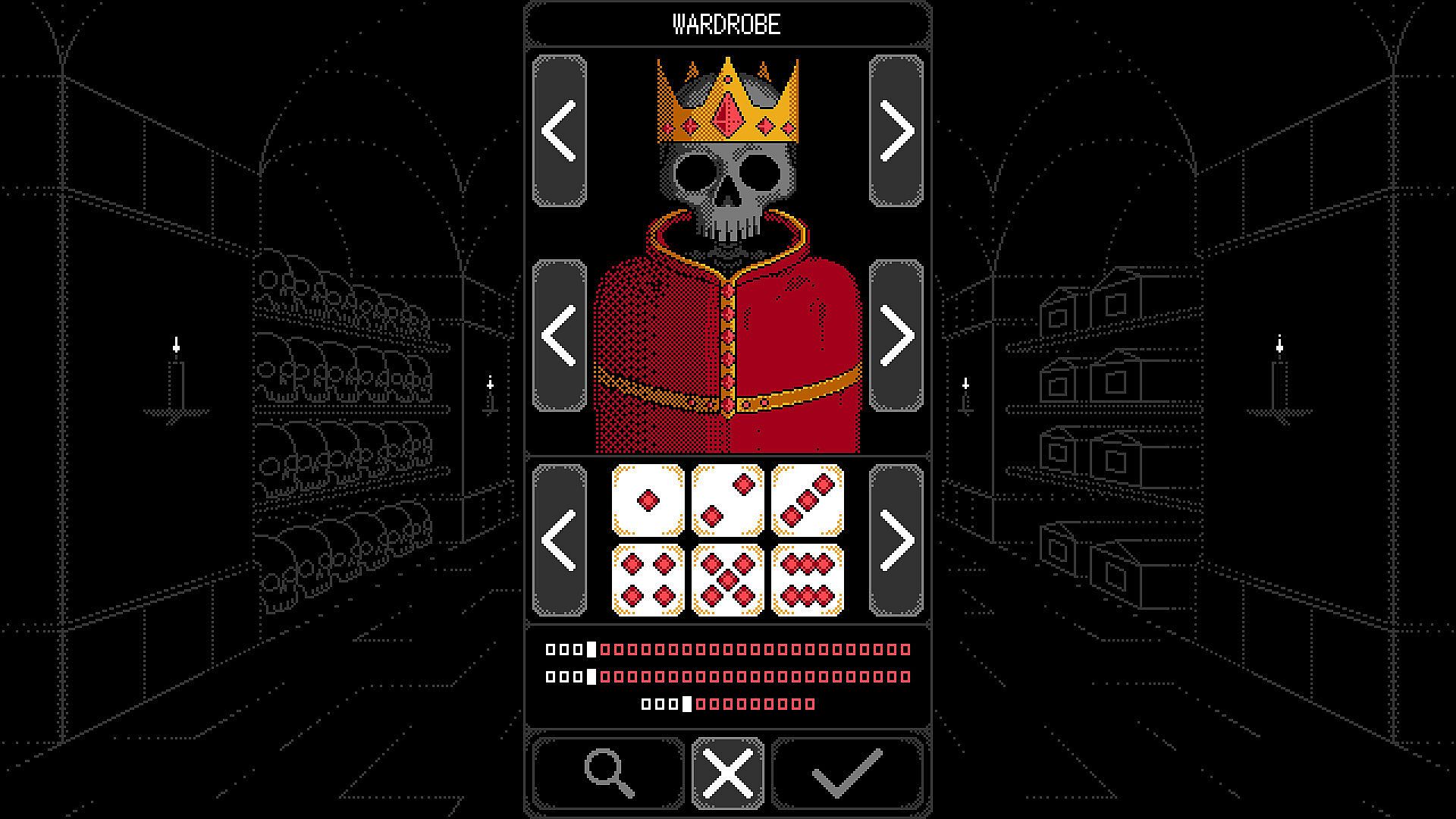
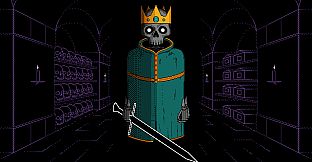
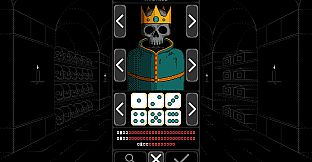
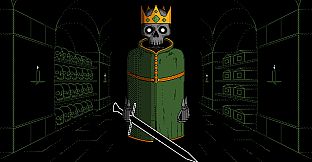
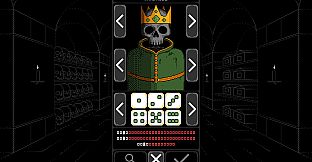
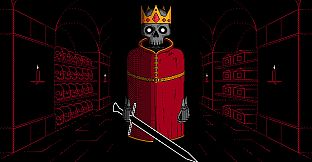
Dice of Kalma is a strategy indie casual game that puts players in a tense duel of dice rolls and strategic choices against the guardian of the underworld. Released in November 2025 for PC, the title combines roguelike progression with poker-inspired dice hands and a deckbuilding system centered on collectible skulls. Each run challenges players to meet rising score thresholds across a fixed sequence of levels while managing limited resources like rerolls. The dark pixel art style and atmospheric presentation reinforce the theme of gambling with fate in a somber underworld setting.
Gameplay
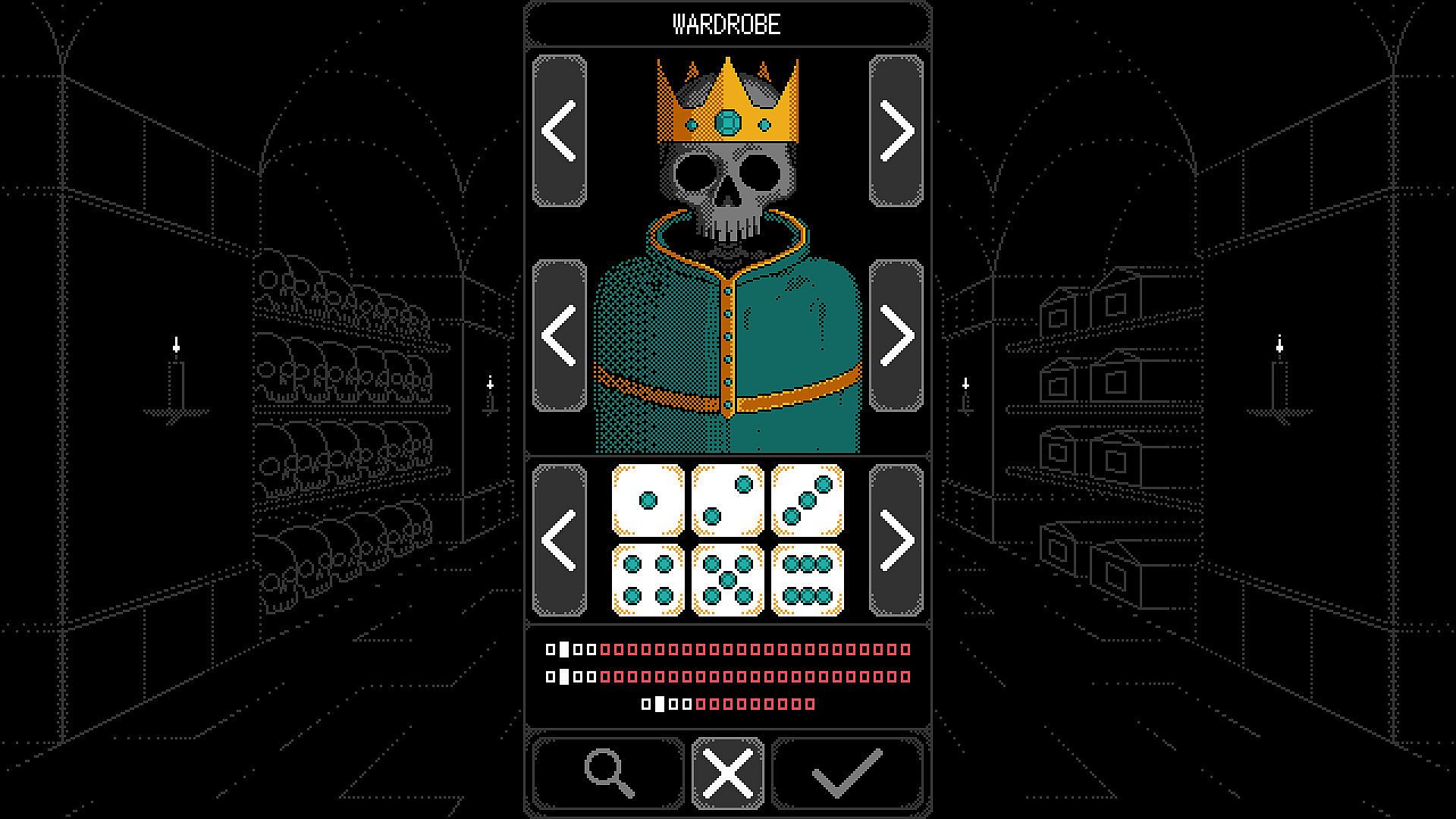
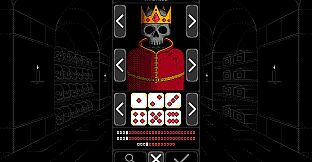
Core play revolves around rolling five dice to generate scores through recognizable hand types such as pairs, two pairs, three of a kind, straights, full houses, four of a kind, and five of a kind. Each hand contributes a base score plus a multiplier that scales with rarity, and every die factors into the total bones collected. Players receive a limited number of rerolls per round to refine results, deciding whether to push for stronger combinations or conserve the resource for later rolls. Between successful levels, upgrades become available for chosen hand types to raise their base values and multipliers permanently for the remainder of the run. Skulls serve as the deckbuilding component, with over seventy unique options that activate under specific conditions to boost scores, provide extra rerolls, or create synergies across multiple effects. Builds emphasize experimentation, as skulls can be swapped or rerolled at certain points to adapt to the escalating thresholds that define each of the twenty-five levels in a standard run.
Game Modes
The primary experience follows a single continuous run against Kalma, where failure resets progress and forces a fresh start with new skull selections. This structure encourages repeated attempts to refine strategies and discover stronger combinations. After completing the main sequence, additional game modes unlock for players seeking variety beyond the core campaign. Leaderboards track high scores across runs, while achievements reward consistent performance and specific milestones. The overall design supports short sessions or extended playthroughs, with the roguelike loop of risk, reward, and adaptation remaining consistent regardless of mode.
Progression and Strategy
Success depends on balancing luck with deliberate choices at every stage. Upgrading common hands early often proves more reliable than chasing rare ones, since rerolls and skull effects can amplify frequent outcomes. Skulls introduce layers of customization, allowing builds focused on multipliers for particular dice values, conditional bonuses, or broad score enhancements. The absence of permanent progression outside individual runs keeps emphasis on adapting within each attempt, while the fixed level count provides a clear endpoint that still demands careful resource management. Pixel art visuals and thematic audio cues maintain immersion without distracting from the mechanical decisions that determine whether a run succeeds or restarts.
Is It Worth Playing?
Player feedback on the Steam release has been very positive, with ninety percent of reviews favorable among the initial sample. The game appeals to those who enjoy roguelike deckbuilders that reward pattern recognition and incremental optimization rather than pure reflexes. Its concise structure suits players looking for accessible yet deep sessions that can extend through multiple attempts. Continued development support from the studio suggests ongoing refinements, and the combination of familiar poker mechanics with fresh skull synergies gives the title distinct identity within the dice roguelike space. Those drawn to strategic chance management and build experimentation will find substantial replay value in testing different skull combinations against the same escalating challenges.