



















Yakuza: Like a Dragon stands out as a singleplayer RPG that shifts the series toward turn-based combat while retaining its signature blend of crime drama and everyday city life. Players take on the role of Ichiban Kasuga, a former yakuza member who returns to society after an 18-year prison sentence and begins uncovering layers of betrayal within his former clan. The game unfolds across detailed districts of Yokohama, with additional visits to familiar locations in Tokyo and Osaka, emphasizing personal growth amid the criminal underworld.
Gameplay
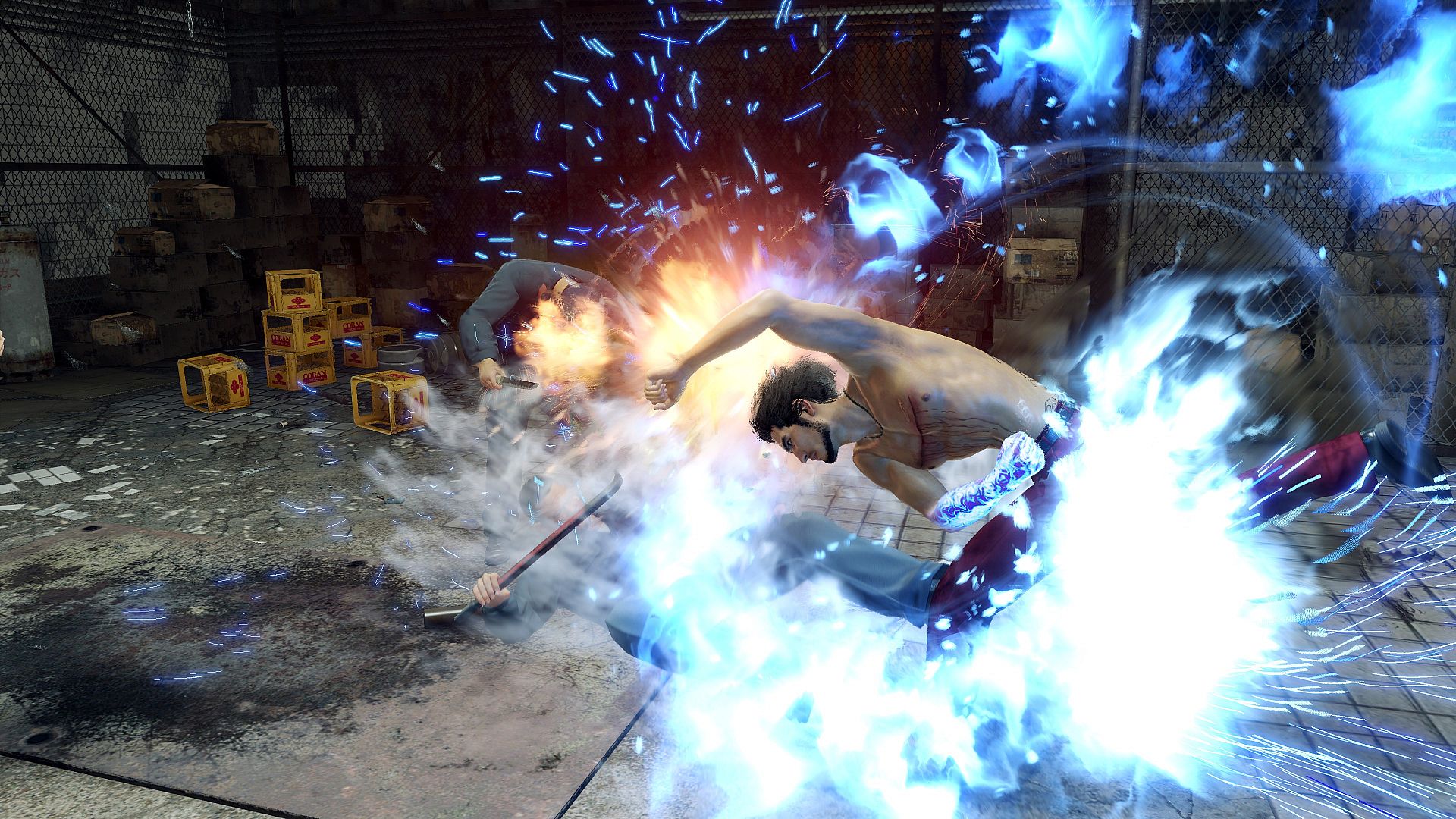
Combat operates on a turn-based system where up to four party members act in sequence determined by agility stats. Each character equips one of many available jobs that dictate skills, equipment, and playstyle. The full roster includes options such as Bodyguard for defensive roles, Musician for support abilities, and others like Chef or Idol that tie into everyday professions for thematic flair. Battles occur on the streets where environmental objects come into play, allowing attacks with items like bicycles or street signs for extra damage or crowd control. Weaknesses to specific elements or attack types encourage strategic job switching and skill selection during encounters. Party members gain experience separately, and bond levels unlock combo moves or additional abilities over time.
Outside of fights, progression involves managing stats through vocational school tests and building relationships that influence both story branches and combat effectiveness. Equipment crafting and upgrades support longer campaigns, while recovery items and summons provide tactical depth in tougher encounters. The system rewards experimentation with job combinations rather than relying on a single fixed class.
Game Modes
The core experience centers on a linear story campaign divided into chapters that advance Ichiban's investigation and personal arc. Side content expands significantly through dozens of substories, each presenting self-contained narratives that often tie into the city's residents and unlock rewards like new summons or access to shops. These optional tales range from lighthearted encounters to more involved character moments.
Additional systems function as distinct play loops. Business management tasks players with running a confectionery company by investing in properties, hiring staff, and navigating shareholder meetings that play out as timed challenges. Dragon Kart offers competitive go-kart racing across Yokohama tracks with item-based combat against rivals. Arcade sections house classic titles for high-score chases, while karaoke sessions and various gambling minigames provide shorter diversions. A part-time hero app tracks repeatable challenges that reward materials and experience.
Exploration and City Life
Yokohama's Isezaki Ijincho district serves as the primary hub, packed with shops, restaurants, and hidden corners that encourage thorough wandering. Food and drink purchases grant temporary stat boosts, and safe locations or collectibles add completionist incentives. The game maintains a consistent pace between main objectives and free roaming, with random street encounters feeding into the combat loop. Multiple districts open progressively, each introducing new substories and minigame access points that keep the urban environment feeling alive across the full playthrough.
Is It Worth Playing?
Player feedback remains consistently strong years after release, with the title earning very positive ratings across major platforms for its narrative focus and varied activities. The turn-based combat and job system appeal to those seeking tactical RPG elements, while the substories and minigames suit players who enjoy side content and light simulation. Availability on Xbox and PC makes it accessible for singleplayer campaigns that blend serious drama with humorous detours. Those drawn to detailed city exploration, character-driven stories, and a mix of combat with optional management or racing will find substantial value in the complete package. Shorter sessions work well for minigames alone, though the full story benefits from dedicated playtime to appreciate party development and plot resolutions.

