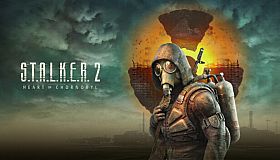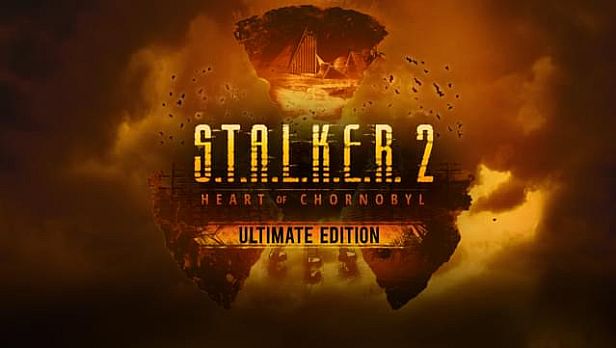






















S.T.A.L.K.E.R. 2: Heart of Chornobyl is a first-person shooter with survival and role-playing elements set in a vast open-world version of the Chornobyl Exclusion Zone. Players scavenge resources, navigate hazardous terrain, and make decisions that shape their path through a dangerous environment filled with anomalies, mutants, and rival groups.
Gameplay
The core loop centers on careful exploration and resource management in a large, interconnected world. Players track hunger, fatigue, radiation exposure, bleeding, and equipment condition while carrying limited weight. Anomalies appear as invisible or shifting hazards that can injure or kill on contact. Throwing bolts helps reveal their edges, and special detectors locate artifacts that provide both benefits and drawbacks when equipped.
Combat involves realistic firearms that require maintenance to avoid malfunctions. Encounters range from human opponents to aggressive mutants, with positioning and cover playing key roles due to the deliberate pace of movement and shooting. The A-Life simulation system drives dynamic events, where stalkers and mutants move, fight, and claim territory independently of the player. Recent refinements have expanded the range and believability of these interactions, resulting in more frequent and varied encounters across the map.
Quests and side activities encourage interaction with the environment and its inhabitants. Scavenging yields weapons, armor, and supplies, while reputation with different groups influences access to traders and safe zones. The world rewards observation and preparation over direct confrontation.
Game Modes
The experience is built around a single-player campaign that emphasizes personal survival and progression through the Zone. Players advance through main objectives while pursuing optional tasks that reveal more of the setting and its conflicts.
Difficulty options include standard presets alongside Master difficulty, which heightens enemy aggression, reduces resources, and limits recovery options. Expedition mode applies restricted saving rules to any difficulty level, with progress saved only at specific points such as leaving hubs or during key story moments. This setup increases tension during longer treks. A Custom Rules system added in a major update lets players adjust individual parameters like combat lethality, anomaly frequency, and economy scarcity to match preferred challenge levels.
The Zone and Its Inhabitants
The Chornobyl Exclusion Zone serves as the central setting, a radioactive expanse dotted with abandoned structures, hidden laboratories, and contested territories. Factions such as Duty, Freedom, Bandits, Ecologists, Loners, Mercenaries, Monolith, the Ward, and Spark operate with distinct goals and bases. Players build reputation through jobs and alliances, which can open or close opportunities depending on choices made.
Dynamic territory control means factions and mutant groups compete for locations, leading to shifting front lines and opportunistic encounters. New areas introduced through expansions, including the Iron Forest and the Chernobyl Nuclear Power Plant, expand the map and tie into ongoing faction rivalries.
Recent Updates and Current State
Version 2.0, released in August 2026 alongside the first major expansion, upgraded the engine to Unreal Engine 5.5.4. This brought improved lighting, shadows, reflections, and vegetation across indoor and outdoor areas. Additional features include three binocular types for scouting, four new weapons integrated into the base arsenal, a PDA statistics tracker, and weather effects like fog that reduce visibility and hearing for both players and enemies. Over 500 bug fixes addressed issues such as enemy pathing and object interactions.
These changes have made the world feel more active and responsive. The game continues to receive support through further content additions tied to the Season Pass.
Is It Worth Playing?
Player reception has remained mostly positive following the technical improvements in recent updates. The game appeals to those who value atmospheric open-world survival shooters with deep systems for management and discovery. Its deliberate pace and emphasis on consequence suit players comfortable with high tension and repeated failures during early attempts.
Those seeking fast-paced action or extensive multiplayer options may find the single-player focus limiting. For fans of methodical exploration and a living simulated environment, the current version delivers a refined and engaging experience that rewards persistence and adaptation.