




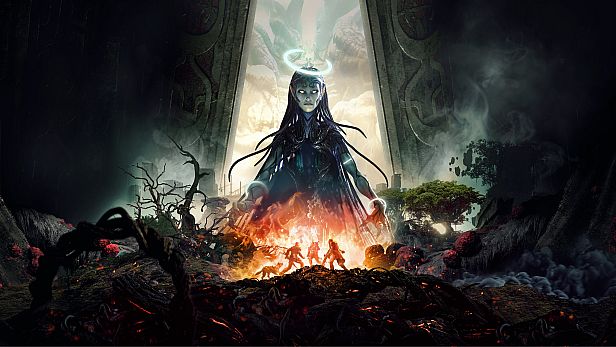



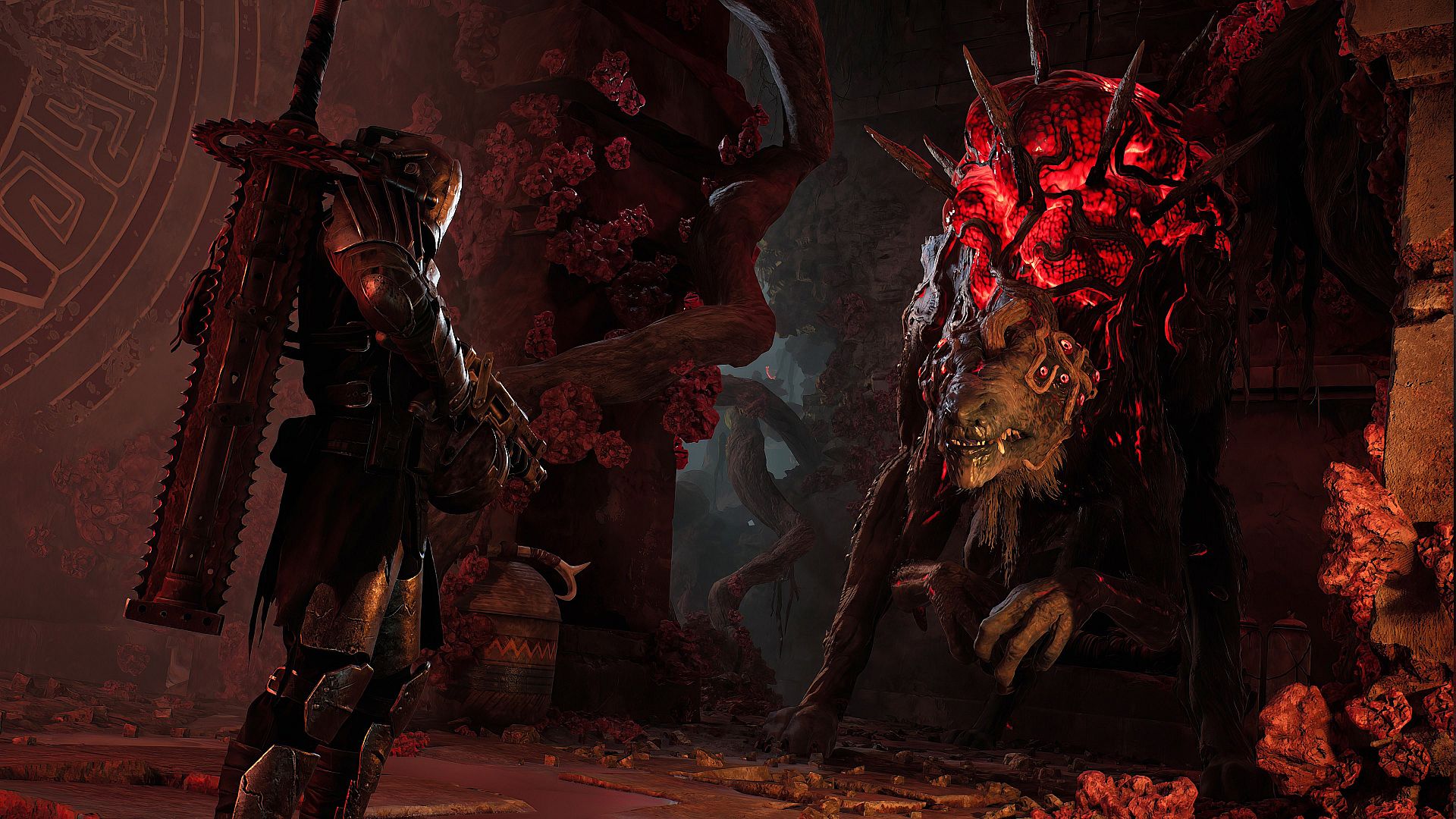
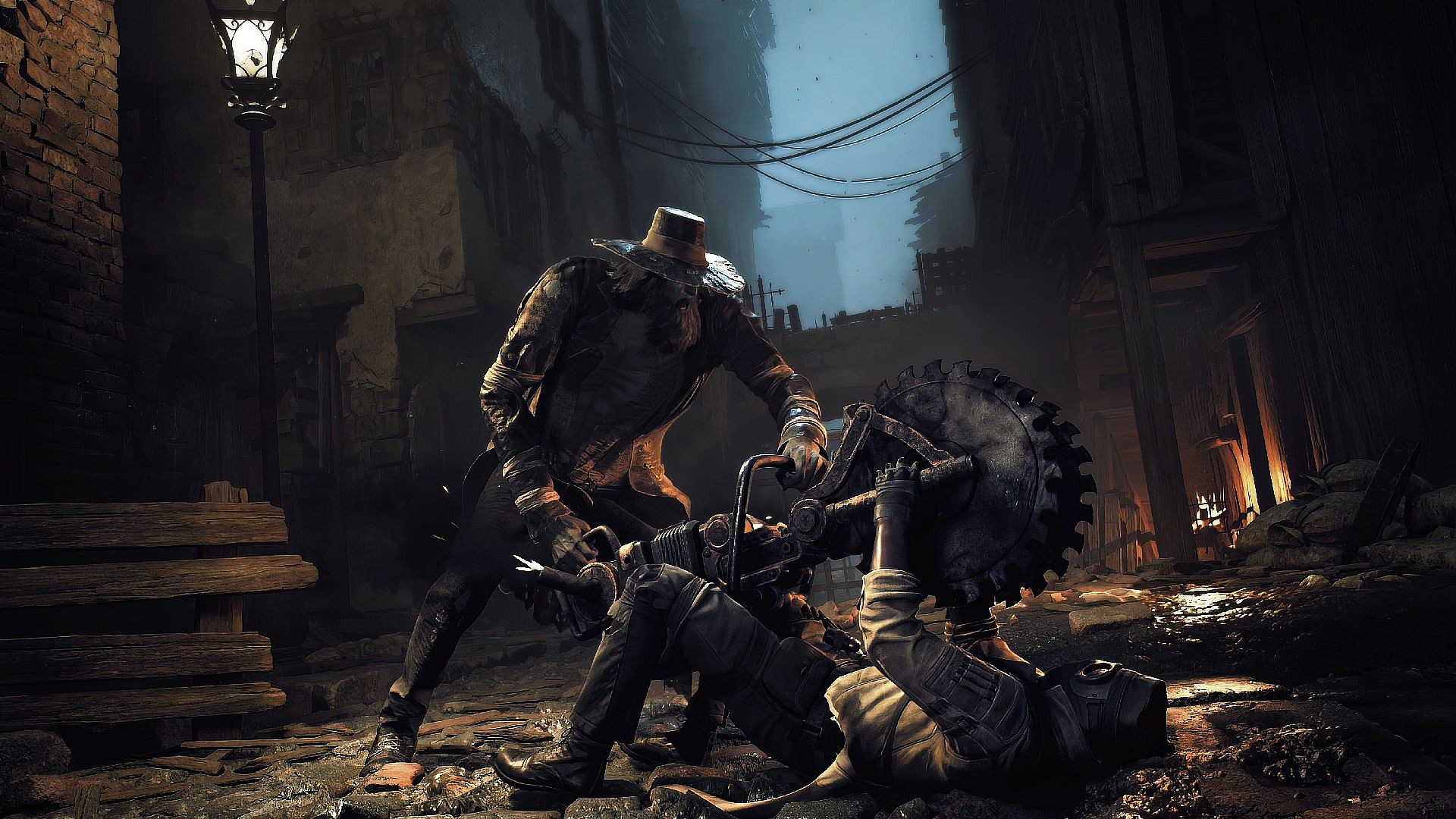
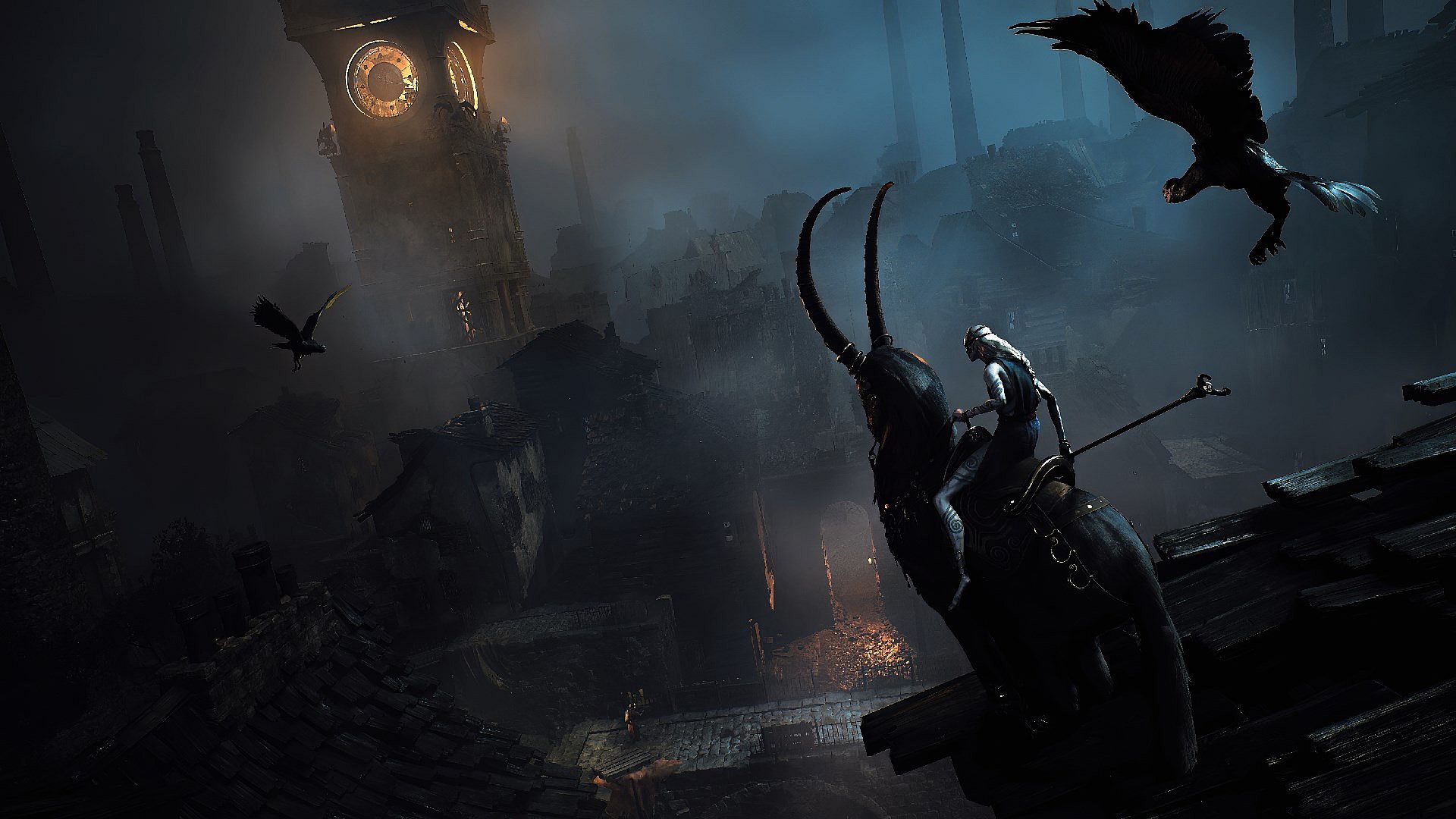
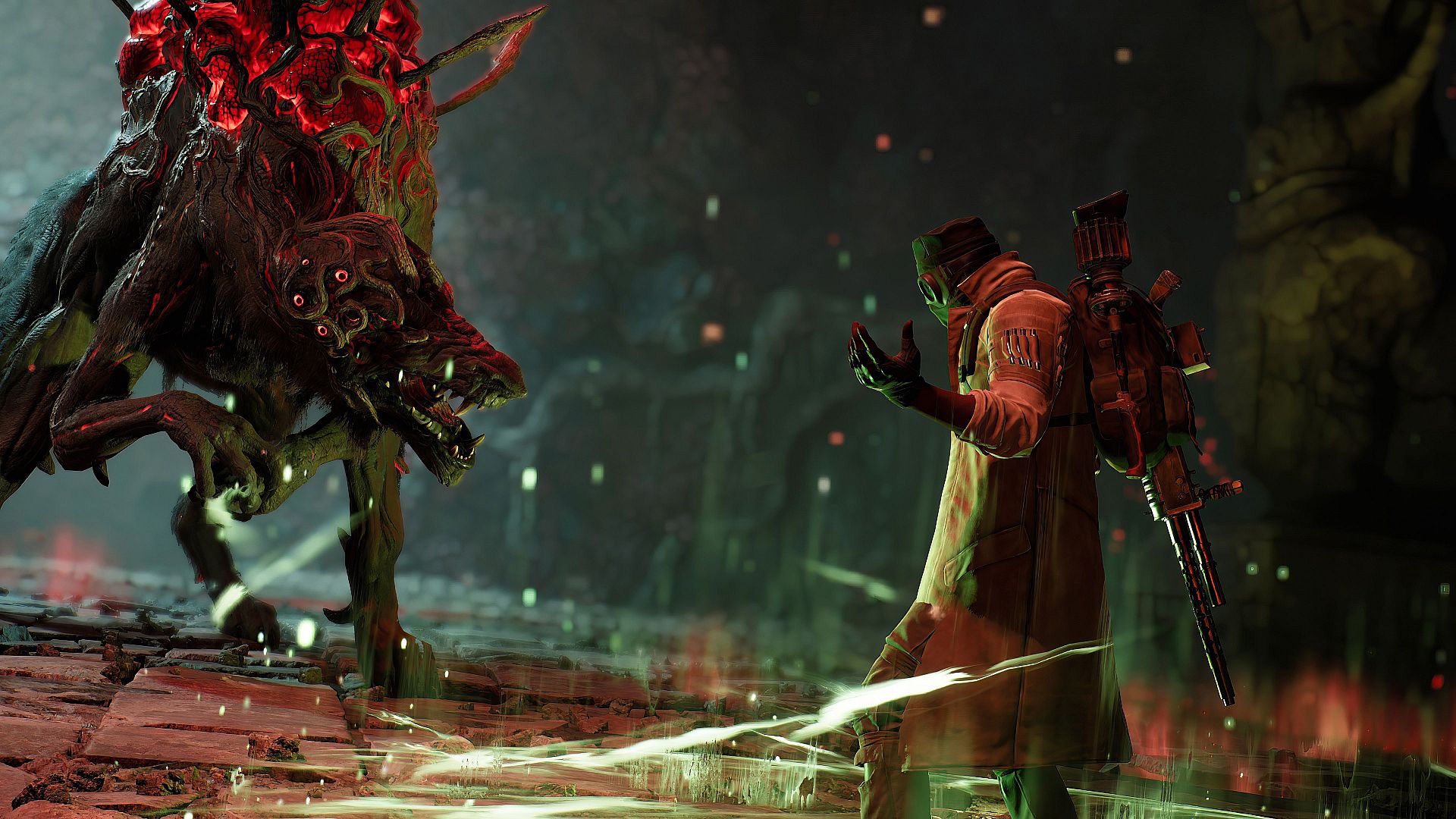
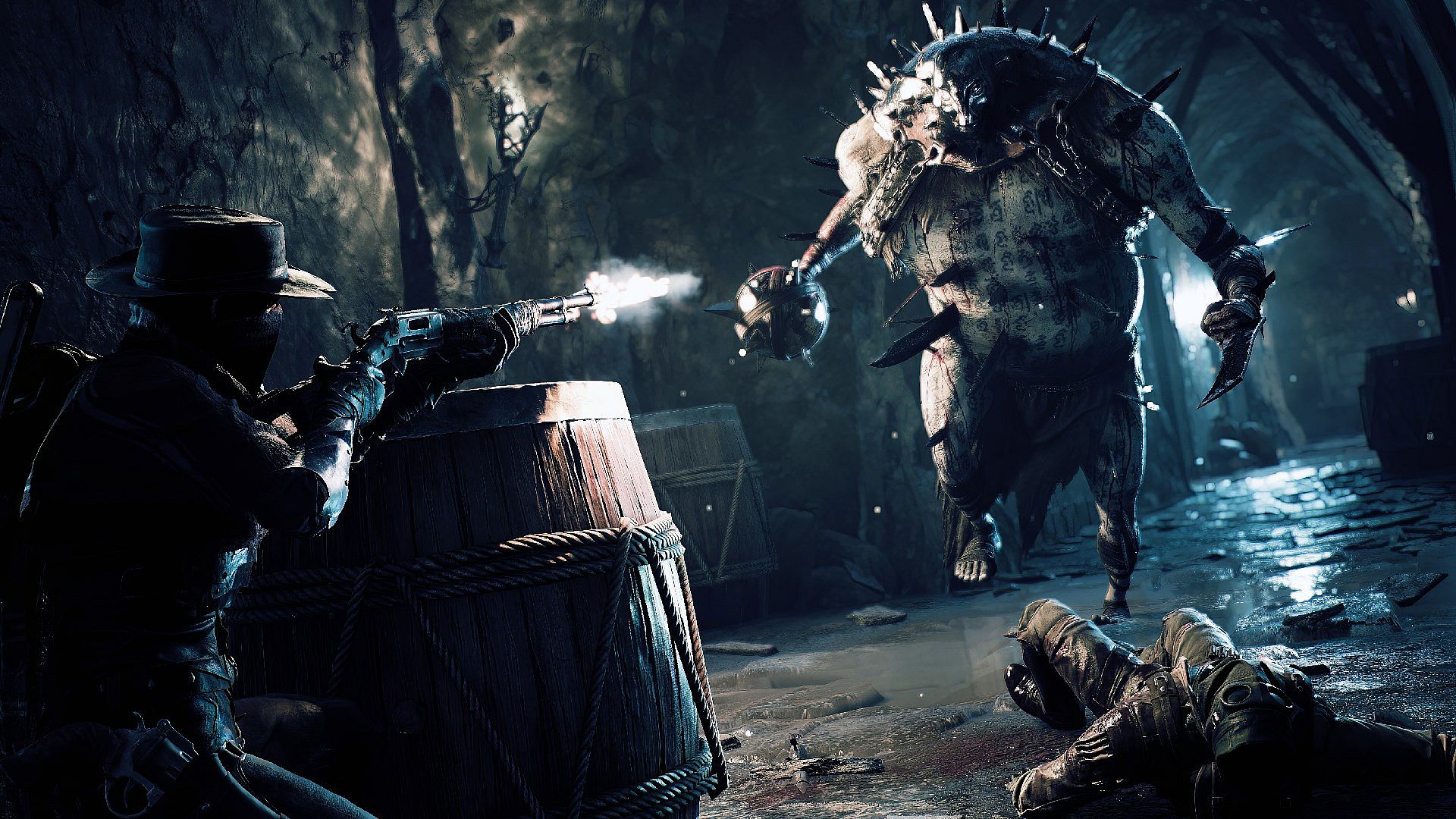
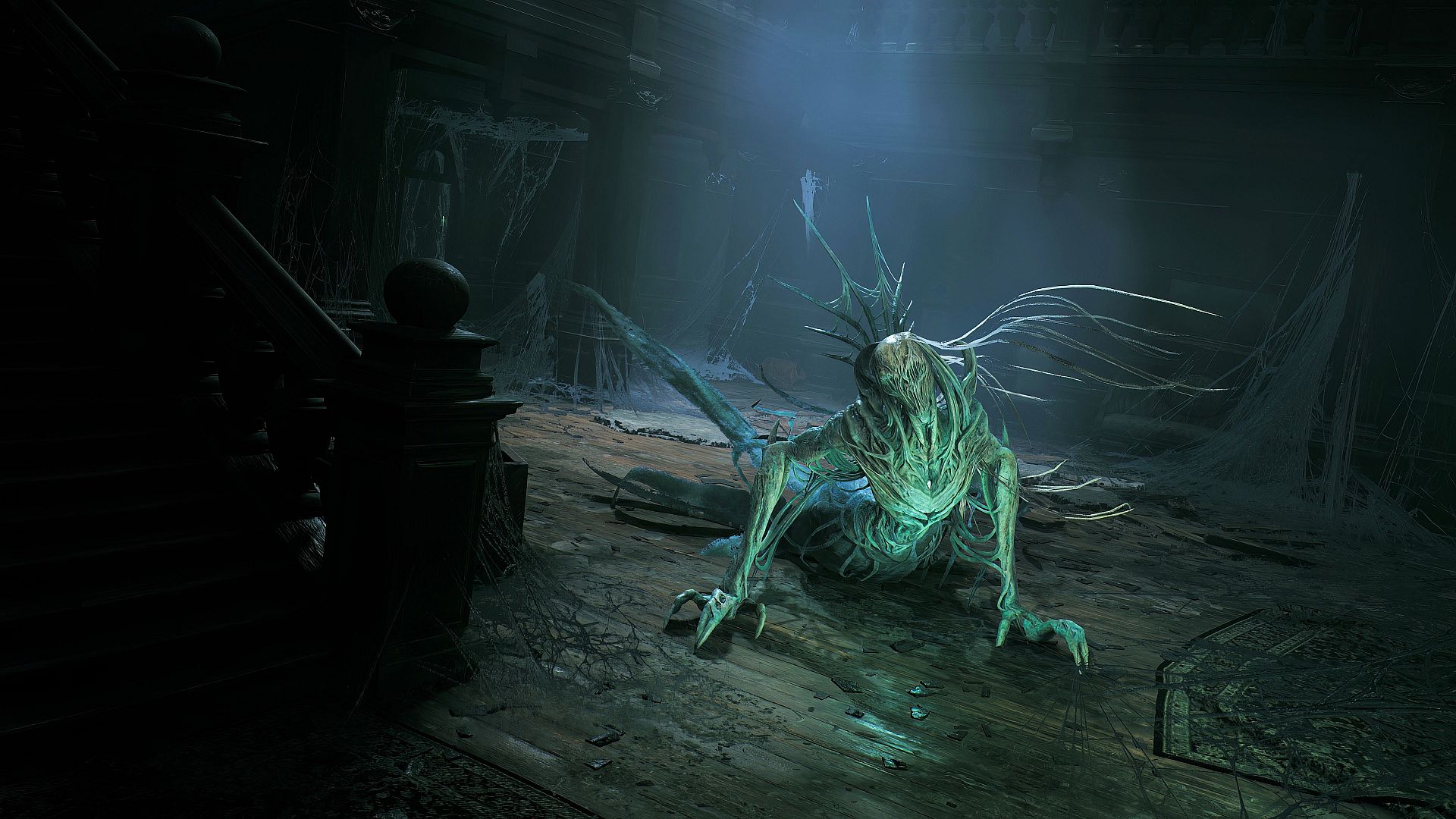
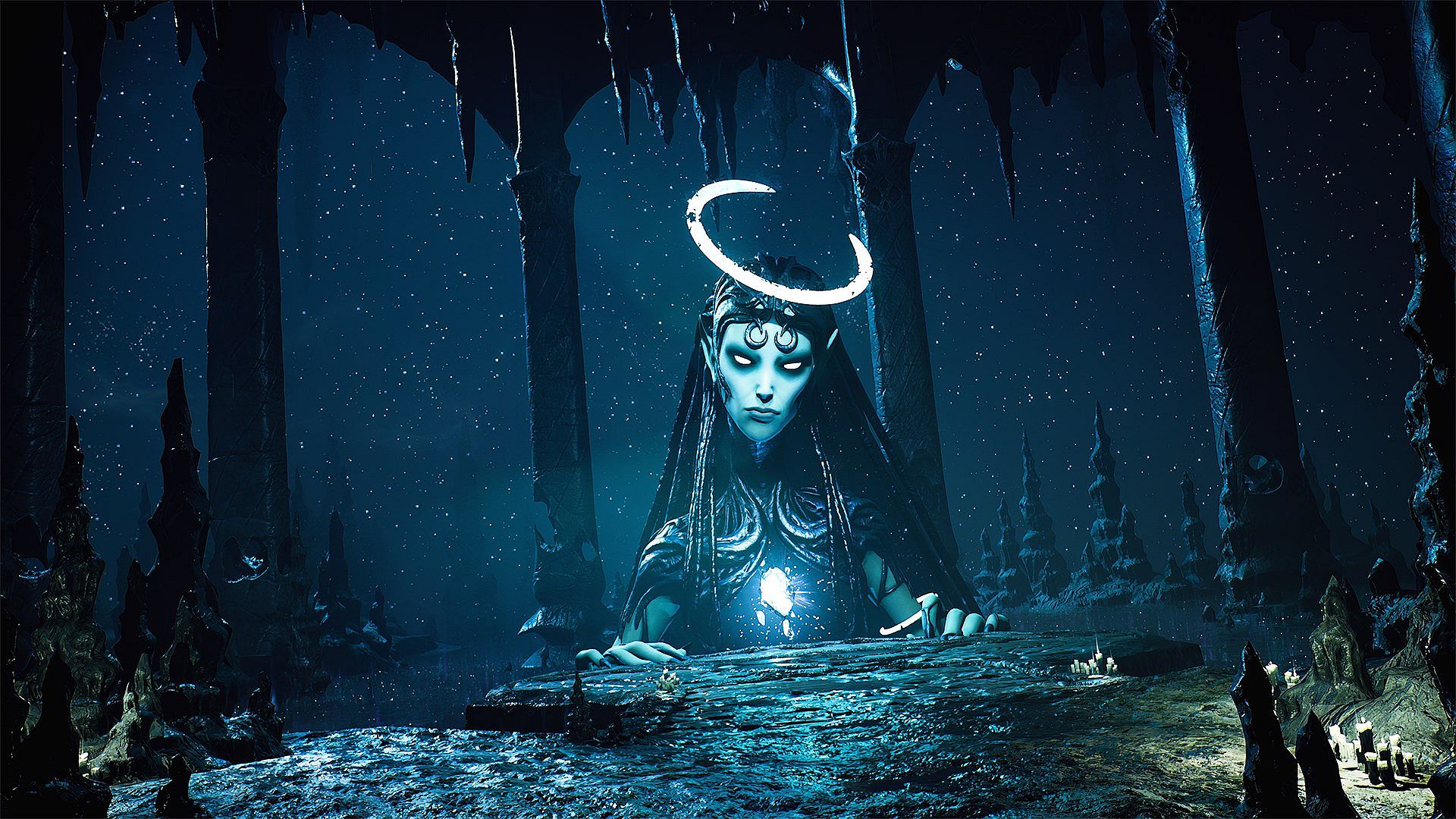
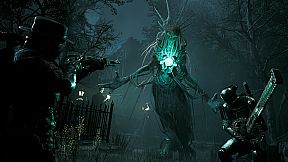
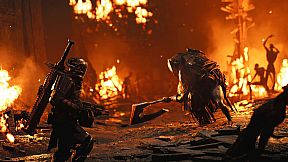
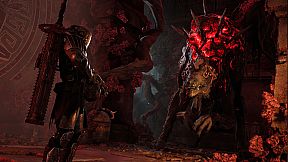

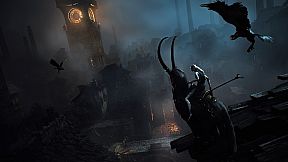
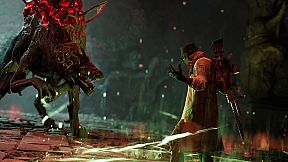
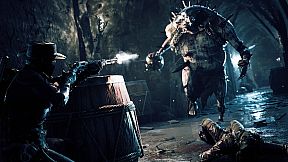
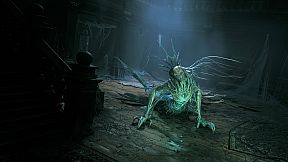

Remnant II is a survival action-shooter RPG that places players in the role of humanity's last survivors. They battle grotesque creatures and colossal bosses across hostile alien worlds while trying to prevent the collapse of reality. The experience supports solo play or cooperative sessions with up to two additional players, emphasizing personal skill alongside coordinated team tactics.
Gameplay
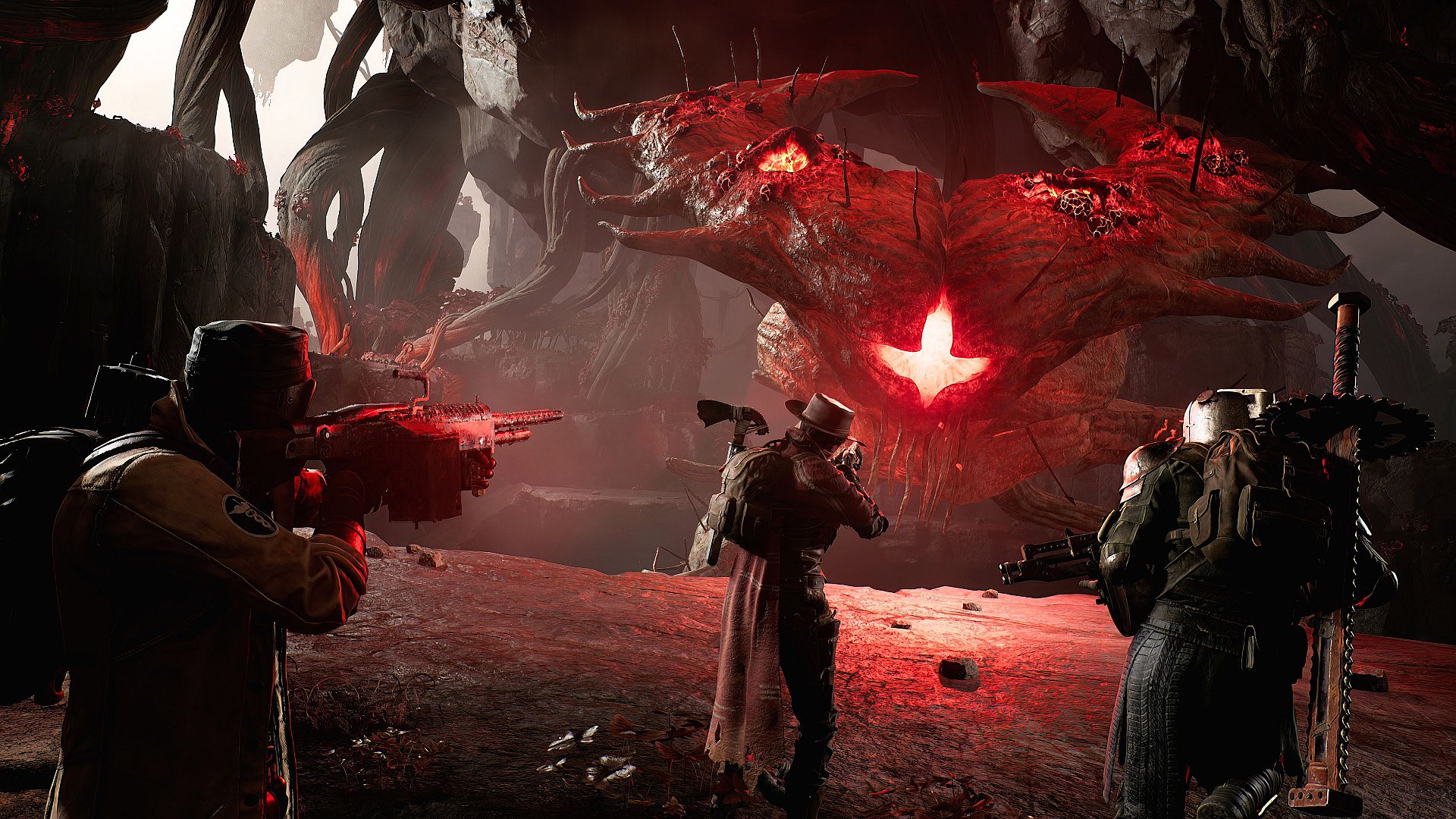
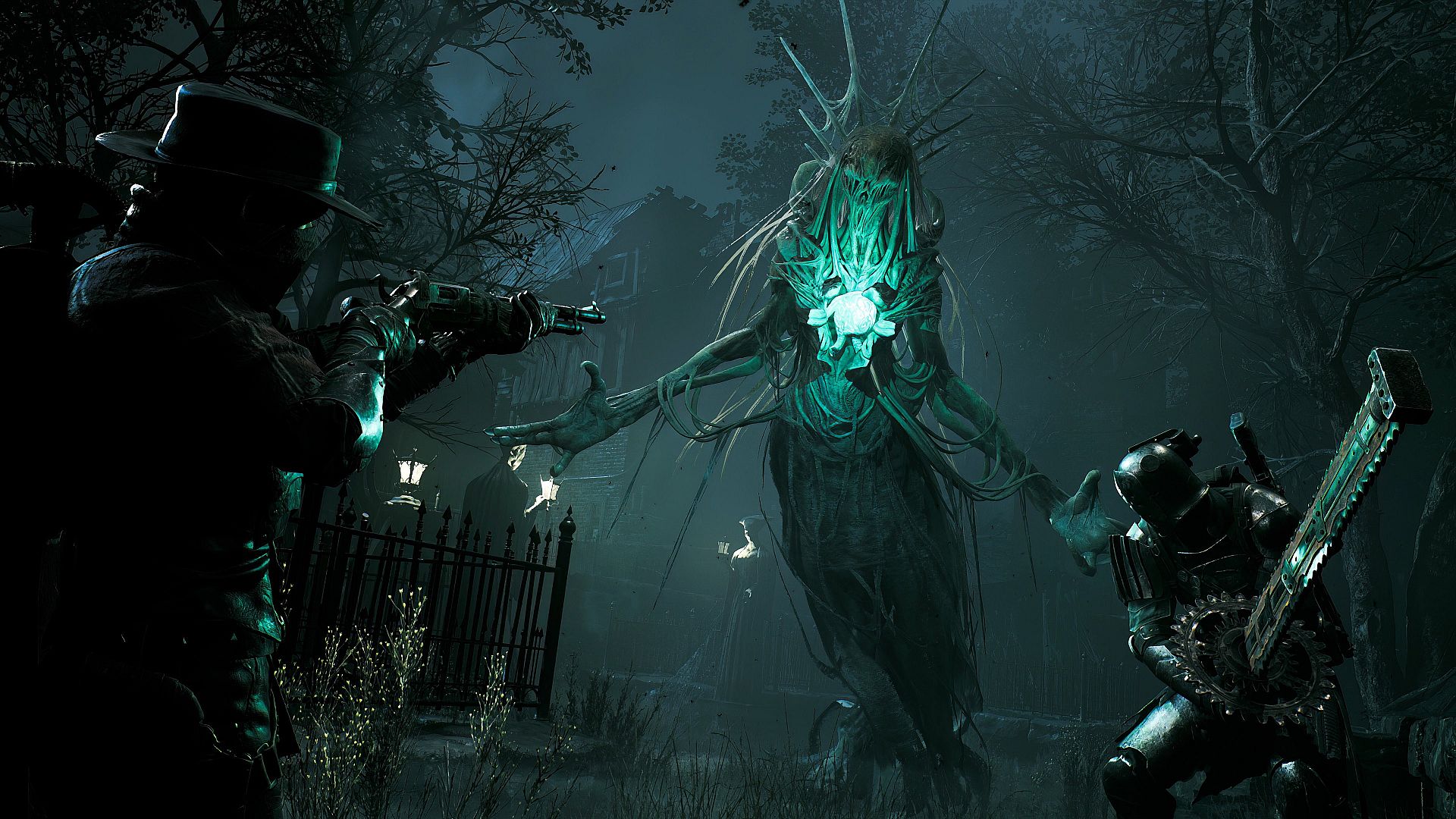
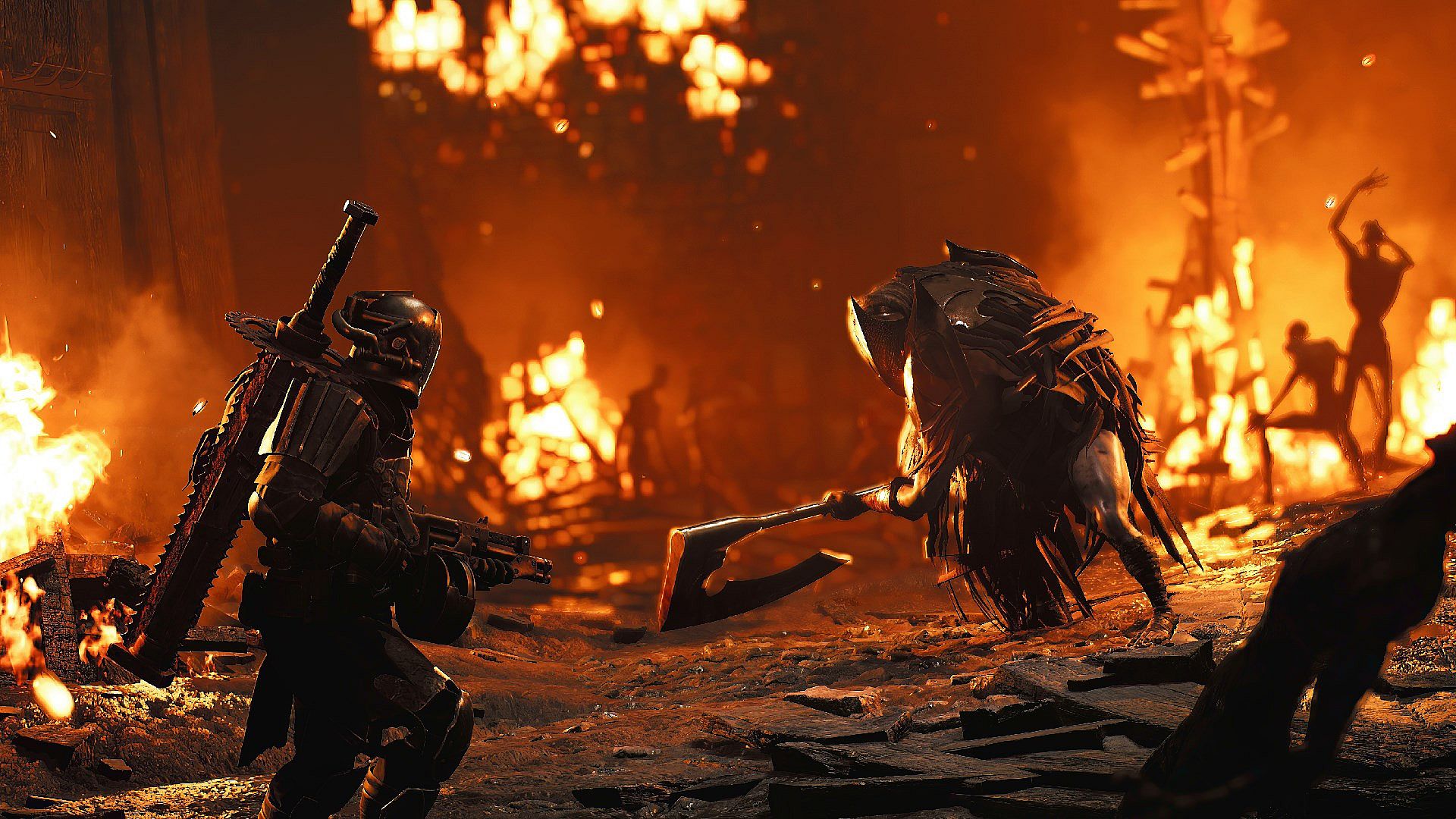
Combat alternates between deliberate positioning and rapid exchanges of fire or strikes. Enemies adapt to player movements, forcing adjustments in loadouts that combine firearms, melee weapons, and mods. Large boss encounters demand coordinated efforts, often requiring specific builds to exploit weaknesses and survive prolonged assaults. Gear upgrades and item crafting further tailor performance to the demands of each environment.
The archetype system forms the core of character progression. Players begin with one of four foundational choices and later unlock additional options through exploration and objectives. Each archetype supplies unique passive bonuses and active abilities. Dual equipping allows combinations that create specialized playstyles, such as pairing defensive support with aggressive damage output. Leveling occurs across multiple archetypes on a single character, expanding options without resetting progress.
Exploration spans several distinct worlds filled with mythical foes and hidden items. Procedural generation in dungeons and zones ensures layouts shift between sessions, while branching story paths encourage repeated visits to uncover new weapons, armor, and resources. Upgrades discovered during runs directly influence success against escalating threats.
Game Modes
The primary campaign delivers a structured narrative journey. Players advance through connected worlds with clear goals that introduce new mechanics and escalating challenges at a measured pace. This mode suits those who prefer guided progression and story context before branching out.
Adventure mode functions as a flexible alternative for targeted runs. It lets players select individual worlds or areas for focused sessions, ideal for farming specific loot or testing builds without committing to the full campaign length. Sessions here emphasize quicker objectives and varied encounters drawn from the same pool of content.
Worlds and Progression
Multiple interconnected realms present unique creature types, environmental hazards, and resource pools. Travel between them occurs through hubs that serve as safe bases for preparation and archetype management. Loot and augments collected across these areas feed into crafting systems that reward experimentation and risk-taking.
Replay value stems from the interplay of randomized elements and permanent unlocks. Different quest outcomes, enemy placements, and item drops create fresh challenges on subsequent playthroughs. Players who enjoy optimizing loadouts and discovering synergies find repeated runs consistently engaging.
Is It Worth Playing?
Remnant II appeals to those who value methodical combat, cooperative problem-solving, and deep build customization in an action framework. Its mix of frenetic fights and strategic preparation rewards patience and teamwork, particularly in group settings where roles complement one another. Solo players can still progress through careful archetype selection and gear tuning, though some encounters scale in difficulty accordingly.
The game maintains ongoing support with additional content that expands archetypes and introduces new modes such as boss-focused challenges. Availability on Xbox Series and PC ensures broad access, and the core loop of exploration, combat, and progression holds up well for fans of challenging third-person action experiences. Those drawn to games with strong emphasis on skill expression and long-term character development will find substantial depth here.
